Support

Liege

About

Liege, often referred to as "The Ardent City," is a dynamic and culturally rich destination located in the eastern part of Belgium. As the economic capital of Wallonia, it boasts a lively atmosphere characterized by welcoming locals, vibrant folklore, and a distinct spirit that sets it apart from other European cities.

Geographically, the city is strategically situated along the banks of the Meuse River, serving as the administrative center of the Liège Province. With a population of approximately 196,623 inhabitants, it is a bustling urban hub that acts as a significant gateway to the Ardennes region, offering a mix of urban excitement and scenic beauty.
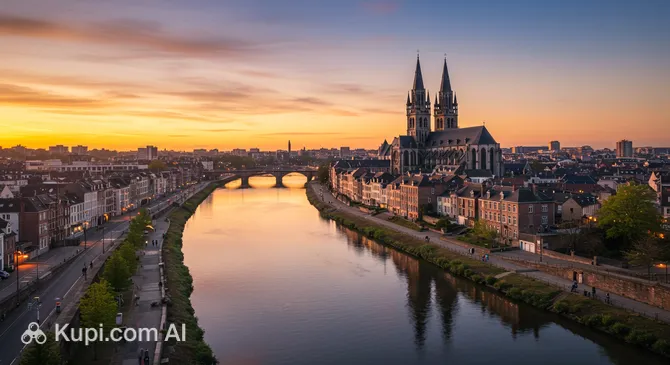
Liege. Source: Kupi.Binoculars

The city's heritage is deeply rooted in its unique past as an independent principality for several centuries. Visitors can delve into the fascinating history of Liege to understand how this legacy has shaped its architectural blend of medieval landmarks and modern structures.

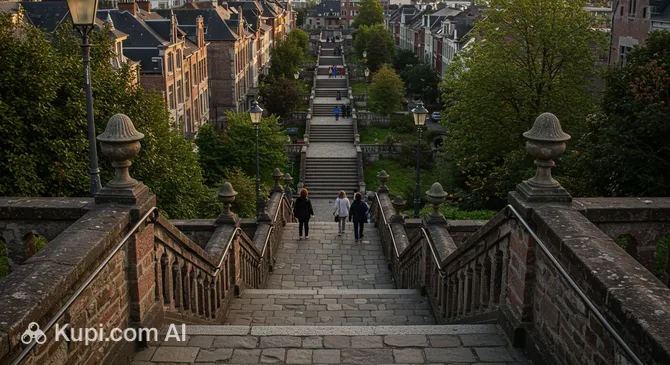
Travelers are often drawn to the impressive Montagne de Bueren, a 374-step staircase that rewards climbers with panoramic views of the city skyline. Another highlight is the futuristic Liège-Guillemins railway station, a masterpiece designed by Santiago Calatrava that stands in stark contrast to the historic city center. Culinary enthusiasts will also delight in the famous Liège waffle, a sweet treat containing pearl sugar that is renowned worldwide.

Whether you are exploring its diverse museums, strolling along the riverfront, or enjoying its culinary delights, Liege offers a memorable experience for every traveler. It is a destination that perfectly balances tradition with modernity, inviting you to discover its many charms.
Weather Overview

Liege experiences a temperate climate with distinct seasons, making it a year-round destination for travelers who come prepared. The summer months of June through August are the warmest, with average daily highs reaching up to 23.1°C in August. This period offers the most comfortable conditions for sightseeing, although visitors should note that rain is still possible, with about 12 to 15 wet days per month during this season.

Winters, spanning from December to February, are generally cool with average temperatures dropping to around 3.5°C in January. While extreme freezing is less common, the season is characterized by frequent dampness, with December seeing up to 19 wet days. Spring and autumn serve as mild transition periods, with temperatures gradually rising from an average of 6.9°C in March to a pleasant 13.1°C by May.

Regardless of when you visit, it is wise to pack layers and rain gear to adapt to the conditions. For a more detailed breakdown to help plan your packing, you can check the current weather in Liege. Expect mild to warm summers and cool winters, accompanied by consistent precipitation throughout the year.

Interesting Facts

Beyond the main attractions, Liege holds many fascinating secrets and historical quirks that often escape the casual observer. From curious architectural origins to unique folklore, the city offers plenty of stories to surprise visitors.
  • The famous Montagne de Bueren was not originally designed for scenic walks, but for a strictly practical purpose. The 374 steps were built in 1881 to allow soldiers stationed at the Citadel of Liège to descend into the city center without passing through the notorious alleyways, which were filled with taverns and distractions deemed unsuitable for the troops.

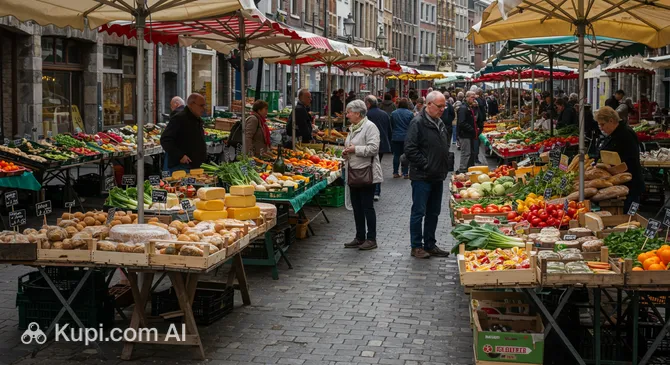
  • Sundays in the city are synonymous with La Batte Market, which is widely considered the oldest and longest market in Belgium. Dating back to the 16th century, this vibrant open-air bazaar stretches for several kilometers along the Meuse River, attracting thousands of shoppers from across the borders.

  • The city cherishes a unique folkloric hero named Tchantchès, a puppet character who embodies the stubborn but good-hearted spirit of the locals. According to legend, he was carved from a tree trunk between two paving stones and is celebrated for his love of peket (local gin) and his unwavering courage.

  • Liege is the birthplace of Georges Simenon, one of the most prolific writers of the 20th century and the creator of the famous Inspector Maigret. The city’s misty atmosphere and specific streets served as the direct inspiration for the settings in many of his celebrated detective novels.

  • Art enthusiasts might be surprised to learn about the "Genius of Evil" statue located in St. Paul's Cathedral. This depiction of Lucifer replaced an earlier version by the artist's brother, which was removed by the church administration because it was considered too physically attractive and distracting for the congregation.

Montagne de Bueren. Source: Kupi.Binoculars

How to Get There

Reaching this vibrant destination is straightforward thanks to its central location in Europe and excellent connectivity. Whether you prefer flying or taking the train, there are multiple convenient options to suit your itinerary. You can read more about how to get to Liege and plan your journey in detail.

For international travelers, the most significant entry point is often Brussels Airport (BRU). Located in the city of Brussels, approximately 82 km away, it offers the widest range of flight connections. Alternatively, you can choose Charleroi Brussels South Airport (CRL), which is also situated in the Brussels area. It is roughly 82 km from Liege and is a popular hub for low-cost carriers. For the most direct route, Liege Airport (LGG) is located right in Liege, just 8.9 km from the center. Travelers may also consider Maastricht Aachen Airport (MST) in nearby Maastricht, which is only about 33 km away.

For clarity, here is a summary of the main airports:

Airport Name City Passenger Traffic Km from City
Brussels Airport Brussels Large 81.8
Charleroi Brussels South Airport Brussels Large 81.6
Eindhoven Airport Eindhoven Medium 91.1
Maastricht Aachen Airport Maastricht Small 33.4
Liege Airport Liege Small 8.9

Traveling by train is another excellent way to arrive, with the city boasting the architectural masterpiece of Liège-Guillemins Station. Located just 1.7 km from the city center, this major hub welcomes millions of passengers and offers high-speed connections to neighboring countries. If you are arriving from the German border region, you might also consider connections via Aachen Hauptbahnhof in the city of Aachen, which is about 40 km away.

Below is a list of relevant railway stations:

Station City Passenger Traffic Km to Center
Brussels-North Bus Station Brussels Very Large 88.7
Mechelen Station Mechelen Large 88.2
Liège-Guillemins Station Liege Large 1.7
Aachen Hauptbahnhof Aachen Medium 39.5
Maastricht Railway Station Maastricht 25.3

Main Attractions

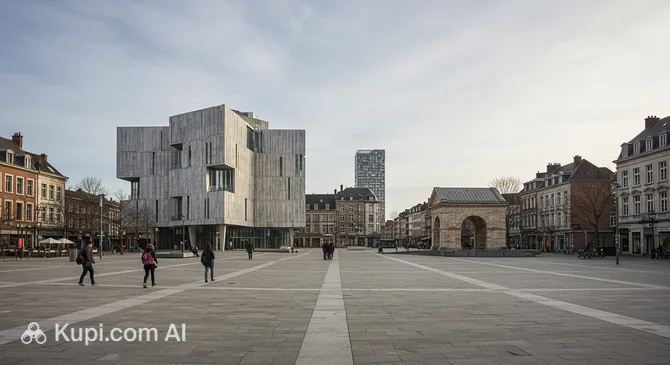
The beating heart of the city is undoubtedly Place Saint-Lambert. This expansive square is the historical and emotional center of Liege, marking the site where the magnificent Saint Lambert's Cathedral once stood before the French Revolution. Today, it serves as a bustling hub of activity, surrounded by key buildings like the Provincial Palace. Beneath the square lies the Archéoforum of Liège, an intriguing underground site where visitors can explore prehistoric remains and the foundations of the ancient cathedral.

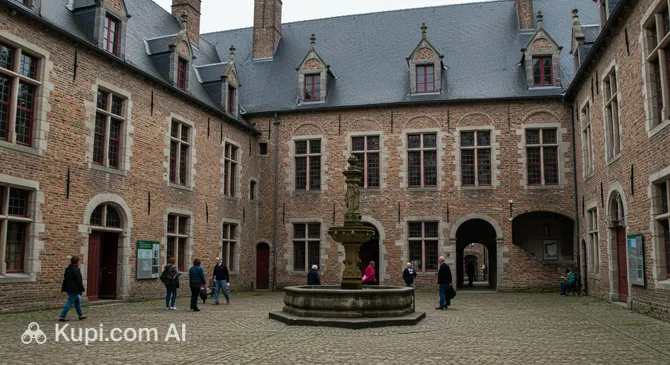
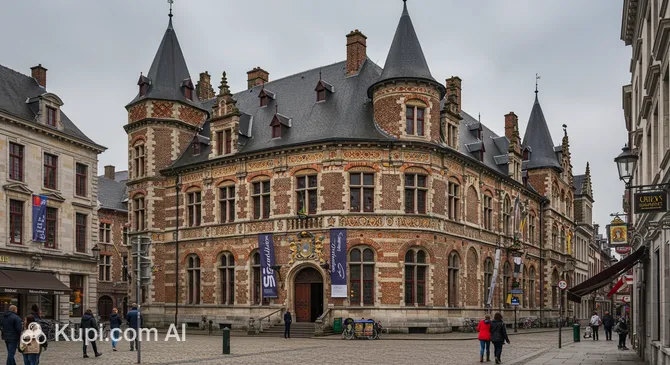
For history buffs and architecture enthusiasts, the Grand Curtius Museum is an absolute must-see. Housed in a striking red-brick mansion from the 17th century, which is a prime example of the Mosan Renaissance style, this museum brings together several collections into one vast exhibition. It showcases an impressive array of decorative arts, religious artifacts, and weaponry, offering a comprehensive journey through the region's rich artistic and cultural past.

Grand Curtius Museum. Source: Kupi.Binoculars

Art lovers will find their paradise at La Boverie, a museum of fine arts located on an island between the Meuse river and a diversion canal. The building itself is an architectural gem, originally constructed for the 1905 World's Fair. It sits within the tranquil La Boverie Park, making it a perfect spot to combine cultural appreciation with a relaxing walk. The museum frequently hosts prestigious international exhibitions and holds a permanent collection of works by masters such as Picasso, Chagall, and Magritte.

To enjoy a breath of fresh air and commanding views, head to the Citadel of Liège. Located on a hill overlooking the city, this site is not only a historical fortress but also a massive green space known as the Coteaux de la Citadelle. It offers miles of walking paths, historic monuments, and some of the best panoramic vistas of the city skyline and the Meuse valley. It is a favorite spot for locals to jog, walk, or simply watch the sunset over the rooftops.

Local Cuisine

The culinary landscape of Liege is as warm and inviting as its people, offering a gastronomic experience that centers on hearty comfort food and sweet indulgences. The local cuisine is deeply rooted in Walloon traditions, making use of regional ingredients to create dishes that are rich in flavor and history.

No visit to the city is complete without trying the famous Boulets à la Liégeoise. These savory meatballs are typically made from a mixture of beef and pork, but the real secret lies in the sauce. Known as "sauce Lapin" (rabbit sauce)—though it contains no rabbit—it is a rich, sweet-and-sour gravy made with onions, vinegar, and the essential Sirop de Liège, a thick fruit spread made from pears and apples. For an authentic taste of such traditional fare, you might visit Les Sabots d'Hélène, a spot known for its rustic charm and local specialties.

For those with a sweet tooth, the Liège waffle is an absolute must. Unlike the rectangular Brussels waffle, the Liège variety is oval-shaped, made from a dense brioche-like dough, and features chunks of pearl sugar that caramelize when baked. It is best enjoyed warm and plain, eaten with your hands while strolling through the streets or browsing the stalls at La Batte Market on a Sunday morning.

La Batte Market. Source: Kupi.Binoculars

When it comes to drinks, the locals are particularly fond of Peket, a traditional Walloon spirit distilled from juniper berries. While it was originally a clear gin, it is now available in hundreds of fruit flavors and colors, ranging from violet to lemon. To experience the local drinking culture in a truly unique setting, head to Le Pot au Lait, a legendary bar famous for its surrealist decor and vibrant atmosphere.

Coffee lovers should not miss the Café Liégeois, a classic dessert-drink hybrid consisting of lightly sweetened coffee, coffee ice cream, and whipped cream. Whether you are dining in a cozy brasserie or grabbing a quick bite from a street vendor, the food scene here is designed to satisfy the soul.

Travel Tips

Preparing for a trip to Liege means getting ready for a city that is as warm in spirit as it can be unpredictable in weather. To help you make the most of your visit to Wallonia's economic capital, here are some practical insights to ensure a smooth and enjoyable experience.

  1. Clothing and Gear: The weather here can change rapidly, so packing layers is a smart strategy. A sturdy umbrella or a waterproof jacket is essential, regardless of the season. Since the historic center features many cobblestone streets and the famous Montagne de Bueren involves a steep climb, bring your most comfortable walking shoes rather than high heels.
  2. Transportation: The city center is compact and best explored on foot. For longer distances, the TEC bus network is reliable and covers the entire area effectively; you can buy tickets via their app or at kiosks. Taxis are available but can be pricey, and while ride-hailing apps operate here, you rarely need a car within the city limits due to traffic and parking restrictions.
  3. Finances: The local currency is the Euro (€). Credit and debit cards are widely accepted in hotels, restaurants, and shops, but it is wise to carry some cash for smaller purchases, especially at the Sunday market or in traditional "brown bars." Service is included in the bill, so tipping is not mandatory, though rounding up the total is a common gesture of appreciation.
  4. Health and Safety: Liege is generally a safe city for tourists, but standard precautions apply; keep an eye on your belongings in crowded areas like the train station or markets. Pharmacies are marked with a green cross, and you can find a "pharmacie de garde" (on-duty pharmacy) open after hours for emergencies. The universal emergency number for medical or police assistance is 112.
  5. Communication: French is the official language of the region. While many locals, particularly the younger generation and those in the hospitality industry, speak good English, starting a conversation with a polite "Bonjour" (Hello) or "Excusez-moi" (Excuse me) is highly appreciated. Buying a local SIM card is easy at convenience stores if you need constant data, though free Wi-Fi is often available in cafes and public spots.
  6. Local Etiquette: Politeness is valued here; always greet shopkeepers when entering a store and say "Au revoir" when leaving. When interacting with locals, the atmosphere is generally casual and friendly ("bon vivant"), but it is customary to ask before taking photos of people.
  7. What to Avoid: Do not confuse Liege with Brussels or assume the culture is identical; locals are proud of their distinct Walloon identity. Also, avoid walking in designated bicycle lanes, as cyclists can move quickly and expect pedestrians to stay on the sidewalk.
  8. Local Insight: If you are in town on a Sunday, do not miss the La Batte market along the Meuse riverbanks. It is a local institution where you can buy everything from cheese to clothes. For a true local experience, try eating a warm waffle while walking through the stalls—it is the quintessential Sunday morning ritual for many residents.

By keeping these practical tips in mind, you will be well-equipped to navigate the streets of Liege like a pro. Embrace the local rhythm, enjoy the hearty cuisine, and let the city's unique charm unfold around you.

Entertainment & Nightlife

Entertainment:

Liege is known as a city that loves to celebrate, offering a vibrant nightlife and diverse leisure activities that cater to all tastes. The city center buzzes with energy after dark, particularly in the famous "Le Carré" district, where students and locals gather. For those seeking a unique venue, Le Cadran provides an exceptional setting for clubbing and cultural events, located in the city's underground tunnels. Another lively spot is La Bodega, a favorite for its warm atmosphere and festive evenings.

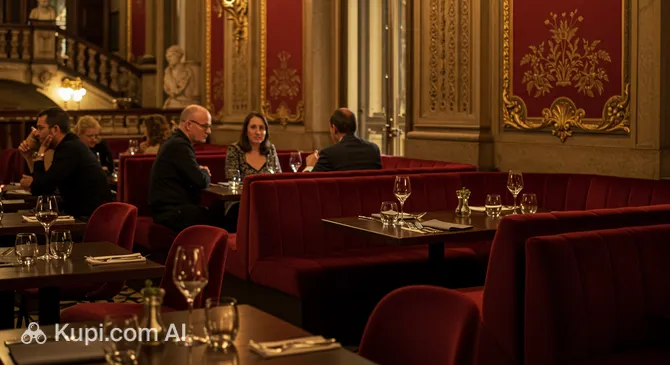
Culture enthusiasts will appreciate the city's prestigious performing arts scene. The Royal Opera of Wallonia-Liège is a standout institution, housed in a magnificent neoclassical building. It hosts a rich program of operas, concerts, and ballets, drawing audiences from across the region to enjoy world-class performances in a historic setting.

Royal Opera of Wallonia-Liège. Source: Kupi.Binoculars

For a venue that perfectly blends heritage with modern expression, La Cité Miroir is a must-visit. This cultural center is located in the former Sauvenière public baths, a striking modernist building where the empty swimming pools now serve as exhibition spaces for art, history, and civic debate.

Families and those looking for interactive fun have excellent options as well. The Aquarium-Museum of Liège invites visitors to explore aquatic life from around the world, featuring thousands of specimens in diverse ecosystems. For a more playful experience, Goolfy Liège - Laser Game Liège offers an exciting indoor mini-golf and laser game adventure amidst fluorescent decorations.

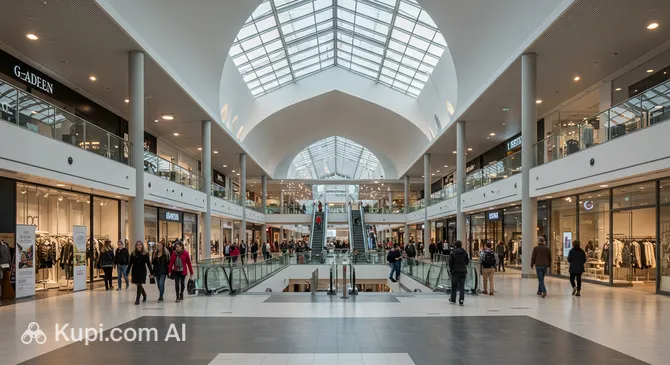
Shoppers will find their paradise at the Belle-Île Shopping Center. Situated on an island in the Meuse River, this extensive mall features a wide variety of international brands, boutiques, and dining options, making it the perfect destination for a full day of retail therapy.

Parks & Museums

Parks and Museums:

Beyond its bustling streets and historic squares, Liege offers a refreshing variety of green escapes and cultural institutions that delve deep into the region's identity. From tranquil gardens that showcase rare plant species to museums preserving the rich folklore of Wallonia, the city invites visitors to explore its quieter and more contemplative side.

For a peaceful retreat near the city center, the Botanical Garden of Liège is a perfect choice. This historic park is designed in a romantic English style and features rare trees, Victorian-era greenhouses, and beautifully landscaped paths. It serves as a green lung for the neighborhood and a favorite spot for students and locals seeking a quiet break. Another significant green space is Avroy Park, a vast urban park characterized by its large pond and statues. It frequently hosts events and funfairs, making it a lively center of activity during the warmer months.

To truly understand the soul of the region, a visit to the Museum of Walloon Life is essential. Housed in a beautifully restored 17th-century monastery, this museum offers a comprehensive look at life in Wallonia from the 19th century to the present. Through interactive exhibits, it covers everything from traditional crafts and festivities to social history, providing a fascinating context for the local culture you see on the streets today.

Museum of Walloon Life. Source: Kupi.Binoculars

Technology and history enthusiasts will find the Museum of Public Transport of Wallonia particularly engaging. Located in a former tram depot, it displays a nostalgic collection of trams, trolleybuses, and buses that once roamed the streets of the city. For those interested in religious art, the Treasury of Liège at the Cathedral holds exceptional pieces of sacred art, including the famous bust of Saint Lambert, reflecting the city's powerful ecclesiastical past.

Among the architectural highlights that complement these cultural visits is Saint James's Church. This masterpiece is renowned for its stunning Flamboyant Gothic interior and intricate stained glass windows, often cited as some of the most beautiful in Belgium. It stands as a testament to the city's artistic grandeur during the transition from the Middle Ages to the Renaissance.

For a more off-the-beaten-path experience, consider exploring the area around the Fort de la Chartreuse. While the fort itself is an abandoned historical site often visited by urban explorers, the surrounding Chartreuse Park offers a unique blend of wild nature and history. It is a fascinating place where vegetation is slowly reclaiming old military structures, offering a stark contrast to the manicured gardens of the city center.

Getting Around

Public transport in Liege is primarily served by an extensive bus network operated by TEC (Transport En Commun). These distinct yellow buses connect the city center with the suburbs and surrounding neighborhoods effectively. While the city does not currently have a metro system, a modern tramway line is under active construction to better connect key districts, a project that is reshaping the city's transit landscape. In the meantime, the bus remains the backbone of daily commuting for locals and visitors alike.

In addition to buses, the railway network acts as a convenient urban connector. Trains run frequently between the spectacular Liège-Guillemins station in the south and the Liège-Saint-Lambert (formerly Liège-Palais) station in the heart of the city. This short train journey takes only a few minutes and is often faster than crossing the city by road during peak hours. For a more scenic route during the warmer months (typically April to October), the Navette Fluviale is a river shuttle that stops at key points along the Meuse, offering a delightful way to travel between the train station and the historic center.

The payment system is integrated and relatively straightforward. The most convenient option for tourists is to use contactless payment directly on the bus or train validators using a credit or debit card, or to purchase digital tickets via the TEC app. Physical disposable tickets are becoming less common, and buying a ticket from the driver is often more expensive or sometimes not possible. For longer stays, a rechargeable MOBIB card can be used to load multiple trips at a discounted rate. A single standard fare typically costs around €2.50 to €3.00, allowing for transfers within a set time limit.

Travelers should be aware that all tickets must be validated immediately upon boarding, even when transferring between buses. The transport network generally operates from around 5:00 AM until roughly 11:00 PM or midnight, though frequency drops significantly in the late evening and on Sundays. It is highly recommended to check schedules in real-time using the official app or Google Maps, especially since ongoing construction works for the tram can occasionally cause detours or changes to bus stops.

Given the compact nature of the historic center, walking is often the best alternative for exploring the main attractions. Most sites around Place Saint-Lambert and the Carré district are within easy walking distance of each other. For those who prefer not to walk, taxis are available at designated stands or can be ordered by phone, though they are pricier than public transit. Cycling is also an option, but visitors should be mindful of the city's hilly terrain outside the valley floor and the current roadworks.

Accommodation

Where to Stay:

Finding a place to stay in Liege is relatively straightforward, as the city offers a wide range of accommodation options to suit various budgets and travel styles. Visitors can choose from modern international chain hotels, charming boutique establishments located in historic buildings, and a good selection of budget-friendly hostels. For those seeking a more home-like experience, there is also a growing market for short-term apartment rentals, particularly in the city center.

The most popular area for tourists is undoubtedly the historic center. Staying here puts you within walking distance of the main sights, vibrant shopping streets, and the lively nightlife of the Carré district. This area clusters around Place Saint-Lambert, the city's central hub, making it an ideal base for those who want to explore on foot and be immersed in the local atmosphere.

Place Saint-Lambert. Source: Kupi.Binoculars

Another convenient option is the district around the Guillemins train station. This area is more modern and is undergoing rapid development. It is particularly well-suited for business travelers or those planning to take frequent day trips by train to other parts of Belgium or neighboring countries. The connection between the station and the city center is fast and frequent, so you never feel too far from the action.

In terms of pricing, accommodation in Liege is generally more affordable than in Brussels or Bruges. You can typically find comfortable mid-range hotels at very reasonable rates. However, it is always a smart idea to book in advance, especially if you are visiting during major events like the "Village de Noël" (Christmas Market) in December or the summer music festivals, when the city fills up quickly. Most hotels can be easily booked via major online platforms, though booking directly sometimes offers small perks.

Nearby Cities

For those looking to explore the surroundings, Liege serves as an excellent base for day trips to several interesting nearby locations:

City Population Distance (km)
Seraing 64270 5
Herstal 39958 5
Tongeren 31142 18
Ans 28238 5
Flemalle 26174 9

Among these options, Tongeren stands out as a particularly compelling destination. Located just 18 km away, it holds the title of the oldest town in Belgium. Visitors flock here to explore its rich Roman history, including the award-winning Gallo-Roman Museum and the ancient city walls. Additionally, Tongeren is famous for hosting one of the largest antique markets in the Benelux region every Sunday morning, making it a paradise for collectors.

Closer to Liege, Seraing offers a fascinating look into the region's industrial prowess. The main attraction here is the Val Saint Lambert site, located within a historic Cistercian abbey. This venue celebrates the prestigious crystal glassware that has been produced here for nearly two centuries, offering live glass-blowing demonstrations and a museum dedicated to the craft.

Another nearby town of note is Herstal, situated just 5 km north of the city center. While it is primarily known today as an industrial hub, it carries significant historical weight as a residence of the Carolingian dynasty and is often cited as the birthplace of Charlemagne. It provides a deeper context to the manufacturing heritage that defines the Meuse valley.

These nearby destinations offer a glimpse into the diverse culture and landscapes of the region.

Shopping & Souvenirs

Liege serves as a major commercial hub for Wallonia, offering a shopping experience that ranges from high-end fashion and popular international chains to quaint artisanal boutiques. The city center is compact and largely pedestrian-friendly, making it easy to browse through the various districts while enjoying the lively urban atmosphere. Whether you are looking for the latest trends or unique local craftsmanship, the city provides a diverse array of options to satisfy every shopper.

The primary shopping district is concentrated around the pedestrian streets connecting Place de la Cathédrale and Place Saint-Lambert. The bustling Vinâve d'Île and Rue Pont d'Île are lined with well-known brand names and department stores. For a more intimate experience, head to the historic streets like Rue Neuvice and En Féronstrée, where you can find independent designers, antique shops, and local food artisans. The Carré district, while famous for its nightlife, also hosts several trendy fashion boutiques during the day.

For those who prefer indoor shopping, the city boasts several impressive malls. The Belle-Île Shopping Center is one of the largest, situated just outside the center on a river island, offering a vast selection of shops and restaurants. In the heart of the city, the Galeries St-Lambert provides convenient access to major retailers, while the architecturally striking Médiacité, designed by Ron Arad, is a destination in itself, featuring over 120 stores and leisure facilities.

Belle-Île Shopping Center. Source: Kupi.Binoculars

Markets are an integral part of the local culture, with the La Batte Market being the undisputed highlight. Held every Sunday along the banks of the Meuse, it is the oldest and largest market in Belgium. Here, locals and tourists alike hunt for bargains ranging from fresh produce and regional cheeses to clothing, books, and even small livestock. It is a vibrant, chaotic, and utterly charming place to find unique items and soak up the local dialect.

When it comes to souvenirs, Liege offers plenty of distinctively local treasures. Culinary gifts are particularly popular, such as a jar of the sticky and sweet Sirop de Liège (made from apples and pears) or a bottle of Peket, the local gin available in countless flavors. Crystal from the nearby Val Saint Lambert is a prestigious choice for those seeking fine craftsmanship. Of course, boxes of high-quality Belgian chocolate or packs of authentic Liège waffles are always a hit.

Most shops in the city center are open from Monday to Saturday, typically between 10:00 AM and 6:00 PM. While many larger stores stay open until 7:00 PM on Fridays, almost all retail businesses are closed on Sundays, with the notable exception of the markets and some small convenience stores. Credit and debit cards are widely accepted, though it is useful to carry some cash for smaller purchases at market stalls.

Travelers residing outside the European Union may be eligible for a tax refund on purchases made in a single store that exceed a certain amount. Look for the "Tax-Free Shopping" logo in store windows and ask for a refund form at the checkout to claim your VAT back upon leaving the EU.

Reached the end of the page?

That means the route is fully explored