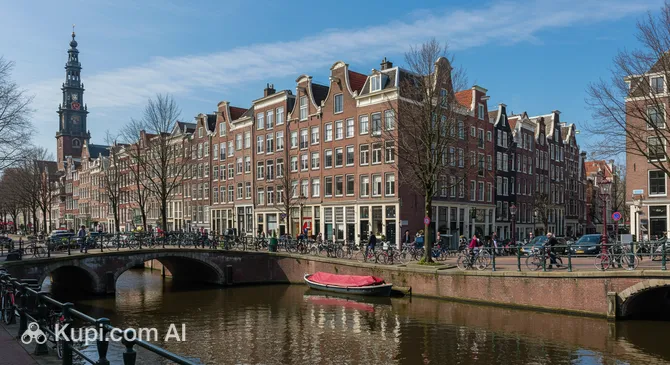
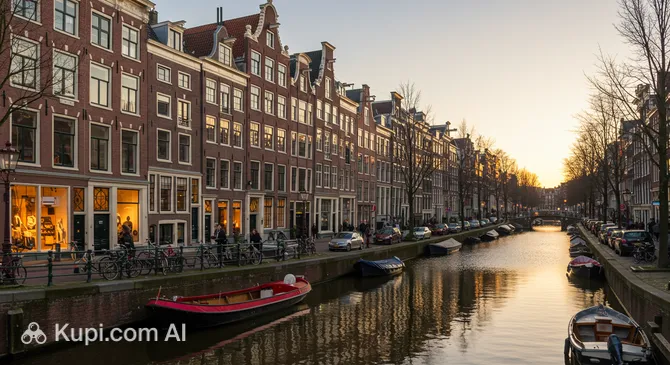
Amsterdam, the vibrant capital of the Netherlands, is a city that effortlessly blends 17th-century history with modern urban flair. Known affectionately as the "Venice of the North," it is famous for its elaborate canal system, narrow houses with gabled facades, and artistic heritage. The city’s atmosphere is open and tolerant, inviting visitors to explore its charming streets by foot or, like a true local, by bicycle.
Located in the province of North Holland, Amsterdam serves as the country's commercial and cultural hub. With a metropolitan population of approximately 1.4 million, it is a bustling metropolis that still retains a cozy, village-like feel in many neighborhoods. The city is situated on the banks of the Amstel River and the IJ bay, characterized by its iconic concentric canals and numerous bridges.
Amsterdam. Illustration.
Source: Kupi.com AI
The history of Amsterdam is deeply intertwined with the Dutch Golden Age, a period of great wealth and cultural achievement. Today, this legacy is visible in its world-class museums. Visitors can admire masterpieces at the Rijksmuseum and the Van Gogh Museum, or reflect on the past at the Anne Frank House. The historic Canal Ring, a UNESCO World Heritage site, offers a picturesque backdrop for boat cruises and leisurely strolls.
Whether you are interested in art, history, or simply soaking up the unique atmosphere of a canal-side café, Amsterdam has something to offer every traveler. It is a destination that promises a memorable experience in one of Europe's most distinct and welcoming cities.
Weather Overview
Amsterdam experiences a moderate maritime climate, characterized by mild winters and pleasant summers. The weather can be quite changeable, often influenced by its proximity to the North Sea. For travelers planning their wardrobe, checking the detailed weather in Amsterdam forecast is always a good idea before departure.
Summers are generally warm but comfortable, with August being the warmest month, featuring average daily highs of 21.5°C and average temperatures around 18.5°C. Winters are cool, with average temperatures in January and December dropping to around 5°C to 6°C. While freezing temperatures are possible, the mercury typically stays above zero, with minimums averaging between 3.5°C and 4.4°C during the coldest months.
Rainfall is a constant companion throughout the year, so carrying an umbrella is recommended regardless of the season. December is typically the dampest month with about 18 wet days, while spring and early summer offer slightly drier conditions with around 12 wet days per month. Overall, you can expect mild, warm summers and cool, frequent showers in winter.
Average monthly temperature
Average monthly precipitation
Interesting Facts
Beyond the main attractions, Amsterdam holds many fascinating secrets that surprise even seasoned travelers. From its engineering marvels to its unique cycling culture, here are some intriguing details about the Dutch capital.
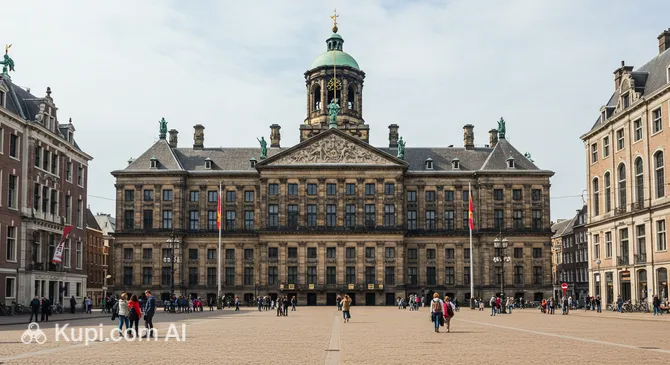
The entire city is built on piles driven deep into the wet, muddy soil to provide stability. For instance, the magnificent Royal Palace Amsterdam on Dam Square rests on exactly 13,659 wooden poles to keep it from sinking.
Amsterdam is arguably the bicycle capital of the world, boasting more bikes than residents. Estimates suggest there are over 880,000 bicycles in the city, and interestingly, thousands of them end up in the canals every year, requiring special boats to fish them out.
While Venice is often cited for its waterways, Amsterdam actually features more canals and bridges. With over 160 canals and 1,200 bridges, the city offers endless scenic routes, including the charming area known as The Nine Streets.
Many historic canal houses appear to tilt forward or lean sideways, a phenomenon often called "Dancing Houses." While some tilt due to settling foundations, others were intentionally built with a forward lean to prevent goods being hoisted up on pulleys from damaging the façade.
Royal Palace Amsterdam. Illustration.
Source: Kupi.com AI
Traveller photos:
How to Get There
Amsterdam is one of the most accessible cities in Europe, serving as a major transportation hub for the continent. Whether you are arriving by air or rail, the city offers excellent connections to the rest of the world. For a detailed overview of all travel options, including driving directions and public transport tips, you can read more about how to get to Amsterdam on our dedicated page.
The primary gateway for air travelers is Amsterdam Airport Schiphol (AMS). Located just 11.7 km from the city center, it is one of the busiest international airports in the world. A taxi or train ride from Schiphol to the heart of Amsterdam is quick and efficient. For those looking for alternative routes, especially from within Europe, Rotterdam The Hague Airport (RTM) is a viable option. Situated approximately 55.9 km away, the journey to Amsterdam typically takes around 1 hour by road.
Another option for travelers, particularly those flying with budget airlines, is Eindhoven Airport (EIN). Situated in the city of Eindhoven, it is about 107.1 km from Amsterdam. While further away, the transfer time is manageable, taking approximately 1 hour and 30 minutes by taxi or shuttle bus. Travelers should weigh the savings on airfare against the additional travel time required to reach the capital.
For clarity, here is a summary of the main airports serving the region:
Traveling by train is an exceptionally convenient way to arrive, landing you directly in the city center. The main hub is Amsterdam Centraal Station (ZYA), an architectural marvel located just 1.3 km from the very center of the city. It connects Amsterdam with major European capitals like Paris, London, and Berlin. With an annual passenger traffic of over 70 million, it is a bustling gateway that offers immediate access to trams, buses, and ferries.
If your train connection requires it, you might also arrive via Rotterdam Centraal Station (QRH). This station is located in the city of Rotterdam, about 57.5 km from Amsterdam. It is a major transport node, and high-speed intercity trains connect the two cities efficiently, making the transfer smooth and fast.
Below is a list of significant railway stations in the region:
Amsterdam is a treasure trove of art, history, and vibrant urban life, offering an impressive array of sights within a compact and walkable city center. From world-renowned museums housing Golden Age masterpieces to peaceful green spaces, the city's attractions cater to every type of traveler. Exploring these landmarks provides a deeper understanding of the Dutch capital's rich heritage and contemporary culture.
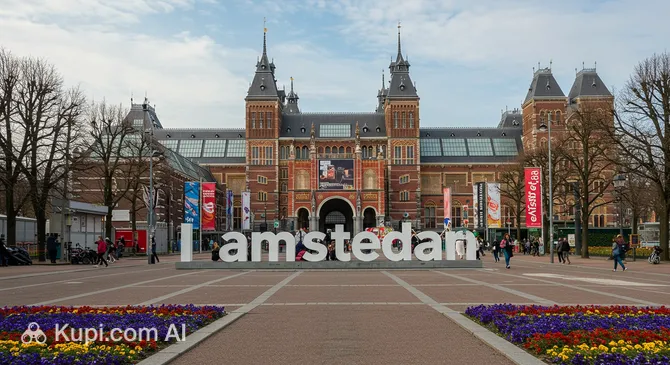
A visit to Amsterdam would be incomplete without exploring the Rijksmuseum. Dominating the Museumplein, this grand institution is the national museum of the Netherlands, dedicated to arts and history. It is most famous for its vast collection of paintings from the Dutch Golden Age, including masterpieces by Vermeer and Rembrandt’s iconic The Night Watch. Tourists are drawn here not only for the exquisite art but also for the building's stunning architecture, which blends Gothic and Renaissance styles.
Rijksmuseum. Illustration.
Source: Kupi.com AI
Traveller photos:
Just a short walk away lies the Van Gogh Museum, a modern structure entirely dedicated to the works of Vincent van Gogh and his contemporaries. It houses the world's largest collection of the artist's paintings and drawings, offering an intimate look into his turbulent life and evolving style. Visitors can admire famous works such as Sunflowers and The Potato Eaters, making it a deeply moving experience for art lovers.
For a poignant journey into history, the Anne Frank House on the Prinsengracht canal is an essential stop. This museum preserves the Secret Annex where Anne Frank and her family hid from Nazi persecution during World War II. Walking through the concealed rooms and seeing the original red-checked diary is a powerful and emotional experience that connects visitors to one of the most widely read personal accounts of the Holocaust.
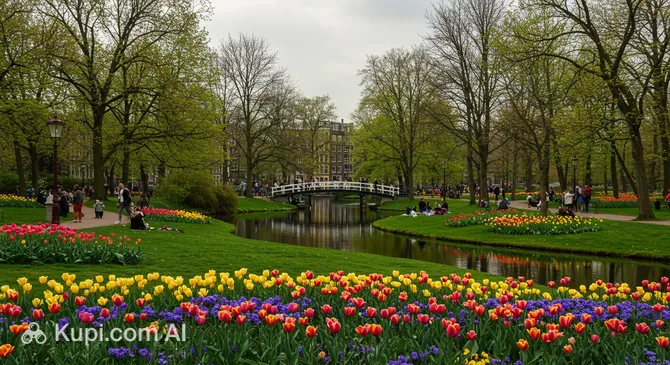
If you are looking to escape the bustling city streets, Vondelpark offers a perfect retreat. As the city's most famous park, it serves as the green lung of Amsterdam, attracting locals and tourists alike for picnics, cycling, and leisure. In the summer, the open-air theater hosts free concerts and performances, adding a festive atmosphere to the serene ponds and winding paths.
Vondelpark. Illustration.
Source: Kupi.com AI
Traveller photos:
Finally, the beating heart of the city can be found at Dam Square. Located just a five-minute walk from Centraal Station, this historic square is surrounded by notable buildings and is a hub of activity day and night. It is a popular gathering place filled with street performers, pigeons, and events, serving as an excellent starting point for exploring the surrounding shopping streets and historic sites.
Local Cuisine
The culinary scene in Amsterdam is a delightful reflection of the city's character: cozy, unpretentious, and surprisingly diverse. While Dutch cuisine is traditionally known for being hearty and simple, the capital offers a gastronomic landscape that ranges from historic street snacks to sophisticated international fusion. Exploring the local food is not just about eating; it is an essential part of experiencing the Dutch way of life.
For those with a sweet tooth, the iconic Stroopwafel is a must-try. These thin, waffle-like cookies filled with warm caramel syrup are best enjoyed fresh from a street market vendor. Another beloved treat is Poffertjes, fluffy mini-pancakes typically served with a generous dusting of powdered sugar and a pat of butter. If you are looking for a modern cult favorite, the Van Stapele Cookie Shop draws long lines for its signature dark chocolate cookies with a gooey white chocolate center.
On the savory side, no trip is complete without tasting Hollandse Nieuwe (raw herring). Often eaten at fish stalls throughout the city, the fish is served with chopped onions and pickles; the traditional way to eat it is by holding it by the tail and sliding it into your mouth. For the ultimate comfort snack, try Bitterballen. These deep-fried, crispy meatballs filled with creamy ragout are the quintessential accompaniment to a drink and are found on the menu of almost every pub.
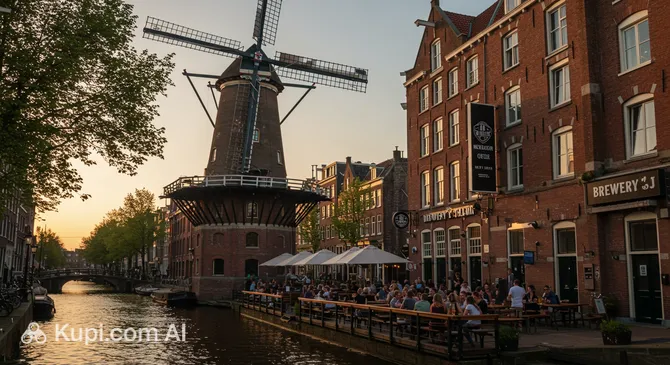
Speaking of drinks, Amsterdam has a rich brewing heritage. While it is the home of global beer giants, the local craft beer scene is thriving. A perfect place to sample this is Brewery 't IJ, a celebrated independent brewery located next to a historic windmill, offering a unique atmosphere and excellent organic beers. For something stronger, try Jenever, a traditional juniper-flavored spirit that is the forerunner of modern gin.
Brewery 't IJ. Illustration.
Source: Kupi.com AI
Traveller photos:
The city's dining culture is anchored in its "brown cafes" (bruine kroeg), named for their dark wood interiors and smoke-stained walls of the past. These cozy pubs are the living rooms of the neighborhood. For a more contemporary vibe, the Foodhallen in the trendy Oud-West district is a bustling indoor food market located in a renovated tram depot, serving high-quality street food from around the world. Finally, due to historical colonial ties, Indonesian cuisine is a staple here; ordering a Rijsttafel (rice table)—a meal consisting of dozens of small, flavorful side dishes—is a classic Amsterdam dining experience.
Travel Tips
Welcome to Amsterdam! To ensure your visit to this beautiful canal-woven city is as smooth and enjoyable as possible, we have compiled a list of essential travel advice to help you navigate the local lifestyle with ease.
Clothing and Gear: The weather in the Netherlands is famously unpredictable, often shifting from sunshine to rain in minutes. Layers are your best friend; bring a waterproof jacket and a sturdy umbrella regardless of the season. Since you will likely do a lot of walking on cobblestone streets, pack comfortable flat shoes or sneakers and leave the high heels at home.
Transportation: The public transport network (GVB) consisting of trams, buses, metros, and ferries is efficient and covers the entire city. You do not need to rent a car; parking is incredibly expensive and driving along the canals is stressful. For public transport, you can simply check in and out using your contactless debit or credit card (OVpay), or purchase a multi-day GVB travel pass for unlimited rides.
Finances: The local currency is the Euro (€). Amsterdam is becoming increasingly cashless, and debit or credit cards (Visa and Mastercard) are accepted almost everywhere. However, it is wise to carry a small amount of cash for street markets or small purchases. Tipping is not mandatory but appreciated; rounding up the bill or leaving 5-10% for good service is the standard norm.
Health and Safety: Amsterdam is generally a very safe city, but like any major tourist hub, watch out for pickpockets in crowded areas like Dam Square. Pharmacies are identified by the sign Apotheek. A great health perk is that the tap water is among the cleanest in Europe and perfectly safe to drink, so bring a reusable bottle to fill up at public fountains.
Communication: The official language is Dutch, but the level of English proficiency is exceptionally high. You will have no trouble communicating in English in hotels, restaurants, and shops. Free Wi-Fi is widely available in cafes and on trains, but for constant connectivity, you can easily buy a prepaid SIM card at Schiphol Airport or in the city center.
Local Etiquette: The Dutch value directness and punctuality. When greeting, a firm handshake is common, while friends often greet with three kisses on the cheek. If you visit the Red Light District, be respectful: never take photos of the workers in the windows. It is strictly forbidden and can lead to serious confrontations or your camera being confiscated.
What to Avoid: The most important rule for pedestrians is to stay off the bike paths. These are usually marked with reddish asphalt and bicycle symbols. Locals cycle fast and use these lanes for their daily commute; walking there is dangerous and will likely result in angry bell-ringing or collisions.
Pro Tip: If you plan to visit the popular museums, specifically the Anne Frank House or the Van Gogh Museum, you must book your tickets online weeks in advance. These attractions sell out quickly, and tickets are rarely available at the door on the day of the visit.
By keeping these practical tips in mind, you will be well-prepared to explore the charming streets and canals of Amsterdam like a pro. Have a fantastic trip and enjoy the unique freedom and culture this wonderful city has to offer!
Entertainment & Nightlife
Amsterdam transforms into a dazzling playground after dark, offering a nightlife scene that is as diverse as its population. The city is renowned for its laid-back atmosphere, where centuries-old "brown cafes" sit comfortably alongside slick cocktail lounges and pulsating techno clubs. Whether you are looking for a quiet pint by a canal or an all-night dance marathon, the Dutch capital has a venue to match your mood.
The epicenter of the city's nightlife is undoubtedly centered around two major squares: Leidseplein and Rembrandtplein. These bustling districts are packed with theaters, cinemas, and a high concentration of bars and clubs. In the summer, the terraces here are filled with locals and tourists enjoying drinks alfresco, while in the winter, the action moves inside to heated dance floors. For a more bohemian and local vibe, the De Pijp neighborhood offers trendy bars and intimate pubs, while the famous Red Light District (De Wallen) provides a unique, albeit often crowded, sensory experience with its neon-lit streets and historic taverns.
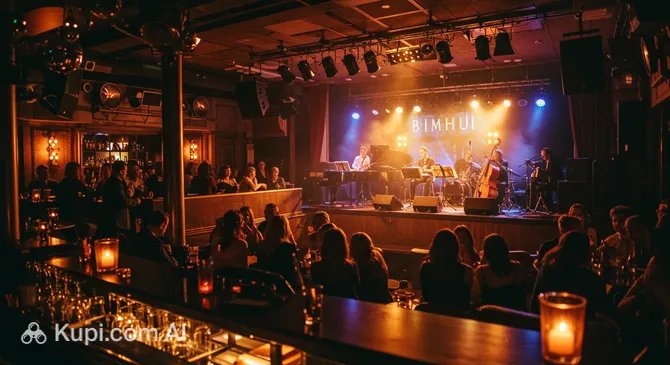
For music enthusiasts, the city is a cultural heavyweight. Jazz lovers should not miss a visit to BIMHUIS. Located on the waterfront, this pioneering venue is one of the most important stages for jazz and improvised music in Europe, offering stunning views of the city lights reflecting off the IJ river. If you prefer a more alternative and gritty atmosphere, Café Hill Street Blues is a legendary spot covered in graffiti and stickers, perfect for a relaxed drink in an artistic setting.
BIMHUIS. Illustration.
Source: Kupi.com AI
Traveller photos:
Those seeking a touch of elegance might enjoy the Hotel Jakarta Bar. It offers a sophisticated ambiance with panoramic views, making it an excellent choice for sipping expertly crafted cocktails before heading out for a late dinner. The dress code in Amsterdam is generally quite casual; "smart casual" works almost everywhere, and you will rarely be turned away for wearing jeans, provided you look tidy. Most bars stay open until 1:00 AM on weekdays and 3:00 AM on weekends, while clubs often keep the party going until 4:00 AM or later.
Regarding safety and logistics, Amsterdam is safe for night walks, though it is wise to stay vigilant against pickpockets in crowded tourist hubs like the Red Light District. Public transport runs efficiently, with night buses replacing trams after midnight. Taxis are readily available, but be sure to use official designated stands or apps like Uber; avoid unlicensed drivers soliciting rides on the street. Cycling at night is popular, but ensure your bike lights are working to avoid fines.
While the nights are electric, the city offers plenty of daytime entertainment to recharge. Culture vultures can explore modern art at the Stedelijk Museum Amsterdam, while families might enjoy an active afternoon at Ballorig Gaasperplas, a fun indoor amusement center. From dawn until way past dusk, Amsterdam ensures there is never a dull moment.
Parks & Museums
Amsterdam offers a rich tapestry of cultural and natural attractions that extends far beyond its famous canal ring. The city is a haven for those who appreciate lush green spaces and deep dives into history, boasting an impressive density of museums and parks that cater to every interest, from maritime heritage to interactive science.
For a refreshing escape from the urban bustle, the Amsterdamse Bos is an exceptional choice. This vast man-made forest, three times the size of New York's Central Park, offers endless opportunities for walking, cycling, and rowing. It is a favorite among locals for its goat farm and open-air theater. Another green oasis is the ARTIS Amsterdam Royal Zoo. While primarily a zoo, it is also a historic botanical garden filled with ancient trees and blooming flowers, providing a serene atmosphere where nature and heritage architecture blend seamlessly.
The city's museum landscape is equally diverse. Art history enthusiasts should visit the Rembrandt House Museum. Located in the actual house where Rembrandt lived and worked for nearly two decades, this museum offers an intimate glimpse into the master’s life, featuring a reconstruction of his studio and a near-complete collection of his etchings. It provides a unique context to the Golden Age that few other places can match.
NEMO Science Museum. Illustration.
Source: Kupi.com AI
Traveller photos:
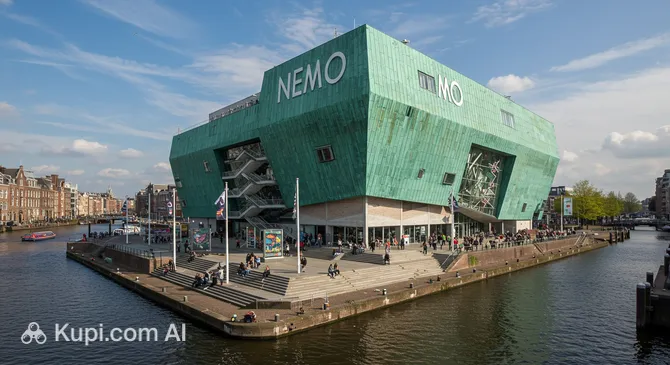
For families and curious minds, the NEMO Science Museum is unmissable. Housed in a striking green, boat-shaped building designed by Renzo Piano, it sits atop the IJ tunnel and invites visitors to touch, play, and experiment with exhibits on science and technology. Nearby, the National Maritime Museum (Het Scheepvaartmuseum) celebrates the Dutch seafaring legacy. Housed in a former naval storehouse, it features a replica of the East Indiaman ship Amsterdam docked outside, allowing tourists to step aboard and experience life at sea in the 17th century.
Those interested in unique heritage and modern culture will find plenty to explore. The De Kat Paint Mill, situated just north of the city, offers a fascinating look at traditional industry as the only working wind-powered paint mill in the world. Back in the city center on the famous Museumplein, the Moco Museum provides a stark contrast. This boutique museum is dedicated to modern and contemporary art, showcasing subversive works by street art legends like Banksy and other pop-art icons, making it a perfect stop for those seeking something edgier than the classical masters.
For a more contemporary cultural experience, take a free ferry across the IJ to the Eye Filmmuseum. This stunning futuristic building is dedicated to film history and visual culture, offering panoramic views of the water from its café. It is a perfect spot for cinema lovers to explore extensive archives and enjoy avant-garde exhibitions away from the crowded city center.
Getting Around
Navigating Amsterdam is remarkably easy thanks to its world-class public transport network, primarily operated by the municipal company GVB. The system is integrated, efficient, and frequent, allowing visitors to reach every corner of the city without the need for a car. For most tourists, the iconic blue-and-white trams are the most convenient mode of travel, weaving through the historic city center and stopping near major attractions like Dam Square and the Museum Quarter.
Complementing the trams is a fast and clean metro system, which is particularly useful for traveling longer distances or reaching the business districts. A highlight for visitors is the relatively new North-South Line (Line 52), an engineering marvel that connects the northern part of the city to the south in just minutes, featuring impressive artistic designs at each station. Additionally, an extensive bus network serves the outer neighborhoods and connects to nearby towns.
One of the city's most unique and enjoyable transport features is the ferry system across the IJ river. These ferries, which depart from the water side of Central Station, are completely free of charge for pedestrians and cyclists. They provide a scenic and quick way to reach the vibrant Amsterdam Noord district, offering great views of the waterfront and the city skyline along the way.
The payment system has recently been modernized to be incredibly tourist-friendly. The easiest way to pay is via OVpay, which allows you to check in and out directly with your contactless debit card, credit card, or mobile wallet. There is no need to buy a separate transit card if you have a compatible bank card. Alternatively, you can purchase disposable one-hour tickets or multi-day GVB travel passes (ranging from 1 to 7 days) at ticket machines, service desks, or on board trams (card payment only).
A critical rule for using public transport here is the "check-in, check-out" system. You must tap your card or ticket against the card reader not only when boarding but also when exiting the vehicle. If you forget to check out, the system may charge a maximum fare or invalidate your ticket for transfers. Always keep your ticket handy until you have completely left the station or vehicle.
Public transport typically operates from around 06:00 in the morning until 00:30 at night. After the regular services end, a network of night buses ensures you can still get around, though these require a separate fare or a specific travel pass. For real-time schedules and route planning, the 9292 app or Google Maps are highly reliable and widely used tools.
While public transport is excellent, cycling remains the preferred method of travel for locals. Bike rental shops are ubiquitous, and the city's flat terrain and dedicated lanes make it a biker's paradise. However, if you prefer four wheels, taxis are available but can be quite expensive. It is best to use official taxi stands or ride-hailing apps like Uber or Bolt rather than hailing a cab off the street. Car-sharing services are also present but are generally less practical for short tourist stays due to complex parking rules.
Accommodation
Finding the perfect place to stay in Amsterdam is part of the adventure, as the city offers a diverse range of accommodation options to suit every preference and budget. From charming canal-side boutique hotels and luxury five-star establishments to budget-friendly hostels and modern apartments, travelers are spoilt for choice. For a truly unique Dutch experience, many visitors also opt to stay in converted houseboats docked along the scenic waterways, offering a perspective of the city that land-based hotels simply cannot match.
When choosing a location, the City Center (Centrum) is the most popular choice for first-time visitors, placing you within walking distance of major landmarks like Dam Square and the Central Station. If you prefer a more picturesque and romantic setting, the Canal Ring (Grachtengordel) offers stunning views and easy access to the "The Nine Streets" shopping area. For those seeking a trendy, bohemian vibe with plenty of cafes and bars, the De Pijp neighborhood is an excellent alternative, while the Museum Quarter (Oud-Zuid) is ideal for travelers looking for tranquility and luxury near the major art institutions.
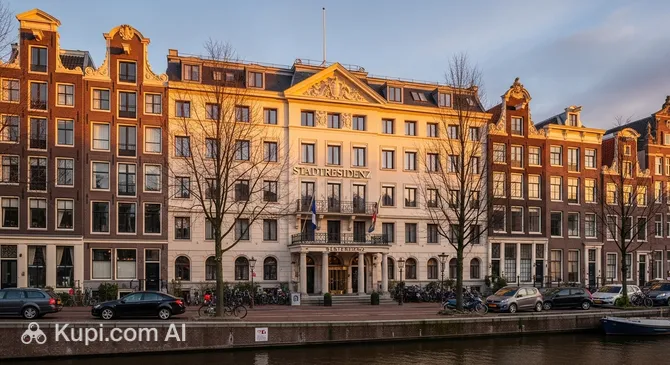
The city's accommodation landscape is quite varied. For travelers seeking a comfortable and well-located stay, options like Stadtresidenz Amsterdam provide a welcoming base to explore the surroundings. On the other hand, if you are looking for a more nature-oriented experience without leaving the city limits, Camping Vliegenbos offers a resort-style camping experience, which is particularly popular during the warmer months for those who enjoy the outdoors.
Stadtresidenz Amsterdam. Illustration.
Source: Kupi.com AI
Traveller photos:
Booking Tip: Amsterdam is a year-round destination with high occupancy rates, especially during spring (tulip season) and summer. It is highly recommended to book your accommodation several months in advance to secure the best rates and availability. Last-minute bookings can be significantly more expensive and offer fewer choices.
In terms of pricing, the city is generally considered one of the pricier European capitals for lodging. Budget travelers should expect basic amenities, while mid-range and luxury options command higher premiums, particularly in the historic center. Booking is most conveniently done through major online platforms or directly via hotel websites. Be aware that many hotels in the city center occupy historic buildings, which often means steep, narrow stairs and no elevators, so check facility details if mobility is a concern.
Nearby Cities
For those looking to explore the surroundings, Amsterdam serves as an excellent base for day trips to several interesting nearby locations. The region of North Holland offers a delightful mix of historic charm, modern architecture, and scenic landscapes, all within a short distance of the capital.
One of the most popular destinations is Haarlem, often referred to as "Little Amsterdam." Just a short train ride away, it boasts a beautiful historic center centered around the Grote Markt, stunning medieval architecture, and excellent museums like the Frans Hals Museum. It offers a more relaxed atmosphere than the capital, with boutique shopping and a vibrant culinary scene.
Another fascinating area is Zaanstad, famous worldwide for the Zaanse Schans neighborhood. This living museum transports visitors back to the 18th and 19th centuries with its collection of well-preserved historic windmills and traditional green wooden houses. It is the perfect place to see Dutch heritage in action, including clog-making workshops and cheese farms.
For those interested in modern art and green spaces, Amstelveen is a great choice. Located adjacent to Amsterdam, it is home to the renowned Cobra Museum of Modern Art and offers easy access to the vast Amsterdamse Bos, a favorite recreational area for locals.
City
Population
Distance
Diemen
31,334
5 km
Amstelveen
91,675
7 km
Landsmeer
11,565
7 km
Oostzaan
9,757
8 km
Badhoevedorp
13,290
9 km
These nearby destinations offer a glimpse into the diverse culture and landscapes of the region, making them perfect for a quick escape from the city center.
Shopping & Souvenirs
Shopping in Amsterdam is a delightful experience that ranges from high-end fashion and bustling department stores to quirky vintage shops and independent boutiques. The city is renowned for its diversity, allowing visitors to find everything from luxury brands to unique Dutch design items. Whether you are looking to update your wardrobe or hunt for one-of-a-kind treasures, the walkable city center makes it easy to explore various districts on foot.
For a quintessential Amsterdam shopping spree, head to the historic canal belt. While the Kalverstraat and Nieuwendijk offer all the major international high street brands, the real charm lies in The Nine Streets (De Negen Straatjes). This picturesque network of small streets connecting the main canals is packed with specialized boutiques, vintage stores, and cozy cafes. It is the perfect place to find fashion, art, and gifts in a scenic setting. For luxury shoppers, the P.C. Hooftstraat in the Museum Quarter is the destination for exclusive designer labels.
The Nine Streets. Illustration.
Source: Kupi.com AI
Traveller photos:
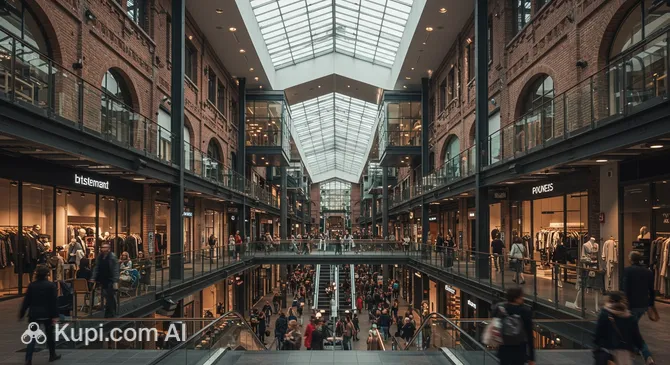
If you prefer the convenience of indoor shopping, the city has several excellent options. De Hallen Amsterdam is a cultural hotspot located in a renovated former tram depot; it houses not only a cinema and food court but also a variety of local design shops and "The Maker Store," featuring goods from local artisans. For a more traditional mall experience with a wide range of fashion and lifestyle brands, Gelderlandplein in the south of the city offers a modern and spacious environment.
De Hallen Amsterdam. Illustration.
Source: Kupi.com AI
Traveller photos:
Markets are an integral part of the local lifestyle. The Albert Cuyp Market in the De Pijp district is the most famous street market in the Netherlands, offering everything from fresh produce and flowers to clothes and electronics. It is also a great place to try a freshly made stroopwafel. For a unique experience, visit the Bloemenmarkt, the world's only floating flower market, where you can buy tulip bulbs to take home. Flea market enthusiasts should not miss the Waterlooplein market, known for second-hand clothes and antiques.
When it comes to souvenirs, there are plenty of classic Dutch items to choose from. Beyond the ubiquitous wooden clogs and keychains, consider buying high-quality Gouda or Edam cheese, which is often vacuum-packed for travel. Delft Blue pottery is another timeless gift, ranging from inexpensive magnets to hand-painted vases. For a sweet treat, packets of stroopwafels or Dutch licorice (drop) are always popular.
Standard store opening hours are typically from 10:00 AM to 6:00 PM. A unique local custom is that many shops open later on Mondays, often around 12:00 PM or 1:00 PM. Thursday is usually "Koopavond" (shopping evening), where stores in the center stay open until 9:00 PM. In the main tourist areas, many shops are also open on Sundays. Regarding payment, Amsterdam is rapidly becoming a cashless society. While cash is accepted in most places, debit and credit cards (Maestro, V-Pay, Visa, and Mastercard) are the preferred method of payment almost everywhere.
Tourists residing outside the European Union may be eligible for a VAT refund on purchases of €50 or more at participating stores. Look for the "Tax Free" signage in shop windows and ask for a special tax-free form at the checkout. You can then claim your refund at the customs desk at Schiphol Airport before leaving the EU.