Support

Roubaix

About

Roubaix is a captivating destination that seamlessly blends a rich industrial heritage with a vibrant contemporary art scene. Often celebrated for its architectural diversity and cultural dynamism, this city offers a unique atmosphere that distinguishes it from its neighbors. Once a global center for the textile industry, it has reinvented itself as a hub of creativity and fashion, earning the prestigious label of a "City of Art and History."
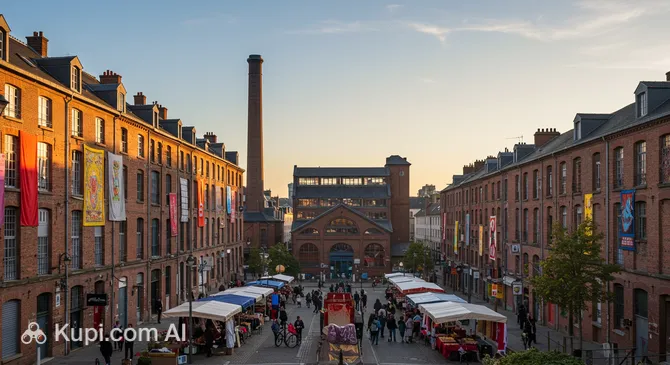
Roubaix. Source: Kupi.Binoculars

Located in the Hauts-de-France region near the Belgian border, Roubaix is part of the Lille metropolitan area. It is a significant urban center in France, with a diverse population of approximately 98,000 residents. The city's geographical position makes it an accessible and interesting stop for travelers exploring the northern part of the country.

The history of Roubaix is deeply woven into the fabric of the Industrial Revolution, a legacy that is visible in its stunning brick factories and mansions. Today, many of these historic sites have been transformed into cultural spaces. A prime example is La Piscine, a magnificent Art Deco swimming pool converted into a renowned museum of art and industry. Additionally, sports enthusiasts know the city as the legendary finish line of the Paris-Roubaix cycling race, one of the most famous one-day classic cycling events in the world.

Whether you are an art lover, a history buff, or a fan of unique urban landscapes, Roubaix welcomes you to explore its streets and hidden gems. Its transformation from an industrial powerhouse to a cultural destination makes it a truly inspiring place to visit.

Weather Overview

Roubaix experiences a temperate climate typical of Northern France, characterized by mild summers and cool winters. The warmest time of the year occurs in July and August, when average temperatures reach approximately 19.0°C, with daily highs occasionally climbing to 23.2°C. These months are generally the most comfortable for sightseeing, though travelers should still anticipate around 10 to 12 wet days per month.

The winter months, particularly December and January, are significantly colder, with average temperatures dipping to between 4.8°C and 6.0°C. This season also sees a higher frequency of precipitation, with December experiencing up to 16 wet days. For a more detailed forecast to help plan your packing, you can check the current weather in Roubaix.

Overall, you can expect warm, pleasant summers with occasional rain and cool, damp winters. Since precipitation is fairly consistent throughout the year, keeping an umbrella or a light raincoat handy is recommended regardless of when you choose to visit.

Interesting Facts

Digging deeper into the story of Roubaix reveals a city of fascinating contrasts, where industrial grit meets artistic flair. From its cycling legends to its forward-thinking environmental goals, there is much more to this destination than meets the eye.

  • The "Manchester of France": During the 19th century, the city was a global textile powerhouse, earning it the nickname "City of a Thousand Chimneys." Its rapid industrial growth and production capacity were so significant that it was frequently compared to the famous English manufacturing hub.

  • A Rock for a Trophy: The winner of the grueling Paris-Roubaix cycling race does not receive a typical cup or medal. Instead, the champion is awarded a genuine granite cobblestone pulled from the course, symbolizing the difficulty of the "Hell of the North."

  • Zero Waste Pioneer: In 2014, Roubaix became the first municipality in the country to launch a comprehensive "Zero Waste" strategy. This initiative has successfully encouraged households and businesses to drastically reduce their trash output, setting a benchmark for sustainability.

  • An Urban Canvas: The city has embraced street art as part of its identity, offering a dedicated map to guide visitors to various murals and graffiti sites. It is also home to the studio of JonOne, an internationally acclaimed graffiti artist, further cementing its reputation as a creative hotspot.

  • Origins of a Luxury Tycoon: While known for its working-class roots, the city is the birthplace of Bernard Arnault, the founder of LVMH. This connection highlights a unique link between the historic textile town and the pinnacle of the global luxury fashion industry.

How to Get There

Reaching this northern French city is quite convenient thanks to its location within the Lille metropolitan area. Whether you are arriving from within France or from neighboring countries, you have several efficient transport options. For a comprehensive overview of all travel methods, you can read more about how to get to Roubaix to plan your journey effortlessly.

The city of Roubaix does not have its own airport, but travelers can easily fly into Lille Airport (LIL), located in the city of Lille, just 14.5 km away. It is a regional hub that handles a moderate volume of passengers. From there, a taxi ride to Roubaix typically takes around 40 minutes, depending on traffic. For international travelers looking for more flight connections, Brussels Airport (BRU) in Brussels is a major alternative. Situated approximately 95 km from Roubaix, it serves as a large international gateway. The transfer from Brussels by road usually takes about 1 hour and 30 minutes.

For clarity, here is a summary of the main airports:

Airport Name City Passenger Traffic Km from City
Brussels AirportBrusselsLarge95.0
Charleroi Brussels South AirportBrusselsLarge94.0
Lille AirportLilleMedium14.5
Ostend-Bruges International AirportBrugesSmall60.4
Antwerp International AirportAntwerpSmall105.7

Traveling by train is another excellent way to arrive. You can travel directly to Roubaix Station, which is conveniently located within the city itself, just over 1 km from the center. However, many visitors also connect through the major hubs nearby. The Lille Flandres Station and Lille Europe Station in Lille are significant railway centers with high passenger traffic, receiving high-speed trains from Paris, London, and Brussels. These stations are located less than 10 km from Roubaix, and the final leg of the journey can be easily completed via a short metro ride, tram, or taxi taking about 20 to 30 minutes.

Below is a list of the nearest railway stations:

Station City Passenger Traffic Km to Center
Lille Flandres StationLilleVery High9.8
Lille Europe StationLilleHigh9.4
Douai StationDouaiMedium36.0
Tourcoing StationTourcoingMedium2.8
Roubaix StationRoubaixLow1.1

Main Attractions

Roubaix is a city that rewards the curious traveler, offering a compelling mix of industrial grandeur and modern artistic flair. Its attractions tell the story of a textile giant that has successfully reinvented itself, providing visitors with unique cultural experiences that are hard to find elsewhere.

La Piscine - Musée d'Art et d'Industrie is undoubtedly the crown jewel of the city's tourism. Housed in a magnificent Art Deco swimming pool built in 1932, this museum offers a setting that is as breathtaking as the art it displays. The central basin, still filled with water and flanked by statues, creates a magical reflection that highlights the building's stunning architecture. Visitors can explore a diverse collection ranging from fine arts and sculptures to an extensive archive of textile samples, perfectly summarizing the city's rich heritage.

Another symbol of the city's cultural renewal is La Condition Publique. Once a warehouse used to condition wool and silk, this massive brick building has been transformed into a vibrant creative laboratory. It is a fascinating place to visit for those interested in contemporary culture, as it hosts a rotating schedule of exhibitions, concerts, and artistic workshops. The venue also features a unique internal street and a rooftop terrace, making it a dynamic hub of activity in the heart of the historic district.

For a breath of fresh air, Parc Barbieux is widely considered one of the most beautiful urban parks in Northern France. Stretching over 34 hectares, this English-style garden is known for its undulating landscapes, diverse collection of trees, and serene waterways. It serves as the green lung of the city and is a favorite spot for locals and tourists alike to enjoy a peaceful walk, a boat ride, or a picnic surrounded by lush nature.

History enthusiasts should not miss the Saint-Martin Church, the oldest building in Roubaix. While much of the current structure dates back to the neo-Gothic reconstruction of the mid-19th century, it retains a 15th-century tower that stands as a testament to the city's medieval past. Inside, visitors can admire the impressive polychrome interior and the rich artistic details that reflect the prosperity of the industrial era during which it was expanded.

Local Cuisine

The culinary landscape of Roubaix is a heartwarming reflection of its location in the Hauts-de-France region, deeply influenced by Flemish traditions. The local cuisine is defined by generosity, conviviality, and hearty comfort food designed to warm you up. Unlike the delicate haute cuisine found elsewhere in France, the food here focuses on rich flavors, local produce, and satisfying portions, making dining out a truly comforting experience for visitors.

One of the absolute must-try dishes in the city is the Welsh (or Welsh Rarebit). Although its origins are across the channel, it has been adopted as a regional staple. This savory delight consists of bread soaked in beer, topped with ham and a generous amount of melted cheddar cheese, then baked until golden and bubbling. It is typically served with a fried egg on top and a side of golden fries. Another classic is the Carbonnade Flamande, a tender beef stew slow-cooked with gingerbread and local beer, offering a perfect balance of sweet and savory notes.

For those with a sweet tooth, the region is famous for its gaufres (waffles). Unlike the light and airy Brussels version, the local style—often called the gaufre fourrée—is a thin, oval-shaped waffle split in half and filled with a rich mixture of vanilla and brown sugar (vergeoise). It is a popular snack to grab while exploring the city streets or to enjoy with a warm coffee in the afternoon.

Beverages are central to the gastronomic culture here, and beer is undoubtedly the drink of choice. The region has a long brewing history, and you will find an extensive selection of local craft beers, ranging from blonde to amber ales. A popular local aperitif is Picon Bière, a mixture of lager and a bitter orange liqueur. For a traditional digestif, locals might suggest a glass of Genièvre, a juniper-flavored spirit that is characteristic of the north.

To truly experience the local food culture, you should visit an estaminet. These traditional Flemish taverns are known for their cozy, rustic interiors, often decorated with vintage objects and wooden furniture. They are the best places to sample authentic regional dishes in a lively, unpretentious atmosphere. Additionally, Roubaix's vibrant markets offer a glimpse into the city's diverse community, where you can find fresh local produce alongside flavors from around the world.

Travel Tips

Visiting Roubaix offers a distinct experience compared to other French destinations, blending its industrial past with a modern, artistic vibe. To help you navigate the city smoothly and enjoy its unique character to the fullest, here are some practical tips to keep in mind before you pack your bags.

  1. Clothing and Gear: Given the unpredictable weather in Northern France, packing layers is essential. A sturdy umbrella and a waterproof jacket are must-haves, as rain showers can occur year-round. Since you will likely spend time exploring museums like La Piscine or walking through the city center, bring comfortable walking shoes. If you plan to visit religious sites like Saint-Martin Church, modest attire covering shoulders and knees is respectful.
  2. Transportation: Roubaix is exceptionally well-connected to the wider metropolitan area. The most convenient way to get around is via the Ilévia network, which includes the metro (Line 2 connects directly to Lille) and the historic "Mongy" tramway. For exploring the city center itself, walking is the best option as major attractions are relatively close to one another. You generally do not need to rent a car unless you plan to explore the rural countryside of the Hauts-de-France region.
  3. Finances: The local currency is the Euro (€). Credit and debit cards (Visa and Mastercard) are widely accepted in museums, restaurants, and shops. However, it is wise to carry some cash for small purchases at local bakeries or the Sunday market. Tipping is not mandatory as a service charge is included in the bill, but leaving small change or rounding up is a polite gesture if you enjoyed the service.
  4. Health and Safety: Pharmacies are easily recognizable by a glowing green cross and are well-stocked for minor ailments; check for "pharmacie de garde" listings on the door if you need one after hours. For emergencies, dial 112. While the city center is generally safe for tourists, it is advisable to stay vigilant with your belongings in crowded areas and avoid walking alone in poorly lit industrial outskirts late at night.
  5. Communication: The official language is French. While staff at major tourist sites and hotels usually speak English, it may be less common in smaller local shops or traditional estaminets. Learning a few basic phrases like "Bonjour" (Hello), "S'il vous plaît" (Please), and "Merci" (Thank you) will be greatly appreciated by the locals and can open many doors.
  6. Local Etiquette: Politeness is highly valued in French culture. Always greet shopkeepers or staff with a friendly "Bonjour" upon entering an establishment and "Au revoir" when leaving. When dining out, keep your hands visible on the table (but not elbows) rather than in your lap. If you are invited to a local's home, a small gift like chocolates or flowers is customary.
  7. What to Avoid: Do not make the mistake of treating Roubaix merely as a suburb of Lille. The locals are proud of their distinct industrial heritage and unique identity ("Roubaisiens"), so acknowledging the city's specific history and culture is respectful. Also, avoid being loud or boisterous in public spaces, as this is generally frowned upon.
  8. Shopping Tip: Roubaix is known as a bargain hunter's paradise. It is home to McArthurGlen, a large designer outlet center located right in the city center near the manufacturers' district. If you enjoy fashion, leave some extra space in your suitcase, as you can find high-end brands at significantly reduced prices here.

By keeping these practicalities in mind, you will be well-prepared to immerse yourself in the rich culture and welcoming atmosphere of Roubaix. Enjoy your journey through this fascinating city of art and history!

Entertainment & Nightlife

While Roubaix is often recognized for its industrial history and artistic revival, its nightlife offers a more intimate and culturally driven experience compared to the bustling energy of nearby Lille. The evening atmosphere here is characterized by conviviality and a strong sense of community, with a focus on relaxed bars, live music venues, and performing arts centers rather than sprawling nightclubs. The city comes alive particularly on Friday and Saturday nights, attracting a mix of students, locals, and art enthusiasts.

The heartbeat of the city's social life is undoubtedly around the Grand Place and the streets radiating from it. Here, you will find a selection of brasseries and bars where friends gather for apéros (evening drinks) on heated terraces. The vibe is casual and unpretentious, with no strict dress codes required for most establishments. For those seeking a vibrant cultural night out, La Cave aux Poètes is a legendary local institution. This intimate venue, located in a cellar, is renowned for hosting eclectic concerts ranging from rock and pop to electronic and hip-hop, making it a must-visit for music lovers.

For a more theatrical evening, Le Colisée stands out as one of the premier performance venues in the region. It hosts a wide array of entertainment, including grand concerts, ballets, comedy shows, and operas, drawing crowds from all over the metropolitan area. If you prefer a laid-back drink in a unique setting, look for local favorites like Le Mange Disque. This spot is appreciated for its cool atmosphere and connection to the local music scene, offering a great selection of drinks and a friendly vibe.

When planning your night out, keep in mind that most bars typically close around 1:00 AM or 2:00 AM on weekends. Prices in Roubaix are generally more affordable than in larger French cities, with a pint of beer costing between 5 and 7 euros. Getting around is convenient thanks to the Ilévia public transport network; the tramway and metro line 2 run until around midnight or slightly later on weekends. However, for late-night returns, using a taxi or a ride-sharing app is the most reliable option.

Regarding safety, it is advisable to stick to the well-lit city center and the busy areas around the Grand Place and the train station. While the center is generally safe for evening walks, avoiding unlit outskirts or quiet parks late at night is recommended. If you need a ride, official taxi ranks are available near the main transport hubs, or you can easily book a car through major apps.

Before the sun sets, Roubaix offers plenty of daytime entertainment to fill your schedule. Beyond its famous museums, the city is a hub for shopping enthusiasts, particularly at the designer outlets. Culture vultures can enjoy matinee performances at local theaters or explore the vibrant street art scene. For families or groups looking for fun, there are several leisure centers and cinemas in the metropolitan area that offer a break from sightseeing.

Parks & Museums

Roubaix offers a surprising wealth of green spaces and cultural venues that beautifully complement its industrial architecture. Beyond the brick facades and historic factories, the city has cultivated a reputation as a "City of Art and History," inviting visitors to explore its lush gardens and world-class museums that celebrate both creativity and heritage.

The undisputed highlight among the city's green spaces is Parc Barbieux. Often referred to as the "Beautiful Garden," this sprawling 34-hectare park is classified as a Remarkable Garden of France. Designed in an English style, it features undulating lawns, romantic water features, and a diverse collection of over 60 species of trees. It is a perfect sanctuary for relaxation, where visitors can enjoy a leisurely boat ride, play mini-golf, or simply stroll along the winding paths away from the urban bustle.

For those who enjoy combining nature with active exploration, the Canal de Roubaix offers a refreshing escape. This "Blue Link" has been revitalized into a scenic green corridor, providing a habitat for local biodiversity and a picturesque route for walkers and cyclists. Following the towpaths allows you to discover a different side of the city, passing by old drawbridges and renovated warehouses that reflect the area's transformation.

Immersing yourself in the local culture begins at La Manufacture, a museum dedicated to the memory and creation of textiles. Housed in a former weaving workshop, this fascinating site brings the city's industrial past to life. Visitors can see functioning looms, touch raw materials, and listen to the stories of former textile workers. It is an engaging experience that explains how Roubaix became a global capital of wool and how it continues to innovate in the fashion world today.

While La Piscine is widely known as the city's artistic centerpiece, its collection merits a closer look for its unique dialogue between applied and fine arts. The museum showcases an impressive array of textile samples, fashion pieces, and ceramics alongside sculptures and paintings, all bathed in the light filtering through the Art Deco stained glass. It is a place where the setting is as significant as the exhibits, offering a truly atmospheric visit.

Architecture enthusiasts should also take the time to admire the Villa Cavrois, located just on the border in Croix. This modernist masterpiece, designed by Robert Mallet-Stevens in 1932 for a wealthy industrialist family, is an architectural gem. Restored to its original splendor, the villa impresses with its rigorous geometric lines, luxurious materials, and advanced technologies of the time, providing a stark yet beautiful contrast to the traditional red brick of the region.

For a more offbeat cultural experience, take a walk through the city's designated street art routes. Roubaix has embraced urban art, transforming many of its walls into an open-air gallery. Wandering through neighborhoods like the Pile district reveals vibrant murals and graffiti by renowned international artists, offering a colorful and modern perspective on the city's creative spirit.

Getting Around

Getting around Roubaix is effortless, thanks to an excellent public transport infrastructure that is fully integrated with the wider Lille metropolitan network. Operated by Ilévia, the system provides travelers with multiple convenient options to navigate the city and its neighborhoods without the need for a personal vehicle.

The quickest way to travel across the city is via the Metro Line 2. This automated subway line makes several key stops within the city, including Roubaix Grand Place and Eurotéléport, placing you within walking distance of major attractions like the La Piscine museum and the designer outlet centers. It is a reliable service with frequent departures throughout the day.

For a more scenic journey, visitors should experience the historic Tramway, locally known as the "Mongy." Operating for over a century, this tram line connects Roubaix with Lille and Tourcoing along the Grand Boulevard. It is not just a mode of transport but a piece of local heritage that offers a charming view of the urban landscape.

Complementing the rail services is an extensive bus network that reaches every corner of the city. The central hub at Eurotéléport allows for easy transfers between buses, the metro, and the tram. For those who prefer active travel, the V'Lille bike-sharing service is widely available. With numerous docking stations scattered throughout the streets and generally flat terrain, cycling is a practical and enjoyable way to explore the area.

Finally, the city center is compact and pedestrian-friendly, making walking the best way to admire the architectural details of the historic brick buildings. While driving is an option, traffic can be dense and parking spaces in the center are often paid. Visitors are generally encouraged to park in designated lots and utilize the efficient public transport or walk to enjoy a stress-free visit.

Accommodation

Accommodation options in Roubaix are diverse and generally offer excellent value for money, catering to cultural tourists, business travelers, and families alike. The city does not typically feature sprawling luxury resorts; instead, visitors will find a solid selection of comfortable mid-range hotels, often belonging to reliable international chains. For those seeking a more unique or intimate experience, there is a growing number of charming bed-and-breakfasts (chambres d'hôtes) and stylish apartment rentals. Many of these are housed in renovated industrial lofts or historic brick townhouses, allowing guests to immerse themselves in the region's distinctive architectural heritage.

When deciding on a location, the City Center is undoubtedly the most practical choice for sightseeing. Staying near the Grand Place or the Eurotéléport transport hub places you within easy walking distance of major attractions like the La Piscine museum and the McArthurGlen designer outlets. This area also provides immediate access to the metro and tramway, making trips to nearby Lille effortless. Alternatively, travelers looking for a greener, more tranquil setting should consider the area around Parc Barbieux. This elegant district is lined with beautiful mansions and offers a peaceful retreat while remaining well-connected to the center by the historic tramway.

Price-wise, Roubaix is often more affordable than the neighboring city of Lille, making it an attractive base for exploring the metropolitan area on a budget. You can expect to find competitive rates for standard double rooms, with prices rising slightly for boutique accommodations. Booking is straightforward and can be done via major online travel platforms or directly through property websites. While last-minute deals are sometimes available, securing your room ahead of time is the best way to guarantee your preferred location.

A key tip for prospective visitors is to be mindful of the local events calendar. The city becomes a hub of activity during the legendary Paris-Roubaix cycling race in April, drawing thousands of fans and teams from around the world. During this weekend, as well as during major cultural exhibitions or festivals, accommodation can sell out weeks in advance. Therefore, if your travel dates coincide with these popular events, it is highly recommended to book your stay as early as possible.

Nearby Cities

For those looking to explore the surroundings, Roubaix serves as an excellent base for day trips to several interesting nearby locations:

Lille is the most prominent neighbor and a must-visit destination for anyone in the region. As the vibrant capital of the Hauts-de-France, it offers a stunning mix of Flemish architecture and French elegance. Visitors can wander through the charming cobblestone streets of Vieux Lille (Old Town), admire the majestic Grand Place, or explore world-class museums such as the Palais des Beaux-Arts. Its rich history and lively culinary scene make it a perfect spot for a full day of exploration.

Just a stone's throw away lies Tourcoing, another city deeply rooted in the textile industry. Often visited in conjunction with Roubaix, it boasts its own cultural gems, including the MUba Eugène Leroy fine arts museum and the serene Tourcoing Botanical Garden. The city center features an impressive mix of historic buildings, such as the Saint-Christophe Church, offering a quieter but equally fascinating insight into the area's heritage.

City Population Distance (km)
Lille23447511
Tourcoing986564
Wattrelos408983
Marcq-en-Baroeul385706
Lambersart2741512

These nearby destinations offer a glimpse into the diverse culture and landscapes of the region.

Shopping & Souvenirs

Roubaix has earned a well-deserved reputation as one of the premier shopping destinations in France, particularly for bargain hunters. Building on its rich history as a textile capital, the city was a pioneer in the factory outlet concept. Today, it attracts visitors from all over the region who come to explore its vast array of designer stores, seeking high-quality fashion at significantly reduced prices.

The city is home to two major outlet centers that anchor its retail scene. McArthurGlen Roubaix, located right in the city center, offers a village-like atmosphere with pedestrian streets lined with dozens of boutiques. Here, shoppers can find famous international luxury and premium brands offering year-round discounts. A short distance away is L'Usine, the very first outlet center established in the country. Housed in a converted textile factory, it provides a unique industrial setting for browsing varied collections, from sportswear to home goods.

Beyond the big brands, Roubaix is a hub for creativity and independent fashion. The Maisons de Mode initiative supports local designers and has revitalized the area around the La Piscine museum, particularly at the site known as Le Vestiaire. Visitors can stroll through this dedicated district to discover unique clothing, accessories, and jewelry made by emerging talents. It is the perfect place to find a one-of-a-kind souvenir that reflects the city's artistic spirit.

For a more traditional shopping experience, the local markets offer a glimpse into daily life. The market on Grand Place is a lively spot to purchase fresh regional produce, cheeses, and flowers. Whether you are looking for a new wardrobe staple at a fraction of the price or a handmade gift from a local artisan, the city offers a diverse and rewarding retail therapy experience.

Reached the end of the page?

That means the route is fully explored