Support

Chartres

About

Chartres is a captivating destination that perfectly blends medieval charm with spiritual grandeur. Famous worldwide for its magnificent cathedral, this city offers a peaceful yet culturally rich escape in the heart of the Centre-Val de Loire region. Located just about 90 kilometers southwest of Paris, it serves as an ideal gateway to exploring the authentic countryside of France.

The city sits on the banks of the Eure River, divided into the upper town, where the cathedral dominates the skyline, and the lower town, characterized by picturesque bridges and washhouses. With a population of approximately 38,000, Chartres maintains a welcoming, small-town atmosphere while providing all the amenities of a modern urban center. Its climate is generally temperate, making it a pleasant destination to visit year-round.

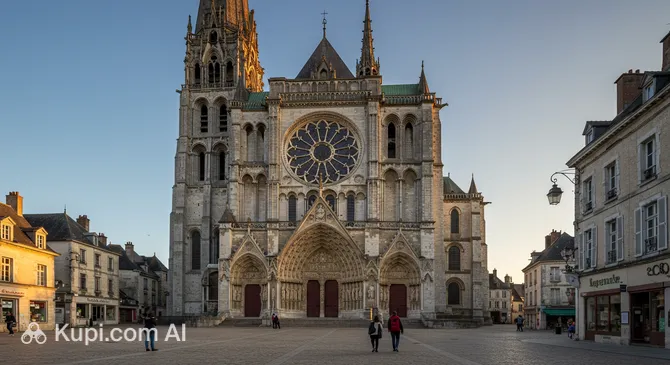
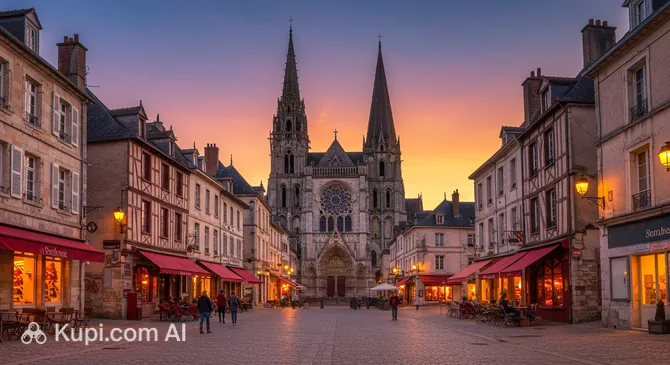
Chartres. Source: Kupi.Binoculars

Walking through the cobblestone streets, visitors are immediately immersed in the fascinating history of Chartres. The city is best known for the Cathedral of Notre-Dame, a UNESCO World Heritage site renowned for its remarkably preserved 12th and 13th-century stained glass windows and its intricate Gothic architecture. Another highlight is the Chartres en Lumières, a spectacular light festival that illuminates the city's monuments from spring to autumn, transforming the night into a magical visual experience.

Beyond the cathedral, the historic district invites travelers to stroll along the river and admire the timber-framed houses of the Basse Ville (Lower Town). Whether you are an architecture enthusiast, a history buff, or simply looking for a romantic getaway, Chartres promises an unforgettable journey into the past.

Weather Overview

Chartres experiences a temperate climate characterized by mild seasonal changes, making it a welcoming destination for most of the year. The summer months are generally warm and inviting, with average highs peaking around 25°C in July and August, perfect for strolling through the historic streets. Winters are cooler but typically manageable, with average temperatures in January hovering around 4.8°C and lows occasionally dipping to 2.3°C.

Expect warm summers with occasional showers and cool, damper winters. Rainfall is distributed fairly evenly throughout the year, with the number of wet days usually ranging between 8 and 15 per month. To ensure you pack appropriately for your specific travel dates, it is helpful to review the detailed report on the weather in Chartres.

Interesting Facts

Beyond its world-renowned stained glass and towering spires, Chartres holds many fascinating secrets and historical quirks that often escape the casual observer. From unique artistic endeavors to royal exceptions, the city offers stories that add depth to its medieval beauty.
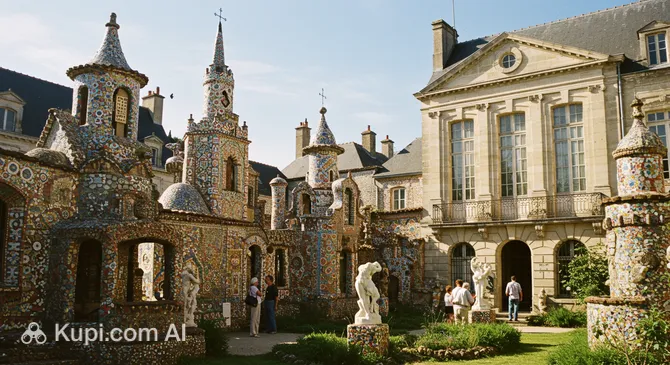
Maison Picassiette. Source: Kupi.Binoculars
  • One of the most peculiar gems in the city is Maison Picassiette, a house entirely covered in intricate mosaics. Created by Raymond Isidore over several decades, every surface—including the furniture, walls, and garden floors—is adorned with shards of broken crockery and glass, creating a shimmering masterpiece of naive art.

  • Chartres holds a unique place in French royal history as the site of the coronation of King Henry IV in 1594. Unlike other French monarchs who were traditionally crowned in Reims, Henry IV was crowned in Chartres Cathedral, making it a rare exception in the country's long line of royal traditions.

  • The cathedral houses a precious relic known as the Sancta Camisa, believed to be the tunic worn by the Virgin Mary. When a devastating fire destroyed the previous basilica in 1194, the miraculous survival of this relic in the crypt was interpreted as a divine sign to rebuild the church, leading to the rapid construction of the current Gothic structure.

  • The floor of the cathedral nave features an ancient labyrinth dating back to the 12th century, which remains one of the largest and best-preserved in France. Stretching over 260 meters within a 13-meter diameter, this winding path was historically used by pilgrims who would traverse it on their knees as a symbolic journey of repentance and contemplation.

How to Get There

Chartres is well-connected and easily accessible, particularly for travelers arriving from the French capital. While the city itself does not host an international airport, its proximity to Paris makes it a convenient destination for visitors from around the globe. For a comprehensive guide on travel options, you can read more about how to get to Chartres, covering various routes and transport modes.

Since Chartres does not have its own airport, most international visitors fly into Paris Orly Airport (IATA: ORY) in Paris, which is the closest major hub, located approximately 71 km away. A journey from Orly to Chartres by taxi or private shuttle generally takes about 1 hour and 15 minutes, though public transport connections will take longer. Another primary option is the massive Charles de Gaulle Airport (IATA: CDG), also in Paris, situated about 100 km from the city. A road transfer from CDG typically takes around 1 hour and 30 minutes, depending on traffic conditions on the Parisian ring road.

For clarity, here is a summary of the main airports:

Airport Name City Passenger Traffic Km from City
Charles de Gaulle AirportParisHuge100.5
Paris Orly AirportParisLarge71.4
Beauvais-Tille AirportParisMedium121.3
Val de Loire AirportToursSmall126.0
Saint Gatien AirportDeauvilleSmall141.2

Regarding rail travel, while Chartres has a local station, long-distance travelers often arrive first at major Parisian hubs. You might arrive at Gare du Nord Station in Paris, which serves as a key entry point for trains from Northern Europe and the UK. It is located about 80 km from Chartres. From there, you can take a taxi or navigate the Paris metro to reach the connecting train to Chartres (usually departing from Gare Montparnasse). Another significant hub is Gare de Lyon in Paris, situated roughly 79 km away, handling traffic from the south and east.

Below is a list of nearby major railway stations:

Station City Passenger Traffic Km to Center
Gare du Nord StationParisHuge80.2
Gare de LyonParisHuge79.0
Gare de l'EstParisLarge80.2
Marne-la-Vallée–Chessy StationDisneyland ParisLarge106.2
Massy TGV StationParisMedium65.4

Main Attractions

While the city is globally renowned for its spiritual heritage, Chartres offers a diverse array of attractions that go beyond its famous spires. From sanctuary spaces for rescued animals to state-of-the-art leisure complexes, there are plenty of interesting places to explore during your visit.

The absolute highlight of any trip here is the Chartres Cathedral. A masterpiece of French Gothic art, this UNESCO World Heritage site draws visitors to admire its 176 preserved stained-glass windows, famous for their intense "Chartres Blue" color. Beyond the breathtaking nave, tourists can climb the North Tower for a panoramic view of the Beauce plains or explore the crypt, which is the largest in France. It is a place where history and architecture create a truly awe-inspiring atmosphere.

Chartres Cathedral. Source: Kupi.Binoculars

For a completely different experience, La Tanière Zoo Refuge provides a moving and educational outing. This is not a typical zoo; it is a sanctuary dedicated to rescuing animals from circuses, laboratories, and illegal trafficking. Visitors can meet a wide variety of rehabilitated animals, including lions, bears, and primates, while learning about their stories of survival. It is an inspiring destination for families and animal lovers who wish to support animal welfare.

La Tanière Zoo Refuge. Source: Kupi.Binoculars

Travelers seeking fun and relaxation should head to L'Odyssée Aquatic Center. As one of the largest aquatic complexes in the country, it offers much more than just swimming. The facility features an Olympic-sized pool, a wave pool, and a river current, alongside a massive ice rink and a fitness area. It is a fantastic spot for families to spend an active afternoon or for weary travelers to unwind in the balneotherapy zone.

L'Odyssée Aquatic Center. Source: Kupi.Binoculars

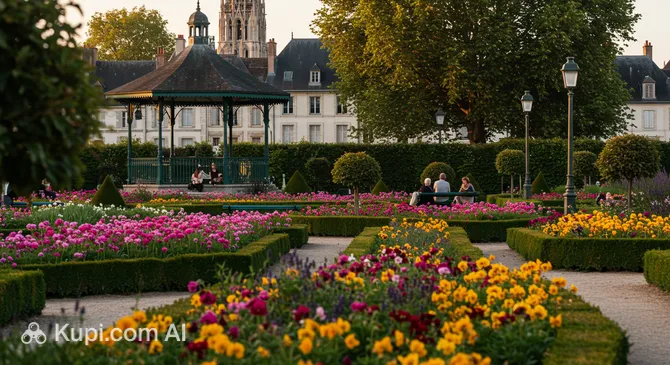
If you are looking for a peaceful escape within the city, André Gagnon Park is a charming green space to visit. Located a short distance from the city center, this park features beautifully manicured lawns and a delightful rose garden that comes alive with color in the spring and summer. It serves as a quiet haven for a picnic or a leisurely walk, offering a refreshing break from the bustling historic streets.

André Gagnon Park. Source: Kupi.Binoculars

Local Cuisine

The gastronomy of Chartres is deeply rooted in its location within the Beauce region, often referred to as the "breadbasket of France." This agricultural abundance ensures that local tables are always stocked with high-quality wheat products and fresh game. A true culinary emblem of the city is the Pâté de Chartres. This historic dish is a savory pie encased in a golden pastry crust, traditionally filled with game meat such as partridge or pheasant, and often enriched with foie gras. It is a hearty, flavorful specialty that has been celebrated by gourmets for centuries.

For those with a sweet tooth, the city offers a unique confection known as the Mentchikoff. Created in 1893 to celebrate the Franco-Russian alliance, this candy consists of a fine chocolate praline center coated in a thin, crisp layer of white Swiss meringue. It is not only delicious but also a bite-sized piece of local history. When it comes to drinks, while the Loire Valley wines are popular, the region also takes pride in its local brewing. You should try L'Eurélienne, an artisanal beer brewed in the nearby countryside, which pairs wonderfully with local cheeses.

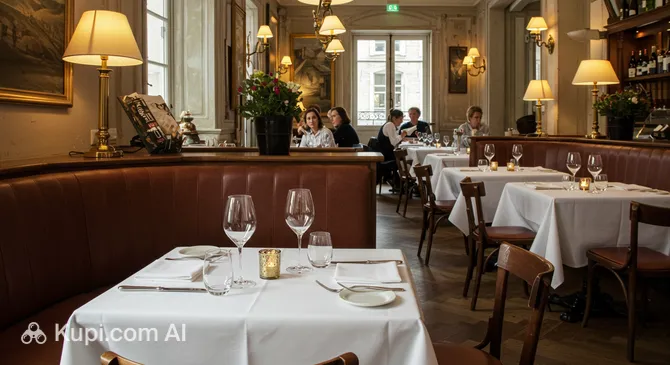
The dining scene in Chartres ranges from cozy, traditional bistros to elegant fine dining establishments. Many visitors enjoy eating in the historic center, where the atmosphere is lively and the views of the cathedral are unmatched. For a refined gastronomic experience, Le Grand Monarque Restaurant is a legendary institution in the city, renowned for its sophisticated menu and an extensive wine cellar that attracts connoisseurs from all over.

Le Grand Monarque Restaurant. Source: Kupi.Binoculars

If you prefer a more casual setting to relax after a day of sightseeing, Café Bleu offers a welcoming environment with a great location. Beyond sit-down meals, food lovers should not miss the market at Place Billard, particularly on Saturday mornings. This covered market hall bustles with locals buying fresh produce from the Beauce plains, artisanal poultry, and seasonal fruits, offering a vibrant and authentic glimpse into the everyday life of the Chartrains.

Travel Tips

Visiting Chartres is a delightful experience that combines deep history with a relaxed, small-town atmosphere, but a little preparation goes a long way. To help you make the most of your journey to this medieval gem in France, here are some practical tips to ensure a smooth and enjoyable trip.

  1. Clothing and Gear: Since Chartres is divided into an Upper and Lower Town connected by steep streets and staircases, comfortable, flat walking shoes are absolutely essential for navigating the cobblestones. The weather can be changeable, so packing layers and a waterproof jacket is wise regardless of the season. When visiting the cathedral, remember to dress modestly; shoulders and knees should be covered to show respect in this active place of worship.

  2. Transportation: The city center is compact and best explored on foot, allowing you to easily wander between the cathedral and the riverbanks. For longer distances, the local bus network, Filibus, is reliable and offers a free shuttle service (La Navette) that loops around the city center. Taxis are available at the train station, but you rarely need them for sightseeing; a car is only necessary if you plan to tour the wider countryside.

  3. Finances: The local currency is the Euro (€). While credit and debit cards (Visa and Mastercard) are widely accepted in hotels, restaurants, and museums, it is advisable to carry some cash for small purchases at bakeries or the local market. ATMs are plentiful throughout the city. Tipping is not mandatory as a service charge is included in the bill, but leaving small change or rounding up is a polite gesture for good service.

  4. Health and Safety: Chartres is a very safe city for tourists, even at night. For minor health issues, look for pharmacies identified by a flashing green cross; pharmacists are highly trained and can offer medical advice. In case of a serious emergency, dial 112, the universal European emergency number. As in any tourist destination, keep an eye on your personal belongings in crowded areas, though pickpocketing is rare here compared to larger cities.

  5. Communication: The official language is French. While staff at the cathedral, museums, and main hotels often speak English, it is less guaranteed in smaller shops or local cafés. Learning a few basic phrases like "Bonjour" (Hello), "S'il vous plaît" (Please), and "Merci" (Thank you) will be greatly appreciated. Free Wi-Fi is often available in public squares and cafés, and SIM cards can be purchased at tobacco shops (Tabac) or mobile phone stores.

  6. Local Etiquette: Politeness is paramount in French culture. Always greet shopkeepers or staff with a friendly "Bonjour" when entering an establishment and "Au revoir" when leaving. In the cathedral, maintain a low volume and silence your phone; it is a pilgrimage site, and many visitors are there for prayer. If a mass is in progress, stay at the back and avoid walking around the nave.

  7. What to Avoid: Do not assume everyone speaks English immediately; starting a conversation without a polite French greeting can be seen as rude. Also, avoid touching the ancient stained glass or stone carvings in the cathedral and historic buildings, as oils from hands can damage these centuries-old treasures.

  8. Additional Tip: If you are visiting between April and January, try to stay overnight to witness Chartres en Lumières. This free event illuminates the cathedral and other monuments with stunning light projections set to music, creating a magical atmosphere that you simply cannot experience during a day trip.

By keeping these practical tips in mind, you will be well-equipped to navigate the charming streets of Chartres with ease and confidence. Embrace the slower pace of life here, enjoy the local hospitality, and let the timeless beauty of the city create lasting memories.

Entertainment & Nightlife

The nightlife in Chartres is distinguished by its elegance and conviviality rather than wild parties or noisy clubs. The atmosphere is welcoming and relaxed, with a focus on socializing in cozy venues and enjoying the city's spectacular evening aesthetics. A major highlight of the local nightlife is the famous Chartres en Lumières, a free event where the cathedral and other monuments are illuminated with artistic light projections, creating a magical backdrop for evening walks.

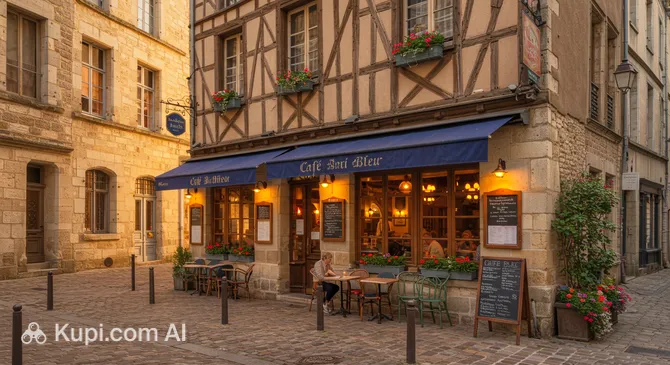
For those looking to enjoy a drink with an exceptional view, Café Bleu is a standout choice. Located in the shadow of the cathedral, its terrace offers a prime spot to soak in the evening atmosphere while sipping a glass of local wine or a refreshing cocktail. It is a favorite among both locals and visitors for its vibrant yet laid-back setting, making it an ideal starting point for your night.

Café Bleu. Source: Kupi.Binoculars

If you prefer a more sophisticated ambiance, the lounge bar within Le Grand Monarque Restaurant is the place to be. Known as "Le Madrigal," this venue offers an extensive selection of whiskies, champagnes, and signature cocktails in a classic, plush setting. It attracts a stylish crowd and is the perfect spot for a quiet conversation or a romantic nightcap after dinner.

The nightlife activity is largely concentrated in the historic center, particularly around Place des Épars and the pedestrian streets of the Old Town. The dress code is generally smart-casual; you will feel comfortable in neat, stylish attire. Most bars and pubs stay open until 1:00 AM or 2:00 AM on weekends. Prices are moderate compared to the capital, with a glass of wine or a pint of beer typically costing between 6 and 9 euros.

Chartres is a very safe city, and walking around the illuminated center at night is a popular activity. However, if your hotel is located on the outskirts, it is best to book a taxi in advance or find one at the rank near the train station, as ride-hailing apps may have longer wait times late at night.

Before the sun sets, the city offers a variety of daytime entertainment options to fill your schedule. You can explore the fascinating Maison Picassiette, a unique house covered in mosaics, or enjoy some active leisure at L'Odyssée Aquatic Center, which features pools and an ice rink. Of course, a visit to the Chartres Cathedral is essential to appreciate its grandeur by day before seeing it lit up at night.

Parks & Museums

While the spiritual majesty of its cathedral often takes center stage, Chartres also invites visitors to explore a variety of lush green spaces and fascinating museums that celebrate its rich heritage. The city’s layout, with its riverbanks and historic gardens, offers a perfect balance between architectural discovery and natural relaxation.

For a peaceful retreat with a stunning view, the Jardins de l'Évêché (Bishop's Gardens) are a must-visit. Located just behind the cathedral, these terraced gardens offer a panoramic outlook over the Eure Valley and the lower town. It is an ideal spot to admire the flying buttresses of the church from a different angle while wandering through manicured lawns and labyrinthine paths. Down by the river, the Parc des Bords de l'Eure provides a more expansive natural setting. This large park is a favorite among locals for family outings, featuring walking trails, playgrounds, and a small animal park with ducks and peacocks roaming freely.

Another delightful green space is André Gagnon Park, situated a short walk from the city center. Known for its extensive rose garden, it offers a fragrant and colorful escape, particularly during the blooming season. The park's quiet atmosphere makes it perfect for reading a book or enjoying a tranquil picnic away from the tourist crowds.

Chartres boasts several unique museums that reflect its artistic and cultural identity. The Centre International du Vitrail (International Stained-Glass Centre) is located in a historic medieval granary near the cathedral. It is the only cultural center in France dedicated entirely to the art of stained glass, featuring both ancient masterpieces and contemporary creations, along with workshops that demonstrate the intricate techniques used by master glassmakers.

For a truly unconventional artistic experience, visitors should explore Maison Picassiette. This "House of Millions of Pieces" is a testament to the creative spirit of Raymond Isidore, a cemetery sweeper who spent decades covering his home and garden in intricate mosaics made from broken crockery and glass. It is a masterpiece of Art Brut that surprises and enchants everyone who enters its glittering courtyard.

The city's history is anchored by the Chartres Cathedral, but the architectural journey continues into the Basse Ville (Lower Town). Here, you can admire the Église Saint-Pierre, a masterpiece of Gothic architecture in its own right, often overlooked by visitors. Dating back to the 11th and 13th centuries, this church was once part of a powerful abbey and features its own collection of stunning medieval stained glass.

Beyond traditional museums, La Tanière Zoo Refuge offers a poignant cultural experience focused on animal welfare. Unlike a standard zoo, this refuge tells the stories of animals rescued from difficult circumstances, educating visitors on compassion and conservation. It provides a meaningful alternative to typical tourist attractions.

For an authentic insider experience, take a walk along the Promenade des Bords de l'Eure at dusk. As you stroll past the ancient washhouses (lavoirs) reflecting in the river, you will see the city from a perspective that feels timeless and serene, far removed from the busy plaza above.

Getting Around

Public transport in Chartres is efficient and tailored to the compact nature of the city. As a relatively small urban center, it does not have a metro or tram system. Instead, the city relies on a comprehensive bus network managed by Filibus. This network covers the city center, the suburbs, and the surrounding metropolitan area, making it easy for visitors to reach hotels, the train station, and major attractions that might be slightly further afield.

For tourists spending time in the historic heart of the city, the most convenient option is the Navette. This is a free electric minibus service that loops around the city center. It connects key locations such as the train station, the cathedral, and the lower town. The shuttle runs frequently, typically every 15 to 20 minutes, and is an excellent way to save energy when navigating the steep streets that connect the upper and lower parts of Chartres. Simply wave at the driver to board if you are not at a designated stop.

The payment system for the regular Filibus lines is straightforward. A single ticket, valid for one hour, costs approximately €1.30 if purchased in advance or via the mobile app, and slightly more if bought directly from the driver. For visitors planning multiple trips, a 24-hour pass is available for around €4.00, offering unlimited travel on the network. Tickets can be purchased at the Agence Filibus near the train station, at certified merchants (tabacs and newsstands displaying the Filibus logo), or through the MyBus mobile application, which allows you to buy and validate tickets using your smartphone.

When using the bus, it is essential to validate your ticket immediately upon boarding to avoid fines. Operating hours generally run from around 6:00 AM to 9:00 PM on weekdays and Saturdays. However, travelers should be aware that service is significantly reduced on Sundays and public holidays, with fewer lines operating and longer intervals between buses. It is always advisable to check the latest timetables at the bus stops or online before planning a Sunday excursion.

Beyond the bus system, walking remains one of the best ways to explore the pedestrian-friendly historic center, though the terrain can be hilly. For those who prefer cycling, the city encourages bike travel with rental options available at the Maison du Vélo near the train station. Taxis are also readily available, primarily stationed at the railway station taxi rank. While ride-sharing apps are less prevalent here than in major metropolises, local taxi companies are reliable and can be booked by phone for evening trips or transfers with luggage.

Accommodation

Finding the perfect place to stay in Chartres is simple, as the city offers a diverse range of accommodations to suit every traveler's needs. From luxurious historic hotels to charming bed and breakfasts and practical modern chains, there is something for everyone in this medieval city in France.

For visitors who want to be in the center of it all, the Upper Town (Haute Ville) is the ideal location. Staying here places you just steps away from the magnificent Chartres Cathedral and the main museums. This area is perfect for those planning to enjoy the evening illuminations, as you can easily walk back to your room after exploring the lit-up streets. Many hotels in this district are situated in renovated old buildings, adding to the immersive historical experience.

If you prefer a quieter, more scenic atmosphere, the Lower Town (Basse Ville) along the Eure River is a fantastic choice. This area is characterized by its picturesque stone bridges and ancient washhouses. Several accommodations here are converted water mills or timber-framed houses, offering a romantic setting with soothing views of the river, yet still within walking distance of the main attractions.

Travelers arriving by train or looking for budget-friendly options will find excellent choices near the Gare de Chartres. The station area features a number of reliable chain hotels that provide modern comfort and convenience. This location is particularly practical for those with heavy luggage or those planning to take day trips to the surrounding countryside.

For a truly upscale experience, the city boasts high-end options that blend tradition with modern luxury. The most renowned establishment is a historic coaching inn that has welcomed guests for centuries. It is also home to the celebrated Le Grand Monarque Restaurant, making it a top destination for gourmets who wish to dine and sleep in style.

Regardless of where you choose to stay, it is highly recommended to book your accommodation well in advance, especially during the peak summer months or the Chartres en Lumières festival season. Securing your booking early ensures you get the best choice of location and price for your visit.

Nearby Cities

For those looking to explore the surroundings, Chartres serves as an excellent base for day trips to several interesting nearby locations.

One of the most historically significant towns nearby is Dreux. Located just a short drive away, it is famous for the stunning Chapelle Royale (Royal Chapel), which serves as the burial place for members of the House of Orléans. The town also boasts a charming historic center with timber-framed houses and the remnants of an ancient fortress, offering a deep dive into French royal history.

Another captivating destination is the town of Maintenon, situated between Chartres and Paris. It is renowned for the magnificent Château de Maintenon, the residence of Madame de Maintenon, the secret wife of King Louis XIV. Visitors can explore the beautifully furnished castle and wander through its formal French gardens, which feature the dramatic ruins of an unfinished aqueduct commissioned by the Sun King.

For nature lovers and hikers, the Chevreuse Valley (Vallée de Chevreuse) offers lush landscapes and scenic walking trails. While slightly further afield, this regional natural park provides a refreshing escape with its rolling hills, ancient abbeys, and picturesque villages, contrasting with the vast wheat plains of the Beauce region surrounding Chartres.

City Population Distance (km)
Trappes 32,645 53
Montigny-le-Bretonneux 32,575 55
Plaisir 31,013 54
Dreux 30,664 34
Guyancourt 29,471 56

These nearby destinations offer a glimpse into the diverse culture and landscapes of the region, ranging from royal heritage to verdant natural parks.

Shopping & Souvenirs

Shopping in Chartres offers a delightful mix of medieval atmosphere and modern retail therapy. The city center is compact and largely pedestrian-friendly, making it easy to browse through a variety of independent boutiques, artisan workshops, and well-known French fashion brands. Unlike the sprawling commercial hubs of major metropolises, the shopping experience here is intimate and relaxed, often accompanied by views of historic architecture and the towering spires of the cathedral.

The primary shopping artery in the city is Rue Noël Ballay. This lively pedestrian street connects the Place des Épars to the heart of the old town and is lined with clothing stores, perfumeries, and shoe shops. Branching off from here, streets like Rue du Cygne and Rue de la Pie offer a more eclectic selection of smaller boutiques, home decor shops, and specialty food stores. For those seeking luxury goods or unique fashion items, the narrow lanes surrounding the historic center provide plenty of hidden gems.

While the city center focuses on high-street brands and independent shops, larger commercial needs are served by shopping centers located on the periphery. The Centre Commercial La Madeleine, situated just outside the central ring, features a large hypermarket and a gallery of various stores, offering everything from electronics to sportswear. It is a practical destination for travelers who need to stock up on supplies or visit larger chain stores that require more space than the medieval center allows.

For a taste of local life, the markets in Chartres are an essential stop. The most famous is the market at Place Billard, a historic covered market hall located near the Chartres Cathedral. Every Saturday morning, this square bustles with activity as local farmers from the Beauce region sell fresh vegetables, cheeses, and poultry. It is also a great place to find regional specialties and interact with friendly locals. Occasionally, flower markets and flea markets pop up on the Place des Épars, offering a colorful array of plants or vintage treasures.

When it comes to souvenirs, Chartres has several unique offerings. Given the city's world-famous stained glass heritage, many visitors choose to take home a piece of glass art. There are several workshops (ateliers) in the city where master glassmakers create and sell intricate jewelry, decorative items, and replicas of the cathedral's windows. Another distinct local product comes from the city's status as the capital of "Cosmetic Valley." You can find high-quality perfumes and skincare products made in the region. For foodies, the Mentchikoff—a praline candy coated in white meringue—is the signature sweet of the city and makes for a perfect gift.

Store opening hours in Chartres generally follow the standard French pattern. Most shops are open from Monday to Saturday, typically from 10:00 AM to 7:00 PM. Smaller boutiques may close for a lunch break between 12:30 PM and 2:00 PM, and many shops are closed on Sundays, although some food shops and bakeries may open on Sunday mornings. Credit and debit cards (Visa and Mastercard) are widely accepted, even for small amounts, though having some cash for market stalls is advisable.

Travelers residing outside the European Union may be eligible for a VAT refund (tax-free shopping) on purchases exceeding a certain amount, typically around €100 in a single store. Look for the "Tax Free" sign in shop windows and ask the merchant for a tax refund form (détaxe) at the time of purchase to claim your refund at the airport or border upon leaving the EU.
Reached the end of the page?

That means the route is fully explored