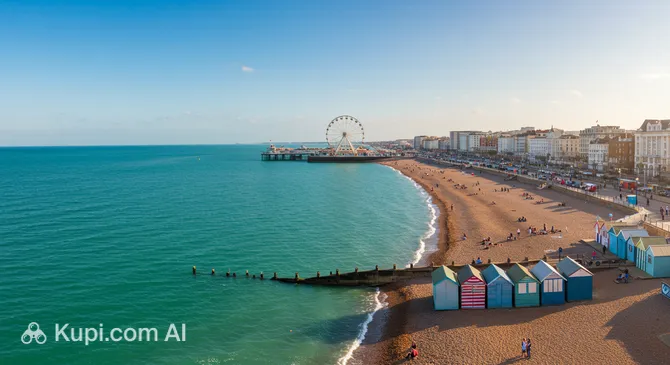
Welcome to Brighton, a vibrant and inclusive seaside city known for its bohemian atmosphere and artistic flair. Often referred to as "London by the Sea," this energetic destination offers a perfect blend of modern culture, stunning coastal views, and a famously open-minded community.
Situated in the county of East Sussex on the southern coast of the United Kingdom, the city is home to approximately 134,000 residents. Its convenient location and refreshing sea air have made it a premier destination for travelers seeking both relaxation and excitement.
Brighton. Illustration.
Source: Kupi.com AI
The history of Brighton is a fascinating journey, transforming from the humble fishing village of Brighthelmstone into a fashionable resort favored by royalty in the 18th century. This royal patronage sparked a building boom that left the city with its distinctive Regency architecture and grand seafront squares.
Brighton is packed with unique sights that captivate visitors. The Royal Pavilion is an absolute must-see, renowned for its exotic Indian-inspired exterior and lavish Chinese interior design. For classic seaside fun, the iconic Brighton Palace Pier offers rides and arcades, while the historic alleyways of The Lanes invite you to get lost among antique shops, jewelers, and independent boutiques.
Whether you are looking to explore eclectic museums, enjoy the vibrant nightlife, or simply relax on the famous pebble beach, Brighton welcomes you with open arms. Plan your visit today and experience the unique charm of Britain's coolest coastal city.
Weather Overview
Brighton experiences a mild maritime climate, characterized by comfortable summers and cool winters, typical of the English south coast. The warmest months are July and August, when average temperatures range from 14°C to 21°C, making it the most popular time for beach activities. In contrast, the winter season from December to February sees cooler conditions, with average lows dipping to around 3°C to 5°C and highs rarely exceeding 9°C.
Rainfall is fairly consistent throughout the year, with March often seeing the highest frequency of wet days. To help you plan your trip effectively, we recommend checking the current weather in Brighton closer to your travel date. Generally, visitors can expect pleasant, breezy summers with occasional showers and cool, damp winters.
Average monthly temperature
Average monthly precipitation
Interesting Facts
Beyond the main attractions and the bustling seafront, Brighton holds many fascinating secrets and unique claims to fame that often surprise visitors.
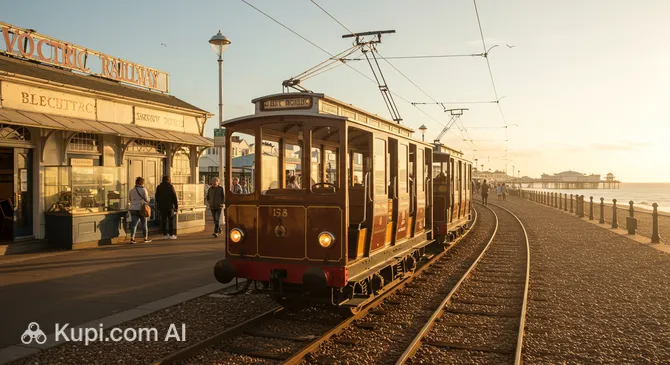
The city is home to the Volk's Electric Railway, which holds the title of the world's oldest operating electric railway. Created by inventor Magnus Volk, this charming train has been ferrying passengers along the beach since 1883.
While the Royal Pavilion is famous for its opulence, few know that during World War I, this seaside palace was transformed into a military hospital. Between 1914 and 1916, it specifically treated wounded soldiers from the Indian Army, honoring their service with a dedicated Sikh temple on the grounds.
Brighton played a pivotal role in music history as the launchpad for the global phenomenon ABBA. The Swedish pop group won the Eurovision Song Contest here in 1974 with their hit song "Waterloo," a victory that catapulted them to international stardom.
Beneath the city's streets lies a hidden network of tunnels, including a secret underground passage built for King George IV. This tunnel allowed the King to travel discreetly from his royal residence to the stables (now the Brighton Dome) to visit his horses and, reportedly, his mistress, without being seen by the public.
Volk's Electric Railway. Illustration.
Source: Kupi.com AI
Traveler photos:
How to Get There
Reaching this seaside destination is straightforward thanks to excellent transport links with the capital and surrounding regions. For a detailed overview of all travel options, you can read more about how to get to Brighton. While the city itself does not have an airport, it is exceptionally well-served by major international hubs nearby.
The most convenient entry point is London Gatwick Airport (LGW), located in London, approximately 37.2 km from Brighton. It is a major international gateway, and the most efficient way to travel from here is by direct train, which typically takes about 30 minutes. This option is significantly faster than taking a taxi or bus. Alternatively, many travelers choose Heathrow Airport (LHR), also situated in London about 75.5 km away. As the UK's busiest airport, it offers extensive global connections, with a transfer time by road or rail of approximately 2 hours.
For clarity, here is a summary of the main airports:
Traveling by train is often the preferred method for visitors, offering scenic views and direct access to the city center. You can arrive directly at Brighton Station (BSH), which is conveniently located just 0.8 km from the main attractions and the seafront. For those coming from the capital, London Victoria Station (ZEP) in London (about 74.8 km away) is a key hub, providing frequent and fast services to the coast. The journey from Victoria is popular and efficient, generally taking under an hour, making a day trip or longer stay easily accessible.
Below is a list of relevant railway stations serving the route:
Brighton is a city that thrives on variety, offering everything from historic architectural marvels to classic seaside entertainment. Exploring the city's main sights provides a glimpse into its royal past and its vibrant, modern culture. Here are some of the top places you should not miss during your visit.
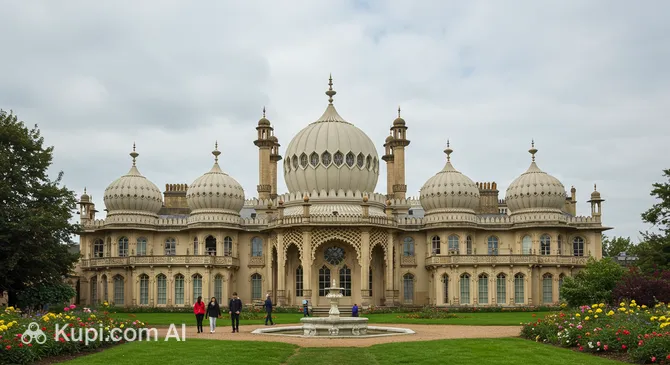
Undoubtedly the most distinctive landmark in the city is the Royal Pavilion. Built as a seaside pleasure palace for King George IV, this architectural gem is famous for its exotic Indian-inspired exterior featuring domes and minarets. Inside, visitors are treated to lavish Chinese-style interiors that showcase the extravagance of the Regency era. It is a visual masterpiece that stands in stark contrast to the typical British seaside architecture.
Royal Pavilion. Illustration.
Source: Kupi.com AI
Traveler photos:
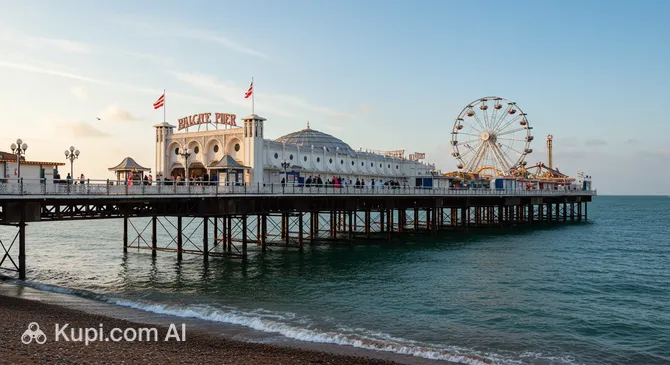
No trip to the coast is complete without experiencing the Brighton Palace Pier. This Grade II listed Victorian pier stretches out into the sea and serves as the hub of entertainment in the city. Tourists flock here to enjoy fairground rides, classic arcade games, and traditional fish and chips. It captures the nostalgic charm of the British seaside while offering fun for all ages.
Brighton Palace Pier. Illustration.
Source: Kupi.com AI
Traveler photos:
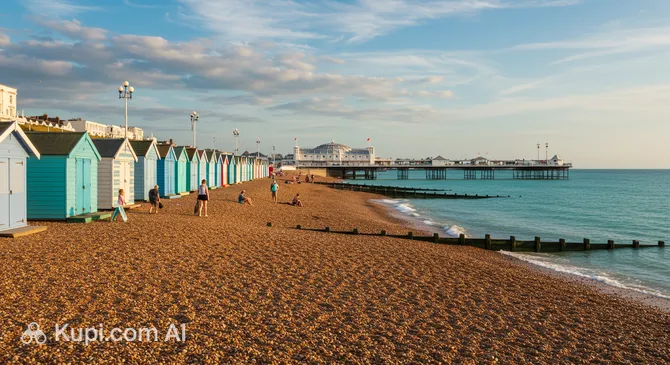
Just a stone's throw from the pier lies the famous Brighton Beach. Unlike sandy shores found elsewhere, this iconic beach is known for its pebbles and vibrant atmosphere. The seafront promenade is lined with cafes, bars, and artists' studios, making it the perfect place for a leisurely stroll. Whether you want to relax by the water or enjoy the bustling energy of the boardwalk, the beach is the heart of the city's outdoor life.
Brighton Beach. Illustration.
Source: Kupi.com AI
Traveler photos:
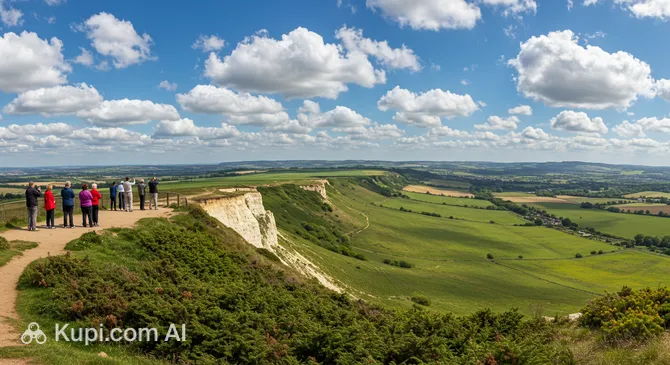
For those seeking breathtaking natural scenery, a short trip just outside the city center leads to Devil's Dyke. This legendary V-shaped valley in the South Downs offers some of the most spectacular panoramic views in South East England. It is a favorite spot for hikers, families, and nature lovers, providing a peaceful escape from the urban buzz and a chance to see the rolling countryside meet the sea.
Devil's Dyke. Illustration.
Source: Kupi.com AI
Traveler photos:
Culture enthusiasts will appreciate the Brighton Museum & Art Gallery, located in the Royal Pavilion garden. This dynamic museum houses eclectic collections ranging from fashion and design to fine art and local history. It offers fascinating insights into the city's development and its reputation as a center for creativity and diversity.
Local Cuisine
Brighton’s culinary scene is as eclectic and vibrant as the city itself, offering a delicious mix of traditional seaside fare and cutting-edge gastronomy. Known widely as the unofficial vegetarian and vegan capital of the UK, the city boasts an incredible density of plant-based eateries, but there is plenty to satisfy every palate, from fresh seafood lovers to coffee aficionados.
No visit to this coastal resort is complete without indulging in the ultimate British classic: fish and chips. Best enjoyed hot and fresh while sitting on the pebble beach or strolling along the promenade, this dish is a local staple. For those with a sweet tooth, the city is famous for Brighton Rock, a cylindrical stick of hard boiled sugar candy that often features the city's name running through the center. It is a nostalgic treat that has been associated with the seaside here for generations.
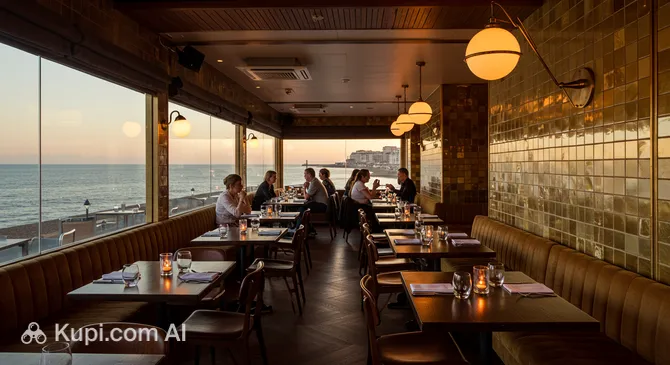
The city's dining culture is centered around its unique neighborhoods. The narrow, winding alleyways of The Lanes are packed with historic pubs and intimate bistros, while the bohemian North Laine district is the place to go for independent cafes, street food, and artisan bakeries. For a modern dining experience that captures the city's trendy vibe, you might visit Burnt Orange, a popular spot known for its wood-fired dishes and late-night cocktails.
Burnt Orange. Illustration.
Source: Kupi.com AI
Traveler photos:
Another excellent destination for food and drink is the Permit Room Brighton, which offers a distinctive atmosphere perfect for socializing. The city is also renowned for its coffee culture, with independent roasteries and cafes on almost every corner, making it a haven for caffeine enthusiasts.
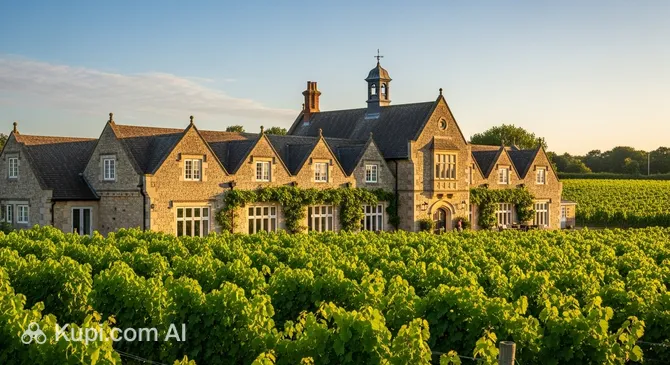
When it comes to local drinks, the surrounding Sussex countryside produces some of the finest beverages in England. The region has gained a global reputation for its sparkling wines, which rival those of Champagne due to the similar chalky soil. A visit to the Bolney Wine Estate offers a chance to taste these award-winning English wines right at the source.
Bolney Wine Estate. Illustration.
Source: Kupi.com AI
Traveler photos:
For lovers of rustic flavors, the local cider scene is equally impressive. Just a short trip from the city center, Middle Farm is a must-visit destination. It houses the National Collection of Cider and Perry, offering visitors the opportunity to sample a vast array of traditional drafts from local producers. Whether you are sipping a Sussex ale in a historic tavern or enjoying a glass of bubbly in a vineyard, the local drink culture is sure to impress.
Travel Tips
To ensure your visit to Brighton is as relaxing and enjoyable as possible, a little preparation goes a long way. Whether you are here for the vibrant nightlife, the historic architecture, or the seaside charm, these practical tips will help you navigate the city like a local and make the most of your stay.
Clothing and Gear: Brighton's coastal location means the weather can be changeable and breezy, even in summer. It is wise to bring layers and a windproof jacket. Comfortable walking shoes are essential, not only for exploring the hilly streets but also for the famous pebble beach, which can be difficult to walk on in flip-flops. If you are visiting from outside the UK, remember to bring a Type G power adapter for your electronics.
Transportation: The city center is compact and very walkable, making foot travel the best way to see the sights. For longer distances, Brighton & Hove Buses offer an excellent and frequent service; you can pay via contactless card or their mobile app. Renting a car is generally not recommended for exploring the city itself due to high parking costs and traffic; the train is a much more convenient option for arriving and departing.
Finances: The local currency is the British Pound (£). Brighton is a very modern city where contactless card payments and mobile wallets (like Apple Pay or Google Pay) are accepted almost everywhere, from market stalls to buses. While you likely won't need much cash, ATMs are widely available. Tipping is customary in restaurants; if a service charge isn't added to the bill, leaving around 10-12.5% is standard for good service.
Health and Safety: The city is generally safe for tourists, but standard precautions should be taken, especially late at night. For minor health issues, pharmacies are easy to find on the high street. In an emergency, dial 999; for non-urgent medical advice, dial 111. Be mindful of the sea conditions; swimming is safe in designated zones, but currents can be strong, so always observe the lifeguard flags.
Communication: English is the primary language, and locals are typically chatty and helpful. Free Wi-Fi is available in most cafes, hotels, and public buildings (look for "The Cloud" or similar networks). Useful apps to download include Citymapper or Google Maps for navigation, and the local bus app for real-time timetables.
Local Etiquette: Brighton is known for its liberal, inclusive, and friendly atmosphere. It is the unofficial LGBTQ+ capital of the UK, and respect for diversity is paramount here. As in the rest of the UK, queueing is a serious social norm; always wait your turn at bus stops and counters. A simple "please" and "thank you" are expected in all interactions.
What to Avoid: Do not leave food unattended on the beach or hold it up in the air while walking along the seafront. The local seagulls are large, bold, and expert thieves; they will swoop down to snatch chips or ice cream from unsuspecting tourists. Also, avoid referring to the city simply as "London by the Sea" to locals, as they take pride in their unique independent identity.
Additional Tip: Distinguish between The Lanes and North Laine. While the names sound similar, they are two distinct areas: "The Lanes" are historic, narrow alleyways near the sea filled with jewelers and antiques, whereas "North Laine" is a bohemian district north of the pavilion known for vintage fashion, street art, and independent cafes. Both are must-visits!
With these tips in mind, you are all set to experience the unique energy and freedom that define this seaside gem. Soak up the atmosphere, enjoy the fresh sea air, and let Brighton's eclectic charm surprise you at every corner.
Entertainment & Nightlife
Entertainment and Nightlife:
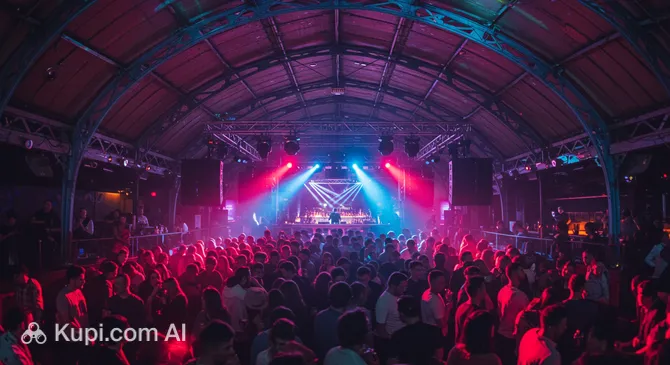
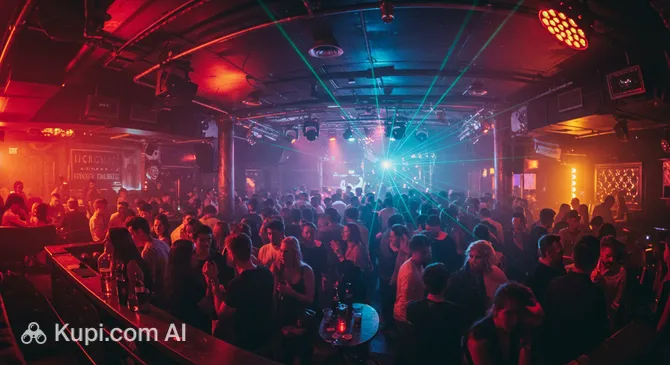
Brighton is renowned across the UK and beyond for its legendary nightlife, offering an electrifying mix of inclusive vibes, world-class music, and seaside hedonism. As the sun sets over the English Channel, the city transforms into a playground for night owls, catering to every taste from high-energy clubbing to sophisticated cultural evenings.
The nightlife scene is geographically diverse, with distinct zones offering different atmospheres. The Seafront is the epicenter of late-night clubbing, particularly the Victorian arches along the beach which house some of the city's most famous venues. For a more bohemian experience, the North Laine area is packed with quirky pubs and craft beer taprooms. Meanwhile, Kemptown stands proudly as the heart of Brighton’s LGBTQ+ community, featuring a vibrant array of cabaret bars, drag shows, and welcoming dance floors that celebrate the city's spirit of diversity.
For music lovers, the city is a premier destination. One of the most iconic venues is Concorde 2, located directly on the seafront. Housed in a classic Victorian building that was once a tea room, it is now celebrated for its incredible sound system and hosts everything from famous bands to underground DJ sets. It is a quintessential Brighton experience to step out of a gig and immediately see the waves crashing on the shore.
Concorde 2. Illustration.
Source: Kupi.com AI
Traveler photos:
If you prefer a mix of comedy, theatre, and live performance, The Old Market in Hove is an excellent choice. This independent venue curates a high-quality program of events, ranging from fringe theatre to cutting-edge gigs, attracting a slightly more relaxed but equally enthusiastic crowd. It is perfect for those seeking entertainment that goes beyond the standard club night.
The Old Market. Illustration.
Source: Kupi.com AI
Traveler photos:
For a more laid-back evening steeped in nostalgia, the Dome Cinema offers a charming alternative to modern multiplexes. As one of the oldest operating cinemas in the country, it provides a stunning Edwardian backdrop for catching the latest films, allowing you to enjoy a movie in grand historic surroundings.
Dome Cinema. Illustration.
Source: Kupi.com AI
Traveler photos:
Practical Advice for a Night Out:
Timing and Prices: The action typically starts late, with clubs getting busy after 11:00 PM. Pubs usually close around 11:00 PM or midnight, while clubs stay open until 3:00 AM or later on weekends. Entry fees for clubs can range from £5 to £15, though many bars offer free entry.
Dress Code: Brighton is famously relaxed. While some high-end bars on West Street might prefer "smart casual," most venues, especially in the creative quarters and seafront arches, adopt a "come as you are" policy. Expressive and eccentric outfits are often welcomed and celebrated.
Safety and Transport: The city is generally safe at night, especially in the busy central zones. However, always stick to well-lit areas and avoid walking alone on the beach late at night. The "Streamline" and "Brighton & Hove Radio Cabs" are reliable taxi services. Night buses (look for the "N" prefix) run frequently to outlying areas, offering a budget-friendly way to get home.
While the nights are vibrant, Brighton offers plenty of daytime entertainment to balance your trip. Before the evening festivities begin, you can explore the city's rich array of museums, enjoy a matinee at the Theatre Royal, or visit the Brighton Aquarium to see marine life in the world's oldest operating aquarium. Whether day or night, the city never fails to entertain.
Parks & Museums
While the seafront often takes center stage, Brighton boasts an impressive array of green spaces and cultural institutions that offer a refreshing counterpoint to the bustling beach. From Victorian pleasure gardens to quirky collections of natural history, the city’s parks and museums invite visitors to explore its greener and more curious side.
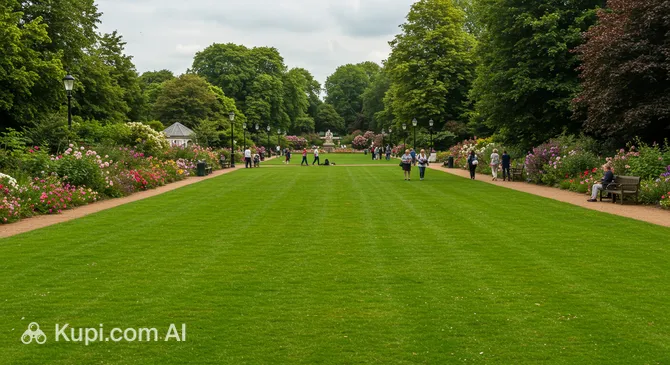
For a peaceful escape within the city limits, Preston Park is the largest and arguably the most beloved urban park in the area. It is a perfect spot for a relaxing afternoon, featuring vast open lawns, a beautiful walled garden, and the "Preston Twins"—two of the oldest Elm trees in the world. The park also hosts a magnificent rock garden, which is a hidden gem of winding paths and water features, offering a tranquil retreat from the urban energy.
Preston Park. Illustration.
Source: Kupi.com AI
Traveler photos:
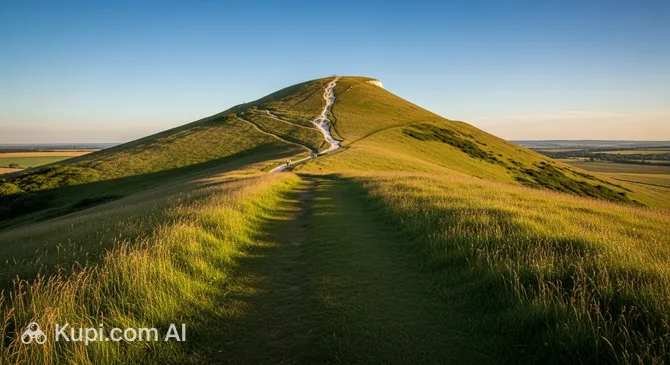
If you are looking to immerse yourself in the wider natural beauty of the region, a trip to Ditchling Beacon is essential. Standing as the highest point in East Sussex, this natural landmark within the South Downs National Park offers sweeping panoramic views across the Weald and out to sea. It is a fantastic location for hikers and nature lovers who want to experience the rolling chalk hills that define the local landscape.
Ditchling Beacon. Illustration.
Source: Kupi.com AI
Traveler photos:
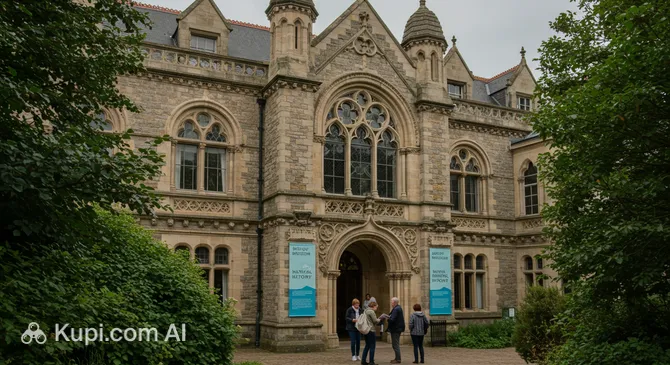
Brighton’s cultural scene is just as eclectic as its geography. The Booth Museum of Natural History is a fascinating Victorian time capsule that celebrates the eccentric side of collecting. Founded by Edward Booth in 1874, this museum is famous for its dioramas of British birds displayed in their natural habitats, as well as an extensive collection of butterflies, fossils, and bones. It is a wonderfully quirky place that highlights the Victorian passion for the natural world.
Booth Museum of Natural History. Illustration.
Source: Kupi.com AI
Traveler photos:
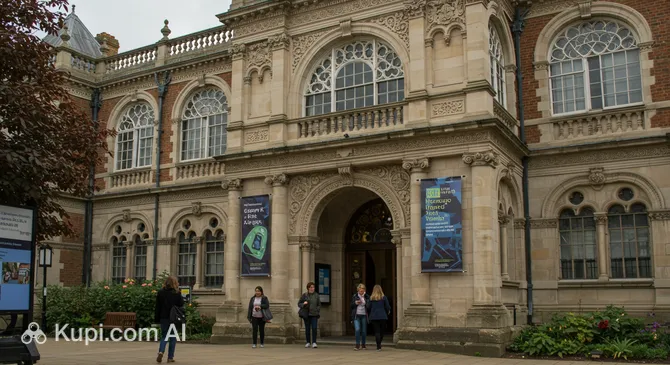
Located in the heart of the cultural quarter, the Brighton Museum & Art Gallery offers a diverse journey through art, design, and local history. Situated in the Royal Pavilion garden, its collections range from 20th-century art and design to fashion and style, reflecting the city's creative spirit. The "World Stories" gallery is particularly engaging, showcasing voices and objects from around the globe.
Brighton Museum & Art Gallery. Illustration.
Source: Kupi.com AI
Traveler photos:
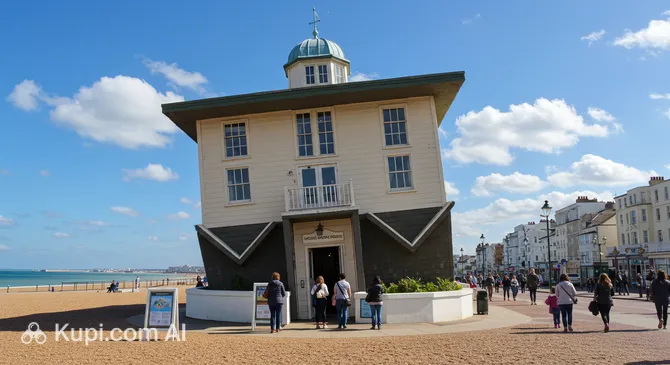
For a completely different perspective on architecture and art, the Upside Down House Brighton on the seafront provides a fun, surreal experience. This inverted wooden structure allows visitors to walk on ceilings and capture mind-bending photos, making it a modern, interactive addition to the city's list of curiosities.
Upside Down House Brighton. Illustration.
Source: Kupi.com AI
Traveler photos:
For those interested in smaller, more intimate green spaces, keep an eye out for the hidden gardens in the Kemptown area or the charming Queen's Park, which offers a secluded pond and a wildlife garden that feels miles away from the city center.
Getting Around
Public transport in Brighton is widely regarded as one of the best and most efficient systems in the region, making it incredibly easy for visitors to get around without a car. The city is compact and walkable, but for longer journeys or trips into the surrounding South Downs, the extensive bus network is the primary mode of travel. Operated mainly by Brighton & Hove Buses, the service is frequent, reliable, and covers every corner of the city, extending to nearby coastal towns like Eastbourne and Newhaven.
In addition to buses, the local railway network serves as a quick way to hop between different parts of the city. Trains run frequently between Brighton Station in the city center and neighboring stations such as Hove, Preston Park, and Falmer (for the universities and stadium). This is often the fastest option if you need to travel from the city center to the western suburbs during peak hours.
Paying for transport is designed to be as simple as possible for tourists. The most convenient method on buses is contactless payment using a bank card or smartphone (Apple Pay/Google Pay). The system uses a "Tap On, Tap Off" model, which automatically calculates the best fare for your journey and caps the cost at the price of a daily ticket if you make multiple trips. Paper tickets can still be purchased from the driver with cash, but carrying exact change is recommended. For longer stays, downloading the mobile app allows you to buy m-tickets in advance, often at a slightly discounted rate.
For those who prefer active travel, the city is very cycle-friendly, with dedicated lanes along the seafront and major roads. The local bike-sharing scheme (BTN Bikes) is popular and easy to use; you can unlock a bike via a mobile app from various hubs scattered across the city and drop it off at another designated zone. Taxis are also plentiful, with both traditional hailed cabs (usually white with aqua bonnets) and ride-hailing apps like Uber operating 24/7.
A unique feature of the city's transport landscape is the Volk’s Electric Railway. While primarily a tourist attraction rather than a commuter service, it is a functioning narrow-gauge railway that runs along the beach from the Palace Pier to the Marina. Operating seasonally from spring to autumn, it offers a charming and historic way to travel along the seafront, saving you a walk while providing lovely coastal views.
Tourists should note that bus services run remarkably late, with several "N" (Night) routes operating throughout the night, ensuring you can always get back to your accommodation after enjoying the nightlife. Bus stops are well-marked with real-time digital displays showing arrival times. If you plan to explore the wider national park area, look out for the special "Breezer" buses, which are open-top in the summer and offer a scenic route up to Devil's Dyke and Ditchling Beacon.
Accommodation
Accommodation:
Brighton offers a diverse and welcoming array of accommodation options, ranging from grand Victorian seafront hotels to quirky boutique guesthouses and budget-friendly hostels. Whether you are looking for luxury, a romantic getaway, or a simple base for backpacking, the city has something to suit every traveler's needs. The architectural charm of the city is reflected in many of its lodgings, with numerous hotels housed in historic Regency-era buildings that line the coast.
The most popular area to stay is undoubtedly the Seafront (King's Road and Marine Parade), where visitors can enjoy stunning ocean views and immediate access to the beach and pier. For those who prefer a more bohemian atmosphere, the Kemptown district offers a vibrant selection of independent bed and breakfasts and is known for being particularly LGBTQ+ friendly. Alternatively, staying near The Lanes places you right in the heart of the city's shopping and dining district, perfect for those who want to step out of their door and into the action.
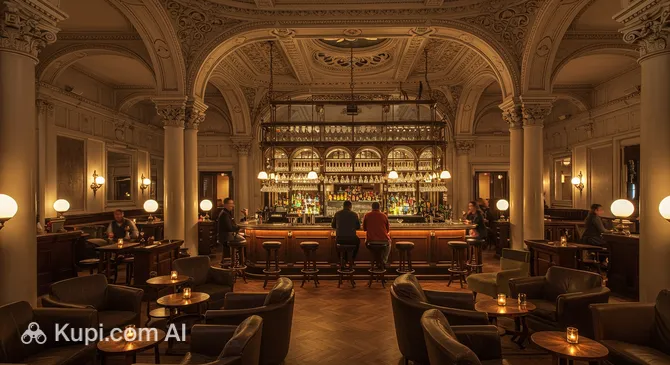
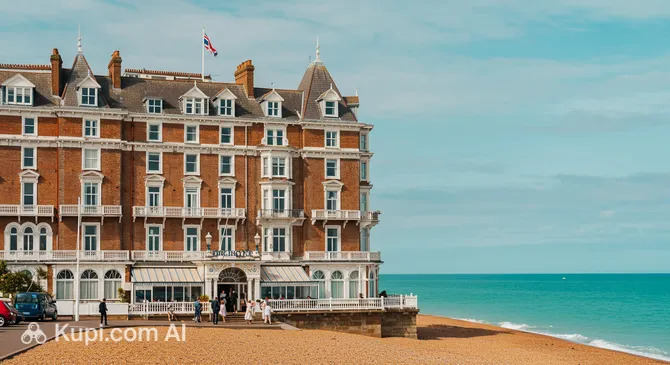
For a classic experience of the city's seaside grandeur, the Queens Hotel Brighton is a well-known establishment. Located prominently on the seafront, it offers easy access to the main attractions and captures the traditional spirit of a British coastal resort. If you are seeking a more luxurious and tranquil retreat, Ockenden Manor provides an upscale resort hotel experience, perfect for those looking to unwind in style and comfort.
Queens Hotel Brighton. Illustration.
Source: Kupi.com AI
Traveler photos:
Booking Tips: Brighton is an extremely popular destination, especially during the summer months (June to August) and during major events like Brighton Pride in August or the Brighton Festival in May. Accommodation can fill up months in advance for these peak times, so it is highly recommended to book as early as possible to secure your preferred location and rate.
Price Range and Methods: Prices vary significantly depending on the season and proximity to the sea. You can expect to pay a premium for sea-view rooms on the promenade. Budget options like hostels and simple guesthouses are widely available, particularly a few streets back from the beach. Booking is easily done through major online travel platforms, though many independent guesthouses also welcome direct bookings, sometimes offering a better rate or a more personalized service.
Nearby Cities
Brighton’s location on the Sussex coast makes it an ideal base for exploring the surrounding region, where you can find a mix of quiet seaside towns, bustling market hubs, and scenic countryside retreats. Whether you are looking for a change of pace or a new adventure, several interesting destinations are just a short journey away.
The closest neighbor is undoubtedly Hove, located just 2 km to the west. In fact, the two are so intertwined that they form a single city, yet Hove retains a distinct, more relaxed character with its wide boulevards and famous colorful beach huts. Further along the coast, approximately 17 km away, lies Worthing. This classic seaside resort is known for its historic pier, Art Deco architecture, and vibrant arts scene, offering a slightly quieter alternative to Brighton’s energetic seafront.
For those wishing to explore inland, Burgess Hill is situated about 15 km north of the city. It sits on the edge of the South Downs National Park, making it a convenient gateway for nature lovers. To the west, the historic market town of Horsham (30 km) offers a charming mix of medieval streets and modern shopping. Meanwhile, the coastal town of Littlehampton (28 km) is perfect for families, featuring sandy beaches and a picturesque harbor at the mouth of the River Arun.
Below is a list of nearby cities that are easily accessible for a day trip:
City
Population
Distance
Hove
91 900
2 km
Patcham
14 277
4 km
Rottingdean
14 324
6 km
Southwick
13 195
7 km
Shoreham-by-Sea
20 547
10 km
Shopping & Souvenirs
Shopping in Brighton is a unique experience that goes far beyond the typical high street offerings found in other British cities. Known for its fierce independence and creative spirit, the city offers a delightful mix of eclectic boutiques, vintage emporiums, and luxury brands. Whether you are hunting for rare antiques, the latest fashion trends, or quirky handmade gifts, the diverse retail landscape here caters to every taste and budget.
The city's most iconic shopping destination is undoubtedly The Lanes. This historic quarter is a maze of narrow, twisting alleyways lined with 17th-century fishermen's cottages that have been converted into charming shops. It is famous for its exceptional jewelry stores, antique dealers, and high-end fashion boutiques. Just a short walk away, the North Laine district offers a completely different vibe. This bohemian area is the heart of the city's alternative culture, packed with retro clothing stores, vinyl record shops, and independent art galleries, making it the perfect place to find something truly one-of-a-kind.
For those who prefer a more traditional modern shopping experience with all the major brands under one roof, the Churchill Square Shopping Centre is the place to go. Located in the city center near the clock tower, this large complex houses over 80 high-street favorites, department stores, and eateries. It serves as the primary hub for fashion and lifestyle shopping in the region.
Churchill Square Shopping Centre. Illustration.
Source: Kupi.com AI
Traveler photos:
Another option for visitors who have access to a car or don't mind a short travel to the outskirts is the Holmbush Shopping Centre. While smaller than the city center malls, it offers large-format stores and convenient amenities, providing a relaxed alternative for stocking up on essentials or browsing major retailers.
Holmbush Shopping Centre. Illustration.
Source: Kupi.com AI
Traveler photos:
Markets play a significant role in the local shopping culture. The Brighton Open Market on London Road is a vibrant community hub featuring over 50 permanent stalls selling fresh local produce, art, crafts, and street food. Additionally, weekends often see pop-up flea markets and craft fairs appearing in streets like Upper Gardner Street, where bargain hunters can rummage for vintage treasures and second-hand gems.
When it comes to souvenirs, visitors are spoiled for choice. The classic gift is a stick of Brighton Rock, a hard sugar candy often mint-flavored and personalized with the city's name. Beyond sweets, the city is an excellent place to buy vintage clothing, locally made jewelry from The Lanes, or prints by local artists depicting the iconic seafront. These items capture the artistic and nostalgic essence of the town far better than generic trinkets.
Most shops in the city center operate from approximately 9:00 AM to 6:00 PM from Monday to Saturday. On Sundays, trading hours are shorter, typically from 11:00 AM to 5:00 PM. Late-night shopping is sometimes available on Thursdays in the main malls. Payment methods are very modern; contactless cards and mobile payments (Apple Pay, Google Pay) are accepted almost everywhere, from high-end boutiques to small market stalls, though carrying a little cash for smaller vendors is always a good idea.
regarding tax-free shopping, international visitors should be aware that the VAT Retail Export Scheme (tax-free shopping) was withdrawn in Great Britain in 2021. This means that tourists visiting England can no longer claim a VAT refund on goods purchased in shops to take home in their luggage. Prices displayed on items are the final price you will pay.