Support

Exeter

About

Located in the picturesque county of Devon, Exeter is a vibrant city that perfectly blends ancient heritage with a lively modern atmosphere. As a key cultural hub in the southwest of the United Kingdom, it offers visitors a unique mix of architectural splendor, green spaces, and a welcoming community. With a population of approximately 124,000, the city maintains a friendly and accessible feel while providing all the amenities of a major urban center.

The history of Exeter is deeply layered, stretching back to the Roman era when it was established as the most south-westerly fortified settlement in Britain. Traces of this rich past can still be seen in the substantial remains of the Roman city walls that encircle the center. Walking through the streets, you will encounter a fascinating timeline of eras, from medieval structures to Georgian terraces, all coexisting with contemporary developments.
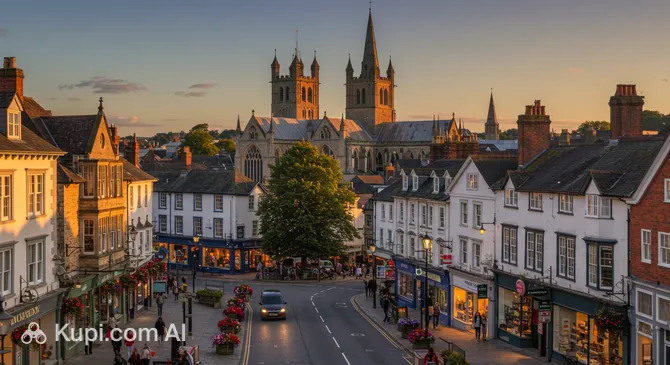
Exeter. Source: Kupi.Binoculars

One of the city's most iconic landmarks is the magnificent Exeter Cathedral, renowned for its stunning Gothic architecture and for having the longest uninterrupted vaulted ceiling in England. Visitors also love exploring the historic Quayside, a scenic area along the River Exe perfect for leisurely walks, cycling, or enjoying local cafes. For a truly unique experience, the Underground Passages offer a rare opportunity to walk through medieval tunnels that were once used to bring fresh water into the city.

Whether you are a history enthusiast, a lover of the arts, or simply looking for a charming base to explore the wider region of Devon, Exeter is a destination that promises a memorable visit. Its combination of cultural depth and scenic beauty makes it a must-visit stop on any British itinerary.

Weather Overview

The climate in Exeter is generally mild and temperate, characteristic of its location in Devon. Summers are pleasantly warm without being scorching, with average maximum temperatures peaking at approximately 20.1°C in July. Winters are cool but usually avoid extreme cold, with January seeing average minimums of around 2.7°C.

Rainfall is a regular occurrence throughout the year, contributing to the region's lush green landscapes. The number of wet days remains fairly consistent, ranging from about 11 days in late summer to a peak of 17 days in March. For a more detailed forecast before you pack, checking the weather in Exeter is highly recommended to help you prepare for the conditions.

Overall, visitors can expect warm summers with occasional showers and cool, damp winters. Since precipitation is spread relatively evenly across the calendar, carrying an umbrella is a wise choice no matter when you choose to visit.

Interesting Facts

Beyond the well-trodden paths, Exeter is a city filled with quirky history and local legends waiting to be discovered. Dig a little deeper to uncover these intriguing details about the city's past.
  • The House That Moved: One of the city's most famous curiosities is a 14th-century merchant's house that was literally picked up and moved. In 1961, to save the historic structure from demolition during road expansion, the entire building was carefully transported 70 meters up the street on iron rails.

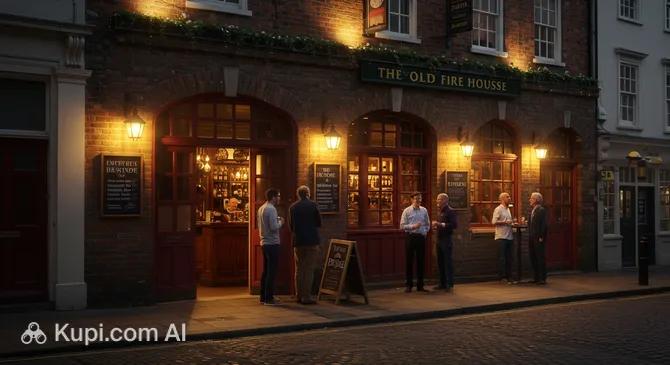
  • A Wizarding Legend: Exeter was the university home of J.K. Rowling, leading to many rumors about local spots inspiring her famous books. A persistent urban legend claims that The Old Fire House was the inspiration for the Leaky Cauldron; although the author has debunked this, the venue's cozy, candlelit atmosphere keeps the magical association alive among locals.

  • The Narrowest Street: Keep an eye out for Parliament Street, which dates back to the 14th century. It is widely considered one of the narrowest streets in the world, measuring just 25 inches (about 64 centimeters) wide at its tightest point.

  • The Historic Cat Flap: While admiring the astronomical clock at Exeter Cathedral, look for a small hole cut into the bottom of the door leading to the North Tower. This is an ancient "cat flap," created centuries ago to allow the cathedral cat to enter and hunt vermin that might damage the clock mechanism.

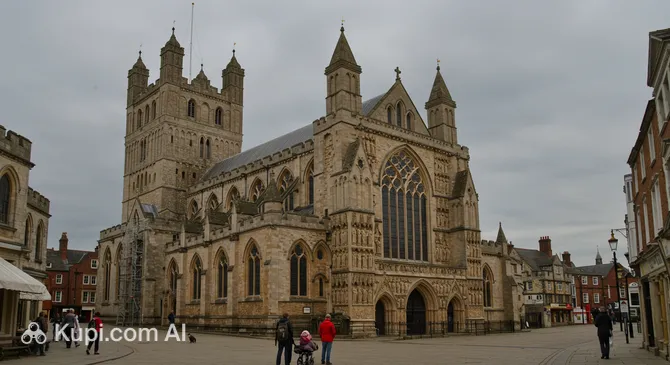
Exeter Cathedral. Source: Kupi.Binoculars

How to Get There

Reaching this historic city in Devon is straightforward, with a variety of transport options connecting it to the rest of the UK and beyond. Whether you prefer to fly or travel by rail, you can easily plan your journey. For detailed information on all available routes, you can read more about how to get to Exeter.

For the most direct air travel, you can fly into Exeter International Airport (IATA: EXT). Conveniently located just 8.1 km from the city center, it offers a quick and easy arrival point. A journey by taxi or bus from here typically takes around 32 minutes. Although it is a regional hub with moderate passenger traffic, it provides essential connections for visitors.

Alternatively, many travelers choose Bristol Airport (IATA: BRS), which is a major international gateway located in the city of Bristol. While it is approximately 92.5 km away from Exeter, it handles a much larger volume of passengers and offers a wider range of flights. The transfer time by road is roughly 2 hours and 40 minutes. Another option is Cardiff Airport (IATA: CWL) in Cardiff, situated about 75.7 km away, with a travel time of around 2 hours and 15 minutes.

For clarity, here is a summary of the main airports:

Airport Name City Passenger Traffic Km from City
Bristol AirportBristolLarge92.5
Bournemouth AirportBournemouthMedium119.1
Cardiff AirportCardiffMedium75.7
Exeter International AirportExeterMedium8.1
Newquay Cornwall AirportNewquaySmall108.7

If you are exploring the wider region by train, you might consider major railway hubs in nearby cities. Cardiff Central Station (CFW) is a significant transport node located in Cardiff, approximately 86.9 km from Exeter. From there, a road transfer would take about 2.5 hours. This station serves millions of passengers annually and is a key entry point for the area.

Another regional option is Bridgwater Railway Station (UBW), situated in the town of Bridgwater. It is located about 58.5 km from Exeter, and the journey by taxi or bus takes approximately 1 hour and 50 minutes. While smaller than Cardiff Central, it offers access for travelers coming from different directions.

Here is an overview of these railway stations:

Station City Passenger Traffic Km to Center
Cardiff Central StationCardiffLarge86.9
Newport Railway StationNewportLarge102.8
St Austell Railway StationSaint AustellMedium99.2
Bridgwater Railway StationBridgwaterMedium58.5
Par Railway StationSaint AustellSmall93.1

Main Attractions

No trip to the city is complete without spending time at the magnificent Exeter Cathedral. Standing at the heart of the city for nearly a thousand years, this architectural masterpiece is famous for its two Norman towers and the longest uninterrupted medieval vaulted ceiling in the world. Visitors are often captivated by the intricate West Front image screen and the astronomical clock. It serves not only as a place of worship but also as a stunning example of Gothic design that defines the city's skyline.

Exeter Cathedral. Source: Kupi.Binoculars

For those interested in culture and history, the Royal Albert Memorial Museum and Art Gallery is a world-class attraction housed in a beautiful Victorian Gothic Revival building. Known locally as RAMM, it offers a fascinating journey through time with diverse collections ranging from local archaeology and natural history to global ethnography and fine art. It is a perfect destination for families and curious minds, providing deep insights into both Devon's heritage and the wider world.

Royal Albert Memorial Museum and Art Gallery. Source: Kupi.Binoculars

If you are looking for a modern shopping and dining experience, Princesshay is the premier destination in the city center. This award-winning development seamlessly blends contemporary architecture with historic surroundings, offering a wide selection of high-street brands, boutiques, and restaurants. Its open-air design frames lovely views of the cathedral, making it a pleasant spot to browse for souvenirs or enjoy a meal in a lively urban setting.

Princesshay. Source: Kupi.Binoculars

To experience the local atmosphere, make your way to The Old Fire House. This beloved venue is renowned for its rustic charm, massive rectangular pizzas, and extensive selection of local ciders. Housed in a converted fire station, it offers a cozy and welcoming environment that is popular with both students and visitors. Whether you are looking for a hearty meal or a relaxed evening drink by candlelight, it captures the quintessential spirit of Exeter's social scene.

The Old Fire House. Source: Kupi.Binoculars

Local Cuisine

As the regional capital of Devon, Exeter is a fantastic place to experience the rich flavors of the West Country. The city's food scene is heavily influenced by the surrounding fertile farmland and the nearby coast, ensuring that menus are often packed with fresh, locally sourced ingredients. From traditional treats to modern gastronomy, there is something to satisfy every palate.

The most iconic dish you must try is the traditional Devon Cream Tea. Unlike its Cornish neighbor, the Devon method involves splitting a warm scone and spreading thick clotted cream on the bottom, topped with a dollop of strawberry jam. It is a quintessential afternoon treat found in tearooms across the city. Another local staple is the pasty; while often associated with Cornwall, Devon has its own delicious version with a crimped top, filled with savory beef, potatoes, and swede.

When it comes to drinks, the region is famous for its cider. Orchards throughout the county produce crisp and refreshing apple ciders, ranging from cloudy, unfiltered "scrumpy" to sparkling varieties. Local pubs take great pride in their selection, often serving pints produced just a few miles away. For those who prefer spirits, the local gin scene is also booming, with several distilleries in the area crafting botanical-rich spirits.

Topsham Brewery & Taproom. Source: Kupi.Binoculars

Dining in Exeter is a social affair, with options ranging from bustling street food markets to relaxed waterfront eateries. The historic Quayside is a particularly popular spot for both locals and tourists, offering a scenic backdrop for a meal. Here, you can enjoy fresh food and craft beverages at places like the Topsham Brewery & Taproom, which combines a lively atmosphere with a great selection of drinks. Whether you are looking for a hearty pub lunch or fine dining, the city’s diverse culinary landscape promises a memorable experience.

Travel Tips

To ensure your visit to this charming Devonshire city is as smooth and enjoyable as possible, we have compiled a list of essential practical advice. These tips will help you navigate local customs, weather, and logistics, allowing you to focus on exploring Exeter's rich history and vibrant culture.

  1. Clothing and Gear: The weather in Devon can be changeable, so the key to comfort is layering. Bring a waterproof jacket and a sturdy umbrella, even in summer, as showers can occur unexpectedly. Since Exeter is built on a hill and features some cobbled streets, particularly around the Cathedral and Quayside, comfortable walking shoes are an absolute must for exploring the city center on foot.
  2. Transportation: Exeter is a very compact and walkable city, so you likely won't need a car for the city center itself; in fact, parking can be expensive and traffic heavy. For reaching areas outside the center or heading to the coast, the local Stagecoach bus network is reliable. Taxis and ride-hailing apps like Uber are available, and the city has two main train stations (Exeter St Davids and Exeter Central) that make day trips to nearby towns very convenient.
  3. Finances: The currency is the British Pound (£). Card payments and contactless methods (like Apple Pay and Google Pay) are widely accepted almost everywhere, from museums to small cafes. However, it is useful to carry a small amount of cash for smaller independent shops or markets. Tipping is generally expected in restaurants at around 10-12.5% if a service charge hasn't already been added to the bill.
  4. Health and Safety: Exeter is generally a very safe city for tourists. Pharmacies (such as Boots or Superdrug) are easy to find on the High Street for minor ailments. In an emergency, dial 999 for police, ambulance, or fire services. For non-urgent medical advice, you can dial 111. The city center is well-lit and populated, but as with any travel, keep an eye on your belongings in busy areas.
  5. Communication: English is the spoken language, often with a distinct West Country accent that is warm and friendly. Free Wi-Fi is available in many public spaces, cafes, and on some buses. If you need a local SIM card, you can easily purchase one at supermarkets or mobile phone shops in the Princesshay shopping center.
  6. Local Etiquette: Politeness is highly valued; simple "please," "thank you," and "sorry" (even if you didn't do anything wrong) go a long way. Queuing is a serious social norm in the UK; always wait your turn at bus stops or shop counters. When greeting locals, a smile and a simple "Hi" or "Hello" are perfect.
  7. What to Avoid: One specific local rule to respect involves the famous Cream Tea. In Devon, the correct method is to spread the cream first, followed by the jam. Doing it the "Cornish way" (jam first) is a lighthearted but persistent point of contention, and locals will jokingly (or sternly) correct you!
  8. Additional Tip: Be aware of Sunday trading hours. Unlike weekdays where shops stay open later, most larger stores on Sundays only open between 10:00 AM and 4:00 PM or 11:00 AM and 5:00 PM. Plan your shopping accordingly, although many restaurants and cafes will remain open later into the evening.

Armed with these practical tips, you are all set to experience the best of Exeter with confidence and ease. Embrace the local pace of life, enjoy the historic atmosphere, and don't be afraid to ask the friendly locals if you need a hand!

Entertainment & Nightlife

Entertainment and Nightlife:

Exeter boasts a surprisingly vibrant and diverse nightlife scene, largely driven by its energetic student population and thriving local community. As the sun sets, the city transforms, offering everything from historic pubs with roaring fires to modern cocktail bars and pulsing nightclubs. Whether you are looking for a sophisticated evening of jazz, a lively night on the dance floor, or a quiet pint of local ale, the city has a district to match your mood.

The epicenter of independent nightlife is undoubtedly Gandy Street. Often compared to London’s Soho, this narrow, cobbled street is lined with quirky bars and eclectic venues that spill out onto the pavement on warm evenings. It is the perfect place to start a night out with unique cocktails or craft beers. For a more scenic experience, head to the Quayside. This riverside area is bustling during summer evenings, where locals gather at waterfront establishments like the Topsham Brewery & Taproom to enjoy live music and fresh drinks against the backdrop of the canal.

For those seeking a classic Exeter experience, Harry's Restaurant is a long-standing favorite that transitions beautifully from dining to a relaxed evening atmosphere. Located in the heart of the city, it is an institution known for its friendly vibe and excellent selection of drinks. Meanwhile, the Guildhall Shopping Centre features the "Queen St Dining" quarter, a dedicated zone for late-night food and social drinking that brings a modern, cosmopolitan feel to the historic center.

Harry's Restaurant. Source: Kupi.Binoculars

The atmosphere in Exeter is generally relaxed and welcoming. The dress code is mostly casual, although some of the more exclusive nightclubs and cocktail bars near the Cathedral Green may expect a smarter look on Friday and Saturday nights. Peak hours for nightlife are between 10:00 PM and 2:00 AM. Prices are reasonable compared to larger UK cities, with many venues offering "happy hour" deals, especially on weeknights to cater to the university crowd.

Safety is a key advantage of a night out here. Exeter is widely considered one of the safest cities in the UK for evening entertainment. The city center is well-lit and compact, making it easy to walk between venues. However, if you are staying further out, it is advisable to book a taxi in advance, especially on weekends. Local taxi ranks are located near the main train stations and the High Street, and ride-hailing apps operate efficiently throughout the night.

While the nights are lively, Exeter also offers plenty of daytime entertainment. Culture lovers can explore the city's rich heritage at museums or catch a matinee performance at one of the local theaters. For a breath of fresh air, green spaces like Belmont Park provide a peaceful retreat for a leisurely stroll or a family picnic. Whether you prefer the excitement of a club or the tranquility of a park, the city ensures there is never a dull moment.

Parks & Museums

Exeter is a city that seamlessly intertwines its urban heritage with refreshing natural landscapes, offering visitors a delightful mix of manicured gardens, expansive parks, and rich cultural institutions. Whether you are looking to explore the region's artistic history or simply relax under the canopy of ancient trees, the city provides ample space to unwind and learn.

One of the most historically significant green spaces is Northernhay Gardens. Located on the northern side of the Rougemont Castle, it holds the distinction of being the oldest public open space in England, originally laid out in 1612. It offers a tranquil escape with beautiful views of the city, statues of notable local figures, and winding paths that trace the line of the old Roman city walls. It is a perfect spot for a quiet stroll amidst history.

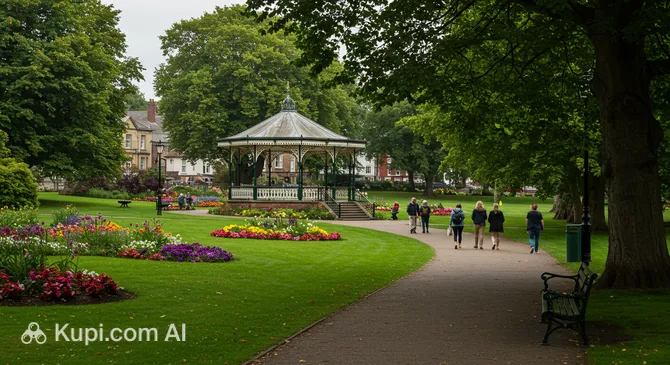
For a more community-focused atmosphere, Heavitree Pleasure Ground is a favorite among locals and families. This spacious park combines open grassy areas for picnics with active facilities, including tennis courts and a bowling green. It is an excellent place to experience the everyday pace of local life, offering a vibrant yet relaxing environment away from the city center's hustle.

Heavitree Pleasure Ground. Source: Kupi.Binoculars

Another gem is Belmont Park, which is renowned for its thoughtful landscaping and sensory garden. This green oasis is designed to engage all the senses with aromatic plants and textured foliage, making it a unique spot for nature lovers. The park also features a large open lawn and a dedicated play area, making it a versatile destination for visitors of all ages.

When it comes to museums, the crown jewel of the city is undoubtedly the Royal Albert Memorial Museum and Art Gallery. This Victorian Gothic masterpiece is not just an architectural wonder but a treasure trove of knowledge. Its collections span from local Devon geology and zoology to exotic artifacts from around the globe, effectively telling the story of the region's connection to the wider world.

For film enthusiasts, the Bill Douglas Cinema Museum at the University of Exeter offers a fascinating alternative. It houses one of the largest collections of material relating to the moving image in Britain, showcasing the history of cinema and optical entertainment. Additionally, history buffs should visit St Nicholas Priory, the city's oldest building, which has been restored to depict life in an Elizabethan merchant's home, offering an immersive step back in time.

Beyond the museums and parks, the city's history is etched into its very foundations. A walk through Rougemont Gardens allows you to see the substantial remains of the Roman city wall and the gatehouse of the Norman castle. For a blend of architecture and relaxation, the green surrounding Exeter Cathedral serves as a central gathering point where visitors can admire the intricate Gothic facade while enjoying a break on the lawn.

Insider Tip: For a unique glimpse into the city's maritime past, head to the Custom House on the Quayside. It often hosts small exhibitions and provides a fascinating context to the bustling waterfront area, all within one of the most architecturally striking buildings on the riverbank.

Getting Around

Public transport in Exeter is reliable and straightforward, with a comprehensive bus network serving as the primary way to navigate the city and its suburbs. The main operator, Stagecoach South West, runs frequent services connecting the city center with residential areas, the university, and popular spots like the Quayside. While there is no underground metro system, the city benefits from a local rail network often referred to as the "Devon Metro," which provides quick connections between key stations such as Exeter St Davids, Exeter Central, and smaller stations like St Thomas and Polsloe Bridge.

Paying for travel is very convenient for tourists. On buses, the most common method is using contactless payment (bank cards, Apple Pay, or Google Pay). You can simply ask the driver for a ticket and tap your card, or use the "tap on, tap off" system on enabled routes. For those planning to make multiple journeys in a single day, purchasing a Dayrider ticket is highly recommended as it offers unlimited travel within a specific zone for a fixed price. Mobile apps from transport operators are also available, allowing you to buy digital tickets in advance and track bus arrivals in real-time.

For visitors arriving by car, the city operates an efficient Park and Ride system with sites located on the outskirts, such as Sowton, Matford, and Honiton Road. Using this service is widely considered the best practical advice for motorists, as traffic in the historic city center can be heavy and parking expensive. These buses run regularly into the center, allowing you to avoid the stress of navigating narrow medieval streets.

If you prefer more direct transport, taxis are readily available throughout the city. You can find taxi ranks outside the main railway stations (St Davids and Central) and on the High Street. Local taxi companies are reliable, and ride-hailing apps are also active in the area. Since the city center is relatively compact, walking is often the most pleasant option for short distances, allowing you to easily move between the Cathedral, the shops, and the museum.

Cycling is another popular alternative, with a growing network of cycle paths connecting the city to the Exe Estuary Trail. While the city is hilly in places, the scenic routes along the river and canal are flat and accessible. Whether you choose the bus, the local train, or your own two feet, getting around this Devonshire city is safe and accessible for all travelers.

Accommodation

Finding the perfect place to stay in Exeter is relatively easy, as the city offers a wide spectrum of accommodation to suit different tastes and budgets. The options generally range from reliable mid-range chain hotels and contemporary city-center apartments to charming bed and breakfasts housed in historic Georgian buildings. For those seeking a touch of luxury, there are boutique hotels that blend period features with modern comfort, while budget-conscious travelers and backpackers can find well-maintained hostels and guest houses.

When choosing a location, the City Centre is undoubtedly the most popular area for tourists. Staying here places you within easy walking distance of major landmarks like Exeter Cathedral and the main transport hubs. It is an ideal base if you want to be close to the high street shops and the bustling dining scene. Alternatively, the historic Quayside offers a more scenic and relaxed atmosphere. Accommodation in this area often provides lovely views of the river and canal, making it perfect for a romantic getaway or a quieter retreat.

For those who prefer to be near shopping and entertainment, looking for hotels near Princesshay is a great strategy. This area is modern and vibrant, ensuring you are never far from cafes and restaurants. Conversely, visitors arriving by car might consider the outskirts or areas near the M5 motorway for easier parking and access to the wider Devon countryside.

Booking Tip: As Exeter is a university city, accommodation can fill up extremely quickly during graduation weeks (typically in July) and the start of the academic term in September. It is highly recommended to book well in advance during these periods, as well as during the peak summer tourist season, to secure the best rates and availability.

In terms of pricing, the city is generally more affordable than London but can be pricier than other parts of Devon due to its popularity. You can expect mid-range prices for most standard hotels, with costs rising for properties with cathedral views or historic significance. Booking directly through hotel websites or using major online travel platforms are the most common and efficient ways to secure your stay.

Nearby Cities

For those looking to explore beyond the city limits, Exeter serves as an excellent base for day trips to several fascinating locations in the South West. The region is dotted with coastal resorts, historic towns, and scenic landscapes, all within a convenient distance for a quick getaway.

One of the most popular destinations is Exmouth, located just a short journey south. As the western gateway to the UNESCO World Heritage Jurassic Coast, it is renowned for its two miles of golden sandy beach. It is a haven for water sports enthusiasts and offers breathtaking walks along the cliffs, making it a perfect spot for a seaside escape.

Further along the coast lies the famous "English Riviera." Here you will find Torquay, known for its mild climate, palm trees, and elegant Victorian architecture that gives it a distinct Mediterranean feel. Just next door is Paignton, a family-friendly resort loved for its traditional pier, zoo, and lively seafront. Both towns offer a vibrant mix of seaside nostalgia and modern attractions.

If you prefer to explore a historic market town, heading northeast to Taunton in Somerset is a great choice. It boasts a rich heritage, including a 12th-century castle that houses the Museum of Somerset, along with beautiful public parks like Vivary Park. Alternatively, visitors can travel southwest to Plympton, an ancient stannary town that is now a suburb of Plymouth, offering its own unique slice of local history.

Below is a summary of these nearby cities, including their population and distance from Exeter:

City Population Distance (km)
Exmouth 34,432 14
Torquay 65,245 29
Paignton 64,410 32
Taunton 60,479 44
Plympton 29,899 52

Shopping & Souvenirs

Shopping in Exeter offers a delightful mix of contemporary convenience and independent charm, all set within a compact and walkable city center. Whether you are looking for high-street fashion, unique vintage finds, or local artisan goods, the city provides a diverse retail experience that caters to all tastes.

The premier destination for retail therapy is Princesshay. This open-air shopping center features a wide array of popular brands and fashion chains, seamlessly integrated into the city's historic landscape with views of the cathedral. It is the perfect place to update your wardrobe or find gifts, with plenty of cafes scattered throughout for a mid-shop coffee break.

Just a short walk away, the Guildhall Shopping Centre offers another hub of activity. Blending classic retail stores with the vibrant Queen St Dining quarter, it is a great spot to combine shopping with a meal. The center hosts a variety of national chains and essential services, making it a practical stop for visitors.

For those seeking something more distinctive, the city's independent quarters are a treasure trove. Gandy Street is famous for its cobbled charm and eclectic boutiques selling jewelry, gifts, and bohemian fashion. Similarly, Fore Street in the West Quarter is the place to go for vintage clothing, retro collectables, and artsy homewares, showcasing the creative spirit of the local community.

If you are visiting during the festive season, the Exeter Cathedral Christmas Market is an unmissable highlight. Held on the Cathedral Green, it features dozens of festive chalets selling handmade crafts, local produce, and seasonal treats. It is widely considered one of the best markets of its kind in the UK, offering a magical atmosphere under the shadow of the Gothic towers.

When it comes to souvenirs, look for items that reflect Devon's rich heritage. Local cider and fudge are popular edible gifts, while pottery and handcrafted goods from the city's independent makers serve as lasting mementos of your trip.

Reached the end of the page?

That means the route is fully explored