Support

Falmouth

About

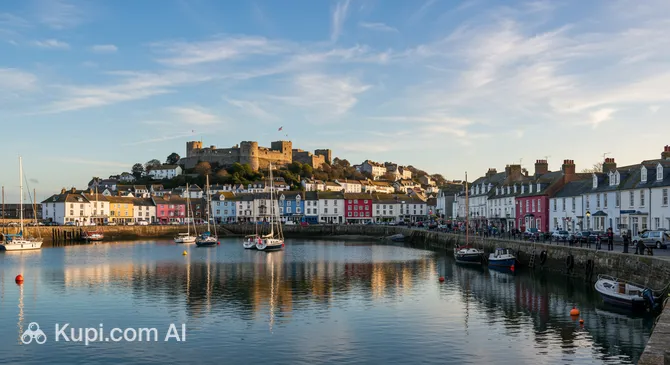
Falmouth is a captivating port town located on the south coast of Cornwall, renowned for its creative spirit and stunning maritime scenery. As one of the premier destinations in the United Kingdom for sailing enthusiasts and beach lovers, it offers a vibrant mix of coastal charm and cultural richness. The town sits at the entrance of the Fal Estuary, boasting the third-deepest natural harbour in the world, which has shaped its character for centuries.

Falmouth. Source: Kupi.Binoculars

With a population of approximately 21,797 residents, Falmouth maintains a friendly, community-focused atmosphere while bustling with the energy of a university town. The mild climate of Cornwall allows sub-tropical gardens to flourish here, adding a splash of exotic colour to the landscape. The fascinating history of Falmouth is evident everywhere, from the historic quaysides to the classic architecture that tells the story of its days as a vital packet station for the Royal Mail.

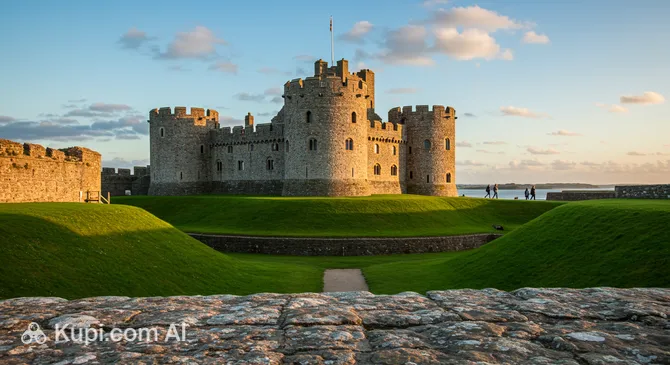
Travelers are often drawn to the imposing Pendennis Castle, a well-preserved fortress built by Henry VIII that commands spectacular views over the estuary. For those interested in nautical heritage, the National Maritime Museum Cornwall provides an immersive experience at Discovery Quay. Meanwhile, nature lovers can relax on the golden sands of Gyllyngvase Beach or explore the nearby coastal paths.

Whether you are looking to explore independent art galleries, sample fresh local seafood, or simply watch the boats drift by, Falmouth invites you to experience the best of the Cornish coast.

Weather Overview

Falmouth benefits from a temperate maritime climate, heavily influenced by its coastal location in Cornwall, which generally keeps conditions milder than much of the rest of the UK. For a more comprehensive breakdown of what to expect during your visit, you can consult the detailed weather in Falmouth page.

The summer months offer the most pleasant conditions for exploring the beaches and harbour. July and August are typically the warmest times of the year, with average temperatures around 16.9°C and daily highs reaching approximately 19.4°C. While these months are inviting, the weather can be changeable, with about 12 wet days recorded on average during the peak of summer.

Winters in Falmouth are cool but rarely severe, avoiding the harsh frosts found further inland. January is generally the coldest month, seeing average temperatures of 7.4°C and lows hovering around 5.6°C. This season is characterized by higher humidity and frequent rainfall, with December seeing up to 18 wet days.

Expect mild, breezy summers with occasional showers and cool, damp winters where temperatures generally remain above freezing.

Interesting Facts

Beyond the main attractions, Falmouth holds many fascinating secrets that highlight its global significance and cultural depth. From literary beginnings to pivotal moments in naval history, the town has stories that go far beyond its picturesque harbour.
Pendennis Castle. Source: Kupi.Binoculars
  • Falmouth was the landing point for Charles Darwin at the end of his famous voyage aboard the HMS Beagle. After five years of exploring the globe, he stepped ashore here in 1836, bringing with him the observations that would eventually form the basis of his groundbreaking theory of evolution.

  • The town is the birthplace of the beloved children's classic, The Wind in the Willows. Kenneth Grahame began writing the stories as letters to his son while staying at the Greenbank Hotel, drawing inspiration for the riverbank scenes from the views overlooking the Fal River.

  • For over 150 years, Falmouth served as the headquarters of the Royal Mail Packet Service, effectively making it the information hub of the British Empire. Between 1688 and 1850, fast ships known as packets sailed from here to deliver mail and bullion to far-flung corners of the world.

  • The imposing Pendennis Castle holds the distinction of being one of the last Royalist strongholds to fall during the English Civil War. The fortress withstood a gruelling five-month siege by Parliamentary forces in 1646 before finally surrendering.

How to Get There

Reaching this picturesque corner of Cornwall is part of the adventure, with routes traversing some of the UK's most scenic landscapes. Visitors have several options to choose from depending on their starting point and preferred mode of travel. For a detailed breakdown of routes and transport modes, you can read more about how to get to Falmouth.

The city of Falmouth does not have its own airport, but you can fly into Newquay Cornwall Airport (NQY) in the city of Newquay, which is about 32 km from Falmouth. It is the most convenient gateway for air travelers aiming for the Cornish coast. The journey by taxi or transfer typically takes around 45 minutes to an hour. Newquay Cornwall Airport serves as a key regional hub, connecting the area to various destinations.

Another viable option is Exeter International Airport (EXT) in the city of Exeter, located approximately 134 km from Falmouth. While it requires a longer transfer, it often offers a wider range of flight connections. The travel time by road from the airport to Falmouth is estimated to be approximately 2 hours. Exeter International Airport handles a significant volume of passengers annually, making it a major entry point for the South West.

For clarity, here is a summary of the main airports:

Airport Name City Passenger Traffic Km from City
Cardiff AirportCardiffMedium184.2
Brest Bretagne AirportBrestMedium195.3
Guernsey AirportSt Peter PortMedium194.5
Exeter International AirportExeterMedium134.0
Newquay Cornwall AirportNewquayMedium32.4

Traveling by train is a popular way to reach the region. While Falmouth is served by a branch line, long-distance travelers often connect through major nearby hubs. You can arrive at St Austell Railway Station in the city of Saint Austell, which is about 29 km from Falmouth. From there, you can get a taxi or bus, which takes about 45 minutes. This station is a convenient stop on the main line through Cornwall.

Alternatively, you can travel to Penzance Station in Penzance, situated roughly 34 km away. As the terminus for the main line, it is a significant transport node. The transfer from Penzance to Falmouth takes approximately 50 minutes by road.

Below is a list of nearby railway stations:

Station City Passenger Traffic Km to Center
Swansea railway stationSwanseaLarge182.0
Penzance StationPenzanceMedium33.5
St Austell Railway StationSaint AustellMedium28.7
Bridgwater Railway StationBridgwaterMedium182.6
Par Railway StationSaint AustellSmall34.3

Main Attractions

Falmouth offers a delightful array of sights that blend maritime heritage with natural beauty. From historic fortresses guarding the estuary to immersive museums and scenic viewpoints, there is plenty to explore in this Cornish gem. Here are some of the top attractions that define the character of the town.

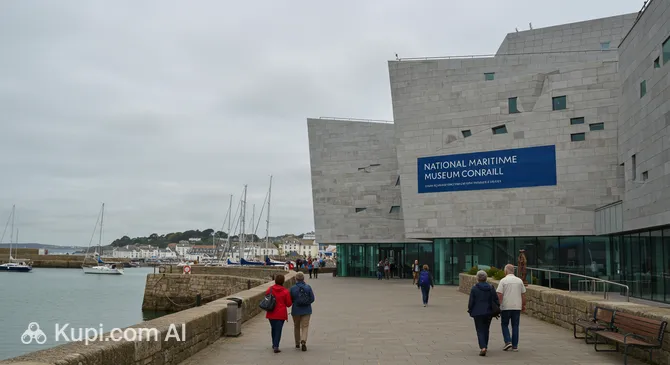
Situated on Discovery Quay, the National Maritime Museum Cornwall is a must-visit for anyone interested in the sea. This award-winning museum features 15 galleries that explore the influence of boats on history and culture. Visitors can admire the impressive "flotilla" of small boats hanging from the ceiling, explore the underwater tidal zone through large viewing windows, and climb the 100-foot Lookout Tower for panoramic views of the harbour. It is a family-friendly destination that brings the region's nautical past to life.

National Maritime Museum Cornwall. Source: Kupi.Binoculars

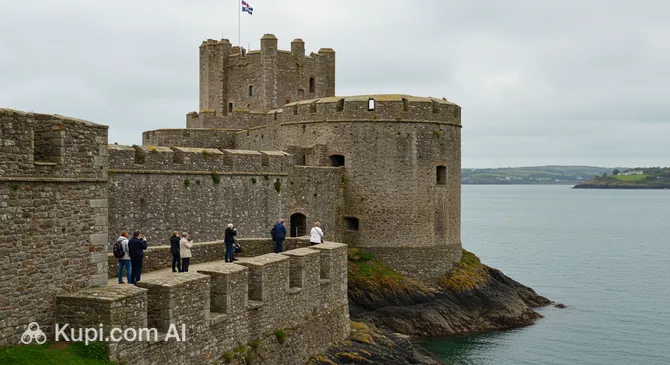
Just a short boat ride across the water lies St Mawes Castle, one of the best-preserved of Henry VIII's coastal artillery fortresses. Built between 1540 and 1542, this clover-leaf-shaped fortification was designed to protect the Carrick Roads anchorage alongside its sister castle, Pendennis. Tourists appreciate the castle for its elaborate Tudor architecture, Latin inscriptions, and the stunning views it offers back towards Falmouth. The grounds are perfect for a relaxing stroll while soaking in the history of the Tudor period.

St Mawes Castle. Source: Kupi.Binoculars

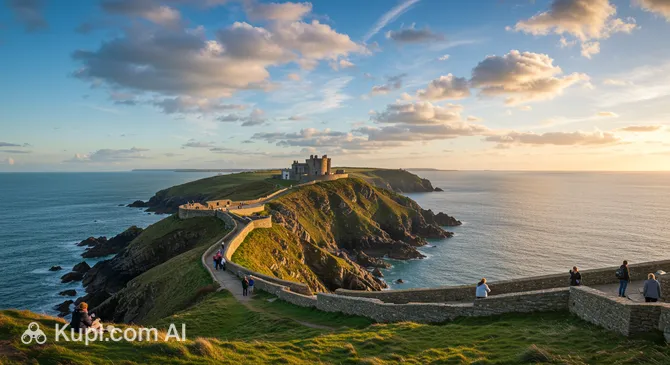
For those seeking fresh air and spectacular coastal scenery, Pendennis Point is the ideal spot. Located at the very tip of the headland, this area offers sweeping vistas of the Fal Estuary meeting the English Channel. It is a popular location for walking, picnicking, and wildlife watching, with frequent sightings of seals and dolphins in the waters below. The point also provides a unique perspective of the ships entering and leaving the harbour, making it a favorite for photographers.

Pendennis Point. Source: Kupi.Binoculars

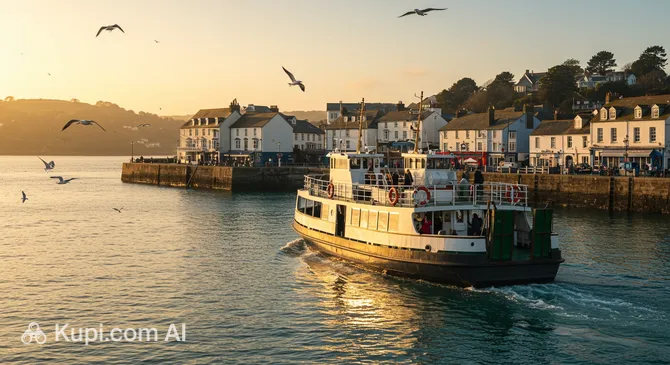
Connecting the town to the Roseland Peninsula is the historic St Mawes Ferry. This passenger service is not just a mode of transport but an attraction in itself, offering a scenic 20-minute journey across the harbour. The trip provides excellent opportunities to see the castles and the busy waterfront from the water. Operating year-round, the ferry is a classic part of the Falmouth experience, allowing visitors to easily combine a trip to the town centre with an excursion to the idyllic village of St Mawes.

St Mawes Ferry. Source: Kupi.Binoculars

Local Cuisine

Falmouth has firmly established itself as one of Cornwall's leading culinary destinations, offering a vibrant food scene that revolves heavily around its coastal location. The town is particularly famous for its fresh seafood, with the local waters providing an abundant harvest of crab, lobster, and scallops. A true gastronomic highlight is the Fal native oyster, harvested from the Fal Estuary using traditional sail and oar methods. This delicacy is so significant that it is celebrated annually with the Falmouth Oyster Festival, marking the start of the dredging season.

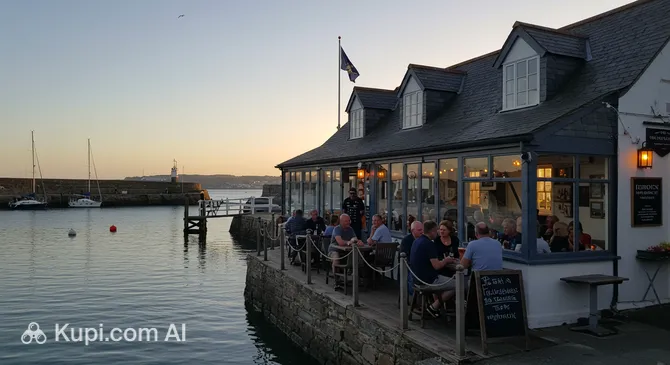
For those looking to enjoy these local flavours with a view, the harbour area is lined with eateries that make the most of the stunning waterfront setting. A prime example is the Indidog Harbourside Restaurant, situated on the historic Fish Strand Quay. Here, visitors can dine on modern British cuisine while overlooking the estuary, making it a popular spot for both relaxed lunches and atmospheric dinners.

Indidog Harbourside Restaurant. Source: Kupi.Binoculars

Beyond seafood, no visit to this region would be complete without trying a traditional Cornish pasty. This iconic D-shaped pastry, filled with beef, potato, swede, and onion, is the ultimate comfort food and can be found in bakeries throughout the town. Another essential experience is the Cornish cream tea. Remember the local golden rule when assembling your scone: spread the strawberry jam first, followed by a generous dollop of clotted cream.

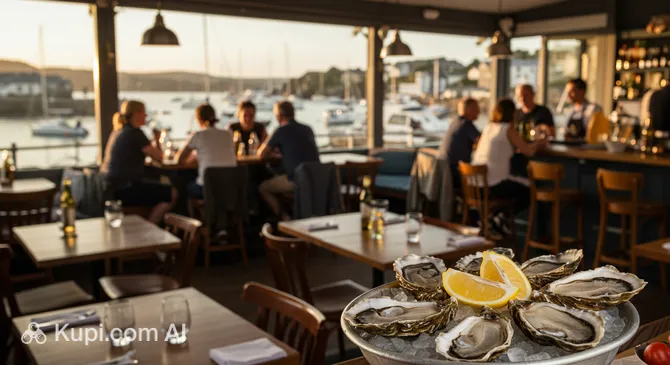
Falmouth also boasts a thriving craft beer and brewing culture. The town is home to innovative breweries that have gained national recognition. For a taste of this local creativity, The Verdant Seafood Bar offers a perfect pairing of small seafood plates and hop-forward beers brewed nearby. It represents the modern, casual side of Falmouth's dining scene, where quality produce takes centre stage without pretension.

The Verdant Seafood Bar. Source: Kupi.Binoculars

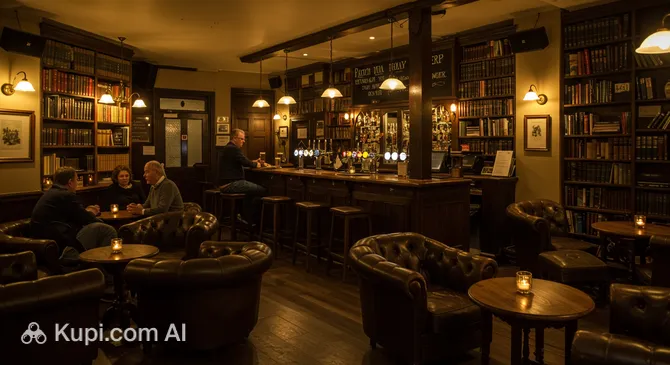
The town's nightlife and café culture are equally eclectic, often housed in historic buildings that add character to the experience. A unique venue that captures this quirky spirit is Beerwolf Books. Located in a converted 18th-century maritime building, it functions as both a fascinating bookshop and a pub, allowing guests to browse literature while sipping on local ales and ciders. Whether you are seeking fine dining by the water or a rustic pub atmosphere, Falmouth offers a delicious journey through Cornish culture.

Beerwolf Books. Source: Kupi.Binoculars

Travel Tips

Welcome to Falmouth! To help you make the most of your seaside getaway, we have compiled a set of essential practical tips. Whether you are here to sail the estuary, explore historic castles, or simply relax by the beach, these insights will ensure your trip runs smoothly and allows you to enjoy the Cornish coast like a local.

  1. Clothing and Gear: Cornwall is known for its mild but changeable weather. Pack layers that can be easily added or removed, and always bring a high-quality waterproof jacket, even in summer. The town is built on hills and has many cobbled streets, so comfortable, sturdy walking shoes are a must. If you plan to visit religious sites, casual modest attire is generally acceptable, but smart-casual is the norm for evening dining.
  2. Transportation: The town centre is compact and best explored on foot, though be prepared for steep inclines. For longer distances, the local bus network is reliable, and the Maritime Line train connects Falmouth Docks and Falmouth Town to Truro. A unique feature here is the extensive ferry network; boats are a primary mode of transport to nearby St Mawes and Flushing. Car rental is useful for exploring the wider Cornish countryside, but parking in the town centre can be difficult and expensive.
  3. Finances: The local currency is the British Pound (£). Contactless card payments and mobile wallets (Apple Pay, Google Pay) are widely accepted, even in small cafés and on buses. However, it is wise to carry a small amount of cash for independent ice cream vans or smaller ferry crossings. ATMs are readily available on the high street. Tipping around 10-15% in restaurants is standard practice if service charge isn't included.
  4. Health and Safety: Falmouth is generally a very safe town. Pharmacies, such as Boots, are located on the main shopping streets for minor ailments. For emergencies, dial 999; for non-urgent medical advice, call 111. When visiting beaches, always swim between the red and yellow flags where lifeguards are present, and be mindful of the tides, which can turn quickly.
  5. Communication: English is the primary language. You may hear a local Cornish dialect among older residents, but standard English is understood everywhere. Mobile coverage is generally good in the town but can be patchy in secluded coves. Free Wi-Fi is available in most cafés, hotels, and public buildings. A UK SIM card is recommended for data if you are traveling from outside the country.
  6. Local Etiquette: Politeness is key; always say "please" and "thank you," and greet shopkeepers or bus drivers with a friendly "hello" or "cheers." Queuing is a serious social norm—never cut in line. When eating a traditional Cornish cream tea, remember the local golden rule: jam first, cream on top. Doing it the other way around (the Devon way) is a lighthearted but frequent topic of local debate!
  7. What to Avoid: Do not feed the seagulls. They can be aggressive and will snatch food right out of your hand; keep your food covered when walking outside. Also, avoid driving through the main high street during the day if possible, as it is narrow, crowded with pedestrians, and often restricted.
  8. Additional Tip: If you plan to use ferries, buses, and trains extensively, consider purchasing a Fal Mussel Card. This visitor pass offers unlimited travel on the Fal River Links network, including ferries, buses, and the maritime train line, making it a cost-effective and convenient way to explore the estuary.

With these tips in hand, you are ready to embrace the relaxed pace and maritime charm of Falmouth. From navigating the historic streets to enjoying the perfect cream tea, we hope you have a wonderful and memorable visit to this beautiful corner of Cornwall.

Entertainment & Nightlife

Falmouth boasts a vibrant and eclectic nightlife scene, largely fueled by its status as a university town and a creative hub. The evening atmosphere is distinctively relaxed and friendly, characterized by a love for live music, craft ales, and artistic expression rather than high-octane clubbing. The town comes alive after dark, with a diverse crowd ranging from students and sailors to locals and visitors, all mingling in the historic pubs and waterfront bars.

The heart of the action lies along the "spine" of the town, stretching from the High Street down through Market Street and Church Street, ending at Arwenack Street near the harbour. This continuous run of venues makes bar-hopping easy and enjoyable. Custom House Quay and Discovery Quay (also known as Events Square) are particularly bustling spots, offering spacious outdoor seating where you can enjoy drinks with a view of the boats bobbing in the water.

For a drink in a truly unique setting, Beerwolf Books is a standout venue that perfectly encapsulates the town's quirky spirit. Functioning as a bookshop by day and a lively pub by night, it offers a cosy environment where you can enjoy a pint of local cider amidst shelves of literature. If you are a fan of modern brewing, The Verdant Seafood Bar is an essential stop. While known for its food, it is equally celebrated as a taproom for one of Cornwall's most respected craft breweries, serving hop-forward beers in a stylish, casual setting.

Beyond these spots, Falmouth has a thriving live music scene. Venues like The Cornish Bank and The Chintz Symposium are renowned for hosting bands, DJ sets, and poetry nights in decor that ranges from former bank vaults to Alice in Wonderland-inspired fantasy. For those seeking a late-night dance, the town has a few clubs and late bars, though the vibe remains more alternative and indie-focused than commercial.

Practical advice for your night out includes keeping things casual; there is rarely a strict dress code in Falmouth, and jeans or smart-casual attire will fit in everywhere. Prices are generally reasonable compared to larger UK cities. The town is safe for walking at night, though the streets can be steep. If you need a ride home, local taxi companies like Abacus or Radio Taxis are reliable, but it is advisable to book in advance on busy Friday and Saturday nights.

When the sun is up, entertainment in Falmouth shifts towards culture and leisure. You can catch the latest films or live theatre screenings at the independent Phoenix Cinema, or enjoy open-air performances at the Princess Pavilion during the warmer months. The town's artistic energy is also evident in its numerous galleries and workshops, offering plenty of daytime diversion before the evening festivities begin.

Parks & Museums

Falmouth is not only a haven for maritime enthusiasts but also a town of lush greenery and profound artistic heritage. Thanks to Cornwall's mild sub-tropical climate, the city's parks are filled with exotic flora that would struggle to survive elsewhere in the UK, while its vibrant cultural scene is anchored by impressive galleries and historic landmarks.

One of the town’s finest green spaces is Kimberley Park, a peaceful seven-acre sanctuary located just a short walk from the town centre. Established in the pre-1912 era, this park is renowned for its magnificent collection of ornamental trees and exotic plants, including Japanese maples and ancient magnolias. It serves as a quiet retreat from the bustling harbour, featuring a beautifully restored bandstand that often hosts live music in the summer. It is an ideal spot for a picnic or a leisurely stroll among the meticulously maintained flowerbeds.

For those who prefer their gardens with a sea view, Queen Mary Gardens offer a spectacular display of sub-tropical horticulture right next to Gyllyngvase Beach. Opened in 1910 to commemorate the coronation of Queen Mary, these gardens are a testament to Falmouth's unique microclimate. Visitors can walk among giant rhubarb plants, agaves, and palm trees that thrive in the sheltered, sunny environment. The contrast of the vibrant green foliage against the blue backdrop of the bay makes it a favourite location for photographers and nature lovers.

Falmouth's cultural landscape is equally compelling, with the Falmouth Art Gallery standing out as a jewel in the town’s crown. Located on the upper floor of the Municipal Buildings on The Moor, it houses an outstanding collection of over 2,000 artworks. The gallery features pieces ranging from British Impressionism and maritime art to contemporary prints and automata. It is widely celebrated for its family-friendly approach and interactive exhibitions, making high culture accessible and engaging for visitors of all ages.

Dominating the waterfront is the National Maritime Museum Cornwall. While it is the town's primary attraction for nautical history, it also serves as a significant cultural venue, hosting temporary exhibitions that explore broad themes such as exploration, survival, and artistic interpretations of the sea. Its location on Discovery Quay makes it a central hub for understanding the region's deep connection to the ocean.

In terms of historical landmarks, the town is dotted with architectural gems. A notable feature is Jacob's Ladder, a steep flight of 111 granite steps connecting The Moor to the terraces above. Built by local builder Jacob Hamblen in the 18th century to facilitate access between his property and his business, the steps are now a Grade II listed structure. Climbing to the top rewards visitors with sweeping views over the rooftops and the harbour, offering a unique perspective on the town's layout.

Another significant site is Arwenack House, the oldest building in Falmouth. Although much of it was destroyed during the Civil War, the remaining manor house, built by the Killigrew family who founded the town, still stands as a testament to Falmouth's origins. While it is a private residence, the exterior architecture and the adjacent monument can be admired from the street.

For a truly local experience, seek out the hidden Fox Rosehill Gardens. Tucked away in a residential area, this small but historically significant garden was once the acclimatisation nursery for the Fox family, who introduced many exotic species to Cornwall. It remains a quiet, overgrown secret where you can find banana plants and eucalyptus trees flourishing in tranquility.

Getting Around

Navigating Falmouth is a straightforward and enjoyable experience, thanks to a well-connected network that combines traditional land transport with a unique water-based system. While the city does not have a metro or tram system, its compact size means that most areas are accessible through a combination of buses, local trains, and ferries, which are often the highlight of travelling here.

The bus network, primarily operated by First Kernow, serves as the main backbone for getting around the town and reaching the surrounding villages. Modern double-decker and single-decker buses run frequently, connecting key locations such as The Moor, the university campus at Penryn, and the seafront. For visitors, the "Falmouth Coaster" is an open-top bus service that operates during the warmer months, offering a scenic loop around the headland and beaches.

A distinctive feature of the local transport is the Maritime Line, a railway branch line that effectively functions as a local commuter service. Trains run regularly between Falmouth Docks, Falmouth Town, and Penmere stations, connecting them to the cathedral city of Truro. The journey is short and scenic, making it a convenient option for moving between the harbour area and the northern parts of the town without worrying about traffic.

Given its location on the estuary, ferries are a vital and picturesque part of the public transport system. The Fal River Links network connects the town to nearby destinations like St Mawes and Flushing. The St Mawes Ferry runs year-round, while other services may be seasonal. These boats are not just for tourists; locals use them daily to commute, making the water a bustling highway. Taking a ferry often saves a significant amount of time compared to driving around the river.

The payment system is modern and user-friendly. Contactless card payments and mobile wallets like Apple Pay and Google Pay are accepted on all buses and ferries, so there is rarely a need to carry exact change. For buses, you can simply "tap on" and "tap off" or buy a ticket from the driver. Single and return tickets are available, but if you plan to make multiple journeys in a day, a "Day Rider" ticket is usually more economical.

For tourists planning to explore extensively, the Fal Mussel Card is highly recommended. This visitor pass allows unlimited travel on ferries, buses, and the train line for a set period, such as three or six days. It simplifies the process significantly, allowing you to hop between boat and bus without purchasing separate tickets for every leg of your journey. You can buy these cards at the Visitor Information Centre on the Prince of Wales Pier or online.

Taxis are readily available and are a practical alternative, especially late at night or if you want to avoid walking up Falmouth's steep hills. There are several ranks located near The Moor and the Prince of Wales Pier. Ride-hailing apps are less common here than in major metropolises, so relying on local taxi firms is the standard practice. Cycling is another option, though the hilly terrain can be challenging; however, e-bike rentals are becoming increasingly popular for tackling the inclines with ease.

When planning your travel, keep in mind that schedules for ferries can be weather-dependent and vary significantly between summer and winter. It is always wise to check the latest timetables at the pier or via the transport operators' apps before heading out. Overall, the system is reliable and offers some of the most scenic public transport routes you will find anywhere.
Accommodation

Falmouth offers a diverse range of accommodation options to suit every type of traveler, from backpackers to luxury seekers. The town is well-served by a variety of establishments, including historic hotels, charming bed and breakfasts, guest houses, and modern self-catering apartments. For those on a tighter budget, there are well-equipped hostels and campsites nearby, while visitors looking for indulgence can find high-end resorts and boutique hotels that capitalize on the stunning coastal views.

When choosing where to stay, location is key to the experience. The harbour area and the town centre are perfect for those who want to be close to the vibrant restaurant scene, independent shops, and transport links like the ferries and buses. Staying here means you are just steps away from the maritime hustle and bustle. Alternatively, the seafront area around Gyllyngvase and Castle Beach is ideal for beach lovers and those seeking a more relaxed atmosphere with sweeping views of the bay, yet it remains within walking distance of the town centre.

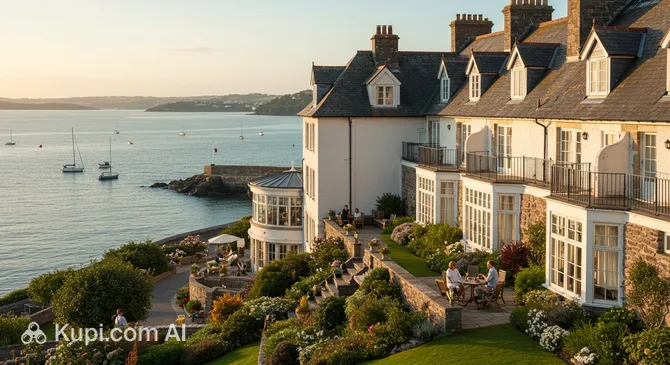
For a stay that combines luxury with wellness, St Michaels Resort is a standout choice. Located just opposite Gyllyngvase Beach, this well-known hotel features a state-of-the-art health club, a large hydrothermal spa, and dining options that focus on local Cornish produce. It serves as an excellent base for visitors who wish to relax in style after a day of exploring the coast.

St Michaels Resort. Source: Kupi.Binoculars

Accommodation prices in Falmouth generally range from budget-friendly to premium, with costs rising significantly during the peak summer months of July and August. It is highly recommended to book well in advance if you plan to visit during this time or during major local events like the Falmouth Week regatta or the Oyster Festival. Most properties can be booked via major online platforms, but booking directly with the hotel or guest house can sometimes secure a better rate or a room with a superior view.

Nearby Cities

For those looking to explore the surroundings, Falmouth serves as an excellent base for day trips to several interesting nearby locations:

City Population Distance (km)
Plymouth 267918 70
Brixton 78536 77
Plympton 29899 78
Plymstock 24103 73
Newquay 22074 29

Located just a short drive across the peninsula, Newquay is widely recognised as the surfing capital of the UK. It offers a lively contrast to the relaxed maritime atmosphere of Falmouth, with its world-famous Fistral Beach attracting surfers from around the globe. Beyond the waves, visitors can enjoy a vibrant town centre filled with surf shops, cafes, and family attractions like the Blue Reef Aquarium and Newquay Zoo.

Further along the coast lies the historic ocean city of Plymouth. As a major regional hub, it boasts a rich naval heritage, most notably as the departure point for the Mayflower in 1620. A day trip here allows you to walk along the iconic Plymouth Hoe with its red-and-white striped Smeaton's Tower, explore the cobbled streets of the Barbican, or visit the National Marine Aquarium, the largest of its kind in the UK.

These nearby destinations offer a glimpse into the diverse culture and landscapes of the region.

Shopping & Souvenirs

Shopping:

Falmouth offers a distinct shopping experience characterized by its independent spirit and maritime heritage. Unlike generic city centres, the town prides itself on a wealth of locally owned boutiques, art galleries, and craft shops rather than endless rows of chain stores. Visitors will find a strong emphasis on creativity here, with many stores showcasing works by Cornish artists, alongside specialist nautical suppliers and vintage treasure troves that reflect the town's history.

The retail heart of the town is a long, winding thoroughfare that changes names as you walk along it—starting from the High Street, flowing into Market Street, continuing through Church Street, and finally reaching Arwenack Street near the harbour. This largely pedestrian-friendly route is lined with colourful shopfronts offering everything from coastal fashion and sustainable homeware to rare books. Exploring the historic "opes" (narrow alleyways) that branch off the main street often reveals hidden gems and smaller workshops.

Travelers expecting large, enclosed shopping malls will find that Falmouth marches to a different beat. The town does not feature massive modern shopping centres; instead, the retail landscape is defined by its historic high street and small, charming arcades that house independent traders. For those seeking larger national chain stores and supermarkets, these are generally located on the outskirts of the town or in the nearby cathedral city of Truro.

The Moor serves as the town's vibrant community hub and the primary location for outdoor markets. A regular Farmers' Market is typically held here, allowing visitors to purchase fresh local produce, artisan breads, and cheeses directly from the producers. Seasonal events also bring pop-up stalls to Discovery Quay (Events Square), particularly during festivals like Falmouth Week or the Oyster Festival, offering unique crafts and street food in a festive atmosphere.

When looking for keepsakes, the options are plentiful and authentic. Popular items to take home include Cornish sea salt, locally distilled artisan gin or rum, and boxes of traditional clotted cream fudge. Given the town's reputation as home to a leading arts university, a piece of handmade pottery or a print of the harbour from a local gallery makes for a lasting memory. Nautical-themed gifts, such as traditional striped Cornish smocks, are also classic choices.

Most shops in Falmouth operate between 9:00 AM and 5:30 PM from Monday to Saturday. Sunday trading hours are generally shorter, typically running from 10:00 AM or 11:00 AM until 4:00 PM. While cash is still accepted, card and contactless payments are the standard method of transaction almost everywhere, including many market stalls and small cafés.

Reached the end of the page?

That means the route is fully explored