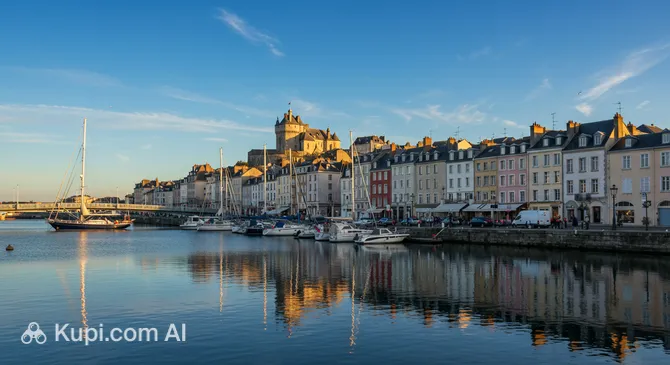
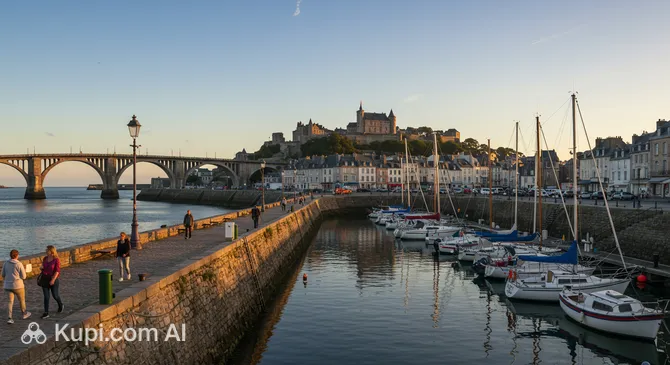
Welcome to Brest, a dynamic port city located at the western tip of the Breton peninsula in France. Known for its rich maritime heritage and strategic importance, this city offers a unique blend of modernity and tradition, set against the backdrop of one of the country's most beautiful natural harbors, the Rade de Brest. It is a place where the sea influences every aspect of daily life, creating a refreshing and invigorating atmosphere for visitors.
With a population of approximately 140,000 residents, Brest is the second-largest city in the region of Brittany. Its geographical position exposes it to the Atlantic Ocean, resulting in a mild oceanic climate that keeps temperatures moderate throughout the year. The city's urban landscape is distinct, having been extensively rebuilt in a modern style, which is a significant chapter in the history of Brest following the events of the mid-20th century.
Brest. Illustration.
Source: Kupi.com AI
Travelers are drawn to the city's impressive sights, particularly Océanopolis, a world-class ocean discovery center that showcases marine ecosystems from around the globe. Another highlight is the medieval Château de Brest, the oldest monument in the city, which now houses the National Navy Museum and offers stunning views over the harbor. The imposing Pont de Recouvrance, a massive vertical-lift bridge, dominates the skyline and connects the two banks of the Penfeld River.
Whether you are passionate about naval architecture, eager to explore the rugged Breton coastline, or simply looking for a lively urban escape, Brest is a destination that promises memorable experiences. It serves as an excellent gateway for discovering the wild beauty of Finistère and invites you to breathe in the fresh sea air.
Weather Overview
Brest experiences a mild oceanic climate, heavily influenced by its proximity to the Atlantic Ocean, which keeps extreme temperatures at bay throughout the year. The weather is generally temperate, though the region is known for its changeable conditions and frequent rainfall. To help plan your daily activities during your stay, checking the detailed weather in Brest is highly recommended.
Winters in the city are cool but rarely freezing, with average temperatures in January sitting around 8.2°C. This season is characterized by a high number of rainy days, particularly in December, which sees precipitation on approximately 20 days of the month. Travelers visiting during this time should definitely pack waterproof clothing and warm layers to stay comfortable while exploring the outdoors.
The summer months offer a refreshing escape from the intense heat often found in other parts of France. In July and August, the average temperature rises to a pleasant 17.1°C, with maximum highs reaching nearly 20°C. Expect mild, comfortable summers with occasional rain and cool, wet winters that define the atmospheric charm of this Breton port city.
Average monthly temperature
Average monthly precipitation
Interesting Facts
Beyond the main attractions, Brest holds many fascinating secrets that reveal its deep connection to maritime history and innovation. This city is full of surprises, from its unique street names to pioneering transportation systems.
The city's main artery, Rue de Siam, has a surprisingly exotic origin. It was named to honor the ambassadors of the King of Siam (now Thailand) who arrived in the port in 1686 to meet Louis XIV, an event that left a lasting impression on the local population.
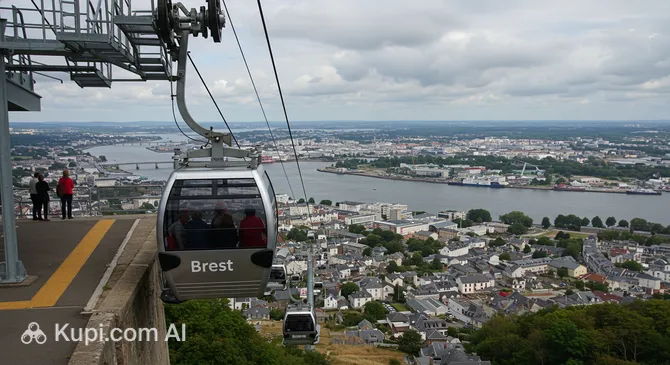
Brest is home to the very first urban cable car system in France. The Brest Cable Car connects the two banks of the Penfeld River, offering passengers a spectacular aerial view of the naval base and the city as they glide 60 meters above the water.
Nature lovers might be surprised to learn that the National Botanical Conservatory of Brest was the first institution in the world dedicated entirely to saving endangered plants. It currently preserves one of the largest collections of threatened flora globally, acting as a veritable Noah's Ark for the plant kingdom.
While much of the city was modernized after the mid-20th century, the Tanguy Tower remains a rare medieval sentinel. Standing opposite the castle, this 14th-century fortification survived historical conflicts and now houses a museum showcasing the appearance of Old Brest before its reconstruction.
Brest Cable Car. Illustration.
Source: Kupi.com AI
Traveler photos:
How to Get There
Planning a trip to the tip of Brittany is straightforward, thanks to a variety of transport connections linking the region to the rest of France and Europe. Whether you prefer flying or taking the train, there are several convenient routes to reach this maritime destination. You can find more detailed information about all ways to reach the city to help organize your journey.
The most direct way to arrive by air is via Brest Bretagne Airport (IATA: BES), which is located directly in Brest. It is the primary hub for the area, handling a significant volume of passengers annually. The airport is conveniently situated just 8.1 km from the city center. A trip by taxi or shuttle bus is quick and typically takes approximately 20 minutes, making it an efficient option for travelers.
Another option for travelers exploring the wider region is Lann Bihoue Airport (IATA: LRT), located in the city of Lorient. However, please note that this airport is not in Brest itself but is approximately 104.7 km away. The journey from Lorient to Brest by road takes longer, estimated at around 1 hour and 30 minutes. While it sees less traffic than the main airport, it can serve as an alternative entry point to southern Brittany.
For clarity, here is a summary of the main airports in the vicinity:
If you prefer traveling by rail, the city is well-connected to the national network. The main station, Gare de Brest, is located centrally and serves as the terminus for the high-speed TGV line from Paris, allowing for a comfortable journey without the need for long road transfers. The trip from Paris typically takes about 3.5 to 4 hours.
In the broader region, there are other major transport hubs such as Rennes Station (IATA: ZFJ) in Rennes, situated approximately 211.3 km away. Rennes is a key junction for trains entering Brittany; while many trains continue directly to Brest, some connections may require a change here. Similarly, Nantes Railway Station (IATA: QJZ) in Nantes is another significant station about 256.1 km away, serving the southern part of the region.
Below is a list of major railway stations in the wider Brittany area:
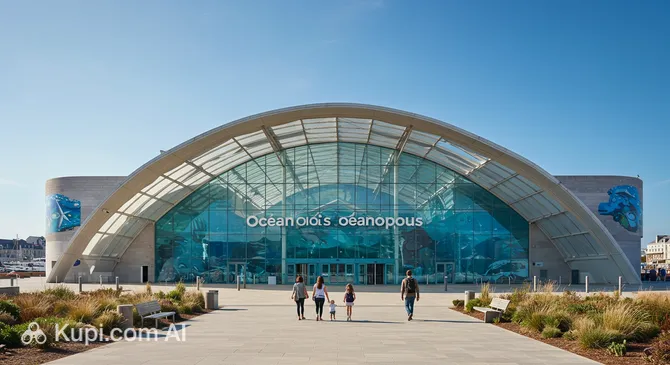
A visit to this maritime city would be incomplete without spending time at Océanopolis. Far more than a standard aquarium, this ocean discovery center is divided into three distinct pavilions: Polar, Tropical, and Temperate. It offers a fascinating deep dive into marine biodiversity with over 1,000 animal species, including seals, penguins, and sharks. It is a perfect destination for families and anyone eager to understand the complexity of the world's oceans.
Océanopolis. Illustration.
Source: Kupi.com AI
Traveler photos:
For history enthusiasts, the National Maritime Museum is an essential stop. Housed within the majestic Château de Brest, which is the city's oldest surviving monument, the museum traces the naval history of the region. Visitors can admire an impressive collection of ship models, navigation instruments, and sculptures while enjoying commanding views of the harbor from the castle's fortifications.
If you enjoy scenic walks, the Banks of the Penfeld offer a refreshing escape in the heart of the city. This area, once strictly military, has been transformed into a vibrant promenade. As you stroll along the river, you can observe the naval base's infrastructure and the towering cable car passing overhead, making it a unique spot where industrial heritage meets leisure.
Banks of the Penfeld. Illustration.
Source: Kupi.com AI
Traveler photos:
Standing guard on the right bank of the Penfeld river is the Tanguy Tower. This medieval bastion provides a captivating glimpse into the Brest of yesteryear. Inside, detailed dioramas and historical exhibits reconstruct the streets and atmosphere of the city before World War II, offering a poignant contrast to the modern architecture that dominates the skyline today.
Another gem for nature lovers is the Explorers' Garden (Jardin des Explorateurs). Located in the Recouvrance district, this botanical haven pays tribute to the adventurous botanists who sailed from Brest to distant lands. It features a collection of exotic plants from around the globe and provides one of the most photogenic panoramas of the castle and the Rade de Brest.
Local Cuisine
The culinary landscape of Brest is a delicious reflection of its location at the tip of Brittany, where the land meets the sea. Unsurprisingly, fresh seafood plays a starring role on local menus. Visitors can indulge in bountiful seafood platters featuring oysters, crabs, langoustines, and periwinkles, often caught just hours before being served. For a truly authentic regional specialty unique to this part of Finistère, look for Kig ha farz. This hearty, pot-au-feu style dish is made with slow-cooked meats, vegetables, and a distinctive buckwheat flour pudding, offering a comforting taste of Breton tradition.
No visit to Brest would be complete without experiencing the iconic Breton crêpes and galettes. Savory buckwheat pancakes (galettes) are typically enjoyed as a main course, often filled with ham, cheese, and eggs, while sweet wheat crêpes serve as dessert. For those with a sweet tooth, the famous Kouign-amann is a must-try. This rich, buttery cake with caramelized sugar is legendary in the region and pairs perfectly with a cup of coffee or tea.
La PAM. Illustration.
Source: Kupi.com AI
Traveler photos:
To accompany these meals, the local drink of choice is undoubtedly cider. Breton cider comes in sweet, semi-dry, and dry varieties, often served in traditional ceramic bowls (bolées). For something stronger and more ancient, you might try Chouchen, a type of mead made from fermented honey that dates back to the Celts. The city also has a strong affinity for beer, with several local craft breweries producing excellent ales that rival those of their Celtic neighbors.
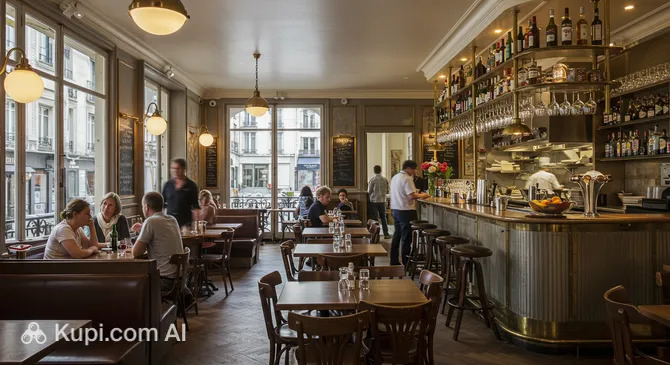
The dining culture in Brest is relaxed and convivial, ranging from traditional family-run crêperies to vibrant modern establishments. A great example of the city's evolving food scene is La PAM, a historic printing house turned into a lively social hub with food stalls and shops. It is a popular spot for locals to gather and sample various dishes in a unique setting. For a more classic restaurant experience, you might visit Jardin d'Hiver, known for its welcoming atmosphere.
Brest's nightlife and casual dining often blend seamlessly, reflecting the city's port heritage. The influence of Celtic culture is palpable in the numerous pubs scattered throughout the city. Places like the Tara Inn are institutions in their own right, offering a festive environment where you can enjoy a pint and perhaps catch some live folk music. Whether you are grabbing a quick galette-saucisse at a market or sitting down for a multi-course seafood feast, the flavors of Brest are sure to leave a lasting impression.
Travel Tips
To ensure your visit to the western tip of Brittany is as smooth and enjoyable as possible, we have compiled a list of essential practicalities. From navigating the local climate to understanding regional customs, these insights will help you travel through Brest with the confidence of a local.
Clothing and Gear: The Breton weather is famous for being unpredictable, often experiencing "four seasons in one day." A high-quality waterproof windbreaker is your most important item; umbrellas are often useless against the coastal wind. Dress in layers to adapt to changing temperatures, and bring comfortable, non-slip walking shoes, as the city has many hills and steps. If you plan to visit religious sites, casual wear is generally acceptable, but modest attire is appreciated.
Transportation: Getting around is easy with the Bibus network, which integrates trams, buses, and the famous cable car. The tram is the most efficient way to cross the city, while the cable car offers a unique ride across the Penfeld River. Tickets are interchangeable across all modes. Taxis and ride-hailing apps are available but less frequent than in Paris, so booking ahead is wise for early mornings. You generally do not need a rental car within the city, but it is recommended if you plan to explore the surrounding coastline of Finistère.
Finances: The currency is the Euro (€). Credit and debit cards (Visa and Mastercard) are widely accepted, even for small amounts like a coffee or a bus ticket, thanks to contactless payment. However, it is useful to carry a small amount of cash for traditional markets or smaller bakeries. Tipping is not mandatory as a service charge is included in the bill, but leaving small change or rounding up is a polite gesture for good service.
Health and Safety: Brest is generally a safe city for tourists. Pharmacies are easily identified by a flashing green cross sign and are well-stocked for minor ailments; check for the "Pharmacie de Garde" for after-hours services. For emergencies, dial 112, which works throughout Europe. As in any port city, stay aware of your surroundings at night, particularly around the commercial port areas, but standard travel precautions are usually sufficient.
Communication: The official language is French. While younger people and tourism workers often speak English, it is not universally spoken. Learning a few basic phrases like "Bonjour" (Hello), "Merci" (Thank you), and "S'il vous plaît" (Please) is highly valued. Free Wi-Fi is available in many public spaces, cafes, and the tourist office. For mobile data, you can easily purchase a prepaid SIM card at "Tabac" shops or mobile provider stores in the city center.
Local Etiquette: Politeness is key in French culture. Always greet shopkeepers or staff with a friendly "Bonjour" when entering a store or restaurant; failing to do so can be seen as rude. When interacting with locals, a polite handshake is common. Bretons are proud of their regional identity, so showing interest in their Celtic heritage and local traditions is a great way to break the ice.
What to Avoid: Do not expect shops and businesses to be open during the lunch break, typically between 12:00 PM and 2:00 PM, although larger department stores usually remain open. Also, avoid referring to Brittany as just "another part of France" without acknowledging its distinct cultural identity; locals are very proud of their unique history and Breton roots.
Additional Tip: Keep an eye on the tides if you head down to the beaches or coastal paths near the city. The tide variance in this region is among the highest in Europe, and the landscape changes dramatically within hours. Knowing the tide schedule is crucial for safety if you plan to walk along the shore at low tide.
Armed with these practical tips, you are ready to embrace the invigorating atmosphere of Brest without any logistical worries. Whether you are riding the cable car or enjoying a crêpe in the harbor, a little preparation will go a long way in making your Breton adventure truly unforgettable.
Entertainment & Nightlife
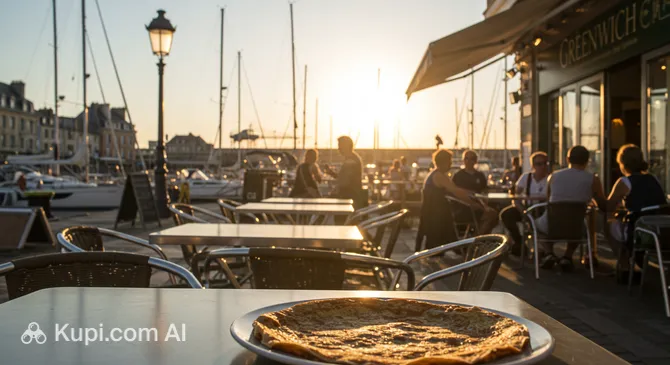
As a lively port city with a significant student population, Brest offers a vibrant nightlife scene that perfectly balances maritime tradition with modern energy. The heart of the evening action is undoubtedly the Port de Commerce (Commercial Port). This district, located below the city center along the quays, transforms at sunset into a bustling hub of activity. Here, locals and visitors mingle in a string of bars, pubs, and restaurants facing the harbor, creating a festive atmosphere that often spills out onto the terraces.
For those seeking a classic pub experience with a lively crowd, the Greenwich Café is a popular choice. Known for its wide selection of beers and friendly ambiance, it is a staple of the local nightlife circuit. It is an excellent spot to start the evening, watching the lights reflect off the water while enjoying a drink in a setting that feels both cosmopolitan and distinctly Breton.
Greenwich Café. Illustration.
Source: Kupi.com AI
Traveler photos:
If you prefer a more intimate or quirky setting, Les Ptites Recettes offers a charming alternative. This bar is well-regarded for its welcoming vibe and is a great place to socialize with locals. The dress code in Brest is generally casual and relaxed; jeans and a nice top are suitable for almost any venue, from the laid-back pubs to the late-night dance floors.
For a night out that combines entertainment with social drinking, Le Master Bowling is a fantastic destination. While it offers bowling lanes, it also functions as a nightlife complex with a vibrant atmosphere, making it a favorite for groups looking to extend their evening with some activity and music.
Le Master Bowling. Illustration.
Source: Kupi.com AI
Traveler photos:
Practicalities for a night out in Brest are straightforward. The city is generally safe for evening walks, especially in the busy port area and the main streets like Rue de Siam. However, the trek back up from the port to the city center can be steep. While walking is an option, calling a taxi or using a ride-sharing app is recommended for returning to your accommodation late at night. Prices are reasonable compared to larger French cities, with a pint of beer typically costing between 5 to 7 euros.
While nightlife is a major draw, Brest also offers plenty of daytime entertainment. Shopaholics can explore the Espace Jaurès Shopping Center, situated in the heart of the downtown area. For families or groups seeking indoor fun, especially on a rainy Breton afternoon, Laser Game Brest provides an adrenaline-pumping experience. Additionally, the Virtual Reality Escape Game offers cutting-edge immersive adventures that are perfect for tech enthusiasts.
Parks & Museums
Beyond its bustling port and naval history, Brest surprises visitors with its lush green valleys and a vibrant cultural scene that celebrates its maritime identity. The city has successfully integrated nature into its urban landscape, offering serene escapes just moments from the center, while its museums provide a fascinating window into the region's artistic and naval past.
One of the city's most prestigious green spaces is the National Botanical Conservatory of Brest. Nestled in the Stang-Alar Valley, this remarkable site is a sanctuary for biodiversity, dedicated to preserving endangered plant species from around the world. Visitors can wander through the expansive landscaped gardens or explore the tropical greenhouses, which house rare flora that has vanished from the wild. It is a peaceful haven that feels worlds away from the city noise, perfect for a relaxing afternoon walk.
National Botanical Conservatory of Brest. Illustration.
Source: Kupi.com AI
Traveler photos:
Another significant natural area is the Explorers' Garden (Jardin des Explorateurs), located in the Recouvrance district. This garden is a botanical tribute to the great expeditions that departed from Brest in the 18th century. It features a collection of exotic species brought back by naval botanists from the four corners of the globe. While the plants are the main attraction, the garden's elevated position also offers exceptional vantage points over the Penfeld River and the castle.
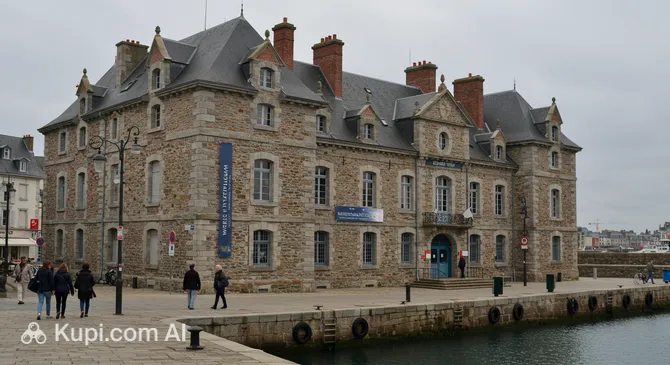
For those interested in diving deeper into the city's heritage, the National Maritime Museum is the premier cultural institution. Located within the historic Château de Brest, the museum commands an impressive collection that spans seventeen centuries of history. Inside, you can admire intricate ship models, navigational instruments, and figureheads that tell the story of the French Navy's development. The setting itself, inside a medieval fortress that survived the war, adds a layer of solemn grandeur to the visit.
National Maritime Museum. Illustration.
Source: Kupi.com AI
Traveler photos:
Just across the river stands the Tanguy Tower, a museum that serves as a guardian of the city's memory. This 14th-century fortification houses the Museum of Old Brest, which is famous for its detailed dioramas created by local artist Jim Sévellec. These exhibits vividly reconstruct the streets and daily life of the city before its destruction in World War II, offering a nostalgic and educational journey through time.
Art enthusiasts should also visit the Musée des Beaux-Arts de Brest (Museum of Fine Arts). Rebuilt after the war, it holds a surprisingly rich collection of European paintings ranging from the 16th century to the present day. The museum is particularly noted for its works related to the Pont-Aven School and its maritime-themed art, reflecting the region's strong connection to the sea.
In terms of architectural landmarks, the Recouvrance Bridge remains a defining symbol of the city's engineering prowess. As one of the largest vertical-lift bridges in Europe, it is a sight to behold when it rises to let tall ships pass beneath. Nearby, the remnants of the city's fortifications and the massive Château de Brest itself stand as enduring testaments to the strategic military importance of this port throughout the ages.
For a truly authentic experience, take a walk along the GR34 coastal path that skirts the city's edges. A favorite among locals is the trail leading towards the Phare du Petit Minou just west of the city limits. Here, you can experience the raw power of the Atlantic crashing against the cliffs, providing a stark and beautiful contrast to the calm of the botanical gardens.
Getting Around
Public transport in Brest is managed by a network known as Bibus, which offers a modern, efficient, and integrated system covering the entire metropolitan area. The backbone of the city's transit is the tramway (Line A), which runs east to west, connecting key locations such as the Rue de Siam, the Place de la Liberté, and the commercial zones on the outskirts. Complementing the tram is a comprehensive bus network that reaches neighborhoods and suburbs not served by the rail line, ensuring that visitors can easily access most points of interest without a car.
One of the most unique features of Brest's transport system is the urban cable car (Téléphérique). Far from being just a tourist attraction, it is a fully integrated mode of public transport that links the city center (Siam station) to the Capucins plateau across the Penfeld River. It offers spectacular views of the naval base and the harbor during the short crossing, and best of all, it is accessible with a standard transport ticket. It is a must-try experience that combines practicality with sightseeing.
The ticketing system is straightforward and user-friendly for tourists. A single ticket is valid for one hour and allows for unlimited transfers between the tram, bus, and cable car. For visitors planning a full day of exploration, a 1-day pass is an economical option, offering unlimited travel for 24 hours. Tickets can be purchased at vending machines located at every tram station (which accept cards and cash), at "Relais Bibus" shops, or directly from bus drivers (though carrying exact change is recommended). For added convenience, you can also use the Bibus mobile app to buy "M-tickets" directly on your smartphone.
When using the system, it is crucial to validate your ticket every time you board a vehicle, including when you transfer between lines. Validators are located inside buses, trams, and at the entrance to the cable car stations. The network generally operates from around 5:00 AM until just after midnight, with slightly extended hours on weekends. The frequency of trams is high, typically every 5 to 10 minutes during the day, making it a reliable way to get around.
For those who prefer alternative modes of transport, taxis are available, though they are not usually hailed on the street. It is best to book one by phone or find a taxi rank at the train station or main squares. Cycling is also an option, with the Vélocibus rental service available, but visitors should be aware that Brest's terrain can be quite hilly. However, for short distances within the city center or along the port, walking remains a pleasant way to soak in the maritime atmosphere.
Accommodation
Where to Stay:
Visitors to Brest will find a practical selection of accommodation options that cater to diverse needs, ranging from standard chain hotels to charming independent establishments. The city primarily offers mid-range and budget-friendly hotels, along with a growing number of furnished apartments and aparthotels which are ideal for longer stays or families. While ultra-luxury resorts are scarce, the available options are modern, comfortable, and well-suited for travelers exploring the tip of Brittany.
For the most convenient stay, the City Center (Centre-Ville) is the top choice. Staying near the Rue de Siam or the Place de la Liberté places you within walking distance of the main shopping districts, the tram line, and the cable car station. If you prefer waking up to a view of the water, the Commercial Port (Port de Commerce) area is an excellent alternative. It offers a lively atmosphere with easy access to quayside restaurants and bars, though it involves a steep walk or a short bus ride to reach the main downtown attractions.
Accommodation prices in Brest are generally reasonable compared to other major French tourist destinations. Budget travelers can find affordable hostels and economy hotels, while mid-range options provide good value with modern amenities. Booking is typically done through major online platforms, but checking directly with the establishment can sometimes yield better rates or special offers for breakfast included.
While room availability is usually good throughout the year, it is highly advisable to book well in advance if you are visiting during the peak summer months of July and August. This is even more critical if your trip coincides with the major international maritime festivals, which occur every four years and draw massive crowds to the city, filling up accommodations months ahead of time.
Nearby Cities
Nearby Cities:
Brest serves as an ideal base for exploring the wider region of Brittany (Bretagne). The city's location in the department of Finistère places it within easy reach of several other historic towns and coastal gems, making day trips a popular option for visitors who want to experience the diverse culture and landscapes of this unique French peninsula.
One of the most culturally significant stops is Quimper, located approximately 52 km to the south. As the administrative capital of Finistère, it is renowned for its stunning Gothic cathedral, medieval timber-framed houses, and traditional faience pottery. Further along the southern coast, about 71 km away, you will find Concarneau. This active fishing port is famous for its Ville Close, a fortified island city dating back to the 14th century that sits picturesquely within the harbor.
Heading north, the town of Lannion (85 km) offers a charming historic center and serves as the gateway to the magnificent Pink Granite Coast, known for its unusual rock formations. To the southeast, the maritime city of Lorient and its neighbor Lanester are situated roughly 110 km away. Lorient is celebrated for its rich sailing heritage and the annual Inter-Celtic Festival, which attracts visitors from all over the Celtic world.
Below is a list of nearby cities that are easily accessible from Brest:
City
Population
Distance
Le Relecq-Kerhuon
11 717
7 km
Guipavas
15 050
8 km
Plougastel Daoulas
13 330
9 km
Plouzane
13 496
10 km
Plabennec
8 515
13 km
Most of these destinations can be reached via the regional TER train network or by car. Driving is often the best way to explore the smaller coastal villages and scenic viewpoints along the route, allowing for a flexible itinerary through the heart of Brittany.
Shopping & Souvenirs
Shopping in Brest offers a delightful mix of modern convenience and traditional Breton charm. The city center is compact and walkable, allowing visitors to easily drift between major international retailers and independent boutiques. Whether you are looking for the latest fashion trends, nautical-themed apparel, or gastronomic specialties, the city provides a diverse range of options that cater to all tastes and budgets.
The main shopping activity is concentrated around two key arteries in the downtown area. The Rue de Siam is perhaps the most famous street in the city, offering a prestigious setting lined with upscale boutiques, jewelers, and elegant cafes leading down towards the castle. Running perpendicular to the main square, the Rue Jean Jaurès serves as the commercial backbone of Brest. This long avenue, serviced by the tramway, is home to a wide variety of high-street fashion brands, bookshops, and department stores, making it the go-to destination for a full day of retail therapy.
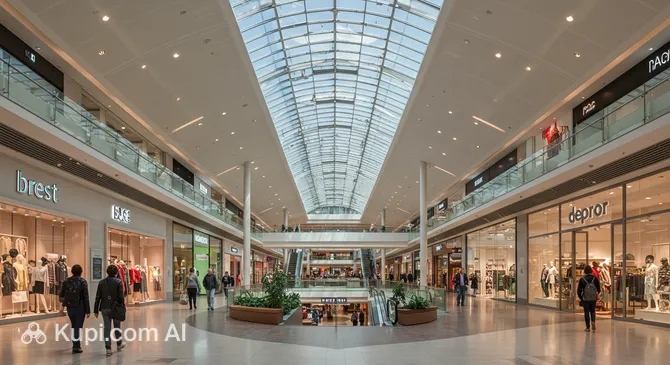
For those who prefer a comprehensive shopping experience under one roof, the city features excellent modern facilities. Located right in the heart of the commercial district, the Espace Jaurès Shopping Center is a favorite among locals and tourists alike. It houses dozens of shops covering fashion, beauty, and multimedia, offering a perfect shelter on rainy days. On the outskirts of the city, the Le Phare de l'Europe Shopping Center provides an even larger retail space with a vast hypermarket and numerous specialty stores, easily accessible by tram.
Espace Jaurès Shopping Center. Illustration.
Source: Kupi.com AI
Traveler photos:
To experience the authentic flavors of the region, a visit to the local markets is essential. The Halles Saint-Louis is the culinary soul of the city. In this covered market, you can find the finest local produce, from fresh seafood and artisanal cheeses to organic vegetables. It is the perfect place to assemble a picnic or simply admire the quality of Breton ingredients. On Sundays, the Saint-Louis market expands outdoors, creating a vibrant atmosphere where you can browse for food, flowers, and textiles.
When searching for souvenirs to bring home, Brest offers plenty of distinctively Breton items. The classic marinière (striped sailor shirt) is a timeless piece of fashion that originated in this region. Food lovers should look for salted butter caramels, tins of high-quality sardines, or a bottle of artisanal cider. Another iconic keepsake is the personalized Breton bowl (bolée), typically made of earthenware with a name painted on the side, traditionally used for drinking cider but now a beloved decorative item.
Most shops in Brest open around 10:00 AM and close between 7:00 PM and 7:30 PM. While large department stores and shopping centers remain open throughout the day, smaller independent boutiques often close for a lunch break, typically from 12:00 PM to 2:00 PM. Sunday closures are the norm for most retail stores, although food markets and some small grocery shops may be open in the morning. Payment by credit or debit card is widely accepted everywhere, even for small amounts, though having some cash is useful for market stalls.
Visitors residing outside the European Union may be eligible for a tax refund (détaxe) on purchases. If you spend more than a certain threshold (usually €100.01) in a single store on the same day, you can ask the retailer for a tax-free form. Be sure to have your passport with you when shopping to process the necessary paperwork before leaving the country.