Support

Saint Austell

About

Saint Austell is a vibrant market town located in the picturesque county of Cornwall, in the southwest of the United Kingdom. Often referred to as the capital of the "Cornish Alps" due to its unique landscape, the town serves as a major commercial hub for the region while retaining a distinct character shaped by its industrial heritage and proximity to the stunning coast.

Saint Austell. Source: Kupi.Binoculars

With a population of approximately 21,000 residents, it is one of the largest towns in Cornwall. Its geographical position, set slightly inland from the English Channel, provides a mild climate typical of the region and offers easy access to the beautiful sandy beaches of St Austell Bay, making it a strategic location for exploring the wider area.

The history of Saint Austell is deeply intertwined with the china clay industry, which transformed a quiet village into a bustling boomtown in the 18th century. This legacy is still visible today in the surrounding topography and local architecture, adding a layer of historical intrigue to your visit.

Travelers are drawn here not just for the town itself, but for the world-class attractions on its doorstep. The most famous of these is the Eden Project, an iconic global garden housed in massive biomes just a few miles away. Visitors can also enjoy a tour of the historic St Austell Brewery, founded in 1851, or explore the romantic and mysterious Lost Gardens of Heligan nearby.

Whether you are planning to discover botanical wonders, delve into industrial history, or simply enjoy the charm of the Cornish Riviera, Saint Austell offers a welcoming atmosphere and serves as an excellent base for an unforgettable holiday.

Weather Overview

Saint Austell experiences a temperate maritime climate, characterized by mild temperatures and a fair amount of rainfall throughout the year. The influence of the sea ensures that the town avoids extreme weather conditions, making it a pleasant destination in various seasons, provided you pack appropriate clothing.

The summer months of July and August are the warmest, with average temperatures hovering around 16.7°C and highs reaching nearly 20°C. Winters are generally cool rather than freezing; January is typically the coldest month with an average temperature of 6.8°C. You can expect mild, comfortable summers and cool, frequently damp winters.

Rainfall is a consistent feature of the local weather pattern. Even during the relatively drier summer period, the area sees about 12 to 13 wet days per month. As the year progresses into late autumn and winter, the frequency of rain increases, with December experiencing up to 19 wet days. For more specific details to help plan your trip, you can consult the guide to the weather in Saint Austell.

Interesting Facts

Beyond the main attractions, Saint Austell holds many fascinating secrets and historical quirks that often escape the casual visitor's eye. From its cinematic connections to its unique industrial landscape, there is much to uncover beneath the surface.
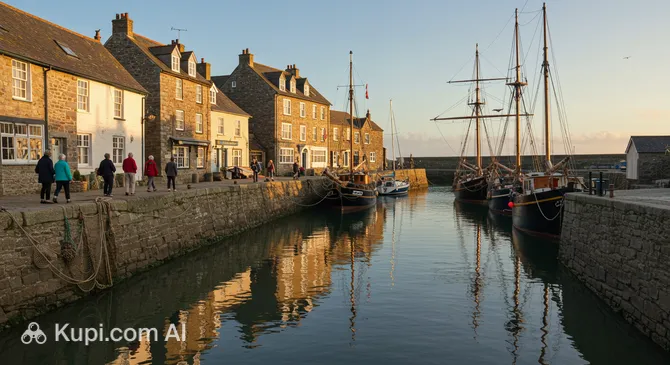
Charlestown Harbour. Source: Kupi.Binoculars
  • The town's surroundings are famously nicknamed the "Cornish Alps" due to the towering white spoil tips created by the china clay industry. These man-made peaks are so prominent that they can be seen from miles away, and the history of this transformative landscape is preserved at Wheal Martyn Clay Works.

  • Charlestown Harbour is not just a working port but a star of the silver screen, having featured in major productions like the BBC series Poldark and Tim Burton's Alice in Wonderland thanks to its perfectly preserved Georgian appearance.

  • The local river was historically known as the "White River" because runoff from the clay mines turned the water a milky opaque color. While environmental practices have since cleared the water, this phenomenon was a defining feature of the area well into the 20th century.

  • Saint Austell played a pivotal role in the global porcelain industry after William Cookworthy discovered kaolin deposits here in the mid-18th century, a discovery that shifted the center of British ceramic production to Cornwall.

How to Get There

Reaching this charming Cornish town is relatively straightforward, with several transport options available depending on your starting point. Whether you prefer flying into a nearby hub or taking a scenic train ride, you can find the best route to suit your plans. For a comprehensive breakdown of routes and tips, read more about how to get to Saint Austell.

The city of Saint Austell does not have its own airport, but the most convenient entry point for air travelers is Newquay Cornwall Airport (IATA: NQY), located in Newquay, approximately 18.7 km away. It is a regional hub offering connections to various UK and European cities. The journey from the airport to Saint Austell typically takes around 50 minutes by taxi or bus. For those looking for a broader range of international flights, Exeter International Airport (IATA: EXT) in Exeter is another viable option, situated about 106.5 km from the town, with a travel time of approximately 3 hours by road transport. Travelers may also consider Bristol Airport (IATA: BRS) in Bristol, a major international gateway located roughly 185.9 km away.

For clarity, here is a summary of the main airports:

Airport Name City Passenger Traffic Km from City
Bristol Airport Bristol Large 185.9
Cardiff Airport Cardiff Medium 155.2
Guernsey Airport St Peter Port Medium 186.3
Exeter International Airport Exeter Medium 106.5
Newquay Cornwall Airport Newquay Medium 18.7

Traveling by train is an excellent way to enjoy the scenic countryside. You can arrive directly at St Austell Railway Station (IATA: USX), which is conveniently located just 0.4 km from the city center, making it the primary choice for rail passengers. It sits on the Cornish Main Line, offering direct links to London Paddington and other major destinations. Another nearby alternative is Par Railway Station (IATA: PCW), situated about 5.8 km away in Saint Austell's outskirts, which also serves as a junction for the branch line to Newquay.

Below is a list of railway stations serving the area:

Station City Passenger Traffic Km to Center
Swansea railway station Swansea Large 154.7
Penzance Station Penzance Medium 58.7
St Austell Railway Station Saint Austell Medium 0.4
Bridgwater Railway Station Bridgwater Medium 153.9
Par Railway Station Saint Austell Medium 5.8

Main Attractions

Saint Austell is a destination that beautifully blends its industrial past with natural splendor, offering visitors a diverse range of experiences. From historic sites that tell the story of Cornwall's "white gold" to serene coastal spots and lush greenery, the town and its surroundings provide ample opportunities for exploration and discovery.

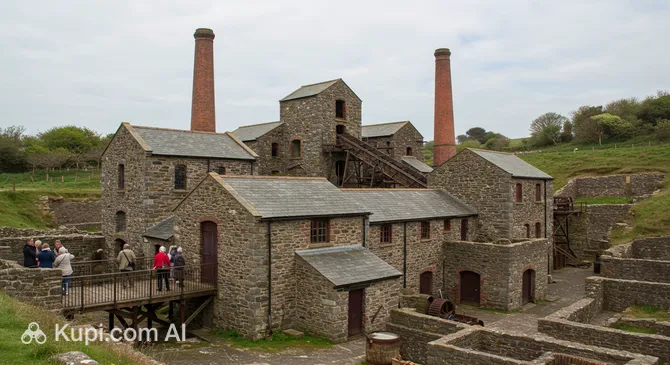
One of the most significant sites in the area is the Wheal Martyn Clay Works. This unique attraction is the United Kingdom's only museum dedicated to the china clay industry, which shaped the landscape and economy of the region. Set within 26 acres of woodland, it offers a fascinating glimpse into Victorian clay works, complete with vintage trucks and waterwheels. Tourists are particularly drawn to the viewing platform that overlooks a modern working clay pit, providing a stark and impressive contrast between history and present-day industry.

Wheal Martyn Clay Works. Source: Kupi.Binoculars

For those seeking a journey back in time, Charlestown Harbour is an absolute must-visit. This pristine Georgian port remains remarkably unspoiled and is frequently home to a collection of majestic tall ships. Its authentic 18th-century appearance has made it a favorite location for film and television productions, including the popular series Poldark. A stroll along the harbor walls offers atmospheric views and a chance to imagine the bustling maritime trade of yesteryear.

If you are looking to relax by the sea, Carlyon Bay Beach offers a sweeping stretch of coast just a short distance from the town center. Known for its south-facing position, the beach is a wonderful spot for a refreshing walk or a quiet afternoon enjoying the sea breeze. The area is popular among locals and visitors alike for its spaciousness and the scenic cliffs that frame the bay, making it a picturesque location for photography and leisure.

Carlyon Bay Beach. Source: Kupi.Binoculars

Nature lovers will find a tranquil escape at Pinetum Gardens. This 30-acre site is often described as a "garden within a garden," featuring a series of distinct themed areas that range from a Japanese garden to a pinetum hosting a large collection of conifers. It is a delightful place to wander through in any season, offering a peaceful retreat and plenty of open space for families to explore the rich botanical diversity of Cornwall.

Pinetum Gardens. Source: Kupi.Binoculars

Local Cuisine

The culinary landscape of Saint Austell is deeply rooted in the traditions of Cornwall, offering visitors a chance to taste some of the United Kingdom's most beloved regional specialties. Your gastronomic tour should undoubtedly start with the iconic Cornish Pasty. Traditionally made with beef, potato, swede, and onion encased in a golden pastry crust, this hearty meal was once the staple lunch for local tin and clay miners. Today, you can find them in bakeries across the town, perfect for a warm, filling snack on the go.

Given its location near the coast, the town is also a fantastic place to enjoy fresh seafood. Local menus frequently feature catches from the nearby St Austell Bay, including succulent crab, lobster, and mussels. For dessert, no trip to this part of the world is complete without indulging in a traditional Cornish Cream Tea. Remember the local golden rule when assembling your scone: spread the strawberry jam first, followed by a generous dollop of Cornish clotted cream.

When it comes to drinks, Saint Austell is famous as the home of the St Austell Brewery, one of the oldest and most successful breweries in Cornwall. Beer enthusiasts should not miss the chance to try a pint of their flagship pale ale, Tribute, or the strong IPA, Proper Job, which are served in pubs throughout the town. For a non-alcoholic alternative, locally pressed Cornish apple juice and artisan sodas are widely available and refreshing.

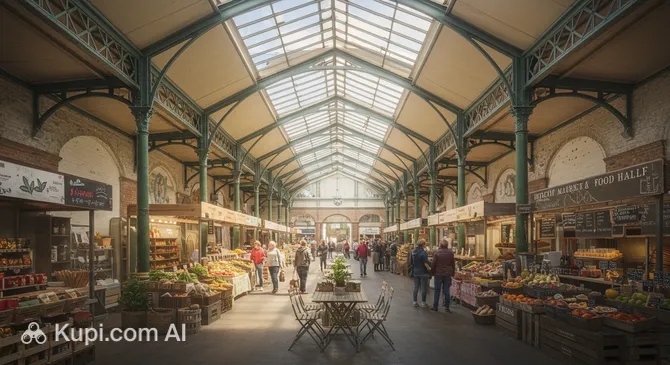
The food culture in Saint Austell is a mix of traditional charm and modern variety. Locals often shop for fresh ingredients and regional treats at bustling hubs like the Par Market & Food Hall. This large indoor market is a treasure trove for foodies, offering everything from farm-fresh vegetables to local cheeses and meats, making it an excellent spot to soak up the community atmosphere.

Par Market & Food Hall. Source: Kupi.Binoculars

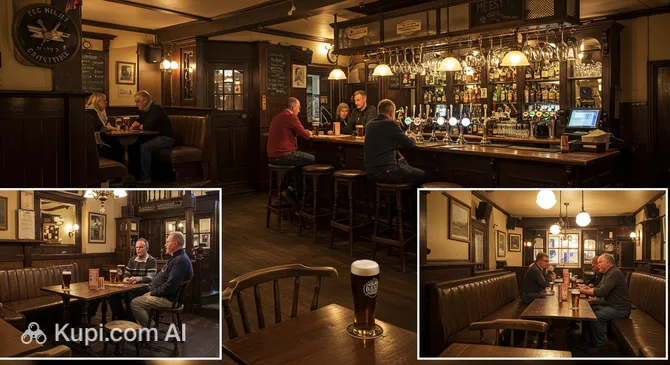
For a sit-down meal, the options range from historic inns to contemporary dining establishments. Many visitors enjoy the relaxed ambiance of places like The Kingswood Restaurant & Rooms, where you can savor dishes prepared with locally sourced ingredients. Whether you are looking for a quick bite by the harbor or a leisurely dinner, the town's diverse food scene ensures there is something to satisfy every palate.

The Kingswood Restaurant & Rooms. Source: Kupi.Binoculars

Travel Tips

Welcome to Saint Austell! To help you navigate this charming corner of Cornwall with ease and make the most of your visit, we have compiled a list of essential practical advice for a hassle-free experience.

  1. Clothing and Gear: The Cornish weather is famously changeable, often experiencing "four seasons in one day." It is best to pack layers that can be easily added or removed, and a high-quality waterproof jacket is a must, regardless of the season. If you plan to explore the coastal paths or the clay trails, bring sturdy, comfortable walking shoes. For electronics, the UK uses the Type G plug (three rectangular pins), so international visitors will need an adapter.

  2. Transportation: While Saint Austell has a railway station and a network of buses run by First Kernow that connect to major attractions like the Eden Project, renting a car offers the most freedom to explore hidden coves and remote villages. However, be prepared for narrow country lanes. Taxis are available, but ride-hailing apps like Uber are less reliable here than in major cities, so it is wise to book local cabs in advance.

  3. Finances: The local currency is the British Pound (£). Contactless card payments and mobile wallets (Apple Pay, Google Pay) are widely accepted, even in small cafes and for bus tickets. However, it is advisable to carry a small amount of cash for remote car parks or independent seaside kiosks. Tipping is customary in restaurants; leaving around 10-12.5% of the bill is standard if a service charge hasn't already been added.

  4. Health and Safety: Saint Austell is generally a very safe town for tourists. Pharmacies are readily available in the town center and within large supermarkets for minor ailments. In an emergency, dial 999 for police, ambulance, or fire services; for non-urgent medical advice, you can call 111. When visiting the coast, always check tide times and pay attention to flag warnings on beaches to swim safely.

  5. Communication: English is the spoken language. While you may hear a distinct Cornish accent, it is easily understood. Mobile phone signal can be patchy in deep valleys or rural coastal areas, so downloading offline maps is a good idea before setting off on a hike. Free Wi-Fi is standard in most hotels, pubs, and cafes.

  6. Local Etiquette: Politeness is highly valued; always say "please" and "thank you" (or a friendly "cheers") to service staff and bus drivers. Queueing is a serious social norm in the UK—never cut in line. If you are driving on single-track lanes, be prepared to reverse into passing places to let oncoming traffic through, and acknowledge the other driver with a wave.

  7. What to Avoid: Be extremely cautious with food outdoors, especially near the harbor or beaches. Seagulls in Cornwall are large, bold, and known to snatch pastries or ice creams directly from people's hands. Do not feed them, as this encourages aggressive behavior. Also, avoid blocking local driveways or farm gates when parking in rural areas.

  8. Driving Tip: If you are driving, do not rely solely on your GPS or sat-nav, as it may direct you down extremely narrow, steep lanes unsuitable for larger vehicles. Stick to main roads where possible, and when driving on lanes with high hedges, take corners slowly as visibility is often limited.

Armed with these practical tips, you are all set to explore the unique landscapes and warm hospitality of Saint Austell. Have a wonderful journey discovering the heart of Cornwall!

Entertainment & Nightlife

Saint Austell offers a nightlife experience that is less about high-energy nightclubs and more about atmospheric pubs, convivial bars, and dining with a view. The town’s evening scene reflects its laid-back Cornish character, making it an ideal destination for those who enjoy a relaxed pint of local ale, live acoustic music, or a sophisticated cocktail in a scenic setting. While it may not have the intense party vibe of nearby Newquay, it provides a warm and welcoming environment for a night out.

The center of the town and its surrounding areas are the main hubs for evening entertainment. In the town center, particularly around Fore Street and the White River Place development, you will find a mix of traditional pubs and modern bars. However, for a truly unique atmosphere, many visitors head to the historic Charlestown Harbour. As dusk falls, the Georgian port lights up, offering a magical backdrop for an evening stroll followed by drinks at one of the harborside inns or restaurants.

For those seeking a touch of luxury and a quiet, refined evening, The Cornwall Hotel & Spa is an excellent choice. Located on the outskirts of the town in a 19th-century manor house, its bar and terrace offer a sophisticated setting to enjoy a glass of wine or a signature cocktail surrounded by parkland. It attracts a slightly more mature crowd and couples looking for a romantic night out away from the bustle.

The Cornwall Hotel & Spa. Source: Kupi.Binoculars

Another popular venue that bridges the gap between a high-quality restaurant and a lively evening spot is The Kingswood Restaurant & Rooms. Known for its stylish interior and extensive drinks menu, it is a favorite among locals and tourists alike. The atmosphere here is smart-casual, making it perfect for a celebration or a nice dinner that transitions into late-night drinks.

Practical advice for enjoying the nightlife here centers on planning your transport. Saint Austell is spread out, and walking between the town center and coastal areas like Charlestown can be difficult at night due to steep hills and unlit lanes. Taxis are the best way to get around, but availability can be scarce after midnight. It is highly recommended to book your ride home in advance using local firms. Most pubs and bars close between 11:00 PM and midnight, though a few venues in the town center may stay open later on weekends.

Safety in Saint Austell is generally very good. The main nightlife areas are well-populated and safe for walking, though standard precautions should always be taken. The dress code across the town is largely casual; jeans and a nice top are acceptable almost everywhere, though you might want to dress up slightly more for hotel bars or upscale restaurants.

When the sun is up, the entertainment options shift towards family fun and active leisure. The town has a cinema and a local theater, the Keay Theatre, which hosts plays and concerts. For something more active, visitors can try Cornwall FootballGolf Park, a fun outdoor activity that combines football and golf, or head to Kidzworld Adventure Play, which provides extensive indoor and outdoor play areas perfect for keeping children entertained for hours.

Parks & Museums

Saint Austell is widely recognized as the green heart of Cornwall, offering an impressive array of botanical gardens and historical collections that celebrate the region's rich heritage. Whether you are a horticulture enthusiast or a history buff, the town and its surroundings provide a diverse landscape of parks and museums to explore.

For those interested in maritime history, the Shipwreck Treasure Museum in Charlestown is a fascinating stop. Located just a short distance from the town center, this museum houses one of the largest private collections of shipwreck artifacts in Europe, telling the stories of vessels lost at sea and the divers who recovered their treasures. It complements the industrial history found at the Wheal Martyn Clay Works, where the outdoor trails and preserved Victorian machinery offer an immersive look into the china clay industry that shaped the local terrain.

Garden lovers are spoiled for choice, with some of the UK's most famous botanical attractions located on the town's doorstep. While the colossal biomes of the Eden Project and the romantic Victorian grounds of the Lost Gardens of Heligan are major draws nearby, the town itself is home to the beautiful Pinetum Gardens. This 30-acre oasis offers a more intimate experience, featuring ten distinct garden rooms and a remarkable collection of plants that thrive in Cornwall's mild climate.

If you are looking for a park experience that combines fresh air with active fun, the Cornwall FootballGolf Park is a unique destination. Set in the lush Cornish countryside, it allows visitors of all ages to navigate a course using a football, blending the precision of golf with the energy of soccer. It is an excellent example of the region's innovative use of outdoor space for recreation.

Cornwall FootballGolf Park. Source: Kupi.Binoculars

Beyond the manicured gardens, the area is crisscrossed by the Clay Trails. These distinct walking, cycling, and horse-riding routes meander through the surreal post-industrial landscape of the china clay district. They serve as an open-air museum of sorts, where the turquoise dams and white peaks create a striking backdrop for a day out in nature.

Getting Around

Navigating Saint Austell is relatively straightforward, though the town lacks the complex rapid transit systems found in larger metropolises. There is no metro, tram, or trolleybus network here. Instead, the public transport system relies primarily on a comprehensive network of buses and the regional railway service. For most tourists, the bus network will be the primary mode of transport for reaching local beaches, the town center, and nearby attractions like the Eden Project or the Lost Gardens of Heligan.

The bus service is largely operated by First Kernow under the "Transport for Cornwall" umbrella. These buses connect the main transport hub at the bus station (located adjacent to the railway station) with residential areas and popular tourist spots such as Charlestown and Mevagissey. The buses are modern, generally reliable, and offer a scenic way to see the countryside, especially on double-decker routes that navigate the winding Cornish lanes.

For travel further afield or for quick hops to nearby towns like Par or Truro, the train is an excellent option. St Austell Railway Station is a key stop on the Cornish Main Line. Services are provided by Great Western Railway (GWR) and CrossCountry. While not a "metro," the train serves as a fast regional link, efficiently connecting you to the wider county and offering a comfortable alternative to driving on busy roads during the peak summer season.

The payment system in Saint Austell is designed to be user-friendly for visitors. You do not need to purchase a physical travel card in advance. Contactless payment is the standard; you can simply tap your debit card, credit card, or smartphone (Apple Pay/Google Pay) on the reader when you board the bus. Many operators use a "Tap On, Tap Off" system which automatically calculates the best fare for your journey, capping the daily cost so you never pay more than the price of a day ticket.

If you plan to use the bus frequently, consider purchasing a Day Ticket or a "Ride Cornwall" pass, which offers unlimited travel on most buses and trains within the county for a set period. These can often be bought directly from the driver or via the First Bus app, which is also an invaluable tool for checking real-time timetables and planning your route. Train tickets should be purchased at the station ticket machines or online in advance for the best rates.

Practical advice for using buses in Saint Austell includes paying close attention to the schedule. While services are frequent during the day, they taper off significantly in the evenings and on Sundays. Bus stops in rural areas may not always have electronic displays, so it is wise to use a mobile app to track your bus. Crucially, when you see your bus approaching, you must signal the driver by raising your hand; otherwise, they may not stop.

Alternatives to public transport are available and often necessary for late-night travel. Taxis are plentiful at the rank outside the railway station, but for trips from your accommodation or restaurants, it is highly recommended to book in advance with a local firm, as ride-hailing apps like Uber can be unreliable in this part of Cornwall. Car rentals are also very popular for those wishing to explore hidden coves at their own pace. For a more active option, the area has several cycle trails, and bike rentals are available, though the hilly terrain requires a reasonable level of fitness.

Accommodation

Where to Stay:

Finding the perfect place to stay in Saint Austell is relatively easy, as the town and its surrounding areas offer a wide spectrum of accommodation options to suit every budget and travel style. The choices range from familiar budget-friendly chain hotels and cozy, family-run bed and breakfasts to luxurious resorts and self-catering cottages nestled in the countryside. Whether you prioritize convenience to public transport or a room with a sea view, you will find something that meets your needs.

When choosing an area, consider your primary mode of transport. Visitors relying on trains and buses often find the town center most convenient. Staying near the railway station ensures quick access to the main transport interchange, making it simple to take day trips to the Eden Project or other Cornish towns. However, for those seeking atmosphere and scenery, the coastal village of Charlestown is a highly popular choice. Although it is a bit further from the main commercial hub, the charm of staying near a historic Georgian harbor and waking up to the sound of the sea is a major draw for many tourists.

For travelers seeking a more indulgent experience with extensive amenities, The Cornwall Hotel & Spa is a standout option. Situated on a private estate just outside the town center, this resort hotel offers a blend of Victorian elegance and modern luxury, complete with spa facilities and parkland surroundings. It serves as an excellent example of the high-quality lodging available for those wishing to relax in style after a day of exploring.

Regarding costs, Saint Austell is generally more affordable than some of Cornwall's coastal hotspots like St Ives or Padstow. You can expect mid-range prices for most guesthouses and independent hotels, while budget chains offer very competitive rates if booked in advance. Luxury options and private rentals will naturally command a higher price, particularly those with coastal views or spa access.

Booking Tip: Cornwall is one of the UK's most popular summer destinations. If you plan to visit during July or August, it is essential to book your accommodation several months in advance to secure the best rates and availability. During the shoulder seasons of spring and autumn, you can often find excellent deals and a wider selection of places to stay, usually bookable via major online platforms or directly through the property's website.

Nearby Cities

For those looking to explore the surroundings, Saint Austell serves as an excellent base for day trips to several interesting nearby locations:

One of the most popular destinations within easy reach is Newquay, located on the north coast of Cornwall. Known as the surfing capital of the UK, it offers a vibrant atmosphere distinct from the quieter charm of Saint Austell. Visitors flock here to watch the waves at the famous Fistral Beach, visit the Blue Reef Aquarium, or simply enjoy the lively cafe culture. It is an ideal spot for families and water sports enthusiasts looking for an energetic day out.

Heading east, the historic port city of Plymouth offers a mix of urban excitement and maritime heritage. As a larger city, it provides excellent shopping opportunities, theaters, and the renowned National Marine Aquarium. A walk along the iconic Plymouth Hoe offers breathtaking views of the sound, while the cobbled streets of the Barbican area are perfect for discovering independent shops and history dating back to the Pilgrim Fathers.

City Population Distance (km)
Plymouth 267,918 46
Brixton 78,536 53
Plympton 29,899 53
Plymstock 24,103 49
Newquay 22,074 22

These nearby destinations offer a glimpse into the diverse culture and landscapes of the region, allowing travelers to experience everything from world-class surf breaks to rich naval history within a short drive.

Shopping & Souvenirs

Shopping in Saint Austell offers a pleasant mix of convenient high street retail and distinctively Cornish independent businesses. While it may not rival the massive shopping districts of larger cities like Plymouth or Exeter, the town provides a relaxed environment where visitors can find everything from daily essentials to unique regional gifts. The town center is compact and pedestrian-friendly, allowing for an easy stroll between shops, cafes, and local landmarks.

The heart of the town's retail activity is focused around Fore Street and the adjacent White River Place. Fore Street is the traditional high street, lined with a variety of banks, pharmacies, and classic British retailers. Connected to it is White River Place, a modern open-air shopping development that serves as the town's primary lifestyle hub. Here, you will find a selection of popular fashion chains, a cinema, and several coffee shops, making it a central meeting point for locals and tourists alike.

For a more eclectic shopping experience, the Par Market & Food Hall is an absolute must-visit. Located just outside the town center, it is one of the largest indoor markets in the UK. Open on Wednesdays and weekends, this bustling marketplace features over 70 stalls selling everything from antiques, books, and clothing to fresh local produce. It is the perfect place to hunt for bargains or simply soak up the lively atmosphere that defines Cornish market culture.

When it comes to souvenirs, Saint Austell's heritage and location offer plenty of inspiration. Given the town's history as the capital of the china clay industry, locally made ceramics and pottery are meaningful keepsakes. Food lovers should consider taking home some authentic Cornish fudge or a box of saffron buns. For those who enjoyed the local nightlife, gift packs of ale from the St Austell Brewery make excellent presents. Additionally, the independent shops around Charlestown Harbour often stock nautical-themed crafts and artwork inspired by the sea.

Store opening hours in Saint Austell generally follow standard UK patterns. Most shops in the town center open around 9:00 AM and close by 5:30 PM from Monday to Saturday. On Sundays, trading hours are usually reduced, typically from 10:00 AM to 4:00 PM. Larger supermarkets may stay open later in the evenings. Payment is straightforward, with credit and debit cards (Visa and Mastercard) widely accepted everywhere, including for small transactions via contactless payment. However, carrying some cash is advisable for smaller stalls at the market.

Regarding tax-free shopping, international visitors should be aware that the United Kingdom no longer operates a VAT refund scheme for tourists taking goods out of the country in their luggage. Tax-free shopping is now generally limited to items purchased and shipped directly to an overseas address by the retailer, so it is best to check with individual stores if they offer this shipping service.

Reached the end of the page?

That means the route is fully explored