Support

Newquay

About

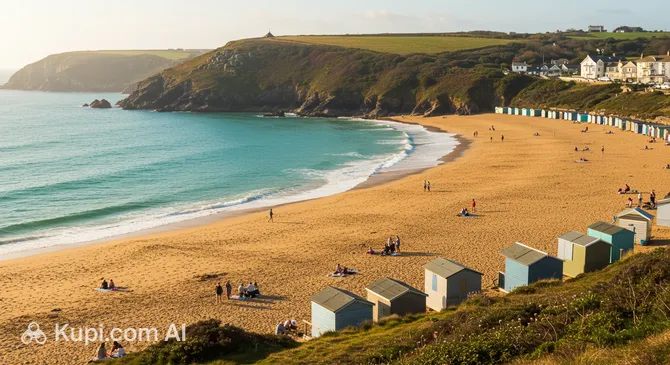
Newquay is widely celebrated as the surfing capital of England, offering a vibrant mix of laid-back coastal charm and energetic seaside fun. Located on the rugged north coast of Cornwall in the United Kingdom, this bustling town is a haven for beach lovers and water sports enthusiasts alike. With its spectacular Atlantic views and golden sands, it has evolved into one of the nation's premier holiday destinations.

Geographically, the town is defined by its stunning coastline, featuring high cliffs and sweeping bays. The climate is typically mild and maritime, benefiting from the Gulf Stream, which makes it an attractive year-round getaway. Although the permanent population is around 22,000, the town comes alive with visitors during the summer months, creating a buzzing and dynamic atmosphere.
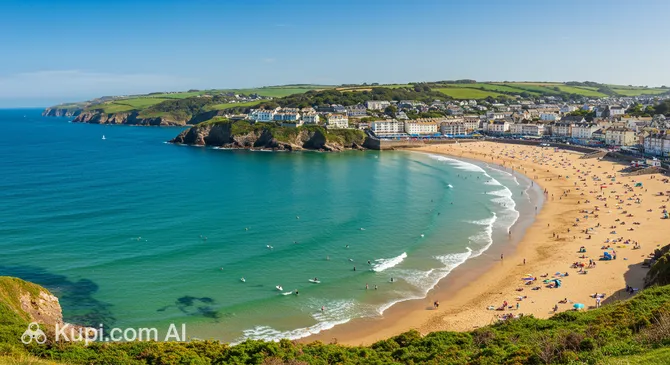
Newquay. Source: Kupi.Binoculars

Beyond the surfboards and sunbathing, the town has a fascinating heritage. Originally a small fishing settlement, the history of Newquay saw it grow significantly with the arrival of the railway and the expansion of its harbor. Today, you can still see the working fishing boats at the historic harbor, which remains a picturesque heart of the community, contrasting beautifully with the modern amenities of the resort.

Travelers are drawn here for iconic spots like Fistral Beach, which hosts major international surfing competitions. For those seeking a different kind of adventure, the Newquay Zoo offers a chance to see exotic wildlife within lush gardens, while the Blue Reef Aquarium provides a window into the underwater world of the Cornish coast and beyond.

Whether you are looking to catch the perfect wave, explore coastal paths, or simply relax by the sea, Newquay promises an unforgettable experience. It is a destination that effortlessly combines natural beauty with exciting activities, inviting everyone to discover the magic of the Cornish coast.


Weather Overview

The climate in this coastal town is distinctly maritime, characterized by mild temperatures and a fair amount of breeze from the Atlantic. Because of its location in Cornwall, the weather in Newquay is generally more moderate than in other parts of the UK, avoiding extreme heat in summer and severe cold in winter.

Summer offers the most inviting conditions for beachgoers, particularly in July and August when average temperatures reach highs of nearly 19°C. Spring sees a gradual warming trend, with May offering comfortable averages around 12°C and fewer rainy days. Conversely, the winter months of December through February are cooler, with average temperatures hovering between 7°C and 9°C, making it the chilliest time of the year.

Precipitation is a regular feature throughout the year, though it peaks in late autumn and winter. Expect mild, pleasant summers perfect for surfing and cool, damp winters where wet days can reach up to 20 per month.

Interesting Facts

Beyond the surf breaks and sandy shores, Newquay holds a treasure trove of history and trivia that often goes unnoticed by the casual visitor. From ancient names to rock and roll legends, the town possesses a rich backstory that extends far beyond its modern reputation as a holiday resort.
  • Before it acquired its current name, the settlement was known as "Towan Blystra." The name "Newquay" only came into existence in the mid-15th century after the Bishop of Exeter funded the construction of a "new quay" to create a safe harbor for the local fishing fleet.

  • Hidden in the countryside nearby is Trerice, an Elizabethan manor that remains remarkably preserved. Unlike many historic estates that were modernized over the centuries, this house stayed virtually unchanged simply because its owners often preferred to live elsewhere, leaving it as a perfect time capsule.

  • The town played a cameo role in music history when The Beatles arrived in 1967. The legendary band filmed scenes for their Magical Mystery Tour movie here, driving their psychedelic bus through the streets and causing quite a sensation among the locals.

  • The iconic house perched atop Towan Island, connected to the mainland by a private suspension bridge, has a fascinating scientific connection. It was once the holiday residence of Sir Oliver Lodge, a renowned physicist and inventor who was instrumental in the development of radio technology.

Trerice. Source: Kupi.Binoculars

How to Get There

Reaching this Cornish gem is straightforward, offering several convenient options for travelers. For a comprehensive overview of all travel methods, you can read more about how to get to Newquay. If you prefer to fly, the most direct route is via Newquay Cornwall Airport (NQY). Located within the town's vicinity, just 6.2 km from the center, it serves as a key regional hub. The journey into town by taxi or bus is quick and convenient.

For those arriving from further afield who require a broader range of international connections, Bristol Airport (BRS) in Bristol is a major alternative. It is a large facility with high passenger traffic, situated approximately 197.5 km from Newquay. Be prepared for a longer transfer, as the drive takes several hours. Another option is Exeter International Airport (EXT) in Exeter, located about 122.8 km away. It is a moderately busy airport, and the transfer to the coast is a reasonable drive through the countryside.

For clarity, here is a summary of the main airports:

Airport Name City Passenger Traffic Km from City
Bristol AirportBristolLarge197.5
Cardiff AirportCardiffMedium163.5
Guernsey AirportSt Peter PortMedium208.3
Exeter International AirportExeterMedium122.8
Newquay Cornwall AirportNewquayMedium6.2

Traveling by rail is another excellent way to approach the coast, allowing you to enjoy the scenic English countryside. While direct trains to the town are available, you can also arrive at St Austell Railway Station (USX) in the city of Saint Austell, which is about 21.9 km from Newquay. From there, you can get a taxi or bus, which takes less than an hour. Alternatively, Par Railway Station (PCW) is located approximately 27.1 km away in the Saint Austell area. It is a smaller station often used as a connection point, with a road transfer time of around an hour.

Below is a list of the closest railway stations listed:

Station City Passenger Traffic Km to Center
Swansea railway stationSwanseaHigh156.3
Penzance StationPenzanceMedium46.2
St Austell Railway StationSaint AustellMedium21.9
Bridgwater Railway StationBridgwaterMedium167.0
Par Railway StationSaint AustellSmall27.1

Main Attractions

Newquay is packed with exciting spots that cater to families, nature enthusiasts, and thrill-seekers. While the surf often takes center stage, the town offers a diverse range of activities that make it a well-rounded holiday destination.

Set amidst 13 acres of sub-tropical gardens, Newquay Zoo is one of Cornwall's top wildlife parks. Visitors can encounter hundreds of animal species, ranging from African lions to playful lemurs. The zoo places a strong emphasis on conservation and education, offering interactive talks and feeding times that allow guests to learn more about the world's endangered wildlife.

Newquay Zoo. Source: Kupi.Binoculars

For a deep dive into marine life, the Blue Reef Aquarium Newquay is situated right on the seafront at Towan Beach. This attraction takes you on an underwater journey from the local Cornish coast to exotic tropical seas. The highlight is undoubtedly the ocean tunnel, where you can walk beneath the water as reef sharks, loggerhead turtles, and shoals of colorful fish swim directly over your head.

Beach lovers should not miss Tolcarne Beach, a stunning crescent-shaped bay backed by high cliffs. It is a family favorite due to its soft sand and rock pools, but it also attracts surfers looking for the famous "Tolcarne Wedge" break. The beach is easily accessible and offers a range of amenities, making it a perfect spot for a full day of seaside relaxation.

Tolcarne Beach. Source: Kupi.Binoculars

For a unique indoor adventure, Pirate's Quest Adventure Golf offers an immersive experience that combines mini-golf with local history. Players navigate through detailed sets that bring the legends of Cornish smuggling and piracy to life. It is an entertaining activity for all ages and provides a fun escape if the weather turns wet.

Local Cuisine

Newquay’s culinary scene is deeply influenced by its coastal location and Cornish heritage, making it a fantastic destination for food lovers. The town is renowned for its fresh seafood, which is often landed daily at the historic harbor. From casual beachside kiosks to established restaurants, the focus is heavily on locally sourced ingredients, particularly shellfish and fresh fish caught in the Atlantic waters.

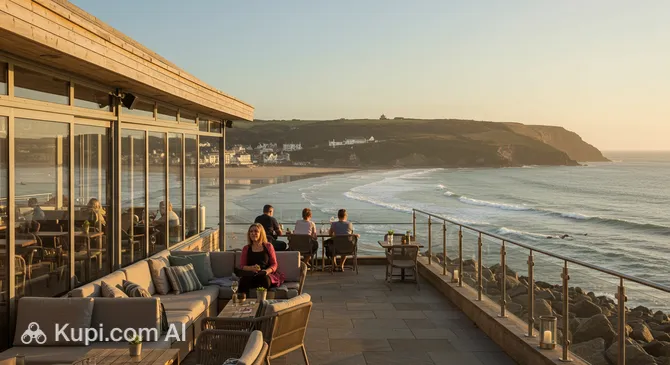
No visit to this region would be complete without trying a traditional Cornish Pasty. This D-shaped savory pastry, filled with beef, potato, swede, and onion in a crimped crust, serves as the ultimate portable lunch for a day of exploring. Another local staple is fresh crab, often enjoyed in sandwiches or salads. For those seeking a memorable meal featuring the catch of the day, The Fish House Fistral offers a menu centered around locally caught seafood, situated right next to the famous surf beach.

The Fish House Fistral. Source: Kupi.Binoculars

The beverage culture in Newquay is equally distinctive. Cornish cider is the drink of choice for many, with local varieties offering a crisp and refreshing taste that pairs perfectly with a sunny afternoon. For a non-alcoholic treat, the Cornish Cream Tea is a must-try tradition. It consists of tea served with scones, strawberry jam, and clotted cream—always remembering the local custom of spreading the jam first, followed by the cream.

The dining atmosphere in the town is generally relaxed and welcoming. You can find everything from vibrant street food markets to cozy, traditional pubs. For a classic pub experience with a friendly vibe, visitors often stop by The Two Clomes. Alternatively, if you prefer to enjoy a drink with panoramic views of the ocean and dunes, SeaSpray Fistral provides a spectacular setting to unwind after a day on the coast.

Travel Tips

To ensure your visit to England's surfing capital is as smooth as the waves at Fistral Beach, we have compiled a list of essential travel advice. These practical tips will help you navigate the local customs, weather quirks, and logistics of Newquay with ease.

  1. Clothing and Gear: The Cornish weather can be unpredictable, so packing layers is essential regardless of the season. Even in summer, a lightweight waterproof jacket is a must for sudden showers or breezy cliff walks. Bring sturdy, comfortable shoes for exploring the South West Coast Path. If you plan to surf, you can easily rent wetsuits and boards locally, so there is no need to haul heavy gear unless you prefer your own.
  2. Transportation: Newquay is quite compact and walkable, especially around the town center and beaches. For exploring further afield, the First Kernow bus network is reliable and connects to nearby towns like Padstow and St Ives. While renting a car offers freedom to visit remote coves, be aware that parking can be scarce and expensive during the peak summer months; using park-and-ride facilities or local taxis is often less stressful.
  3. Finances: The currency is the British Pound (£). Contactless card payments and mobile wallets (Apple Pay, Google Pay) are widely accepted, even at small beach kiosks and ice cream vans. It is still wise to carry a small amount of cash for remote car parks or smaller independent shops. Tipping is customary in restaurants; leaving around 10-15% is standard if a service charge hasn't already been added.
  4. Health and Safety: Newquay is generally very safe, but the ocean demands respect. Always swim on beaches patrolled by RNLI lifeguards and strictly stick to the area between the red and yellow flags. For minor health issues, there are several pharmacies in the town center, such as Boots. In an emergency, dial 999; for non-urgent medical advice, call 111.
  5. Communication: English is the primary language, though you might hear a few local Cornish phrases. Mobile coverage is generally good in the town, but it can be spotty on secluded beaches or at the base of high cliffs. Free Wi-Fi is standard in most cafes, hotels, and bars. No special apps are strictly necessary, but downloading a local tide times app can be very helpful.
  6. Local Etiquette: The locals are known for being friendly and laid-back, but they value politeness. Always say "please" and "thank you" (or a casual "cheers"). Queueing is taken seriously in the UK; never cut in line, whether you are waiting for a bus or a pasty. Also, be mindful of noise levels late at night, as the town balances being a party destination with being a residential community.
  7. What to Avoid: Do not feed the seagulls. In Newquay, the gulls are notoriously bold and aggressive; they will snatch food right out of your hand. Guard your fish and chips or ice cream carefully while eating outdoors, and avoid encouraging them, as they can become a nuisance.
  8. Additional Tip: Always check the tide tables before heading out for a beach walk. Some of Newquay’s beautiful coves are accessible at low tide but can completely disappear or cut you off when the tide comes in. Local surf shops and information boards at beach entrances usually display the daily high and low tide times.

By keeping these simple tips in mind, you will be well-prepared to enjoy everything this vibrant coastal town has to offer. Whether you are chasing waves or simply soaking up the stunning Atlantic views, a little preparation ensures a safe and memorable Cornish getaway.

Entertainment & Nightlife

Newquay is as famous for its vibrant nightlife and active lifestyle as it is for its stunning beaches. When the sun goes down, the town center buzzes with energy, drawing visitors from all over to its lively pubs, clubs, and bars. The evening scene is diverse, catering to those looking for a relaxed drink as well as those wanting to dance until the early hours. A popular venue to experience this energetic atmosphere is the Central Inn, which serves as a bustling social hub perfect for starting a memorable night out.

Central Inn. Source: Kupi.Binoculars

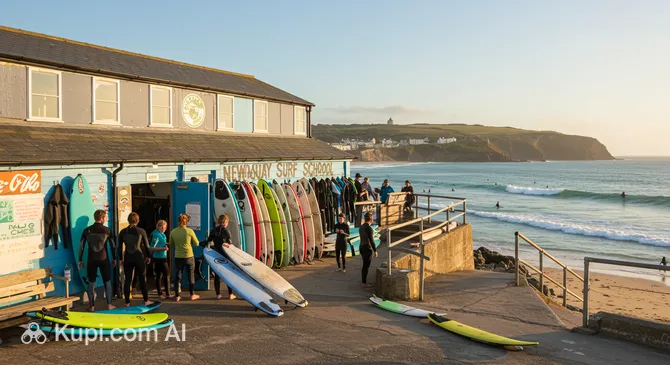
For those who prefer active entertainment during the day, hitting the waves is practically mandatory in the surfing capital of England. Whether you are a complete beginner or looking to refine your technique, the Newquay Surf School offers expert coaching to help you make the most of the Atlantic swells. Their lessons provide a safe and fun way to experience the sport that put this coastal town on the map.

Newquay Surf School. Source: Kupi.Binoculars

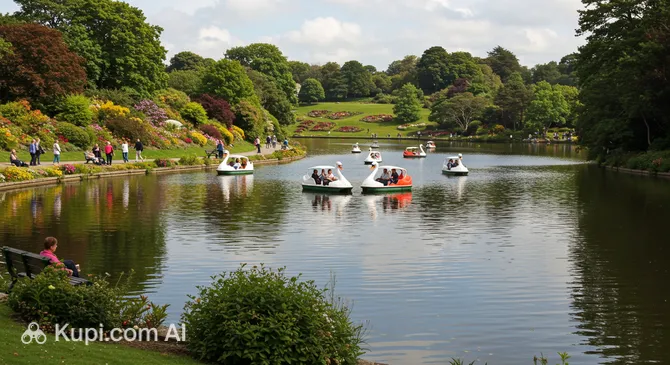
If you are looking for a more laid-back experience away from the sand, the town offers beautiful green spaces for relaxation. The Boating Lake is a serene spot where you can rent a boat to paddle around or simply enjoy a quiet picnic watching the waterfowl. Nearby, Killacourt provides a splendid grassy area overlooking the harbor, frequently hosting bandstand concerts and local events that allow visitors to unwind with spectacular coastal views.

Boating Lake. Source: Kupi.Binoculars

Parks & Museums

While the town is famous for its coastline, Newquay also boasts lush green spaces and fascinating cultural sites that offer a change of pace from the beach. Visitors can explore tranquil gardens, scenic estuaries, and heritage attractions that reveal the rich history and natural diversity of this corner of Cornwall.

One of the most beloved green spaces is Trenance Gardens, located just a short walk from the town center. This picturesque area features manicured lawns, vibrant rose beds, and ancient trees, creating a peaceful retreat for nature lovers. Within the grounds, you will find the historic Trenance Cottages, which have been beautifully restored and offer a glimpse into the town's past. It is an ideal spot for a leisurely stroll or a quiet picnic away from the bustling seafront.

For those who enjoy dramatic coastal views without the sand, Killacourt is a sprawling grassy area situated on the cliffs overlooking the harbor. It serves as a central community hub, often hosting concerts at its bandstand during the summer months. The park offers some of the finest panoramic vistas in the town, making it a perfect location to watch the fishing boats and surfers while relaxing on the grass.

Killacourt. Source: Kupi.Binoculars

Nature enthusiasts should not miss the Gannel Estuary, a stunning tidal river that separates Newquay from the village of Crantock. At low tide, the river reveals sandy beds and winding channels that are excellent for walking and birdwatching. It is a haven for wildlife, including egrets and curlews, offering a serene contrast to the high energy of the surfing beaches.

In terms of culture and heritage, Trerice stands out as a premier attraction. This Elizabethan manor house, cared for by the National Trust, is a hidden gem tucked away in the countryside. Unlike a traditional museum, it presents history in a living format, allowing visitors to explore fine interiors adorned with decorative plasterwork and a collection of historic clocks. The intimate scale of the house and its knot garden provide a fascinating insight into the life of the Cornish gentry centuries ago.

Those interested in local history can also seek out the Newquay Heritage Archive & Museum. Managed by the Old Cornwall Society, this small but informative facility preserves photographs, artifacts, and documents that chronicle the town's transformation from a fishing port to a major resort.

Insider Tip: When visiting the Gannel Estuary, always check the tide tables locally. The landscape changes completely with the tide; a route that is walkable at low water can be submerged hours later, so timing your visit ensures you can cross the footbridges safely.

Getting Around

Public transport in Newquay is relatively straightforward, reflecting its status as a compact coastal town rather than a sprawling metropolis. The system relies primarily on a comprehensive bus network and a scenic railway line, as there are no metros, trams, or trolleybuses. For most visitors, the local bus services are the most practical way to navigate between the town center, the various beaches, and neighboring Cornish villages.

The bus network is largely operated by First Kernow under the "Transport for Cornwall" banner. These buses connect the town center with popular spots like Fistral Beach, Newquay Zoo, and the airport, as well as offering routes to Padstow, Truro, and St Ives. During the summer season, open-top buses are a favorite among tourists, turning a simple commute into a sightseeing tour with elevated views of the rugged coastline.

The railway station is the terminus of the Atlantic Coast Line, which connects the town to the main line at Par. While the train is less useful for short hops within the town itself, it is an excellent option for day trips to other parts of the region. The journey into the station is widely regarded as one of the most picturesque rail approaches in the UK, passing through lush valleys and local hamlets.

Paying for transport is modern and convenient. The "Tap On, Tap Off" system is widely used on buses throughout Cornwall. You simply tap your contactless bank card or mobile device on the reader when you board and again when you alight; the system automatically calculates the best fare for your journey, capping the daily cost so you never pay more than a day ticket price. Paper tickets can still be purchased from the driver, and the Transport for Cornwall app allows you to buy bundles or season passes in advance.

For a unique and fun way to get around, keep an eye out for the Newquay Land Train. This tractor-drawn tourist train typically runs during the holiday season, offering a leisurely link between the town center and key attractions like the zoo and boating lake. It is particularly popular with families, saving little legs from the walk up the town's steep hills.

Taxis are a reliable alternative, especially late at night when bus services wind down. You will find designated taxi ranks near the railway station and on East Street. Unlike in major cities where ride-hailing apps are ubiquitous, local taxi firms are the standard here, and it is often best to book by phone during peak times. Car rentals are available but can be challenging due to limited parking in summer; however, cycling is a growing option, with e-bikes becoming more popular to tackle the coastal inclines.

A few practical tips will help you navigate smoothly. Bus schedules vary significantly between summer and winter, so always check the latest timetables on the Transport for Cornwall app or at bus stops. In rural areas or at smaller stops along the coast, it is customary to signal the driver clearly by raising your hand as the bus approaches, otherwise, they may not stop. Finally, remember that traffic can be heavy in July and August, so allow extra time for your journeys if you have a specific deadline.

Accommodation

Where to Stay:

Newquay offers a diverse array of accommodation options suited to every type of traveler, reflecting its status as a premier seaside resort. The town is well-stocked with everything from budget-friendly surf lodges and lively backpacker hostels to family-run Bed & Breakfasts and luxury spa hotels perched on the cliffs. For those who prefer a home-away-from-home experience, there is a vast selection of self-catering apartments and holiday cottages, while the surrounding countryside is dotted with well-equipped campsites and holiday parks.

Choosing the right area to stay depends largely on the kind of holiday you are planning. Visitors looking to be in the heart of the action often choose the town center, where they are within walking distance of the main shopping streets, restaurants, and the vibrant nightlife. This area is convenient for those arriving by bus or train and offers easy access to the town beaches like Towan and Great Western.

For surfing enthusiasts and those seeking spectacular ocean views, the headland overlooking Fistral Beach is the most coveted location. Staying here means you can check the surf conditions from your window and be in the water within minutes. Alternatively, families and couples seeking a quieter retreat might prefer the Pentire area or the outskirts near Porth, which offer a more relaxed atmosphere while still being close to the coast.

Prices in Newquay fluctuate significantly depending on the season. During the peak summer months of July and August, rates are at their highest, and the demand is intense. In the shoulder seasons of spring and autumn, you can often find excellent value for money, with mid-range hotels and guesthouses offering competitive rates. Winter is the most affordable time to visit, though some seasonal campsites may be closed.

Booking Tip: Because Newquay is one of the UK's most popular summer destinations, accommodation can sell out months in advance. It is highly recommended to book your stay as early as possible, especially if you plan to visit during the school holidays or when major surfing festivals are taking place. Most properties can be booked via major online platforms, but booking directly with smaller B&Bs can sometimes secure a better deal or a room with a specific view.

Nearby Cities

For those looking to explore the surroundings, Newquay serves as an excellent base for day trips to several interesting nearby locations. The region offers a mix of historic mining towns and vibrant coastal cities that provide a perfect contrast to the surf culture of the town.

Plymouth is a significant destination located within driving distance. Known as "Britain's Ocean City," it boasts a rich maritime heritage, including the famous Mayflower Steps where the Pilgrim Fathers set sail in 1620. Visitors can explore the historic Barbican district with its cobbled streets, visit the National Marine Aquarium, or take in the panoramic views from Plymouth Hoe. It is also a great spot for shopping and dining.

Closer to home is Camborne, a town that lies at the heart of the Cornish Mining World Heritage Site. Once the richest mining area in the world, it offers a fascinating glimpse into the region's industrial past. History enthusiasts can explore the local heritage trails and see the iconic engine houses that dot the landscape, reminding visitors of the area's engineering legacy.

City Population Distance (km)
Plymouth 267,918 66
Brixton 78,536 74
Plympton 29,899 74
Plymstock 24,103 70
Camborne 22,074 28

These nearby destinations offer a glimpse into the diverse culture and landscapes of the region, making them well worth a visit for travelers wanting to see more of the South West.

Shopping & Souvenirs

Newquay offers a retail experience that perfectly mirrors its identity as a laid-back seaside resort. While you will not find sprawling designer outlets or massive department stores here, the town is packed with character. It is particularly famous for its surf shops, which are among the best in the UK, offering everything from professional boards to branded beachwear. Beyond the waves, the town features a delightful mix of independent boutiques, gift shops, and galleries showcasing Cornish creativity.

The heart of the shopping district is centered around Bank Street and Fore Street. Bank Street serves as the main pedestrianized thoroughfare, allowing for a relaxed, car-free strolling experience. Here, you will find a blend of familiar high street names and local cafes. As you continue onto Fore Street, the atmosphere becomes more eclectic, with numerous independent stores selling surf gear, coastal-themed homeware, and unique fashion items.

Travelers should be aware that Newquay does not feature large, American-style shopping malls. The retail scene is traditional and street-based, with small arcades occasionally tucked away between larger buildings. For those seeking a more extensive indoor shopping center experience with major department stores, a trip to the nearby cathedral city of Truro is often recommended.

Markets play a charming role in the local community, particularly during the warmer months. Seasonal markets are often held on the Killacourt, a grassy area overlooking the sea. These events are perfect for browsing stalls filled with handmade crafts, local art, and artisan foods. It is a great opportunity to meet local makers and buy something truly unique that you won't find on the high street.

When it comes to souvenirs, the options are distinctively Cornish. Surf gear—such as a branded hoodie or a high-quality wetsuit—is a practical and stylish memento of the town's culture. For those with a sweet tooth, boxes of rich Cornish fudge or clotted cream shortbread are essential buys. Locally produced cider and jewelry made from Cornish tin or sea glass also make for authentic and memorable gifts to take home.

Standard shopping hours are typically from 09:00 to 17:30, Monday through Saturday. On Sundays, many shops open later and close earlier, usually operating between 10:00 and 16:00. However, during the peak summer season, many souvenir shops and surf stores extend their hours well into the evening to accommodate holidaymakers enjoying the long daylight hours. Contactless card payments and mobile wallets are widely accepted, even in smaller kiosks, though keeping a little cash for market stalls is always a good idea.

Regarding tax-free shopping, visitors should note that the United Kingdom has ended the VAT Retail Export Scheme. This means that international tourists can no longer reclaim the Value Added Tax (VAT) on goods purchased in shops to take home in their luggage. The price you see on the shelf is the final price you will pay.

Reached the end of the page?

That means the route is fully explored