Support

Alderney

About

Alderney is a captivating destination known for its rugged beauty, abundant wildlife, and tranquil atmosphere. As the third-largest of the Channel Islands and the most northerly, it offers a unique blend of British charm and French influence. Located just a few miles from the coast of Normandy, this enchanting island is part of the Bailiwick of Guernsey and is celebrated for its unhurried pace of life, making it a perfect escape for those looking to disconnect from the modern world.

Despite its modest size and a close-knit population of approximately 2,000 residents, the island boasts a remarkably rich heritage. Delving into the history of Alderney reveals a fascinating tapestry of events, from ancient Roman settlements to the imposing Victorian fortifications and World War II bunkers that still dot the landscape. This strategic past has shaped a distinct architectural character that intrigues history enthusiasts from around the globe.
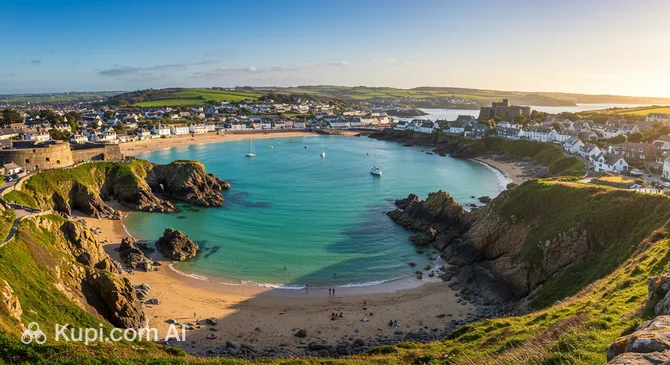
Alderney. Source: Kupi.Binoculars

Beyond its historical allure, Alderney is a haven for nature lovers. The island is famous for its diverse wildlife, including the rare blonde hedgehog and thriving colonies of puffins and gannets that nest on the offshore islets. Visitors can also enjoy a ride on the Alderney Railway, the only working railway in the Channel Islands, which provides a delightful way to view the coastline and access the beautiful Braye Bay.

Whether you are hiking along the spectacular cliff paths, relaxing on golden sandy beaches, or exploring the quaint cobbled streets of St. Anne, Alderney promises a memorable experience. We invite you to discover the warmth of this small island community and the stunning natural scenery that makes it a true jewel of the English Channel.

Weather Overview

Alderney enjoys a temperate maritime climate, characterized by mild winters and pleasantly warm summers, thanks to the moderating influence of the surrounding sea. The island typically avoids extreme temperatures, making it an inviting destination throughout the year. For a more detailed forecast to help plan your daily activities, you can consult the guide to the weather in Alderney.

The warmest months are July and August, where the average temperature hovers around 17°C to 18°C, with highs reaching up to 19.0°C. This is also the driest period, with roughly 10 wet days per month. In contrast, the winter months are cooler and damper; December and January see average temperatures dip to around 8°C to 9°C, accompanied by a higher frequency of rainfall, often seeing up to 20 wet days in December.

Overall, visitors can expect warm, comfortable summers with occasional showers and cool, wet winters.

Interesting Facts

Beyond the scenic coastal paths and historic fortifications, Alderney holds several intriguing secrets that add depth to its character. Here are some lesser-known facts that highlight the uniqueness of this island within the Bailiwick of Guernsey.
  • A Lost Dialect: For centuries, the islanders spoke a distinct Norman-French dialect known as Auregnais. Although the language is now extinct, its legacy survives in the unique pronunciation of local surnames and the French-sounding names of many streets and bays.

  • A Roman Stronghold: The historic site locally known as "The Nunnery" is actually one of the best-preserved small Roman forts in the Western world. Dating back to the 4th century, its ancient walls were originally built to defend the island against pirate raiders.

  • Aviation Pioneers: Alderney Airport holds the title of being the first airport established in the Channel Islands. It opened in 1935, predating the commercial airfields on the larger neighboring islands, and it continues to be a vital lifeline for the community.

  • The Victorian Breakwater: The massive Braye Harbour Breakwater is a monumental feat of 19th-century engineering. Originally intended to shelter the British naval fleet, it extends nearly 900 meters into the sea and requires constant maintenance to withstand the powerful channel tides.

How to Get There

Reaching this charming island is an adventure in itself, offering a scenic introduction to the Channel Islands. Since there are no bridges or tunnels connecting it to the mainland, visitors typically arrive by air or sea. For a detailed breakdown of routes and schedules, you can read more about how to get to Alderney to plan your trip effectively.

The most direct entry point is Alderney Airport (IATA: ACI), which is conveniently located on the island itself. Situated just 1.6 km from the main town, the transfer is remarkably quick; a taxi ride to the center takes approximately 5 minutes, while those preferring to walk can reach the town in about 20 to 25 minutes. While it is a smaller regional facility with an annual passenger traffic of around 50,000, it serves as the primary hub for direct arrivals.

Many travelers also connect through Guernsey Airport (IATA: GCI), located in St Peter Port on the neighboring island of Guernsey, about 42.7 km away. As a medium-sized hub handling over 650,000 passengers annually, it offers frequent links to the UK and Europe. Another significant option is Jersey Airport (IATA: JER) in Saint Helier, roughly 56.4 km from Alderney. Visitors arriving at these neighboring airports will need to take a connecting inter-island flight or ferry to reach their final destination.

For clarity, here is a summary of the main airports:

Airport Name City Passenger Traffic Km from City
Jersey AirportSaint HelierLarge56.4
Bournemouth AirportBournemouthLarge121.1
Guernsey AirportSt Peter PortMedium42.7
Pleurtuit AirportDinardSmall125.7
Alderney AirportAlderneySmall1.6

Alderney does not have a railway station, as it is an island separated from the mainland. However, for travelers using the rail network in the UK or France to reach a departure port, the Bridgwater Railway Station in Bridgwater is one of the closest points, located approximately 166.9 km away across the channel. Alternatively, on the French side, Rennes Station (IATA: ZFJ) in Rennes is a major hub about 183.3 km away. From these stations, you would need to arrange transport to a nearby airport or ferry terminal to complete your journey to the island.

Below is a list of the nearest railway stations on the mainland:

Station City Passenger Traffic Km to Center
Rennes StationRennesLarge183.3
Brighton StationBrightonLarge191.9
Bath Spa Railway StationBathLarge185.3
Bridgwater Railway StationBridgwaterMedium166.9
Par Railway StationSaint AustellMedium193.2

Main Attractions

Mannez Lighthouse

Standing tall on the northeastern coast, the Mannez Lighthouse is an iconic symbol of the island known for its striking black-and-white stripes. Built in 1912 to guide ships safely through the treacherous currents of the Race of Alderney, the tower is open to the public during the summer season. Visitors can climb the spiral stairs to the lantern room to enjoy breathtaking panoramic views of the island and the nearby coast of France, making it a favorite spot for photographers and nature enthusiasts.

Alderney Museum

Located in the heart of St. Anne, the Alderney Museum is an essential stop for anyone wishing to delve into the island's rich heritage. The museum presents a comprehensive timeline of local history, featuring artifacts that range from Iron Age pottery and Roman discoveries to memorabilia from the Victorian era. It also offers a poignant and detailed look at the events of the German occupation during World War II, helping visitors understand the resilience and unique story of the local community.

Fort Tourgis

As one of the largest and most impressive Victorian fortifications in the Channel Islands, Fort Tourgis is a masterpiece of 19th-century military engineering. Strategically positioned to defend the harbor, significant sections of the fort have been cleared and restored for public access. Walking through its massive defensive walls and exploring the batteries offers a fascinating journey back in time, while the site also provides some of the best vantage points for watching the sunset over the sea.

St Anne’s Church

Often described as the "Cathedral of the Channel Islands," St Anne’s Church is an architectural gem designed by the famous architect Sir George Gilbert Scott. Consecrated in 1850, this grand church dominates the town center with its imposing size and beauty. Inside, visitors are greeted by a peaceful atmosphere and stunning stained glass windows, making it a serene retreat and a significant cultural landmark that reflects the island's prosperity in the mid-19th century.

The Alderney Railway

For a truly unique experience, a ride on the Alderney Railway is highly recommended. As the only working railway in the Channel Islands, it was originally constructed to transport stone for the massive breakwater but now serves as a delightful tourist attraction. The train, which consists of vintage London Underground carriages pulled by a diesel locomotive, travels a scenic coastal route between Braye Road and Mannez Quarry, offering wonderful views and a nostalgic charm.

Local Cuisine

The culinary landscape of Alderney is a delightful reflection of its geography, blending traditional British comfort with a distinct French influence from nearby Normandy. Unsurprisingly for an island, fresh seafood is the star of the show. Visitors should not miss the opportunity to taste locally caught Alderney crab and lobster, which are renowned for their sweet, succulent meat. These delicacies are often served simply with a squeeze of lemon and fresh bread, or incorporated into rich bisques and salads at restaurants overlooking the harbor.

Beyond the catch of the day, the island’s rich dairy heritage plays a significant role in local gastronomy. The lush pastures support herds that produce high-quality milk, leading to exceptional butter, cream, and ice cream. A quintessential experience for any traveler is indulging in a traditional cream tea. This afternoon treat typically consists of freshly baked scones topped with strawberry jam and a generous dollop of thick, golden cream, best enjoyed in a cozy tea room in St. Anne or a sunny garden terrace.

The dining culture in Alderney is relaxed and unpretentious, centering around social hubs like historic pubs and family-run bistros. In the cobbled streets of St. Anne, you will find welcoming inns serving hearty pub classics alongside local specialties. For a more scenic meal, the eateries near Braye Beach offer stunning views of the sea, allowing diners to watch the tides while enjoying their food. A unique aspect of the local food scene is the presence of "hedge veg" stalls—small, unmanned roadside stands selling fresh produce, eggs, and homemade jams where payment is left in an honesty box, showcasing the island's community spirit.

When it comes to drinks, the island offers a variety of refreshing options to complement a meal. Given the proximity to France, cider is a popular choice, often enjoyed crisp and cold on a warm day. Beer enthusiasts will appreciate the selection of ales brewed in the Channel Islands, which are staples in the local pubs. Whether you are sipping a pint of bitter by a roaring fire or enjoying a glass of wine as the sun sets over the breakwater, the beverage culture here is all about savoring the moment.

Travel Tips

Welcome to Alderney! While this small island is incredibly welcoming, a little insider knowledge goes a long way in ensuring your trip is smooth and enjoyable. Here are some practical tips to help you embrace the local lifestyle and make the most of your visit to this hidden gem of the Channel Islands.

  1. Clothing and Gear: The weather here is maritime and can change quite rapidly. Even in summer, it is wise to bring layers and a good windproof, waterproof jacket for coastal walks. Since the best way to explore is on foot, pack sturdy, comfortable walking shoes suitable for both the cobbled streets of St. Anne and the rugged cliff paths.

  2. Transportation: You generally do not need a car to get around. The island is only 3.5 miles long, making it perfect for exploring by bicycle or on foot. Electric bikes are popular and available for rent. Taxis exist but are limited, so it is best to book them in advance, especially for airport transfers; ride-hailing apps like Uber do not operate here.

  3. Finances: The local currency is the Guernsey Pound, which is pegged 1:1 with the British Pound. UK notes and coins are accepted everywhere. While cards are widely used in shops and restaurants, carry some cash for small purchases and local stalls. Be aware that Guernsey banknotes might not be accepted back in the UK, so try to spend them before you leave.

  4. Health and Safety: Alderney is an extremely safe destination with very low crime rates. For medical assistance, the Mignot Memorial Hospital serves the island, and there is a pharmacy located in St. Anne. However, it is highly recommended to bring sufficient supplies of any prescription medications, as shipping to the island can sometimes cause delays.

  5. Communication: English is the primary language, so communication is effortless. Be careful with mobile data; the Channel Islands are often not included in standard UK or EU roaming packages, which can lead to high charges. Check with your provider before arrival or rely on Wi-Fi, which is readily available in hotels and cafes.

  6. Local Etiquette: The community is small and friendly, so it is customary to greet people you pass on walking trails or in the street. The pace of life is deliberately slower here than on the mainland; patience and politeness in shops and service establishments are highly valued.

  7. What to Avoid: Do not rush or speed. The maximum speed limit on the entire island is 35 mph (approx. 56 km/h), and it is often lower in the town center. Driving aggressively is frowned upon and dangerous on the narrow country lanes.

  8. Shop Like a Local: Keep an eye out for "Hedge Veg" stalls along the roads. These are small, unmanned stands selling fresh produce, flowers, or jams directly from local gardens. They operate on an honesty box system, so keeping some loose change in your pocket allows you to enjoy these authentic local treats.

By keeping these simple tips in mind, you will be well-prepared to relax and enjoy the unique charm of Alderney. Whether you are cycling the coastal roads or chatting with locals in a pub, you are sure to feel right at home in this peaceful island sanctuary.

Entertainment & Nightlife

Nightlife in Alderney is defined by its warm, community-focused atmosphere rather than high-energy nightclubs or neon-lit strips. As a small island with a population of around 2,000, evening entertainment revolves almost exclusively around traditional pubs, hotel bars, and restaurants. The vibe is incredibly welcoming and informal, making it easy for visitors to strike up conversations with locals and fellow travelers alike. You will not find strict dress codes or exclusive guest lists here; instead, the focus is on good company, local ales, and a relaxed pace of life.

The heart of the island's social scene is the capital, St. Anne. Here, particularly along and around Victoria Street, you will find the highest concentration of venues. The evenings are generally laid-back, but during the summer months and local festivals, the town can become quite lively with people spilling out onto terraces. Another key area is Braye, located near the harbor, where you can enjoy drinks with a view of the sea. This area is perfect for watching the sunset before settling in for a cozy evening.

For those looking to experience the best of the local "pub culture," The Georgian House on Victoria Street is a standout favorite. It often serves as the central hub for the island's social life, frequently hosting live music and offering a bustling garden that is popular in warmer weather. Down by the water at Braye Bay, The Divers Inn provides a classic pub experience with a maritime feel, making it an ideal spot for a pint after a day at the beach. The Campania, also in St. Anne, is another well-loved venue known for its authentic charm and friendly regulars.

Practical advice for a night out in Alderney is straightforward. Most pubs call "last orders" around 11:00 PM, though some venues may stay open slightly later on weekends. Prices are generally comparable to the UK, and while cards are widely accepted, carrying some cash is useful for smaller purchases. Getting around at night is safe, but taxis are limited and do not roam the streets looking for fares; you must book one in advance if you need a ride home.

Safety is rarely a concern on this peaceful island, and it is perfectly safe to walk home at night. However, street lighting can be sparse or non-existent once you leave the main town of St. Anne. A practical tip for night walkers is to carry a small torch or use your phone's flashlight, as the country lanes can be pitch black after sunset.

While the nightlife is tranquil, daytime entertainment offers a charming change of pace. The island does not feature large amusement parks, but it boasts the Alderney Cinema, which screens the latest movie releases in a unique, intimate setting. Visitors can also explore local art galleries or enjoy the island's natural playground through activities like golf and fishing, which serve as the primary forms of recreation before the pubs open their doors in the evening.

Parks & Museums

Alderney offers a remarkable concentration of unspoiled natural landscapes and deep-rooted heritage sites, making it a paradise for walkers, history buffs, and nature enthusiasts. Despite its small size, the island preserves its green spaces and historical treasures with great care, allowing visitors to explore everything from ancient Roman foundations to sweeping coastal heathlands.

Longis Nature Reserve

As the largest terrestrial reserve on the island, Longis Nature Reserve is a diverse mosaic of habitats comprising freshwater ponds, scrub, and grassy dunes. It is a vital sanctuary for migrating birds and boasts two well-maintained bird hides that offer excellent opportunities for ornithologists. The reserve is also home to the "Longis Common," a historic area where visitors can find traces of Roman occupation and Victorian military architecture amidst the wildflowers.

The Giffoine

Located at the western end of the island, The Giffoine is a dramatic expanse of coastal heathland that bursts into color with gorse and heather during the warmer months. It provides some of the most spectacular cliff-top views in the Bailiwick of Guernsey, overlooking the swirling waters of the Swinge. From here, you have a prime vantage point to observe Les Etacs, two rock stacks that host thousands of breeding gannets, creating a mesmerizing natural spectacle of sight and sound.

Alderney Museum

Situated in the Old School House in St. Anne, the Alderney Museum is the cultural heart of the island and an award-winning institution. While small, it is packed with fascinating displays that chronicle the island's timeline from the Neolithic period to the present day. Highlights include the Iron Age pottery discovered at Longis and the solemn, detailed exhibits dedicated to the German Occupation, offering a profound insight into the resilience of the local community.

The Odeon

For those interested in military history and brutalist architecture, The Odeon is a unique site worth visiting. This massive concrete naval range-finding tower was built by German forces during World War II to observe enemy ships. Standing imposingly on the cliffs, it has been restored to allow visitors to enter and climb to the observation levels, which now offer peaceful, panoramic views over the island and the French coast, contrasting sharply with its original warlike purpose.

The Nunnery

Often cited as the best-preserved small Roman fort in Britain, The Nunnery is a cornerstone of Alderney’s architectural heritage. Originally built in the 4th century to defend against pirates, its thick walls have served various purposes over the millennia, including housing military barracks and a farm. Walking through its ancient arches provides a tangible connection to the distant past and demonstrates the island's long-standing strategic importance.

For a truly authentic experience, take a walk along the zig-zag paths of the Cambridge Battery near Fort Tourgis. This area is not only historically significant but also a botanical hotspot where you might spot the rare Alderney Geranium or the Prostrate Asparagus, plants that are scarce elsewhere in the British Isles.

Getting Around

Navigating Alderney is a delightful experience in itself, characterized by short distances, quiet roads, and a complete absence of traffic jams. Measuring just 3.5 miles long and 1.5 miles wide, this gem within the Bailiwick of Guernsey is perfectly scaled for exploration without the need for a complex public transport network. Whether you choose to walk, cycle, or drive, getting around is relaxed and easy, allowing you to soak up the scenery at your own pace.

Cycling is arguably the most popular mode of transport for visitors. The island’s network of lanes and coastal paths makes it an ideal destination for two-wheeled adventures. While the terrain can be hilly in places, electric bikes are widely available for rent and have become a favorite choice for tackling the inclines with ease. Bike hire shops are conveniently located in St. Anne and near the harbor, offering a range of options for adults and children.

For those who prefer to travel on foot, Alderney is a walker's paradise. The main town of St. Anne is compact, with cobbled streets that are best explored by walking. Most major attractions, shops, and restaurants are within a manageable distance of each other. Furthermore, the island boasts over 50 miles of winding tracks and footpaths, meaning you can easily hike from the town center to the rugged cliffs or sandy bays in under 30 minutes.

Taxis are available and are the primary form of motorized public transport, as there is no regular bus service on the island. However, the taxi fleet is small, and they do not cruise the streets looking for fares. It is highly recommended to book in advance, especially for airport transfers or late-night journeys home from a restaurant. Visitors should note that ride-hailing apps do not operate here, so keeping a local taxi number handy is essential.

Car hire is an option for those who value total independence, though many find it unnecessary given the island's size. If you do choose to rent a car, be aware that the pace of driving is leisurely. The maximum speed limit across the entire island is 35 mph (approximately 56 km/h), dropping to even lower speeds in the town and built-up areas. Drivers should also be mindful of pedestrians, cyclists, and occasionally horses sharing the narrow country lanes.

While there is no standard bus network, the historic Alderney Railway offers a seasonal transport link between Braye Road and Mannez Quarry. Although primarily a tourist attraction, it serves as a fun and scenic way to travel between the harbor area and the eastern end of the island during the summer months.

Accommodation

Accommodation in Alderney is defined by its charm and intimacy rather than large-scale commercial tourism. Visitors will not find sprawling resort chains or high-rise complexes here. Instead, the island offers a curated selection of independent hotels, cozy guesthouses, and bed-and-breakfasts that reflect the warm hospitality of the local community. For those who prefer more independence, there is a good range of self-catering cottages and apartments, often converted from traditional island properties.

When choosing where to stay, most tourists opt for one of two main areas. St. Anne, the island's historic capital, is the most convenient base for those who want easy access to shops, restaurants, and the museum. Staying here often means lodging in beautiful Georgian buildings along cobbled streets. Alternatively, the area around Braye Bay is perfect for beach lovers and those seeking sea views. Hotels and inns in this vicinity offer the relaxing sound of the ocean and are just steps away from the soft sands and the harbor.

For outdoor enthusiasts and budget-conscious travelers, camping is a delightful option, with a well-equipped site located near the dunes of Saye Beach offering a close connection to nature. On the other end of the spectrum, several boutique hotels provide a more luxurious experience, featuring fine dining restaurants and premium amenities. Generally, prices on the island lean towards the mid-range to higher end, reflecting the exclusivity and limited supply of rooms.

Booking Tip: Because the number of beds on the island is limited, accommodation can fill up very quickly. It is essential to book your stay well in advance, particularly if you are visiting during the peak summer season (July and August) or during the popular Alderney Week festival. Many visitors secure their rooms months ahead to avoid disappointment.

Nearby Cities

For those looking to explore the surroundings, Alderney serves as an excellent base for day trips to several interesting nearby locations:

St Peter Port is the capital of the Bailiwick of Guernsey and the most popular destination for a short excursion. Known for its stunning harbor and cobbled streets, it offers a lively contrast to the tranquility of Alderney. Visitors can explore the historic Castle Cornet, visit Hauteville House where Victor Hugo lived in exile, or enjoy tax-free shopping in the town center. Regular flights and ferries make it an accessible option for a day of culture and history.

Although not listed in the table below, the coast of Normandy, France, is clearly visible from Alderney and lies just a few miles away. Ports like Cherbourg or Diélette are often reached by private boat or seasonal charters, offering a chance to enjoy French cuisine and markets. Similarly, the island of Jersey is another nearby neighbor, known for its larger scale attractions such as the Jersey War Tunnels and Durrell Wildlife Park, accessible via inter-island flights.

City Population Distance (km)
St Peter Port 16,700 38

These nearby destinations offer a glimpse into the diverse culture and landscapes of the region.

Shopping & Souvenirs

Shopping in Alderney is a delightful throwback to a simpler time, characterized by friendly service and a relaxed atmosphere. You will not find sprawling shopping malls or international chain stores here; instead, the island prides itself on a collection of independent retailers and family-run businesses. The experience is personal and unhurried, allowing visitors to browse unique items while chatting with local shopkeepers who are often eager to share stories about island life.

The main hub for retail therapy is the charming capital, St. Anne. The heart of the shopping district lies along the picturesque, cobbled Victoria Street. Here, amidst beautiful Georgian architecture, you can find everything from daily essentials to luxury gifts. It is a compact area where the butcher, the baker, and the boutique stand side by side, making it easy to explore everything on foot without the need for transport.

Since there are no large commercial centers, the "market" experience is distinctively local. While seasonal craft fairs are occasionally held in community halls, the most iconic form of commerce is the "Hedge Veg" system. Scattered across the island, these roadside stalls offer fresh vegetables, flowers, and homemade jams. It is a quintessential experience to pick up fresh produce directly from a grower's gate and leave payment in the honesty box.

When looking for mementos to take home, there are several local specialties to consider. Philately is significant here, and Alderney stamps are highly prized by collectors worldwide; you can purchase them at the post office or specialist shops. Local pottery and handmade jewelry featuring island stones are also popular choices. For those with a sweet tooth, boxes of handmade fudge or rich dairy products make excellent gifts to share with friends and family.

Store opening hours generally follow a traditional pattern, typically running from 9:00 AM to 5:30 PM. Visitors should be aware that many shops still observe a "lunch hour," closing between 1:00 PM and 2:00 PM, and it is common for businesses to have a half-day closing on Wednesdays. On Sundays, most shops are closed, so it is best to plan your purchases for the rest of the week.

One of the major advantages for visitors is that Alderney, as part of the Bailiwick of Guernsey, is a VAT-free jurisdiction. This means you do not pay the standard Value Added Tax found in the UK, making luxury items and gifts more affordable. Payment is straightforward, with the Guernsey Pound and British Pound used interchangeably. Credit and debit cards are widely accepted in St. Anne, though carrying some cash is advisable for smaller transactions and the roadside stalls.

Reached the end of the page?

That means the route is fully explored