Support

Saint-Nazaire

About

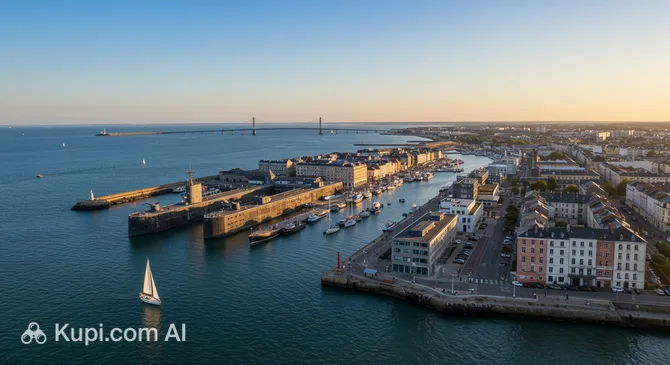
Saint-Nazaire is a fascinating port city located on the western coast of France. Situated in the Pays de la Loire region, it sits right at the estuary where the mighty Loire River meets the Atlantic Ocean. This strategic location has shaped its identity as a major harbor and industrial hub, but today it also offers a refreshing seaside atmosphere for travelers.

Saint-Nazaire. Source: Kupi.Binoculars

With a population of approximately 71,000 residents, the city is known for its impressive urban transformation. While it is famous for its shipbuilding prowess—constructing some of the world's largest cruise ships—it also boasts beautiful beaches and a vibrant cultural scene. The history of Saint-Nazaire is deeply intertwined with maritime legends and resilience, having been extensively rebuilt into a modern city following the Second World War.

Visitors are often drawn to the massive Submarine Base, a concrete giant turned into a cultural venue, and Escal'Atlantic, an immersive museum that recreates the experience of legendary ocean liners. Don't miss the spectacular Saint-Nazaire Bridge, which offers breathtaking views of the estuary. Whether you are interested in industrial heritage or relaxing by the sea, Saint-Nazaire provides a distinct and memorable travel experience.

Weather Overview

Saint-Nazaire enjoys a temperate oceanic climate, characterized by mild winters and pleasant, warm summers. The city's proximity to the Atlantic Ocean plays a significant role in moderating temperatures year-round, preventing extreme heat or cold. For a detailed forecast during your trip, you can check the weather in Saint-Nazaire to plan your activities accordingly.

During the summer months of July and August, the city experiences its warmest weather, with average maximum temperatures reaching around 23.5°C. This is the ideal time for exploring the coastline, as rainfall is slightly less frequent, though you might still encounter about 8 wet days per month. In contrast, winters are generally cool but rarely freezing. January is typically the coldest month, with average lows of 5.0°C and highs of 9.3°C.

Precipitation is a constant factor throughout the year, with the number of wet days ranging from 8 in the summer to 14 in the wetter months like December and March. Expect warm summers with occasional rain and mild, damp winters, so packing a waterproof jacket is recommended regardless of when you visit.

Interesting Facts

Beyond the main attractions, Saint-Nazaire holds many fascinating secrets that reveal its unique character and industrial heritage. From artistic installations hidden in the tides to connections with famous comic book heroes, the city offers plenty of surprises for the curious traveler.

  • Fans of The Adventures of Tintin might recognize the city from the album The Seven Crystal Balls. Hergé, the creator, meticulously illustrated the port and streets of Saint-Nazaire, making it a pilgrimage site for comic book enthusiasts who retrace the steps of the famous reporter.

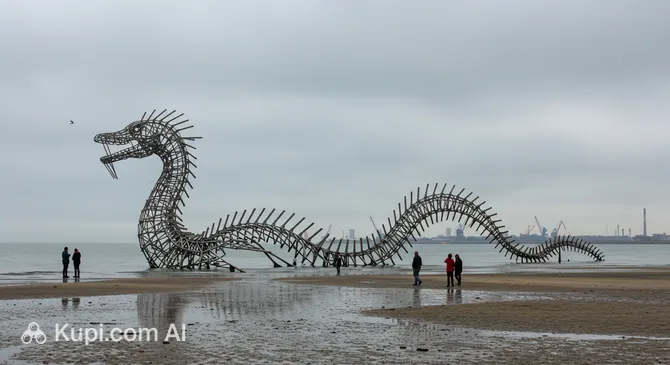
  • The coastline is home to a monumental and slightly eerie artistic installation known as the Serpent d'océan. Created by artist Huang Yong Ping, this giant aluminum skeleton of a sea snake is situated on the beach and is best viewed at low tide, appearing as if it has washed ashore from the depths of the Atlantic.

  • The Espadon Submarine, which visitors can now explore, holds a significant place in naval history. Before becoming a museum piece, it was the very first French submarine to successfully dive beneath the Arctic ice pack, a pioneering journey completed in 1964.

Serpent d'océan. Source: Kupi.Binoculars

How to Get There

Reaching this vibrant port city is quite convenient thanks to its proximity to major transport hubs in western France. Whether you prefer flying or taking the train, there are several efficient routes to consider. You can find all ways to reach the city in our detailed guide, but here is an overview of the most common options.

The city of Saint-Nazaire does not have its own airport, but you can fly into Nantes Atlantique Airport (IATA: NTE) in the city of Nantes, which is about 47.6 km from Saint-Nazaire. As a large international facility, it offers the widest range of flight connections in the region. The journey by taxi or bus generally takes approximately 90 minutes. Alternatively, you can choose Rennes Airport (IATA: RNS) located in Rennes, roughly 95 km away. While it handles less traffic, it serves as a viable alternative, with a transfer time of around 2 hours and 45 minutes.

For clarity, here is a summary of the main airports:

Airport Name City Passenger Traffic Km from City
Nantes Atlantique Airport Nantes Large 47.6
Rennes Airport Rennes Medium 95.4
La Rochelle La Rochelle Medium 144.5
Pleurtuit Airport Dinard Small 146.4
Lann Bihoue Airport Lorient Small 107.1

Traveling by rail is another popular choice for visiting the region. While the city is connected to the national network, you may arrive via a major regional hub. You can arrive at the Nantes Railway Station in the city of Nantes, which is about 51 km from Saint-Nazaire. From there, you can get a taxi or bus, which takes about 50 minutes. Another significant option is Rennes Station in the city of Rennes, located approximately 100 km away. From this station, the onward journey by road takes about 1 hour and 30 minutes.

Below is a list of major railway stations in the vicinity:

Station City Passenger Traffic Km to Center
Nantes Railway Station Nantes Very Large 51.2
Rennes Station Rennes Very Large 100.7
Angers Saint-Laud Station Angers Large 126.9
Le Mans Railway Station Le Mans Large 197.7
Poitiers Railway Station Poitiers Large 208.6

Main Attractions

Saint-Nazaire offers a compelling mix of industrial heritage and seaside charm, with its most famous sites centered around the harbor and the historic submarine base. The city has successfully transformed its wartime structures into dynamic cultural spaces, making it a unique destination for those interested in maritime history and engineering marvels.

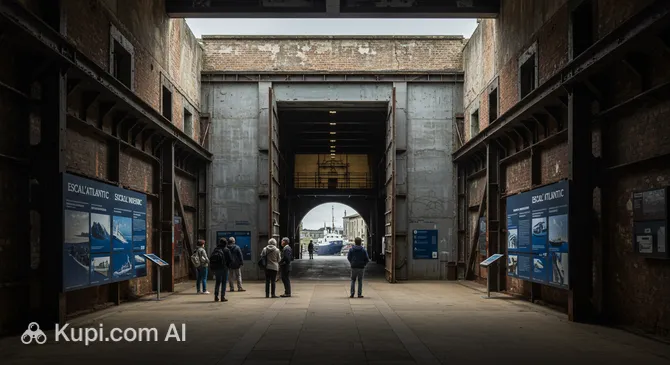
One of the absolute highlights is Escal'Atlantic, a fascinating museum located inside the former submarine base. This attraction is dedicated to the legendary ocean liners built in Saint-Nazaire's shipyards. Visitors can wander through reconstructed cabins, bars, and engine rooms, enjoying an immersive experience that captures the glamour of transatlantic travel. It is a perfect stop for families and anyone curious about the golden age of cruising.

Escal'Atlantic. Source: Kupi.Binoculars

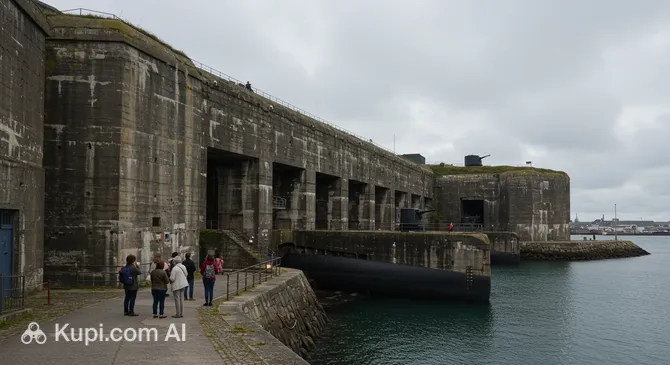
The structure housing the museum is an attraction in itself: the Saint-Nazaire Submarine Base. This massive concrete bunker, built during the Second World War to protect German U-boats, dominates the harbor with its sheer size. Today, it has been reclaimed by the city and serves as a vibrant hub for tourism and culture. Walking around its vast, fortified locks provides a striking contrast between the dark history of the war and the city's modern artistic spirit.

Saint-Nazaire Submarine Base. Source: Kupi.Binoculars

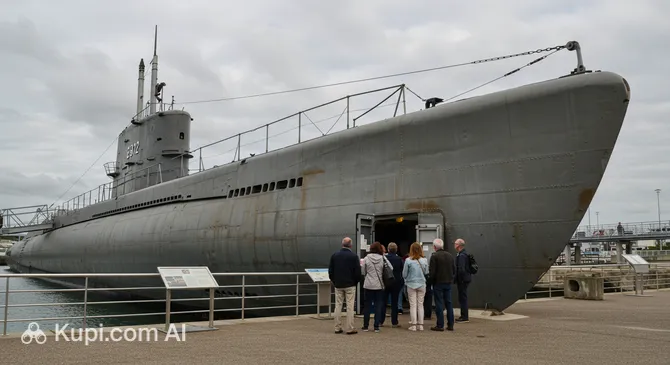
Just a short walk away, you can board the Espadon Submarine. This decommissioned French military vessel offers a rare opportunity to see life from the inside of a submarine. It is famous for being the first French submarine to dive beneath the Arctic ice pack. An audio guide leads you through the narrow corridors, torpedo rooms, and living quarters, giving you a vivid sense of the confined conditions crew members endured during their missions.

Espadon Submarine. Source: Kupi.Binoculars

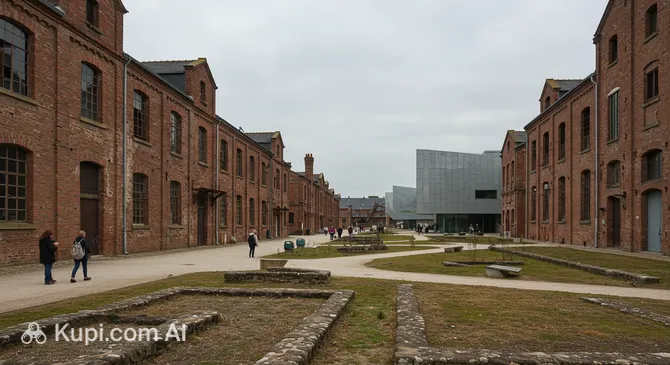
For a broader understanding of the local history, the Ecomuseum of Saint-Nazaire is the place to go. Located near the harbor, this museum tells the story of the city from its origins as a small port to its rise as a shipbuilding giant. It also covers the devastating destruction of the city during the war and its subsequent reconstruction. The collection includes impressive models of ships and aircraft, showcasing the industrial prowess that defines the region.

Ecomuseum of Saint-Nazaire. Source: Kupi.Binoculars

Local Cuisine

Saint-Nazaire's culinary scene is a delightful reflection of its unique geography, bridging the maritime traditions of Brittany with the rich produce of the Loire Valley. Unsurprisingly, fresh seafood is the cornerstone of the local diet. Visitors should not miss the opportunity to indulge in a seafood platter, featuring locally sourced oysters, mussels, and langoustines. A signature dish to look out for is fish served with beurre blanc, a luxurious butter and vinegar sauce that originated in the region and pairs perfectly with the white fish caught off the coast.

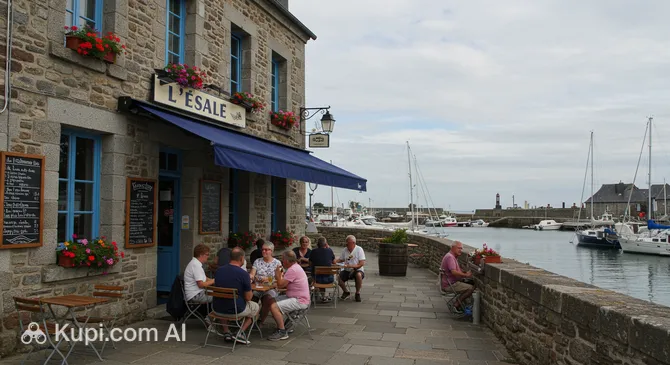
The city's historical ties to Brittany are evident in the popularity of galettes, savory buckwheat pancakes that are a staple comfort food. Typically filled with ingredients like ham, cheese, and eggs, they make for a hearty lunch. For dessert, the sweet version, crêpes, are ubiquitous and often topped with the region's famous salted caramel butter. If you are looking for a place to enjoy a meal, you might consider visiting L'Escale, a restaurant that offers a taste of local hospitality.

L'Escale. Source: Kupi.Binoculars

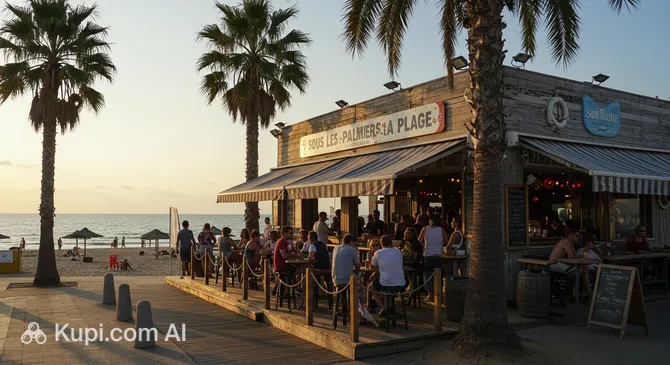
No meal in Saint-Nazaire is complete without the appropriate local beverage. The vineyards of the Loire Valley are close by, making Muscadet—a dry, crisp white wine with notes of citrus—the drink of choice for seafood lovers. Alternatively, traditional apple cider is widely enjoyed, especially when paired with galettes. For a more relaxed vibe, perhaps after a day of sightseeing, you can unwind at Sous les palmiers la plage, a bar that captures the laid-back seaside atmosphere of the city.

Sous les palmiers la plage. Source: Kupi.Binoculars

The food culture here is authentic and unpretentious. Locals often flock to the central market, Les Halles, to purchase fresh produce, regional cheeses like Curé Nantais, and artisanal specialties. For dining out, the area around the harbor and the Petit Maroc district offers a variety of options, ranging from traditional brasseries to modern bistros. Whether you are grabbing a quick bite at a street stall or enjoying a long dinner with a view of the estuary, the flavors of Saint-Nazaire are sure to leave a lasting impression.

Travel Tips

Preparing for a trip to Saint-Nazaire is exciting, as this city offers a distinct blend of industrial might and seaside relaxation. To ensure your journey is as smooth and enjoyable as possible, here are some practical tips to keep in mind before you go.

  1. Clothing and Gear: Given the oceanic climate of France's western coast, the weather can be changeable. Even in summer, a cool breeze from the Atlantic is common, so bring a windbreaker or a waterproof jacket. Layering is key, as mornings can be crisp while afternoons get warm. Comfortable walking shoes are a must, especially if you plan to explore the concrete expanse of the submarine base or climb the stairs inside the attractions.
  2. Transportation: The city has an efficient public transport network managed by STRAN. The rapid bus line, known as HélYce, connects the city center, the railway station, and the beaches quickly and reliably. For a more leisurely pace, the city is quite bicycle-friendly, with rental bikes (Vélycéo) available. While a car is useful for exploring the wider region, you can easily navigate Saint-Nazaire itself on foot or by bus.
  3. Finances: The local currency is the Euro (€). Credit and debit cards (Visa and Mastercard) are widely accepted in hotels, restaurants, and museums. However, it is wise to carry some cash for small purchases at bakeries or the local market. Tipping is not mandatory as a service charge is included in the bill, but leaving small change or rounding up is a polite gesture if you enjoyed the service.
  4. Health and Safety: Saint-Nazaire is generally a safe city for tourists. Pharmacies are easily recognizable by a flashing green cross sign and can provide advice for minor ailments. For serious emergencies, dial 112, the universal European emergency number. Tap water is safe to drink, so you can carry a reusable water bottle to stay hydrated.
  5. Communication: The official language is French. While staff at major tourist sites like Escal'Atlantic generally speak English, it may be less common in smaller local shops or cafés. Learning a few basic phrases like "Bonjour" (Hello), "Merci" (Thank you), and "S'il vous plaît" (Please) will go a long way in establishing a friendly rapport with locals. Free Wi-Fi is often available in public buildings and cafés.
  6. Local Etiquette: Politeness is highly valued. Always greet shopkeepers or staff with a friendly "Bonjour" when entering an establishment and "Au revoir" when leaving. When dining out, keep in mind that lunch is typically served between 12:00 PM and 2:00 PM, and dinner from 7:00 PM to 9:00 PM. Trying to order a full meal outside these hours can be difficult in traditional restaurants.
  7. What to Avoid: Avoid planning major shopping trips on Sundays. Like in many parts of the country, most shops and supermarkets in Saint-Nazaire are closed on Sundays, although some bakeries and small food markets may open in the morning. Plan your supplies accordingly to avoid disappointment.
  8. Check the Tides: If you plan to visit the beaches or see the famous Serpent d'océan sculpture, always check the tide tables (marées). The appearance of the coastline changes dramatically between high and low tide. To see the sculpture fully revealed or to enjoy the sandy beaches at their widest, low tide is the best time to visit.

By keeping these practical details in mind, you will be well-equipped to navigate the city with ease and confidence. Saint-Nazaire is a welcoming destination, and a little preparation allows you to focus entirely on its unique heritage and stunning coastal views.

Entertainment & Nightlife

While Saint-Nazaire is not primarily known as a wild party destination, its nightlife has evolved significantly, offering a laid-back and convivial atmosphere that centers around the sea. The evening scene is less about thumping nightclubs and more about enjoying "l'apéro"—drinks with friends on a terrace while watching the sun set over the estuary. The vibe is welcoming and unpretentious, reflecting the city's working-class roots and its modern seaside renewal.

The beating heart of the city's nightlife is undoubtedly the Place du Commando. Located right on the waterfront, this lively square is lined with bars and restaurants that stay open late. It is the perfect spot to start the evening, with crowds gathering to enjoy cocktails and local wines with a view of the ocean. In the summer, the atmosphere here is electric, often accompanied by outdoor concerts and cultural events. Another key area is Saint-Marc-sur-Mer, famous for its holiday village feel, where you can find beach bars that offer a relaxed setting with your feet in the sand.

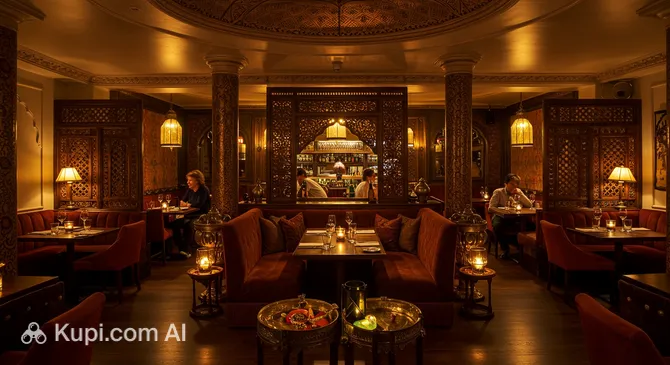
If you are looking for a place to enjoy a drink in a classic setting, you might visit Le Maharajah. This venue is a popular choice for locals and visitors alike, offering a comfortable environment to unwind after a day of exploration. It represents the typical friendly bar culture of the city, where conversation flows easily.

Le Maharajah. Source: Kupi.Binoculars

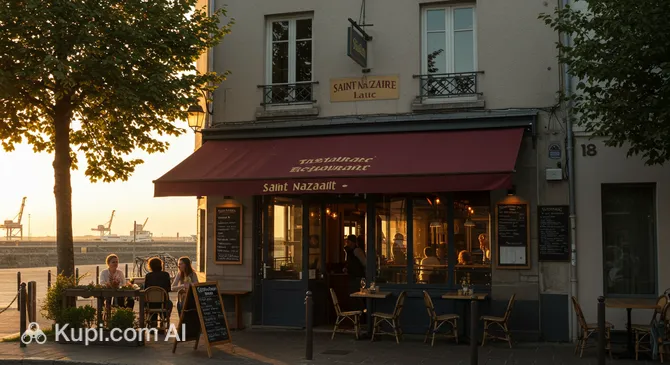
Dining late can sometimes be a challenge in smaller French cities, but there are options available. For those staying near the commercial districts or looking for a reliable meal in the evening, the Saint-Nazaire / Trignac Restaurant provides a convenient stop. It is situated in the Trignac area, which is a short drive from the city center and hosts various amenities.

Saint-Nazaire / Trignac Restaurant. Source: Kupi.Binoculars

Practical Nightlife Tips:

  • Timing: The nightlife peaks on Friday and Saturday nights. Bars typically close around 1:00 AM or 2:00 AM. If you plan to dine out, aim to arrive by 8:30 PM, as kitchens often close earlier than the bars themselves.
  • Dress Code: The style in Saint-Nazaire is "casual chic." You will feel comfortable in jeans and a nice top; there is rarely a need for formal attire unless you are attending a specific gala.
  • Getting Around: The HélYce bus line runs until late in the evening, connecting the center with outlying districts. However, for late-night returns, it is best to book a taxi in advance or use a ride-sharing app, as hailing a cab on the street can be difficult at night.
  • Safety: The Place du Commando and the city center are generally well-lit and safe for walking at night. As with any city, it is advisable to stay in populated areas and avoid unlit shortcuts through the industrial zones or quiet parks after dark.

When the sun is up, the entertainment options shift towards culture and leisure. The city boasts a vibrant theater scene, with Le Théâtre, a national stage, offering high-quality performances ranging from dance to drama. For a more casual day out, especially if the weather is overcast, you can head to the Trignac Shopping Center. This large commercial hub offers a variety of shops and eateries, making it a practical destination for a bit of retail therapy or a family outing before the evening festivities begin.

Trignac Shopping Center. Source: Kupi.Binoculars

Parks & Museums

While Saint-Nazaire is famous for its industrial might and maritime infrastructure, the city also offers surprising pockets of greenery and a rich cultural landscape. Beyond the shipyards, visitors can discover peaceful gardens, scenic coastal paths, and museums that preserve the unique heritage and artistic spirit of this Atlantic port.

Parc Paysager is the city's "green lung," a vast recreational area located just behind the seafront. Spanning nearly 50 hectares, this park is a favorite among locals for its winding paths, large lake, and diverse tree species. It provides a perfect contrast to the urban center, offering ample space for picnics, jogging, or simply relaxing by the water. The park's design naturally integrates the coastal environment, making it a seamless transition from the city streets to the ocean breeze.

For botany enthusiasts, the Jardin des Plantes offers a more intimate and floral experience. Situated closer to the coast, this garden is a haven of tranquility, showcasing a variety of plants that thrive in the mild oceanic climate. It is an ideal spot for a quiet stroll, allowing visitors to admire colorful flowerbeds and carefully manicured landscapes away from the bustle of the harbor.

Saint-Nazaire's cultural scene is anchored by institutions that celebrate both its history and modern creativity. Le Grand Café is a contemporary art center housed in a historic building that miraculously survived the bombings of World War II. Unlike a traditional museum, it hosts rotating exhibitions by international artists, focusing on experimental and immersive works. It is a key venue for those interested in modern artistic expression within a historical setting.

To truly understand the city's past, a visit to the Ecomuseum of Saint-Nazaire is essential. Located near the harbor, this museum acts as the memory of the city, housing a vast collection of objects, photographs, and scale models. It provides a comprehensive narrative, tracing the evolution from a small pilot's village to a shipbuilding giant, and documenting the daily life of its inhabitants through the centuries.

Another cultural highlight is Escal'Atlantic, which functions as a unique interpretation center. While often described as an attraction, it serves a vital museum role by preserving the legacy of the great ocean liners. Through its collection of authentic artifacts—from silverware to cabin furniture—it educates visitors on the craftsmanship and social history of transatlantic travel.

For a unique experience off the beaten path, consider visiting the Tumulus of Dissignac. Located on the outskirts of the city, this megalithic monument dates back over 6,000 years, making it older than the Egyptian pyramids. It offers a rare glimpse into the prehistoric era of the region and is often less crowded than the central attractions.

Getting Around

The public transport system in Saint-Nazaire is managed by STRAN and is designed to be both efficient and user-friendly for visitors. The backbone of the network is the HélYce, a high-frequency bus service that operates much like a tram on rubber tires. These distinctive buses run on dedicated lanes through the heart of the city, connecting key locations such as the railway station, the city center, the commercial zones, and the beaches. Complementing this main artery are standard urban bus lines and suburban shuttles that serve the residential neighborhoods and surrounding villages.

Fare options are simple and affordable, catering well to short-term stays. A single journey ticket typically costs around €1.50 if purchased in advance, though the price is slightly higher if you buy it directly from the driver on board. Tickets are generally valid for one hour, allowing for transfers between lines. For tourists planning extensive sightseeing, a daily pass offers unlimited travel for 24 hours at a very reasonable rate, making it a cost-effective choice for exploring the city from the harbor to the submarine base.

You can purchase tickets at the Espace Mobilité located at the train station, which is also the best place to pick up route maps and ask for advice. Ticket vending machines are available at major HélYce stops, accepting both cards and cash. For added convenience, you can download the official mobile app to buy and validate digital tickets directly on your smartphone. It is crucial to remember to validate your physical or digital ticket every time you board a bus to avoid potential fines.

Beyond buses, Saint-Nazaire is a bike-friendly city with a growing network of cycling paths, particularly along the scenic seafront. The local Vélycéo service offers bicycle rentals, including electric bikes, which are perfect for navigating the flat coastal terrain. While the municipal service is popular with residents, several private rental shops near the coast cater specifically to tourists looking to explore the "Vélocéan" routes at a leisurely pace.

For destinations not covered by the bus network or for late-night travel, taxis are available, although they are not typically hailed on the street. It is recommended to book a ride in advance through a local dispatch service or the "Taxis Nazairiens" central number. Additionally, the regional TER trains act as a convenient extension of the local transport, providing quick and frequent connections to nearby resort towns like Pornichet and Le Croisic, effectively serving as a coastal metro system.

Accommodation

Accommodation:

Finding a place to stay in Saint-Nazaire is generally straightforward, offering a range of options that cater to both the city's industrial business visitors and the growing number of leisure tourists. The accommodation landscape is dominated by reliable mid-range chain hotels and modern apartment rentals, reflecting the city's post-war reconstruction and functional design. While you won't find the ultra-luxury palaces typical of nearby La Baule, Saint-Nazaire provides comfortable, high-quality lodgings that are often more affordable than its famous neighbors.

For those who want to be in the heart of the action, the City Center and the area around the Railway Station are the most convenient locations. Staying here places you within walking distance of the main shopping streets, the Ruban Bleu shopping complex, and the HélYce bus lines. This area is practical for travelers arriving by train who want easy access to urban amenities and restaurants without needing a car.

If you prefer a more scenic setting, look for accommodation near the Seafront or the Ville-Port district. This area has undergone massive regeneration and is now home to the city's major attractions, including the submarine base and the harbor. Hotels here often offer views of the estuary or the ocean, and you are perfectly positioned for evening walks along the promenade. It is an ideal spot for visitors who want to immerse themselves in the maritime atmosphere.

For a true holiday vibe, consider staying a bit further out in Saint-Marc-sur-Mer. Located just a short bus ride or drive from the center, this district feels like a separate seaside village. It is famous for being the setting of Jacques Tati's film Monsieur Hulot's Holiday. Accommodation here tends to be smaller, independent hotels or vacation rentals, offering direct access to sandy beaches and a relaxed, family-friendly environment.

Booking and Prices:

Prices in Saint-Nazaire are generally competitive, often falling into the budget to mid-range category. Because the city attracts many business travelers during the week for the shipyards and Airbus industries, hotel rates can sometimes be lower on weekends, which is a bonus for tourists. However, during the peak summer months of July and August, demand increases significantly as visitors flock to the coast. It is highly recommended to book your accommodation well in advance during this period to secure the best locations and rates. Online booking platforms are the most common and efficient way to reserve your stay.

Nearby Cities

For those looking to explore the surroundings, Saint-Nazaire serves as an excellent base for day trips to several interesting nearby locations:

The most prominent destination is undoubtedly Nantes, the historical capital of the Dukes of Brittany. Just a short journey up the river, this vibrant city blends medieval heritage with modern artistic innovation. Visitors can explore the impressive Castle of the Dukes of Brittany or marvel at the mechanical wonders of the Machines de l'île, including a giant rideable elephant. It offers a perfect mix of shopping, dining, and culture.

For a quieter experience closer to nature, Coueron offers a peaceful retreat along the banks of the Loire. It is well-known among art lovers for the "Maison dans la Loire" (House in the Loire), a surreal sculpture of a house partially submerged in the river, which is part of the famous Estuaire art trail. The town provides scenic walking paths that allow you to appreciate the unique landscapes of the estuary.

City Population Distance (km)
Nantes 318808 50
Saint-Herblain 47415 43
Reze 42919 52
Orvault 27209 45
Coueron 22309 37

These nearby destinations offer a glimpse into the diverse culture and landscapes of the region.

Shopping & Souvenirs

Shopping:

Shopping in Saint-Nazaire is a convenient and varied experience that reflects the city's modern layout. Unlike many ancient French towns with narrow winding lanes, Saint-Nazaire offers spacious avenues and contemporary commercial spaces. Visitors can find everything from international fashion chains and large department stores to small independent boutiques selling regional specialties. The city effectively combines high-street retail with authentic local commerce, ensuring that both daily needs and souvenir hunting are well catered for.

The heart of the city's retail activity is the Avenue de la République. This long, straight boulevard cuts through the city center and is lined with a mix of clothing stores, pharmacies, banks, and cafes. It connects the town center to the harbor area, making it a natural path for a shopping stroll. Another key area is the Ville-Port district, which has been revitalized to include leisure and retail spaces alongside the cinema and restaurants, creating a dynamic environment for shoppers.

Saint-Nazaire is home to the Ruban Bleu, an award-winning open-air shopping center located in the Ville-Port area. Its modern architecture and pedestrian-friendly design make it a pleasant place to browse popular fashion and lifestyle brands while enjoying the fresh sea air. For a more extensive commercial experience, the Trignac Shopping Center is situated just on the outskirts of the city. This large complex hosts a massive hypermarket and numerous big-box retailers, covering everything from electronics to sports equipment, making it a practical stop for stocking up on supplies.

For a taste of authentic local life, a visit to the central market, Les Halles, is a must. Housed in a striking post-war building, this covered market is bustling with activity, especially on Tuesday, Friday, and Sunday mornings. Here, you can find the freshest seafood caught just off the coast, high-quality meats, and fresh seasonal vegetables. It is also the perfect spot to pick up local cheeses and artisanal products directly from producers.

When looking for gifts to take home, consider items that celebrate the region's maritime heritage. Guérande salt, harvested in the nearby salt marshes, is a culinary staple and makes for an excellent, lightweight gift. The region is also famous for its butter biscuits, particularly those from the Saint-Michel brand, which has its origins nearby. Given the city's connection to the legendary ocean liners, nautical-themed items such as the classic marinière (striped sailor shirt) are also popular choices.

Most shops in the city center are open from Monday to Saturday, typically between 10:00 AM and 7:00 PM. While large shopping centers like Ruban Bleu and Trignac stay open during lunch hours, smaller independent boutiques may close for a break between 12:30 PM and 2:00 PM. It is important to note that, with the exception of food markets and some small grocery stores, almost all shops are closed on Sundays. Credit and debit cards (Visa and Mastercard) are widely accepted, even for small amounts, though having some cash for the market is advisable.

Travelers residing outside the European Union may be eligible for a VAT refund on purchases. If you spend more than €100.01 in a single store on the same day, you can ask the retailer for a tax-free form (détaxe). Look for the "Tax-Free Shopping" sign in store windows to identify participating merchants and ensure you have your passport with you to process the paperwork.
Reached the end of the page?

That means the route is fully explored