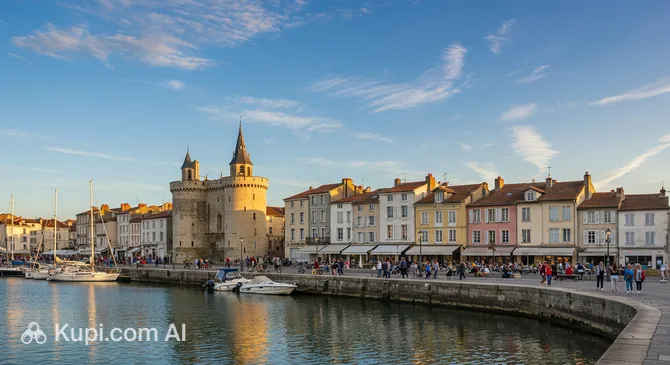
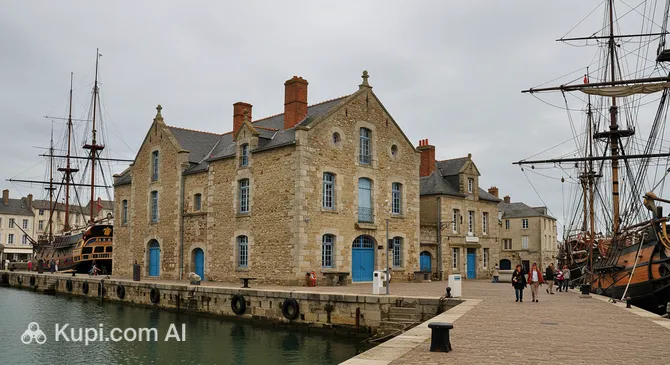
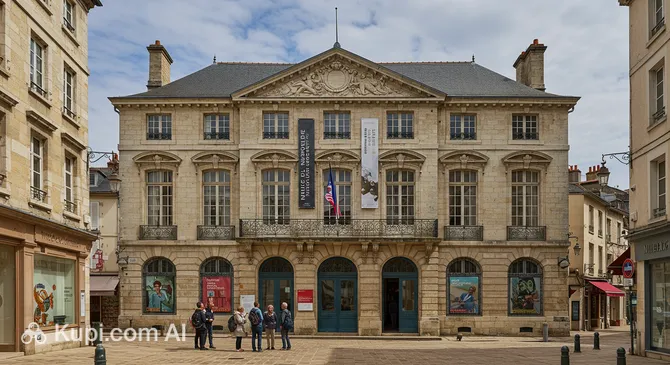
The public transport system in La Rochelle is renowned for being efficient, eco-friendly, and highly integrated. Managed under the brand Yélo, the network seamlessly combines buses, boats, and bicycles, making it exceptionally easy for visitors to navigate the city and its surrounding suburbs without a car. The central hub for most bus lines is the Place de Verdun, located just a short walk from the historic center.
The backbone of the system is the extensive bus network, recognizable by its distinctive yellow vehicles. These buses cover the entire urban area, connecting the downtown district with the train station, the beach at Les Minimes, and outlying neighborhoods. For tourists, the most useful lines are often those linking the Old Port to the beach districts and the Ile de Ré bridge. While there is no metro or tram system, the buses are frequent and reliable, offering a comfortable way to reach destinations that are too far to walk.
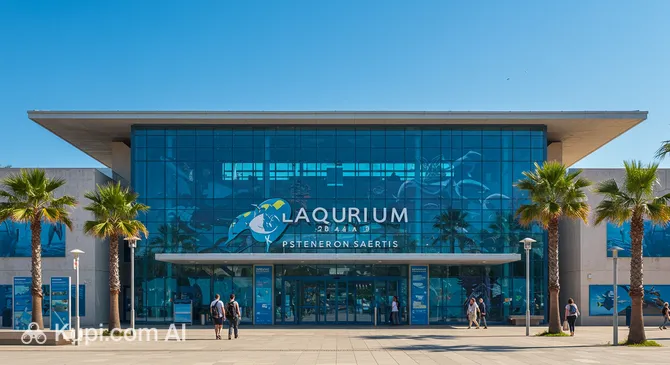
A unique and highly recommended feature of La Rochelle's transport is its maritime service. The Bus de Mer (Sea Bus) functions exactly like a regular bus but on water, ferrying passengers between the Old Port (Vieux Port) and the Port des Minimes. It offers a scenic mini-cruise for the price of a standard ticket. Additionally, the Passeur is an electric boat that provides a quick shuttle service across the harbor channel, connecting the historic center with the Ville-en-Bois district and the Aquarium, saving pedestrians a long walk around the docks.
For payment, the system is designed to be user-friendly. A single trip costs approximately €1.50, but tourists can benefit from various passes, such as a 24-hour or 7-day pass, which allow unlimited travel on buses and boats. Tickets can be purchased directly from the driver (cash only, exact change recommended), at automatic vending machines at major stops, or at the "Maison de la Mobilité" on Place de Verdun. However, the most convenient option is to use the Yélo mobile app, which allows you to buy and validate tickets directly on your smartphone.
When using the transport system, remember to validate your ticket every time you board a bus or boat to avoid fines. Buses generally operate from around 6:00 AM to 9:00 PM, though schedules are often extended later into the evening during the busy summer season to accommodate the influx of visitors. On Sundays and public holidays, the frequency of service is reduced, so it is wise to check the timetable in advance via the app or at bus stops.
Given the compact nature of the city center, walking is often the best alternative for exploring the historic districts, which are largely pedestrianized. For longer distances or late-night travel when buses are not running, taxis are available, though they typically need to be booked by phone or found at designated ranks, such as the one at the train station. Ride-sharing apps are present but may have longer wait times than in larger metropolises.
Finally, the city is famous for its pioneering bike-sharing scheme, also part of the Yélo network. Visitors can pick up the iconic yellow bikes from numerous self-service stations scattered throughout the city. The first 30 minutes are often free or very cheap depending on your subscription plan, making it a perfect, healthy alternative for short trips along the scenic coastal promenades.