Support

Bergerac

About

Nestled in the purple heart of the Périgord region, Bergerac is a captivating destination renowned for its fine wines and medieval charm. Located in the southwest of France, this picturesque town sits elegantly on the banks of the Dordogne River, offering visitors a delightful blend of heritage, culture, and gastronomy. It serves as a perfect gateway to the Dordogne department, known for its lush landscapes and historic sites.
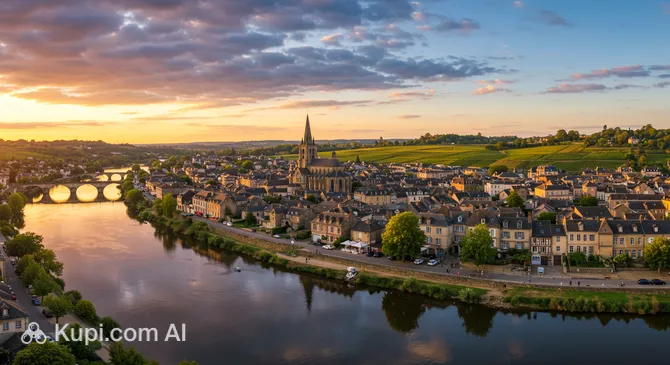
Bergerac. Source: Kupi.Binoculars

With a population of approximately 26,800 inhabitants, Bergerac maintains a friendly and welcoming atmosphere typical of the Nouvelle-Aquitaine region. The town enjoys a generally mild climate that favors the extensive vineyards surrounding the area. Its geographical setting makes it an ideal base for exploring the valley, where the river winds through rolling hills and scenic countryside.

The history of Bergerac is deeply reflected in its architecture, particularly within the Vieille Ville (Old Town). Here, beautifully preserved half-timbered houses line cobblestone streets that lead down to the old harbor, a testament to the town's past as a bustling river trading port. Although the real Savinien de Cyrano never actually lived here, the town has affectionately adopted the famous character from Edmond Rostand's play, Cyrano de Bergerac, and visitors can find iconic statues dedicated to the long-nosed musketeer in the city squares.

Travelers are drawn to the city's unique attractions, such as the Maison des Vins, located in a stunning 17th-century cloister, where one can discover renowned local appellations like Monbazillac and Pécharmant. A ride on a traditional flat-bottomed boat, known as a gabarre, offers a relaxing perspective of the city from the water. Additionally, the town is home to the intriguing Tobacco Museum, which provides a fascinating look into the social and cultural history of the crop that once brought wealth to the region.

Whether you are a wine enthusiast, a history buff, or simply seeking a relaxing getaway in a beautiful French setting, Bergerac promises an unforgettable experience. Its vibrant markets, riverside tranquility, and timeless beauty make it a destination well worth visiting.
Weather Overview

The climate in this part of the Dordogne is generally temperate and mild, making it a pleasant destination for most of the year. For a more detailed forecast to help you pack, you can check the specific weather in Bergerac page. The region enjoys distinct seasons that transform the landscape, from the lush greenery of spring to the golden hues of autumn.

Summers are typically warm and inviting, with August seeing average temperatures of 22.6°C and highs often reaching 28.0°C. This is also the driest period, with July and August experiencing only about 6 to 7 wet days per month. In contrast, winters are cooler, with January temperatures averaging 6.4°C and dropping to lows of around 3.4°C. Rainfall is more frequent during the cooler months, particularly in December and March, which can see up to 15 or 16 wet days.

Overall, travelers can expect warm summers with plenty of sunshine and cool, wetter winters. The transitional seasons of spring and autumn offer moderate temperatures between 10°C and 16°C, though showers are common, so keeping an umbrella handy is recommended.

Interesting Facts

Beyond the well-trodden paths of the Old Town, Bergerac holds intriguing stories and hidden gems that add depth to its character. Here are a few lesser-known facts that reveal the city's unique heritage and local legends.

  • The Dordogne River is steeped in mythology, most notably the legend of the "Coulobre." This giant, serpent-like dragon was said to inhabit the river waters, snatching unwary boatmen and washerwomen until it was eventually vanquished by Saint Front, adding a layer of mystique to the scenic riverbanks.

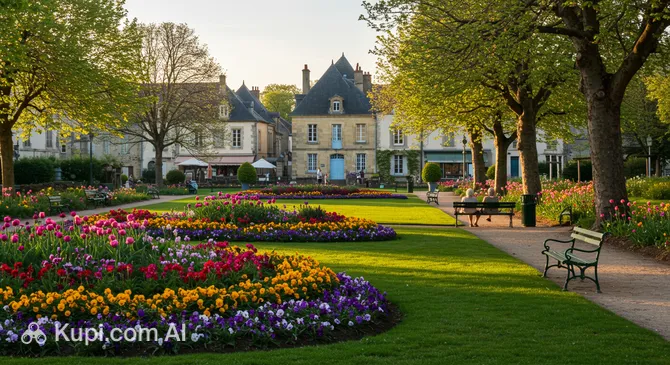
  • While many visitors stick to the historic center, the Pombonne Park serves as the city's "green lung" just a short distance away. It is somewhat unusual for a city park as it features a man-made lake with a sandy beach where swimming is officially permitted during the summer months, making it a favorite local retreat.

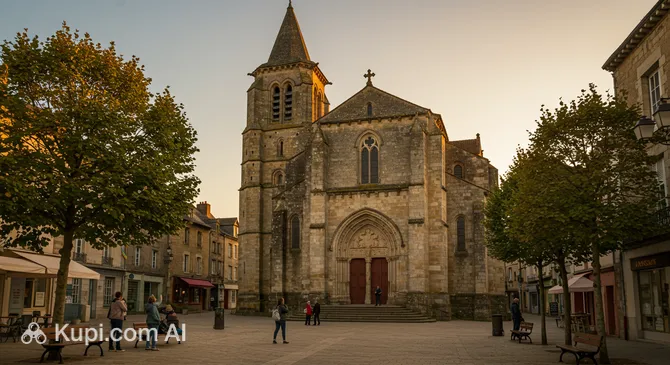
  • The skyline is dominated by the majestic Notre-Dame Church of Bergerac, a prime example of Neo-Gothic architecture. Built in the mid-19th century, it stands on the site of an earlier church that was destroyed during the Wars of Religion, symbolizing the town's resilience and reconstruction.

  • Bergerac played a pivotal role in French history during the 16th century. The "Peace of Bergerac," also known as the Edict of Poitiers, was signed here in 1577 between King Henry III and the Huguenot princes, marking a significant—though temporary—pause in the French Wars of Religion.

Notre-Dame Church of Bergerac. Source: Kupi.Binoculars

How to Get There

Reaching this charming destination in the Dordogne Valley is quite convenient, thanks to its own airport and proximity to major transport hubs in the region. Whether you prefer flying directly into the heart of the vineyards or taking a scenic train ride through the French countryside, you have several options. For a detailed breakdown of all routes and travel tips, you can read more about how to get to Bergerac.

For air travel, the most direct option is Roumanières Airport (EGC), conveniently located just 4.2 km from the city center. It is a regional airport that primarily serves flights from the UK and other European destinations. Being so close, a taxi or shuttle ride to the downtown area is very quick, typically taking around 10 to 15 minutes. For travelers arriving from further afield, Bordeaux Airport (BOD) is a significant international gateway located in Bordeaux, approximately 95 km away. As a major hub, it offers a wider range of flight connections. From Bordeaux Airport, you can reach Bergerac by renting a car or taking a transfer, which generally takes about 1 hour and 30 minutes by road.

For clarity, here is a summary of the main airports:

Airport Name City Passenger Traffic Km from City
Toulouse-Blagnac Airport Toulouse Large 153.1
Bordeaux Airport Bordeaux Large 94.7
Bellegarde Airport Limoges Small 124.8
Roumanières Airport Bergerac Small 4.2
Laroche Airport Brive-la-Gaillarde Small 82.0

If you prefer traveling by rail, it is important to note that while Bergerac has its own regional station, long-distance high-speed trains typically arrive at larger hubs nearby. The most significant of these is Bordeaux Saint-Jean Station in the city of Bordeaux, located about 82 km from Bergerac. This station connects to Paris and other major European cities via the TGV network. From there, you can catch a connecting regional train (TER) or arrange a road transfer, which takes approximately 1 hour and 15 minutes. Another option is the Agen Railway Station in Agen, roughly 72.5 km away, which also serves as a transit point for travelers exploring the Nouvelle-Aquitaine region.

Below is a list of the nearest major railway stations:

Station City Passenger Traffic Km to Center
Bordeaux Saint-Jean Station Bordeaux Very High 82.1
Matabiau Station Toulouse High 158.3
Poitiers Railway Station Poitiers High 192.5
Agen Railway Station Agen Medium 72.5
Montauban Railway Station Montauban Medium 116.3

Main Attractions

Bergerac offers a delightful mix of historical architecture, natural beauty, and cultural hubs that capture the essence of the Périgord region. While wandering through its charming streets, visitors will encounter several key sites that highlight the city's heritage and lifestyle.

Dominating the city skyline, the Notre-Dame Church of Bergerac is a must-see for architecture enthusiasts. This impressive Neo-Gothic edifice, with its soaring spire reaching towards the heavens, serves as a major landmark in the town center. Inside, visitors can admire the spacious nave, beautiful stained glass windows, and the serene atmosphere that offers a quiet respite from the bustling market streets outside. It stands as a testament to the religious and historical importance of the city in the 19th century.

Pombonne Park. Source: Kupi.Binoculars

For those looking to escape into nature without leaving the city limits, Pombonne Park provides a refreshing green oasis. This expansive recreational area is a favorite among locals and tourists alike, featuring a picturesque lake with a sandy beach where swimming is enjoyed during the summer. The park is crisscrossed with walking and cycling paths, allowing visitors to explore its diverse vegetation and observe local wildlife. It is the perfect spot for a family picnic or a leisurely afternoon stroll.

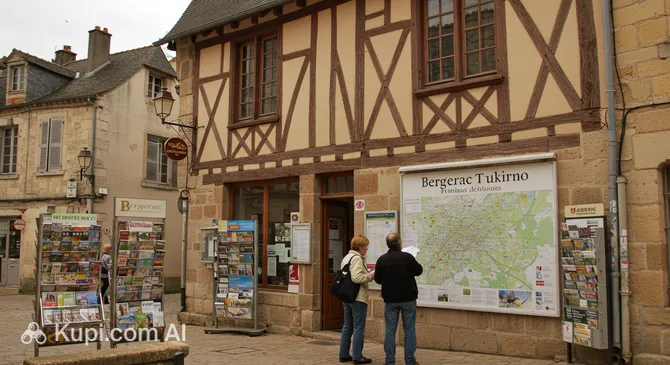
A great starting point for any visit is the Bergerac Tourist Office. Far more than just a place to pick up a map, it is often situated within the stunning Quai Cyrano complex, which blends heritage with modern culture. Here, travelers can gather essential information about guided tours, river cruises, and local events. It also serves as a gateway to understanding the region's viticulture, helping visitors plan their exploration of the surrounding vineyards and tasting experiences.

Bergerac Tourist Office. Source: Kupi.Binoculars

Local Cuisine

The culinary landscape of Bergerac is a true reflection of the generous Périgord terroir, offering a gastronomic experience that is both rustic and refined. At the heart of the local diet is the duck, prepared in various delicious forms. Visitors should not leave without tasting confit de canard, where the meat is slow-cooked to tender perfection, or a grilled magret de canard (duck breast). Another regional staple is foie gras, often served as a starter with toast and onion confit, showcasing the rich culinary heritage of the southwest.

Beyond the main courses, the region is famous for its comforting sides and starters. Pommes sarladaises—potatoes fried in duck fat with garlic and parsley—are the classic accompaniment to meat dishes. For something lighter to begin the meal, try Tourin, a traditional garlic soup thickened with egg whites, which is deeply rooted in local peasant traditions. To finish on a savory note, look for Cabécou, a small, creamy goat cheese from the nearby Rocamadour area, often served warm on a salad.

No meal in Bergerac is complete without the appropriate local vintage. The city is the capital of the Périgord Pourpre (Purple Périgord), named after its vineyards. The most iconic drink is Monbazillac, a sweet golden wine that pairs exceptionally well with foie gras or desserts. For red wine lovers, the Pécharmant appellation offers robust and earthy wines that complement the rich duck dishes perfectly. Non-alcoholic options often include artisan grape juices and syrups made from local fruits like strawberries and walnuts.

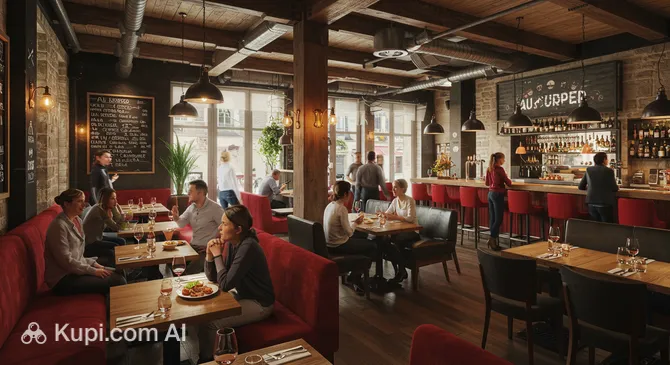
Au Bureau. Source: Kupi.Binoculars

The food culture here revolves around conviviality and fresh, local produce. The traditional markets, particularly the ones held around the Notre-Dame Church and in the covered market hall, are the best places to see locals shopping for seasonal ingredients like truffles, walnuts, and strawberries. For dining out, the Old Town is packed with charming bistros and terraces. If you are looking for a lively brasserie atmosphere to enjoy a meal, Au Bureau is a popular spot among residents and visitors alike.

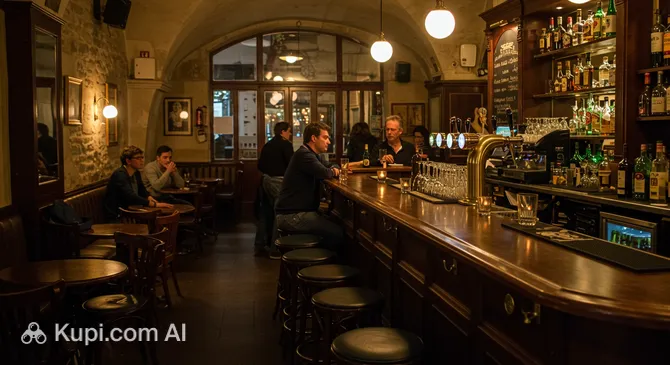
For a more casual evening or a nightcap, the city offers several welcoming venues where you can soak up the local vibe. You might stop by Over The Perfect, a bar known for its friendly service, to enjoy a drink after a day of sightseeing. Whether you choose a simple street-side snack or a multi-course dinner, the warm hospitality of Bergerac ensures a memorable dining experience.

Travel Tips

Welcome to Bergerac, the charming gateway to the Purple Périgord! To ensure your visit to this historic riverside town is as relaxing and enjoyable as a glass of the local Monbazillac, we have compiled a list of essential practical tips for your journey.

  1. Clothing and Gear: The weather in the Dordogne can be changeable, so packing layers is a smart strategy. In summer, light clothing and a sun hat are essential, while a waterproof jacket is recommended for spring and autumn showers. Most importantly, bring comfortable walking shoes; the historic center is paved with charming but uneven cobblestones that are unforgiving to high heels. Don't forget a standard European Type E power adapter for your electronics.

  2. Transportation: The heart of Bergerac, particularly the Vieille Ville, is best explored on foot. For reaching the outskirts or nearby commercial areas, the local bus network, known as TUB, is reliable and affordable. However, if you plan to explore the surrounding vineyards and castles of the Dordogne valley, renting a car is highly recommended, as rural public transport is limited. Taxis are available but should ideally be booked in advance, especially at night.

  3. Finances: The currency is the Euro (€). While credit cards (Visa and Mastercard) are widely accepted in hotels, restaurants, and larger shops, it is wise to carry some cash for small purchases, especially at the open-air markets or in smaller cafés. ATMs are plentiful in the town center. Tipping is not mandatory as a service charge is included in the bill, but leaving small change (pourboire) for good service is a polite gesture.

  4. Health and Safety: Bergerac is a very safe town for tourists, but standard precautions against pickpocketing in crowded areas apply. Pharmacies are easily recognized by a flashing green cross sign and are well-stocked; the staff can often provide advice for minor ailments. In case of a medical emergency, dial 112, the universal European emergency number. Tap water is safe to drink throughout the city.

  5. Communication: The official language is French. Due to the popularity of the Dordogne with British expats and tourists, you will find that English is spoken more widely here than in many other rural French regions. However, learning a few basic phrases like "S'il vous plaît" (please) and "Merci" (thank you) is greatly appreciated. Free Wi-Fi is available in many public spaces, cafés, and the tourist office.

  6. Local Etiquette: Politeness is paramount in French culture. Always greet shopkeepers and staff with a friendly "Bonjour" (or "Bonsoir" in the evening) upon entering, and say "Au revoir" when leaving. This simple interaction is considered essential social grace. When dining, keep your hands visible on the table (but not elbows) and remember that meals are meant to be savored slowly.

  7. What to Avoid: Do not expect shops and businesses to be open continuously throughout the day. Many smaller boutiques, banks, and public services close for a lunch break, typically between 12:00 PM and 2:00 PM. Plan your shopping accordingly and use this time to enjoy a leisurely lunch yourself, just like the locals do.

  8. Market Days: To experience the true local lifestyle, try to visit on a Wednesday or Saturday morning. These are the main market days around the Notre-Dame church and the covered market, where you can buy fresh regional produce like strawberries, walnuts, and cheeses directly from the producers.

By keeping these practicalities in mind, you will be well-prepared to immerse yourself in the laid-back rhythm of Bergerac. Enjoy the warm hospitality, the exquisite flavors, and the timeless beauty of this delightful corner of France!

Entertainment & Nightlife

While Bergerac is better known for its sun-drenched vineyards and historic charm than for a pulsating club scene, the city offers a delightful and convivial nightlife that perfectly reflects the local art de vivre. The evening entertainment here is centered around socializing, savoring excellent regional wines, and enjoying the warm atmosphere of the Old Town (Vieille Ville). As the sun sets over the Dordogne River, the cobblestone streets come alive with locals and visitors gathering for an apéro on the bustling terraces.

The heart of the action is typically found around Place de la Myrpe and the streets leading down to the harbor. Here, the vibe is relaxed and welcoming, with a mix of wine bars, traditional pubs, and late-night brasseries. The dress code is generally casual to smart-casual; you will fit in perfectly with jeans and a nice shirt. Unlike larger metropolises, the nightlife here is intimate, often revolving around live music sessions in bars or long dinners that stretch into the night.

For those seeking a lively spot to enjoy a drink and perhaps some music, Over The Perfect is a popular choice. This bar is known for its friendly service and vibrant atmosphere, making it a great place to mingle with locals. If you prefer the familiar feel of a pub-style venue, Au Bureau offers a spirited setting where you can grab a beer and a burger, often buzzing with energy well into the evening.

Over The Perfect. Source: Kupi.Binoculars

Food is an integral part of the night out in Bergerac. Many evenings begin with a meal that transitions into drinks. O' Coup de Food is another venue worth visiting, offering a pleasant dining experience that captures the culinary spirit of the region. During the summer months, the nightlife expands outdoors with Marchés Nocturnes (Night Markets) held in the vicinity. These events are a highlight, combining street food, local wine stalls, and live entertainment under the stars.

From a practical standpoint, Bergerac is a very safe city for night walks, especially in the illuminated pedestrian center. However, public transport is limited late at night. If you are staying outside the city center or plan to visit a venue on the outskirts, it is essential to book a taxi in advance, as hailing one on the street can be difficult. Prices are reasonable, but availability is the main constraint. Most bars close around 1:00 AM or 2:00 AM, so it is best to start your evening early to make the most of it.

Beyond the nocturnal pleasures, Bergerac offers plenty of daytime entertainment to fill your itinerary. Culture lovers can catch a show or concert at the Centre Culturel Michel Manet, which hosts a variety of performances throughout the year. For a more relaxed afternoon, there are several museums, including the unique Tobacco Museum, and a cinema for movie enthusiasts. Families might also enjoy the nearby bowling alley or go-karting tracks located just a short drive from the town center.

Parks & Museums

While Bergerac is globally celebrated for its vineyards, the city also boasts a rich tapestry of green spaces and cultural institutions that offer a deeper understanding of its heritage. Beyond the glass, visitors can immerse themselves in lush parks and fascinating museums that narrate the story of the Périgord's river trade, artistic legacy, and unique agricultural history.

For those seeking a breath of fresh air, Pombonne Park is the undisputed jewel of the city's natural offerings. Located just a few kilometers from the center, this expansive area acts as a nature reserve and recreational hub rolled into one. It features a large lake with a sandy beach where swimming is supervised during the summer, making it a perfect spot for families. The park is crisscrossed by walking and cycling trails that wind through varied habitats, offering a peaceful escape into the local flora and fauna.

Closer to the heart of town lies the Parc Jean Jaurès, historically known as the Jardin Perdoux. Created in the late 1920s on the site of former nurseries, this park retains a botanical charm with its impressive collection of trees and seasonal flowers. It serves as a classic French city park, complete with a central bandstand, playgrounds for children, and shaded benches that invite passersby to pause and enjoy the tranquility. It is a favorite local spot for a quiet afternoon read or a leisurely stroll near the city center.

Bergerac's museums provide a captivating look into its past, with the Tobacco Museum (Musée du Tabac) standing out as a truly unique venue. Housed in the magnificent Maison Peyrarède, also known as the Château Henri IV, this museum is one of the few of its kind in Europe. It explores the anthropological and cultural history of tobacco, a crop that was once a cornerstone of the region's economy. The building itself is an architectural marvel, featuring Renaissance turrets and mullioned windows that are worth the visit alone.

To understand the soul of the city, a visit to the Musée de la Ville (Museum of the City) is essential. Often referred to as the Wine and Inland Waterway Transport Museum, it is located near the old harbor. The exhibits here vividly recount the history of the Dordogne River trade, showcasing the traditional flat-bottomed boats (gabarres) that once transported oak barrels of wine to Bordeaux. It offers a comprehensive view of how the river and the vineyards shaped the local way of life over centuries.

Art enthusiasts should not miss the Musée Costi, located in the vaulted cellars of the Presbytère Saint-Jacques. This atmospheric gallery displays the works of the sculptor Constantin Papachristopoulos, known as Costi. The collection includes over 60 bronze and plaster sculptures that capture human forms and expressions with remarkable sensitivity. The cool, stone setting of the museum adds a layer of intimacy to the viewing experience, making it a hidden cultural gem.

In addition to these specific venues, the city's streets themselves are a living museum. A walk through the Old Town reveals architectural treasures like the Notre-Dame Church of Bergerac, whose Neo-Gothic silhouette dominates the skyline. For a blend of culture and practical guidance, the Bergerac Tourist Office at the Quai Cyrano complex is an excellent starting point, offering exhibitions that link the region's heritage with its modern wine culture.

For a truly authentic experience, take a walk along the Chemin de Halage (towpath) by the Dordogne River early in the morning. As the mist rises off the water, you can see the city from the perspective of the old boatmen, a peaceful and picturesque side of Bergerac that many day-trippers miss.

Getting Around

Navigating Bergerac is pleasantly straightforward, as the city’s compact size makes it ideal for exploring on foot, particularly within the historic Old Town. However, for reaching the train station, commercial areas, or the outskirts, the city offers an efficient public transport network known as TUB (Transports Urbains de Bergerac). This network is managed by the local agglomeration community and provides a convenient way to move around without a car.

A significant advantage for visitors is that the TUB urban bus network is completely free of charge. This initiative allows tourists to hop on and off the main lines without worrying about purchasing tickets, validating passes, or carrying loose change. The network consists of several key routes, including Line 1 and Line 2, which connect the railway station (Gare SNCF) to major commercial zones like La Cavaille and Les 3 Vallées. These buses are perfect for travelers who need to reach shopping centers or accommodations located slightly further from the historic core.

For those staying in the city center, the Navette Cœur de Ville is a particularly useful service. This free shuttle bus loops through the downtown area, linking the main parking lots, the train station, and the historic quarters. It is smaller than standard buses, allowing it to navigate the narrower streets with ease. The shuttle operates frequently throughout the day, making it an excellent option for saving your legs after a long walk along the Dordogne riverbanks.

While the urban TUB network is free, travel further afield or to the airport typically involves regional lines that do require a ticket. The Region Nouvelle-Aquitaine buses connect Bergerac to neighboring towns and the airport. For instance, the bus line connecting the city to Roumanières Airport generally charges a small fare (approximately €2.30). Tickets for these regional coaches can usually be purchased directly from the driver or at the transport hub near the train station.

Travelers should be aware of the operating hours. The public transport system primarily runs during the day, with services starting around 7:00 AM and finishing in the early evening, typically between 7:00 PM and 8:00 PM. It is important to note that bus services are often unavailable on Sundays and public holidays. Therefore, if you are arriving or departing on a Sunday, you should plan alternative transport in advance.

For travel outside of bus hours or for a more direct service, taxis are a reliable alternative. Unlike in major metropolises, you cannot simply hail a cab on the street. It is essential to book one by phone or via a hotel reception, especially for evening dining or early morning airport transfers. Fares are metered, and while not inexpensive, they offer the most flexibility for night travel.

Given the region's scenic beauty, cycling is another popular mode of transport. Several rental shops in the city offer bicycles, including electric bikes, which are fantastic for exploring the vineyards of Pécharmant or Monbazillac just outside the city limits. The terrain is relatively flat along the river, making it an enjoyable option for leisure cyclists.

Accommodation

Finding the perfect place to stay in Bergerac is an essential part of the travel experience, with options ranging from historic charm to modern convenience. The accommodation landscape is diverse, catering to various budgets and preferences. Visitors can choose from cozy bed and breakfasts (chambres d'hôtes) nestled in ancient buildings, reliable mid-range hotels, and self-catering apartments that are ideal for longer stays. While the city center focuses more on intimate boutique hotels and guesthouses rather than sprawling luxury resorts, the surrounding countryside offers magnificent châteaux converted into upscale retreats.

For those who wish to be in the heart of the action, the Vieille Ville (Old Town) is the most popular area to stay. Booking accommodation here places you within walking distance of the medieval half-timbered streets, the Dordogne riverbanks, and a plethora of restaurants and museums. It is the perfect location for soaking up the atmosphere of the city. Alternatively, the area around the train station offers practical convenience for travelers arriving by rail, providing easy access to both the city center and regional transport links. For a quieter experience, the outskirts of the city near the vineyards offer peaceful settings, often with gardens and pools.

When planning your trip, it is highly recommended to book in advance, especially if you are visiting during the peak summer months of July and August. This is when the region is busiest with festivals and tourists, and the best-located rooms in the historic center tend to fill up quickly. Spring and autumn offer a wider availability and often better rates, allowing for more spontaneity.

In terms of pricing, Bergerac is generally affordable compared to larger French cities. Budget travelers can find comfortable rooms starting from around €60 to €80 per night. Mid-range options, which often include characterful amenities and breakfast, typically range between €90 and €150. For a more luxurious experience, particularly in the surrounding châteaux or high-end guesthouses, prices can exceed €180 per night. Most accommodations are listed on major online booking platforms, but contacting smaller B&Bs directly can sometimes secure a better rate or a more personalized experience.

Nearby Cities

For those looking to explore the surroundings, Bergerac serves as an excellent base for day trips to several interesting nearby locations:

Just a short drive to the north lies Périgueux, the capital of the Dordogne department. This city is a treasure trove for history buffs, offering a unique blend of eras ranging from the Roman Vesunna ruins to the medieval old town. Its skyline is dominated by the striking Byzantine-style domes of the Saint-Front Cathedral, a UNESCO World Heritage site that inspired the design of the Sacré-Cœur in Paris.

For a more urban experience, the world-renowned city of Bordeaux is accessible for a full day trip. As the global capital of wine, it offers magnificent 18th-century architecture, the immersive Cité du Vin museum, and excellent shopping along Europe's longest pedestrian street. A walk along the Garonne riverfront to see the Place de la Bourse and its Water Mirror is a highlight not to be missed.

Heading south, travelers can visit Agen, a town famous for its delicious prunes and strong rugby culture. It offers a relaxed atmosphere with its impressive canal bridge over the Garonne River and a charming historic center characterized by arcaded streets and half-timbered houses.

City Population Distance (km)
Bordeaux 260,958 84
Villenave d'Ornon 36,754 83
Agen 33,012 73
Begles 30,642 81
Périgueux 30,060 41

These nearby destinations offer a glimpse into the diverse culture and landscapes of the region.

Shopping & Souvenirs

Shopping in Bergerac is a delightful experience that focuses less on large international chains and more on authentic regional products and independent boutiques. The city offers a relaxed pace where visitors can browse through artisan crafts, fashion, and, most importantly, the gastronomic treasures of the Périgord. Whether you are looking for a unique gift or simply want to stock up on local delicacies, the town provides a blend of modern convenience and traditional charm.

The main retail activity in the city center is concentrated along the Rue de la Résistance. This bustling street is lined with a variety of clothing stores, shoe shops, and pharmacies, making it the primary destination for general shopping needs. For a more picturesque experience, wander into the winding streets of the Vieille Ville (Old Town), particularly around Place Pélissière and Rue Saint-James. Here, you will find smaller, independent boutiques selling art, handcrafted jewelry, and regional specialties in a setting framed by medieval architecture.

For those requiring a wider selection of goods or larger supermarkets, the city is served by commercial zones on its outskirts. The most notable is the La Cavaille shopping center, located on the route to Bordeaux. It features a large hypermarket and a gallery of branded stores ranging from sports equipment to home decor. Another significant area is the Les 3 Vallées commercial zone on the eastern side of town, which offers additional retail outlets and services.

The true heart of commerce in Bergerac, however, beats in its markets. These are not just places to buy food but social hubs where the local culture thrives. The traditional market takes place on Wednesdays and Saturdays, sprawling around the Notre-Dame Church of Bergerac and inside the covered market hall. Here, producers from the surrounding countryside sell fresh strawberries, asparagus, cheeses, and farm-raised meats. There is also a flower market and, occasionally, flea markets that offer a chance to hunt for antiques and curiosities.

When it comes to souvenirs, the best items to bring back are undoubtedly edible. The region is famous for its duck products, so a jar of foie gras or confit de canard makes for an excellent gift. Wine is another essential purchase; a bottle of sweet Monbazillac or a robust Pécharmant red is a perfect memento of your trip. You can find these at local caves (wine cellars) or even at the Bergerac Tourist Office, which often showcases a curated selection of local products and gifts.

Visitors should be mindful of local business hours. While larger supermarkets stay open throughout the day, many smaller shops in the town center close for a lunch break, typically between 12:00 PM and 2:00 PM. Most stores are open from Monday afternoon to Saturday, with Sunday being a rest day for the majority of businesses. Payment by credit card (Visa and Mastercard) is widely accepted, but it is advisable to carry some cash for small purchases at the market or in smaller bakeries.

Travelers residing outside the European Union may be eligible for a VAT refund (détaxe) on purchases made in a single store exceeding a certain amount, typically around €100. Look for the "Tax Free" sign in shop windows and ask the merchant for the necessary tax refund form at the time of purchase to claim your refund at the airport or border upon departure.

Reached the end of the page?

That means the route is fully explored