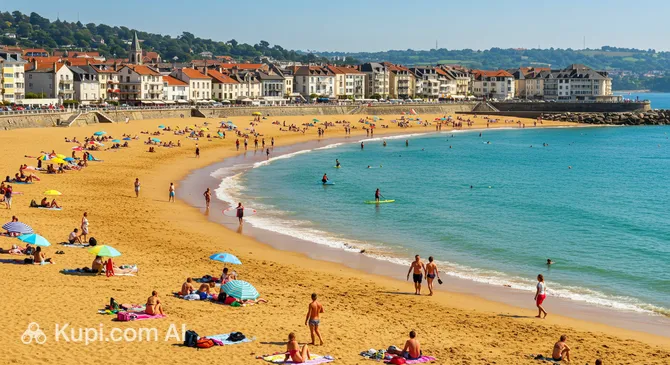
Saint-Jean-de-Luz is a compact and pedestrian-friendly town where most major attractions, the beach, and the historic center can easily be explored on foot. However, for reaching the outskirts, neighboring towns, or accommodation further from the center, the city offers an efficient and unified public transport network known as **Txik Txak**. This network connects the town seamlessly with the wider Basque Country, including Biarritz, Bayonne, and Hendaye.
The primary mode of public transit is the bus system. The orange-colored buses of the Txik Txak network (formerly known as Hegobus in this sector) serve various routes within Saint-Jean-de-Luz and connect it to the adjacent town of Ciboure, as well as nearby villages like Urrugne and Ascain. The buses are modern, comfortable, and generally punctual, though traffic can cause delays during the peak summer season. The main hub for buses is located right next to the railway station (Halte Routière).
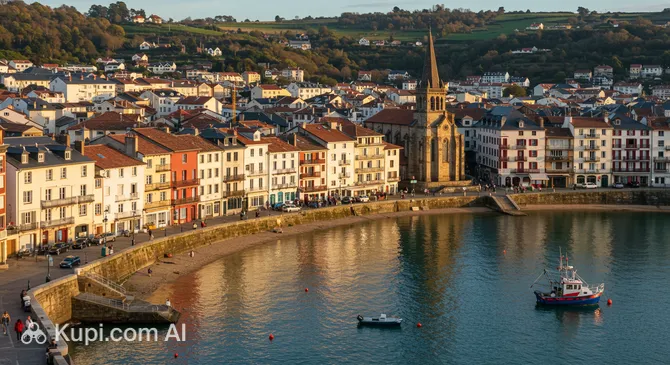
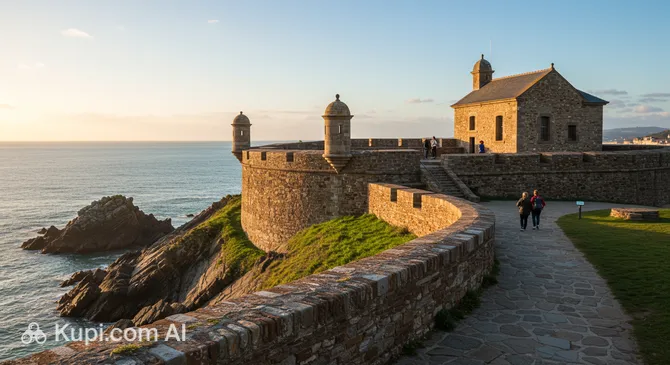
A charming and popular feature of the local transport system is the **maritime shuttle** (Le Passeur). This small boat ferries passengers across the harbor, linking the port of Saint-Jean-de-Luz with the marina of Ciboure. It operates regularly during the tourist season and provides a scenic, quick, and affordable alternative to walking around the bay. It is not just a transport link but a mini-excursion in itself, offering lovely views of the Fort and the bay.
The payment system is designed to be simple for visitors. A standard single-trip ticket typically costs around €1.20 and is valid for one hour, allowing for transfers. You can purchase tickets directly from the driver upon boarding (cash is usually required, and small change is appreciated) or buy them via the dedicated mobile app. For those planning to travel frequently, a 24-hour pass or a rechargeable card can offer better value. Tickets must be validated immediately upon entering the bus.
For exploring the coastline beyond the immediate city limits, the regional **TER trains** are an excellent integration into the local transport mix. From the main station, you can quickly hop on a train to reach the surfing beaches of Guéthary or the Spanish border at Hendaye in just a few minutes. While not a metro system, the frequency of these coastal trains makes them function almost like a rapid transit line for the Basque coast.
Travelers should be aware that schedules vary significantly between seasons. During July and August, services are frequent and run later into the evening to accommodate summer crowds. In the off-season, frequencies may decrease, especially on Sundays and holidays. It is highly recommended to check the current timetables at the bus station or via the official transport website before planning a late-night return.
Alternatives to public transport include taxis and cycling. Taxis can be found at the designated stand outside the railway station, but they are relatively expensive and can be scarce during peak hours; booking in advance by phone is advisable. Cycling is a fantastic option here, as the town is part of the **Vélodyssée** cycling route. There are numerous bike rental shops in the city center, and dedicated paths make it safe and enjoyable to ride along the coast.
Finally, while not part of the commuter network, the **Petit Train** (Little Tourist Train) is a notable mention for visitors. This road-train winds through the historic streets and along the beachfront, offering a guided commentary. It is a practical way for families or those with reduced mobility to see the main sights without the exertion of walking, operating typically from Easter through All Saints' Day.