Support

Soria

About

Nestled on the banks of the Duero River, Soria is a captivating destination known for its literary legacy and stunning Romanesque architecture. Located in the north-central part of Spain, this charming provincial capital offers a tranquil atmosphere far removed from the bustle of larger metropolises. With a population of approximately 40,000 residents, it retains an intimate, small-town feel while serving as a significant cultural hub for the region of Castile and León.

The city has long been a muse for renowned poets, including Antonio Machado, who were inspired by its landscapes and soulful character. Exploring the streets reveals a deep connection to the past, where every corner tells a story. The history of Soria is vividly reflected in its well-preserved monuments and medieval layout. Visitors are often struck by the architectural beauty of the Church of Santo Domingo, celebrated for its magnificent façade, which is considered one of the finest examples of Romanesque art in the country.
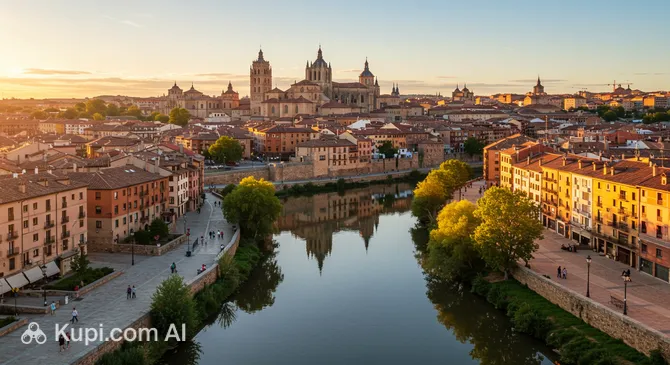
Soria. Source: Kupi.Binoculars

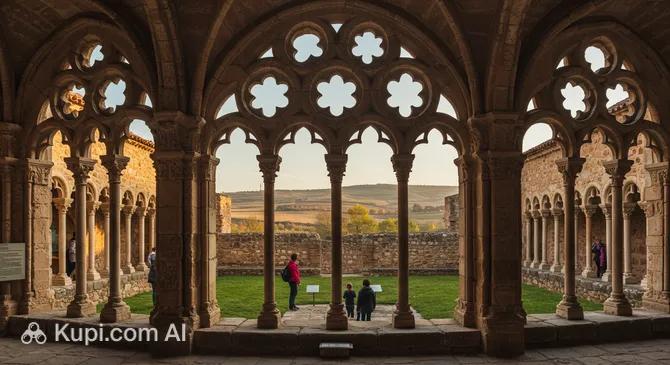
One of the most iconic sights is the Monastery of San Juan de Duero, famous for its unique cloister featuring interlaced arches that create a mesmerizing visual effect. For a scenic walk, the path leading to the Hermitage of San Saturio is unmissable; this sanctuary is built dramatically over a cave along the riverbank and is dedicated to the city's patron saint. The city also boasts the Alameda de Cervantes, a vast park in the city center that offers a lush green retreat for locals and tourists alike.

Whether you are following the footsteps of poets or seeking medieval treasures, Soria promises an authentic and memorable experience. Its blend of cultural richness, historic charm, and natural beauty makes it a perfect destination for travelers looking to discover the heart of the Castilian landscape.
Weather Overview

Understanding the local climate is essential for planning a trip, as the city experiences distinct seasonal changes throughout the year. The weather in Soria generally transitions from brisk, chilly winters to pleasantly warm summers, making the warmer months particularly inviting for sightseeing.

Winter temperatures can be quite cold, with January being the chilliest month, averaging around 2.5°C and seeing lows dip to -1.2°C. In contrast, the summer season offers much milder conditions. August is typically the warmest month, with average temperatures of 20.9°C and highs reaching up to 28.0°C, providing excellent conditions for exploring the province.

Precipitation is spread throughout the year, though it varies by season. April is often the dampest month, featuring about 15 wet days, while the summer months are drier, with August seeing only about 6 wet days. Overall, you can expect warm summers with occasional rain and cold winters.

Interesting Facts

Beyond the main attractions, Soria holds many fascinating secrets and legends that add depth to its historic charm. From heroic ancient battles to ghostly tales that have inspired literature, the city offers plenty of intriguing stories for the curious traveler.

  • The city is deeply connected to the heroic history of Numantia, an ancient Celtiberian settlement that famously resisted the Roman Empire for 20 years. You can explore this legacy and view artifacts from the site at the Numantine Museum, which chronicles the resilience of the region's ancestors.

  • A chilling legend known as "The Mount of Souls" haunts the banks of the Duero River. Immortalized by the poet Gustavo Adolfo Bécquer, the story suggests that the spirits of Templar knights rise on All Saints' Night near the Monastery of San Juan de Duero, adding a mystical aura to the site.

  • Soria is one of the highest provincial capitals in Europe, sitting at an elevation of approximately 1,063 meters above sea level. This altitude contributes to its crisp, pure air and distinct climate, often described in local sayings as "nine months of winter and three of hell," though the summers are actually quite pleasant.

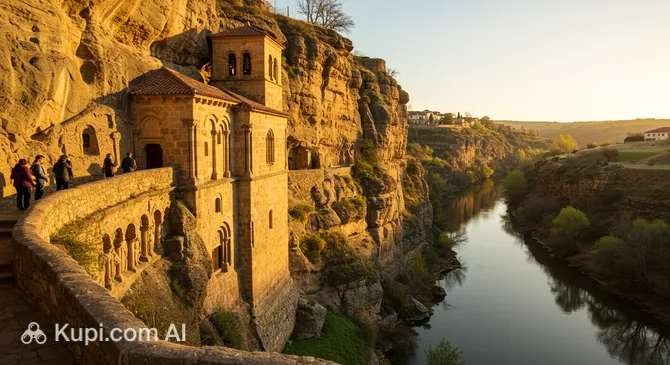
  • The city's patron saint, San Saturio, was a nobleman who gave away his wealth to live as a hermit in a cave by the river. The spectacular Hermitage of San Saturio is built directly over this grotto, appearing to defy gravity as it clings to the rock face over the water.

Hermitage of San Saturio. Source: Kupi.Binoculars

How to Get There

Planning your journey to this historic Castilian city is the first step toward an unforgettable experience. While the province is nestled in a tranquil region, it remains accessible through various modes of transport. You can find more about how to get to Soria and choose the route that best suits your itinerary.

The city of Soria does not have its own airport, but you can fly into Adolfo Suárez Madrid-Barajas Airport (MAD) in the city of Madrid, which is about 169 km from Soria. As a major international hub, it offers the widest range of flight connections. From there, the travel time by road is approximately 2.5 to 3 hours. Alternatively, you can choose Zaragoza Airport (ZAZ) in Zaragoza, located roughly 120 km away. This regional airport is closer, with a transfer time of about 1.5 to 2 hours by taxi or bus.

For clarity, here is a summary of the main airports:

Airport Name City Passenger Traffic Km from City
Adolfo Suárez Madrid-Barajas Airport Madrid Very Large 168.6
Bilbao Airport Bilbao Large 174.1
Zaragoza Airport Zaragoza Medium 120.1
Vitoria Airport Vitoria-Gasteiz Small 125.6
Pamplona Airport Pamplona Small 130.9

If you prefer traveling by train, the city is directly served by Soria Railway Station, which is conveniently located just 1.3 km from the city center. Although it is a smaller station with lighter traffic, it provides a direct link to the heart of the town. For more extensive high-speed connections, travelers often utilize Zaragoza-Delicias Station in the city of Zaragoza, about 131 km away. From Zaragoza, you can continue your journey to Soria by bus or taxi, which takes approximately 1.5 to 2 hours.

Below is a list of relevant railway stations in the region:

Station City Passenger Traffic Km to Center
Zaragoza-Delicias Station Zaragoza Large 131.0
Vitoria Railway Station Vitoria-Gasteiz Medium 120.5
Burgos Railway Station Burgos Medium 119.0
Logroño Railway Station Logroño Medium 76.9
Soria Railway Station Soria Small 1.3

Main Attractions

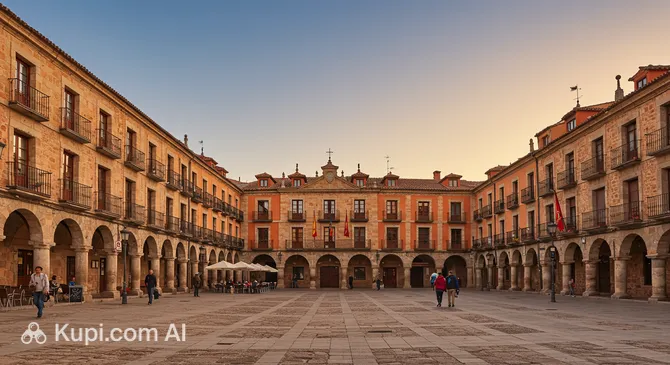
A stroll through the city center naturally leads to the Plaza Mayor of Soria, the heart of local social life. This charming Castilian square is surrounded by significant historic buildings, including the Town Hall and the Palace of Audiencia, which now serves as a cultural center. It is an excellent spot for tourists to admire the traditional architecture, enjoy a coffee on a terrace, and soak in the relaxed atmosphere that defines the city.

Plaza Mayor of Soria. Source: Kupi.Binoculars

Art and history enthusiasts should not miss the Church of Santo Domingo. Dating back to the 12th century, this Romanesque jewel is renowned for its spectacular façade, which is often cited as one of the finest in the entire country. The intricate stone carvings depict various biblical scenes, making it a fascinating "stone bible" that captivates visitors with its detailed craftsmanship and historical significance.

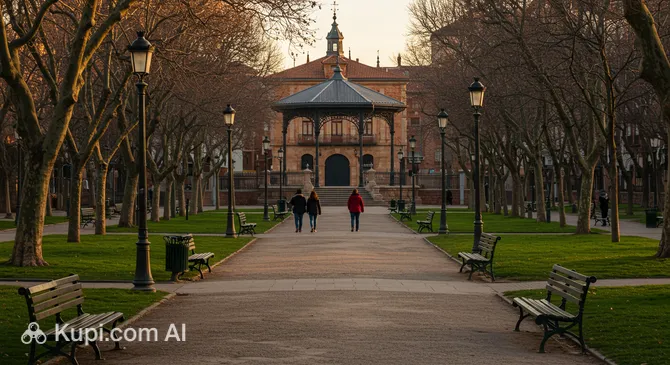
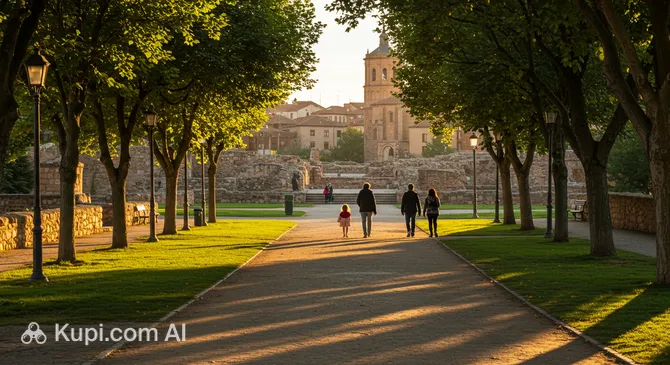
For a refreshing break amidst nature without leaving the city, the Alameda de Cervantes is the perfect destination. Known locally as "La Dehesa," this expansive park serves as the green lung of Soria and is home to hundreds of plant species and the beloved "Tree of Music." It offers a peaceful retreat for walking, picnicking, or simply enjoying the rose gardens and well-kept promenades.

Alameda de Cervantes. Source: Kupi.Binoculars

To capture the best panoramic views of the area, a visit to Castillo Park is highly recommended. Located on the hill where the city's medieval castle once stood, this park offers sweeping vistas of the rooftops, the Duero River, and the surrounding landscapes. It is a favorite spot for photographers and sunset watchers, providing a unique perspective on the city's layout and natural beauty.

Local Cuisine

The local cuisine of Soria is a testament to the region's rich agricultural heritage, offering hearty flavors that reflect the cool climate and the high-quality produce of the Castilian landscape. The gastronomy here focuses on authenticity and raw materials, with a particular emphasis on pork products, game, and forest treasures like mushrooms and truffles. It is a place where traditional recipes are cherished, yet often elevated by modern culinary techniques.

No culinary journey in this city is complete without tasting the famous Torreznos de Soria. These are strips of marinated pork belly that are fried to perfection, creating a unique balance of a super-crispy, golden crust and tender, juicy meat inside. They are far more than just bacon; they are a cultural icon and the most popular appetizer in local bars. Another regional staple is the roast lamb (cordero asado), typically cooked in wood-fired ovens until the meat is succulent and falls off the bone.

Soria is also known as a mycological paradise. In autumn, the menus are dominated by a variety of wild mushrooms, including boletus and milk caps (níscalos). The region is particularly renowned for the Black Truffle of Soria, often referred to as "black gold." During the season, many kitchens feature this aromatic delicacy in everything from scrambled eggs to elaborate tasting menus.

For those with a sweet tooth, the Mantequilla de Soria (Soria Butter) is a must-try product with a Protected Designation of Origin status. Unlike standard butter, it is often sold in a sweet version, mixed with syrup and served in a distinctive roll or tin, making it a favorite souvenir or breakfast treat.

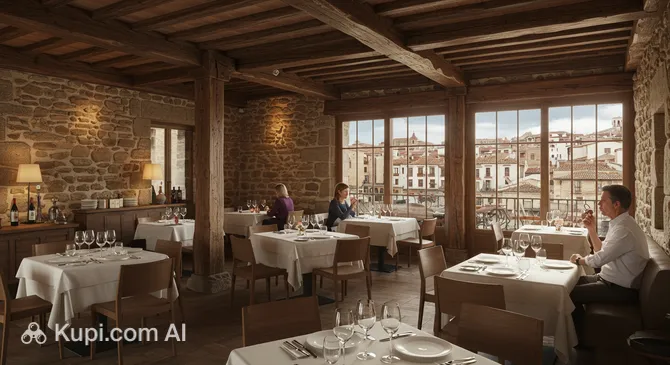
The dining scene in the city ranges from casual tapas bars to sophisticated establishments. For a high-end gastronomic experience that highlights these local ingredients, Baluarte Restaurant is a celebrated choice. Here, chefs often transform traditional products like truffles and mushrooms into avant-garde dishes, earning recognition for their creativity.

Baluarte Restaurant. Source: Kupi.Binoculars

If you prefer a more relaxed atmosphere to enjoy tapas or a hearty meal, Trashumante Restaurante is another excellent option where you can sample the flavors of the land. Locals often engage in the tradition of "ir de pinchos" (going for tapas), moving from bar to bar to enjoy small bites accompanied by local wines.

To pair with these robust dishes, the region produces excellent wines. The province of Soria is part of the prestigious Ribera del Duero wine region. A glass of local red wine, known for its intensity and body, is the perfect accompaniment to a plate of torreznos or roast lamb.

Travel Tips

Visiting Soria is a delightful immersion into the heart of Castile, where history, nature, and poetry blend seamlessly. To ensure your journey through this quiet and atmospheric city is as smooth as possible, we have compiled a set of practical recommendations to help you navigate the local lifestyle and climate with ease.

  1. Clothing and Gear: Soria is known for its high altitude (over 1,000 meters), which means the weather can be unpredictable. Even in summer, evenings can get surprisingly crisp, so bringing a light jacket or sweater is essential. In winter, heavy coats, scarves, and gloves are mandatory, as temperatures often drop below freezing. Since the best way to see the city and the banks of the Duero River is on foot, pack comfortable, sturdy walking shoes suitable for cobblestone streets and unpaved nature paths.
  2. Transportation: The city center is compact and very walkable; you can easily reach most major monuments, such as the Plaza Mayor or the Alameda de Cervantes, on foot. Public buses are available for reaching outer neighborhoods, but they are rarely necessary for the average tourist. Ride-hailing apps like Uber are generally not active here; instead, rely on official white taxis, which can be found at designated stands or called by phone. If you plan to explore the wider province, renting a car is highly recommended.
  3. Finances: The local currency is the Euro (€). While credit and debit cards are widely accepted in hotels, restaurants, and supermarkets, it is wise to carry some cash. Smaller bars, especially when buying a quick coffee or the famous torreznos, may prefer cash for small amounts. ATMs are readily available throughout the city center. Tipping is not mandatory but is appreciated; rounding up the bill or leaving a few coins is standard practice.
  4. Health and Safety: Soria is one of the safest cities in Spain, with very low crime rates, making it comfortable to walk around day or night. Pharmacies are marked with a flashing green cross; they generally operate during business hours, with a rotating "farmacia de guardia" open 24/7 for emergencies. For any urgent medical or police assistance, dial 112, which is the general emergency number for all services.
  5. Communication: The primary language is Spanish (Castilian). While staff in hotels and major tourist sites often speak English, it may be less spoken in smaller local shops or traditional bars. Learning a few basic phrases like "Hola" (Hello), "Por favor" (Please), and "La cuenta, por favor" (The bill, please) will go a long way. Free Wi-Fi is often available in public squares and cafes, but purchasing a local SIM card is reliable for constant connectivity.
  6. Local Etiquette: Spaniards are warm and social. A standard greeting is a handshake or, among friends, two kisses on the cheeks. Be mindful of meal times, which are later than in many other countries; lunch is typically served between 2:00 PM and 3:30 PM, and dinner often starts after 9:00 PM. It is polite to greet the staff when entering a shop or elevator with a simple "Hola" or "Buenos días."
  7. What to Avoid: Do not expect full restaurant service between 4:00 PM and 8:00 PM, as kitchens usually close for the afternoon break (siesta time). Also, avoid rushing your meals; dining in Soria is a leisurely social activity, and trying to hurry the service can be seen as impatient or rude.
  8. Culinary Souvenir: Don't leave without trying or buying Mantequilla de Soria (Soria Butter). It is a protected local delicacy, often sweet and sold in iconic tins. It makes for a perfect, authentic gift to take home or a delicious treat to enjoy during your stay.

By keeping these tips in mind, you will be well-prepared to embrace the slow, poetic rhythm of Soria. Whether you are exploring its Romanesque architecture or enjoying tapas in a lively square, blending in with the local customs will surely enrich your travel experience.

Entertainment & Nightlife

While Soria is known for its tranquility and poetic heritage, the city comes alive when the sun sets, offering a vibrant yet relaxed nightlife scene. Unlike the frenetic energy of larger coastal cities, the evening atmosphere here is characterized by the traditional "tapeo"—hopping from bar to bar to enjoy small bites and drinks in good company. The social life is concentrated in the city center, making it easy to navigate on foot and soak in the lively local spirit.

The heart of the action is found around Plaza Ramón Benito Aceña, popularly known as "Plaza Herradores." This bustling square is lined with terraces that stay open late, filled with locals enjoying wine and conversation. Just a short walk away is the famous "El Tubo" district (centered around Plaza San Clemente), a narrow zone packed with bars where the crowds spill out onto the streets. This is the perfect place to start your evening with local wines and tapas before moving on to late-night venues.

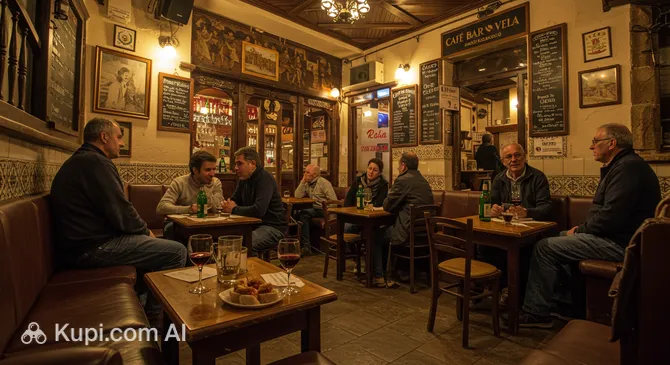
For those looking to extend the night with music and a more energetic vibe, Café Bar Vela is a popular spot in the local nightlife circuit. It offers a welcoming environment where you can enjoy a variety of drinks and the company of a friendly crowd, typical of Soria's hospitable nature.

Café Bar Vela. Source: Kupi.Binoculars

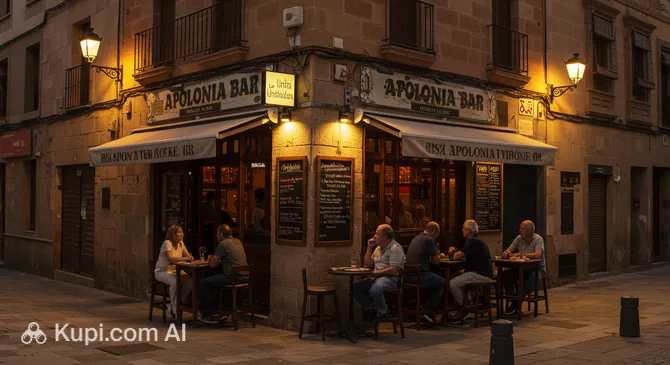
If you prefer a more sophisticated setting for a cocktail or a relaxed evening drink, Apolonia Bar provides a stylish backdrop. It is an excellent choice for travelers seeking a modern atmosphere to unwind after a day of sightseeing. The dress code in most of Soria’s nightlife venues is casual and unpretentious, so you will feel comfortable in smart-casual attire.

Apolonia Bar. Source: Kupi.Binoculars

Practical Advice: The nightlife in Soria follows the typical Spanish schedule, which is later than in many other countries. The atmosphere begins to build around 9:00 PM or 10:00 PM, with bars staying busy well past midnight, especially on weekends. Prices are generally very affordable compared to Madrid or Barcelona. In terms of safety, Soria is one of the safest provincial capitals in Spain; walking back to your hotel at night is generally worry-free. Taxis are available at designated stands, particularly near the main plazas, or can be called by phone if you are further out.

Daytime Entertainment: Before the evening festivities begin, the city offers plenty of cultural and leisure activities. History buffs can spend hours at the Numantine Museum, which houses fascinating artifacts from the ancient city of Numantia. For a more relaxed afternoon, the local parks provide a green escape, while the city's theater often hosts plays and concerts that reflect the region's rich artistic tradition.

Parks & Museums

Soria offers a wonderful balance of cultural history and natural beauty, with its museums and green spaces providing a deeper look into the region's soul. Whether you are interested in ancient civilizations or seeking a peaceful retreat in nature, the city's facilities cater to a variety of interests.

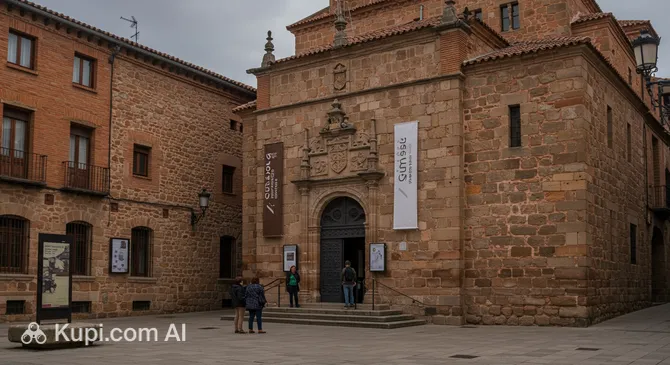
For those fascinated by archaeology and history, the Numantine Museum is the premier cultural institution in the province. It houses an extensive collection that chronicles the history of Soria from the Paleolithic era to modern times. The museum is particularly renowned for its artifacts from the nearby archaeological site of Numantia, offering a comprehensive insight into the heroic resistance of the Celtiberians against the Roman Empire. Visitors can admire intricate pottery, tools, and jewelry that bring the ancient past to life.

Numantine Museum. Source: Kupi.Binoculars

Another essential stop is the Monastery of San Juan de Duero, which operates as a museum site managed by the regional museum network. Beyond its breathtaking architecture, the site preserves a collection of medieval, Romanesque, and Jewish elements that highlight the cultural convergence in the region's history. Walking through its open-air cloister is like stepping back into a time of knights and legends.

Monastery of San Juan de Duero. Source: Kupi.Binoculars

In the heart of the city, the Alameda de Cervantes serves as the primary urban park. Known affectionately by locals as "La Dehesa," this lush garden is more than just a green space; it is a botanical haven featuring a wide variety of tree species and meticulously maintained rose gardens. It is the perfect place for a relaxing afternoon walk, offering shaded paths and benches where one can enjoy the tranquil atmosphere.

For a combination of history and nature, Castillo Park is an outstanding destination. Located on the highest point of the city, this park surrounds the ruins of the medieval castle. While the fortress itself is largely gone, the park provides a scenic route with walking trails that offer the best panoramic views of Soria and the winding Duero River below. It is a favorite spot for both nature lovers and those wishing to capture the city's landscape from above.

Castillo Park. Source: Kupi.Binoculars

Getting Around

Navigating Soria is remarkably stress-free, primarily because the city is compact and pedestrian-friendly. For most visitors, the best way to explore the historic center, parks, and main attractions is simply on foot. The distances between key sites like the Plaza Mayor and the Alameda de Cervantes are short, allowing for a leisurely pace that fits the city's relaxed atmosphere. However, for those wishing to reach the railway station, the university, or the riverside areas without walking, a reliable public transport system is available.

The city operates a straightforward network of urban buses that connect the city center with the outlying neighborhoods and essential facilities. The system is designed with simplicity in mind, typically consisting of a few circular lines that cover the most important routes. These buses are modern, comfortable, and generally run from early morning until late evening, with reduced frequencies on weekends and holidays. Stops are clearly marked, often displaying route maps and timetables.

Regarding payment, the system is very user-friendly for tourists. You can purchase a single ticket directly from the driver when boarding the bus. It is highly recommended to carry small change or coins, as drivers may not be able to change large banknotes. The fare is very affordable, typically costing around €1.00 per journey. For residents or long-term visitors, rechargeable travel cards are available at local kiosks, offering a discounted rate per trip, though a single ticket is usually sufficient for a short stay.

A special feature that tourists particularly enjoy is the Tourist Train (Tren Turístico). While not a traditional rail train, this road-based vehicle offers a charming and convenient way to travel between the city center and the banks of the Duero River. It is especially useful for reaching the Hermitage of San Saturio without tackling the walk back up the hill. The train usually departs from central locations like Plaza Mariano Granados and provides audio commentary, making the journey both educational and scenic.

Taxis serve as the main alternative to buses and are readily available throughout the city. Official taxis are white, clearly marked, and operate on a metered system. You can find them at designated ranks (paradas) in strategic locations such as the bus station or main squares, or you can order one by phone. It is worth noting that ride-sharing apps are generally not active in Soria, so relying on official taxis is the standard practice. They are reasonably priced and offer a quick way to get to the train station with luggage.

Since Soria does not have a metro, tram, or trolleybus system, the transport landscape is uncomplicated. For those planning to explore the wider province and its natural parks, renting a car is the most practical option, as public transport to rural areas can be infrequent. However, within the city limits, a combination of walking and the occasional bus or taxi ride will cover all your travel needs comfortably.

Accommodation

Where to Stay:

Finding the perfect place to stay in Soria is a straightforward experience, as the city offers a welcoming range of accommodation options that blend comfort with local charm. While it does not boast the sprawling luxury resorts of coastal Spain, visitors can choose from well-appointed modern hotels, charming historic guesthouses, and budget-friendly hostels. For those seeking a more authentic immersion into the region's lifestyle, there is also a strong selection of "casas rurales" (rural houses) located just outside the urban core, providing a peaceful retreat in the Castilian countryside.

The most convenient area for tourists to base themselves is undoubtedly the city center. Staying near the Plaza Mayor or the main pedestrian artery, Calle El Collado, places you within walking distance of all major monuments, tapas bars, and the Alameda de Cervantes park. This central location allows travelers to easily explore the Romanesque churches and museums by day and enjoy the lively atmosphere of the local taverns by night without the need for public transport.

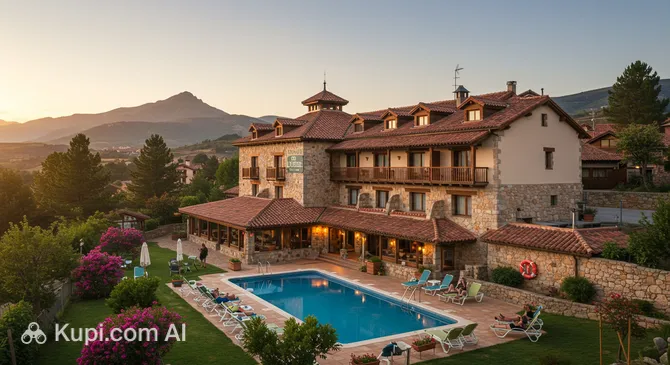
Among the notable establishments in the city is the Hotel Apolonia. Situated centrally, it is a popular choice for visitors looking for modern amenities and easy access to the city's social life. Hotels in this category typically offer a comfortable base for exploring the province, often featuring helpful staff who can provide tips on local excursions and dining.

Hotel Apolonia. Source: Kupi.Binoculars

Booking Tips: Although Soria is a tranquil destination for much of the year, it is highly advisable to book your accommodation well in advance if you plan to visit during local festivities, particularly the festival of San Juan in late June, or during the autumn mushroom-hunting season. During these peak times, the city fills up quickly, and finding a room can be challenging without a reservation.

Price Range: In general, accommodation prices in Soria are quite reasonable compared to larger Spanish cities like Madrid or Barcelona. Travelers can expect to find good value for money, with options ranging from budget-friendly hostels to mid-range hotels that offer excellent service. Booking is easily done through major online platforms, though contacting smaller rural houses directly can sometimes secure a better rate or a more personalized experience.

Nearby Cities

Nearby Cities:

For those looking to explore the surroundings, Soria serves as an excellent base for day trips to several interesting nearby locations:

Logroño, located approximately 77 km to the north, is the vibrant capital of the La Rioja region. It is widely celebrated for its rich wine culture and the famous Calle Laurel, a narrow street packed with bars serving exquisite local wines and tapas (pinchos). A visit here is a culinary adventure, offering a lively atmosphere that contrasts with the quiet charm of Soria.

Heading west, Burgos is a historic powerhouse situated about 119 km away. The city is renowned for its magnificent Gothic Cathedral, a UNESCO World Heritage site that dominates the skyline. As the historic capital of Castile and the resting place of the legendary El Cid, Burgos offers a deep immersion into medieval history and architecture.

To the east lies Zaragoza, a major cultural hub located roughly 133 km from Soria. It is home to the stunning Basilica of Our Lady of the Pillar, a baroque masterpiece on the banks of the Ebro River. The city also features significant Roman ruins and the Aljafería Palace, showcasing a fascinating blend of Islamic and Christian heritage.

City Population Distance (km)
Zaragoza 675301 133
Vitoria-Gasteiz 253998 122
Burgos 174051 119
Logroño 150808 77
Tudela 37247 80

These nearby destinations offer a glimpse into the diverse culture and landscapes of the region.

Shopping & Souvenirs

Shopping in Soria offers a relaxed and authentic experience, distinct from the frenetic pace of major commercial hubs. While you will not find endless rows of luxury boutiques, the city prides itself on high-quality local commerce, particularly specializing in artisanal food products and traditional crafts. The shopping scene here is intimate, allowing visitors to discover unique regional treasures while strolling through the historic streets.

The heart of retail activity is undoubtedly Calle El Collado. This pedestrianized main street serves as the city's commercial spine, lined with a mix of fashion stores, pharmacies, historic shops, and cafes. It is the perfect place to enjoy a leisurely walk while browsing for clothes, books, or gifts. Adjacent streets, such as Calle Claustrilla, also feature smaller boutiques and specialty stores that add to the charm of the city center.

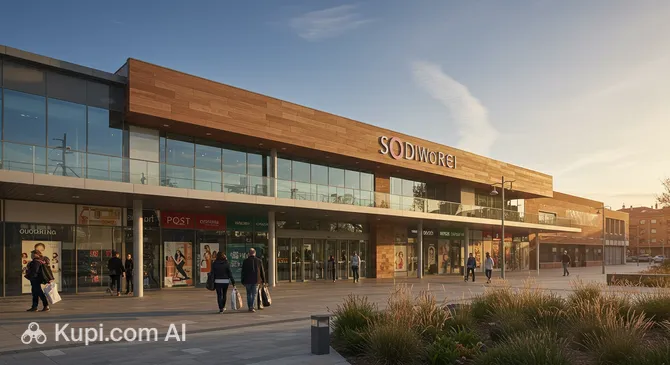
For those seeking a more extensive variety of goods under one roof, the city and its outskirts offer larger commercial facilities. A notable destination for stocking up on supplies or general goods is the Soria Hypermarket. Additionally, just a short drive from the center in the neighboring municipality of Golmayo, visitors can find the Camaretas Shopping Centre, which houses fashion chains, a cinema, and various leisure options.

Soria Hypermarket. Source: Kupi.Binoculars

Local markets play a vital role in the daily life of residents. The Mercado Municipal de Soria (Municipal Market) in Plaza Bernardo Robles is a modern facility where you can find fresh produce, meats, and fish. It is an excellent spot to witness the local culinary culture firsthand and purchase fresh ingredients if you are staying in accommodation with kitchen facilities.

When it comes to souvenirs, Soria is a gastronomic paradise. The most iconic item to bring back is the Mantequilla de Soria (Soria Butter), a sweet, artisanal butter often sold in decorative tins. Other must-buy delicacies include the famous torreznos (marinated bacon snacks), locally produced sausages (embutidos), and, during the season, fresh or preserved black truffles. Wines from the Ribera del Duero region of Soria are also highly prized gifts.

Standard shopping hours generally follow the traditional Spanish schedule. Small shops typically open from 10:00 AM to 1:30 PM or 2:00 PM, close for the afternoon break (siesta), and reopen from 5:00 PM to 8:00 PM or 8:30 PM. Larger supermarkets and shopping centers usually stay open throughout the day without interruption. Most shops are closed on Sundays and public holidays.

Travelers residing outside the European Union may be eligible for a VAT refund on purchases of certain goods. Look for stores displaying the "Tax Free" sign and ask for the necessary forms at the checkout to process your refund at the airport or border upon leaving the EU.

Reached the end of the page?

That means the route is fully explored