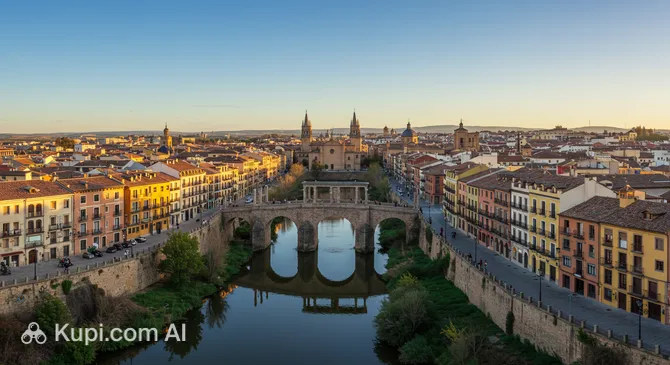
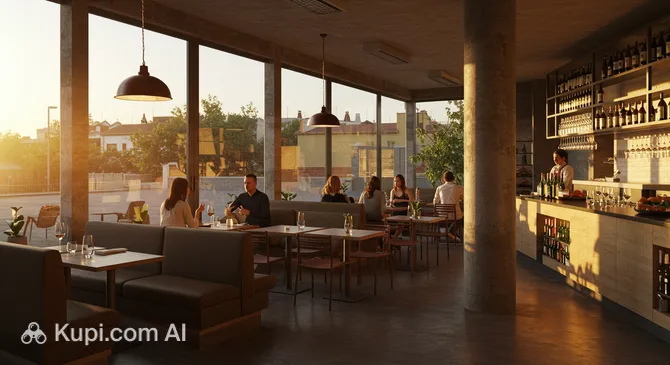
Guadalajara is a captivating city that offers a unique blend of rich heritage and modern vitality. Situated in the center of the Iberian Peninsula on the banks of the Henares River, it serves as the capital of the province of the same name. Located in Spain, this dynamic city is just a short distance northeast of Madrid, making it an accessible and rewarding destination for travelers seeking to explore the authentic heart of the country.
With a population of approximately 161,000 residents, the city maintains a welcoming community atmosphere while providing all the amenities of a growing urban center. Its strategic position has long made it a place of significance. To truly understand the depth of its culture and character, visitors should delve into the history of Guadalajara, which was profoundly shaped by the powerful Mendoza family during the Renaissance era, leaving a lasting legacy on the cityscape.
Guadalajara. Illustration.
Source: Kupi.com AI
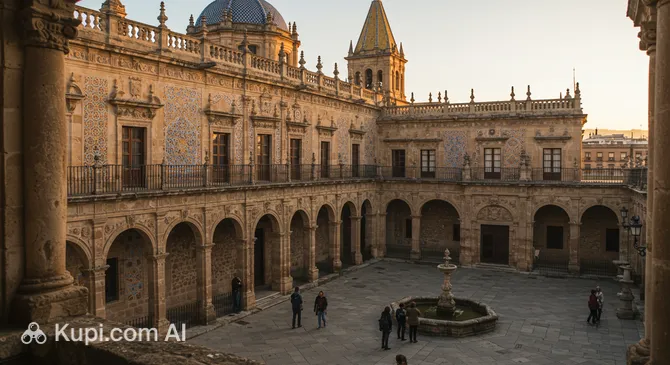
The city is home to several remarkable architectural treasures that attract architecture enthusiasts from around the world. The most iconic landmark is undoubtedly the Palacio del Infantado, a stunning example of Isabelline Gothic architecture mixed with Renaissance elements, famous for its diamond-pointed facade and the beautiful "Patio of the Lions." Another site worth admiring is the Pantheon of the Duchess of Sevillano, an impressive 19th-century monument known for its eclectic style and striking ceramic dome.
Whether you are strolling through its historic streets, relaxing in the Concordia Park, or enjoying traditional Castilian cuisine in a bustling square, Guadalajara promises a delightful experience. It is an inviting destination for those looking to discover the charm of the Castile-La Mancha region away from the larger tourist crowds.
Weather Overview
Guadalajara experiences a climate marked by distinct seasonal changes, generally offering hot, dry summers and cool, damper winters. The city's location in the center of the peninsula contributes to these variations, so packing layers is often a good strategy. For a more comprehensive breakdown of what to expect during your specific travel dates, you can consult the detailed guide to the weather in Guadalajara.
The summer months, particularly July and August, are the warmest time of the year. During this period, average temperatures hover around 25°C, with daytime highs frequently reaching up to 32.8°C. Rainfall is exceptionally rare in the height of summer, with July and August recording almost no precipitation and only a couple of wet days, making it perfect for those who enjoy sunny, clear skies.
Winters are significantly cooler, with January being the coldest month, featuring an average temperature of 5.0°C and lows dipping near freezing. The transitional seasons of spring and autumn bring milder temperatures but also increased chances of rain. April is typically the wettest month in terms of frequency, seeing about 11 wet days, while October also sees frequent showers, though the temperatures in these months remain pleasant, generally ranging between 11°C and 15°C.
Average monthly temperature
Average monthly precipitation
Interesting Facts
Beyond the main attractions, Guadalajara holds many fascinating secrets and historical curiosities. Digging a little deeper reveals unique connections and artistic gems that often go unnoticed by the casual observer.
Palacio de la Cotilla. Illustration.
Source: Kupi.com AI
Traveler photos:
You might be familiar with the major Mexican city of Guadalajara, but it was actually named after this Spanish provincial capital. The conquistador Nuño de Guzmán, who founded the Mexican city, was born here and chose to honor his birthplace, creating a permanent bond between the two locations.
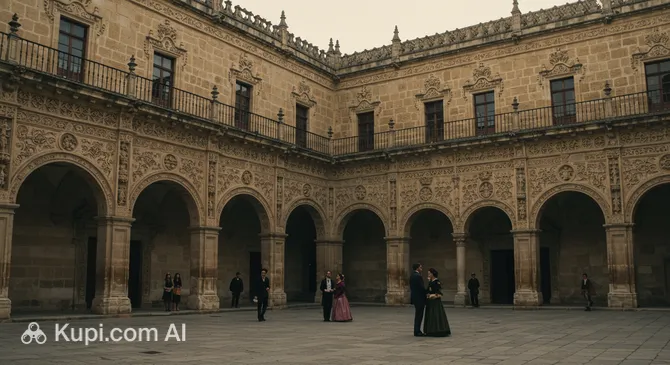
Hidden within the Palacio de la Cotilla is a rare artistic marvel known as the Chinese Room. The walls of this salon are adorned with original 19th-century rice paper wallpaper depicting detailed scenes of life in Imperial China, a delicate feature that is incredibly rare to find in such pristine condition in Europe.
The Guadalajara Zoo stands out not for exotic animals from far-flung continents, but for its dedication to local wildlife. It specializes in the recovery and conservation of Iberian fauna, offering visitors a unique chance to observe wolves, bears, and lynxes in a setting focused on education and preservation.
While many religious monuments are built with subdued stone tones, the Pantheon of the Duchess of Sevillano features a striking dome covered in purple ceramics. This vibrant color choice makes the 19th-century eclectic masterpiece instantly recognizable and adds a splash of color to the city's skyline.
How to Get There
Reaching this central Spanish destination is quite convenient due to its proximity to the capital. Whether you are arriving from international destinations or neighboring regions, the transport network is well-developed. For a comprehensive guide on all available travel options, you can read more about how to get to Guadalajara.
The city of Guadalajara does not have its own airport, but you can fly into Adolfo Suárez Madrid-Barajas Airport (MAD) in the city of Madrid, which is about 38 km from Guadalajara. This is by far the most convenient option for air travelers, handling a massive volume of international and domestic flights. From here, the journey by taxi or bus is relatively short. While there are other airports in the wider region, such as Valladolid Airport (VLL) in Valladolid, they are significantly further away—about 185 km—making the transfer time much longer.
For clarity, here is a summary of the main airports:
Traveling by train is another excellent option. The city is served by the Guadalajara Railway Station, located approximately 5.8 km from the city center. This station connects the area to the broader national rail network. Many visitors also transit through major hubs in Madrid, such as Atocha Railway Station or Chamartín Station, before catching a connecting train or commuter service to Guadalajara. The proximity to these major hubs allows for quick and efficient transfers.
Below is a list of the closest and most significant railway stations:
Guadalajara is a city where history is etched into every stone, offering visitors a journey through time with its well-preserved monuments and charming green spaces. While the city center is compact, it is packed with architectural gems that tell the story of its noble past. Here are some of the main attractions you should not miss during your visit.
Palace of the Infantado. Illustration.
Source: Kupi.com AI
Traveler photos:
The crown jewel of the city is undoubtedly the Palace of the Infantado. This architectural masterpiece is a stunning blend of Gothic and Renaissance styles, commissioned by the powerful Mendoza family in the late 15th century. Tourists are captivated by its unique façade, decorated with diamond-shaped stone projections, and the intricate two-story Patio of the Lions inside. It also houses the Provincial Museum, making it a perfect spot to learn about the local history and art.
Another significant religious site is the Church of San Ginés, located in the bustling Plaza de Santo Domingo. Dating back to the 16th century, this church is notable for its austere yet imposing exterior and the large stone sculptures of Saint Peter and Saint Paul guarding the entrance. Inside, visitors can admire the serene atmosphere and the beautiful altarpieces that reflect the artistic heritage of the region.
Church of Santa María. Illustration.
Source: Kupi.com AI
Traveler photos:
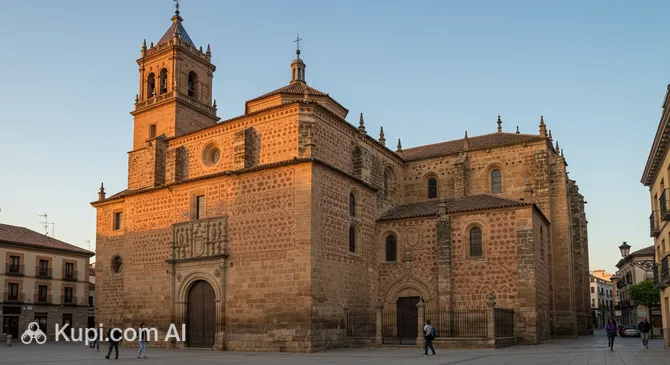
For those interested in medieval architecture, the Church of Santa María is a must-see. Serving as the co-cathedral of the city, it was built on the site of an ancient mosque, retaining Mudejar-style brick towers and gates that hint at its diverse origins. The interior features a mix of styles from the 13th to the 17th centuries, offering a fascinating glimpse into the evolution of religious art in Guadalajara.
If you are looking for a place to relax after sightseeing, San Roque Park provides a delightful escape. Considered the "green lung" of the city, this park is a favorite among locals for its shaded pathways, well-kept gardens, and the charming Hermitage of San Roque situated within its grounds. It is an ideal spot for a leisurely stroll or a picnic, allowing travelers to enjoy the quieter side of the city's life.
Local Cuisine
The gastronomy of Guadalajara is a reflection of its deep Castilian roots, offering a culinary experience that is both hearty and flavorful. The local cuisine is characterized by the use of high-quality ingredients, with a strong emphasis on roasted meats. Visitors should not miss the opportunity to try cordero asado (roast lamb) or cabrito (roast kid goat), which are typically prepared in wood-fired ovens to achieve a crispy texture on the outside while remaining tender and juicy on the inside. These dishes are staples at family gatherings and celebrations throughout the region.
For those with a sweet tooth, the city is famous for its signature dessert, the bizcochos borrachos (drunken sponge cakes). These delightful treats are soaked in a syrup made of wine or liquor and dusted with cinnamon, creating a moist and aromatic cake that is unique to this area. They are widely available in local pastry shops and are the perfect accompaniment to an afternoon coffee or as a sweet finish to a traditional meal.
The dining culture here is vibrant and social, with locals often enjoying the tradition of tapeo—hopping from one bar to another to share small plates of food. A great place to experience authentic traditional cuisine is Casa Palomo, a restaurant well-regarded for its classic dishes and welcoming atmosphere. It offers an excellent setting for travelers wishing to dive deeper into the regional flavors in a comfortable environment.
Casa Palomo. Illustration.
Source: Kupi.com AI
Traveler photos:
If you prefer a more casual vibe to mingle with the locals, Bar Reyes is a popular spot to enjoy a refreshing drink accompanied by generous tapas. When it comes to beverages, the province boasts its own wine denomination, D.O. Mondéjar. Sampling a glass of this local red or white wine is highly recommended, as it perfectly complements the rich flavors of the Castilian cuisine.
Travel Tips
Visiting Guadalajara offers a delightful escape into the history of central Spain. To ensure your trip is as enjoyable and stress-free as possible, here are some practical tips to help you navigate the local customs and logistics like a pro.
Clothing and Gear: The climate varies significantly by season. Summers are hot and dry, so light clothing, sunglasses, and sunscreen are essential. Winters can be cold, so a warm coat is necessary. Since the historic center is best explored on foot, bring comfortable walking shoes to navigate the cobblestone streets. If you plan to enter churches, dress modestly by covering your shoulders and knees.
Transportation: The city center is compact and walkable, but the main railway station is located across the river, about 2 km from the historic core. It is best to take a taxi or local bus (lines C1 or C2) to get from the train station to the city center. You generally do not need a rental car within the city, but it is useful if you plan to explore the surrounding Alcarria region.
Finances: The official currency is the Euro (€). Credit and debit cards are widely accepted in most hotels, restaurants, and shops. However, it is advisable to carry some cash for small purchases in traditional bars, kiosks, or for bus fares. ATMs are readily available throughout the city. Tipping is not mandatory, but rounding up the bill or leaving a few coins is a polite gesture for good service.
Health and Safety: Guadalajara is a very safe city for tourists. Pharmacies are marked with a green cross, and there is always a "Farmacia de Guardia" open 24 hours a day for emergencies. For urgent medical or police assistance, dial 112. The tap water is safe to drink and of high quality.
Communication: Spanish is the main language. While staff at major hotels may speak English, it is less common in smaller local shops and traditional taverns. Learning a few basic phrases like "Hola" (Hello) and "Gracias" (Thank you) will be warmly received. SIM cards can be purchased at mobile phone shops in the city center.
Local Etiquette: Spaniards typically eat later than other Europeans. Lunch is the main meal of the day, usually served between 2:00 PM and 4:00 PM, while dinner often does not start until after 9:00 PM. When entering a shop or elevator, it is customary to greet others with "Buenos días" or "Buenas tardes."
What to Avoid: Do not expect shops to be open continuously throughout the day. Many smaller businesses close for the afternoon break (siesta) roughly between 2:00 PM and 5:00 PM. Plan your shopping for the morning or late afternoon to avoid disappointment.
Local Insight: Embrace the culture of tapeo. In many bars in Guadalajara, when you order a drink (una caña or un vino), you will receive a free small portion of food (tapa). It is a great way to sample local flavors without ordering a full meal immediately.
With these practical tips in hand, you are ready to immerse yourself in the authentic atmosphere of Guadalajara. Embrace the local rhythm, enjoy the warm hospitality, and have a memorable journey through this charming Castilian city.
Entertainment & Nightlife
Entertainment in Guadalajara offers a vibrant mix of traditional Spanish social life and modern leisure, transforming the city as the sun goes down. While it may not have the overwhelming scale of nearby Madrid, the nightlife here is spirited, authentic, and driven by a friendly local crowd. The atmosphere is generally relaxed and welcoming, making it easy for visitors to mingle with residents in the city's lively squares and taverns.
The heart of the nightlife action is undoubtedly concentrated in the historic center. The most famous zone is popularly known as "Los Bardales" (centered around Plaza del Concejo and Plaza de los Caídos). This area is a maze of narrow streets packed with bars, pubs, and small clubs where people spill out onto the pavement with drinks in hand. It is the go-to spot for younger crowds and anyone looking to experience the classic Spanish movida on a smaller scale. For a slightly more mature and relaxed vibe, the terraces around Plaza de San Esteban offer a perfect setting for evening cocktails and conversation.
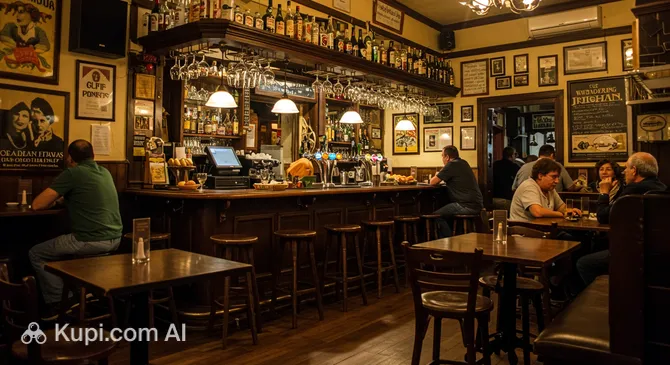
If you are looking for a specific place to start your evening with a great atmosphere, The Wandering Irishman is a fantastic choice. This venue captures the essence of a traditional pub with a lively spirit, offering a wide selection of beers and often hosting live sports broadcasts or music. It serves as a popular meeting point for both locals and expatriates seeking a fun and casual night out.
The Wandering Irishman. Illustration.
Source: Kupi.com AI
Traveler photos:
Dining is an integral part of the evening entertainment here. Before hitting the bars, locals often enjoy a long, late dinner. For a satisfying meal that bridges the gap between dining and nightlife, The Lion Burger provides a trendy environment. It is well-regarded for its gourmet burgers and casual vibe, making it an excellent spot to fuel up before exploring the rest of the city's nocturnal offerings.
When planning your night out, keep in mind that the schedule in Guadalajara follows the typical Spanish rhythm. Things kick off late; bars usually do not get busy until after 11:00 PM, and clubs peak around 2:00 AM or 3:00 AM. The dress code is generally casual to smart-casual. You will fit in perfectly with jeans and a nice shirt, although some nightclubs might expect a slightly more polished look. Prices are quite reasonable compared to the capital, with beers and mixed drinks being affordable.
In terms of safety, Guadalajara is a secure city for night walks. The main nightlife districts are well-populated and well-lit. However, standard precautions apply—keep an eye on your belongings and stick to main streets when walking back to your accommodation late at night. Taxis are readily available at designated ranks or can be called by phone, providing a convenient and safe way to return to your hotel.
Beyond the bar scene, the city offers other forms of entertainment for those seeking a different pace. During the day and early evening, the Ferial Plaza Shopping Center is a major hub for leisure. It houses a variety of shops, restaurants, and a modern cinema complex, making it a great destination for families or those wanting to catch the latest movie releases. Additionally, the Teatro Buero Vallejo frequently hosts plays, concerts, and dance performances, adding a touch of high culture to the city's entertainment portfolio.
Parks & Museums
Guadalajara is not only a city of stone monuments and history but also a place that values green spaces and cultural expression. Visitors will find that the urban landscape is pleasantly broken up by well-maintained parks and gardens, while art and history enthusiasts can explore several museums that preserve the region's artistic and archaeological legacy.
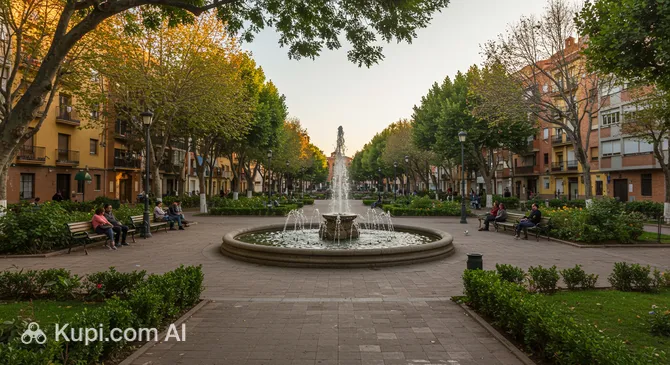
One of the most popular recreational areas for locals is Friendship Park (Parque de la Amistad). Located in a residential area, this expansive green space is perfect for families and those seeking a quiet retreat. It features a large artificial lake, numerous fountains, and extensive walking paths lined with trees. The park also includes playgrounds and sports courts, making it a lively hub of activity particularly on weekends when residents gather to enjoy the outdoors.
Friendship Park. Illustration.
Source: Kupi.com AI
Traveler photos:
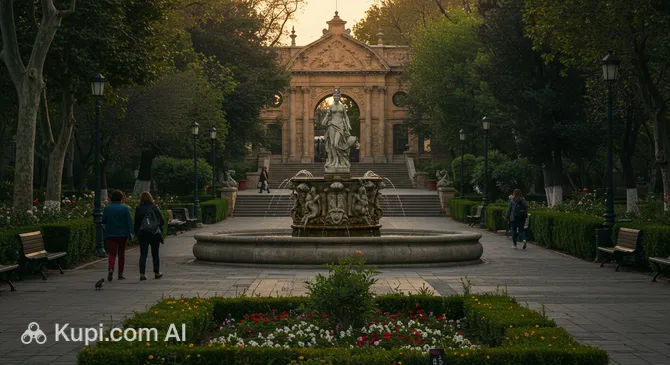
Another excellent spot for outdoor activities is Fuente de la Niña Park. This area is well-known for its sports facilities, but it also offers ample green lawns and shaded areas ideal for a picnic or a morning jog. It serves as a venue for various city events and concerts, blending leisure with culture. Its proximity to the city's sports complex makes it a dynamic environment where the energy of the city meets the tranquility of nature.
Fuente de la Niña Park. Illustration.
Source: Kupi.com AI
Traveler photos:
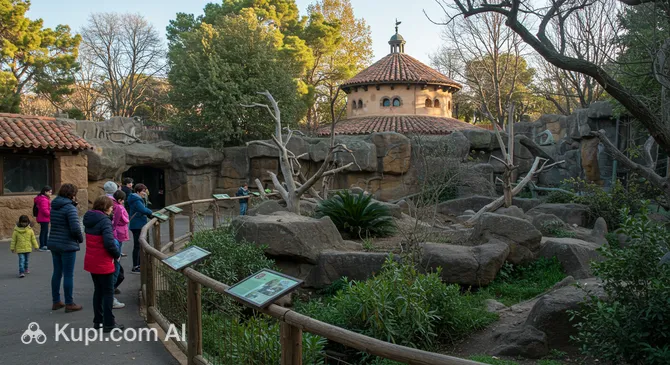
For a unique natural experience, the Guadalajara Zoo offers more than just animal viewing; it is a dedicated center for environmental education situated in a beautiful natural setting near the Henares River. The facility focuses on the fauna of the Iberian Peninsula and provides a peaceful environment with well-integrated enclosures that mimic natural habitats. It is a wonderful place to walk and learn about local biodiversity in a space that feels more like a nature reserve than a traditional city zoo.
Guadalajara Zoo. Illustration.
Source: Kupi.com AI
Traveler photos:
In terms of museums, the Museum of Guadalajara is the premier cultural institution, housed within the magnificent Palace of the Infantado. As the oldest provincial museum in Spain, established in 1838, it boasts a comprehensive collection divided into Fine Arts, Archaeology, and Ethnography. Highlights include ancient Celtiberian artifacts found in the province and exquisite paintings that trace the artistic evolution of the region, offering a deep dive into the identity of Guadalajara.
Art lovers should also visit the Francisco Sobrino Museum, located in the city's old slaughterhouse which has been beautifully renovated. This museum is dedicated to the work of Francisco Sobrino, a renowned sculptor and kinetic artist born in Guadalajara. The permanent collection features his geometric sculptures and optical art, providing a stark and modern contrast to the city's Renaissance architecture.
For a glimpse into the aristocratic lifestyle of the past, the Palacio de la Cotilla functions as a fascinating house-museum. Beyond its famous Chinese Room, the 17th-century building allows visitors to explore various salons decorated with period furniture and art, reflecting the tastes of the nobility who once resided there. It serves as a quiet time capsule amidst the bustling city streets.
For an authentic local experience, take a walk along the River Henares promenade at sunset. This riverside path offers a different perspective of the city, away from the traffic, and is a favorite route for locals to unwind after a day of work, surrounded by riparian vegetation and the soothing sound of flowing water.
Getting Around
Public transport in Guadalajara is efficient, straightforward, and primarily relies on a comprehensive network of urban buses. Given the city's relatively compact size, there is no metro or tram system within the city limits. However, the bus network covers all major neighborhoods, the historic center, and essential facilities, making it easy for visitors to navigate without a car.
The urban bus service, known locally as "Urbanos de Guadalajara," operates various lines that connect the residential areas with the city center and the railway station. For tourists, the most useful lines are often the circular routes (C1 and C2), which provide frequent connections between the Renfe train station—located across the river—and the main historic districts. The buses are modern, comfortable, and generally punctual.
Regarding payment, the system is simple for short-term visitors. You can purchase a single ticket (billete sencillo) directly from the driver upon boarding. It is highly recommended to carry cash, specifically coins or small bills (usually up to 5 or 10 euros), as drivers may not have change for larger denominations. The price of a single trip is quite affordable, typically costing around €1.05.
For those planning to stay longer or commuting frequently to and from the capital, Guadalajara falls within Zone E1 of the regional transport consortium. This means that the rechargeable Public Transport Card (TTP) used in the neighboring metropolis is also valid here for interurban buses and trains. However, for occasional trips within Guadalajara city itself, paying for a single ticket in cash is usually the most practical option for tourists.
Operating hours for the bus service generally run from approximately 6:00 AM to 11:00 PM or midnight, depending on the line. On weekends and holidays, frequencies may be slightly reduced. There is also a night bus service, often referred to as "Búhos," which operates on Fridays, Saturdays, and the eves of public holidays, allowing for safe travel after enjoying the local nightlife.
Taxis serve as a reliable alternative to buses, especially if you are carrying heavy luggage or need to travel late at night. Official taxis are white, clearly marked with the city's coat of arms and a license number, and feature a green light on the roof when available. You can hail them on the street, find them at designated ranks (particularly at the train and bus stations), or book one via telephone. Fares are metered, regulated, and generally reasonable.
Finally, it is worth noting that the historic center of Guadalajara is best explored on foot. Many of the main attractions, such as the Palace of the Infantado and the local shops, are located within walking distance of each other. The public transport is most necessary when arriving at the railway station, which is situated about 2 kilometers from the city center, or when visiting parks and commercial areas on the outskirts.
Accommodation
Finding accommodation in Guadalajara is generally a straightforward task, as the city offers a balanced selection of lodgings that cater to both business travelers and tourists. The range of options typically spans from functional, modern 4-star hotels to modest, family-run guesthouses known as hostales. While the city does not have an extensive collection of ultra-luxury resorts, visitors will find comfortable and well-equipped facilities that provide excellent value for money.
For those who prioritize convenience and atmosphere, staying in the historic center is the best choice. Accommodation in this area places you within walking distance of the main monuments, tapas bars, and shops. Being based here means you are just steps away from major landmarks like the Palace of the Infantado, allowing for easy exploration on foot without the need for public transport. This area is perfect for travelers who want to immerse themselves in the local rhythm and enjoy the evening social scene immediately upon stepping out of their hotel.
Alternatively, there is a cluster of modern hotels located near the A-2 highway and the newer commercial districts. These options are particularly convenient for visitors arriving by car, as they often offer easier parking facilities compared to the narrow streets of the old town. This area is also close to the Ferial Plaza Shopping Center, providing quick access to shopping and entertainment options. Travelers with business in the nearby industrial zones or those planning to use Guadalajara as a base for exploring the wider region often prefer these locations for their accessibility.
The price range for accommodation is generally reasonable compared to the nearby capital, Madrid. Budget travelers can find clean and basic rooms in hostels or pensions for approximately €40 to €60 per night. Mid-range hotels, which offer more amenities such as on-site restaurants and gyms, typically cost between €70 and €100 per night. Prices may rise during peak times, but overall, the city remains an affordable destination.
When planning your trip, it is advisable to book your accommodation in advance, especially if you are visiting during September. This is when the city celebrates its major local festivals (Ferias), and demand for rooms skyrockets, often leading to full occupancy weeks ahead of the event. For the rest of the year, booking through major online platforms is the most efficient method, although contacting smaller guesthouses directly can sometimes secure a better rate or a more personalized experience.
Nearby Cities
For those looking to explore the surroundings, Guadalajara serves as an excellent base for day trips to several interesting nearby locations. The region is rich in history and connectivity, allowing travelers to easily visit some of Spain's most significant urban centers.
One of the most compelling nearby destinations is Alcalá de Henares, located just a short drive or train ride away. As the birthplace of Miguel de Cervantes, the author of Don Quixote, and home to a prestigious historic university, it is a UNESCO World Heritage site brimming with culture and Renaissance architecture. For a more bustling experience, the capital city of Madrid offers world-class museums, the Royal Palace, and an endless array of dining and entertainment options, making it a perfect choice for a full day of exploration.
City
Population
Distance
Cabanillas del Campo
10 968
6 km
Alovera
13 142
8 km
Azuqueca de Henares
35 236
12 km
Meco
15 143
17 km
Alcalá de Henares
196 888
24 km
These nearby destinations offer a glimpse into the diverse culture and landscapes of the region, providing ample opportunities to enrich your travel itinerary with memorable excursions.
Shopping & Souvenirs
Shopping in Guadalajara offers a balanced mix of traditional charm and modern convenience. While it may not possess the sprawling commercial magnitude of the nearby capital, the city provides a relaxed and authentic retail experience. Visitors can find everything from high-street fashion and international brands to unique local crafts and gastronomic delicacies, all within a relatively compact area that is easy to navigate.
The heart of the city's commercial life beats along the Calle Mayor (Main Street) and its surrounding pedestrian zones. This historic artery, running through the center of town, is lined with a variety of small boutiques, shoe shops, and family-run businesses. Strolling down this bustling street allows tourists to engage with local merchants and discover independent stores that have served the community for generations. It is the perfect place to find clothing, accessories, and traditional Spanish goods while enjoying the architectural atmosphere of the old town.
For those seeking a more comprehensive, modern shopping experience, the Ferial Plaza Shopping Center is the premier destination. Located just off the A-2 highway, this is the largest commercial hub in the city and the province. It houses a wide array of popular international fashion chains, electronics stores, and a large department store. With ample parking and climate-controlled interiors, it provides a comfortable environment for a full day of shopping, regardless of the weather.
Ferial Plaza Shopping Center. Illustration.
Source: Kupi.com AI
Traveler photos:
Traditional markets remain an essential part of daily life in Guadalajara. The Mercado de Abastos, located in the city center, is the go-to spot for fresh, high-quality local produce. Here, visitors can wander past stalls piled high with seasonal fruits, vegetables, meats, and cheeses. It is an excellent place to observe the local culinary culture and perhaps pick up some ingredients for a picnic. Additionally, weekly open-air street markets (mercadillos) are held in designated areas on Tuesdays and Saturdays, offering a lively mix of textiles, clothes, and household items at bargain prices.
When it comes to souvenirs, the province is renowned for its high-quality gastronomic products. The most famous item to bring back is undoubtedly Honey from La Alcarria (Miel de la Alcarria), which holds a protected designation of origin status and is considered some of the best in the world. You can find this golden delicacy in many local gourmet shops. Another sweet option is a box of bizcochos borrachos, the city's signature drunken sponge cakes, which make for a delicious, albeit perishable, gift. Handicrafts such as ceramics and pottery from the surrounding villages are also popular keepsakes.
Store opening hours in Guadalajara generally follow the traditional Spanish schedule. Small independent shops typically open from 10:00 AM to 2:00 PM, close for a midday break (siesta), and reopen from 5:00 PM to 8:30 PM. However, major supermarkets and the shops within the Ferial Plaza Shopping Center usually stay open continuously from 10:00 AM to 10:00 PM, Monday through Saturday. On Sundays and public holidays, most shops are closed, except for specific designated days throughout the year.
Payment methods are modern and convenient. Major credit and debit cards (Visa, Mastercard) are widely accepted in almost all establishments, from large malls to small boutiques. Contactless payment is the norm. However, it is always useful to carry a small amount of cash for very small purchases at market stalls or traditional kiosks. Travelers residing outside the European Union are eligible for VAT refunds (Tax-Free) on purchases of personal goods. Look for the "Tax Free" sign in store windows and ask for the necessary forms at the checkout to process your refund at the airport upon departure.