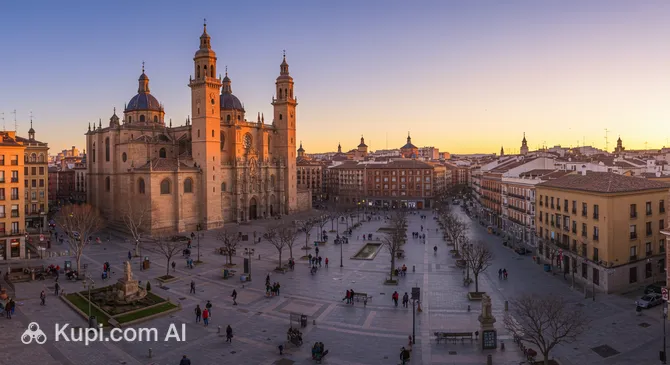
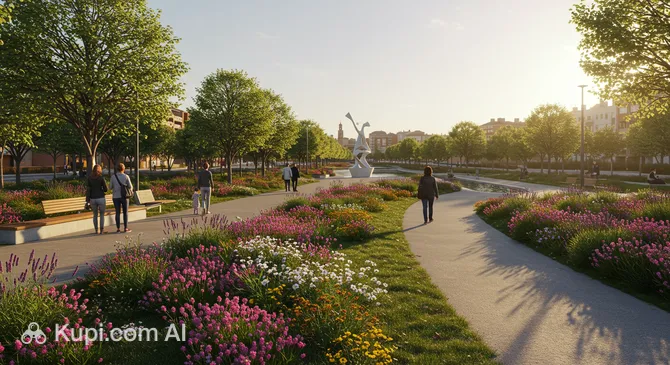
Welcome to Albacete, a vibrant and modern city that serves as the capital of the province with the same name. Located in the southeast of Spain, within the autonomous community of Castilla-La Mancha, this destination is often described as a surprising hub of activity and culture. With a population of over 172,000 inhabitants, it is the largest city in the region and offers a perfect blend of urban energy and relaxed Spanish charm, making it an excellent stop for travelers exploring the vast plains of La Mancha.
Albacete. Illustration.
Source: Kupi.com AI
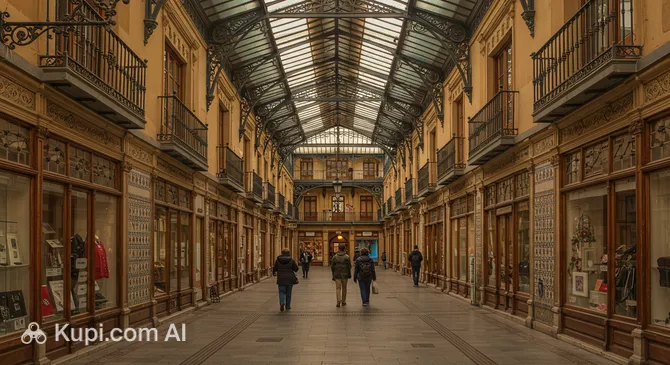
While the city is known today for its modern infrastructure and lively commercial areas, the history of Albacete is deeply rooted in its strategic location, which has long made it a crossroads for travelers and trade. Although it does not have a medieval old town like some of its neighbors, the city boasts an impressive collection of early 20th-century architecture. A prime example is the stunning Pasaje de Lodares, a modernist commercial gallery covered by an iron and glass skylight, which stands as one of only three of its kind in the entire country.
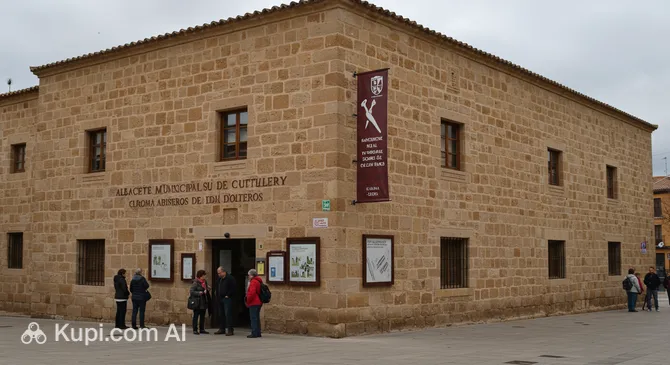
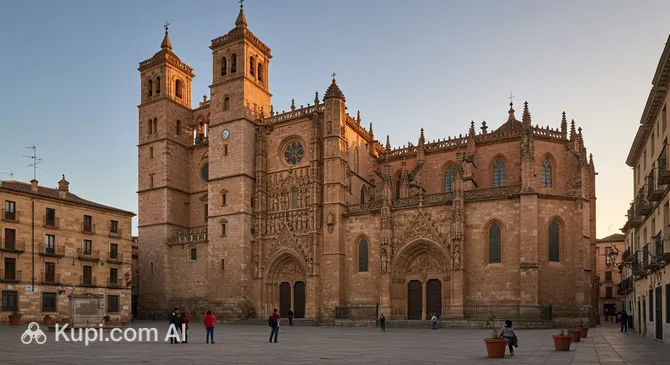
Albacete is also famous worldwide for its traditional cutlery industry. Visitors can explore this unique heritage at the Municipal Museum of Cutlery, located in the distinctive Casa de la Hortelana. Additionally, the city is home to the Cathedral of San Juan Bautista, which features an interesting mix of architectural styles. Whether you are strolling through the expansive Abelardo Sánchez Park or enjoying the local tapas scene, Albacete offers a warm and welcoming atmosphere that invites you to discover its many hidden treasures.
Weather Overview
The weather in Albacete is characterized by significant seasonal contrasts, typical of a continental climate. Summers are generally hot and dry, making them perfect for sun-seekers, while winters bring cooler temperatures that require warmer clothing. The city experiences its highest temperatures in July, with averages around 26.9°C and daily highs often reaching 34.5°C, accompanied by very little rainfall.
In contrast, the winter months are much colder, particularly in January, when the average temperature drops to 6.5°C and nighttime lows can fall to 1.7°C. Precipitation is generally low throughout the year, though spring sees a slight increase in frequency; March, for instance, typically records about 11 wet days despite low accumulation totals. Overall, visitors can expect hot summers with clear skies and cold, relatively dry winters.
Average monthly temperature
Average monthly precipitation
Interesting Facts
Beyond the main attractions, Albacete holds many fascinating secrets and historical curiosities that often surprise visitors. This city, frequently underestimated, boasts unique cultural landmarks and literary connections that define its distinct character in the heart of Spain.
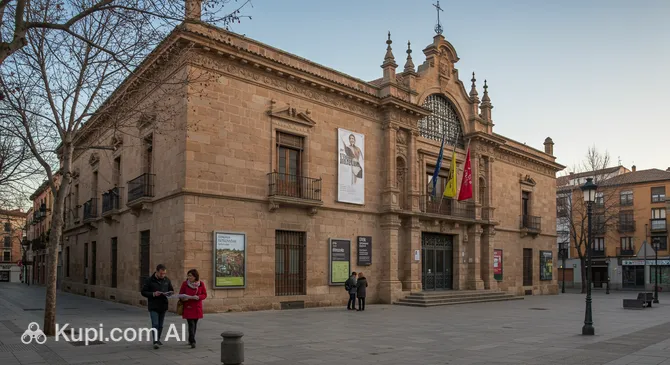
Albacete Municipal Museum of Cutlery. Illustration.
Source: Kupi.com AI
Traveler photos:
The city is home to the Teatro Circo, a true architectural rarity inaugurated in 1887. It is the only theatre in Spain, and one of the few remaining in the world, that maintains a dual capacity to host both theatrical performances and circus acts. Its starry ceiling and iron columns make it a spectacular venue that has been declared a Site of Cultural Interest.
Albacete was famously described as the "New York of La Mancha" by the renowned writer Azorín in the late 19th century. He was impressed by the city's electric lighting and modernity compared to the surrounding rural areas. This progressive spirit is embodied in the Pasaje de Lodares, a stunning modernist gallery that rivals the famous passages of Italy.
The local fair, known as the Feria de Albacete, is actually older than the world-famous April Fair in Seville. King Philip V granted the city the privilege to hold this annual fair in 1710. Every September, the population of the city quadruples as millions of visitors flock to the historic fairgrounds, known as "La Sartén" (The Frying Pan) due to their unique shape.
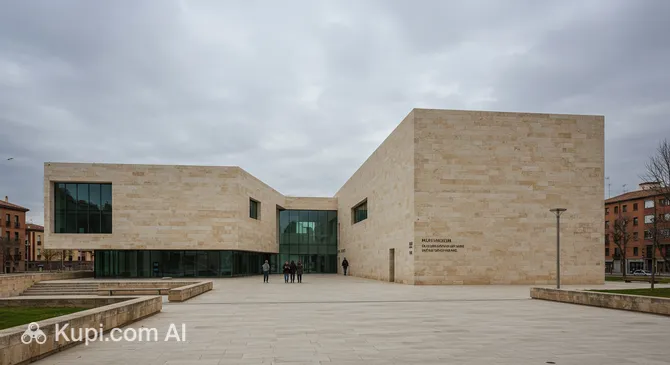
For centuries, the city has been the knife-making capital of Spain. At one point, the quality of Albacete steel was so renowned that it supplied European royalty. You can delve into this sharp heritage at the Albacete Municipal Museum of Cutlery, which is housed in the Casa de la Hortelana, a building with a vibrant green facade that is a landmark in itself.
How to Get There
Reaching this central Spanish city is relatively straightforward, thanks to its strategic location connecting the capital with the Mediterranean coast. While there are several options available depending on your starting point, visitors often choose a combination of air and ground transport. For a complete overview of travel options, you can read more about how to get to Albacete.
The city of Albacete does not have its own commercial airport for regular passenger flights, but you can fly into Valencia Airport (VLC) in the city of Valencia, which is about 131 km away. It is a significant regional hub, and the onward journey can be made easily by road or rail. Another convenient option is the Alicante-Elche Airport (ALC) in Alicante, located roughly 138 km away, which handles a large volume of tourists visiting the coast. For those arriving on international long-haul flights, Adolfo Suárez Madrid-Barajas Airport (MAD) in Madrid is the major entry point. Although it is situated about 222 km away, it offers the most extensive flight connections and is well-linked to Albacete by high-speed train and highways.
For clarity, here is a summary of the main airports:
Traveling by train is often the most comfortable and efficient way to reach the city. You can arrive directly at Albacete Railway Station (EEM), known locally as Albacete-Los Llanos, which is conveniently located just 1.3 km from the city center. This station is a key stop on the high-speed AVE lines connecting Madrid with the east coast. The journey from Madrid typically takes about 1.5 hours, making it a very popular choice for travelers. Its central location makes it easy to switch to a taxi or walk to nearby accommodations upon arrival.
Below is a list of relevant railway stations in the wider region:
Albacete offers a diverse range of sights that blend historical architecture with rich cultural experiences. From modernist masterpieces to green spaces dedicated to biodiversity, the city invites visitors to explore its unique character through these key landmarks.
Undoubtedly the most iconic architectural jewel in the city is the Pasaje de Lodares. Built in the early 20th century, this stunning commercial gallery is one of only three of its kind in Spain. It serves as a pedestrian thoroughfare connecting the Mayor and Tinte streets, renowned for its monumental iron and glass skylight that floods the space with natural light. Tourists are drawn here to admire the Renaissance-style columns, intricate balconies, and the atmosphere of a bygone era, making it a perfect spot for photography and leisurely strolls.
Pasaje de Lodares. Illustration.
Source: Kupi.com AI
Traveler photos:
Another essential stop is the Albacete Cathedral, dedicated to Saint John the Baptist. Construction of this religious monument spanned four centuries, resulting in a fascinating mix of architectural styles, including Gothic, Renaissance, Baroque, and Neo-Gothic elements. While the exterior is impressive, the interior houses arguably its most striking feature: massive canvas murals painted by Casimiro Escribá, which cover the walls of the chapel and are considered one of the largest continuous oil paintings in the world.
Albacete Cathedral. Illustration.
Source: Kupi.com AI
Traveler photos:
For those interested in history and art, the Albacete Museum is a must-visit destination. Located within the lush Abelardo Sánchez Park, this institution is divided into sections for archaeology, fine arts, and ethnology. It is particularly famous for its collection of Iberian artifacts, including the exquisite articulated dolls made of ivory and amber found in local necropolises. The museum provides a comprehensive journey through the history of the province, from prehistoric times to the modern age.
Albacete Museum. Illustration.
Source: Kupi.com AI
Traveler photos:
Nature lovers will find a peaceful retreat at the Castilla-La Mancha Botanical Garden. This extensive living museum is dedicated to the conservation and study of the region's flora. Spanning several hectares, it showcases over 1,500 plant species and recreated ecosystems typical of the area. It is an educational and relaxing place to walk, offering visitors a chance to learn about the biodiversity of the Mediterranean landscape just a short distance from the city center.
Local Cuisine
The gastronomy of Albacete is deeply rooted in the traditions of the La Mancha region, often described as "shepherd's cuisine" due to its humble origins and caloric richness. This culinary style relies on high-quality local ingredients, including game meat, vegetables, and the world-famous Manchego cheese. The food here is hearty and flavorful, designed to comfort and satisfy, making it a true highlight for any visitor exploring the area.
One of the most iconic dishes you must try is Gazpacho Manchego. It is important not to confuse this with the cold tomato soup found in Andalusia; in Albacete, this is a warm, robust stew made with unleavened bread cakes known as tortas de cenceña and game meat such as rabbit, hare, or partridge. Another winter classic is Atascaburras, a creamy mixture of salt cod, boiled potatoes, walnuts, and hard-boiled eggs, traditionally eaten when the first snow falls. For those with a sweet tooth, the meal is not complete without Miguelitos, delicate puff pastries filled with custard that are a symbol of the province.
Dining out in Albacete is a social affair, with a vibrant culture of tapeo (going for tapas) dominating the city center. Locals often flock to the area known as "La Zona" to enjoy small plates accompanied by regional wines. The city sits within the vast La Mancha wine region, so ordering a glass of local red or white wine is highly recommended to pair with the strong flavors of the cuisine.
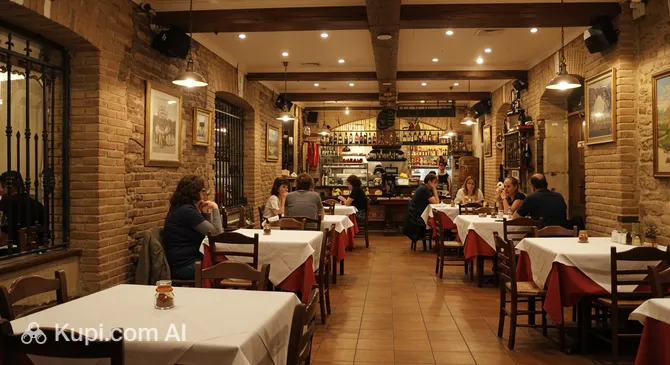
For a memorable dining experience, you can visit El Callejón de los Gatos Restaurant, a place that captures the essence of Spanish hospitality and flavor. It is an excellent spot to sample traditional recipes in a welcoming atmosphere. If you are looking to extend your evening after a good meal, La Bonita Cocktail Bar offers a sophisticated setting to enjoy a drink and soak in the local nightlife.
El Callejón de los Gatos Restaurant. Illustration.
Source: Kupi.com AI
Traveler photos:
Travel Tips
Planning a trip to Albacete is generally stress-free, but a few practical insights can make your visit to this Manchegan city even smoother. Here is a guide to help you navigate local customs, weather quirks, and daily logistics with ease.
Dress for the season. Albacete has a continental climate with extreme temperature differences. In summer, light, breathable fabrics and sun protection are essential for the scorching days, while winters require heavy coats and layers due to the cold inland winds. Comfortable walking shoes are a must, as the city center is very pedestrian-friendly.
Getting around is easy. The city center is compact and best explored on foot. For longer distances, the local bus network is efficient and affordable. Taxis are readily available, but unless you plan to explore the surrounding vineyards or the Júcar river valley, a rental car is not strictly necessary for the city itself.
Carry some cash. While credit and debit cards are widely accepted in most hotels, restaurants, and shops, carrying some cash (Euros) is advisable for small purchases in traditional bars or local markets. ATMs are plentiful throughout the city, and tipping is modest—rounding up the bill or leaving small change is usually sufficient.
Stay safe and prepared. Albacete is a very safe city with low crime rates, though standard precautions against pickpocketing should be taken in crowded areas like the Fairgrounds during the September festival. Pharmacies are marked with a green cross, and there is always one on 24-hour duty (farmacia de guardia) for minor health needs.
Brush up on your Spanish. While younger generations and tourism staff often speak English, it is less widely spoken here than in major tourist hubs like Madrid or Barcelona. Learning a few basic phrases like "hola" (hello) and "gracias" (thank you) will go a long way in interacting with the friendly locals.
Adapt to local timing. Life here follows a relaxed schedule. Lunch is typically the main meal of the day, served between 2:00 PM and 3:30 PM, while dinner is late, often starting after 9:00 PM. Many smaller shops close for a few hours in the afternoon (siesta time), usually from 2:00 PM to 5:00 PM.
Avoid rushing meals. Dining in Albacete is a social ritual meant to be enjoyed slowly. Do not try to rush the service or the bill in traditional restaurants; instead, embrace the leisurely pace and enjoy the conversation, known locally as the sobremesa.
Handle souvenir knives carefully. If you purchase the city's famous cutlery or pocket knives (navajas) as a souvenir, remember that you cannot carry them in your hand luggage at the airport or on the high-speed train (AVE) due to security regulations. Ensure you have checked luggage or ask the shop to ship them to your home address.
By keeping these practical tips in mind, you will be well-prepared to enjoy the authentic hospitality and charm of Albacete. Relax, take your time, and immerse yourself in the unique rhythm of life in La Mancha.
Entertainment & Nightlife
Albacete boasts a surprisingly energetic and diverse nightlife scene, often centered around the famous area known locally as "La Zona." This district, primarily encompassing Calle Tejares and Calle Concepción, is the beating heart of the city's evening entertainment. Here, the streets are lined with a dense concentration of pubs, terraces, and clubs that cater to every musical taste, from relaxed jazz lounges to upbeat dance venues. The atmosphere is distinctively Spanish: vibrant, loud, and incredibly friendly, with locals spilling out onto the sidewalks to socialize until the early hours of the morning.
For those looking to kick off the night with a traditional touch, Mesón El Sol is an excellent starting point. Situated conveniently for a pre-party gathering, this venue offers a classic atmosphere where you can enjoy local wines and beers accompanied by generous tapas. It represents the authentic tavern culture of the region, where the line between dining and socializing blurs, making it a favorite spot for groups of friends to meet before heading to the busier music bars.
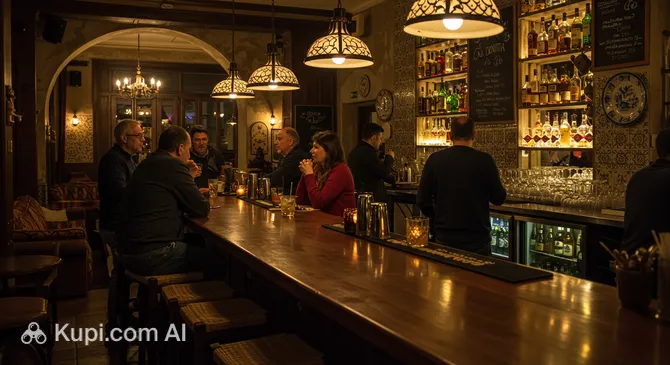
As the night progresses, the crowd typically moves toward more sophisticated venues. A standout location for cocktail enthusiasts is La Bonita Cocktail Bar. Known for its chic decor and expertly crafted drinks, it offers a slightly more upscale yet welcoming environment. It is the perfect place to experience the modern side of Albacete's nightlife, where the dress code tends to be smart-casual, and the vibe is focused on enjoying high-quality beverages and conversation.
La Bonita Cocktail Bar. Illustration.
Source: Kupi.com AI
Traveler photos:
If you prefer entertainment while the sun is still up, the city offers plenty of leisure options beyond its bars. Shopaholics can explore the Imaginalia Shopping Center, a modern complex that combines retail therapy with cinemas and family-friendly activities. For a more tranquil experience, a walk through Jardinillos Park provides a refreshing break from the urban bustle. This historic green space, with its distinctive pavilion and ancient trees, is often the venue for outdoor concerts and cultural events during the summer months.
Practicalities for a night out in Albacete are straightforward. The nightlife starts late, with bars filling up after midnight and clubs staying open until dawn. Prices are generally quite reasonable compared to larger Spanish cities like Madrid or Barcelona. The city is very safe for walking at night, especially in the busy center, but if you need to travel further, official white taxis with a diagonal red stripe are readily available and affordable. You can easily hail one on the street or find them at designated ranks near the main entertainment districts.
Parks & Museums
Beyond its bustling commercial streets and lively fairgrounds, Albacete offers a refreshing array of green spaces and cultural institutions that provide a deeper look into the city's heritage. Visitors will find that the urban landscape is dotted with beautifully manicured gardens and museums that celebrate everything from local industry to natural resources, offering perfect spots for relaxation and learning.
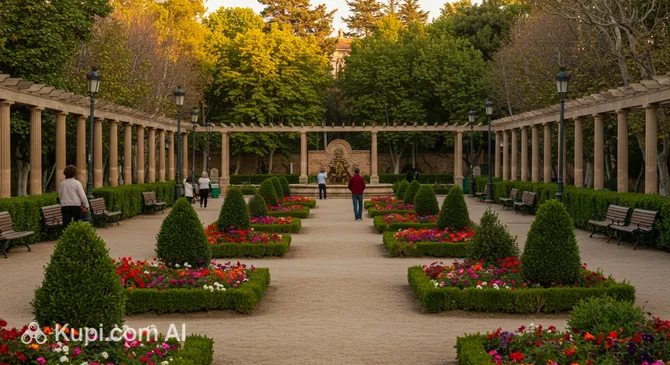
One of the most emblematic green spaces in the city center is the Altozano Garden. Located in the heart of the city, this historic square is much more than just a park; it is the social nucleus of Albacete. Surrounded by impressive architectural landmarks like the old City Hall and the Bank of Spain building, the garden features well-kept hedges, fountains, and the iconic monument to the Bicha de Balazote. It is an ideal place to sit on a bench, enjoy an ice cream, and watch the daily life of the locals unfold in a sophisticated, classic setting.
Altozano Garden. Illustration.
Source: Kupi.com AI
Traveler photos:
For those who enjoy long walks or cycling, the Linear Park of Albacete is a modern urban lung that traverses the city. Built along the route of the old railway tracks, this extensive park serves as a green corridor connecting different neighborhoods. It is designed with a focus on sustainability and recreation, featuring playgrounds, bike paths, and ample shaded areas. The park creates a peaceful atmosphere where you can escape the noise of traffic without leaving the city, making it a favorite among runners and families.
Linear Park of Albacete. Illustration.
Source: Kupi.com AI
Traveler photos:
Another significant spot is Jardinillos Park, which holds the title of the city's oldest garden. Situated near the historic Bullring and the Fairgrounds, it has a distinctively romantic character with its 19th-century design. The park is home to an elegant iron gazebo, which hosts outdoor concerts during the summer months. Its proximity to the fair area makes it a perfect resting point for tourists exploring the city's festive district.
On the cultural front, the city offers unique museums that go beyond the expected. A standout attraction is the Water Interpretation Center, housed in the imposing water tank of the Fiesta del Árbol park. This architectural landmark, which towers over the city, has been converted into a museum dedicated to the importance of water and sustainability. Visitors can ascend the tower to enjoy panoramic views of Albacete and the surrounding plains, offering a perspective that is hard to find elsewhere in the city.
Water Interpretation Center. Illustration.
Source: Kupi.com AI
Traveler photos:
While the previously mentioned Albacete Municipal Museum of Cutlery remains the definitive cultural stop for understanding the city's industrial fame, art lovers should also take note of the smaller galleries and exhibition halls often found within cultural centers like the Cultural Center of La Asunción. These venues frequently host rotating exhibitions of contemporary art and photography that reflect the modern creative spirit of the region.
For a truly authentic experience, take a moment to explore the grounds surrounding the Water Interpretation Center in the Fiesta del Árbol park. This area is less frequented by tourists than the central plazas but offers a charming glimpse into local neighborhood life, especially in the late afternoon when families gather to enjoy the cool evening air.
Getting Around
Navigating Albacete is remarkably straightforward and convenient, primarily because the city is compact and features a very flat terrain. The public transport network relies entirely on a comprehensive urban bus system, as there is no metro or tram service available. The buses, easily recognizable by their red and white color scheme, are managed by Vectalia and provide efficient connections between all major neighborhoods, the city center, the university campus, and the railway station.
For most tourists, the bus is the most practical motorized option. A single ticket can be purchased directly from the driver upon boarding, costing approximately 1.20 euros. However, if you plan to use the bus frequently during your stay, it is highly recommended to purchase a rechargeable travel card known as the "Bonobús." These cards significantly reduce the cost per trip and can be bought and topped up at local tobacco shops (estancos) and authorized kiosks throughout the city. There are also monthly passes available, though these are generally more suited for long-term residents.
The bus service typically operates from around 7:00 AM to 10:30 PM, with frequencies ranging from 10 to 20 minutes depending on the line and the time of day. When paying in cash on the bus, it is important to carry small change, as drivers are often restricted from accepting banknotes larger than 10 euros. To stop a bus, you must wave to the driver as the vehicle approaches, and remember to press the stop button in advance when you wish to get off.
Given the city's flat landscape, cycling is an extremely popular alternative to motorized transport. Albacete features an extensive network of bike lanes and a public bike-sharing system called Albabici. Visitors can access these bikes at various docking stations across the city, making it a fun and eco-friendly way to explore the parks and wider avenues. Taxis are also readily available and can be hailed on the street, found at designated ranks, or booked via telephone; they are metered and offer a reliable option for late-night travel or trips with heavy luggage.
Accommodation
Accommodation in Albacete caters to a variety of travelers, ranging from business professionals to tourists exploring the Castilla-La Mancha region. The city generally offers a selection of modern, functional hotels that provide excellent value for money. Visitors can expect to find everything from comfortable four-star establishments with full amenities to modest, family-run hostales (guesthouses) and budget-friendly pensions. While the city is not known for sprawling luxury resorts, the available options are typically clean, well-maintained, and centrally located, reflecting the practical and welcoming nature of the city.
For those who want to be in the heart of the action, the best area to stay is the city center, particularly near the Plaza del Altozano and the Cathedral. Staying here places you within walking distance of major sights, the popular "La Zona" nightlife district, and the main shopping streets. Alternatively, the area surrounding the railway station is an excellent choice for travelers prioritizing convenience. This district is modern, quieter, and offers easy access to high-speed train connections, making it ideal for those on a short stopover or business trip.
When planning your stay, it is crucial to consider the time of year. While finding a room is usually easy, the situation changes drastically during the Feria de Albacete in September. During this ten-day festival, the city's population swells, and accommodation is often booked out months in advance with prices significantly higher than usual. For the rest of the year, prices are generally quite affordable compared to larger Spanish cities. Booking is straightforward via major online platforms, though contacting smaller guesthouses directly can sometimes yield better rates.
Nearby Cities
For those looking to explore the surroundings, Albacete serves as an excellent base for day trips to several interesting nearby locations:
City
Population
Distance
La Roda
15 497
35 km
Hellin
30 492
56 km
Almansa
24 388
67 km
Villarrobledo
24 978
71 km
Jumilla
26 596
74 km
One of the most culturally significant stops is Hellín, located just a short drive south of the capital. It is world-famous for its Holy Week celebrations, known as the Tamborada, where thousands of drummers create an unforgettable atmosphere. Beyond the festivities, the town is home to the Tolmo de Minateda Archaeological Park, which offers a fascinating journey through different historical civilizations that settled in the area.
A bit further away lies Villena, a city dominated by the imposing Atalaya Castle, one of the best-preserved fortresses in Spain. History enthusiasts will be drawn to its Archaeological Museum, which houses the Treasure of Villena, a spectacular collection of Bronze Age gold that is considered one of the most important prehistoric finds in Europe. The city's historic center also features charming streets and modernist architecture.
For wine lovers, Yecla presents an ideal getaway. This town has its own Designation of Origin for wine and invites visitors to explore its numerous wineries and vineyards. In addition to its enological appeal, Yecla boasts the mysterious Mount Arabí, a UNESCO World Heritage site known for its prehistoric rock art and unique geological formations, making it a perfect spot for combining nature and culture.
These nearby destinations offer a glimpse into the diverse culture and landscapes of the region.
Shopping & Souvenirs
Shopping:
Shopping in Albacete is a delightful mix of modern convenience and deep-rooted tradition, offering everything from high-street fashion to unique local craftsmanship. The city boasts a lively commercial center where pedestrian streets invite visitors to stroll comfortably while browsing. The main axis for retail therapy is Calle Tesifonte Gallego, locally known as Calle Ancha, which, along with Calle Mayor and Calle Concepción, hosts a wide array of boutiques, shoe stores, and international brands.
For a truly atmospheric shopping experience, you cannot miss the Pasaje de Lodares. While it is a major tourist attraction, it remains a functioning commercial gallery. Walking beneath its iron and glass skylight, you can find specialized shops selling everything from jewelry to antiques, all set within one of the most beautiful modernist buildings in Spain. It is the perfect place to find a special gift while admiring the architectural elegance that defines the city's early 20th-century boom.
Travelers looking for a comprehensive shopping experience with all amenities under one roof have excellent options. The Albacenter is a conveniently located shopping mall situated just a short walk from the city center. It features two floors of fashion retailers, a hypermarket, and various dining options, making it a popular choice for both locals and tourists needing to pick up essentials or update their wardrobe.
Albacenter. Illustration.
Source: Kupi.com AI
Traveler photos:
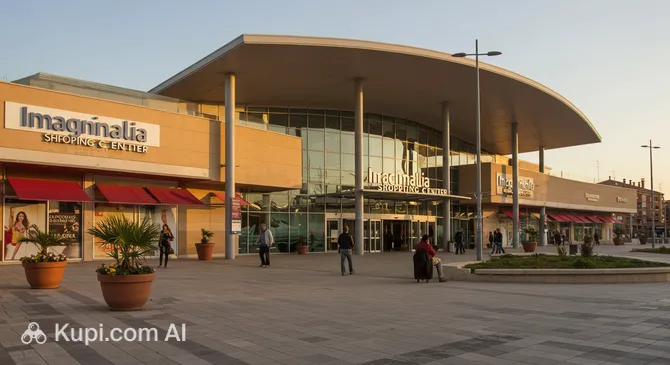
Another major commercial hub is the Imaginalia Shopping Center, located in the northern part of the city. This large complex is designed as an open-air leisure and retail park, offering a relaxed environment with wide avenues. In addition to a vast selection of shops, it includes a cinema and bowling alley, making it a great destination for families who want to combine shopping with entertainment.
Imaginalia Shopping Center. Illustration.
Source: Kupi.com AI
Traveler photos:
When it comes to souvenirs, Albacete is world-renowned for one specific product: cutlery. The city is famous as the "City of Knives," and you will find numerous cuchillerías (knife shops) scattered throughout the center, particularly around the Plaza de la Constitución. The traditional navaja de Albacete (clasp knife) is a piece of art and craftsmanship, available in various styles ranging from practical tools to exquisite collector's items with handles made of stag horn or mother-of-pearl. Buying one is owning a piece of the city's history.
Finally, do not leave without tasting the sweet side of the province. The most iconic edible souvenir is the Miguelito de La Roda, a flaky puff pastry filled with creamy custard and dusted with powdered sugar. These treats are sold in bakeries across the city and are usually bought in boxes of a dozen, making them perfect for sharing with friends and family back home. Local Manchego cheese and wines from the surrounding vineyards are also excellent purchases to complete your gastronomic basket.