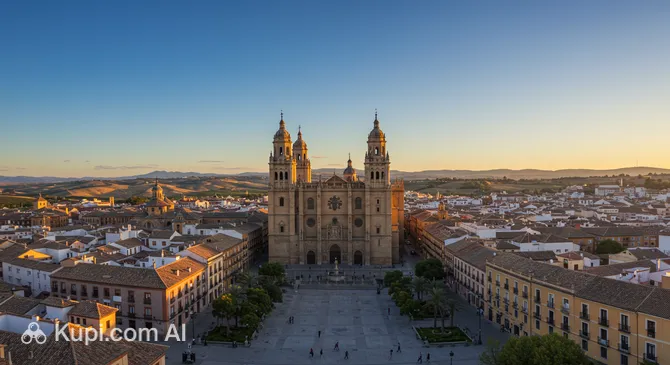
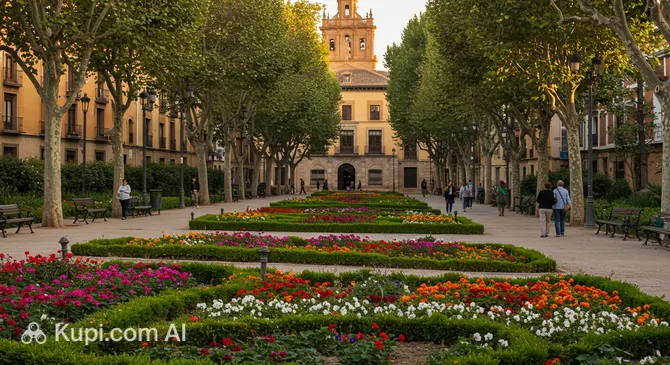
Welcome to Jaén, a captivating city located in the interior of Andalusia. Often celebrated as the "World Capital of Olive Oil," this destination offers an authentic and relaxed atmosphere, perfect for travelers seeking to explore the traditional heart of Spain. Unlike the busy coastal resorts, Jaén provides a genuine glimpse into Andalusian culture, defined by its friendly locals, stunning landscapes, and rich heritage.
Jaén. Illustration.
Source: Kupi.com AI
Geographically, the city is nestled at the foot of the Santa Catalina mountains, overlooking a vast "sea of olive trees" that dominates the surrounding province. With a population of approximately 112,000, it strikes a balance between a lively urban center and a welcoming community. The climate is typically Mediterranean, characterized by hot summers and mild winters, which allows for outdoor exploration throughout much of the year.
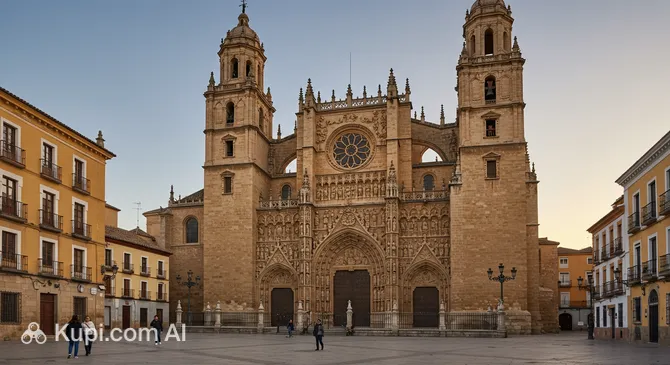
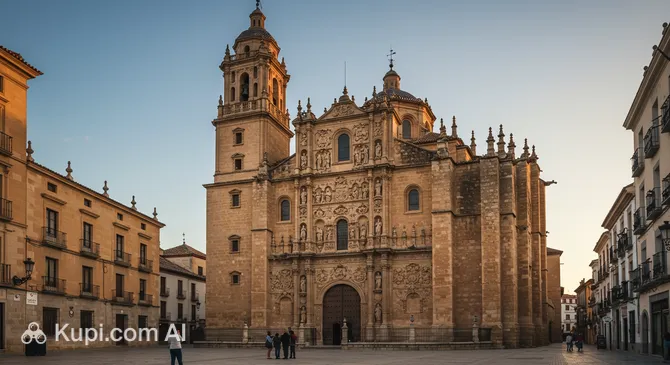
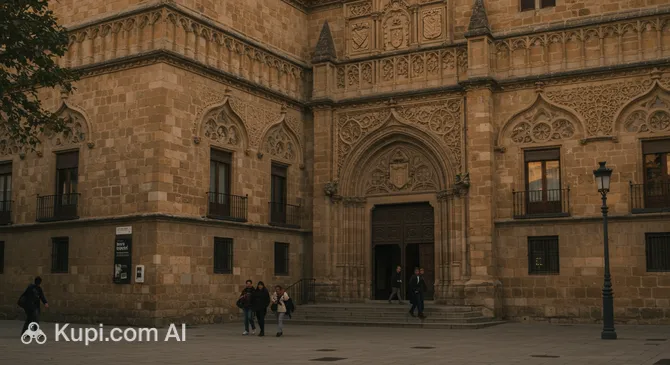
The fascinating history of Jaén is etched into its streets and monuments. From its ancient roots to its strategic importance in medieval times, the city has been a crossroads of cultures. This legacy is best experienced by visiting its top attractions, such as the majestic Cathedral of the Assumption, a masterpiece of the Renaissance that dominates the skyline.
Another must-see landmark is the Castillo de Santa Catalina, a fortress perched high on a hill that offers breathtaking panoramic views of the city and the olive groves beyond. Visitors should also explore the Arab Baths located in the Villardompardo Palace, which are among the largest and best-preserved in Europe. Whether you are a history enthusiast or a lover of gastronomy, Jaén invites you to discover its unique charm and savor the world's finest olive oil right at its source.
Weather Overview
The climate in this region is typically Mediterranean, offering distinct seasonal experiences for travelers. Visitors should expect hot, dry summers and mild winters with moderate rainfall. The warmest period occurs in July and August, where average temperatures hover around 28°C and daily highs can reach approximately 36°C, making it perfect for those who enjoy the heat. Rainfall during these summer months is virtually non-existent, with July often seeing just a single day of precipitation.
In contrast, the winter season brings cooler air, with January being the coldest month, featuring an average temperature of 8.2°C and lows dipping to around 3°C. The transitional seasons of spring and autumn offer pleasant weather, though spring is generally wetter; March and April are the rainiest months, averaging about 10 to 11 wet days each. To help you pack appropriately for your specific travel dates, you can consult the detailed forecast for the weather in Jaén.
Average monthly temperature
Average monthly precipitation
Interesting Facts
Beyond the main attractions, Jaén holds many fascinating secrets and local legends that surprise even the most seasoned travelers. From ancient myths to record-breaking historical sites, the city offers unique stories waiting to be discovered.
The city is famous for the "Lagarto de Jaén" (Lizard of Jaén), a legendary dragon that is said to have terrorized the locals near the Magdalena spring. The legend is so deeply ingrained in the culture that the lizard has become the official symbol of the city, and you can even visit a monument dedicated to the beast.
The Arab Baths and Villardompardo Palace house the largest and best-preserved Arab baths in Spain. Remarkably, these 11th-century baths remained hidden and forgotten beneath the palace foundations for centuries, only to be rediscovered and restored in the early 1900s.
Inside the magnificent Jaén Cathedral, visitors can view the "Santo Rostro" (Holy Face), a revered relic believed to be the veil Saint Veronica used to wipe the face of Christ. This sacred treasure is kept in a special chapel and is exhibited to the public on specific Fridays.
The province is often described as a "Sea of Olives" for a good reason; it produces more olive oil than the entire country of Greece. With over 60 million olive trees, this region alone accounts for a significant portion of the world's total olive oil production.
Jaén Cathedral. Illustration.
Source: Kupi.com AI
Traveler photos:
How to Get There
Reaching this Andalusian gem is relatively straightforward, although the city does not have its own airport. Travelers typically fly into nearby cities and then continue their journey by road or rail. To explore all your options in detail, including bus routes and driving directions, you can read more about how to get to Jaén.
The closest air hub is Granada Airport (IATA: GRX), located in the city of Granada, approximately 66 km from Jaén. It is a convenient option for regional and some international flights. The travel time by taxi or shuttle bus is roughly 2 hours. For a wider range of international connections, many visitors choose Malaga Airport (IATA: AGP) in Malaga. Although it is about 138 km away, it is a major international gateway with frequent flights from across Europe. The journey from Malaga to Jaén can take around 3 to 4 hours depending on the mode of transport.
For clarity, here is a summary of the main airports:
Traveling by train is another excellent way to arrive, as the city is well-connected to the Spanish rail network. You can arrive directly at Jaén Railway Station (IATA: JEA), which is conveniently located within the city itself, just 0.6 km from the center. It offers regular services connecting to Madrid and other parts of Andalusia. Alternatively, travelers often use Cordoba Central Railway Station (IATA: XOJ) in Cordoba, situated about 89 km away. Cordoba is a major high-speed rail hub, allowing for quick transfers from major Spanish cities before taking a connecting train or bus to Jaén.
Below is a list of the nearest and most significant railway stations:
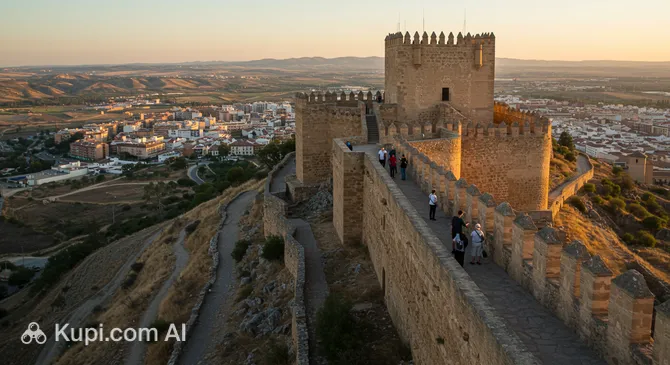
Dominating the city from the summit of a rocky hill, the Castle of Santa Catalina is an essential stop for any visitor. This majestic fortress, originally built during the Moorish period and later modified after the Christian conquest by Ferdinand III, offers a window into the region's military past. Tourists are drawn here not only for the history but for the spectacular panoramic views of the city and the endless olive groves stretching to the horizon. Inside the complex, you will find a beautifully preserved Keep and an Interpretation Center that explains the castle's significance.
Castle of Santa Catalina. Illustration.
Source: Kupi.com AI
Traveler photos:
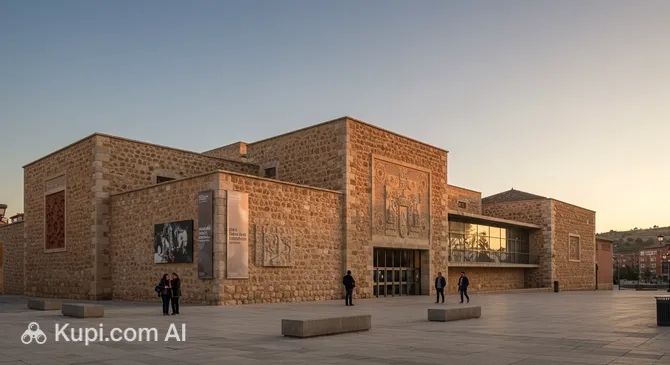
For those interested in ancient civilizations, the International Museum of Ibero Art is a cultural landmark of global importance. This modern facility is the only museum in the world dedicated exclusively to the Iberian culture, which thrived in this region over two thousand years ago. The museum houses an impressive collection of sculptures, pottery, and artifacts that shed light on the rituals and daily life of these ancient people, making it a fascinating visit for history buffs and curious travelers alike.
International Museum of Ibero Art. Illustration.
Source: Kupi.com AI
Traveler photos:
Another architectural jewel in the city center is the Basilica of San Ildefonso. This church is the second most important religious building in Jaén after the Cathedral and is renowned for its unique blend of styles, including Gothic, Renaissance, and Neoclassical elements. It holds a special place in the hearts of locals as it houses the image of the Virgin of the Chapel, the co-patron saint of the city. Visitors can also admire the tomb of the famous architect Andrés de Vandelvira, who left a significant mark on the city's architecture.
Basilica of San Ildefonso. Illustration.
Source: Kupi.com AI
Traveler photos:
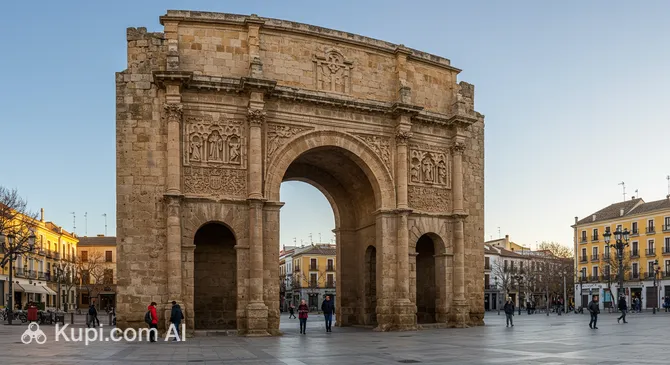
A hidden gem worth discovering is the San Lorenzo Arch. This small but exquisite monument is the only remaining part of the medieval parish church of San Lorenzo, which collapsed in the 19th century. Located in a charming corner of the old town, the arch features beautiful interior tile work and Mudejar-style decorations. It has been declared a National Monument and provides a quiet, atmospheric spot to appreciate the layers of history that define Jaén's streets.
San Lorenzo Arch. Illustration.
Source: Kupi.com AI
Traveler photos:
Local Cuisine
The gastronomy of Jaén is inextricably linked to its status as the world's olive oil capital. High-quality extra virgin olive oil, often referred to as "liquid gold," is the foundation of almost every local recipe, elevating simple ingredients into memorable feasts. The cuisine here is deeply rooted in traditional Andalusian flavors, characterized by peasant-style stews, fresh garden vegetables, and game meat from the surrounding mountains.
One of the most iconic dishes you must try is pipirrana jaenera. This refreshing salad is made with finely chopped tomatoes, green peppers, boiled eggs, and tuna, all emulsified with plenty of garlic, salt, and the region's finest olive oil. For something heartier, especially during the cooler months, look for andrajos. This traditional stew features hare, rabbit, or cod cooked with a dough-based pasta (similar to rags, hence the name) and flavored with mint, creating a comforting and aromatic meal.
A unique aspect of Jaén's food culture, which delights many visitors, is the tradition of free tapas. Unlike in some other Spanish cities where you pay for these small plates, here they are typically served complimentary with every drink you order. This makes the historic center, particularly around the San Ildefonso neighborhood, a vibrant place for "tapeo"—hopping from bar to bar to sample different specialties ranging from migas (breadcrumbs with chorizo) to blood sausage with broad beans.
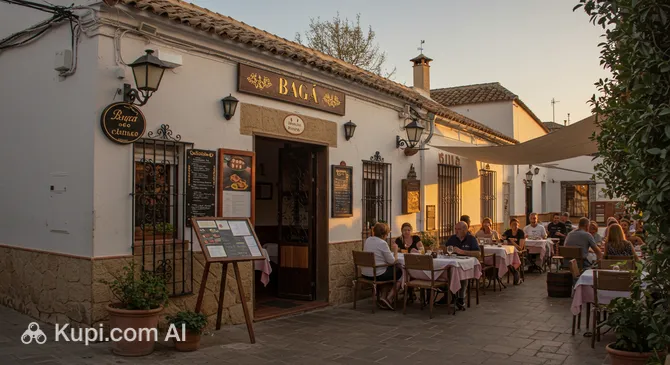
While traditional taverns are plentiful, the city also boasts a growing avant-garde culinary scene. For a sophisticated gastronomic experience, you can visit Bagá Restaurant, which has gained international acclaim for its innovative approach to Andalusian ingredients. It is a perfect example of how local chefs are reinterpreting classic flavors with modern techniques.
Bagá Restaurant. Illustration.
Source: Kupi.com AI
Traveler photos:
To accompany your meal, locals often choose wines from the nearby Sierra Sur de Jaén or a cold beer, which is the standard accompaniment for tapas. For a quick snack or breakfast, do not miss the ochíos, savory bread rolls dusted with paprika and aniseed, often filled with tuna or pâté. These distinctive orange-hued rolls are a beloved staple found in bakeries throughout the city.
Travel Tips
To help you make the most of your journey to this Andalusian gem, we have compiled a set of practical guidelines. Whether you are navigating its hilly streets or indulging in its culinary delights, these tips will ensure your visit to Jaén is as smooth and enjoyable as possible.
Clothing and Gear: The climate dictates your wardrobe here. Summers can be intensely hot, so bring lightweight, breathable fabrics, a hat, and high-factor sunscreen. Winters are cooler, requiring layers and a medium-weight jacket. Most importantly, pack extremely comfortable walking shoes. Jaén is a city of slopes and steep streets, particularly around the cathedral and castle, making heels or flimsy sandals impractical for sightseeing.
Transportation: The historic center is best explored on foot, though be prepared for the hills. For longer distances or to reach the castle without the hike, local buses and taxis are reliable and affordable options. While you do not need a car within the city itself due to narrow streets and limited parking, renting one is highly recommended if you plan to explore the surrounding province and its famous "Sea of Olives."
Finances: The official currency is the Euro (€). While credit and debit cards are widely accepted in hotels, restaurants, and major shops, it is wise to carry some cash. Smaller traditional tapas bars and souvenir shops may prefer cash for small amounts. ATMs are plentiful throughout the city. Tipping is not mandatory but appreciated; rounding up the bill or leaving a few coins is a standard gesture for good service.
Health and Safety: Jaén is generally a very safe city for tourists. Standard precautions against pickpocketing in crowded areas are sufficient. Pharmacies are marked with a green cross; for after-hours emergencies, look for a "Farmacia de Guardia" (duty pharmacy). The tap water is safe to drink and of good quality, so you can refill your water bottle to stay hydrated during your walks.
Communication: Spanish is the primary language. While staff in hotels and major tourist attractions usually speak English, it is less common in traditional bars and among the older population. Learning a few basic phrases like "Hola" (Hello), "Por favor" (Please), and "Gracias" (Thank you) will be warmly received by the locals. For internet access, free Wi-Fi is often available in cafes and public spaces, but buying a local SIM card is easy at phone shops if you need constant connectivity.
Local Etiquette: Dining times in Spain are later than in many other countries. Lunch is typically served between 2:00 PM and 3:30 PM, and dinner often starts after 9:00 PM. When entering a shop or elevator, it is polite to greet others with a "Buenos días" or "Buenas tardes." In tapas bars, remember that the free tapa comes with your drink order—it is a gift of hospitality, so enjoy the surprise selection!
What to Avoid: Avoid rushing your meals or expecting full dinner service at 6:00 PM, as most kitchens will be closed. Also, try not to compare the local olive oil unfavorably to others; the people of Jaén take immense pride in their status as the world's leading producers, and their oil is a source of regional identity.
Shopping Tip: Do not leave without buying a bottle of local Extra Virgin Olive Oil (AOVE). It is significantly cheaper and of higher quality here than anywhere else. Specialty shops in the city center offer tastings, allowing you to choose the perfect variety to take home as a delicious souvenir.
By keeping these practical tips in mind, you will be well-prepared to embrace the authentic rhythm of life in Jaén. From conquering its castle heights to savoring its liquid gold, your adventure in this historic city promises to be a memorable experience.
Entertainment & Nightlife
Entertainment and Nightlife:
The nightlife in Jaén is vibrant, authentic, and deeply rooted in the local culture of socializing. Unlike the massive clubbing scenes found in coastal cities, the evening entertainment here revolves around the "tapeo" tradition—hopping from bar to bar enjoying drinks and free tapas—which naturally evolves into late-night dancing and socializing. The atmosphere is generally relaxed and friendly, fueled by a significant university population and locals who love to stay out late, especially on weekends and during the warmer months.
The heart of the action typically starts in the historic San Ildefonso neighborhood. Its narrow, cobblestone streets are packed with traditional taverns where the night begins with wine or beer and lively conversation. As the night progresses, the crowd often moves towards the Bulevar (Paseo de España) area or the modern expansion of the city. This district features more spacious pubs, modern bars, and terraces that stay open until the early hours of the morning.
For those seeking a specific vibe, the city offers several popular venues. Music lovers looking for a place with character should visit Rock States Food & Drink. It is known for its energetic atmosphere and is a great spot to enjoy rock music and a wide selection of drinks in a themed setting.
Rock States Food & Drink. Illustration.
Source: Kupi.com AI
Traveler photos:
If you prefer a lively bar setting that captures the essence of Jaén's late-night scene, Lirios Bar is another excellent choice. It attracts a diverse crowd and offers a fun environment for drinks and socializing. For a younger, university-style atmosphere, Malavida Universidad is a go-to spot where the energy is always high, making it perfect for meeting new people.
Lirios Bar. Illustration.
Source: Kupi.com AI
Traveler photos:
Practical Advice: The rhythm of the night here is typically Spanish, meaning everything happens later than you might expect. Bars start filling up around 10:00 PM, and nightlife venues do not hit their peak until 1:00 AM or 2:00 AM. The dress code is generally "smart casual"—locals tend to dress up a bit for a night out, but it is rarely formal. Prices are very reasonable compared to larger Spanish cities; a beer often costs between €2 and €3 and usually includes a free tapa.
Safety and Transport: Jaén is considered a very safe city for night walks, particularly in the busy center and Bulevar areas. However, it is always wise to stick to well-lit main streets when walking alone late at night. Getting around is easy; the city center is walkable, but due to the hills, you might prefer a taxi to move between districts. You can easily hail a white taxi with a green light or call "Radio Taxi Jaén" for a pickup.
While the nights are lively, the city also offers plenty of daytime entertainment. Culture enthusiasts can explore the Provincial Museum of Jaén, which houses extensive fine arts and archaeological collections. For those who prefer a modern leisure experience, the Jaén Plaza Shopping Center provides a wide range of shops, cinemas, and family-friendly activities.
Parks & Museums
Beyond its endless olive groves and historic fortresses, Jaén offers a surprising array of green spaces and cultural institutions that invite travelers to relax and delve deeper into the region's heritage. The city seamlessly blends nature with history, providing peaceful parks for leisurely strolls and museums that safeguard centuries of artistic and archaeological treasures.
One of the most picturesque spots in the city is Seminario Park. Located on the slopes leading up to the historic center, this park is less about vast grassy plains and more about spectacular vistas. It serves as a natural balcony offering one of the most iconic views of the majestic Cathedral set against the backdrop of the Santa Catalina Castle. It is an ideal location for a sunset walk, allowing photographers and nature lovers to capture the essence of Jaén in a single frame.
Seminario Park. Illustration.
Source: Kupi.com AI
Traveler photos:
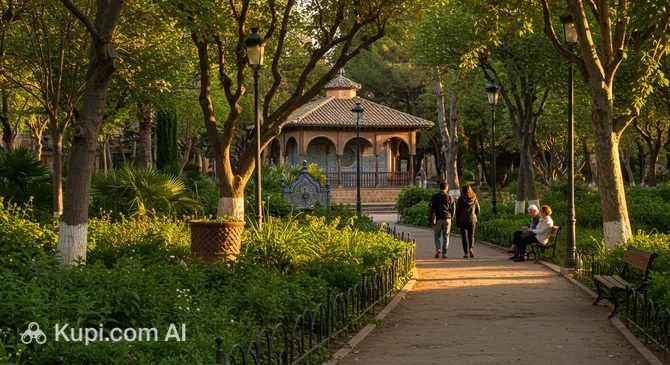
For those seeking a larger, more modern recreational area, Andrés de Vandelvira Park is the city's green lung. As the largest park in Jaén, it features expansive lawns, diverse tree species, and lengthy paths perfect for jogging or cycling. What makes this park truly unique is that it integrates archaeological remains from the ancient Marroquíes Bajos settlement, blending contemporary leisure with the city's distant past. Another central oasis is Concordia Park, located right next to the Plaza de las Batallas, known for its historic music kiosk and tranquil atmosphere.
Andrés de Vandelvira Park. Illustration.
Source: Kupi.com AI
Traveler photos:
When it comes to museums, the city boasts impressive collections that rival those of larger capitals. The Provincial Museum of Jaén is a must-visit for history enthusiasts. Housed in a building that blends regional architecture with modern elements, it is divided into two main sections: Archaeology and Fine Arts. The archaeological collection is particularly renowned for its Iberian and Roman artifacts, offering a comprehensive timeline of the civilizations that have called this province home. The Fine Arts section features works from the 19th and 20th centuries, highlighting local artists.
Provincial Museum of Jaén. Illustration.
Source: Kupi.com AI
Traveler photos:
While the Arab Baths are a famous attraction, the building that houses them, the Arab Baths and Villardompardo Palace, is a cultural hub in its own right. Inside this Renaissance palace, visitors can explore two distinct museums: the Museum of Popular Arts and Customs, which showcases traditional tools, clothing, and crafts of the province, and the International Museum of Naïf Art, which holds a prestigious collection of colorful, primitive-style paintings. This venue offers a multifaceted cultural experience where you can move from medieval architecture to folk history and vibrant art under one roof.
Insider Tip: If you have time for a short excursion, look for the "Via Verde del Aceite" (Greenway of Oil). This trail, built on an old railway line, starts near the city and offers a flat, accessible route for walking or cycling right through the heart of the olive groves, providing a truly immersive experience in the landscape that defines the province.
Getting Around
Navigating Jaén is an experience defined by its unique geography. As a city built on the slopes of the Santa Catalina mountains, the terrain is notably steep, making public transport not just a convenience but often a necessity for moving between the lower modern districts and the historic upper neighborhoods. While the city center is compact enough to explore on foot, the local transport network provides a welcome relief from the hills, efficiently connecting key areas such as the university, the hospital, and the main tourist sites.
The backbone of the public transportation system is the urban bus network. These buses cover a comprehensive grid of routes that crisscross the city, making it easy to reach virtually any district. The service is reliable and frequent, with most lines operating from early morning, around 6:30 AM or 7:00 AM, until approximately 10:00 PM or 11:00 PM. For tourists, the most useful lines are those that connect the bus and train stations with the city center (often stopping near the Plaza de la Constitución) and the route that ascends towards the castle, saving you a strenuous hike.
Regarding the tram system (Tranvía de Jaén), visitors should be aware of its unique situation. Although the city possesses a modern light rail infrastructure designed to connect the northern industrial and university areas with the city center, its operational status has historically been intermittent. While efforts to fully reactivate the service are ongoing, it is advisable not to rely solely on it for your daily sightseeing. It is best to check the current status upon arrival; if running, it offers a smooth and fast connection from the outskirts to the heart of the city.
Paying for transport is straightforward. For occasional use, you can purchase a single ticket directly from the bus driver. It is highly recommended to carry cash, specifically coins or small bills (usually 5 euros or less), as drivers may not have change for large denominations. The price for a single journey is affordable, typically hovering just above 1 euro. If you plan to stay for several days or use the bus frequently, consider purchasing a rechargeable transport card (Bonobús). These can be bought at local tobacconists ("estancos") or authorized kiosks. The card significantly reduces the cost per trip and allows for transfers between lines within a certain time window.
Taxis are a popular and convenient alternative, especially if you are traveling with luggage or returning to your accommodation late at night. Official taxis are white with a diagonal green stripe on the front doors and a green light on the roof indicating availability. They operate on a metered system with regulated rates, which slightly increase during weekends, holidays, and night hours. You can easily hail one on the street, find them at designated ranks (stops) near major plazas, or book one via telephone or local apps like PideTaxi.
For those who prefer more autonomy, car rentals are available but come with a caveat. While a car is excellent for exploring the surrounding olive groves and province, driving within the historic center of Jaén can be challenging due to very narrow, one-way streets and limited street parking. If you do drive, it is practical to park in one of the underground public car parks (parkings) located on the periphery of the old town and continue on foot or by bus. Ride-sharing apps are less prevalent here than in massive metropolises, so relying on the official taxi service is usually the fastest option.
Finally, walking remains the best way to soak up the atmosphere of the old town, provided you are prepared for the physical exertion. Many of the most charming corners, tapas bars, and monuments are located in pedestrianized zones inaccessible to vehicles. A common strategy for visitors is to take a bus or taxi to the highest point of their itinerary, such as the castle or the upper cathedral area, and then enjoy a leisurely walk downhill through the winding streets.
Accommodation
Where to Stay:
Finding the perfect place to stay in Jaén is relatively easy, as the city offers a welcoming mix of accommodation options that cater to different travel styles and budgets. Unlike the crowded coastal resorts of Andalusia, the options here feel more authentic and personal. Travelers can choose from charming guesthouses tucked away in the old quarter, modern hotels in the commercial districts, or budget-friendly hostels ideal for backpackers and students.
When choosing a location, the decision usually falls between the Historic Center and the New Town. Staying in the historic center, particularly near the Cathedral or the San Ildefonso neighborhood, places you in the heart of the action, surrounded by tapas bars and monuments. However, be prepared for steep, narrow streets and limited parking. Alternatively, the modern part of the city, around the Paseo de la Estación and the Bulevar, offers flatter terrain, easier parking, and proximity to the train station and the Museum of Ibero Art, making it a convenient base for those traveling by car or rail.
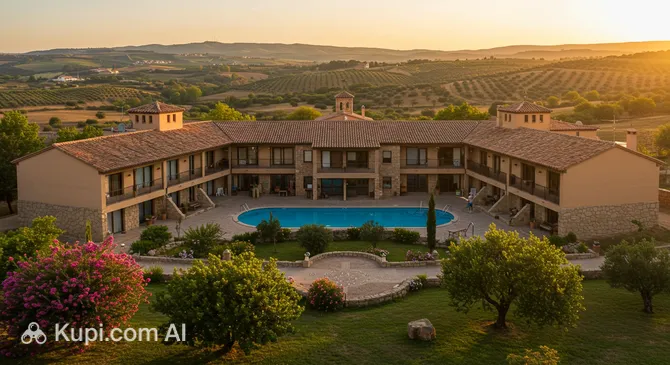
For travelers seeking a specific example of the city's hospitality, the Inturjoven Jaén Hostel is a notable facility. Often situated in a building of historical interest, it provides a unique opportunity to stay in a central location without breaking the bank. It is particularly popular among younger travelers and groups looking for a social atmosphere combined with the amenities of a resort-style lodging.
Inturjoven Jaén Hostel. Illustration.
Source: Kupi.com AI
Traveler photos:
Booking Tips: While Jaén is generally less expensive than cities like Seville or Malaga, it is highly advisable to book well in advance if you plan to visit during Semana Santa (Holy Week) or the Feria de San Lucas in October. During these peak times, demand surges, and prices can rise significantly. For the rest of the year, reserving a few weeks ahead is usually sufficient to secure your preferred choice.
Price Range: The cost of accommodation is quite reasonable. Budget options and hostels typically range from €20 to €50 per night. Mid-range hotels offering solid comfort usually charge between €60 and €100, while more exclusive or historic properties can exceed €120 per night. Most establishments can be easily booked through major online platforms, though contacting smaller guesthouses directly can sometimes yield better rates or specific room requests.
Nearby Cities
For those looking to explore the surroundings, Jaén serves as an excellent base for day trips to several interesting nearby locations:
One of the most essential visits is to Ubeda, a town renowned for its spectacular Renaissance architecture. Along with its neighbor Baeza, it is a UNESCO World Heritage Site. Visitors can marvel at the Plaza Vázquez de Molina, surrounded by imposing palaces and churches that transport you back to the 16th century. It is a cultural jewel that showcases the artistic splendor of the region.
For nature enthusiasts, Andújar offers a perfect blend of heritage and natural beauty. Located at the gateway to the Sierra de Andújar Natural Park, it is a haven for wildlife, including the endangered Iberian lynx. The town is also famous for the Sanctuary of the Virgen de la Cabeza, a pilgrimage site perched high in the mountains offering breathtaking views.
Another captivating destination is Priego de Córdoba, often referred to as the "Jewel of the Baroque" in Cordoba. Known for its abundance of water, the town features the magnificent King's Fountain (Fuente del Rey) with its 139 spouts. A walk through the Barrio de la Villa reveals a maze of narrow, flower-adorned streets that are perfect for a leisurely afternoon stroll.
City
Population
Distance
Torre del Campo
14 059
10 km
Torredonjimeno
13 545
15 km
Mancha Real
11 350
15 km
Martos
24 329
18 km
Mengíbar
9 973
21 km
These nearby destinations offer a glimpse into the diverse culture and landscapes of the region.
Shopping & Souvenirs
Shopping in Jaén offers a delightful mix of traditional charm and modern convenience. While the city may not be a massive retail metropolis, it provides a relaxed atmosphere where visitors can find everything from high-street fashion to unique artisanal crafts. The shopping experience here is deeply connected to the local culture, with a strong emphasis on regional products, particularly the world-renowned olive oil, which is ubiquitous in specialty shops throughout the city.
The heart of the city's commercial activity is concentrated in the pedestrian-friendly streets surrounding the Plaza de la Constitución. This area, often referred to as the "Open Shopping Center," includes bustling thoroughfares like Calle San Clemente, Calle Roldán y Marín, and Calle Bernabé Soriano (locally known as La Carrera). Here, tourists can stroll past a variety of boutiques, shoe stores, and well-known Spanish fashion chains, all while admiring the local architecture and enjoying the lively street atmosphere.
For those who prefer a comprehensive retail experience under one roof, the city boasts modern facilities located slightly further from the historic center. The Jaén Plaza Shopping Center is the largest and most recent addition to the city's retail landscape. It features a vast array of international brands, electronics stores, and entertainment options, making it a popular destination for families and serious shoppers.
Jaén Plaza Shopping Center. Illustration.
Source: Kupi.com AI
Traveler photos:
Another significant spot for retail therapy is the Jaén Department Store. This establishment is a staple for locals, offering a wide selection of goods ranging from high-end cosmetics and fashion to gourmet food items and home accessories. It serves as a convenient one-stop shop for travelers looking for quality products and reliable service.
To experience the authentic flavors of the region, a visit to the Mercado de San Francisco is essential. This historic food market, built in the 19th century, is a sensory delight where stalls overflow with fresh fruits, vegetables, local cheeses, and cured meats. It is the perfect place to mingle with residents and discover the ingredients that define Andalusian cuisine. Additionally, street markets (mercadillos) are held periodically in designated areas, offering everything from clothes to household goods at bargain prices.
When it comes to souvenirs, the undisputed king of purchases in Jaén is Extra Virgin Olive Oil (AOVE). As the world's capital of olive oil, the city offers specialized boutiques where you can taste and buy premium oils, particularly the local Picual variety. Beyond "liquid gold," visitors should look for traditional ceramics and pottery, which are part of a long-standing artisanal tradition in the province. Handcrafted items made from olive wood are also popular and durable keepsakes.
Store opening hours generally follow the traditional Spanish schedule. Small shops and boutiques in the city center typically open from 10:00 AM to 1:30 PM or 2:00 PM, close for the afternoon "siesta," and reopen from 5:00 PM or 5:30 PM until 8:30 PM or 9:00 PM. However, major shopping malls and department stores usually operate continuously from 10:00 AM to 10:00 PM without closing for lunch. Credit and debit cards are widely accepted, though carrying some cash is useful for small purchases in markets or traditional kiosks.
Travelers residing outside the European Union are eligible for a VAT refund (Tax-Free) on purchases of personal goods. Look for the "Tax Free" sign in store windows. When making a purchase, ask for the electronic tax-free form (DIVA), which you will need to validate at customs upon leaving the EU to claim your refund.