Support

Seville

About

Welcome to Seville, the radiant capital of Andalusia and a city that effortlessly captures the heart of every traveler. Known for its passionate flamenco, vibrant festivals, and sun-drenched streets, this destination offers a perfect blend of tradition and modernity. As the artistic and cultural soul of southern Spain, Seville invites visitors to explore its enchanting neighborhoods, where the scent of orange blossoms often fills the air.

Geographically, the city is situated on the plain of the Guadalquivir River, which has played a crucial role in its development as a port city throughout the centuries. Seville enjoys a Mediterranean climate characterized by very hot, dry summers and mild winters, making it a year-round destination for those seeking sunshine. With a metropolitan population of approximately 1.1 million inhabitants, it is a bustling urban center that maintains a welcoming and relaxed atmosphere.
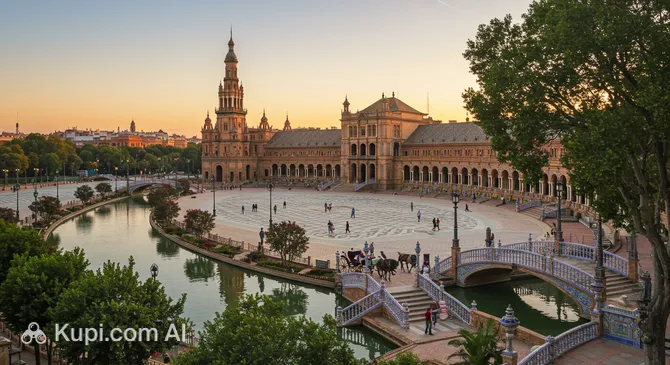
Seville. Source: Kupi.Binoculars

The history of Seville is a rich tapestry woven with Roman, Islamic, and Christian influences, evident in its stunning architecture and urban layout. Walking through the city feels like stepping into an open-air museum where different eras coexist harmoniously. Visitors are captivated by world-famous landmarks such as the majestic Royal Alcázar, a stunning example of Mudéjar architecture, and the colossal Seville Cathedral with its iconic Giralda tower.

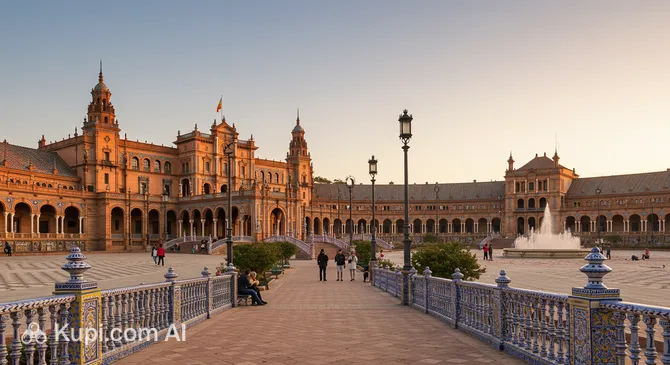
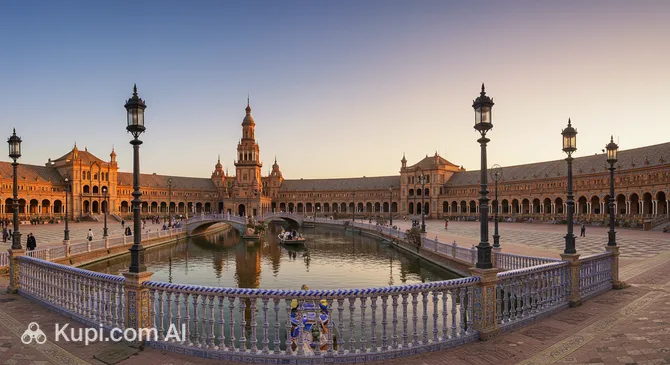
Beyond its monuments, the city is famous for the breathtaking Plaza de España, a semi-circular complex decorated with beautiful ceramic tiles representing all the provinces of the country. Whether you are wandering through the winding alleys of the Santa Cruz quarter or enjoying tapas in a lively local bar, the city offers an unforgettable experience. We invite you to discover the magic, warmth, and unparalleled charm of Seville on your next journey.
Weather Overview

Seville is renowned for its bright, sunny climate, offering visitors a true taste of Andalusian warmth. The weather in Seville is characterized by distinct seasonal changes, though it remains inviting throughout the year. Generally, you can expect scorching, dry summers with virtually no rain and mild, comfortable winters where the temperature rarely drops to freezing.

Summer is the most intense season, with July and August seeing average temperatures around 28°C and daytime highs often soaring to 35.7°C. These months are incredibly dry, with data indicating 0 wet days, ensuring uninterrupted blue skies. In contrast, the cooler months like January bring average temperatures of 11.2°C, with lows around 6.3°C. While precipitation remains low overall, spring sees a slight increase in activity, with March experiencing up to 9 wet days.

Interesting Facts

Beyond the main attractions, Seville holds many fascinating secrets and urban legends that often go unnoticed by the casual observer. Dive into these unique details to see the city from a completely different perspective.
Plaza de España. Source: Kupi.Binoculars
  • The city's mysterious motto, "NO8DO," can be seen everywhere, from manhole covers to municipal buildings. It is a rebus reading "No me ha dejado" ("She has not abandoned me"), allegedly bestowed by King Alfonso X to honor the city's loyalty during a medieval rebellion.

  • Movie buffs might recognize the stunning Plaza de España as the planet Naboo from Star Wars: Attack of the Clones. This architectural masterpiece has also served as a backdrop for other classic films, including Lawrence of Arabia.

  • Seville is home to tens of thousands of bitter orange trees, which are more than just colorful street decorations. The fruit is actually exported to Britain to make high-quality marmalade because it is generally too sour for fresh consumption by locals.

  • The General Archive of the Indies houses some of the most important documents in history, including the personal diary of Christopher Columbus. This UNESCO World Heritage site preserves centuries of maps and papers detailing the Spanish Empire's exploration of the Americas.

  • Local legend claims that the beloved Spanish culinary tradition of "tapas" originated here. Bartenders would supposedly cover (or "tapar") wine glasses with a slice of ham or bread to keep dust and flies away, eventually evolving into the elaborate snacks served today.

How to Get There

Reaching the capital of Andalusia is relatively straightforward, thanks to its well-connected transport network. Whether you are arriving from international destinations or neighboring cities, there are several convenient options available. For a complete overview of routes and transport modes, you can check all ways to reach the city in our dedicated guide.

The most direct way to arrive by air is via Seville Airport (SVQ). This international facility serves as the main gateway and is conveniently located just 8.7 km from the city center. A trip by taxi or bus typically takes around 35 minutes, making it an efficient choice for travelers. It handles a significant volume of passengers annually, connecting the city with major European hubs.

Another option for travelers is Jerez Airport (XRY), situated in the city of Jerez de la Frontera, approximately 71.8 km away. While smaller than the main airport, it offers an alternative entry point to the region. The journey from here to Seville takes about 2 hours by road. For those looking for a wider range of international flights, Malaga Airport (AGP) in Malaga is a major hub located 154.1 km away. Although the transfer time is longer—approximately 4 hours by road—its extensive flight connections make it a popular choice for visitors touring the wider Andalusia region.

For clarity, here is a summary of the main airports:

Airport Name City Passenger Traffic Km from City
Malaga Airport Malaga Very High 154.1
Faro Airport Faro High 180.7
Seville Airport Seville High 8.7
Jerez Airport Jerez de la Frontera Medium 71.8
North Front Airport Gibraltar Low 148.6

For those preferring rail travel, the city is excellently served by the Santa Justa Railway Station (XQA). Located directly in Seville, just 0.9 km from the center, it is a major transport hub handling millions of passengers each year. The station is a key stop for the high-speed AVE trains connecting to Madrid and other major Spanish cities. Getting to the city center from the station is very quick, taking approximately 20-25 minutes depending on traffic and your precise destination.

Below is a list of relevant railway stations in the region:

Station City Passenger Traffic Km to Center
Santa Justa Railway Station Seville Very High 0.9
Jerez Railway Station Jerez de la Frontera Medium 79.7
Cádiz Station Cadiz Medium 99.2
Huelva Station Huelva Low 87.0
Puente Genil Railway Station Puente Genil Low 103.0

Main Attractions

Attractions:

Seville is a treasure trove of architectural wonders and historic sites, offering visitors a journey through centuries of diverse cultures. The city's monuments are not just beautiful backdrops but living testaments to its Roman, Islamic, and Christian heritage. From ancient palaces to avant-garde structures, the main sights provide a captivating glimpse into the soul of Andalusia.

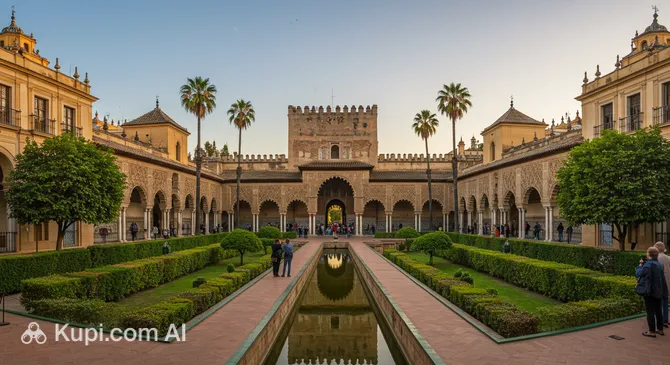
One of the most breathtaking landmarks is the Royal Alcázar of Seville. This UNESCO World Heritage site is recognized as the oldest royal palace still in use in Europe. Tourists are drawn to its exquisite Mudéjar architecture, characterized by intricate tile work, lush gardens, and ornate courtyards. It is a place of sheer beauty that gained further international fame as a filming location for the series Game of Thrones, making it a must-visit for history buffs and pop culture fans alike.

Royal Alcázar of Seville. Source: Kupi.Binoculars

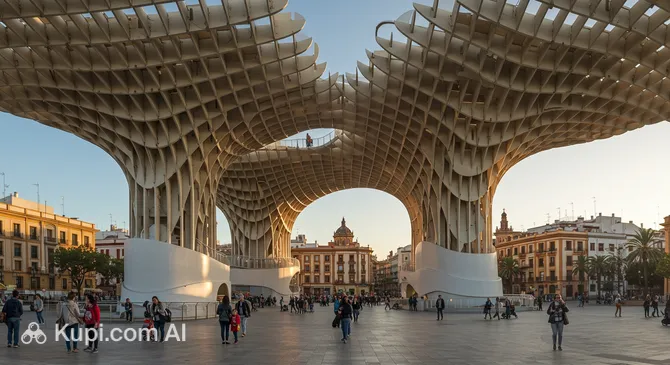
For a striking contrast to the city's historic core, the Metropol Parasol, locally known as "Las Setas" (The Mushrooms), is an unmissable stop. Located in the Plaza de la Encarnación, this massive wooden structure claims to be the largest of its kind in the world. Visitors can walk along the winding pathways on its roof to enjoy spectacular panoramic views of the city, particularly at sunset. It also houses an archaeological museum and a lively market beneath its shade.

Standing guard by the Guadalquivir River is the iconic Tower of Gold (Torre del Oro). Built in the 13th century as a military watchtower to control access to the harbor, it now serves as a fascinating naval museum. Its name is the subject of various legends, with some suggesting it was once covered in golden tiles. A walk along the riverbank to this tower offers a peaceful break and a chance to appreciate Seville's maritime history.

Nature lovers and those seeking tranquility should explore Maria Luisa Park. As the city's primary green lung, it is a sprawling botanical garden filled with exotic plants, tiled fountains, and shaded avenues. It serves as the verdant setting for the famous Plaza de España and is the perfect place for a leisurely carriage ride or a relaxing afternoon picnic away from the urban bustle.

Metropol Parasol. Source: Kupi.Binoculars

Finally, art enthusiasts will find a haven in the Museum of Fine Arts of Seville. Often considered the second most important art gallery in Spain after the Prado in Madrid, it is housed in a beautifully restored 17th-century convent. The museum boasts an impressive collection of Spanish art, particularly from the Golden Age, featuring masterpieces by renowned local artists such as Murillo, Zurbarán, and Valdés Leal.

Local Cuisine

The culinary scene in Seville is arguably the most famous in Andalusia, revolving deeply around the social tradition of tapas. In this city, eating is not just about sustenance but a way of life known as "tapear"—hopping from bar to bar to enjoy small plates of food with friends. The local gastronomy is simple yet flavorful, relying heavily on high-quality olive oil, fresh vegetables, and locally sourced meats. Visitors will find that the best meals are often enjoyed standing up at a crowded counter, soaking in the lively atmosphere that defines the Sevillian dining experience.

When it comes to signature dishes, you simply cannot leave without trying Espinacas con Garbanzos (spinach with chickpeas), a vegetarian classic with Moorish roots that is a staple in almost every traditional tavern. Another refreshing favorite, especially during the hot summer months, is Salmorejo. While originally from neighboring Cordoba, this thick, cold tomato cream topped with hard-boiled egg and jamón is ubiquitous here. For meat lovers, the Pringá is a must-try delicacy; it consists of tender, slow-cooked meats from a stew, shredded and served on a small bread roll, offering a rich and savory bite.

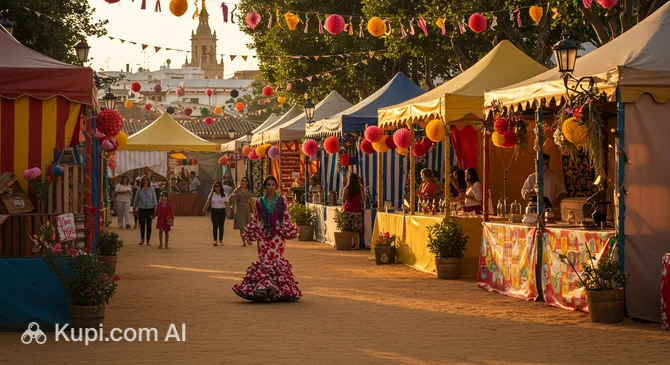
Feria Market. Source: Kupi.Binoculars

To accompany these dishes, locals have their preferred beverages. While sherry wines like Manzanilla are popular, a uniquely Sevillian drink is Vino de Naranja, a sweet dark wine macerated with bitter orange peels. It is typically served chilled and makes for an excellent aperitif. On warmer days, you will see terraces filled with glasses of Tinto de Verano, a refreshing mix of red wine and lemon soda that is often preferred over sangria by the residents. Of course, a cold draft beer is the standard accompaniment to any round of tapas.

For those looking to explore the roots of local ingredients, a visit to the Feria Market is essential. Located in the Macarena district, it is one of the oldest markets in the city and offers a fantastic array of fresh produce and small food stalls. If you prefer a sit-down experience that blends tradition with modern creativity, the acclaimed Espacio Eslava serves award-winning tapas that draw crowds from around the world. Alternatively, for a classic atmosphere steeped in history, the Dos de Mayo Bar provides an authentic setting to enjoy time-honored recipes in the heart of the city.

Travel Tips

To ensure your visit to the Andalusian capital is as seamless as it is memorable, we have compiled a list of essential practical advice. These tips will help you navigate the local customs and logistics, allowing you to focus purely on enjoying the city's vibrant atmosphere.

  1. Clothing and Gear: Seville is famous for its intense heat, especially from June to September, so light, natural fabrics are a must. However, always carry a scarf or shawl; while the streets are casual, entering religious sites like the Cathedral requires covering your shoulders and knees. Comfortable walking shoes are essential for navigating the charming but uneven cobblestone streets of the historic center.
  2. Transportation: The best way to explore the city center is on foot, as most major attractions are close to one another. For longer distances, the city offers an efficient bus network (TUSSAM), a handy tram line (MetroCentro), and a single-line metro. Avoid renting a car for city touring, as traffic can be congested and parking in the historic district is notoriously difficult and expensive.
  3. Finances: The local currency is the Euro (€). While credit and debit cards are widely accepted in most restaurants and shops, it is advisable to carry some cash for small purchases in traditional tapas bars or for bus fare. ATMs are plentiful, and tipping is not mandatory but appreciated; rounding up the bill or leaving a few coins is standard practice.
  4. Health and Safety: Seville is generally a very safe destination for tourists, but standard precautions against pickpockets should be taken in crowded areas like the Santa Cruz neighborhood. Pharmacies are identified by a flashing green cross; for minor ailments, they are your first port of call. In case of any serious emergency, dial 112 for police, ambulance, or fire services.
  5. Communication: Spanish is the official language. While English is commonly spoken in hotels and major tourist spots, it is less prevalent in local neighborhood bars and markets. Learning a few basic phrases like "Hola" (Hello) and "Gracias" (Thank you) goes a long way. Free Wi-Fi is often available in public spaces, but purchasing a local SIM card is recommended for reliable navigation.
  6. Local Etiquette: Adjusting to the local schedule is key; lunch is typically served between 2:00 PM and 4:00 PM, and dinner rarely starts before 8:30 PM or 9:00 PM. When entering a shop or elevator, a polite greeting is expected. During the afternoon siesta (roughly 2:00 PM to 5:00 PM), many smaller shops close to escape the heat, so plan your shopping accordingly.
  7. What to Avoid: Be wary of women offering sprigs of rosemary near the Cathedral or Plaza de España. This is a common tourist trap where they will offer the "gift" and then aggressively demand payment or offer unsolicited fortune-telling. A polite but firm "No, gracias" is the best way to handle this situation without engagement.
  8. Summer Survival: If you visit in summer, do as the locals do: start your day early, retreat to your hotel or a museum during the scorching mid-day hours, and venture out again in the evening when the city truly comes alive. The streets fill with people enjoying the cooler air well past midnight.

By keeping these practicalities in mind, you will be well-equipped to experience the authentic rhythm of Seville. Embrace the laid-back lifestyle, enjoy the late nights, and let the city's warmth welcome you.

Entertainment & Nightlife

Entertainment:

Seville is a city that pulses with energy day and night, offering a diverse array of leisure activities that go far beyond its historical monuments. From the rhythmic clapping of flamenco to adrenaline-pumping theme parks, the Andalusian capital ensures that every visitor finds their perfect way to unwind. The city's entertainment scene is a vibrant reflection of its people: passionate, welcoming, and always ready to celebrate life.

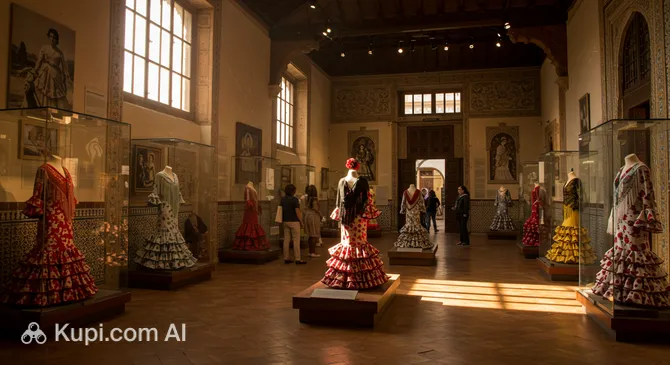
No visit to Seville is complete without experiencing the intensity of its most famous art form. For a deep dive into this cultural heritage, the Flamenco Dance Museum is an essential stop. Founded by the renowned dancer Cristina Hoyos, it offers an interactive journey through the history of the dance and hosts intimate performances that showcase top-tier talent. Alternatively, the Casa de la Memoria Flamenco Cultural Center provides a deeply authentic atmosphere where guests can witness the raw emotion of guitar, song, and dance in a traditional setting.

Flamenco Dance Museum. Source: Kupi.Binoculars

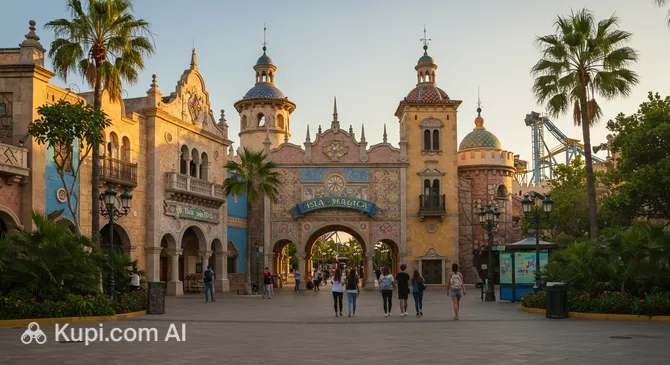
For families and thrill-seekers, the city offers exciting modern attractions. Isla Mágica is a major theme park located on the former grounds of the Expo '92. Themed around the Age of Discovery, it features high-speed roller coasters, water rides to beat the heat, and live shows that entertain visitors of all ages. Just a short distance away, the Seville Aquarium invites you to explore the depths of the ocean. Its exhibits follow the route of Magellan's circumnavigation, displaying a fascinating variety of marine life including sharks, sea turtles, and exotic fish.

Isla Mágica. Source: Kupi.Binoculars

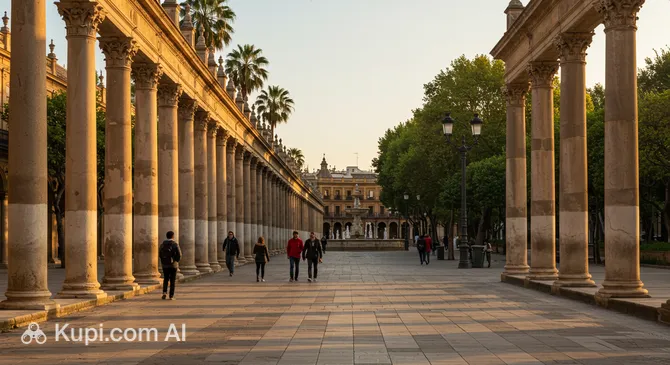
As the sun sets, the local social life shifts to the streets and plazas. The Alameda de Hércules is the epicenter of the city's alternative nightlife. This expansive public square, lined with Roman columns and poplar trees, is packed with bohemian cafes, tapas bars, and music venues. It is the perfect spot to enjoy a drink al fresco before heading to clubs like Sala Even or Sala Havana, which frequently host live concerts and DJ sets, keeping the energy high until the early morning hours.

Alameda de Hércules. Source: Kupi.Binoculars

Those looking for a premier shopping experience will find plenty of options as well. While the historic center is full of charming boutiques, the Lagoh Shopping Center offers a modern retail haven. As the largest complex of its kind in the province, it features hundreds of international brands, a cinema, and unique leisure facilities like an artificial lake with a surf wave. Closer to the city center, Nervión Plaza is another convenient destination, combining fashion stores with entertainment options right next to the Ramon Sanchez-Pizjuan Stadium.

Parks & Museums

Seville is not only a city of vibrant streets and bustling plazas but also a sanctuary of verdant retreats and profound historical depth. Beyond the well-trodden paths of its most famous monuments, the city offers a wealth of green spaces and cultural institutions that guard the secrets of its illustrious past. Exploring these parks and museums allows visitors to step back in time and enjoy the serene side of Andalusian life.

For a peaceful escape right in the city center, the Murillo Gardens offer a botanical haven adjacent to the walls of the Alcázar. Named after the famous painter Bartolomé Esteban Murillo, whose house was nearby, this park is characterized by its intimate pathways, ceramics, and lush vegetation including magnolias and orange trees. It is a quieter alternative to larger parks, perfect for a romantic stroll or a shaded break from the midday sun.

Another magnificent open space is the Plaza de América, located within the southern end of Maria Luisa Park. Known locally as the "Pigeon Park," it is flanked by three impressive buildings representing Mudéjar, Gothic, and Renaissance architectural styles. The plaza is beautifully landscaped with flowerbeds and ponds, making it a delightful spot to relax while admiring the surrounding architecture which houses the Museum of Popular Arts and Traditions and the Archaeological Museum.

Plaza de América. Source: Kupi.Binoculars

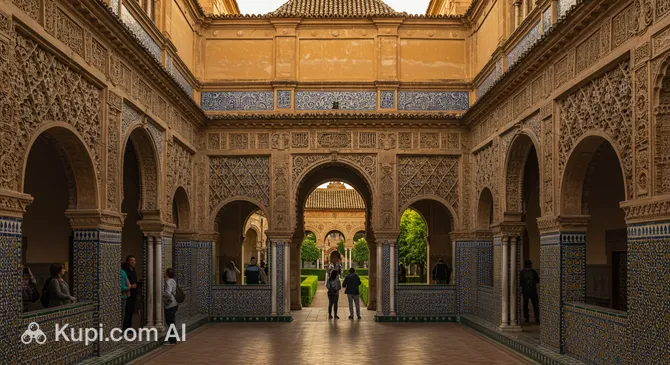
When it comes to museums that reflect the city's aristocratic history, the Casa de Pilatos is an absolute masterpiece. This permanent residence of the Dukes of Medinaceli is one of the finest examples of Andalusian palace architecture, blending Italian Renaissance styles with Spanish Mudéjar elements. Visitors can wander through its exquisite courtyards adorned with classic statues and vibrant azulejos (tiles), offering a glimpse into the opulent lifestyle of Seville's nobility in the 16th century.

History enthusiasts should not miss the General Archive of the Indies, a UNESCO World Heritage site situated next to the Cathedral. Housed in the ancient Merchants' Exchange, it preserves the entire history of the Spanish Empire in the Americas and the Philippines. While the millions of documents are kept in secure vaults, the building itself and the rotating exhibitions provide a fascinating insight into the Age of Discovery and Seville's pivotal role as the gateway to the New World.

Casa de Pilatos. Source: Kupi.Binoculars

Just a short journey outside the city lies the Archaeological Ensemble of Italica, the birthplace of Roman Emperors Trajan and Hadrian. This sprawling site features remarkably well-preserved mosaics, wide avenues, and one of the largest amphitheaters in the Roman Empire, which once held 25,000 spectators. Walking through these ancient ruins offers a powerful connection to the region's Roman heritage and is a must for anyone interested in archaeology.

For a truly authentic cultural experience, seek out the Church of Saint Louis of the French. Often overlooked by tourists, this baroque jewel is a stunning display of ornamental exuberance, with its interior completely covered in mirrors, frescoes, and altarpieces. Another hidden gem is the Church of the Divine Savior, the second-largest church in Seville, built on the remains of a mosque; its patio is a favorite local spot for enjoying a beer in the sun.

Getting Around

Navigating Seville is a pleasant experience thanks to its clean, efficient, and well-integrated public transport network. The backbone of the system is the bus service operated by TUSSAM, which covers the entire city with a dense web of routes. While standard buses connect the main avenues and outer neighborhoods, specialized minibuses are used to maneuver through the narrow, winding streets of the historic center. For visitors, the circular lines C1 and C2 are particularly useful, as they loop around the perimeter of the old town, connecting major landmarks and the Santa Justa train station without requiring complex transfers.

Complementing the buses is the city's modern metro system, which currently consists of a single line (Line 1). It is an excellent option for quickly crossing from the suburbs to the city center, with key stops such as Puerta de Jerez located right next to the main tourist attractions. In the heart of the city, the MetroCentro tram offers a scenic and convenient way to travel. This surface line glides past the Cathedral and the Archive of the Indies, bridging the gap between the San Bernardo transport hub and the central Plaza Nueva, making it a favorite for tourists who want to save their energy while sightseeing.

Paying for transport is straightforward and tourist-friendly. While you can purchase single tickets for a slightly higher price, the most economical option is to buy a rechargeable travel card, such as the Tarjeta Multiviaje. These cards can be purchased and topped up at tobacco shops (estancos), kiosks, and ticket machines at metro and tram stations. The card is transferable, meaning one card can be used by multiple people traveling together; you simply tap it once for each passenger upon boarding.

Travelers should keep in mind a few practical tips regarding operating hours. Generally, buses run from approximately 6:00 AM to 11:30 PM, with special night buses available on weekends. The metro operates from early morning until 11:00 PM on weekdays, extending its service until 2:00 AM on Fridays and Saturdays. Always remember to validate your ticket or tap your card when entering buses and trams. For the metro, you must tap both on entry and exit to ensure the correct fare is calculated based on the zones you have crossed.

For those who prefer active mobility, Seville is one of the most bike-friendly cities in Europe. The terrain is predominantly flat, and there is an extensive network of bicycle lanes. The public bike-sharing system, SEViCi, offers thousands of bikes at docking stations throughout the city, with short-term subscriptions available specifically for visitors. This is a fantastic way to explore the riverside paths along the Guadalquivir or the expansive Maria Luisa Park at a leisurely pace.

If you prefer door-to-door service, official white taxis are plentiful and can be hailed on the street or found at designated ranks. They operate on a meter system, and supplements may apply for airport trips or late-night rides. Alternatively, major ride-sharing apps are active in the city, offering the convenience of booking and paying via your smartphone. However, remember that many streets in the historic Santa Cruz and Triana districts are pedestrian-only, so walking remains the best way to discover the hidden gems of the old town.

Accommodation

Where to Stay:

Finding the perfect place to stay in Seville is part of the charm of visiting this Andalusian gem. The city offers a wide spectrum of accommodation options to suit every preference and budget, ranging from opulent 5-star hotels housed in restored palaces to charming boutique guesthouses and lively backpacker hostels. In recent years, there has also been a surge in high-quality tourist apartments, which provide a "home away from home" experience for families and longer stays.

When choosing a location, the neighborhood of Santa Cruz is the most popular choice for first-time visitors. Staying here puts you within walking distance of the Cathedral and the Alcázar, immersed in a labyrinth of narrow, romantic streets. For a more authentic, local vibe, the district of Triana across the river offers a vibrant atmosphere famous for its pottery and flamenco history. Alternatively, the Alameda area is perfect for younger travelers looking for alternative culture and a buzzing nightlife scene right on their doorstep.

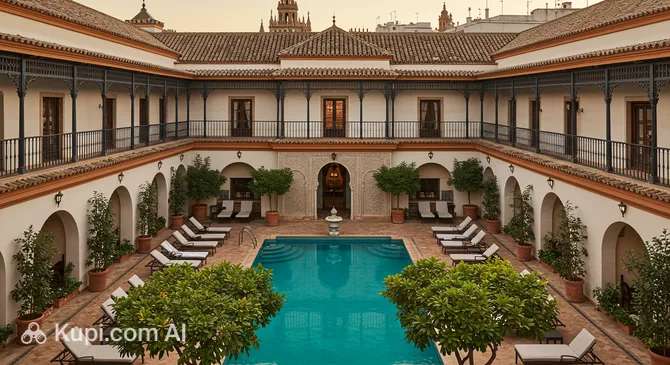
For travelers seeking the convenience of self-catering facilities combined with hotel-like services, the city has excellent resort-style options. One such example is Seville Apartments, which offers modern amenities and is well-situated for exploring the city's main sights. These types of accommodations are particularly great for those who value space and privacy after a long day of sightseeing.

Seville Apartments. Source: Kupi.Binoculars

Another highly regarded option is Tempa Museo Holiday Apartments. Located near the Museum of Fine Arts, this property blends comfort with an excellent location, allowing guests to enjoy a quiet retreat while remaining close to the cultural heart of the city. Facilities like these often feature refreshing pools or rooftop terraces, which are a blessing during the hot Sevillian afternoons.

Booking Tip: Seville has two major peak seasons: Semana Santa (Holy Week) and the Feria de Abril (April Fair). During these spring festivals, demand skyrockets, and prices can triple. If you plan to visit during these dates, it is crucial to book your accommodation at least six months in advance to secure a room.

In terms of pricing, the city is generally affordable compared to other major European capitals, though costs fluctuate seasonally. Budget travelers can find hostel beds for reasonable rates, while mid-range hotels offer excellent value. Most accommodations can be easily booked via major online platforms or directly through their websites. Regardless of where you choose to stay, the warm hospitality of Seville ensures a welcoming experience.

Nearby Cities

For those looking to explore the surroundings, Seville serves as an excellent base for day trips to several interesting nearby locations:

Located just southeast of the capital, Alcalá de Guadaíra is a compelling destination known for its impressive fortifications. The town is dominated by a medieval castle that stands guard over the river, and its natural surroundings, including the Oromana Park, provide a refreshing escape into nature. Historically, it was the bread basket of Seville, a legacy preserved in its many old flour mills.

Another unique spot is Coria del Río, which sits along the Guadalquivir River. This town is celebrated for its surprising historical bond with Japan, established when a samurai embassy visited in the 17th century. To this day, many residents carry the surname "Japón," and the town hosts cultural events celebrating this distant connection.

City Population Distance (km)
Dos Hermanas 137,561 13
Alcalá de Guadaíra 75,917 14
Mairena del Aljarafe 47,161 7
La Rinconada 39,509 11
Coria del Rio 30,774 13

These nearby destinations offer a glimpse into the diverse culture and landscapes of the region.

Shopping & Souvenirs

Shopping in Seville offers a delightful mix of traditional craftsmanship and modern retail therapy, making it a paradise for those who enjoy browsing as much as buying. The city is renowned for its artisanal products, particularly ceramics, leather goods, and flamenco-inspired fashion. Whether you are looking for high-end international brands or unique, handcrafted treasures hidden in narrow alleyways, the Andalusian capital provides a vibrant shopping scene that reflects its rich cultural heritage.

The beating heart of the city's commercial life is found in the pedestrianized streets of the historic center, specifically Calle Sierpes and Calle Tetuán. These parallel avenues are lined with a variety of shops, ranging from popular Spanish fashion chains to historic establishments that have been selling hats, fans, and embroidery for over a century. Walking through this bustling district offers not just a shopping trip but a cultural immersion, often accompanied by the shade of awnings strung between buildings to protect shoppers from the sun.

For those who prefer a comprehensive modern shopping experience, the city boasts impressive malls. The Lagoh Shopping Center is the largest and most modern complex in the province. Located on the outskirts, it features a vast array of international brands, dining options, and entertainment facilities, all designed around a beautiful artificial lake. Closer to the city center, Nervión Plaza offers a convenient alternative right next to the football stadium, housing numerous fashion stores and a cinema, making it a popular spot for locals.

Lagoh Shopping Center. Source: Kupi.Binoculars

Markets are an essential part of daily life here, offering a glimpse into the local soul. The Feria Market, situated next to the Omnium Sanctorum church, is one of the oldest in the city and a fantastic place to find fresh produce, flowers, and local delicacies. For those interested in ceramics, the neighborhood of Triana is the historic center of pottery production, where you can find exquisite hand-painted tiles and plates directly from the workshops.

When it comes to souvenirs, authentic local goods are the best choice. A hand-painted fan (abanico) is both a beautiful keepsake and a practical tool for the heat. Ceramics from Triana, high-quality olive oil, and traditional flamenco accessories like castanets or shawls are also highly sought after. Foodies often bring back vacuum-packed jamón ibérico or a bottle of local orange wine to relive the flavors of their trip.

It is important to be aware of local business hours. Small shops and traditional boutiques typically close for the afternoon "siesta," generally between 2:00 PM and 5:00 PM, reopening until around 8:30 PM or 9:00 PM. However, major department stores, shopping malls, and busy tourist shops usually remain open all day without interruption. Credit and debit cards are widely accepted, though carrying some cash is useful for small purchases in markets.

Non-EU residents visiting Spain are eligible for a VAT refund on purchases made in tax-free stores. The process has been streamlined with the digital DIVA system, allowing travelers to validate their tax-free forms electronically at the airport before leaving the European Union. Look for the "Tax Free" sign in shop windows to take advantage of this benefit.

Reached the end of the page?

That means the route is fully explored