Support

Algeciras

About

Algeciras is a vibrant industrial and port city located in the province of Cádiz, in the southernmost part of Spain. Situated on the western side of the Bay of Gibraltar, it offers a unique blend of cultures and a bustling atmosphere characteristic of a major transit hub. With a population of over 120,000 residents, it serves as a crucial gateway connecting Europe and Africa, making it one of the most important ports in the world.
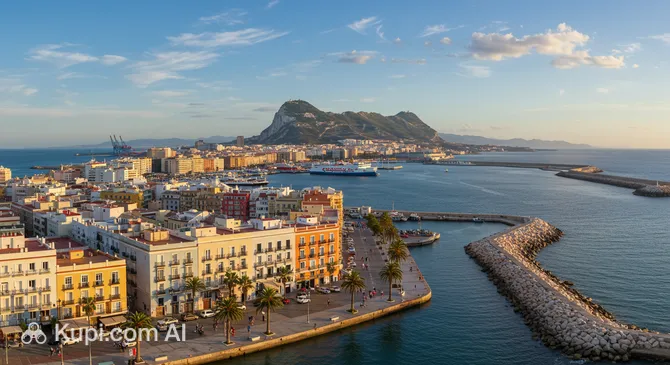
Algeciras. Source: Kupi.Binoculars

The city boasts a rich past due to its strategic position. Exploring the history of Algeciras reveals its significance from Roman times through the Moorish era, leaving behind a legacy that influences its current identity. Today, it is a cosmopolitan meeting point where travelers often stop before crossing the Strait of Gibraltar to Morocco, creating a dynamic environment filled with diverse influences.

Visitors can enjoy several charming spots within the city. The Plaza Alta is the social heart of Algeciras, featuring beautiful ceramic tiles and an iconic fountain that attracts both locals and tourists. For a moment of tranquility, the Parque María Cristina offers lush gardens and peaceful walking paths. Additionally, the stunning views of the Rock of Gibraltar and the African coast across the water provide a spectacular backdrop for any visit.

Whether you are passing through on your way to another continent or staying to explore the Andalusia region, Algeciras offers an authentic glimpse into southern Spanish life. Its lively streets, diverse cuisine, and maritime spirit make it a fascinating destination worth discovering.
Weather Overview

Algeciras enjoys a mild climate typical of the Andalusian coast, characterized by pleasant transitions between seasons. The weather in Algeciras is generally inviting, making it a suitable destination for travelers year-round.

Summers are warm and notably dry, with August being the hottest month, featuring an average temperature of 25.0°C and highs reaching nearly 29°C. Rainfall is virtually non-existent during this period, particularly in July, which typically sees zero wet days. This makes it an excellent time for outdoor activities and exploring the coastline.

Winters remain gentle rather than harsh, with January temperatures averaging around 12.5°C and rarely dropping below 10°C. While temperatures stay moderate, the frequency of rain increases during the cooler months, with March recording the highest number of wet days. Overall, you can expect warm, sunny summers and mild winters with occasional rainy days.

Interesting Facts

Beyond its reputation as a major industrial hub, Algeciras conceals a treasury of historical anecdotes and cultural milestones. The city’s strategic location has made it the stage for secret operations and artistic legends that often go unnoticed by the casual traveler.
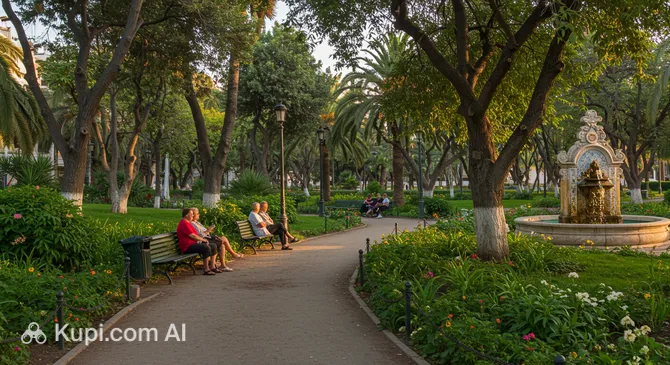
María Cristina Park. Source: Kupi.Binoculars
  • The city holds the distinction of being the first settlement founded by the Moors on the Iberian Peninsula in 711 AD. Its name is derived from the Arabic Al-Jazira Al-Khadra, which translates to "The Green Island," referring to the lush vegetation that once covered the islet opposite the coast.

  • During World War II, the harbor was the setting for a real-life spy thriller. It served as a covert base for Italian frogmen who operated from a modified tanker docked in the port to launch secret manned torpedo missions against ships in the nearby bay.

  • Algeciras is the birthplace of the legendary guitarist Paco de Lucía, who revolutionized the world of flamenco. His legacy is celebrated throughout the city, and many of his compositions were inspired by the local streets and the sea that borders them.

  • The María Cristina Park is more than just a recreational space; it is a registered Property of Cultural Interest. This historic garden was significantly redesigned following the pivotal Conference of Algeciras in 1906 and features exotic tree species that reflect the city's maritime connections with the world.

How to Get There

Reaching this bustling port city is relatively straightforward, with several transport options available depending on your point of origin. For a comprehensive guide on the best routes and travel tips, you can read more about how to get to Algeciras.

The city of Algeciras does not have its own airport, but it is well-served by major aviation hubs in the surrounding region. The most popular choice for international travelers is Malaga Airport (AGP), located in the city of Malaga, approximately 104 km away. As a large international airport, it offers numerous connections. The journey to Algeciras by taxi or car typically takes around 1 hour and 30 minutes, while bus services are also available.

For those looking for the closest option, North Front Airport (GIB) is situated just about 10 km from the city center in Gibraltar. While convenient in terms of distance, travelers should account for the time required to cross the border. Additionally, Jerez Airport (XRY) in Jerez de la Frontera serves as a solid regional alternative, located roughly 86 km from Algeciras.

For clarity, here is a summary of the main airports:

Airport Name City Passenger Traffic Km from City
Malaga Airport Malaga Large 104.3
Tangier Ibn Battouta Airport Tangier Medium 61.9
Jerez Airport Jerez de la Frontera Medium 86.1
North Front Airport Gibraltar Small 9.7
Sania Ramel Tetouan Small 61.9

Traveling by train is another scenic way to approach the region. While Algeciras has its own station, many visitors choose to arrive at major high-speed rail hubs nearby and then transfer. The Santa Justa Railway Station in Seville is a key entry point, located about 146 km away, handling a high volume of passengers. Similarly, the María Zambrano Station in Malaga, approximately 112 km from Algeciras, connects travelers to the high-speed AVE network. From these cities, you can continue your journey to Algeciras by regional train or bus.

Below is a list of significant railway stations in the vicinity:

Station City Passenger Traffic Km to Center
Santa Justa Railway Station Seville High 146.4
María Zambrano Station Malaga High 111.6
Jerez Railway Station Jerez de la Frontera Medium 84.8
Cádiz Station Cadiz Medium 86.3
Puente Genil Railway Station Puente Genil Small 146.6

Main Attractions

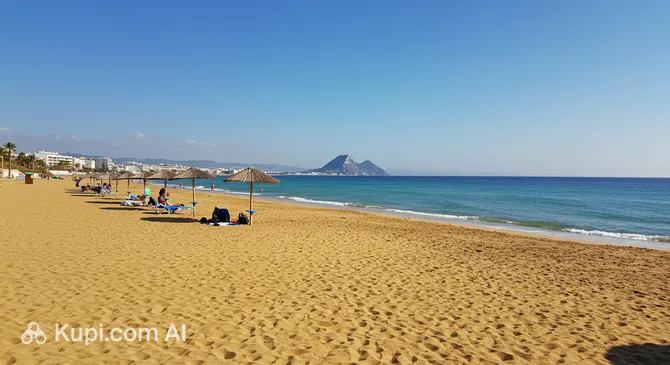
Algeciras offers a variety of interesting spots that reflect its coastal character and local lifestyle. One of the most popular destinations for both locals and visitors is El Rinconcillo Beach. As the city's oldest beach, it stretches along the coastline, offering calm waters and expansive sandy areas perfect for sunbathing or a leisurely walk. It is particularly notable for its stunning panoramic views of the Rock of Gibraltar and the bustling port activity, creating a unique backdrop that captures the essence of this maritime hub.

El Rinconcillo Beach. Source: Kupi.Binoculars

For those seeking a green escape within the urban center, María Cristina Park is an essential stop. This expansive garden serves as the city's main lung and provides a peaceful retreat from the busy streets. Visitors can stroll along its well-maintained paths, admire the diverse collection of exotic plants, or simply relax on the benches under the shade of century-old trees. Its central location makes it an easy addition to any walking tour of the city.

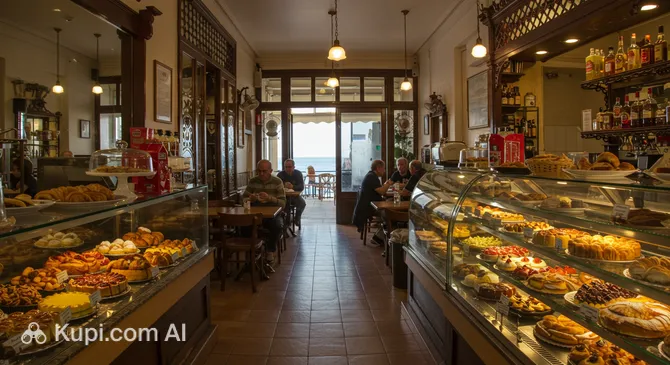
To experience the local flavor, a visit to the Renacimiento Café & Pastry Shop is highly recommended. This establishment offers a cozy atmosphere where tourists can sample traditional Spanish pastries and enjoy a quality coffee. It is a great place to recharge after exploring the city, allowing visitors to indulge in the sweet side of Andalusian gastronomy while observing the daily rhythm of Algeciras life.

Renacimiento Café & Pastry Shop. Source: Kupi.Binoculars

Local Cuisine

The culinary scene in Algeciras is a delightful reflection of its maritime heritage and its unique position between two continents. As a major port city, the local gastronomy is heavily centered around the sea, with fresh catches arriving daily to supply the bustling markets and kitchens. Visitors can expect a menu dominated by high-quality seafood, prepared with simple yet flavorful Andalusian techniques that highlight the natural taste of the ingredients.

One of the most iconic dishes you must try is the Abajá. This traditional fisherman's stew, unique to Algeciras, is made from a variety of fish and shellfish cooked slowly with saffron, garlic, onion, and white wine. It is a hearty meal that embodies the history of the local fishing community. Another regional specialty found in many tapas bars is ortiguillas (sea anemones). These are typically battered and deep-fried, offering a crispy texture on the outside and an intense, salty flavor of the ocean on the inside.

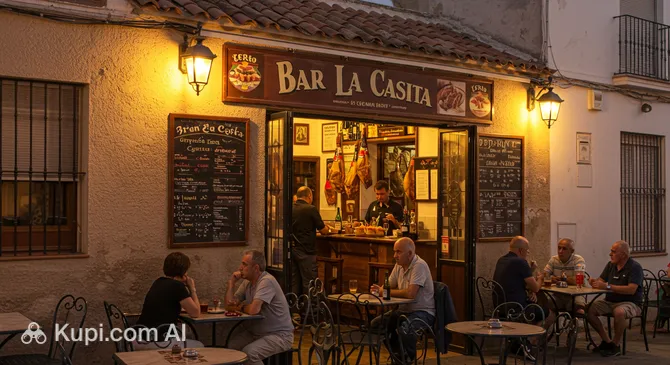
Bar La Casita. Source: Kupi.Binoculars

When it comes to drinks, the proximity to the Sherry Triangle means that excellent fortified wines are always available. A glass of chilled Fino or Manzanilla makes the perfect accompaniment to a seafood feast. During the warmer months, locals often prefer a refreshing Tinto de Verano, a popular mix of red wine and lemon soda served over ice, which is a staple on sunny terraces throughout the city.

The food culture in Algeciras is social and relaxed, revolving largely around the tradition of tapeo—moving from bar to bar to enjoy small plates with friends. The area surrounding the Ingeniero Torroja Market is particularly vibrant, offering a chance to see the fresh produce and eat where the locals eat. For those seeking a friendly spot to sample traditional homemade tapas, Bar La Casita is a welcoming destination to experience the authentic flavors of the city.

Travel Tips

Welcome to Algeciras, a bustling crossroads where Europe meets Africa and the Mediterranean embraces the Atlantic. To help you navigate this dynamic port city with ease and confidence, we have compiled a set of essential tips that will ensure your visit is as smooth and enjoyable as possible.

  1. Clothing and Gear: Since Algeciras enjoys a mild climate, pack light, breathable clothing for the summer months, but bring a windbreaker or light jacket for the evenings, especially near the coast where the breeze can be strong. If visiting in winter, a waterproof coat and an umbrella are recommended due to occasional rain. Comfortable walking shoes are a must for exploring the hilly streets and the expansive port area.
  2. Transportation: The city center is compact enough to explore on foot, which is often the best way to soak up the atmosphere. For longer distances, the local bus network (CTM) is reliable and affordable. Taxis are white with a diagonal stripe on the front door and can be easily hailed or booked via app. If you plan to explore the wider province of Cádiz, renting a car gives you the most flexibility, though parking in the center can be challenging.
  3. Finances: The official currency is the Euro (€). While credit and debit cards are widely accepted in hotels, supermarkets, and larger restaurants, it is advisable to carry some cash for small purchases in local tapas bars, kiosks, or the market. ATMs are plentiful throughout the city. Tipping is not mandatory but appreciated; rounding up the bill or leaving a few coins is standard practice for good service.
  4. Health and Safety: Pharmacies are easily identified by a green neon cross; look for a "Farmacia de Guardia" for 24-hour service. The general emergency number for police, ambulance, and fire is 112. Algeciras is generally safe, but like any major port city, it is wise to stay alert and keep an eye on your belongings, particularly in the busy ferry terminal area and around the train station at night.
  5. Communication: Spanish is the primary language. While staff in the ferry port and major hotels usually speak English, it is less common in local shops and neighborhood bars. Learning a few basic phrases like "Hola" (Hello), "Por favor" (Please), and "Gracias" (Thank you) will go a long way with the locals. Free Wi-Fi is often available in cafes, and prepaid SIM cards can be purchased at mobile shops in the city center.
  6. Local Etiquette: Spaniards operate on a later schedule than many other Europeans; lunch is typically served between 2:00 PM and 3:30 PM, and dinner often doesn't start until 9:00 PM. When entering a shop or elevator, it is polite to greet others with a simple "Buenas." In social settings, a handshake is common, though friends often greet with a kiss on each cheek.
  7. What to Avoid: Avoid buying ferry tickets to Morocco from unauthorized street vendors or "touts" who may approach you near the port or on the approach roads. Always purchase your tickets from official booths inside the ferry terminal or reputable travel agencies to ensure valid passage and fair prices.
  8. Market Insight: For an authentic local experience, visit the Ingeniero Torroja Market in the morning. It is not just a place to buy fresh produce; it is a lively social hub where you can observe the daily rhythm of the city. Try to go early (before 11:00 AM) to see the fish stalls at their best, showcasing the freshest catch from the Strait.

Armed with these practical insights, you are ready to dive into the unique energy of Algeciras. Embrace the local pace, savor the maritime flavors, and enjoy your journey through this fascinating gateway to the south of Spain.

Entertainment & Nightlife

Nightlife in Algeciras offers a distinctively authentic Andalusian experience, characterized by a lively social atmosphere that revolves around conversation, tapas, and late-night gatherings. Unlike the massive club scenes found in some nearby resort towns, the evening entertainment here is more relaxed and integrated into the local lifestyle, making it easy for visitors to mingle with residents.

The city's nightlife is largely concentrated in the center, particularly around the Plaza Alta and the streets radiating from it, such as Calle Alfonso XI (known locally as Calle Convento). The historic San Isidro neighborhood is another charming district where you can find traditional taverns and smaller pubs tucked away on cobblestone streets. In the summer months, the action often shifts towards the coast, where the beach bars or "chiringuitos" along El Rinconcillo Beach provide a refreshing setting for drinks by the sea.

A typical evening out often begins with a late dinner or a round of tapas. Bar La Casita is a classic choice to start the night, offering a welcoming environment where you can enjoy local wines and hearty portions before heading to a music bar. As the night progresses, the energy shifts to dedicated drinking spots. Pub Kiss is a popular venue among locals for its vibrant ambiance, making it an excellent place to enjoy cocktails and music well into the early hours.

Pub Kiss. Source: Kupi.Binoculars

Visitors should be aware that the nightlife schedule in Algeciras runs late. Bars typically do not get busy until after 11:00 PM, and the atmosphere peaks around 1:00 AM or 2:00 AM. The dress code is generally "casual chic"—while you don't need formal wear, locals tend to dress smartly for the evening, so leaving the beachwear at the hotel is recommended. Prices for drinks and entry fees are generally quite affordable compared to the more tourist-centric Costa del Sol.

In terms of safety, the main nightlife districts in the city center are well-populated and generally safe for walking. However, it is advisable to exercise caution and avoid walking alone in the port area or near the train station late at night. Taxis are the best way to get around after dark; they are white with a green diagonal stripe and can be easily found at taxi ranks in the main plazas or ordered by phone.

For daytime entertainment, Algeciras offers a more cultural pace. The Teatro Florida is the city's main venue for performing arts, hosting everything from plays to concerts. History enthusiasts can visit the Municipal Museum to learn about the region's strategic importance, while shopping enthusiasts can explore the commercial centers or the local boutiques that line the pedestrian streets of the center.

Parks & Museums

While often recognized primarily for its industrial prowess, Algeciras offers a surprising array of green retreats and cultural institutions that showcase its softer side. The city's parks provide lush sanctuaries amidst the urban bustle, while its museums preserve the complex layers of history accumulated over centuries at this strategic crossroads.

The most prominent green space in the city center is the María Cristina Park. Covering over 20,000 square meters, this registered Property of Cultural Interest serves as the city's main lung. It is designed in a style that blends French and English gardening traditions, featuring geometric paths, refreshing fountains, and a playground for children. Visitors can admire diverse botanical species, including towering palms and ancient trees that offer ample shade, making it a favorite spot for a leisurely afternoon stroll.

For those seeking a more rugged natural experience, the Parque del Centenario is a must-visit. Located on the Punta de San García, this expansive park offers a mix of history and nature with the ruins of an old coastal watchtower and military bunkers. Its location provides some of the best panoramic views of the Strait of Gibraltar, where you can watch ships navigating the channel and see the coast of Africa on clear days. It is also an excellent spot for birdwatching, particularly during migration seasons.

To delve into the local heritage, the Municipal Museum of Algeciras is the key cultural venue. Housed in the beautifully restored former Charity Hospital, the museum takes visitors on a journey through the region's history, from prehistoric times to the modern era. The collections include significant archaeological finds, such as Roman ceramics and Moorish artifacts, which tell the story of the city's diverse past settlers. The building itself, with its elegant patio and architecture, is an exhibit worth admiring.

Another fascinating site is the Marinid Walls Interpretation Centre (Centro de Interpretación de las Murallas Meriníes). This archaeological complex showcases the remains of the medieval defensive walls and towers built by the Marinid dynasty in the 13th century. It offers a rare glimpse into the Islamic period of Algeciras, explaining the military architecture and the daily life of the fortress city known as Al-Binya.

Architecturally, the city boasts several landmarks that reflect its evolution. The Ingeniero Torroja Market is an architectural marvel of the 20th century, famous for its avant-garde concrete dome which was once the largest of its kind in the world. Nearby, the Plaza Alta serves as an open-air gallery of Andalusian aesthetics, with its colorful ceramic benches and the impressive Church of Nuestra Señora de la Palma presiding over the square.

For an authentic insider experience, venture slightly out of the center to the Garganta del Capitán. This hiking route leads into the heart of the Los Alcornocales Natural Park, offering lush forests, waterfalls, and old flour mills. It is a favorite weekend escape for locals who want to disconnect and enjoy the pristine nature that surrounds the Campo de Gibraltar.

Getting Around

Navigating Algeciras is relatively straightforward, as the city center is compact enough to be explored largely on foot. However, for reaching the outer neighborhoods, the popular beaches like Getares and El Rinconcillo, or the major transport hubs, the city offers a reliable network of public options. The primary mode of urban transport is the municipal bus service, managed by Algesa, which operates several lines connecting the downtown area with residential districts, the hospital, and commercial centers.

The urban bus fleet is modern and generally efficient, with Line 1 through Line 6 covering the most essential routes. Buses typically run from early morning, around 7:00 AM, until approximately 9:00 PM or 10:00 PM, with reduced frequency on weekends and holidays. The central bus station, San Bernardo, serves as the main interchange point not just for local buses, but also for regional coaches traveling to nearby towns like Tarifa and La Línea de la Concepción.

For payment, casual visitors can purchase a single ticket directly from the driver upon boarding. It is highly recommended to carry small change, as drivers may not be able to break large bills. The cost of a single journey is quite affordable, typically hovering around €1.10. If you plan to use the bus frequently or travel to surrounding towns, the best option is to acquire the travel card from the Consorcio de Transporte Metropolitano del Campo de Gibraltar. This green rechargeable card offers significant discounts on fares and allows for easy transfers between urban and interurban lines.

Taxis are a popular and convenient alternative, especially if you are carrying luggage or traveling late at night. Official taxis in Algeciras are white, often distinguished by a green diagonal stripe on the front doors and the city coat of arms. They operate on a meter system, and you can find them at designated ranks (paradas) located at strategic points such as the Plaza Alta, the port entrance, and the train station. Ride-hailing apps are less prevalent here than in larger capitals, so relying on official ranks or calling a local radio taxi service is the standard practice.

While not an internal metro system, the train station plays a vital role in the local infrastructure. Located near the port, it connects the city with the scenic interior of Andalusia. A notable feature for transport enthusiasts is the railway line leading to Ronda; built in the late 19th century by British engineers, this route offers breathtaking views and is considered one of the most picturesque train journeys in the region.

Finally, given the city's status as a major maritime gateway, the ferry terminal functions as a massive public transport hub in its own right. While primarily for crossing to Ceuta or Tangier, the port area is where all local transport modes converge. Shuttle buses often link the port with other parts of the city, ensuring that the constant flow of travelers can move smoothly between the ferry, the train, and the city center.

Accommodation

Accommodation in Algeciras is largely shaped by its status as a major transit hub and port city. Unlike the resort-heavy towns of the nearby Costa del Sol, the options here are generally more functional and practical, catering to travelers waiting for ferries, business visitors, and those using the city as a base to explore the wider Campo de Gibraltar region. The range typically spans from budget-friendly guesthouses (known locally as hostales) to comfortable mid-range hotels, with fewer luxury resort-style properties.

The most popular area to stay is undoubtedly the Port Area and the avenues running parallel to it, such as the Avenida de la Marina. This location is incredibly convenient for those catching an early ferry to Morocco or Ceuta, as the terminals are often within walking distance. Alternatively, the City Center, particularly around the Plaza Alta and the historic market, offers a more atmospheric stay with easy access to local cafes, shops, and the train station. For travelers who prefer a sea view and a quieter environment, the neighborhood of El Rinconcillo provides options near the beach, allowing for a more relaxed experience away from the hustle of the harbor.

Since Algeciras is a key gateway between Europe and Africa, occupancy rates can fluctuate significantly based on transit flows. It is highly advisable to book your accommodation in advance if you are traveling during the summer months, particularly from June to August. This period coincides with "Operation Crossing the Strait" (Operación Paso del Estrecho), when thousands of travelers pass through the city, and finding a last-minute room near the port can be challenging.

In terms of pricing, Algeciras is generally more affordable than its neighbors like Marbella or Tarifa. Travelers can often find excellent value for money, with budget and mid-range options dominating the market. Booking is easily done through major online platforms, though many smaller hostales also accept direct reservations. Whether you need a quick stopover or a central base for a few days, the city offers straightforward and accessible hospitality.

Nearby Cities

For those looking to explore the surroundings, Algeciras serves as an excellent base for day trips to several interesting nearby locations:

Just a short ferry ride across the Strait lies Ceuta, a Spanish autonomous city located on the north coast of Africa. It offers a fascinating mix of cultures, impressive royal walls, and the unique experience of stepping onto another continent while remaining in Spain. The city is also known for its duty-free shopping and the Mediterranean Maritime Park, making it a distinct getaway.

Heading east along the coast, Estepona is a charming resort town often referred to as the "Garden of the Costa del Sol." Its beautifully preserved historic center is a maze of white-washed streets adorned with colorful flowerpots, providing a picturesque setting for a relaxing stroll. It offers a more traditional Andalusian atmosphere compared to some of the larger tourist hubs.

Further along the coast is Marbella, a destination synonymous with luxury and glamour. While famous for the upscale Puerto Banús marina filled with yachts and high-end boutiques, the city also boasts a delightful old town (Casco Antiguo) with narrow cobblestone streets and the lively Plaza de los Naranjos, perfect for enjoying local tapas.

City Population Distance (km)
Marbella 150725 66
San Fernando 94867 76
Chiclana de la Frontera 87493 69
Ceuta 83517 30
Estepona 74493 42

These nearby destinations offer a glimpse into the diverse culture and landscapes of the region.

Shopping & Souvenirs

Shopping in Algeciras offers a mix of functional convenience and traditional charm, reflecting its status as a working port city rather than a dedicated tourist resort. Visitors can explore everything from bustling food markets and pedestrianized streets lined with local boutiques to modern shopping centers housing international brands.

For a truly authentic experience, a visit to the Ingeniero Torroja Market is essential. Located near the Plaza Alta, this architectural landmark is famous for its massive avant-garde concrete dome, which was a technological marvel when it was built. Inside, the stalls overflow with fresh local produce, meats, and, most notably, an incredible variety of seafood caught daily in the Strait. It is the perfect place to purchase regional delicacies or simply soak up the lively atmosphere of daily life.

If you are looking for fashion, electronics, and well-known retail chains, the Centro Comercial Puerta Europa is the city's main shopping mall. Situated just off the A-7 highway, it features two floors of stores, including popular Spanish and international clothing brands, a supermarket, and a cinema. It provides a modern and comfortable environment, with ample parking and air conditioning, making it a good option for a midday escape from the heat.

The city center, particularly along the pedestrianized Calle Regino Martínez (commonly known as Calle Ancha) and its surrounding side streets, offers a more relaxed shopping vibe. Here, you can find traditional shoe shops, family-run clothing boutiques, and stores selling accessories. It is a pleasant area for a stroll, allowing you to browse shop windows while enjoying the local architecture.

Regarding souvenirs, Algeciras is a great place to buy items that reflect its cross-cultural location. Due to the proximity to Morocco, you can often find shops selling North African goods like leather bags, tea sets, and spices. Additionally, local food products make excellent gifts. You might consider picking up some conservas (canned fish) or visiting Renacimiento Café & Pastry Shop to purchase traditional sweets and pastries that capture the flavor of the region.

Reached the end of the page?

That means the route is fully explored