Support

Rabat

About

Rabat stands as an elegant and cosmopolitan capital, offering a calmer and more relaxed alternative to the bustling streets of other major imperial cities. It is a place where royal traditions meet modern life, characterized by broad palm-lined avenues, lush gardens, and a refreshing coastal atmosphere that captivates visitors upon arrival.

Located on the shores of the Atlantic Ocean at the mouth of the Bou Regreg river, this city is the political and administrative center of Morocco. With a population of approximately 570,000 residents, it serves as the capital of the Rabat-Salé-Kénitra region and provides a fascinating glimpse into the country's contemporary culture while maintaining a strong connection to its roots.
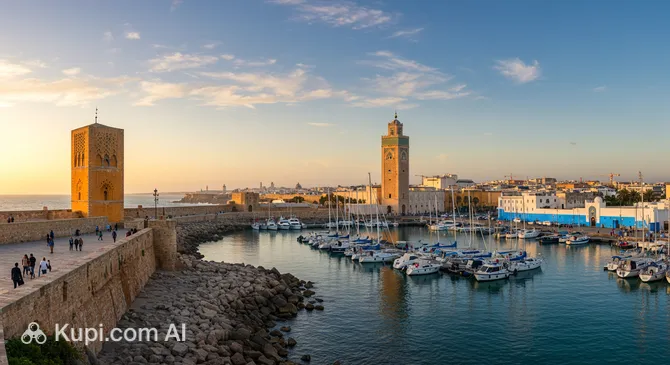
Rabat. Source: Kupi.Binoculars

The city's unique character is officially recognized by UNESCO, which lists it as a World Heritage site for its blend of ancient monuments and 20th-century architecture. Exploring the history of Rabat reveals a rich tapestry of influences, from its 12th-century Almohad origins to its development as a modern capital. This deep heritage is visible in its well-preserved ramparts and historic districts that tell the story of the city's evolution.

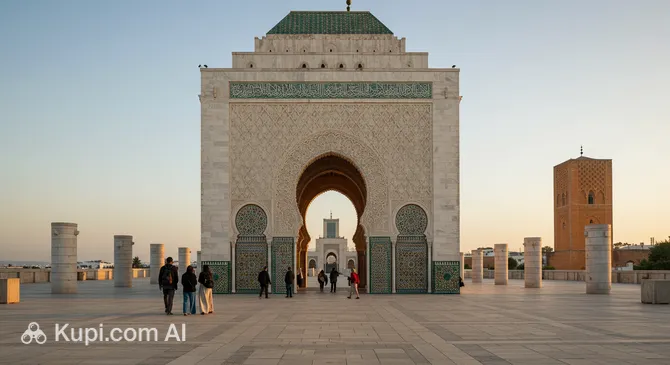
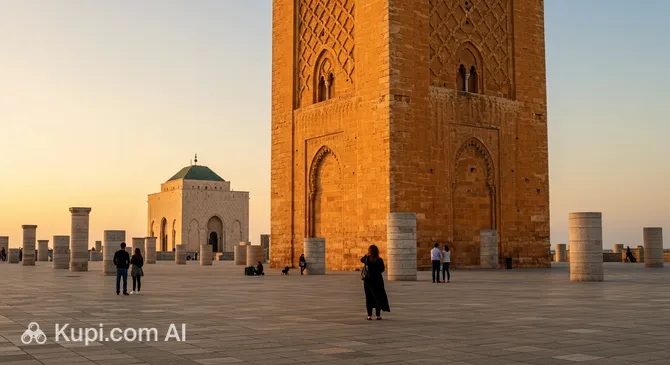
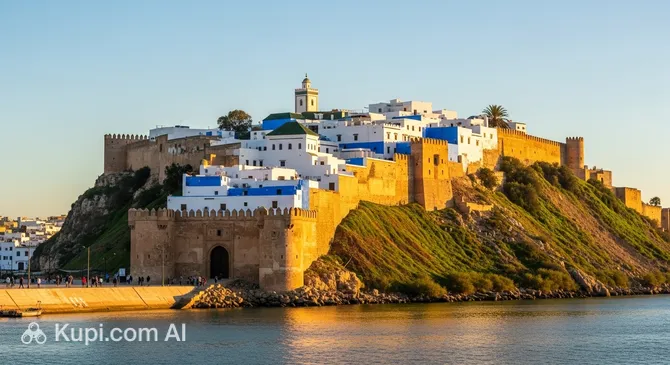
Travelers are often drawn to the iconic Hassan Tower, the imposing minaret of an incomplete mosque that dominates the skyline, and the nearby Mausoleum of Mohammed V, a true masterpiece of modern Alaouite architecture. For a change of pace, the Kasbah of the Udayas offers a serene escape with its charming blue-and-white streets, Andalusian gardens, and stunning views over the ocean.

Rabat is an inviting destination that rewards visitors with its authentic charm and sophistication. Whether you are strolling through the historic medina or enjoying the sea breeze along the corniche, the city promises a memorable mix of culture, history, and comfort.
Weather Overview

Rabat enjoys a pleasant Mediterranean climate, heavily influenced by its proximity to the Atlantic Ocean, which keeps conditions moderate throughout the year. The city avoids the extreme heat often found in the interior of the country, making it a comfortable destination for travelers in almost any season. For a more detailed breakdown of monthly conditions, you can consult the guide to the weather in Rabat.

Summers are typically warm and very dry, with August being the hottest month, featuring average temperatures of 24.2°C and highs reaching nearly 28°C. Rainfall is virtually non-existent during this period, with June, July, and August seeing almost zero precipitation. In contrast, winters are mild but damper; January is generally the coolest month with an average temperature of 14.0°C and lows around 10.9°C.

The transitional seasons of spring and autumn offer delightful weather for sightseeing. May warms up to average highs of 22.7°C with very little rain, while October retains the summer warmth with averages around 21.3°C before the wetter month of November arrives. Overall, you can expect warm, sunny summers and mild winters with occasional rainfall.

Interesting Facts

Beyond the well-trodden paths of the medina and the royal palaces, Rabat holds fascinating stories that surprise many visitors. This city is not just an administrative capital but a place where layers of history—from pirates to Romans—coexist with modern urban planning.
  • The Pirate Republic: In the 17th century, Rabat and its neighbor Salé formed the independent Republic of Bou Regreg. This maritime state was run by Barbary corsairs, and the Kasbah of the Udayas served as a strategic stronghold for pirates who controlled the surrounding seas.

  • An Unfinished Giant: The iconic Hassan Tower is actually an incomplete masterpiece. Sultan Yacoub al-Mansour intended it to be the tallest minaret in the world, but construction halted at 44 meters—about half its planned height—after his death in 1199.

  • Roman Roots: The site of Chellah offers a rare glimpse into antiquity within the city limits. Long before it became a medieval Islamic necropolis, it was a thriving Roman city known as Sala Colonia, and visitors can still see the remains of a triumphal arch and forum mixed with later ruins.

  • A Dual Heritage: Uniquely, UNESCO designated Rabat as a World Heritage site not just for its old city, but as a "Modern Capital and Historic City." This title honors the seamless and successful integration of the 20th-century "Ville Nouvelle" architecture with the ancient medina.

  • The Green City: Rabat is often celebrated as Morocco's "Green City" due to its remarkably high ratio of green space per capita. It features extensive parks like the Rabat Botanical Garden and the Ibn Sina Urban Forest, which act as the city's lungs.

Hassan Tower. Source: Kupi.Binoculars

How to Get There

Reaching the capital of Morocco is straightforward, with several convenient options available for international and domestic travelers. Whether you prefer flying directly into the region or traveling overland, you can find detailed information on routes and logistics in our guide on how to get to Rabat.

The most direct entry point is Sale Airport (IATA: RBA), situated conveniently in Rabat itself, only about 11 km from the city center. This facility handles a moderate volume of traffic and offers a quick transfer to downtown; a taxi ride from here typically takes around 35 minutes. For those looking for more extensive international flight options, Mohammed V (IATA: CMN) is the primary hub. It is located in the city of Casablanca, approximately 99 km from Rabat. The journey from this major airport by taxi or private transfer generally takes about 1 hour and 50 minutes.

For clarity, here is a summary of the main airports:

Airport Name City Passenger Traffic Km from City
Mohammed V Casablanca High 98.5
Fes-Saiss Airport Fez Medium 173.6
Tangier Ibn Battouta Airport Tangier Medium 209.0
Sale Airport Rabat Medium 10.6
Sania Ramel Tetouan Small 225.1

Travelers arriving overland from Europe may find themselves passing through Cádiz Station (IATA: CDZ). It is important to note that this station is located in Cadiz, Spain, approximately 284 km from Rabat across the Strait of Gibraltar. From there, visitors typically take a ferry to Tangier before continuing their journey south to the Moroccan capital by train or bus.

Below is the information for the nearest listed railway station:

Station City Passenger Traffic Km to Center
Cádiz Station Cadiz 1,619,183 284.4

Main Attractions

Rabat offers a fascinating mix of historical depth and cultural vibrancy. From ancient ruins to lively markets, the city's landmarks provide a journey through time that is both accessible and enriching for visitors.

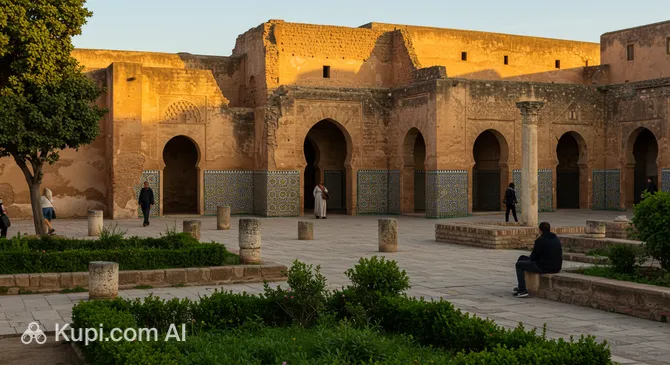
One of the most picturesque spots is the Kasbah of the Udayas. Perched on a cliff overlooking the Atlantic Ocean and the Bou Regreg river, this 12th-century fortress is a city within a city. Tourists love wandering through its narrow, blue-and-white painted streets that evoke a serene atmosphere. Inside, you can relax in the peaceful Andalusian Gardens or enjoy a traditional mint tea at the Café Maure while taking in the stunning coastal views.

Kasbah of the Udayas. Source: Kupi.Binoculars

For a dive into the city's ancient past, the Chellah is an unmissable site. This medieval fortified necropolis stands on the ruins of the Roman city of Sala Colonia, creating a unique blend of history where Roman stones mix with Islamic heritage. It is a quiet, atmospheric place often inhabited by nesting storks. Visitors are drawn here to explore the overgrown ruins of mosques and mausoleums, offering a tranquil escape from the urban center.

Chellah. Source: Kupi.Binoculars

A symbol of modern statehood and artistic excellence is the Mausoleum of Mohammed V. Located just across from the famous Hassan Tower, this white marble masterpiece houses the tombs of the late King Mohammed V and his two sons. It is renowned for its exquisite traditional Moroccan craftsmanship, featuring intricate zellige tilework and gold-leaf cedar ceilings. It is one of the few holy sites in the country open to non-Muslims, making it a key cultural stop.

Mausoleum of Mohammed V. Source: Kupi.Binoculars

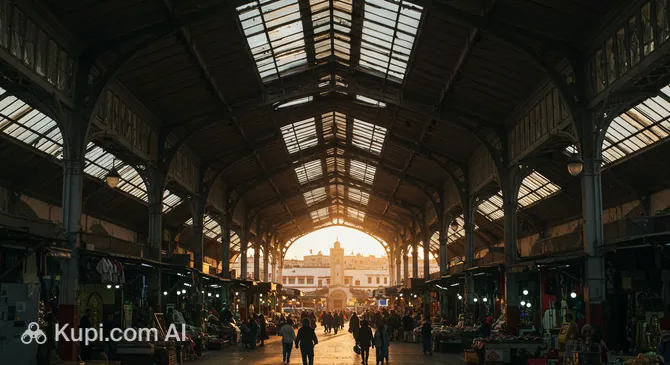
Finally, no visit is complete without experiencing the Rabat Medina. Unlike the chaotic souks of other Moroccan cities, Rabat's old town is cleaner and easier to navigate, offering a more relaxed shopping experience. It is the perfect place to buy authentic leather goods, carpets, and pottery. Walking through its historic gates and bustling alleys allows travelers to soak up the local daily life and architectural charm of the 17th century.

Local Cuisine

The culinary landscape of Rabat offers a delightful journey through the flavors of Morocco, enhanced by the city's coastal location. As a capital city, it presents a sophisticated mix of traditional recipes passed down through generations and a growing contemporary food scene. Visitors can expect fresh ingredients, aromatic spices, and a dining atmosphere that ranges from bustling street stalls to elegant waterfront establishments.

At the heart of the local cuisine is the iconic tagine, a slow-cooked stew named after the conical clay pot in which it is prepared. In Rabat, you should definitely try the classic lamb tagine with prunes and almonds, which perfectly balances savory and sweet notes. Another must-try dish is couscous, traditionally served on Fridays and often prepared with seven vegetables. For a unique gastronomic experience, sample the pastilla, a flaky pastry pie usually filled with pigeon or chicken, almonds, and dusted with cinnamon and powdered sugar.

Given its position on the Atlantic, Rabat is also an excellent destination for seafood lovers. Fresh fish is a staple, often grilled simply or fried in a chermoula marinade. For those exploring the historic center, the Rabat Medina is a treasure trove of street food. Here, you can snack on maakouda (potato fritters), fresh breads, and an array of honey-soaked sweets like chebakia while wandering through the stalls.

Dar Al Fawakih. Source: Kupi.Binoculars

When it comes to beverages, mint tea is the undisputed national drink. Often jokingly referred to as "Moroccan whiskey," it is served hot, sweet, and frothy, acting as a universal symbol of hospitality. Freshly squeezed orange juice is also widely available and incredibly refreshing. While alcohol is not sold everywhere, it is available in licensed hotels, bars, and restaurants. Travelers looking for a relaxed evening might visit places like The Marina Steakhouse, which offers fine dining with views of the Bou Regreg river.

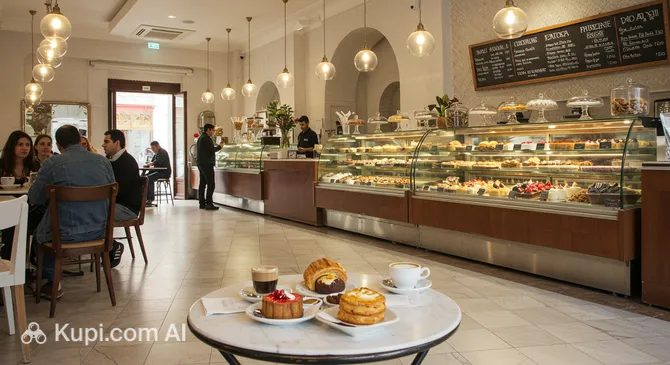
The city's dining culture caters to all tastes. For a charming atmosphere that blends local decor with delicious food, Dar Al Fawakih is a notable spot to enjoy a traditional meal. Alternatively, for a more modern and bohemian vibe, Boho Café is popular among locals and tourists alike for its healthy options and stylish setting. Whether dining in a lavish restaurant or grabbing a quick bite in the old town, eating in Rabat is a flavorful adventure.

Travel Tips

Visiting Rabat offers a unique blend of imperial history and modern Moroccan life, but a few practical preparations will ensure your trip runs smoothly. Here is some essential advice to help you navigate the capital with confidence and ease.

  1. Clothing and Gear: While Rabat is liberal compared to rural areas, dressing modestly is respectful and practical. Aim to cover your shoulders and knees, especially when visiting sites like the Mausoleum of Mohammed V. Pack layers, as the Atlantic breeze can make evenings chilly even in summer. Comfortable walking shoes are a must for navigating the cobblestones of the Rabat Medina. Bring a universal travel adapter (Type C or E) for your electronics.

  2. Transportation: The city boasts an excellent and modern tramway system that connects Rabat and Salé; it is clean, affordable, and easy to use. For door-to-door transport, look for the blue "Petit Taxis." Always ensure the driver turns on the meter (compteur) when you get in; if they refuse, simply find another taxi. Ride-hailing apps are available but less common than standard taxis.

  3. Finances: The local currency is the Moroccan Dirham (MAD). While credit cards are widely accepted in hotels, malls, and modern restaurants in the Ville Nouvelle, cash is king in the old town and smaller shops. ATMs are plentiful throughout the city. Tipping is customary; leaving 10% at restaurants or rounding up the fare for taxi drivers is appreciated.

  4. Health and Safety: Rabat is generally very safe for tourists. Pharmacies are marked with a green cross, and you can easily find a "pharmacie de garde" (on-duty pharmacy) open late at night. While tap water is treated, it is advisable for short-term visitors to stick to bottled water to avoid any stomach upsets. Always keep an eye on your belongings in crowded market areas.

  5. Communication: The main languages are Arabic and French. English is becoming more popular, particularly among younger people and in the tourism sector, but knowing a few basic French phrases will be incredibly helpful. You can purchase a local SIM card (Maroc Telecom, Orange, or Inwi) cheaply at the airport or authorized kiosks to stay connected with reliable 4G data.

  6. Local Etiquette: Greetings are important; a polite "Salam Alaykum" (Peace be upon you) goes a long way. When greeting someone of the opposite sex, wait to see if they extend their hand first. If you are invited to eat a traditional meal from a communal plate, remember to use your right hand only, as the left is considered unclean for dining.

  7. What to Avoid: Do not attempt to enter mosques unless you are Muslim, as entry is generally restricted in Morocco. The exceptions are the Mausoleum of Mohammed V and the Hassan Tower complex, which are open to all. Also, avoid public displays of affection, as this is considered culturally inappropriate.

  8. Friday Insight: Keep in mind that Friday is the holy day. Many shops in the medina may close for a few hours in the afternoon for prayers. This is also the traditional day for eating couscous; look for restaurants serving this special Friday lunch, as it is often the best time to try the dish.

By keeping these simple tips in mind, you will be well-equipped to enjoy the relaxed rhythm and welcoming atmosphere of this coastal capital. Rabat is a city that reveals its secrets to those who respect its traditions and take the time to explore its diverse neighborhoods.

Entertainment & Nightlife

While Rabat is often perceived as a quiet administrative capital compared to the frenetic energy of Marrakech or Casablanca, it boasts a sophisticated and growing nightlife scene that caters to a diverse crowd. The city's evening entertainment tends to be more relaxed and chic, focusing on lounge bars, live music venues, and upscale dining experiences rather than wild all-night raving. The atmosphere is generally welcoming, with a mix of young professionals, expats, and tourists enjoying the city after dark.

The heartbeat of Rabat's modern nightlife is undoubtedly the Agdal district. This bustling neighborhood is packed with trendy cafes, restaurants, and bars where the local youth congregate. Another key area is the Bouregreg Marina, located between Rabat and Salé. This waterfront promenade offers a more upscale setting, perfect for sipping cocktails while enjoying stunning views of the river and the illuminated Hassan Tower. The dress code in these areas is typically smart-casual; Moroccans tend to dress up for a night out, so avoid beachwear if you want to blend in.

For those seeking a lively spot with a Spanish flair, Boquería Fina is a fantastic choice. This venue combines the concept of a tapas bar with a vibrant nightlife atmosphere, making it a popular place to start the evening with good food and drinks. If you are looking for a more traditional pub experience, O'Goethe 2.0 in the Hassan district offers a cozy setting with a wide selection of beverages, often attracting a friendly mix of locals and international visitors.

Boquería Fina. Source: Kupi.Binoculars

Travelers in the mood for music and dancing should head to Vertigo. This club and lounge is known for its energetic vibe and is a staple of the local night scene. Most bars and clubs in Rabat start to fill up around 10:00 PM, with the peak hours being between midnight and 2:00 AM. Prices are comparable to European cities, with cocktails and beers in licensed venues costing more than in rural areas.

Safety is generally good in the main nightlife districts like Agdal and the Marina, but it is always wise to take precautions. Avoid walking alone in the Medina or poorly lit streets late at night. The best way to get around is by using the blue Petit Taxis. They are plentiful and affordable; just ensure the driver uses the meter. Ride-hailing apps are also a convenient option for getting back to your hotel safely.

Before the sun sets, Rabat offers plenty of daytime entertainment to fill your itinerary. Culture enthusiasts should not miss the Mohammed VI Museum of Modern and Contemporary Art, the first large-scale museum in Morocco dedicated entirely to modern art. For those who prefer shopping and leisure, the Arribat Center provides a modern mall experience with a cinema, food court, and numerous international brands.

Parks & Museums

Rabat distinguishes itself from other Moroccan cities with its abundance of green spaces and a thriving museum scene that celebrates both heritage and modernity. This cultural depth makes it a fascinating destination for travelers seeking more than just historic monuments.

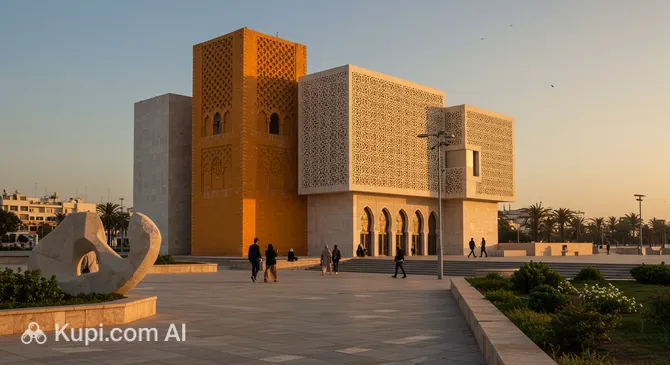
Leading the cultural charge is the Mohammed VI Museum of Modern and Contemporary Art. This striking building, with its neo-Moorish architecture, houses an impressive collection of works by Moroccan and international artists. It represents the country's modern creative spirit and hosts world-class temporary exhibitions. Just a short distance away, the National Museum of Archaeology offers a journey further back in time, displaying artifacts from Morocco's prehistoric, Roman, and Islamic eras, including impressive bronze statues.

Mohammed VI Museum of Modern and Contemporary Art. Source: Kupi.Binoculars

For those interested in visual arts, the National Photography Museum is a must-visit. Housed in the historic Fort Rottembourg along the coast, it provides a unique setting to view contemporary photography. Another gem is the Villa des Arts, a cultural center set in a beautiful 1930s residence that promotes contemporary arts through rotating exhibits and events. Within the walls of the Kasbah, the Oudayas National Museum of Adornment focuses on the country's rich tradition of jewelry and costumes, showcasing intricate pieces that tell the story of Moroccan identity.

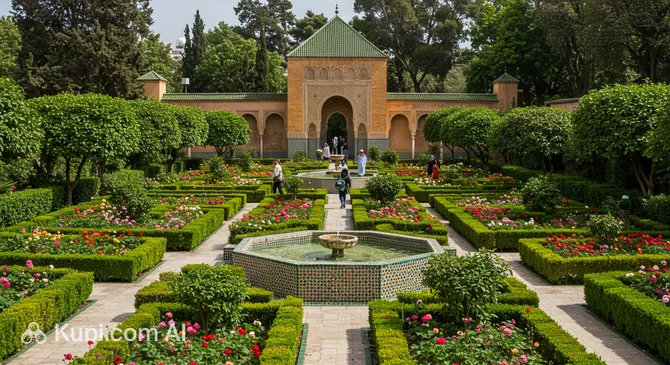
Rabat is also celebrated for its lush landscapes. The Andalusian Gardens, nestled within the Kasbah of the Udayas, offer a serene escape with their fragrant flowers, fruit trees, and traditional fountains. It is a perfect spot to relax after exploring the narrow streets of the fortress.

Andalusian Gardens. Source: Kupi.Binoculars

In the heart of the city, the Nouzhat Hassan Garden stands as the oldest park in Rabat, providing a green sanctuary amidst the urban bustle. For a more expansive nature experience, the Ibn Sina Urban Forest is a favorite among locals. Known for its eucalyptus and pine trees, it is the ideal place for a morning jog or a leisurely picnic. Meanwhile, the Rabat Botanical Garden invites visitors to explore diverse plant species in a scientifically managed environment, highlighting the city's dedication to preserving biodiversity.

Getting Around

Navigating Rabat is surprisingly easy and efficient, offering a mix of modern infrastructure and traditional options that cater to all types of travelers. Unlike some other bustling cities in the region, the capital boasts a well-organized public transport network that allows visitors to move comfortably between historic districts, the modern city center, and the neighboring city of Salé.

The crown jewel of the city's transport system is the Rabat-Salé Tramway. This modern, clean, and reliable light rail network consists of two main lines (L1 and L2) that cover most of the major points of interest, including the Medina, the Hassan Tower, and the Agdal district. It is widely considered the best mode of transport for tourists due to its safety and ease of use. Crossing the Hassan II Bridge on the tram offers spectacular views of the Bou Regreg river and the skyline, making the commute a sightseeing experience in itself.

For areas not covered by the tram, the bus network, operated by Alsa-City-Bus, provides a comprehensive alternative. The fleet has been modernized in recent years, offering a comfortable ride with clear route numbers. While buses are an economical way to reach suburban neighborhoods or specific attractions like the zoo, they can be crowded during peak hours. Informational screens and apps are improving, but it is often helpful to ask a local or the driver to ensure you are on the right route.

Petit Taxis are an omnipresent and convenient way to get around. In Rabat, these small hatchbacks are painted blue and are strictly for travel within the city limits. They are metered, and drivers are generally professional, but it is always best to ensure the meter (compteur) is turned on when you enter. If you need to travel outside the city or to the airport, you will need a "Grand Taxi," which are larger, white vehicles that operate on fixed routes or can be hired privately for a negotiated price.

The payment system is straightforward but relies heavily on cash. For the tram, you must purchase a ticket from the vending machines located on every platform before boarding. These machines accept coins and bills, and a single trip costs approximately 6 MAD. Once on board, you must validate your paper ticket in the yellow machines. For buses, you typically pay the driver directly in cash upon entry. Petit Taxis also operate exclusively on cash, so it is highly recommended to carry plenty of small coins and bills, as drivers often do not have change for large denominations.

Operating hours for the tramway generally run from 6:00 AM until 10:00 PM or 11:00 PM, with slightly extended hours during Ramadan or summer. Buses follow a similar schedule but may be less frequent late at night. Taxis are available 24/7, though finding one late at night in remote areas might require a phone call or a walk to a main avenue.

While motorized transport is excellent, Rabat is also a very walkable city, particularly in the historic center. The Medina, the Kasbah of the Udayas, and the downtown Ville Nouvelle are best explored on foot, allowing you to appreciate the architecture and atmosphere up close. For a leisurely alternative along the river or marina, bike rentals are becoming more available, offering a breezy way to see the waterfront.

Accommodation

Accommodation:

Finding the perfect place to stay in Rabat is part of the charm of visiting this coastal capital. The city offers a diverse range of accommodation options that cater to every preference and budget, from traditional guesthouses steeped in history to sleek, modern hotels with international standards. Whether you are a backpacker looking for a social atmosphere or a luxury traveler seeking refined comfort, Rabat has something to offer.

The choice of location largely depends on the experience you are seeking. For a truly authentic Moroccan stay, the Medina is the place to be. Here, you can stay in a riad—a traditional house built around a central courtyard—offering a quiet sanctuary amidst the bustling old town. If you prefer modern conveniences and easy access to transport, the Ville Nouvelle and the Hassan district are excellent choices, placing you close to the train station and major administrative buildings. For those seeking luxury and tranquility, the upscale neighborhoods of Souissi and Agdal feature high-end resorts and spacious villas.

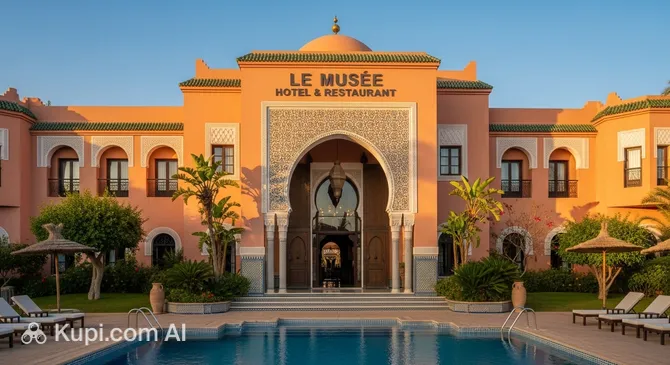
Among the notable places to consider is Le Musée Hotel & Restaurant. This establishment is appreciated for its blend of comfort and cultural ambiance, making it a convenient base for exploring the city's artistic and historical landmarks. Staying in such venues allows visitors to enjoy local hospitality while remaining close to the main attractions.

Le Musée Hotel & Restaurant. Source: Kupi.Binoculars

Prices in Rabat generally range from affordable budget hostels to exclusive high-end establishments. Budget travelers can find comfortable beds in hostels or modest hotels, while mid-range options often provide excellent value with added amenities like breakfast and Wi-Fi. It is highly recommended to book your accommodation in advance, especially during the summer peak season or around major holidays, to secure your preferred location. Most properties can be easily booked through major online platforms, though contacting smaller riads directly can sometimes yield a more personalized experience.

Nearby Cities

For those looking to explore the surroundings, Rabat serves as an excellent base for day trips to several interesting nearby locations:

Just across the Bou Regreg river lies Sale, often considered Rabat's historic twin. This city offers a more traditional atmosphere with its authentic medina, the Great Mosque, and a history deeply rooted in the era of the Barbary corsairs. It is an ideal spot to witness local craftsmanship and daily life away from the administrative center.

A short drive to the south brings you to Skhirate, a coastal town renowned for its pristine beaches and calm Atlantic waters. It is a popular seaside resort area, perfect for travelers seeking a relaxing day of swimming and sunbathing in a sophisticated setting.

Further north is the bustling port city of Kenitra. While it is a modern industrial hub, it serves as the gateway to the famous Mehdia Beach, a favorite among surfers, and the nearby Sidi Boughaba nature reserve, which is a haven for migratory birds.

City Population Distance (km)
Sale 850,403 6
Kenitra 431,282 36
Temara 313,510 11
Tiflet 86,709 51
Skhirate 59,775 24

These nearby destinations offer a glimpse into the diverse culture and landscapes of the region, ranging from historic fortifications to relaxing coastal retreats.

Shopping & Souvenirs

Shopping in Rabat offers a delightful balance between the traditional charm of ancient souks and the convenience of modern retail. Unlike the sometimes overwhelming hustle of other Moroccan cities, the capital provides a more relaxed atmosphere where visitors can browse at their own pace. The city is renowned for its high-quality handicrafts, particularly its distinct carpets and intricate embroidery, making it a prime destination for those looking to take a piece of Moroccan artistry home.

For a traditional shopping experience, the historic heart of the city is the place to start. The main thoroughfare within the old walls, Rue des Consuls, is famous for its artisanal workshops and vendors. Here, you can watch craftsmen working on leather, wood, and silver, ensuring the authenticity of your purchases. It is a much calmer environment than the souks of Marrakech, allowing for friendly interaction with shopkeepers.

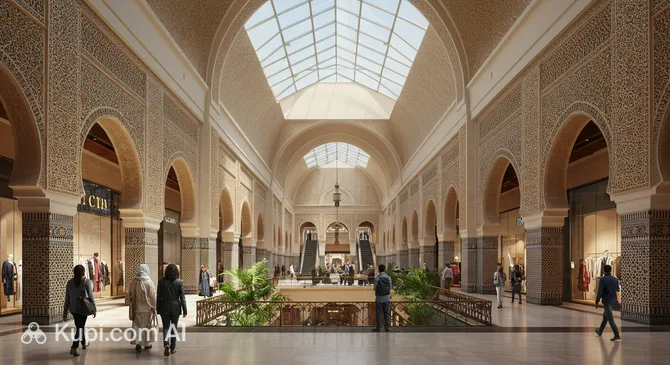
Travelers looking for contemporary fashion and international brands will find excellent options in the city's modern districts. The Arribat Center in the Agdal neighborhood is one of the largest and most popular shopping malls in the region. It features a wide array of clothing stores, a supermarket, and a spacious food court, making it a perfect spot for a family outing or a break from sightseeing.

Arribat Center. Source: Kupi.Binoculars

Another noteworthy destination for modern retail is Label'Gallery Rabat. These malls offer a comfortable, air-conditioned environment where you can find everything from European high-street fashion to electronics and cosmetics. They serve as a testament to the city's rapid modernization and offer a stark contrast to the ancient trading quarters.

However, the soul of shopping in the capital remains the Rabat Medina. This is the best place to hunt for local treasures. The market stalls here are filled with colorful spices, dried fruits, and traditional clothing like djellabas and babouches (leather slippers). It is also the ideal spot to find the famous Rabat carpets, known for their deep red colors and geometric diamond patterns, which are considered some of the finest in Morocco.

When it comes to souvenirs, beyond carpets and leather goods, look for argan oil products, pottery, and silver jewelry. Hand-painted ceramics and cedar wood boxes are also popular choices that pack easily. Bargaining is an essential part of the experience in the medina; start by offering about half the quoted price and negotiate with a smile. In contrast, prices in malls and the "Ville Nouvelle" shops are fixed.

Store hours vary by district. Shops in the medina typically open around 9:00 AM and close by 9:00 PM, though many close for a few hours on Friday afternoons for prayers. Modern malls like Arribat Center stay open later, often until 10:00 PM. While credit cards are widely accepted in malls, hotels, and upscale boutiques, cash is absolutely necessary for the medina and smaller street vendors.

Tourists residing outside of Morocco may be eligible for a VAT refund on purchases made in a single store exceeding 2,000 MAD. Look for shops displaying the "Tax-Free Shopping" sign and ask for the refund form at the checkout. You will need to present your passport and the form at the customs office at the airport before leaving the country.

Reached the end of the page?

That means the route is fully explored