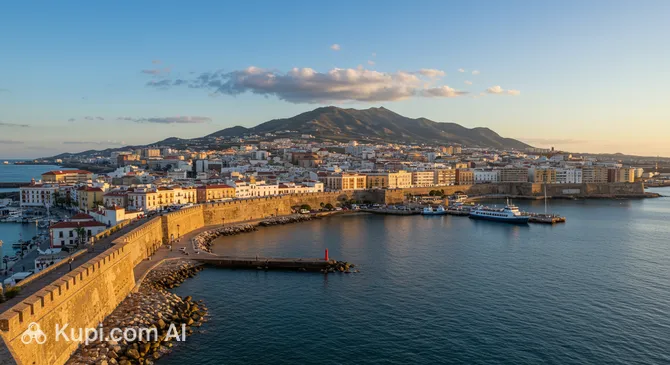
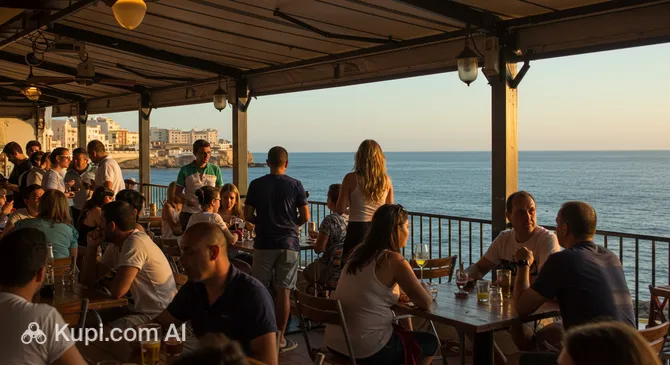
Ceuta is a truly unique destination that serves as a bridge between two continents, offering a captivating blend of European and African influences. As an autonomous city of Spain situated on the North African coast, it commands a strategic position along the Strait of Gibraltar. With a population of approximately 83,517 residents, this vibrant enclave boasts a mild Mediterranean climate that makes it an appealing year-round getaway for travelers seeking something different.
Ceuta. Illustration.
Source: Kupi.com AI
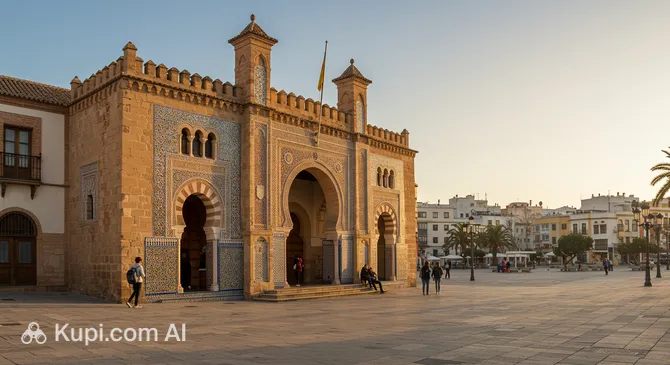
The city's exceptional location has shaped its character for centuries, resulting in a rich cultural tapestry where Christian, Muslim, Jewish, and Hindu communities coexist harmoniously. Exploring the history of Ceuta reveals a fascinating past marked by various civilizations, from the Phoenicians to the Portuguese and Spanish. This diverse heritage is clearly visible in the local architecture, the variety of festivals, and the warm, cosmopolitan hospitality of its people.
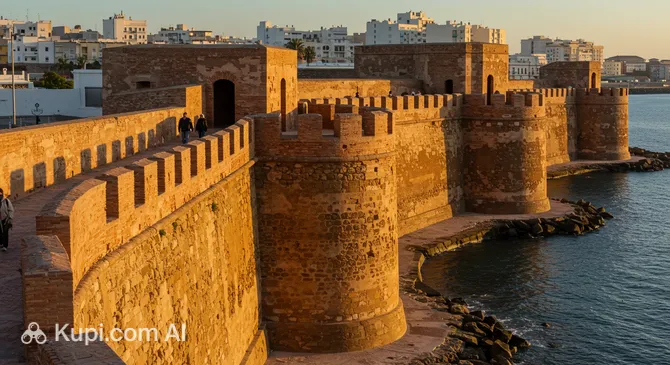
Visitors are often drawn to the impressive Royal Walls (Murallas Reales), a magnificent fortification featuring a navigable saltwater moat that historically separated the old city from the mainland. Another must-see attraction is the Maritime Park of the Mediterranean, a stunning leisure complex designed by the renowned artist César Manrique, which offers saltwater lakes, gardens, and solariums. Whether you are interested in duty-free shopping, exploring ancient battlements, or simply enjoying the convergence of the Atlantic and the Mediterranean, Ceuta invites you to discover its hidden charms.
Weather Overview
Ceuta enjoys a pleasant Mediterranean climate, characterized by mild winters and warm summers, making it an inviting destination throughout the year. For travelers looking for detailed forecasts, the weather in Ceuta is generally stable and comfortable, avoiding extreme conditions.
The summer season, particularly July and August, is ideal for beach lovers, with average temperatures rising to around 24°C and daily highs reaching nearly 28°C. This period is remarkably dry, often seeing zero wet days, which guarantees plenty of sunshine for exploring the city's coastline.
Winters are cool but never freezing, with average temperatures in January and December hovering between 11°C and 16°C. While the cooler months bring more frequent rainfall—March, for instance, can have up to 12 wet days—the precipitation is typically light. Overall, visitors can expect warm, dry summers and mild winters with occasional rain.
Average monthly temperature
Average monthly precipitation
Interesting Facts
Beyond the main attractions, Ceuta holds many fascinating secrets and historical curiosities that often surprise visitors. This unique enclave is not just a geographic bridge between continents but a place steeped in mythology, rare architectural features, and a legacy that spans diverse civilizations.
According to ancient mythology, Ceuta is the location of one of the legendary Pillars of Hercules. Mount Hacho, which towers over the city, is widely believed to be the southern pillar that the hero Hercules created when he smashed through the Atlas Mountains to connect the Mediterranean Sea with the Atlantic Ocean.
The Royal Walls of Ceuta feature a remarkable engineering marvel known as the Foso Real. This is one of the only saltwater moats in the world that is navigable by small boats, effectively turning the historic center of the city into an island separated from the mainland.
Architecture enthusiasts will be intrigued by the House of the Dragons, a distinctive building adorned with large bronze dragon sculptures on its roof. The original statues were removed during the Second Republic but were faithfully restored in 2006, returning the whimsical landmark to its former glory.
The city's flag offers a direct window into its past, as it is nearly identical to the flag of Lisbon. This design pays homage to the Portuguese conquest of the city in 1415, a heritage that Ceuta chose to honor even after deciding to remain part of the Spanish crown when the Iberian Union dissolved.
House of the Dragons. Illustration.
Source: Kupi.com AI
Traveler photos:
How to Get There
Planning a trip to this unique enclave requires a bit of logistical preparation, as it is situated on the North African coast, separated from the Spanish mainland by the Strait of Gibraltar. While there are no direct flights or trains into the city itself, the journey is straightforward with connections through nearby transportation hubs. For a complete overview of all travel options, including ferries and helicopters, you can read more about how to get to Ceuta.
The city of Ceuta does not have its own airport, but you can fly into Malaga Airport (IATA: AGP) in Malaga, which is one of the most significant international gateways in the region. Located approximately 114 km from Ceuta, it serves millions of passengers annually. From the airport, travelers typically take a bus or taxi to the port of Algeciras to catch a ferry across the strait. The total travel time by road to the ferry port, followed by the crossing, is estimated to be around 3 hours.
Another viable option is to fly into Tangier Ibn Battouta Airport (IATA: TNG) in Tangier, Morocco. This airport is geographically closer, situated about 57 km from Ceuta. Arriving here requires crossing the land border between Morocco and Ceuta. The journey by taxi or bus takes approximately 1 hour and 45 minutes, depending on border traffic. Additionally, North Front Airport (IATA: GIB) in Gibraltar is just 29 km away, though travel from there involves crossing into Spain and navigating around the bay to the ferry terminals.
For clarity, here is a summary of the main airports:
The city of Ceuta does not have a railway station, but you can arrive at the María Zambrano Station in the city of Malaga, which is about 121 km from Ceuta. This major station connects with high-speed trains from Madrid and other Spanish cities. From there, you can get a taxi or bus to the coast, which takes about 3 hours and 20 minutes including the transfer time needed to reach the ferry ports.
Alternatively, the Santa Justa Railway Station in Seville is another significant hub, located approximately 177 km away. It handles a large volume of passengers and serves as a key entry point for travelers coming from western Spain. The onward journey to the coast by road takes roughly 4 hours and 45 minutes.
Ceuta offers a fascinating array of sights that reflect its strategic position and multicultural history. From ancient fortifications to modern leisure complexes, the city's landmarks provide a diverse experience for travelers. Below are some of the most compelling places to visit during your stay.
One of the most striking landmarks in the city is the Royal Walls of Ceuta. These monumental fortifications date back to the period of Portuguese rule and were later expanded by the Spanish to protect the city. What makes them truly distinct is the navigable saltwater moat, the Foso Real, which connects the bays on either side of the isthmus. Tourists can walk along the ramparts to enjoy panoramic views or take a small boat through the moat for a unique perspective of the city's defensive history.
Royal Walls of Ceuta. Illustration.
Source: Kupi.com AI
Traveler photos:
For a relaxing day by the water, the Mediterranean Maritime Park is an architectural jewel designed by the famous artist César Manrique. This expansive leisure complex mimics a tropical lagoon, featuring saltwater lakes, waterfalls, and lush gardens. It is a perfect spot for families and sunseekers who want to enjoy safe, calm waters in a beautifully landscaped environment, complete with restaurants and sunbathing areas right in the city center.
Mediterranean Maritime Park. Illustration.
Source: Kupi.com AI
Traveler photos:
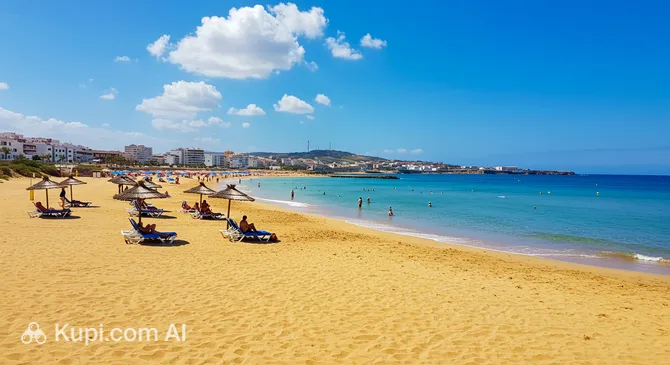
Travelers looking to enjoy the sea without leaving the urban core should head to Ribera Beach. Located centrally, this beach boasts fine sand and calm, crystal-clear waters, making it a favorite among locals and visitors alike. Its convenient location means you are just steps away from cafes and shops, allowing for an easy transition from sightseeing to sunbathing. The beach is well-maintained and offers excellent facilities for a comfortable day at the seaside.
Ribera Beach. Illustration.
Source: Kupi.com AI
Traveler photos:
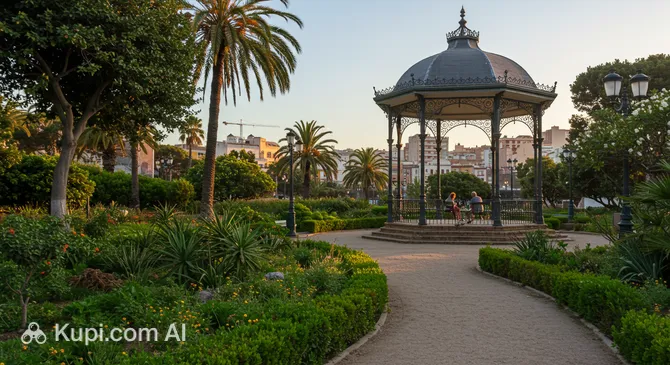
Nature lovers and those seeking a quiet escape will appreciate San Amaro Park. This green oasis offers a peaceful atmosphere with well-kept paths, diverse vegetation, and areas for children to play. It is situated near the coastline, providing lovely views and a refreshing breeze. The park is a wonderful place for a leisurely stroll and offers a break from the bustling city streets, allowing visitors to connect with the natural beauty of the region.
San Amaro Park. Illustration.
Source: Kupi.com AI
Traveler photos:
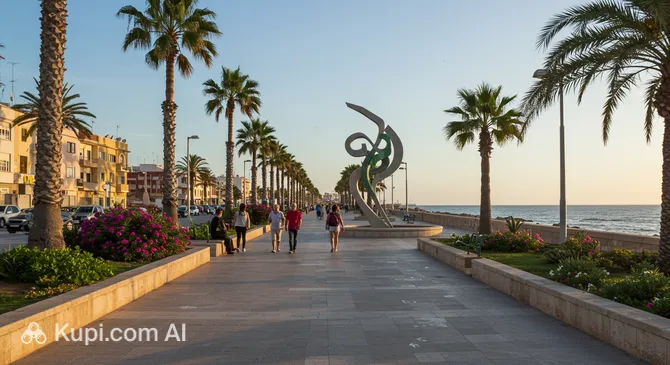
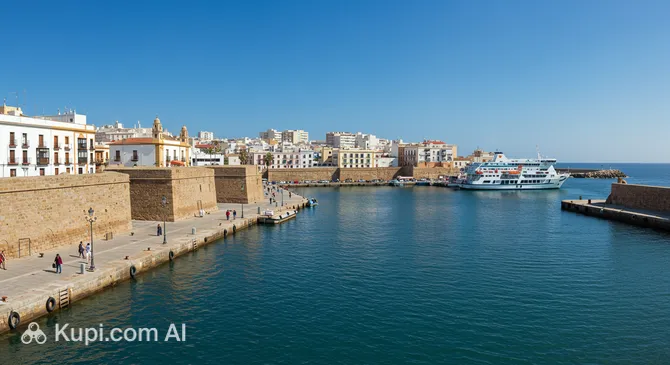
Finally, the Port of Ceuta serves as the vibrant gateway to the city and a hub of maritime activity. As the arrival point for ferries from the mainland, it is often the first sight greeting visitors. Strolling along the harbor area offers a glimpse into the city's connection to the sea, with ships constantly passing through the Strait of Gibraltar. The surrounding area is lively and features several monuments and statues that celebrate the city's unique geographical and historical significance.
Port of Ceuta. Illustration.
Source: Kupi.com AI
Traveler photos:
Local Cuisine
The local cuisine of Ceuta is a tantalizing reflection of its unique geographical position, offering a delicious fusion of Andalusian traditions and Moroccan flavors. Gastronomy here is defined by the sea, with fresh catches from both the Atlantic and the Mediterranean forming the backbone of many menus. The result is a culinary landscape where classic Spanish tapas sit comfortably alongside aromatic North African spices, creating a dining experience that is distinct from the mainland.
One of the most authentic gastronomic traditions in Ceuta is the preparation of salazones, or salted dried fish. Walking along the coast, you might see fish such as bonito or flying fish (voladores) drying in the sun and sea wind, a preservation method that dates back centuries. These are typically served thinly sliced as an appetizer, offering a strong, savory taste that pairs perfectly with a cold drink. Another absolute must-try for any visitor is the famous bocadillo de corazones (chicken hearts sandwich). While it might sound unusual to some, this spiced, grilled delicacy is a beloved local staple found in many tapas bars and street food stalls.
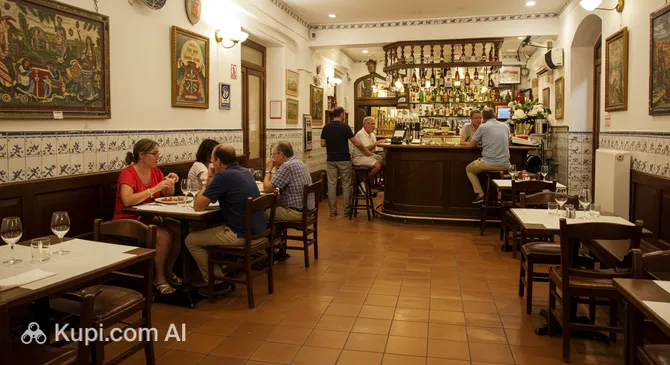
The city's dining scene is vibrant and social, ranging from casual beach bars to elegant establishments. For those looking to savor traditional dishes in a welcoming atmosphere, Mesón Restaurante Alberto is a notable spot where the quality of ingredients takes center stage. Locals often enjoy "going for tapas," moving from one bar to another to sample small plates of marinated dogfish, shellfish, or pinchos morunos—spiced meat skewers that highlight the Moorish influence on the local palate.
Mesón Restaurante Alberto. Illustration.
Source: Kupi.com AI
Traveler photos:
When it comes to drinks, the choices are equally diverse. You can enjoy excellent Spanish wines and refreshing beers, which are the standard accompaniment to tapas. However, the proximity to Morocco means that sweet, fresh mint tea is also widely available and highly popular, often served with traditional pastries made of honey and almonds. For a relaxed evening with a view, visitors might stop by Las Balsas Café-Bar to unwind. Whether you are dining at a seaside terrace like Oasis or exploring the city center, the food culture in Ceuta is warm, inviting, and full of flavor.
Travel Tips
Welcome to Ceuta, a fascinating crossroads of cultures where the Mediterranean meets the Atlantic. To ensure your visit to this unique Spanish enclave in North Africa is as smooth and enjoyable as possible, here are some essential practical tips to keep in mind.
Clothing and Gear: Ceuta enjoys a mild Mediterranean climate, but the winds from the Strait of Gibraltar can be strong. It is wise to bring layers, including a light windbreaker, even in summer. Comfortable walking shoes are a must, as the city has hilly terrain and historic cobblestone streets. While casual wear is generally acceptable, remember to dress modestly if you plan to visit religious sites like churches or mosques.
Transportation: The city center is compact and best explored on foot, allowing you to appreciate its architecture up close. For longer distances, such as reaching the border or specific beaches, the local bus network is reliable and affordable. Taxis are also plentiful and reasonably priced. Car rental is not strictly necessary unless you plan to explore the surrounding natural areas at your own pace.
Finances: As part of Spain, the official currency is the Euro (€). Credit and debit cards are widely accepted in hotels, restaurants, and larger shops. However, it is recommended to carry some cash for small purchases, taxis, or local markets. ATMs are easy to find throughout the city. Tipping is customary but not mandatory; leaving around 5-10% for good service is appreciated.
Health and Safety: Ceuta is generally a safe city for tourists with European standards of healthcare. Pharmacies are marked with a green cross, and there is usually one open 24/7 on a rotating basis (farmacia de guardia). Exercise standard precautions with your belongings in crowded areas. In an emergency, dial 112 for police, ambulance, or fire services.
Communication: The official language is Spanish, though you will also hear Darija (Moroccan Arabic) and potentially French. English is spoken in major hotels and tourist spots, but learning a few basic phrases like "Hola" (Hello) and "Gracias" (Thank you) will go a long way. Important Tip: Since Ceuta borders Morocco, your phone might accidentally connect to a Moroccan network near the border or coast, which could incur high roaming charges. Manually select your network provider to stay connected to Spanish (EU) towers.
Local Etiquette: Ceuta is known for its "convivencia," the peaceful coexistence of four cultures (Christian, Muslim, Jewish, and Hindu). Respect for this diversity is paramount. Greetings are warm, typically involving a handshake or two kisses on the cheek among friends. Like the rest of Spain, meal times are later than in many other countries, with lunch often starting around 2:00 PM and dinner after 9:00 PM.
What to Avoid: Avoid taking photographs of military installations, police checkpoints, or the border fence area, as this is strictly prohibited and can lead to confiscation of equipment or fines. Also, do not assume the cultural norms are identical to mainland Spain or Morocco; Ceuta has its own distinct blend, so be open-minded and observant.
Shopping Advantage: Take advantage of Ceuta's special tax status. The city is outside the EU Customs Union, meaning goods are often cheaper than on the mainland due to lower taxes (IPS instead of VAT). It is an excellent place to shop for electronics, perfumes, and jewelry, but be sure to check customs allowances before returning to the mainland.
By keeping these practical tips in mind, you will be well-prepared to navigate the city's charming streets and immerse yourself in its rich multicultural atmosphere. Enjoy your journey to this captivating corner of the world!
Entertainment & Nightlife
Nightlife in Ceuta is a vibrant reflection of its multicultural identity, offering a lively mix of Spanish fiesta energy and a relaxed Mediterranean vibe. The epicenter of the action is undoubtedly the Poblado Marinero (Sailor's Village), a leisure complex located right next to the marina and the city center. This area is bustling with activity after dark, featuring a dense concentration of pubs, disco-bars, and terraces where locals and visitors gather to socialize, dance, and enjoy music ranging from the latest international hits to Latin rhythms.
For those looking to start the evening with a refreshing drink and a lively atmosphere, Portuario Bar & Restaurant is a fantastic choice. Situated near the port area, it captures the maritime spirit of the city and serves as a popular meeting point. Whether you want to enjoy some tapas or simply sip on a cocktail while soaking in the local ambiance, this venue offers a welcoming environment that typifies the city's hospitality.
Portuario Bar & Restaurant. Illustration.
Source: Kupi.com AI
Traveler photos:
Another excellent spot to unwind is Las Balsas Café-Bar, known for its chilled-out setting which is perfect for conversation and enjoying the evening breeze. The nightlife here typically follows the Spanish schedule, meaning things kick off late. Bars usually begin to fill up around 11:00 PM, while clubs and late-night venues peak well after midnight, often staying open until dawn on weekends. The dress code is generally smart-casual; while not overly strict, looking neat is appreciated in the more popular clubs.
In terms of practicalities, a night out in Ceuta is quite affordable compared to many mainland European cities, thanks in part to the city's special tax status which keeps alcohol prices reasonable. Getting around is safe and easy; official white taxis are readily available and can be hailed on the street or found at designated ranks. The main nightlife districts are well-lit and secure, but as with any travel destination, it is advisable to stick to populated areas and keep an eye on your belongings.
Beyond the bars and clubs, the city offers other forms of entertainment. For a different kind of evening or daytime leisure, the Ceuta Park Mall provides a modern cinema complex and various dining options, making it a great destination for families or those seeking a more low-key night. During the day, culture enthusiasts can visit the Teatro Auditorio Revellín, a stunning architectural work by Álvaro Siza that hosts concerts, theater productions, and dance performances, adding a touch of high culture to the city's entertainment landscape.
Parks & Museums
Beyond its bustling port and defensive fortifications, Ceuta offers a surprising wealth of green spaces and cultural institutions that preserve its multifaceted heritage. The city’s parks provide lush retreats from the urban environment, while its museums offer deep dives into a history that spans Phoenician, Roman, Arab, and Portuguese civilizations. Exploring these venues allows visitors to understand the complex identity of this North African enclave of Spain.
For nature lovers, Monte Hacho is the city's most significant natural area. Dominating the peninsula, this hill is covered in pine forests and eucalyptus trees, offering a network of hiking trails that reward walkers with breathtaking views of the Strait of Gibraltar and the neighboring continent. It is a perfect spot for a morning hike or a picnic with a panoramic backdrop. Closer to the city center, San Amaro Park serves as a beloved urban oasis. Situated near the coast, this landscaped garden is famous for its proximity to the Shrine of San Antonio and features walking paths, fountains, and a small animal enclosure, making it a favorite destination for families.
The city's cultural scene is anchored by several excellent museums. The Late Roman Basilica Museum is a highlight, showcasing the remains of a 4th-century Christian basilica. Visitors can walk over glass floors to view the excavated foundations and tombs, providing a tangible link to the city’s early Christian history. Another fascinating institution is the Military Museum of the Desnarigado (Museo Militar del Castillo del Desnarigado). Housed in a fortress perched on the cliffs of Monte Hacho, it displays a collection of weapons, uniforms, and artifacts that tell the story of Ceuta's military past, all set against a stunning coastal landscape.
Art and history enthusiasts should also visit the Museum of the Revellín, located within the magnificent Royal Walls of Ceuta. This venue often hosts temporary art exhibitions and houses archaeological finds that trace the city's evolution. Just a short walk away, you can discover the Arab Baths (Baños Árabes) in the Peninsula neighborhood. Dating back to the 13th century, these well-preserved ruins offer a glimpse into the daily life of the medieval Islamic period and are a testament to the diverse layers of civilization that have shaped the city.
For a truly authentic experience, take a short trip to the neighborhood of Benzú on the border with Morocco. Here, you can visit the "Dead Woman" (Mujer Muerta) mountain formation and enjoy traditional mint tea at a local teahouse overlooking the sea. It is a quieter, less touristy side of Ceuta where the pace of life slows down, offering a unique cultural immersion.
Getting Around
Public transport in Ceuta is straightforward and efficient, designed to meet the needs of a compact city with unique geographical constraints. Unlike larger metropolises, the city does not have a metro, tram, or train system. Instead, the local mobility network relies almost entirely on a reliable bus service and a fleet of taxis, which are sufficient for navigating the relatively small distances between the city center, the port, and the residential neighborhoods.
The bus network is the backbone of public transportation here. Operated by the municipal service, the buses cover all major areas of the city, including routes that connect the city center (usually starting near the Plaza de la Constitución or the Port) to the border with Morocco (Frontera del Tarajal) and the outlying district of Benzú. The buses are modern, air-conditioned, and generally run frequently, with the most popular lines operating every 15 to 20 minutes during the day.
For payment, the system is traditional and user-friendly for tourists. You can purchase a single ticket directly from the driver when boarding the bus. It is highly recommended to carry cash, specifically coins or small bills (such as €5 or €10 notes), as drivers may not have change for large denominations. The fare is quite affordable, typically costing under €1.00 for a single journey. While rechargeable travel cards exist for residents, they are generally not necessary for short-term visitors due to the low cost of individual tickets.
Operating hours for the bus service generally run from early morning, around 6:30 AM, until approximately 11:00 PM or midnight, depending on the line and the season. On weekends and holidays, frequencies might be slightly reduced. If you plan to visit the border area or the popular beaches on the outskirts, checking the schedule at the bus stops or via local information apps is advisable to ensure you don't miss the last connection back to the center.
Taxis are a very popular alternative and are widely available throughout the city. You can easily identify them by their white color and the city coat of arms. There are designated taxi ranks at strategic locations such as the Ferry Terminal, Plaza de África, and major shopping streets. Taxis in Ceuta are metered and offer a convenient way to reach specific destinations that might be a steep walk from a bus stop, such as the viewpoints atop Monte Hacho or the remote coves of Benzú. Rates are reasonable, making them a good option for groups or travelers with luggage.
Given the city's size, walking is often the best way to explore the historic center, the Royal Walls, and the commercial districts. Most major attractions are located within a comfortable walking distance of each other. However, for those wishing to explore the natural surroundings or drive along the scenic coastal roads at their own pace, renting a car is a viable option, though parking in the city center can sometimes be challenging.
Accommodation
Ceuta offers a compact but varied selection of accommodation options suitable for different travel styles and budgets. The city primarily features **mid-range hotels** and comfortable **hostals** (guesthouses) that provide modern amenities and easy access to the main sights. While you will not find an extensive array of sprawling luxury resorts, the available 4-star establishments and well-equipped tourist apartments ensure a pleasant and relaxing stay. The hospitality here reflects a blend of Spanish standards and North African warmth, making visitors feel right at home.
The most convenient area for tourists to stay is undoubtedly the **city center** and the isthmus area. Booking a room here places you within walking distance of the main commercial streets and the historic fortifications. Locations near the Port of Ceuta are particularly practical for those arriving by ferry, allowing for a seamless transition from the boat to your hotel. Alternatively, choosing accommodation close to the Mediterranean Maritime Park offers a scenic setting with immediate access to the city's premier leisure complex and the sea.
For a smooth experience, it is highly recommended to **book in advance**, especially if you plan to visit during the peak summer months of July and August or during major local festivities. Ceuta is a popular gateway and a holiday destination for many, meaning the best-value rooms and sea-view suites can fill up quickly during these high-demand periods.
In terms of pricing, accommodation in Ceuta is generally **reasonable** and often more affordable than in the major tourist hubs of mainland Spain. Travelers can expect a range of prices from budget-friendly rates for simpler pensions to moderate costs for higher-end hotels. Reservations can be easily made through major **online booking platforms**, although contacting smaller establishments directly can sometimes offer more personalized service.
Nearby Cities
For those looking to explore the surroundings, Ceuta serves as an excellent base for day trips to several interesting nearby locations:
Located just across the Strait of Gibraltar, Algeciras is the most accessible destination, connected by frequent high-speed ferries. As a major port city, it offers a distinct atmosphere with its bustling market and the beautiful Plaza Alta, decorated with colorful ceramic tiles. It serves as the perfect gateway to the Iberian Peninsula and provides a quick and easy change of scenery from the North African coast.
A little further along the coast lies the charming town of Estepona, often called the "Garden of the Costa del Sol." It is renowned for its picturesque historic center, where white-washed streets are adorned with hundreds of colorful flowerpots. Visitors can enjoy a relaxing stroll along the extensive promenade, visit the modern Orchidarium, or relax on its wide, sandy beaches, making it a delightful spot for a day trip.
For a mix of traditional Andalusian charm and modern luxury, Marbella is a top choice. While famous for the glitz of Puerto Banús and its "Golden Mile," the city also boasts a beautifully preserved Old Town (Casco Antiguo). Here, you can wander through narrow alleys leading to the Plaza de los Naranjos, a historic square filled with orange trees and lively cafes, offering a perfect blend of history and leisure.
City
Population
Distance
Fnideq
77 436
6 km
Tleta Taghramt
8 706
17 km
Ksar El Majaz
10 237
20 km
Ksar es-Seghir
12 997
22 km
Mdiq
56 227
23 km
These nearby destinations offer a glimpse into the diverse culture and landscapes of the region.
Shopping & Souvenirs
Shopping in Ceuta is a unique experience that attracts many visitors, largely due to the city's special fiscal status. As a territory outside the European Union Customs Union, Ceuta enjoys a unique tax regime where the standard VAT is replaced by a local tax known as IPSI, which is significantly lower. This often results in more attractive prices for a wide range of goods, from electronics and jewelry to perfumes and designer clothing, making the city a true commercial hub where European quality meets advantageous pricing.
The heart of the city's commercial life beats along the pedestrian axis formed by Paseo del Revellín and Calle Camoens. This vibrant area is the main open-air shopping district, lined with a mix of well-known international fashion chains, elegant boutiques, and traditional family-run shops. Walking down these bustling streets offers not just a chance to shop, but also to admire the local architecture and enjoy the lively atmosphere of the city center.
For those who prefer a modern, all-in-one shopping experience, the Ceuta Park Mall is the premier destination. Located near the port and the maritime park, this shopping center houses a variety of popular fashion brands, a hypermarket, and leisure facilities. It serves as a convenient stop for travelers looking to find everything under one roof, from clothing and accessories to groceries and travel essentials.
Ceuta Park Mall. Illustration.
Source: Kupi.com AI
Traveler photos:
To get a taste of local life and produce, a visit to the Mercado Central (Central Market) is highly recommended. While it is primarily a food market, it is famous for its exceptional variety of fresh fish and seafood, reflecting the city's maritime heritage. Wandering through the stalls offers a sensory delight of colors and scents, and it is the perfect place to see the daily rhythm of the locals.
When it comes to souvenirs, Ceuta offers distinct options. Due to the favorable tax rates, many tourists stock up on perfumes, cosmetics, and electronics. For something more traditional, look for local salted fish (salazones), a gastronomic specialty of the region. Additionally, given the proximity to Morocco, you can often find beautiful handicrafts, leather goods, and textiles that reflect the North African influence on the city's culture.
Store opening hours generally follow the traditional Spanish schedule. Small shops and boutiques typically open from 10:00 AM to 1:30 PM and reopen in the afternoon from 5:00 PM to 8:30 PM. However, larger establishments and the shopping mall usually remain open throughout the day without a break, from 10:00 AM until 10:00 PM. Payment by credit and debit card is widely accepted, though carrying some cash is useful for smaller purchases in markets or kiosks.
Finally, it is important to remember the customs regulations. Since Ceuta is outside the EU Customs Union, there are strict limits on the amount of tobacco, alcohol, and other goods you can take back to the Spanish mainland or other EU countries without paying duty. It is advisable to check the current allowances before making large purchases to ensure a smooth return journey.