Support

Tangier

About

Tangier is a captivating city that serves as the gateway between Africa and Europe, offering a unique blend of cultures and landscapes. Located at the northern tip of Morocco, where the Mediterranean Sea meets the Atlantic Ocean, this bustling port city has long been a muse for artists, writers, and travelers seeking inspiration.
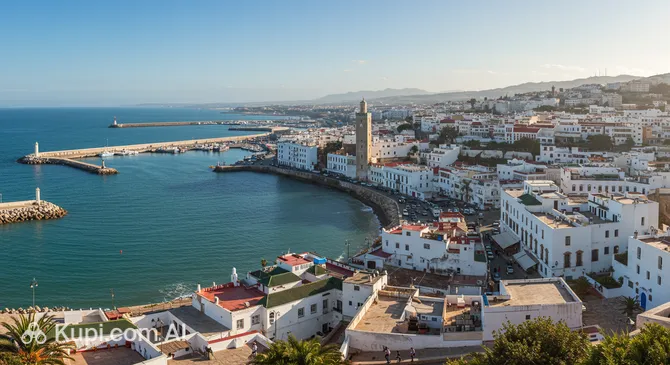
Tangier. Source: Kupi.Binoculars

With a population approaching one million, Tangier is a vibrant metropolis in the Tanger-Tetouan-Al Hoceima region. Its strategic position on the Strait of Gibraltar grants it a pleasant Mediterranean climate, characterized by mild winters and warm, sunny summers. The city's geography is defined by its stunning white buildings cascading down the hills toward the azure waters, earning it the nickname "The White City."

The history of Tangier is deeply layered, shaped by Phoenician, Roman, Arab, and European civilizations over thousands of years. For a significant part of the 20th century, it was an International Zone, fostering a cosmopolitan atmosphere that still lingers in its architecture and social fabric today. This unique past has left behind a rich heritage that distinguishes it from other Moroccan cities.

Visitors are invariably drawn to the ancient Kasbah, a fortified hilltop district that offers panoramic views of the ocean and the city's labyrinthine Medina below. Beyond the historic center, the legendary Caves of Hercules and the scenic Cape Spartel—where the Atlantic and Mediterranean waters converge—are essential stops for nature lovers.

Whether you are navigating the colorful souks, enjoying mint tea in a legendary café, or gazing across the strait towards the coast of Spain, Tangier promises an unforgettable adventure. It is a city of mystery and light, inviting every traveler to discover its many secrets.
Weather Overview

Tangier enjoys a pleasant Mediterranean climate, influenced by its unique position where the Atlantic Ocean meets the Mediterranean Sea. The weather in Tangier is generally mild year-round, characterized by warm, dry summers and cooler, breezier winters.

The summer months constitute the warmest period, with August seeing average temperatures of around 24.7°C and highs reaching up to 28.6°C. This season is perfect for beach activities, as rainfall is virtually non-existent during July and August, which typically record zero wet days.

Winters are mild rather than cold, with average temperatures in January and December hovering between 13°C and 14°C, and lows rarely dropping below 10°C. Travelers should expect more variable conditions in the spring; March is historically the wettest month with approximately 12 days of rain, although the precipitation volume remains low. Overall, visitors can expect comfortable warmth in the summer and mild, occasionally damp conditions during the cooler months.

Interesting Facts

Beyond the well-known medina and beaches, Tangier holds many fascinating secrets that reveal its unique position in history and culture. This city has long been a crossroads of civilizations, accumulating stories that are as surprising as they are diverse.
  • Tangier is home to the Tangier American Legation Museum, which holds the unique distinction of being the only United States National Historic Landmark located entirely outside of the U.S. This building commemorates the historic 1777 treaty between the two nations, marking Morocco as the first country to officially recognize the independent United States.

  • The city was the birthplace and starting point for Ibn Battuta, arguably the greatest traveler of the pre-modern world. In the 14th century, he set out from Tangier on a journey that would last nearly 30 years and cover three times the distance of Marco Polo's travels, spanning most of the known Islamic world.

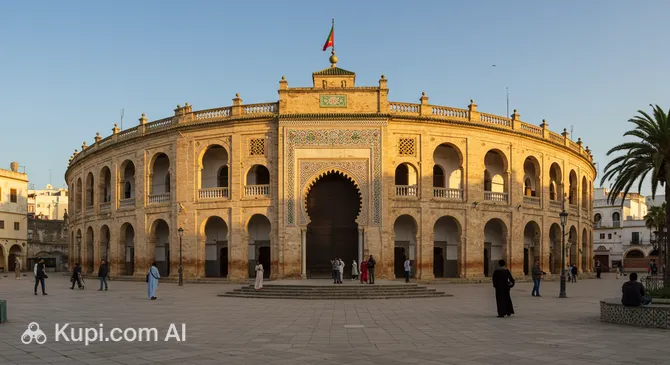
  • Tangier possesses a rare architectural relic in the form of the Tangier Bullring (Plaza de Toros). Built by the Spanish in 1950, it is one of the very few bullrings ever constructed on the African continent, standing as a silent testament to the city's close historical and cultural ties with Spain.

  • During the mid-20th century, the city was an "International Zone" governed by a committee of foreign powers rather than a single nation. This status made it a haven for spies, artists, and writers from the Beat Generation, including William S. Burroughs, who wrote large portions of his famous novel Naked Lunch while living here.

Tangier Bullring. Source: Kupi.Binoculars

How to Get There

Reaching this gateway city is part of the adventure, with options ranging from direct flights to scenic train rides through neighboring regions. Whether you are arriving from within Morocco or crossing the strait from Europe, there are several convenient ways to begin your journey. You can find more about how to get to Tangier and detailed transport tips to help you plan your arrival.

The most convenient entry point is Tangier Ibn Battouta Airport (IATA: TNG), located directly in Tangier, approximately 8.3 km from the city center. This international airport serves as a major hub with an annual passenger traffic of around 2.4 million people. A trip from the airport to the downtown area by taxi or bus typically takes about 35 minutes. For those looking for alternatives, you can also fly into Sania Ramel (IATA: TTU) in the city of Tetouan. This smaller regional airport is situated about 50 km from Tangier, and the transfer by road usually takes around 1 hour and 35 minutes.

For clarity, here is a summary of the main airports:

Airport Name City Passenger Traffic Km from City
Malaga Airport Malaga Very Large 157.2
Tangier Ibn Battouta Airport Tangier Medium 8.3
Jerez Airport Jerez de la Frontera Medium 111.2
North Front Airport Gibraltar Small 61.6
Sania Ramel Tetouan Small 50.0

Travelers approaching from Europe often utilize the extensive rail networks in southern Spain before catching a ferry across the strait. You can arrive at Santa Justa Railway Station (IATA: XQA) in the city of Seville, which is a major hub located approximately 181.6 km from Tangier (across the water). From Seville, travelers typically continue to a port city like Tarifa or Algeciras to board a ferry. Another significant option is María Zambrano Station (IATA: YJM) in Malaga, situated about 164.5 km away. Both stations handle millions of passengers annually and offer high-speed connections, making them key transit points for those combining a Spanish tour with a visit to Morocco.

Below is a list of nearby railway stations often used by travelers connecting to Tangier:

Station City Passenger Traffic Km to Center
Santa Justa Railway Station Seville Very High 181.6
María Zambrano Station Malaga High 164.5
Jerez Railway Station Jerez de la Frontera Medium 105.5
Cádiz Station Cadiz Medium 94.8
Huelva Station Huelva Small 193.6

Main Attractions

Tangier is a city of contrasts where history and modernity intertwine, offering visitors a wealth of sights that reflect its multicultural heritage. From bustling squares to serene gardens, the city's landmarks provide a fascinating glimpse into its storied past.

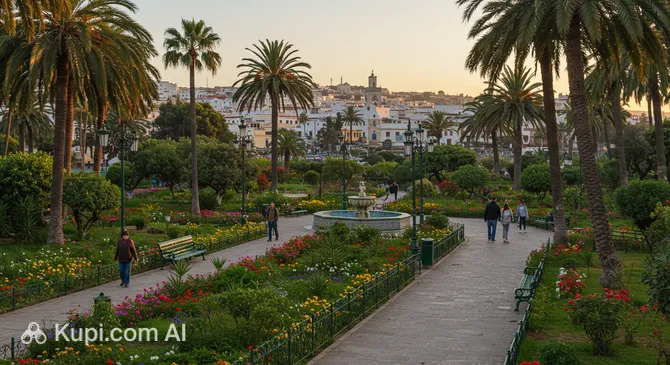
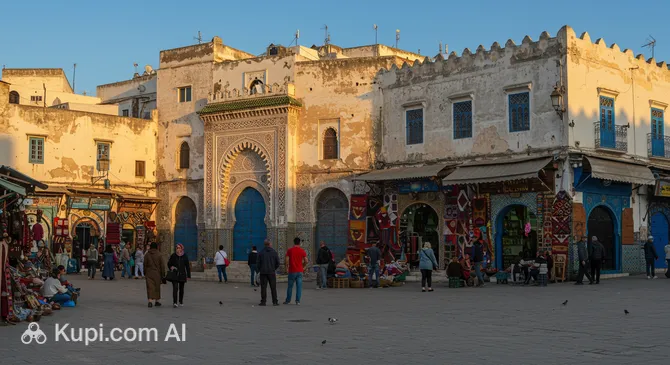
One of the most vibrant spots in the city is the Grand Socco, officially known as Place du 9 Avril 1947. This large, palm-lined square serves as the bustling transition point between the narrow, winding streets of the ancient Medina and the wider avenues of the Ville Nouvelle. It is a perfect place to sit at a cafe, sip mint tea, and watch the dynamic daily life of Tangier unfold before heading into the markets.

Grand Socco. Source: Kupi.Binoculars

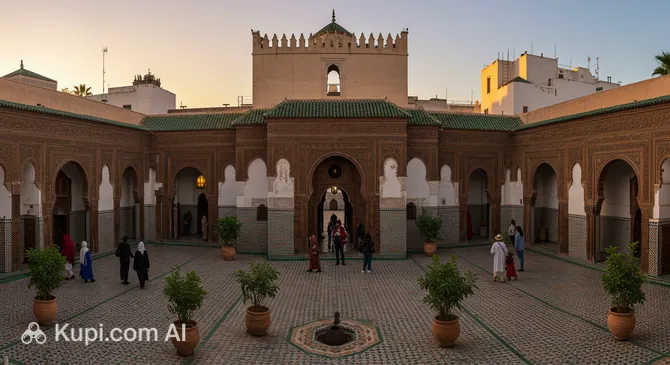
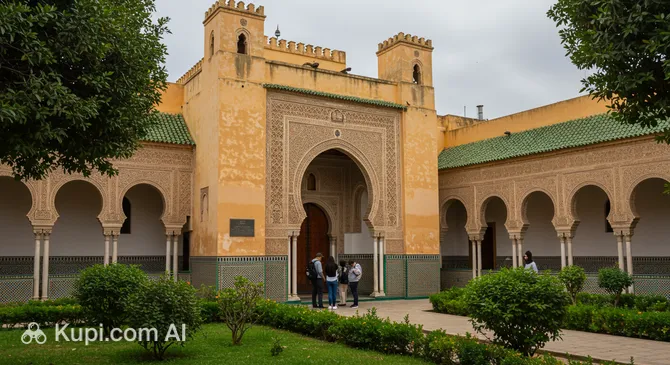
For those interested in history and architecture, the Kasbah Museum is an essential stop. Located within the walls of the historic Kasbah fortress in the former Sultan's palace, Dar el Makhzen, this museum showcases a rich collection of Moroccan art, archaeological artifacts, and intricate mosaics. The building itself is a masterpiece, centered around a beautiful Andalusian-style courtyard that offers a peaceful retreat from the city noise.

Kasbah Museum. Source: Kupi.Binoculars

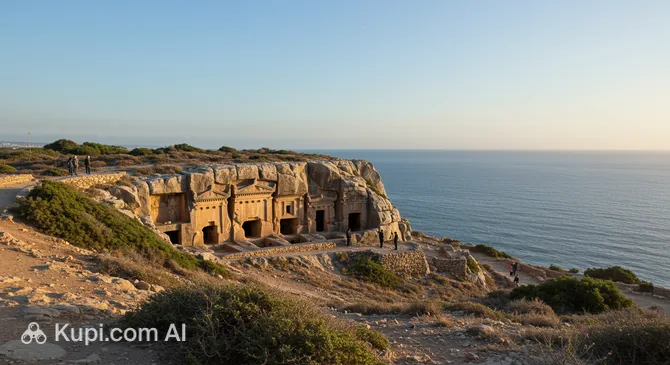
A short distance from the Kasbah, you will find the Phoenician Tombs. Carved directly into the rock face overlooking the ocean, these ancient Roman-era graves offer more than just historical intrigue; they are one of the best vantage points in the city. Locals and tourists alike gather here to enjoy breathtaking views of the Strait of Gibraltar, especially during sunset when the light casts a golden glow over the water.

Phoenician Tombs. Source: Kupi.Binoculars

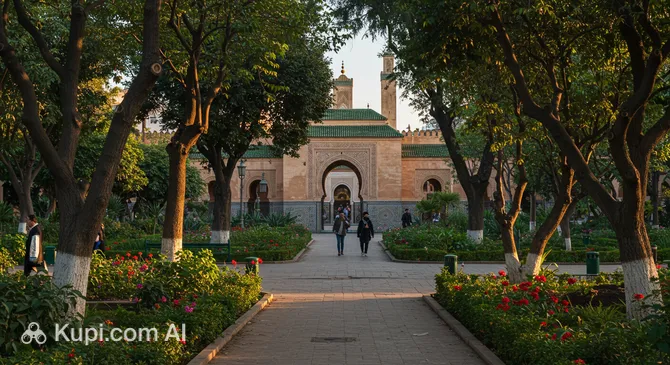
If you are looking for a green escape, the Mendoubia Gardens provide a lush sanctuary right next to the Grand Socco. These elegant gardens are home to a massive banyan tree that is said to be over 800 years old, as well as colonial-era cannons that line the top terrace. It is a lovely spot for a leisurely walk among exotic plants and flowers, offering a quiet moment of relaxation in the heart of the city.

Mendoubia Gardens. Source: Kupi.Binoculars

Local Cuisine

Local Cuisine:

The gastronomy of Tangier is a vibrant reflection of its history as a crossroads of civilizations, blending traditional Moroccan flavors with distinct Mediterranean and Andalusian influences. Unlike the purely meat-centric cuisine of the interior, Tangier’s location between two seas makes it a paradise for seafood lovers. Fresh catches arrive daily at the port, transforming into delicious dishes that define the local palate.

One of the city's signature culinary experiences is the fish tagine, often prepared with a zesty chermoula marinade made from coriander, parsley, garlic, cumin, and lemon. Another northern staple is Bissara, a rich, hearty soup made from dried fava beans, generously topped with olive oil and cumin. It is a favorite breakfast or lunch for locals, providing energy for the day. For a quick and tasty bite, look for Bocadillos, Spanish-influenced baguette sandwiches filled with tuna, olives, salad, and cheese, which are ubiquitous in street food stalls.

Dining in Tangier ranges from casual street vendors in the Medina to elegant establishments with colonial charm. For a taste of the city's "International Zone" era, you can visit the legendary El Minzah Hotel. This historic venue has hosted royalty and rock stars alike, offering a refined atmosphere to enjoy Moroccan specialties or a drink in its famous courtyard.

El Minzah Hotel. Source: Kupi.Binoculars

If you prefer a meal with a view of the sea, the city offers numerous options along the coast. Places like Restaurant Antarctique are popular for serving fresh dishes in a relaxed setting. For a more authentic, local experience, you might wander into the busy streets to find spots like Restaurant Ahlen, where the focus is on hearty, traditional home cooking.

No culinary journey here is complete without the national drink: Moroccan mint tea. In Tangier, it is often served with a generous amount of fresh mint and sugar, poured from a height to create a frothy top. Café culture is deeply ingrained in the city's social life; locals spend hours sipping tea or coffee while watching the world go by. While Morocco is a Muslim country, Tangier's cosmopolitan nature means alcohol is readily available in hotels, licensed restaurants, and specific bars, such as Le Restaurant du Pain Nu, catering to international visitors.

Travel Tips

Welcome to Tangier, a captivating destination in northern Morocco where the Mediterranean breeze carries stories from two continents. To help you navigate this vibrant gateway and enjoy its unique rhythm without a hitch, here are some practical tips for your journey.

  1. Clothing and Gear: Tangier is often breezy due to its location on the Strait, so bringing layers and a light windbreaker is smart even in warmer months. While the city is cosmopolitan, it is respectful to dress modestly, especially when exploring the traditional Medina; cover your shoulders and knees. Comfortable walking shoes are non-negotiable for navigating the steep, cobbled streets of the old town.
  2. Transportation: The best way to explore the city center is on foot, but for longer distances, use the distinct Petit Taxis (colored light blue with a yellow stripe). Always insist on using the meter or agree on a price before getting in. For trips outside the city, "Grand Taxis" are the standard shared option. Ride-hailing apps are available but less common than traditional taxis.
  3. Finances: The local currency is the Moroccan Dirham (MAD). While upscale hotels and modern restaurants accept credit cards, cash is king in the souks and smaller cafes. ATMs are widely available, but it is wise to carry small change for tips and minor purchases. Tipping is customary; leaving 5-10% is appreciated for good service.
  4. Health and Safety: Tangier is generally safe for tourists, but standard precautions apply; keep an eye on your belongings in crowded market areas to avoid pickpocketing. Pharmacies are easy to spot by their flashing green cross signs and are well-stocked. Avoid walking alone in unlit or deserted areas of the Medina late at night.
  5. Communication: While Arabic (Darija) and French are the primary languages, Tangier is unique because Spanish is also widely understood due to historical ties. English is becoming more common in tourist areas, but learning a few basic phrases like "Salam" (Hello) and "Shukran" (Thank you) goes a long way. You can easily buy a prepaid SIM card from major providers like Maroc Telecom or Orange upon arrival.
  6. Local Etiquette: Locals are known for their hospitality. When greeting, a handshake is common, often followed by touching your hand to your heart. Always ask for permission before taking photos of people, especially in the markets. Public displays of affection should be kept minimal to respect local norms.
  7. What to Avoid: Be firm but polite with unofficial guides ("faux guides") who may offer unsolicited tours in the street; a simple "No, thank you" is usually enough. Also, avoid taking photographs of government buildings, police, or military personnel, as this is strictly prohibited.
  8. Local Insight: Embrace the slow pace of the city by partaking in the local coffee culture. Do not rush your mint tea; sitting at a sidewalk café for an hour just to people-watch is not loitering—it is the authentic Tangier way of life.

With these practical pointers in mind, you are all set to lose yourself in the charm of the White City. Enjoy the fusion of cultures, the fresh sea air, and the warm hospitality that makes Tangier truly special.

Entertainment & Nightlife

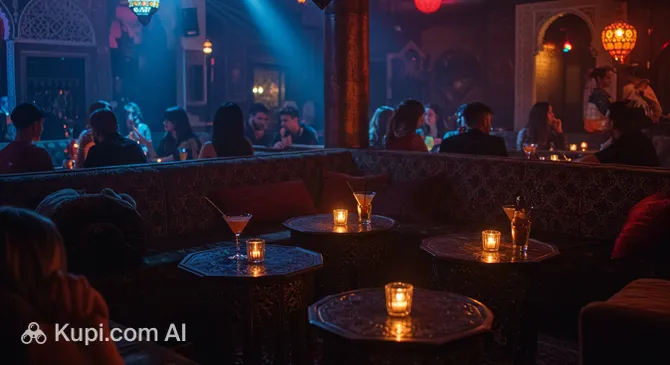
As the sun sets over the Strait of Gibraltar, Tangier transforms into a vibrant hub of activity, offering a nightlife scene that perfectly blends its cosmopolitan history with modern energy. Unlike many other Moroccan cities where evenings are primarily quiet, Tangier boasts a lively culture that ranges from traditional late-night café gatherings to energetic clubs along the seafront. The atmosphere is generally relaxed yet sophisticated, inviting visitors to enjoy the cool Mediterranean breeze after dark.

The epicenter of modern nightlife is undoubtedly the Corniche (Avenue Mohamed VI) and the Ville Nouvelle. Here, you will find a concentration of bars, lounges, and nightclubs that stay open well into the early morning hours. This area attracts a mix of locals and tourists, creating a dynamic environment where music genres range from Western pop and electronic beats to Arabic hits. For a spirited night out, El Tangerino is a popular venue located right on the beachfront. It is well-known for its lively ambiance, serving tapas and drinks while offering spectacular views of the bay.

El Tangerino. Source: Kupi.Binoculars

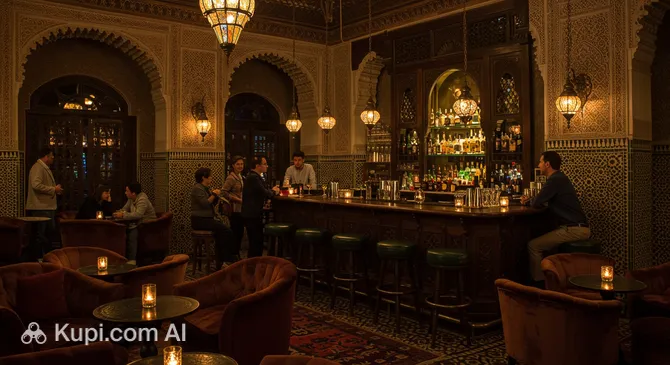
For those seeking a more refined and tranquil experience, the city offers several elegant spots tucked away in historic villas and hotels. Villa Josephine is a prime example of this old-world charm. Set in a beautiful colonial mansion on the Old Mountain (Vieille Montagne), it offers a sophisticated setting for evening cocktails on a terrace overlooking the strait. The dress code in these upscale venues is typically smart casual, and reservations are recommended, especially on weekends.

Villa Josephine. Source: Kupi.Binoculars

Practical advice for enjoying Tangier's nightlife includes timing and transportation. The action usually starts late, with bars filling up around 10:00 PM and clubs peaking after midnight. Alcohol is available in licensed hotels, bars, and restaurants, though it is pricey compared to European standards. To get around safely at night, it is best to use the "Petit Taxis." They are affordable and plentiful, but always ensure the meter is running. While the Corniche and main avenues are safe for walking, it is advisable to avoid wandering alone in the dimly lit alleyways of the Medina late at night.

Beyond the nightlife, Tangier offers plenty of daytime entertainment options for families and leisure travelers. The city is home to modern shopping and entertainment complexes like Socco Alto Mall and Tanger City Center, which feature cinemas, play areas for children, and a wide variety of international stores. For a touch of culture, the city's renovated cinemas and theaters, such as the Cinema Rif, often host cultural events and screenings that reflect the artistic soul of the city.

Parks & Museums

Tangier is a city that balances its bustling urban energy with serene natural escapes and profound cultural depth. Beyond the lively markets, visitors can discover lush green spaces that offer respite from the heat, as well as museums that chronicle the city's unique status as an international crossroads.

For a refreshing break from the city center, a visit to Rmilat Park (also known as the Perdicaris Park) is highly recommended. Located a few kilometers west of the city, this expansive botanical reserve blends a forest of eucalyptus, pine, and exotic plants introduced by its former owner, Ion Perdicaris. It offers shaded walking trails and spectacular cliff-top views over the Strait of Gibraltar, making it a favorite picnic spot for locals and a peaceful retreat for nature lovers.

Rmilat Park. Source: Kupi.Binoculars

Another excellent outdoor space is the promenade along Merkala Beach. This scenic coastal road connects the old port area with the newer parts of the city, hugging the shoreline at the foot of the cliffs. It is less of a swimming beach and more of a perfect location for a long, invigorating walk or a jog, offering uninterrupted views of the sea and the Spanish coast on clear days.

In terms of culture, the Tangier American Legation Museum is a standout institution located within the Medina. Housed in a gracious five-story mansion, it is the only U.S. National Historic Landmark located outside the United States. The museum features a fascinating collection of art, including works by the "Moroccan Mona Lisa" painter James McBey, and a wing dedicated to the writer Paul Bowles. It serves as a vibrant cultural center that highlights the historic diplomatic ties between Morocco and the U.S.

Tangier American Legation Museum. Source: Kupi.Binoculars

Tangier's architectural landscape is dotted with monuments that tell the story of its past. One of the most photogenic landmarks is Bab Al Bahr, which translates to the "Gate of the Sea." This fortified archway in the Kasbah frames a stunning view of the Mediterranean and serves as a symbolic exit from the walled city to the harbor below. It is an essential stop for capturing the essence of Tangier's coastal fortifications.

Bab Al Bahr. Source: Kupi.Binoculars

Religious architecture also plays a significant role in the city's skyline. The Grand Mosque of Tangier, located near the Petit Socco, stands on a site that has hosted a Roman temple, a church, and a mosque throughout history. While entry is reserved for Muslims, its striking minaret and intricate exterior tilework can be admired from the surrounding streets, serving as a beautiful example of Moroccan religious artistry.

For a truly local experience, take a moment to lean against the wall at Sour Meêgazine (Sour Magasin). Often referred to as "The Lazy Wall," this terrace offers a sweeping panorama of the port and the bay. It is a popular gathering spot where Tangier residents come to socialize, watch the ferries cross the strait, and simply enjoy the breeze.

Getting Around

Navigating Tangier is a relatively straightforward experience, although the city does not currently possess a metro, tram, or suburban light rail network. The public transport system relies primarily on a comprehensive bus network and a highly active fleet of taxis, which serve as the backbone of daily mobility for locals and visitors alike. For most tourists, a combination of walking within the historic districts and using vehicles for longer distances is the most efficient way to get around.

The city's bus service is operated by the company Alsa, featuring a modern fleet of blue and green buses that connect the city center with suburban neighborhoods and key attractions like the airport and the caves. The buses are generally comfortable, air-conditioned, and equipped with Wi-Fi. For tourists, the payment system is simple: you purchase your ticket directly from the driver upon boarding. It is essential to carry small change, as drivers may not always have change for large bills. Fares are very affordable, typically costing just a few dirhams per ride.

While buses are useful, taxis are often considered the most convenient "public" transport in Tangier. They are divided into two distinct categories: Petit Taxis and Grand Taxis. Petit Taxis are small cars, painted light blue with a horizontal yellow stripe, and are strictly for travel within the city limits. They are metered, but if the driver does not turn it on, you should politely request it or agree on a price beforehand. Grand Taxis are larger sedans, usually cream or white, that operate on fixed routes to destinations outside the city, such as the beaches or nearby towns. These are shared vehicles, departing only when full, offering a unique and authentic way to travel like a local.

For a more scenic and tourist-oriented experience, the Tangier City Tour offers a double-decker, hop-on-hop-off bus service. This is an excellent option for visitors who want to see the main sights without navigating the local transit map. The service typically runs two routes: a "City Tour" that covers the historical center and modern districts, and a "Nature Tour" that takes you along the coast to Cape Spartel and the Caves of Hercules. Tickets for this service are valid for 24 or 48 hours and can be purchased on the bus or at designated kiosks.

Walking remains the best way to explore the Medina and the Kasbah, where the streets are too narrow for vehicles. However, for those comfortable with driving, car rentals are available, though traffic can be chaotic and parking scarce in the city center. Ride-hailing apps are present but less dominant than in Europe, so flagging down a Petit Taxi is usually the quickest option. If you plan to travel by train to other cities, the high-speed Al Boraq trains depart from the Tangier Ville station, which is easily accessible by taxi or bus from the city center.

Accommodation

Finding the perfect place to stay in Tangier is an integral part of the travel experience, as the city’s accommodation options are as diverse and storied as its history. From legendary establishments that have hosted spies and writers to intimate traditional houses in the heart of the old town, the city offers a wide array of choices to suit every taste and budget.

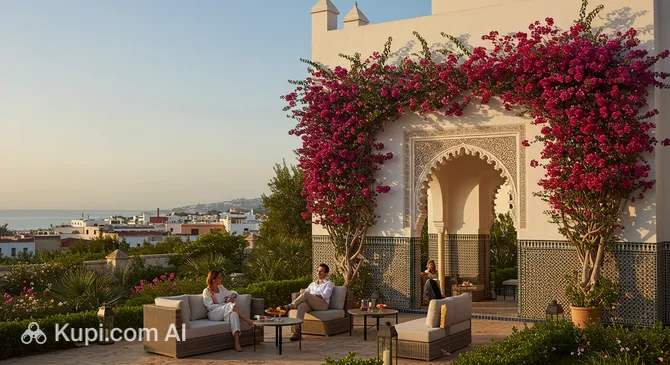
For those seeking a stay steeped in history and colonial grandeur, the El Minzah Hotel is an iconic choice. Located near the Medina, this establishment is more than just a hotel; it is a landmark of Tangier’s "International Zone" era. With its Andalusian-style courtyard, intricate zellige tilework, and sweeping views of the Strait of Gibraltar, it transports guests back to a time of glamour and intrigue.

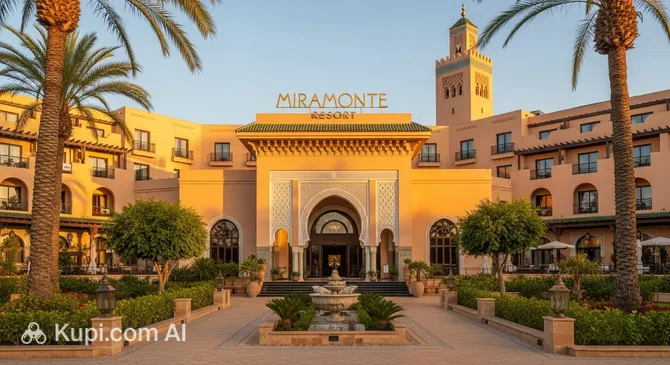
Travelers looking for a more secluded retreat near the ocean might consider the Miramonte Resort. Situated near the Old Mountain and overlooking the Atlantic, this property offers a peaceful escape from the city's bustle. It is known for its lush gardens and proximity to the beach, making it an ideal spot for relaxation while still being within reach of the city's main attractions.

Miramonte Resort. Source: Kupi.Binoculars

Beyond the large hotels, Tangier is famous for its riads—traditional Moroccan houses centered around an interior garden or courtyard. Staying in a riad within the Medina offers an authentic and intimate experience, placing you right in the middle of the city's vibrant daily life. These guesthouses often feature rooftop terraces with spectacular views of the city and the sea, perfect for enjoying breakfast or a sunset tea.

If you prefer modern amenities and easy access to transportation, the Ville Nouvelle (New Town) and the beachfront area along Avenue Mohamed VI are excellent locations. Here, you will find contemporary international hotel chains and boutique options that offer spacious rooms, swimming pools, and convenient parking, all while being just a short walk or taxi ride from the historic center.

Nearby Cities

For those looking to explore the surroundings, Tangier serves as an excellent base for day trips to several interesting nearby locations.

One of the most culturally rich destinations nearby is Tetouan. Often referred to as the "White Dove," it sits at the foot of the Rif Mountains and boasts a UNESCO World Heritage Medina. The city is renowned for its strong Andalusian influence, visible in its architecture, tilework, and artistic heritage, making it a fascinating contrast to the international vibe of Tangier.

Heading south along the Atlantic coast, travelers can visit Larache, a laid-back port town with a distinct Spanish feel. It is an ideal spot for a quieter afternoon, offering pleasant walks along the river and the sea. Just a few kilometers from the town lie the ancient Roman ruins of Lixus, where history enthusiasts can explore the remains of temples, baths, and mosaic floors overlooking the ocean.

For a different experience, the town of Fnideq offers a bustling atmosphere and scenic coastal views. Located near the Mediterranean, it is a popular spot for shopping and enjoying the seaside promenades that characterize this northern tip of the country.

City Population Distance (km)
Tetouan 380787 48
Larache 125008 71
Khemis Sahel 107371 61
Fnideq 77436 44

These nearby destinations offer a glimpse into the diverse culture and landscapes of the region.

Shopping & Souvenirs

Shopping:

Tangier offers a shopping experience that perfectly illustrates the city's dual identity, bridging the gap between ancient traditions and modern convenience. Visitors can spend hours lost in the aromatic alleyways of the old souks, haggling for handmade crafts, and then step into air-conditioned malls featuring the latest international fashion brands.

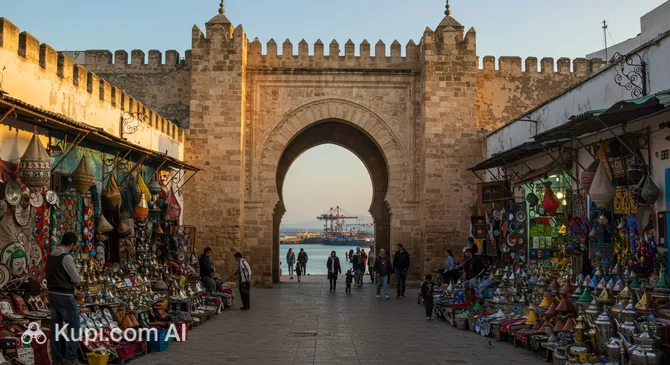
For the most authentic experience, head to the Medina. The journey often begins at the Grand Socco, the bustling square that acts as a portal to the historic district. Inside, the winding streets are lined with small stalls selling everything from vibrant Berber rugs and intricate brass lamps to leather babouches (slippers) and spices. The Petit Socco is another hub where you can find unique souvenirs. Bargaining is not just expected here; it is a social ritual. Start by offering about half the quoted price and work your way to a mutually agreeable figure with a smile.

If you prefer a fixed-price environment or are looking for high-quality artisan goods without the haggle, the Ensemble Artisanal on Rue Belgique is an excellent stop. It showcases the work of local craftsmen, including pottery, woodcarving, and embroidery, ensuring that your purchase directly supports the makers. For those who enjoy the thrill of a treasure hunt, the legendary Casa Barata (House of Cheap Things) is a sprawling flea market where you can find antiques, electronics, and vintage clothing, though it requires a keen eye and patience.

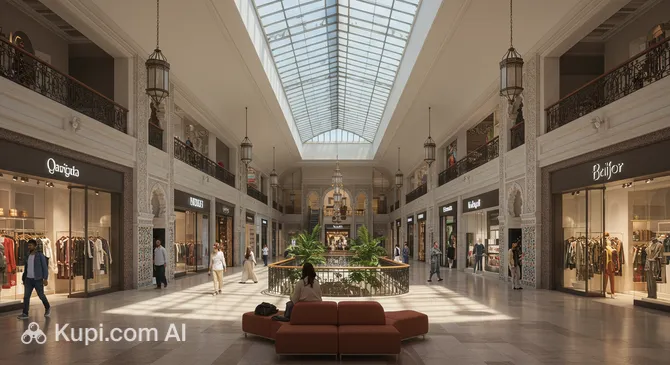
Tangier has also embraced modern retail with impressive shopping centers. Tanger City Center is a contemporary mall located near the railway station and the beach. It features a wide range of international clothing stores, a supermarket, and a food court, making it a convenient stop for travelers needing essentials or a quick fashion fix.

Tanger City Center. Source: Kupi.Binoculars

Another major retail destination is Socco Alto Mall, situated in the upper part of the city. This spacious complex offers a relaxed shopping atmosphere with a mix of local and global brands, a hypermarket, and leisure facilities. It is a popular place for families and those looking to escape the midday heat while browsing for new trends.

Socco Alto Mall. Source: Kupi.Binoculars

Whether you are hunting for a traditional Moroccan tea set or the latest sneakers, Tangier’s diverse shopping scene caters to every style and budget.

Reached the end of the page?

That means the route is fully explored