Support

Cordoba

About

Cordoba is one of the most captivating destinations in the southern region of Andalusia. Situated on the banks of the Guadalquivir River in Spain, this city offers a unique blend of cultures and architectural styles that few other places can match. With a population of approximately 322,000 inhabitants, it serves as a vibrant provincial capital known for its warm, sunny climate and a deeply welcoming atmosphere.

The city's heritage is immense, having served as a major Roman settlement and later as the glorious capital of an Islamic Caliphate. Exploring the history of Cordoba reveals a fascinating timeline where Christian, Muslim, and Jewish communities coexisted, leaving behind a legacy that permeates every street and square of the historic center.

Cordoba. Source: Kupi.Binoculars

Visitors are inevitably drawn to the iconic Mezquita-Catedral (Great Mosque-Cathedral), a breathtaking monument famous for its forest of red-and-white arches. Beyond this architectural wonder, a walk across the ancient Roman Bridge offers spectacular views of the city, while the charming patios of the old town, often filled with colorful flowers and fountains, provide a peaceful retreat.

Whether you are wandering through the narrow, winding lanes of the Jewish Quarter or enjoying delicious local tapas in a lively plaza, Cordoba promises an unforgettable experience. It is an essential stop for any traveler seeking to immerse themselves in the authentic spirit and rich traditions of Andalusia.

Weather Overview

Cordoba experiences a distinct Mediterranean climate, characterized by intensely hot summers and generally mild winters. Before packing for your trip, it is helpful to review the weather in Cordoba to ensure you are prepared for the seasonal variations. The city is known for having some of the highest summer temperatures in Spain and Europe.

During the peak summer months of July and August, expect scorching heat with average maximum temperatures reaching 36.2°C and virtually no rainfall. In contrast, the winter season is much cooler but rarely freezing; January typically sees lows around 4.5°C and daily highs of 14.0°C. Spring and autumn are pleasant transition periods, though you should be prepared for occasional showers, particularly in March, which averages about 11 wet days.

Interesting Facts

Beyond the main attractions, Cordoba holds many fascinating secrets and historical curiosities that surprise even seasoned travelers. Digging a little deeper reveals a city of world records and unique architectural quirks that define its character.

  • During the 10th century, Cordoba was arguably the largest and most advanced city in the world. It served as a beacon of learning and culture, boasting paved streets, street lighting, and a vast library, long before other European capitals reached such levels of development.

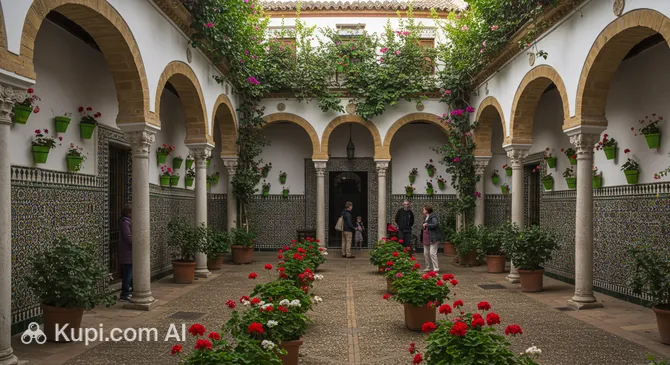
  • The famous Patios of Córdoba are not just beautiful gardens; they are recognized as UNESCO Intangible Cultural Heritage. Every May, residents open their private courtyards to the public, revealing a hidden world of blooming geraniums, jasmine, and intricate fountains that are usually kept behind closed doors.

  • One of the city's most peculiar spots is the Calleja del Pañuelo, or "Handkerchief Alley." This tiny street gets its name from its width, which is said to be no wider than a lady's handkerchief spread out diagonally, ending in a remarkably small square with a tiny fountain.

  • While the Mosque–Cathedral of Córdoba is a masterpiece of Islamic architecture, its mihrab (prayer niche) is unique because it faces south rather than southeast towards Mecca. Theories suggest it might align with the Roman street plan or the Great Mosque of Damascus, making it a distinct anomaly in the Muslim world.

Patios of Córdoba. Source: Kupi.Binoculars

How to Get There

Reaching this Andalusian gem is quite convenient, thanks to Spain's excellent transport infrastructure. While the city itself does not have a commercial airport, it is well-served by major hubs nearby and a high-speed train network. For detailed planning, you can read more about how to get to Cordoba and choose the option that best suits your itinerary.

The city of Cordoba does not have its own airport, but you can fly into Seville Airport (SVQ) in the city of Seville, which is about 111 km from Cordoba. The journey by taxi or rental car typically takes around 1 hour and 30 minutes. Alternatively, many international travelers choose Malaga Airport (AGP) in Malaga, located approximately 137 km away. This is a large international hub with numerous connections, and the travel time to Cordoba is roughly 1 hour and 45 minutes by road.

For clarity, here is a summary of the main airports:

Airport Name City Passenger Traffic Km from City
Malaga Airport Malaga Large 137.0
Seville Airport Seville Large 111.3
Granada Airport Granada Medium 117.8
Jerez Airport Jerez de la Frontera Medium 170.4
North Front Airport Gibraltar Small 199.5

Traveling by rail is often the most comfortable and efficient method. You can arrive directly at Cordoba Central Railway Station, which is conveniently located just 0.9 km from the city center. This station is a key stop on the high-speed AVE lines, making it easily accessible from Madrid, Malaga, and Seville. For those connecting from other regions, Santa Justa Railway Station in Seville serves as a major nearby hub, situated about 119 km from Cordoba, offering frequent transfers.

Below is an overview of the nearest railway stations:

Station City Passenger Traffic Km to Center
Santa Justa Railway Station Seville Large 119.1
Cordoba Central Railway Station Cordoba Large 0.9
Granada Railway Station Granada Medium 129.7
Jaén Railway Station Jaén Small 87.8
Puente Genil Railway Station Puente Genil Small 59.0

Main Attractions

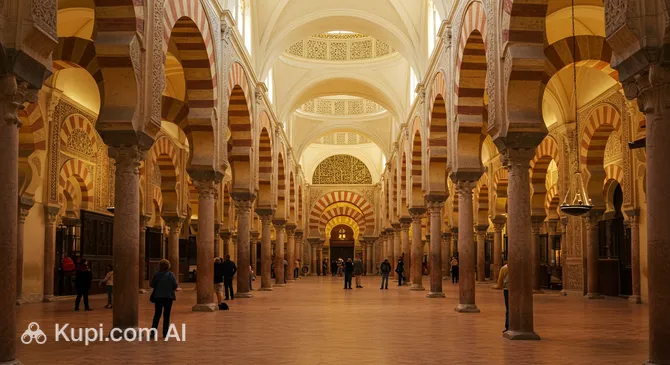
The city's most iconic landmark is undoubtedly the Mosque–Cathedral of Córdoba. This UNESCO World Heritage site is a masterpiece of architecture that reflects the diverse history of the region. Originally a grand mosque filled with a forest of over 800 red-and-white arches, it was later converted into a cathedral, creating a stunning and unique blend of Islamic and Renaissance styles that captivates every visitor.

Mosque–Cathedral of Córdoba. Source: Kupi.Binoculars

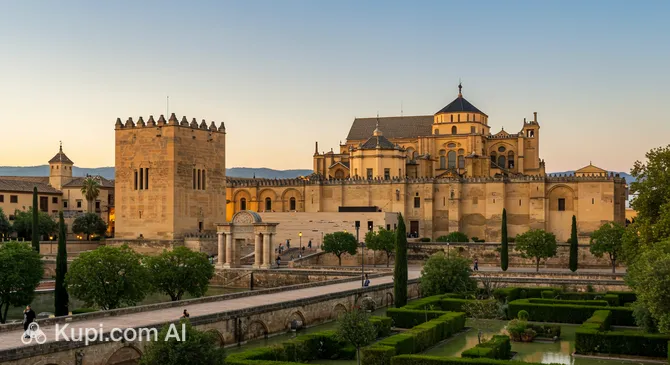
Just a short walk from the mosque, you will discover the Alcázar of the Christian Monarchs. This impressive fortress served as a residence for Isabella I of Castile and Ferdinand II of Aragon. While the history within its walls is fascinating, the site is perhaps best loved for its magnificent terraced gardens. Visitors can wander among manicured cypress trees, colorful flowers, and refreshing fish ponds that offer a serene escape from the city heat.

Alcázar of the Christian Monarchs. Source: Kupi.Binoculars

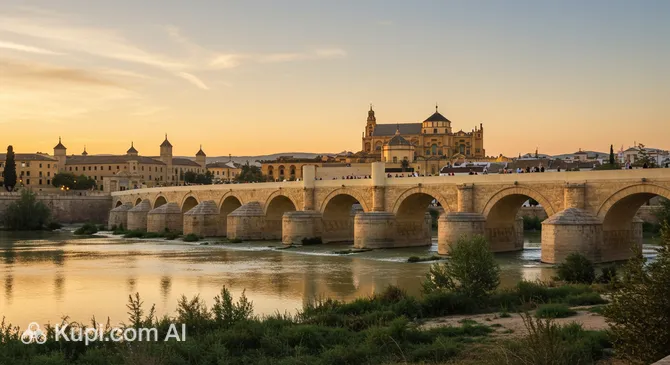
For a scenic view of the city, a stroll across the Roman Bridge of Córdoba is essential. Spanning the Guadalquivir River, this ancient structure dates back to the early 1st century BC and connects the historic center with the Calahorra Tower. It is a favorite spot for photographers, especially at sunset when the golden light illuminates the old stone arches and the city skyline.

Roman Bridge of Córdoba. Source: Kupi.Binoculars

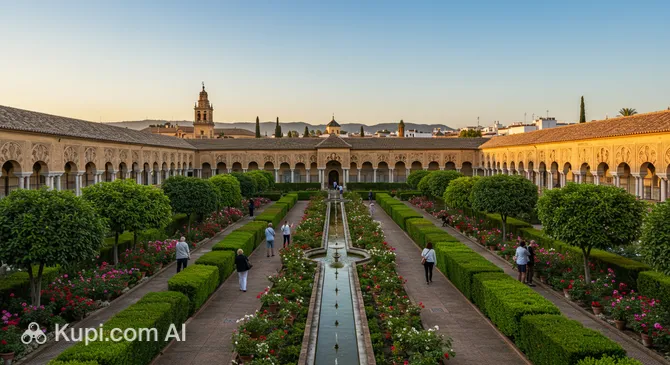
To delve deeper into the local tradition of beautiful courtyards, the Viana Palace is a must-visit destination. Often referred to as the "Museum of the Patios," this aristocratic manor house features 12 distinct courtyards, each designed with a unique floral theme. It provides a wonderful opportunity to experience the charm of Cordoba's famous patios year-round, offering a glimpse into the elegant lifestyle of the past.

Viana Palace. Source: Kupi.Binoculars

Local Cuisine

The cuisine of Cordoba is a delightful reflection of its rich history, blending Roman, Islamic, and Christian influences into dishes that are simple yet full of flavor. The city is famous for its distinct gastronomic identity, often revolving around high-quality olive oil, fresh vegetables, and locally sourced meats. Dining here is not just about sustenance; it is a social ritual, with locals often gathering in traditional taverns to share plates and conversation.

The absolute star of the local menu is Salmorejo Cordobés. While similar to gazpacho, this cold tomato soup is much thicker and creamier, made with bread, garlic, and olive oil, and typically garnished with hard-boiled eggs and cured ham. Another must-try specialty is the Flamenquín, a hearty roll of pork loin wrapped around savory ham and cheese, then breaded and fried to golden perfection. For those with a sweet and savory tooth, berenjenas con miel (fried eggplants served with cane honey or molasses) is an addictive appetizer found on almost every menu.

When it comes to drinks, Cordoba sits right next to the Montilla-Moriles wine region, which produces superb wines often compared to sherry. You should definitely try a glass of Fino or Amontillado to accompany your meal. These wines are dry and aromatic, making them the perfect pairing for the salty and rich flavors of the local tapas.

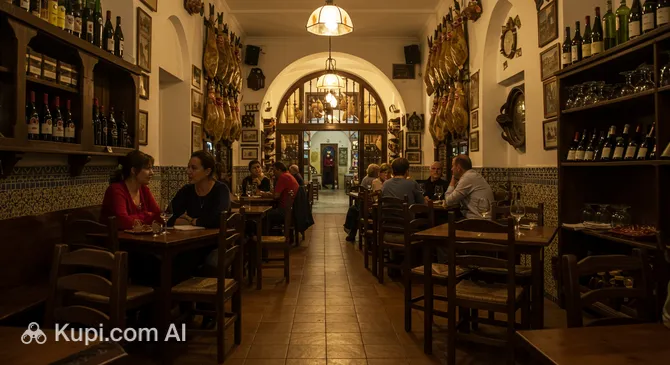
The dining culture in Cordoba centers around the taberna (tavern), where the atmosphere is lively and informal. Visitors looking for an authentic experience can head to places like Bodegas Mezquita (Céspedes), located near the major monuments, to sample traditional recipes in a historic setting. For a taste of the city's vibrant culinary scene, you might also visit Taberna La Montillana, where the charm of old Cordoba meets excellent regional cooking.

Bodegas Mezquita (Céspedes). Source: Kupi.Binoculars

Street food is less common than sit-down tapas, but the Plaza de la Corredera offers a fantastic open-air environment where you can hop between bars and enjoy food on the terraces. Whether you are indulging in a slow-cooked Rabo de Toro (oxtail stew) or simply snacking on olives and cheese, the food scene in Cordoba is sure to be a highlight of your trip.

Travel Tips

Welcome to Cordoba! To ensure your journey through this historic Caliphate city is as seamless as it is mesmerizing, we have compiled a set of essential travel insights. These practical tips will help you navigate local customs and logistics, allowing you to focus purely on the magic of Andalusia.

  1. Clothing and Gear: If visiting in summer, lightweight, breathable fabrics and high-SPF sunscreen are non-negotiable due to the intense heat. For winter trips, layers and a medium-weight jacket are sufficient. Most importantly, pack sturdy, comfortable walking shoes to navigate the uneven cobblestone streets of the historic center. Remember to dress modestly—covering shoulders and knees—when entering religious sites like the Mezquita-Catedral.

  2. Transportation: The best way to explore the old town is on foot, as the winding streets are often too narrow for vehicles. For distances outside the center, the local bus network (Aucorsa) is efficient and affordable, and taxis are plentiful. Avoid renting a car for city exploration; parking is scarce, and access to the historic quarter is strictly restricted for non-residents.

  3. Finances: The local currency is the Euro (€). Credit and debit cards are widely accepted in most hotels, restaurants, and shops. However, it is advisable to carry some cash for small purchases in traditional tabernas or for buying souvenirs. Tipping is not mandatory, but leaving a small amount (rounding up the bill) is a common way to show appreciation for good service.

  4. Health and Safety: Cordoba is a safe destination for travelers, but standard precautions against pickpocketing should be taken in crowded tourist spots. Pharmacies are easily identified by a flashing green cross; look for a specific Farmacia de Guardia if you need 24-hour service. For any emergencies, dial 112 for police or medical assistance.

  5. Communication: Spanish is the official language. While English is spoken at major attractions and hotels, it is less common in local neighborhood bars and smaller shops. Locals appreciate it when you use basic phrases like Hola (Hello), Por favor (Please), and Gracias (Thank you). Wi-Fi is widely available in cafes and public squares.

  6. Local Etiquette: Embrace the local schedule. Lunch is the main meal of the day, typically served between 2:00 PM and 4:00 PM, while dinner is a late affair, rarely starting before 8:30 PM. When entering a shop or elevator, a polite greeting to others is customary. Service can be more relaxed than in other countries, so patience is key.

  7. What to Avoid: Do not expect to go shopping between 2:00 PM and 5:00 PM. Many smaller businesses close for the afternoon break (siesta) and reopen in the evening. Additionally, avoid sitting down at a restaurant table that is not set for a meal if you only intend to have a drink; usually, drinks and tapas are enjoyed at the bar or high tables.

  8. Seasonal Insight: If you plan to visit in May during the famous Patios Festival, be aware that the city becomes extremely busy. It is crucial to book your accommodation and restaurant reservations months in advance to ensure availability during this festive peak season.

Armed with these practical tips, you are ready to embrace the warmth and beauty of Cordoba with confidence. Whether you are marveling at ancient architecture or enjoying a late-night tapa, blending in with the local rhythm will make your Andalusian adventure truly unforgettable.

Entertainment & Nightlife

When the sun sets over the Guadalquivir, Cordoba transforms into a lively hub of social activity. The city’s nightlife is less about thumping mega-clubs and more about enjoying life outdoors, lingering over long dinners, and immersing oneself in the passionate rhythms of Andalusia. The atmosphere is generally relaxed and welcoming, with a mix of students, locals, and tourists filling the streets until the early hours.

For a traditional experience, the historic Jewish Quarter is the place to be. Here, you can find intimate taverns perfect for a quiet drink. If you are looking for more energy, the area around the Plaza de la Corredera is bustling with terraces where people gather for drinks under the stars. For those seeking modern nightclubs and a younger crowd, the district known as Vial Norte (Paseo de la Victoria) offers stylish venues that stay open late.

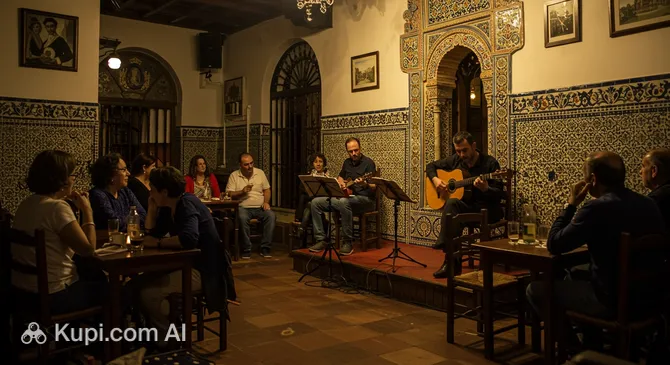
No visit to this region is complete without witnessing the art of flamenco. El Cardenal Flamenco Tablao is renowned for its high-quality performances, showcasing the intense emotion of traditional dance and guitar in a beautiful setting. It is an ideal spot to start your evening with a dose of culture before heading out for drinks.

El Cardenal Flamenco Tablao. Source: Kupi.Binoculars

If you prefer a different musical vibe, the Jazz Cafe is a fantastic option. Known for its sophisticated ambiance and excellent live music sessions, it attracts a diverse crowd of music lovers. For a more casual night out with a focus on local flavor, Taberna La Viuda offers a charming environment to enjoy a glass of local wine and engage in conversation.

Practical advice is key to enjoying the night. Spanish nightlife starts late; dinner often begins after 9:00 PM, and bars do not get busy until midnight. The dress code is typically smart casual—comfortable but neat. Prices are generally affordable compared to larger Spanish cities. Cordoba is safe for night walks, especially in the center, but if you are staying further out or are tired, official white taxis are readily available and can be hailed on the street or ordered via phone.

While the nights are vibrant, daytime entertainment also offers plenty of variety. Families traveling with children can visit Pekeplanet, an amusement park designed for younger visitors, or explore the Children's City (Ciudad de los Niños), a massive outdoor play area that provides a fun break from historical sightseeing.

Parks & Museums

While the monumental architecture of Cordoba often takes center stage, the city also boasts a fascinating collection of museums and green spaces that offer a deeper look into its cultural heritage and natural beauty. From interactive historical exhibits to serene gardens, these attractions provide a perfect complement to the major sights.

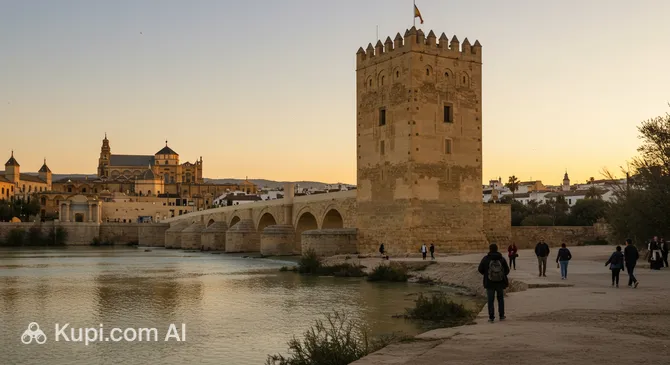
Standing guard at the southern end of the Roman Bridge is the Calahorra Tower. This fortified gate, originally built by the Moors, now houses the Living Museum of Al-Andalus. Inside, visitors can explore audio-visual presentations and models that vividly depict the coexistence of Christian, Jewish, and Muslim cultures in medieval Cordoba, offering a panoramic view of the city from its rooftop.

Calahorra Tower. Source: Kupi.Binoculars

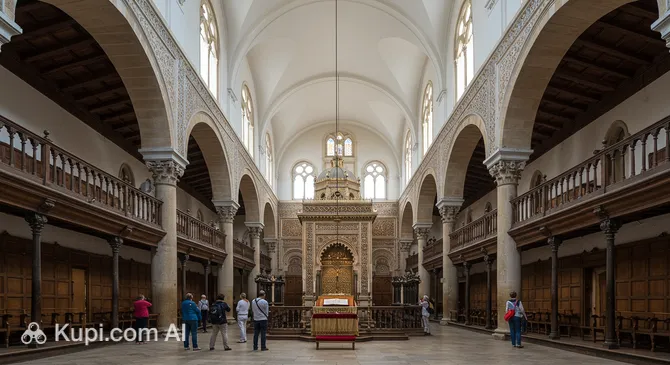
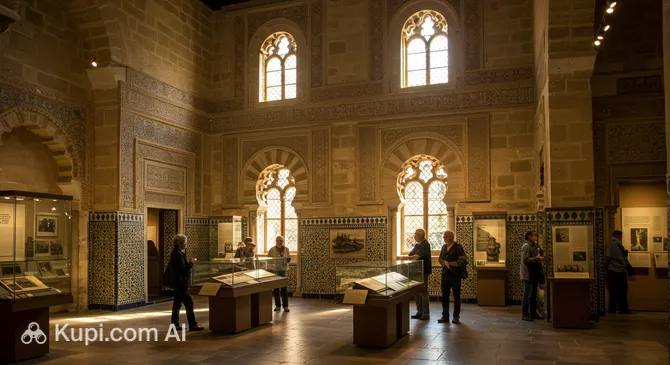
In the heart of the Jewish Quarter, the Córdoba Synagogue stands as a rare gem of medieval architecture. Built in 1315, it is one of only three original synagogues remaining in Spain from that era. Although small, its intricate Mudéjar stucco work is breathtaking, serving as a poignant reminder of the city's prosperous Jewish community before the expulsion.

Córdoba Synagogue. Source: Kupi.Binoculars

For those interested in the daily life of the Caliphate, the Caliphal Baths offer an intriguing archaeological experience. These 10th-century baths were once the largest in the city, serving the caliph and his court. Today, visitors can walk through the preserved chambers and learn about the sophisticated water systems and social rituals of the time.

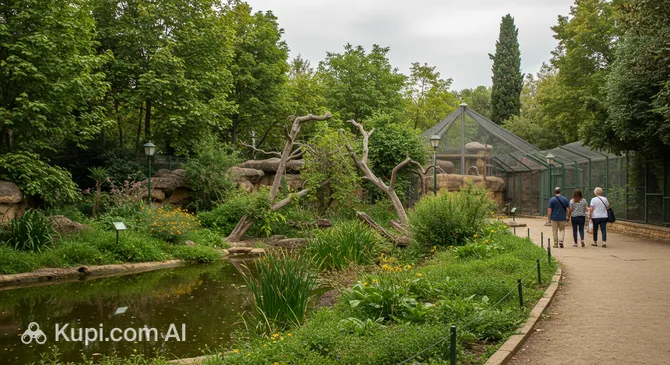
Nature lovers and families will find a welcome retreat at the Córdoba Zoo. Located within the Cruz Conde Park, this facility focuses on conservation and education, housing a variety of species in naturalistic habitats. It is a wonderful spot for a leisurely afternoon walk, offering a break from the bustling historic center.

Córdoba Zoo. Source: Kupi.Binoculars

Adjacent to the Alcázar, the Royal Stables of Córdoba are a must-see for equestrian enthusiasts. Founded in 1570 by King Philip II to breed the purebred Spanish horse, the stables continue this tradition today. Visitors can admire the magnificent architecture and often witness spectacular equestrian shows that highlight the grace and power of these Andalusian horses.

For a spiritual and scenic escape, consider a trip to Las Ermitas de Córdoba. Situated in the Sierra Morena mountains overlooking the city, this complex of hermitages has been a place of retreat for centuries. The site offers peace, silence, and one of the most commanding views of Cordoba and the Guadalquivir valley below.

Getting Around

Public transport in Cordoba is efficient, affordable, and easy to navigate, although the compact nature of the city means that many visitors find themselves walking more than riding. The historic center, with its labyrinth of narrow streets, is largely pedestrianized, making walking the most practical way to explore the main attractions. However, for reaching the train station, outer neighborhoods, or the foothills of the Sierra Morena, the city offers a reliable network of options.

The backbone of the public transportation system is the bus network, operated by a municipal company called Aucorsa. There is no metro or tram system in the city. The buses are modern, air-conditioned—a crucial feature during the hot Andalusian summers—and cover the entire urban area comprehensively. For tourists, the most useful lines are often those that circle the historic center or connect the railway station to the main hotel districts. There are also smaller, minibus-style vehicles specifically designed to navigate the tighter streets of the old town, providing access where standard buses cannot go.

When it comes to payment, you have a few convenient choices. A single ticket typically costs around €1.30 and can be purchased directly from the driver upon boarding; it is advisable to carry small change or coins, as drivers may not be able to change large bills. If you plan to use the bus frequently, consider purchasing a travel card known as the Bonobús. This rechargeable card significantly reduces the cost per trip (to approximately €0.72) and allows for free transfers between lines within a certain time window. You can buy and top up these cards at newsstands, tobacco shops (estancos), and customer service points.

Operating hours for standard bus lines generally run from about 6:00 AM to 11:30 PM. On weekends and holidays, special night buses, known locally as "Búhos" (Owls), operate on specific routes to help people get home safely after a night out. To catch a bus, simply head to a marked stop; you must signal the driver to stop by raising your hand. Enter through the front door and validate your card on the reader or pay the driver in cash. Exit is always through the rear doors.

For those who prefer a more direct and private mode of transport, taxis are plentiful and relatively inexpensive compared to other European cities. Official taxis are white, usually bearing the city crest and a green light on the roof indicating availability. You can hail them on the street, find them at designated ranks near major sights and the train station, or book one via telephone or the Pidetaxi app. Rides are metered, with surcharges often applying for night trips, weekends, or luggage handling.

Given Cordoba's mostly flat terrain, cycling is an excellent alternative for getting around. The city has an expanding network of bike lanes, and there are numerous private rental shops offering bicycles and electric scooters. This is a particularly pleasant way to explore the parks and the riverbanks of the Guadalquivir. Additionally, for a purely scenic overview, the red double-decker tourist buses offer a "Hop-on Hop-off" service that loops around the major monuments, providing audio commentary and a hassle-free way to see the sights without navigating the local transit map.

While there is no subway, the city utilizes a suburban train line (Cercanías) that connects the central station with the University campus at Rabanales and nearby towns like Almodóvar del Río. While less useful for inner-city sightseeing, it is a fast and comfortable option if your accommodation or destination lies on the outskirts along the rail corridor.

Accommodation

Cordoba offers a diverse range of accommodation options that cater to every type of traveler, blending historical charm with modern comfort. Visitors can choose from a wide spectrum of lodgings, ranging from luxurious boutique hotels set in restored 17th-century palaces to budget-friendly hostels and cozy family-run guesthouses. For those seeking more independence, there is also a growing selection of tourist apartments and vacation rentals scattered throughout the city.

The most popular area for tourists to stay is undoubtedly the historic Jewish Quarter of Córdoba (La Judería). Staying here places you right in the heart of the action, just steps away from the major monuments and surrounded by a labyrinth of atmospheric streets. For travelers who prefer a slightly more modern setting with easier access to shopping and transport links, the city center around Plaza de las Tendillas is an excellent alternative. Additionally, the neighborhoods along the riverbank offer scenic views and a peaceful ambiance while remaining close to the main attractions.

Jewish Quarter of Córdoba. Source: Kupi.Binoculars

A crucial tip for booking accommodation in Cordoba is to plan well ahead, particularly if you are visiting during the spring. The months of April and May are the peak tourist season due to the Easter celebrations and the famous Patios Festival. During these times, the city is vibrant and busy, causing hotels to fill up months in advance and prices to rise significantly.

In terms of cost, the city generally offers good value compared to other major Spanish destinations. You can expect a price range that spans from affordable budget options to high-end luxury rates, depending on the season and location. Most accommodations can be easily booked via major online platforms, which is the most convenient method, although contacting smaller, traditional establishments directly can sometimes secure a better rate or a specific room preference.

Nearby Cities

For those looking to explore the surroundings, Cordoba serves as an excellent base for day trips to several interesting nearby locations:

One of the most popular excursions is to Montilla, located just a short distance to the south. This town is the center of the famous Montilla-Moriles wine region, making it an ideal destination for enotourism. Visitors can tour historic bodegas to taste the local wines and high-quality olive oils. Another fascinating option is Ecija, known as the "City of Towers" due to its skyline pierced by numerous baroque church spires. It boasts an impressive collection of Roman mosaics and palatial architecture. For those interested in history, Lucena offers a rich heritage as the former "Pearl of Sepharad," highlighting a significant Jewish legacy alongside its stunning Andalusian baroque monuments.

City Population Distance (km)
Lucena 42,712 58
Ecija 39,838 47
Andújar 36,212 66
Puente Genil 30,000 56
Montilla 22,633 36

These nearby destinations offer a glimpse into the diverse culture and landscapes of the region, providing a perfect complement to your stay in the provincial capital.

Shopping & Souvenirs

Shopping in Cordoba offers a delightful mix of traditional Andalusian craftsmanship and modern retail experiences. The city is renowned for its artisanal heritage, particularly in leatherwork and jewelry, making it an excellent destination for finding unique, high-quality gifts. Whether you are looking for international fashion brands or a handmade souvenir that captures the essence of southern Spain, the city's diverse shopping districts cater to all tastes and budgets.

For those seeking high-street fashion and popular Spanish chains, the modern city center is the place to be. The pedestrianized streets of Calle Cruz Conde and Calle Gondomar, along with the surrounding avenues near Plaza de las Tendillas, form the commercial heart of the city. Here, you will find a bustling atmosphere filled with clothing boutiques, shoe stores, and perfumeries. In contrast, the historic Jewish Quarter offers a more traditional experience, where narrow lanes are lined with small workshops and souvenir shops selling local crafts.

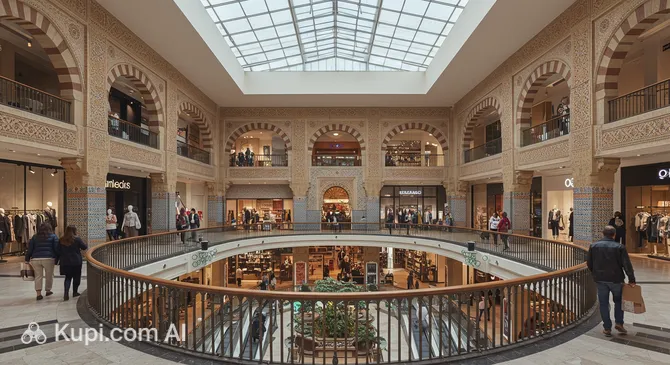
If you prefer the convenience of having everything under one roof, the city has several large commercial centers. The Zoco Shopping Center is a popular choice, offering a wide range of fashion stores, electronics, and a supermarket, all within a modern facility. Another major destination is the Ronda de Córdoba Shopping Center, which houses a large hypermarket and various specialty shops, making it ideal for stocking up on supplies or spending a leisure afternoon.

Zoco Shopping Center. Source: Kupi.Binoculars

Markets are also an integral part of the local lifestyle. While there are several neighborhood food markets, the area around Plaza de la Corredera is particularly noteworthy. This historic square often hosts flea markets and is home to the Mercado de Sánchez Peña, where you can buy fresh local produce. For a more gourmet experience, the Mercado Victoria (located in the Victoria Gardens) is a gastronomic market where you can browse stalls selling high-quality cheeses, wines, and prepared foods.

When it comes to souvenirs, Cordoba has several signature items that are worth bringing home. The city is world-famous for its leather goods, known as Cordobanes and Guadamecíes, which are intricately embossed and often painted. Silver jewelry is another local specialty, as the city is a major hub for silversmiths in Spain. Additionally, local ceramics, colorful fans, and bottles of extra virgin olive oil from the nearby groves make for authentic and appreciated gifts.

Store opening hours generally follow the traditional Spanish schedule. Small independent shops typically open from 10:00 AM to 1:30 PM, close for the afternoon siesta, and reopen from 5:00 PM to 8:30 PM. However, major shopping malls and large chain stores in the city center usually remain open all day from 10:00 AM to 10:00 PM. Payment by credit or debit card is widely accepted, even for small amounts, though having some cash is useful for small kiosks. Visitors from outside the European Union should also remember to ask for a Tax-Free form (DIVA) at participating stores to claim a VAT refund upon departure.

Reached the end of the page?

That means the route is fully explored