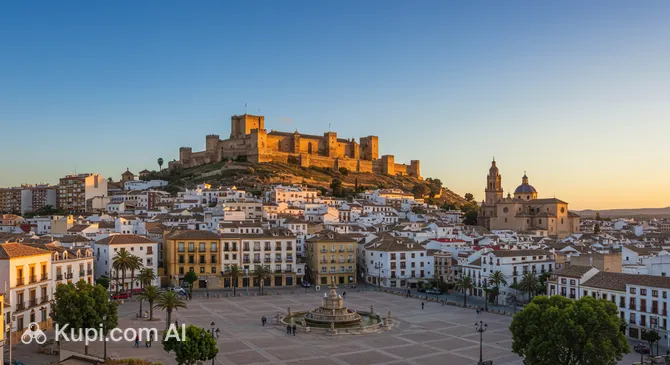
Welcome to Lorca, a captivating destination often referred to as the "City of the Sun" (Ciudad del Sol). Located in the Region of Murcia, this city offers a remarkable blend of monumental heritage, vibrant culture, and an authentic atmosphere. With a population of approximately 97,000 residents, it is a bustling hub that retains a deep connection to its traditions.
Situated in the southeastern part of Spain, the city lies within the fertile Guadalentín Valley. Its geographical setting contributes to a warm, semi-arid climate that lives up to its sunny nickname, making it a pleasant destination for travelers year-round.
Lorca. Illustration.
Source: Kupi.com AI
The history of Lorca is etched into its streets, which are lined with impressive Baroque palaces, churches, and heraldic shields. Dominating the skyline is the majestic Lorca Castle (Fortaleza del Sol), a medieval fortress that stands as a symbol of the coexistence between cultures throughout the centuries. Another highlight is the Plaza de España, home to the exquisite Collegiate Church of San Patricio and the Town Hall.
Visitors are also frequently drawn to the city's spectacular Holy Week processions, which are renowned for their intricate biblical embroidery and dramatic flair. Whether you are exploring ancient fortifications or soaking up the local ambiance, a visit to Lorca promises an unforgettable journey into the heart of Spanish heritage.
Weather Overview
Lorca lives up to its sunny reputation with a semi-arid climate characterized by hot summers and mild winters. During the peak summer months of July and August, the city experiences its highest temperatures, with averages around 26°C and daily highs frequently climbing to nearly 32°C. Rainfall is extremely rare during this season, ensuring plenty of clear, bright days for exploration.
Winters are generally cooler but remain relatively gentle compared to other European destinations. January is typically the coldest month, with average temperatures sitting at approximately 9.1°C and lows dipping to around 4°C. While precipitation is low year-round, the spring months of March and April tend to be the most changeable, seeing up to 10 wet days per month. For more specific details on what to expect during your visit, you can check the current weather in Lorca.
Average monthly temperature
Average monthly precipitation
Interesting Facts
Beyond the main attractions, Lorca holds many fascinating secrets that reveal its rich and complex past. Here are a few unique details that make this city truly special:
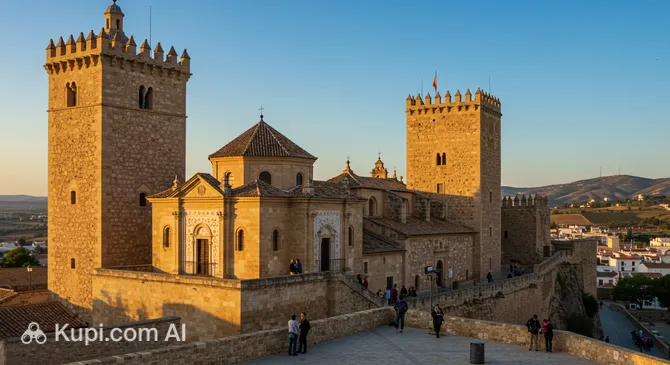
A Unique Jewish Heritage: Hidden within the walls of Lorca Castle is a remarkable archaeological treasure: a 15th-century synagogue discovered in 2003. It is distinct because it is the only synagogue in Spain that was never converted into a Christian church after the expulsion of the Jews, preserving its original layout and features intact.
The Art of Rivalry: The city’s Holy Week is world-famous not just for its parades, but for the fierce artistic competition between its two main brotherhoods, the "Whites" and the "Blues." This rivalry has elevated local silk and gold embroidery to the level of fine art, with masterpieces displayed in the Paso Blanco Embroidery Museum and the Blue Museum of Holy Week.
City of One Hundred Shields: Lorca is often nicknamed the "City of One Hundred Coats of Arms" (Ciudad de los Cien Escudos). A stroll through the historic center reveals an extraordinary number of noble heraldic shields carved into the stone facades of mansions, serving as a lasting testament to the city's aristocratic history.
Lorca Castle. Illustration.
Source: Kupi.com AI
Traveler photos:
How to Get There
Reaching this historic city is relatively straightforward, thanks to its proximity to several major transport hubs in southeastern Spain. While the city itself does not have an airport, visitors can easily fly into neighboring regions and complete the journey by road or rail. For a complete overview of travel options, you can read more about how to get to Lorca.
The most convenient entry point for many travelers is Corvera International (RMU), also known as the Region of Murcia International Airport. Located in Fuente Álamo, it is approximately 52 km from Lorca. The drive by taxi or rental car typically takes around 45 to 50 minutes via the A-30 and RM-11 highways. For those seeking a wider range of international connections, Alicante-Elche Airport (ALC) is a major alternative. Situated in Alicante about 120 km away, it offers extensive flight options; the transfer to Lorca takes approximately 1 hour and 20 minutes by road.
For clarity, here is a summary of the main airports:
If you prefer traveling by train, it is important to note that while Lorca has local rail connections, long-distance high-speed services often terminate at larger regional hubs. You might arrive at Alicante Railway Station in the city of Alicante, which is about 129 km from Lorca. From there, you can rent a car or take a connecting bus or train, with the total travel time to Lorca being around 1.5 to 2 hours. Another option is Albacete Railway Station in Albacete, located approximately 148 km away, which serves as a key junction for trains coming from Madrid.
Below is a list of the nearest major railway stations:
Dominating the city from a strategic hilltop, Lorca Castle is the crown jewel of the region's heritage. Known as the "Fortress of the Sun," this expansive medieval stronghold offers a fascinating journey through time, featuring Christian towers, Islamic cisterns, and a unique 15th-century Jewish synagogue within its archaeological park. It is a must-visit for history enthusiasts seeking panoramic views of the Guadalentín Valley and a deep dive into the coexistence of three cultures.
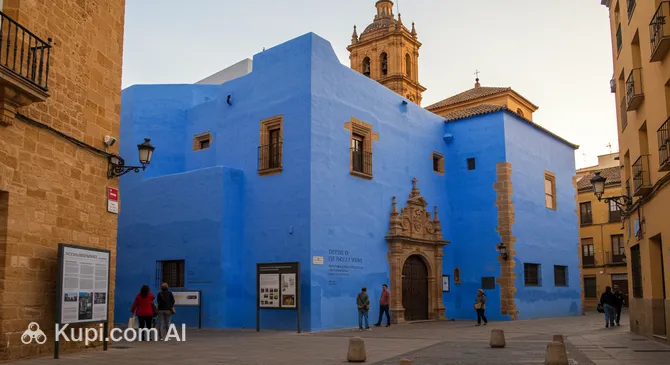
Lorca’s Holy Week is famous for its spectacular artistry, and the Blue Museum of Holy Week (MASS) captures this splendor perfectly. Located in the former San Francisco Convent, the museum displays the exquisite silk and gold embroideries of the Paso Azul brotherhood. Tourists are drawn here to admire the intricate capes and mantles, many of which are considered cultural assets of international interest due to their exceptional craftsmanship.
Blue Museum of Holy Week. Illustration.
Source: Kupi.com AI
Traveler photos:
Continuing the city's artistic rivalry, the Paso Blanco Embroidery Museum (muBBla) showcases the treasures of the Paso Blanco brotherhood. Situated in the Santo Domingo monumental complex, it houses a stunning collection of religious textiles that narrate biblical stories through thread. The museum is particularly interesting for art lovers, offering a close-up look at the "needle painting" technique that makes Lorca’s processions so unique.
For a taste of local daily life, the Santa Paula Oval serves as a vibrant urban hub. This historic plaza, often referred to simply as "El Óvalo," is a central meeting point surrounded by impressive architecture and bustling activity. It is an excellent spot for visitors to relax, observe the city's rhythm, and admire the monument dedicated to the brotherhoods that stands as a tribute to Lorca's passionate traditions.
Local Cuisine
The culinary scene in Lorca is a delicious reflection of its location within the fertile Region of Murcia, often called the "Market Garden of Europe." The local gastronomy is characterized by the use of fresh, high-quality ingredients sourced directly from the surrounding fields, combined with traditional recipes that have been passed down through generations. Visitors can expect a Mediterranean diet rich in vegetables, pork products, and hearty stews that vary with the seasons.
Among the most iconic specialties you must try are crespillos, thin, crunchy, and salted paprika-flavored crackers that are unique to this city. They are the perfect snack to accompany a drink. Another staple is migas, a humble yet flavorful dish made from flour or breadcrumbs, garlic, olive oil, and sausages, traditionally eaten on rainy days but popular year-round. For those with a sweet tooth, the tortada lorquina is the quintessential dessert, a delicate sponge cake topped with meringue and almonds that pairs perfectly with coffee.
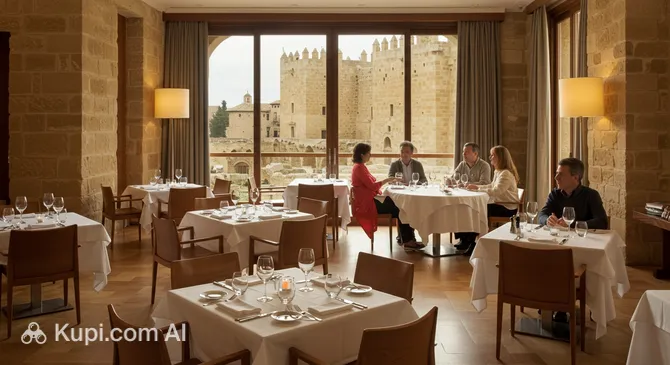
Parador of Lorca. Illustration.
Source: Kupi.com AI
Traveler photos:
When it comes to drinks, the region produces excellent wines that complement the local food perfectly. While dining, you should look for reds and whites from the nearby Denominations of Origin such as Jumilla, Yecla, or Bullas. In warmer weather, locals often enjoy a refreshing tinto de verano (red wine with soda) or a cold beer from regional breweries, which is a staple on sunny terraces.
The dining culture in Lorca is vibrant and social, ranging from casual tapas bars to elegant establishments. For a unique dining experience set within a historical landmark, you can visit the Parador of Lorca, where traditional Murcian cuisine is served with spectacular views of the city. If you prefer a more modern atmosphere to enjoy local flavors, Rohla is another excellent option for travelers. Whether you are grabbing a quick bite at a street terrace or enjoying a long lunch, the city's food scene offers a warm and authentic welcome.
Travel Tips
To ensure your visit to the "City of the Sun" is as smooth and enjoyable as possible, we have compiled a set of practical guidelines. These tips will help you navigate local customs, prepare for the climate, and make the most of your time in this historic corner of the Region of Murcia.
Clothing and Gear: Given Lorca's semi-arid climate, lightweight and breathable clothing is essential, especially from May to September when temperatures can soar. A high-quality sun hat, sunglasses, and strong sunscreen are non-negotiable items. For the cooler months, bring layers, as evenings can feel crisp. Since the historic center and the path to the castle involve cobblestones and slopes, pack sturdy, comfortable walking shoes. If you plan to visit religious sites like the Collegiate Church of San Patricio, remember to dress modestly, covering shoulders and knees.
Transportation: The historic center of Lorca is best explored on foot, allowing you to appreciate the details of its baroque architecture. However, reaching the castle on the hilltop can be a steep climb; look out for the tourist train or use a taxi if you prefer a more relaxed ascent. Public buses connect the city with its suburbs, but if you want to explore the surrounding beaches of Águilas or the Sierra Espuña mountains, renting a car is highly recommended for flexibility.
Finances: The official currency is the Euro (€). While credit and debit cards (Visa and Mastercard) are widely accepted in hotels, restaurants, and museums, it is wise to carry some cash for small purchases in local bakeries or traditional tapas bars. ATMs are plentiful throughout the city center. Tipping is not mandatory in Spain, but leaving a small tip (around 5-10% or rounding up the bill) for good service is a polite gesture appreciated by locals.
Health and Safety: Lorca is generally a very safe city for tourists. For minor health issues, look for a green cross sign indicating a pharmacy (farmacia); many have rotating 24-hour shifts (de guardia) listed on their doors. The general emergency number for police, fire, or ambulance is 112. In summer, the risk of heatstroke is real, so stay hydrated and try to avoid strenuous outdoor activities during the hottest part of the day (2:00 PM to 5:00 PM).
Communication: The primary language is Spanish. While staff at major tourist attractions and hotels often speak English, it is less common in smaller shops and neighborhood bars. Learning a few basic phrases like "Hola" (Hello), "Gracias" (Thank you), and "La cuenta, por favor" (The bill, please) will go a long way. Free Wi-Fi is available in many public squares and cafes, and EU citizens can use their mobile data without roaming charges; non-EU travelers can easily buy a prepaid SIM card at local phone shops.
Local Etiquette: Spaniards are warm and social. When entering a shop or elevator, it is polite to greet others with a simple "Buenos días" or "Buenas tardes." Lunch is the main meal of the day and is typically eaten late, between 2:00 PM and 3:30 PM, while dinner is rarely served before 8:30 PM or 9:00 PM. Adjusting your schedule to these times will ensure you get the freshest food and the best atmosphere.
What to Avoid: Try to avoid planning shopping trips during the siesta hours (roughly 2:00 PM to 5:00 PM). Many local businesses, especially smaller boutiques and markets, close during this time to escape the afternoon heat and reopen in the evening. expecting everything to be open mid-afternoon can lead to frustration.
Additional Tip: Look into purchasing the "Lorca Taller del Tiempo" tourist wristband if it is available during your visit. This pass typically offers excellent value, granting entry to key sites like the Castle, the Synagogue, and several museums for a single price. It is a smart way to save money while ensuring you don't miss out on the city's rich heritage.
By keeping these practical tips in mind, you will be well-prepared to immerse yourself in the authentic rhythm of Lorca. Whether you are marveling at medieval walls or enjoying a late tapas dinner, a little local knowledge ensures your Spanish adventure is both relaxing and memorable.
Entertainment & Nightlife
As the sun sets over the "City of the Sun," Lorca transforms into a lively hub of social activity. The nightlife here is less about thumping nightclubs and more about the cherished Spanish tradition of tardeo and late-night socializing. The atmosphere is warm and welcoming, characterized by animated conversations on outdoor terraces, excellent tapas, and a relaxed pace that invites visitors to mingle with the locals.
The heart of the action is undoubtedly the historic center. Streets like Calle Corredera and the areas surrounding Plaza de España and Plaza de Calderón de la Barca are teeming with life after dark. Here, you will find a concentration of traditional taverns, modern gastro-pubs, and cocktail bars where the evening often begins with a glass of local wine and continues well into the night. It is a pedestrian-friendly zone, making it easy to hop from one venue to another.
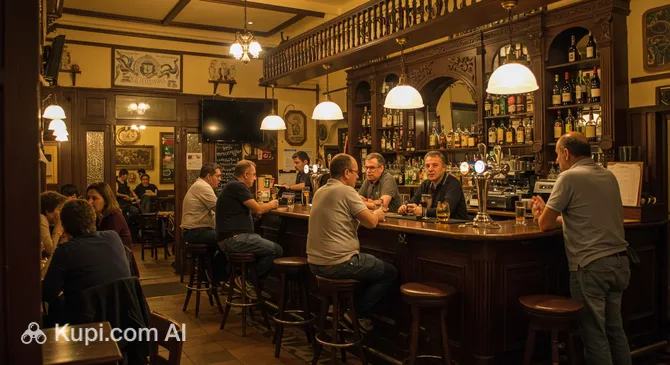
El Sibarita Bar Restaurant. Illustration.
Source: Kupi.com AI
Traveler photos:
For those looking to experience a specific local favorite, El Sibarita Bar Restaurant is a popular choice. Located centrally, it offers a vibrant setting where you can enjoy high-quality drinks and regional bites in a stylish environment. If you prefer a more commercial entertainment experience, the San Diego Mall provides a different kind of evening, housing a cinema and various leisure options perfect for families or those seeking a break from the historic streets.
Practicalities for a night out in Lorca are straightforward. The nightlife typically kicks off late, with dinner served from 9:00 PM onwards and bars filling up shortly after. The dress code is generally smart-casual; locals tend to dress up slightly for the evening, but comfort is key. The city is very safe for night walks, especially in the well-lit center, but if you are staying further out, taxis are readily available and affordable. You can easily hail one at designated ranks or ask a venue to call one for you.
While the nights are for socializing, the city offers diverse entertainment during the day as well. Beyond the historical monuments, visitors can immerse themselves in the past at the Lorca Time Workshop. This tourist center serves as a gateway to the city's heritage, offering interactive exhibits and guided train tours that are perfect for understanding the rich history before you head out to enjoy the evening festivities.
Parks & Museums
While Lorca is known for its sun-drenched streets and monumental architecture, it also offers refreshing green spaces and unique cultural institutions that delve deeper than the typical tourist trail. Beyond the famous embroidery displays, the city features areas dedicated to nature and archaeology that are perfect for a varied itinerary.
For a breath of fresh air, locals and visitors alike head to the Cejo de los Enamorados. This popular hiking route, located in the nearby Sierra de la Peñarrubia, offers a delightful escape into nature. The trail winds through fragrant pine forests and leads to a natural spring, rewarding hikers with spectacular panoramic views of the fortress and the Guadalentín Valley. Within the city limits, the Alamedas serve as the primary green lungs. These wide, tree-lined promenades are ideal for a relaxing evening stroll or a quiet moment on a bench away from the bustling historic center.
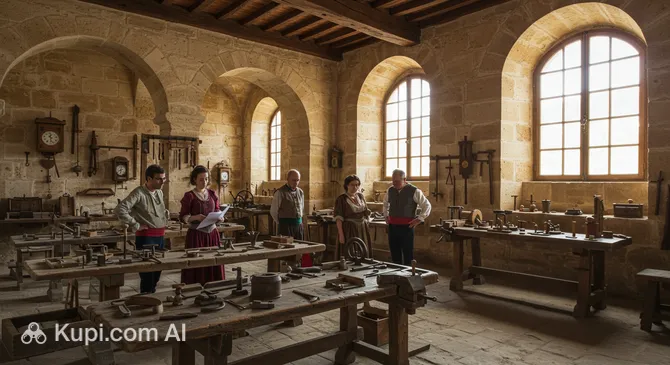
To truly understand the layers of history that define the city, a visit to the Lorca Time Workshop is essential. Located in the former Convent of La Merced, this center acts as a gateway to Lorca's past. It offers interactive exhibits that explain the coexistence of the Christian, Jewish, and Muslim cultures, providing the context needed before exploring the physical monuments. It is also the departure point for the tourist train that ascends to the hilltop, making it a convenient hub for travelers.
Lorca Time Workshop. Illustration.
Source: Kupi.com AI
Traveler photos:
History enthusiasts should not miss the Municipal Archaeological Museum, housed in the beautifully restored House of the Salazars. It boasts an impressive collection ranging from the Paleolithic era to modern times, with a special emphasis on the Argaric culture, which is pivotal to the region's prehistory. This deep dive into antiquity complements the experience of visiting Lorca Castle, which functions as a vast archaeological park where you can walk along medieval walls and explore ancient cisterns under the open sky.
While the city is renowned for its Holy Week, the specific museums dedicated to this tradition—such as the Blue Museum of Holy Week and the Paso Blanco Embroidery Museum—are best appreciated as part of the wider cultural tapestry. After soaking in the ancient history and natural landscapes, a walk through the Santa Paula Oval connects you back to the vibrant modern life of the city, offering a perfect conclusion to a day of exploration.
Getting Around
Navigating Lorca is relatively straightforward, as the city’s historic center is compact and pedestrian-friendly, making walking the most pleasant way to explore the main monuments and plazas. However, for reaching the outer neighborhoods, the hospital, or the famous fortress on the hill, the city offers a reliable public transport network primarily consisting of urban buses.
The municipal bus service is the backbone of public transportation within the city. Operated by the local company Limusa, these buses connect the city center with key residential areas, the San Diego district, and the Rafael Méndez Hospital. The buses are modern, comfortable, and generally run on a schedule that covers the main hours of activity during the day. While there is no metro or tram system, the bus lines are sufficient for most tourist needs that extend beyond the walking distance of the old town.
A unique and highly recommended transport option for visitors is the Tourist Train. Since the walk up to the castle can be quite steep and demanding, this train provides a comfortable and scenic alternative. It typically departs from the visitor center (Lorca Taller del Tiempo) or Plaza de España and winds its way up to the fortress. It is not only a mode of transport but also an attraction in itself, offering audio guides and splendid views of the city as you ascend.
Regarding payment, the system is simple for short-term visitors. You can purchase a single ticket directly from the driver when boarding the bus; it is advisable to carry small change or coins, as drivers may not be able to change large banknotes. For those planning to stay longer or use the bus frequently, a rechargeable travel card (Bonobús) is available. These cards significantly reduce the cost per trip and can be purchased and topped up at authorized kiosks and tobacco shops (estancos) throughout the city.
Buses generally operate from early morning, around 7:00 AM, until approximately 10:00 PM or 11:00 PM, with reduced frequency on weekends and public holidays. It is important to check the specific timetables at the bus stops, as frequencies can vary depending on the line. When using a travel card, remember to validate it on the reader located near the driver immediately upon entering the bus.
For alternatives to the bus, taxis are widely available and offer a convenient way to travel, especially at night or when carrying luggage. Official taxis are white with a diagonal stripe on the front door and a green light on the roof indicating availability. You can find taxi ranks at strategic locations like the train station and the Santa Paula Oval, or you can book one by phone. While ride-sharing apps are less prevalent than in major capitals, the local taxi service is efficient and reasonably priced.
Finally, while car rentals are useful for exploring the surrounding region and nearby beaches, driving within the historic center can be challenging due to narrow, one-way streets and restricted traffic zones. If you do have a car, it is best to park it in one of the public underground car parks near the perimeter of the old town and continue your exploration on foot or by public transport.
Accommodation
Finding the perfect place to stay in Lorca is an opportunity to immerse yourself in the city's history and atmosphere. The accommodation scene here is diverse, ranging from unique historic lodgings to modern city-center hotels and charming rural retreats in the surrounding countryside. Whether you are looking for luxury or a budget-friendly base for exploration, the "City of the Sun" caters to all preferences.
The most iconic accommodation option is undoubtedly the Parador of Lorca. Built on the grounds of the medieval castle, this establishment integrates archaeological remains, including a 15th-century synagogue, into its modern design. Staying here offers guests not only high-end comfort and spa facilities but also sweeping panoramic views of the city and the Guadalentín Valley, making it a destination in itself.
For those who prefer to be in the heart of the action, the historic center offers several hotels and guest houses (pensiones). Staying near the Plaza de España or along the Avenida Juan Carlos I places you within walking distance of the main museums, the embroidery workshops, and the vibrant tapas bars. These central locations are ideal for travelers who want to experience the city's lively evening atmosphere without the need for transportation.
Travelers seeking a quieter experience might consider the rural tourism options (turismo rural) available in the outskirts. The fertile valley and nearby mountains are dotted with converted farmhouses and country villas. These accommodations often feature gardens and pools, providing a relaxing escape after a day of sightseeing, and are perfect for families or those with a rental car.
When planning your trip, keep in mind that availability becomes extremely limited during Holy Week (Semana Santa). As this is the city's most important event, hotels are often booked months in advance, and prices can be higher than usual. For visits during the summer, ensure your chosen accommodation has air conditioning, as daytime temperatures can be quite high.
Nearby Cities
For those looking to explore the surroundings, Lorca serves as an excellent base for day trips to several interesting nearby locations:
One of the most popular coastal destinations is Aguilas, located just a short drive away. It offers a refreshing contrast to the inland landscapes with its beautiful beaches, the imposing Castle of San Juan de las Águilas, and a vibrant maritime atmosphere. Closer to the mountains lies Totana, situated at the foot of the Sierra Espuña Regional Park. This town is celebrated for its pottery tradition and the sanctuary of Santa Eulalia, a serene spot surrounded by pine forests that is perfect for nature lovers.
Another interesting stop is Alhama de Murcia, known for its rich history linked to thermal waters and its impressive Arab castle. Visitors can also explore Mazarron, which combines mining heritage with stunning geological formations along the coast, such as the famous Bolnuevo Erosions.
City
Population
Distance
Totana
32 329
20 km
Pulpi
10 493
30 km
Aguilas
36 403
31 km
Alhama de Murcia
22 691
31 km
Mazarron
33 700
35 km
These nearby destinations offer a glimpse into the diverse culture and landscapes of the region.
Shopping & Souvenirs
Shopping in Lorca offers a delightful mix of traditional charm and modern convenience, allowing visitors to explore everything from centuries-old craft workshops to contemporary retail centers. As a city with a strong artisanal heritage, it is an excellent place to find unique local products, particularly those linked to its rich cultural traditions. The shopping experience here is relaxed and pedestrian-friendly, with most interesting stores located within the historic center or in dedicated commercial zones.
The heart of the city's commercial life beats along Calle Corredera. This historic, pedestrianized street is lined with a variety of independent boutiques, shoe shops, and jewelers, set against a backdrop of elegant architecture. It is the perfect place to stroll, window shop, and soak up the local atmosphere. Just a short walk away, Avenida Juan Carlos I serves as the city's modern main artery, hosting well-known fashion franchises, banks, and larger department stores, catering to everyday needs and trend-conscious shoppers alike.
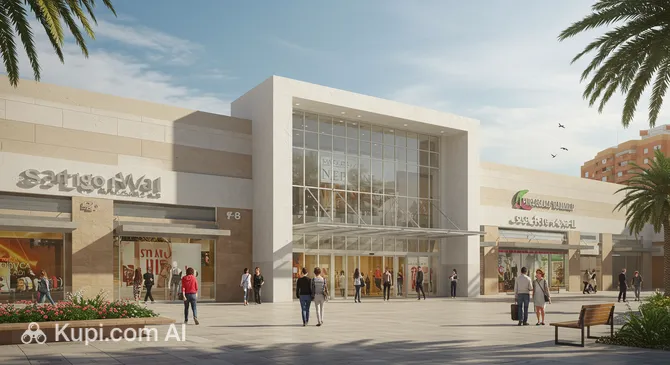
For those who prefer a concentrated retail experience with air-conditioned comfort, the San Diego Mall (Centro Comercial San Diego) is a primary destination. Located in the populous San Diego district, this center features a hypermarket, various fashion and accessory brands, and leisure facilities. It is a convenient stop for travelers needing to stock up on supplies or looking for international brands under one roof.
San Diego Mall. Illustration.
Source: Kupi.com AI
Traveler photos:
Markets play a vital role in the daily life of Lorca's residents. The most prominent is the weekly market (mercadillo), held every Thursday at the Huerto de la Rueda fairgrounds. This bustling open-air bazaar is one of the largest in the region, offering stalls piled high with fresh fruits and vegetables from the Guadalentín Valley, as well as clothing, footwear, and household goods at bargain prices. It is a vibrant sensory experience where you can mingle with locals and discover the region's agricultural bounty.
When it comes to souvenirs, Lorca is famous worldwide for its exquisite embroidery in silk and gold, a tradition deeply rooted in its Holy Week processions. While elaborate mantles are expensive art pieces, you can find smaller embroidered items, such as brooches or fans, in specialized local craft shops. Other excellent keepsakes include traditional ceramics, often sourced from the nearby town of Totana, and jarapas (colorful rustic rugs). Foodies should not leave without buying a bag of crespillos (salty paprika crackers) or a bottle of local wine.
Store opening hours generally follow the traditional Spanish schedule. Small shops and boutiques typically open from 10:00 AM to 1:30 PM and reopen from 5:00 PM to 8:30 PM, closing for the afternoon siesta. Larger supermarkets and shopping malls, however, usually remain open continuously from 10:00 AM to 10:00 PM. Most shops are closed on Sundays. Credit and debit cards are widely accepted, though it is advisable to carry cash for small purchases at the weekly market.
Travelers residing outside the European Union are eligible for a VAT refund (Tax-Free) on purchases of personal goods exceeding a certain amount. Look for stores displaying the "Tax-Free" sign and ask for a refund form at the checkout. You can then process this digital form at the customs office or DIVA kiosks at your point of departure from Spain.