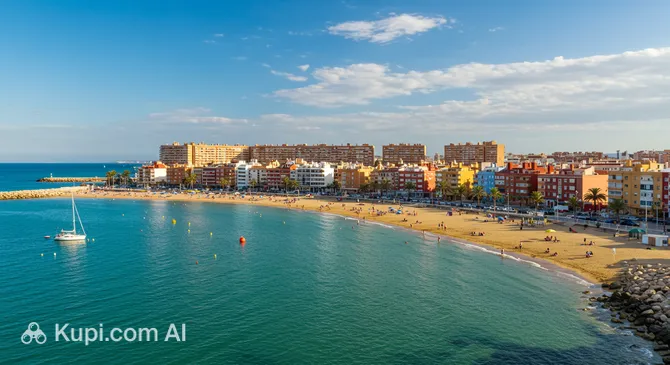
San Javier is a captivating destination located in the Region of Murcia, known for its unique blend of agricultural landscapes and coastal beauty. Situated in south-eastern Spain, this municipality sits on the northern end of the Mar Menor, which is celebrated as Europe's largest saltwater lagoon. With a population of approximately 34,000 residents, the town offers a welcoming atmosphere that perfectly balances modern amenities with traditional Spanish charm.
San Javier. Illustration.
Source: Kupi.com AI
The town has a distinct cultural identity, deeply connected to aviation as the home of the Spanish General Air Academy. For those interested in the past, the history of San Javier reveals a fascinating evolution from a small hamlet to a vibrant hub of activity. Culturally, the city is perhaps best known for the San Javier International Jazz Festival, a prestigious event declared of National Tourist Interest that attracts world-class musicians and music lovers every summer.
Visitors are often drawn to the nearby coastal area of Santiago de la Ribera, which serves as San Javier's window to the sea. Here, you can enjoy calm waters, scenic promenade walks, and delicious local cuisine featuring fresh seafood. Whether you are looking for cultural festivals, relaxing beaches, or a glimpse into military aviation heritage, San Javier is a delightful stop on any travel itinerary.
Weather Overview
San Javier enjoys a pleasant Mediterranean climate, making it an attractive destination throughout the year. The weather in San Javier is characterized by long, sunny periods and generally mild conditions, allowing visitors to enjoy outdoor activities regardless of the season.
Summer in the region is hot and dry, particularly in July and August. During these peak months, average temperatures hover around 27.5°C, with maximum highs reaching approximately 32.4°C. Rainfall is virtually non-existent during this time, with data showing 0mm of precipitation and only 1 or 2 wet days, creating perfect conditions for beach holidays.
Winters are gentle, with January being the coolest month, featuring an average temperature of 11.7°C and lows rarely dropping below 6.8°C. While the region is generally dry, March tends to be the unsettled month, recording up to 9 wet days. Overall, visitors can expect hot, dry summers and mild winters with occasional rain during the transition seasons.
Average monthly temperature
Average monthly precipitation
Interesting Facts
Beyond the main attractions and sunny weather, San Javier holds several fascinating secrets and local traditions that often surprise visitors. From aerial spectacles to unique culinary inventions, the town offers plenty of hidden gems to discover.
San Javier is the proud home of the Patrulla Águila, the Spanish Air Force's aerobatic demonstration team. It is not uncommon for locals and visitors to witness their breathtaking practice sessions, where they paint the sky with the colors of the Spanish flag using smoke trails.
During the holiday season, the town transforms into a festive wonderland with the "Belén de España." This is one of the largest open-air nativity scenes in the country, covering over 500 square meters and featuring thousands of intricate figures that depict various biblical and traditional rural scenes.
The local gastronomy features a peculiar dish known as Pastel de Cierva. This unique pie combines savory poultry meat and hard-boiled eggs with a sweet, sugary dough, a recipe that legend says was introduced to the region by a Russian chef in the early 20th century.
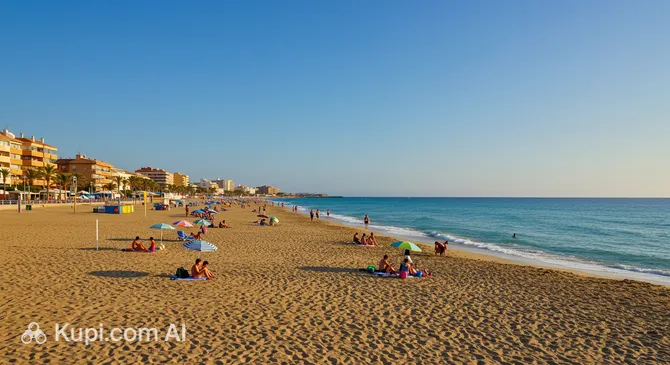
The coastal district of Santiago de la Ribera Beach serves as a historic gateway to the other side of the lagoon. From its jetty, you can take a traditional ferry boat that crosses the Mar Menor to La Manga, a nostalgic journey that has been a favorite shortcut for decades.
Santiago de la Ribera Beach. Illustration.
Source: Kupi.com AI
Traveler photos:
How to Get There
Reaching this charming destination on the Mar Menor is relatively straightforward, thanks to its proximity to several major transport hubs in the region. Whether you prefer flying or taking the train, there are convenient options available nearby. For a comprehensive guide on all transport modes, including driving directions and bus schedules, you can read more about how to get to San Javier on our detailed page.
The city of San Javier does not have its own commercial airport, but you can fly into Corvera International (IATA: RMU) in the city of Fuente Álamo, which is about 25 km from San Javier. This regional hub is the closest option, and the journey by taxi or bus takes approximately 60 minutes. Alternatively, many travelers choose Alicante-Elche Airport (IATA: ALC) in Alicante, located about 58 km away. As a major international airport, it offers a wider range of flight connections, with a transfer time to San Javier of roughly 1 hour and 50 minutes.
For clarity, here is a summary of the main airports serving the area:
If you prefer traveling by rail, please note that the city of San Javier does not have a railway station. However, you can arrive at the Alicante Railway Station in the city of Alicante, which is about 67 km from San Javier. From there, you can get a taxi or bus, which takes about 2 hours. Another option for long-distance travelers is the Valencia Railway Station in Valencia, though it is situated approximately 189 km away.
Below is a list of the nearest railway stations to help you plan your journey:
San Javier offers a delightful array of attractions that cater to beach lovers, shoppers, and food enthusiasts alike. While the town is deeply rooted in history and aviation, its modern leisure facilities and stunning coastline are what primarily draw visitors today. From relaxing days by the Mar Menor to exciting shopping sprees, there is something for everyone to enjoy.
The crown jewel of the area is undoubtedly Santiago de la Ribera Beach. This golden stretch of sand is perfect for families and sunseekers, offering calm, shallow waters typical of the lagoon. The accompanying promenade is bustling with life, lined with palm trees and offering spectacular views, especially during sunset. It is the ideal spot for a leisurely stroll or a refreshing swim in the Mediterranean sun.
For those in the mood for retail therapy, the Dos Mares Shopping Center is a must-visit destination. This expansive complex features a wide variety of fashion brands, a cinema, and numerous leisure options, making it a central hub for entertainment in the region. It provides a perfect escape from the midday heat and a chance to explore popular international and local stores.
Dos Mares Shopping Center. Illustration.
Source: Kupi.com AI
Traveler photos:
Just a short distance away, visitors can also explore the Pinatar Park Shopping Center. This retail park offers additional shopping and dining choices, complementing the local commercial scene. It is a convenient stop for those looking to find everything in one place, from clothing to household goods.
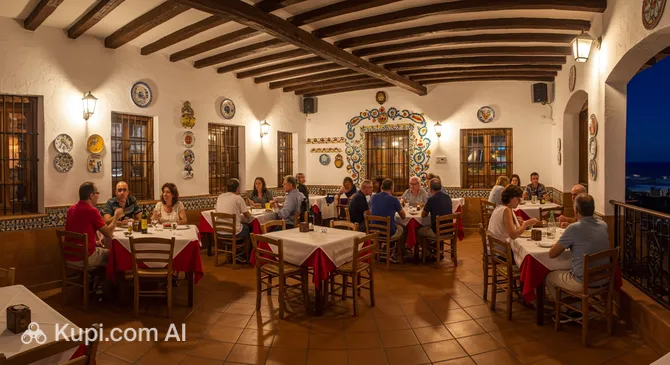
After a day of exploring and shopping, indulging in the local gastronomy is highly recommended. Txio Revuelo is a notable spot to experience delicious cuisine. Whether you are looking for a quick bite or a relaxed meal, this restaurant offers a taste of local flavors in a welcoming setting, rounding off a perfect day in San Javier.
Txio Revuelo. Illustration.
Source: Kupi.com AI
Traveler photos:
Local Cuisine
The gastronomy of San Javier is a delightful reflection of its geography, perfectly marrying the fresh produce of the Murcian "Huerta" (market gardens) with the bounties of the sea. The local cuisine is characterized by simple yet flavorful ingredients, where rice, fresh fish, and sun-ripened vegetables take center stage. Dining here is not just about sustenance; it is a social ritual often enjoyed outdoors, taking advantage of the region's mild climate.
The absolute star of the local table is the Caldero del Mar Menor. This rich, soupy rice dish is cooked in a cauldron with a potent broth made from rockfish and distinctive local peppers known as ñoras. It is traditionally served in separate courses: first the rice, accompanied by a dollop of garlic alioli, and then the fish used to make the stock. Another seafood delicacy to look out for is the salt-crusted gilt-head bream (Dorada a la Sal), a method that preserves the natural moisture and flavor of the fresh catch.
For those who prefer smaller bites, the tapas culture in San Javier is vibrant and varied. A must-try classic is the Marinera, a cold tapa consisting of a Russian salad served on a crunchy doughnut-shaped breadstick, topped with a salted anchovy. It is the perfect accompaniment to a cold drink on a sunny terrace. You might also encounter Michirones, a hearty stew made with dried broad beans, chorizo, and ham, which offers a savory contrast to the lighter seafood options.
No meal in this part of the region is complete without the signature local coffee, the Café Asiático. Originating in the nearby area, this is an elaborate drink featuring coffee mixed with condensed milk, brandy, a local liqueur called Licor 43, and a touch of cinnamon and lemon peel, all served in a special glass. For wine lovers, the nearby denominations of origin, such as Jumilla and Yecla, provide robust reds and crisp whites that pair beautifully with the local fare.
The dining scene in San Javier ranges from traditional family-run taverns in the town center to bustling chiringuitos (beach bars) along the coast. The promenade at Santiago de la Ribera Beach is particularly popular for enjoying fresh grilled sardines or prawns while overlooking the calm waters of the lagoon. Whether you are seated in a sophisticated restaurant or a casual seaside terrace, the emphasis is always on freshness and hospitality.
Travel Tips
Welcome to San Javier, a delightful destination where aviation history meets the calm waters of the Mar Menor. To help you navigate this charming municipality and make the most of your stay, here are some essential practical tips for a smooth and enjoyable trip.
Clothing and Gear: The climate is typically Mediterranean, so pack light, breathable clothing for the summer months and a hat to protect against the sun. Evenings by the lagoon can get breezy, so a light jacket is useful. Comfortable walking shoes are a must for strolling along the promenade at Santiago de la Ribera. If you plan to visit religious sites, remember to dress modestly.
Transportation: While there are bus services connecting the town to the beach and nearby cities, schedules can be infrequent. The most convenient way to explore the wider region is by renting a car. Taxis are available, and having a vehicle gives you the freedom to visit nearby spots like La Manga or the regional parks effortlessly.
Finances: The local currency is the Euro (€). Credit and debit cards are widely accepted in supermarkets, restaurants, and most shops. However, it is advisable to carry some cash for small purchases at local markets, street kiosks, or smaller beach bars (*chiringuitos*). Tipping is not mandatory but rounding up the bill or leaving a small amount for good service is appreciated.
Health and Safety: San Javier is a safe destination for tourists. Pharmacies are easily identifiable by a green cross; look for a specific Farmacia de Guardia for 24-hour service. The general emergency number for police, ambulance, or fire services is 112. In summer, ensure you stay hydrated and use high-SPF sunscreen.
Communication: The official language is Spanish. While English is often spoken in hospitality venues along the coast, it is less common in smaller inland shops. Learning a few basic phrases like Hola (Hello) and Gracias (Thank you) is considered polite and is well-received by locals.
Local Etiquette: Spaniards operate on a later schedule than many other Europeans. Lunch is the main meal of the day, typically eaten between 2:00 PM and 3:30 PM, while dinner is rarely served before 8:30 PM. When greeting someone, a handshake is standard, though friends often exchange two kisses on the cheeks.
What to Avoid: Do not walk around the town center or enter shops and restaurants in swimwear or without a shirt; this is reserved strictly for the beach. Additionally, avoid expecting shops to be open during the siesta hours (roughly 2:00 PM to 5:00 PM), as many local businesses close for a mid-day break.
Mosquito Protection: Because of its proximity to the lagoon and salt flats, mosquitoes can be active during the warmer months. It is a good idea to pack insect repellent or buy some locally to ensure your evenings out on the terrace remain comfortable.
With these practical tips in mind, you are all set to relax and enjoy the unique atmosphere of San Javier. Immerse yourself in the local culture, savor the delicious cuisine, and have a wonderful time exploring this beautiful corner of the coast.
Entertainment & Nightlife
The nightlife in San Javier is characterized by a relaxed and social atmosphere, distinct from the high-energy clubbing scenes found in larger Spanish cities. Instead of massive discotheques, the evening entertainment here revolves around open-air terraces, lively music pubs, and late-night dining. The local crowd is a mix of residents, summer vacationers, and students from the nearby sports faculty and air academy, creating a friendly and inclusive vibe.
The heartbeat of the town's nightlife is undoubtedly the promenade along Santiago de la Ribera Beach. As the sun sets, the Paseo Colón comes alive with families enjoying ice cream and groups of friends gathering for drinks. This area is packed with "chiringuitos" (beach bars) and cocktail lounges where you can enjoy a gin and tonic with a view of the Mar Menor. In the summer months, the breeze from the lagoon makes this the perfect spot to cool off and socialize well into the early hours.
For a different kind of evening entertainment, the Dos Mares Shopping Center offers excellent leisure facilities. It is home to a modern cinema complex that screens the latest international and Spanish films, often serving as a popular meeting point for locals. The center also features a bowling alley and a variety of casual dining spots, making it a great option for a fun night out with friends or family away from the beach front.
Those looking for a quality dining experience that transitions into evening drinks should consider visiting Txio Revuelo. Venues like this capture the essence of Spanish nightlife, where dinner is a prolonged affair often starting after 9:00 PM. The dress code in San Javier is generally smart-casual; while beachwear is fine for the day, locals tend to dress up a bit more for the evening, especially on weekends.
Practical advice for enjoying the night includes timing your outings correctly. Bars typically start filling up around 11:00 PM, and the atmosphere peaks around midnight. The area is very safe for night walks, particularly along the well-lit promenade. If you need to travel further or return to your accommodation, calling a "Radio Taxi" is the most reliable option, as hailing cabs on the street can be difficult late at night.
While the nights are laid-back, daytime entertainment in San Javier offers its own charm. Visitors can explore the San Javier Museum to learn about local history and ethnography or catch a cultural performance at the municipal auditorium. For outdoor enthusiasts, taking a boat trip across the lagoon or enjoying water sports are popular ways to spend the daylight hours before the evening festivities begin.
Parks & Museums
San Javier offers visitors a harmonious blend of coastal beauty and cultural depth, extending well beyond its reputation as a summer resort. The city boasts inviting green spaces and a collection of museums that reflect its agricultural roots, maritime traditions, and significant aviation history.
For those seeking fresh air and natural surroundings, the coastline is the city's most prominent natural asset. Santiago de la Ribera Beach acts as a massive open-air recreational space where the sea meets the town. Its long promenade is lined with palm trees and gardens, providing a perfect setting for leisurely walks or cycling while enjoying views of the Mar Menor. Another vital green space is the Parque Almansa. This expansive park is the cultural heart of San Javier, housing a magnificent open-air auditorium that hosts the famous International Jazz Festival, along with leafy walking paths and civic facilities.
To understand the local heritage, a visit to the San Javier Museum (Museo de San Javier) is essential. Located in a modern building, it offers an ethnographical journey through the town's past, featuring displays on agriculture, fishing, and domestic life. It also dedicates a section to the Spanish Air Force, acknowledging the municipality's long-standing connection with aviation. Another unique cultural venue is the Tiflological Aeronautical Museum. This open-air museum is designed to be accessible to everyone, featuring scale models of different aircraft that visitors can touch, making it a fascinating stop for aviation enthusiasts and families alike.
In terms of architecture and history, the Church of San Francisco Javier stands as the town's most iconic landmark. Dating back to the 17th century, this temple is not only the religious center but also the historical nucleus around which the town developed. Its structure and artistic details offer a glimpse into the religious art and history of the Murcia region.
For a truly authentic experience, look for the Museo del Belén (Nativity Scene Museum). San Javier has a deep-rooted tradition of nativity scene crafting, and this museum displays intricate works that are celebrated throughout Spain. It is a lesser-known cultural gem that offers a quiet and artistic insight into local craftsmanship and traditions.
Getting Around
The public transport system in San Javier is relatively modest, reflecting the town's size and layout. There is no metro, tram, or trolleybus network within the municipality. Instead, the primary mode of public transportation is the bus service, which connects the inland town center with the coastal district of Santiago de la Ribera, as well as with the large shopping centers and neighboring towns. For most tourists, these buses are sufficient for moving between the main attractions and the beach.
For local bus journeys, the payment system is straightforward. Passengers typically purchase single tickets directly from the driver upon boarding. The fare is affordable, usually costing a few euros per trip. It is essential to carry cash, specifically coins or small banknotes (5 or 10 euros), as drivers often do not have change for larger bills. While there are travel cards available for frequent commuters in the wider region, for a short tourist stay, paying in cash for individual trips is the most practical and hassle-free option.
A unique and highly recommended feature of the local transport network is the ferry service operating from Santiago de la Ribera. Departing from the jetty, this boat crosses the Mar Menor lagoon to reach La Manga. It serves as both a scenic tourist attraction and a functional transport link, saving a significant amount of driving time around the lagoon. Tickets for the ferry are generally sold at a kiosk on the pier or on board, and the schedule varies by season, with more frequent crossings in the summer.
Travelers should be aware that bus schedules can be less frequent during weekends, public holidays, and the mid-day "siesta" hours (roughly 2:00 PM to 5:00 PM). It is advisable to check the timetables posted at bus stops or online in advance. If you plan to travel late at night when bus services may have stopped, taxis are the most reliable alternative. Official taxis are white vehicles with a green light on the roof; they can be hailed at designated ranks or booked via telephone through the local Radio Taxi service.
Given the flat terrain of the area, alternatives to motorized transport are very popular. Cycling is an excellent way to navigate the town and the promenade, with several bike rental shops available in the coastal area. Walking is also a viable option for exploring specific districts, such as the seafront promenade, although the distance between the inland town center and the beach (about 3 kilometers) makes the bus or a bike ride more convenient for that specific journey.
Accommodation
San Javier provides a diverse array of accommodation choices that cater primarily to leisure travelers and families seeking a relaxing break by the Mar Menor. The options generally range from modest, family-run guesthouses and mid-range hotels to a vast selection of tourist apartments and holiday rentals. Unlike some of the larger resort cities on the Spanish coast, the accommodation landscape here feels more traditional and community-focused, avoiding the dominance of massive skyscraper hotels.
The most popular area for tourists to stay is undoubtedly the district of Santiago de la Ribera. This coastal strip is ideal for those who wish to be within walking distance of the sea and the lively promenade. Staying here puts you right next to Santiago de la Ribera Beach, allowing for easy access to morning swims and evening strolls. For a quieter experience, the inland town center of San Javier offers convenient access to local services and cultural venues, though it is situated a few kilometers away from the water.
Regarding pricing and availability, San Javier is generally considered an affordable destination, though rates fluctuate significantly with the seasons. Prices are at their highest during July and August, coinciding with the peak summer holidays and the celebrated International Jazz Festival. It is highly recommended to book your accommodation well in advance if you plan to visit during these months, as the best-value apartments and hotel rooms tend to sell out quickly. Most properties can be easily reserved through major online booking platforms.
Nearby Cities
For those looking to explore the surroundings, San Javier serves as an excellent base for day trips to several interesting nearby locations. The region offers a mix of historical depth, urban energy, and natural beauty, all within a short drive.
One of the most compelling destinations is Cartagena, a historic port city with a legacy stretching back over two millennia. Visitors can explore the magnificent Roman Theatre, wander through the modernist architecture of the city center, or visit the National Museum of Underwater Archaeology. It provides a fascinating contrast to the quiet lagoon life of San Javier, offering a deep dive into naval history and ancient civilizations.
Just a bit further inland lies Murcia, the vibrant capital of the province. It is famous for its stunning Cathedral of Saint Mary, which features a blend of Gothic, Renaissance, and Baroque styles. The city is also celebrated for its gastronomy; a walk through its plazas offers the perfect opportunity to taste traditional tapas. For nature lovers, Torrevieja is another great option, known for its unique pink salt lakes and lively seaside promenades.
City
Population
Distance
San Pedro del Pinatar
26 827
5 km
Los Alcazares
17 603
6 km
Pilar de la Horadada
22 949
8 km
Torre Pacheco
38 140
12 km
Villamartin
12 125
17 km
These nearby destinations offer a glimpse into the diverse culture and landscapes of the region, making them perfect for enriching your travel experience.
Shopping & Souvenirs
Shopping in San Javier offers a relaxed and varied experience, ranging from modern commercial centers to traditional local businesses. While it may not be a massive shopping metropolis, the town provides everything a visitor might need, from high-street fashion brands to unique regional products. The atmosphere is generally laid-back, allowing tourists to browse at their own pace without the crowds found in larger cities.
For those who enjoy strolling through open-air retail districts, the town center of San Javier is the place to start. The streets surrounding the Plaza de España and the parish church are lined with small boutiques, shoe shops, and family-run businesses offering personalized service. Additionally, the coastal district of Santiago de la Ribera features a lively promenade where you can find beachwear, accessories, and summer essentials, particularly during the holiday season when the area is bustling with activity.
If you prefer a comprehensive shopping experience with all amenities under one roof, the Dos Mares Shopping Center is the primary destination in the area. Located conveniently on the outskirts, it houses a wide selection of international fashion chains, a supermarket, and entertainment options. Just a short distance away, you can also visit the Pinatar Park Shopping Center. This retail park complements the local offer with additional stores focused on home goods, pets, and sports, making it easy to find specific items during your stay.
Pinatar Park Shopping Center. Illustration.
Source: Kupi.com AI
Traveler photos:
A highlight of the local shopping culture is the traditional street market (mercadillo). These bustling open-air markets are an essential part of daily life and a treat for the senses. In San Javier, the weekly market takes place on Thursday mornings, typically located around Calle Coronel Fernández Tudela. Here, locals buy fresh fruit and vegetables, cured meats, and olives, as well as clothes and shoes at bargain prices. Another market is held in Santiago de la Ribera on Wednesday mornings, offering a similar vibrant atmosphere near the coast.
When looking for souvenirs to take home, gastronomy is often the best choice. The region is famous for its salted fish delicacies known as salazones, such as cured tuna (mojama) or mullet roe. Local wines from the nearby Jumilla or Yecla regions also make excellent gifts. For non-edible keepsakes, look for traditional Spanish ceramics or fans, which can often be found in the smaller artisan shops in the town center.
Regarding practicalities, store opening hours generally follow the traditional Spanish schedule. Small local shops usually open from 10:00 AM to 2:00 PM, close for the afternoon siesta, and reopen from 5:00 PM to 8:30 PM. However, major shopping malls like Dos Mares and large supermarkets stay open all day, typically from 10:00 AM to 10:00 PM, without a break. Payment methods are convenient, with credit and debit cards widely accepted everywhere, although it is advisable to carry cash for small purchases at street markets.
Finally, travelers residing outside the European Union should be aware of the tax-free shopping benefits. Spain uses the DIVA digital system for VAT refunds. If you make a purchase at a store that displays the "Tax Free" sign, you can request the necessary documentation to claim a refund on the Value Added Tax (IVA) at the airport before leaving the EU, provided you meet the eligibility criteria.