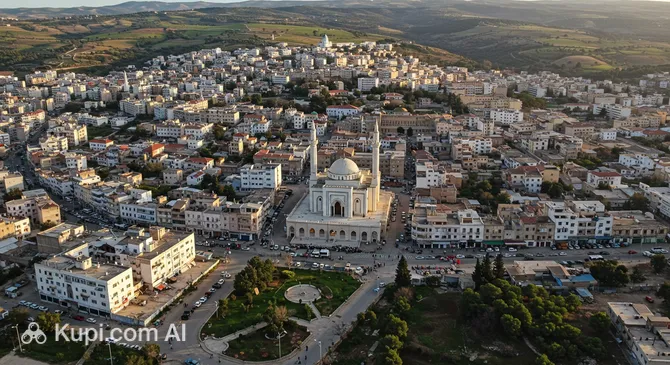
While Chlef is often recognized for its agricultural vitality and modern urban layout, the city and its surroundings offer distinct pockets of greenery and cultural depth for the curious traveler. The region’s reconstruction has prioritized open spaces, while its museums serve as custodians of a history that stretches back to antiquity. Whether you are looking for a quiet place to relax or a deep dive into the heritage of Algeria, Chlef provides several noteworthy stops.
11 December Public Garden is the city's primary green lung and a favorite recreational spot for locals. Located centrally, this park is landscaped with palm trees, flower beds, and paved walking paths, offering a serene escape from the bustling avenues. It is an excellent place for families and visitors to observe local life, enjoy a peaceful afternoon stroll, or simply rest in the shade during the warmer hours of the day. The garden's well-maintained environment reflects the city's commitment to creating pleasant communal spaces following its rebuilding efforts.
For those willing to venture just outside the immediate city limits, the Ouarsenis Mountain Range offers a spectacular natural playground. Dominating the southern horizon, this area is often referred to as the "eye of the world" by locals due to its commanding views. It is home to dense cedar forests and diverse flora, making it a prime destination for hiking, picnicking, and nature photography. The fresh mountain air and rugged terrain provide a stark, refreshing contrast to the valley heat, attracting outdoor enthusiasts year-round.
The cultural highlight of the city is undoubtedly the Abdelmadjid Meziane National Public Museum. Housed in a building that blends modern and traditional architectural elements, this museum is essential for understanding the region's complex past. Its collection is particularly rich in Roman archaeology, featuring intricate mosaics, statuary, and everyday objects recovered from the ancient site of Castellum Tingitanum. Visitors can also explore exhibits dedicated to the Islamic period and local ethnography, offering a comprehensive narrative of the civilizations that have thrived in the Chelif Valley.
Another significant site that functions as an open-air museum of sorts is Dar Al-Baroud. This historical fortification dates back to the Ottoman and French colonial periods and stands as one of the few structures to have withstood the region's seismic history. While it is primarily an architectural landmark, it offers insight into the military history of the city. The thick stone walls and arched chambers evoke the strategic importance of Chlef as a transit hub between the coast and the interior.
History enthusiasts should also seek out the site of the Basilica of Saint Reparatus. Although the famous labyrinth mosaic discovered here was moved for preservation, the site itself remains a poignant reminder of early Christianity in North Africa. It is considered one of the oldest churches in the region, and standing among its ruins allows visitors to connect with the ancient layer of the city known as Castellum Tingitanum.
For a truly authentic experience, try to visit the local Weekly Market (Souk) held on the outskirts of the city. While not a museum, it is a living gallery of local culture where farmers from the Chelif Valley sell fresh citrus fruits, vegetables, and traditional crafts. It is a vibrant, sensory-rich environment that offers a glimpse into the agricultural heart of the province that you won't find in a standard guide book.