Support

Djelfa

About

Djelfa is a captivating city that serves as a vital crossroads between the northern high plateaus and the vast Sahara Desert. Nestled within the Ouled Naïl Range of the Saharan Atlas, this city offers a unique blend of steppe landscapes and mountain scenery, creating an atmosphere that is both rugged and welcoming.

As a prominent city in Algeria, Djelfa sits at an elevation of over 1,100 meters, providing it with a refreshing climate characterized by cool winters and dry summers. With a population of over 265,000 inhabitants, it is a lively administrative and commercial hub that retains a strong connection to traditional nomadic lifestyles, making it a fascinating stop for cultural exploration.
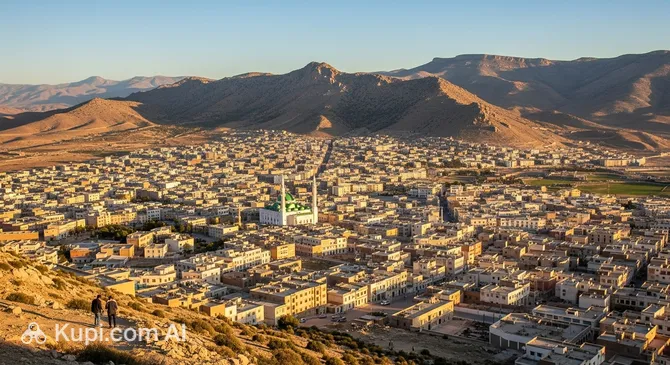
Djelfa. Source: Kupi.Binoculars

The region is not only geographically significant but also rich in heritage. Visitors interested in the past will find the history of Djelfa particularly intriguing, as the area has been inhabited since prehistoric times. The city acts as the cultural heart of the Ouled Naïl confederacy, known for their distinct music, jewelry, and textile traditions.

One of the main draws for travelers is the abundance of Neolithic rock carvings found in the surrounding area, such as those at Zaccar, which depict scenes of hunting and wildlife from millennia ago. Another geological wonder is the famous Rocher de Sel (Salt Rock), a spectacular salt mountain that stands as a testament to the region's unique geology. Additionally, the local markets offer a vibrant glimpse into daily life and are perfect for finding authentic handicrafts.

Whether you are passing through on your way to the deep desert or planning to explore the Saharan Atlas, Djelfa promises an authentic experience full of discovery. It is a destination that beautifully bridges the gap between the ancient and the modern.

Weather Overview

Djelfa experiences a semi-arid climate that is significantly influenced by its high altitude in the Saharan Atlas mountains. The weather in Djelfa is characterized by distinct seasonal variations, shifting from brisk, chilly winters to hot, dry summers.

During the summer months, temperatures rise considerably. July is typically the hottest month, with an average temperature of 29.3°C and daily highs often reaching 36.6°C. This season is very dry, with minimal rainfall and only a couple of wet days, making it ideal for those who enjoy heat and clear skies.

Winters, however, require warm clothing as the city cools down significantly. January is generally the coldest month, with average temperatures around 6.6°C and lows dipping to 1.6°C. While precipitation remains relatively low year-round, the spring months of March and April tend to see a slight increase in wet days. Overall, expect hot summers with minimal rain and cold winters that necessitate varied layers for comfort.

Interesting Facts

Beyond the main attractions, Djelfa holds many fascinating secrets that reveal its deep historical roots and ecological importance. This high-altitude city offers more than just scenic views; it is a place where ancient history and modern environmental efforts converge in surprising ways.

  • Ancient Roman Foundations: Long before the modern city was established, the site was known as Fallaba during the Roman era. It served as a strategic military outpost along the Limes Africanus, the fortified border defense system that marked the southern frontier of the Roman Empire in North Africa.

  • Guardian Against the Desert: Djelfa is a central component of the Green Dam (Barrage Vert), a colossal reforestation project initiated to stop the Sahara Desert from expanding northward. The region's extensive man-made forests, particularly of Aleppo pine, stand as a living barrier protecting the fertile lands of the north.

  • Evidence of a Tropical Past: While the area is now semi-arid, the surrounding rock carvings tell a different story. The petroglyphs found nearby depict animals such as elephants, rhinoceroses, and buffalos, providing undeniable proof that this region was once a lush, green savanna teeming with wildlife typical of tropical Africa.

How to Get There

Djelfa serves as a vital transportation hub in the central highlands, strategically positioned between the north and the deep south of Algeria. While the city relies heavily on its road connections, it is increasingly becoming integrated into the national infrastructure grid. Visitors typically travel via major cities to the north or east before completing the journey to the highlands. For detailed routes, driving directions, and transport options, you can read more about how to get to Djelfa.

The primary gateway for international travelers is Houari Boumediene Airport (ALG), located in the capital, Algiers. Situated approximately 225 km north of Djelfa, this is the country's busiest aviation hub, offering extensive connections from around the world. From Algiers, travelers can take a taxi or bus south along the main highway; the drive generally takes between 3.5 and 4.5 hours, passing through the scenic transition from the coast to the steppe.

Another viable option is Biskra Airport (BSK), located roughly 228 km to the southeast. Although it handles less traffic than the capital's airport, it serves as a convenient entry point for those approaching from the eastern or desert regions. The transfer by road from Biskra offers a journey through the unique landscapes where the Atlas Mountains meet the Sahara.

Below is a summary of the airports situated within a reasonable driving distance of Djelfa:

Airport Name City Passenger Traffic Km from City
Houari Boumediene AirportAlgiersLarge225.1
Biskra AirportBiskraMedium228.3
Setif AirportSetifMedium252.0
Chlef International AirportChlefSmall244.2
Noumerate AirportGhardaiaSmall258.6

Regarding ground transportation, Djelfa is a key node on the Trans-Sahara Highway, ensuring frequent bus services and shared taxis are available from major northern cities. In addition to road travel, the city is accessible via the developing national rail network. The Djelfa railway station, part of the line connecting Boughezoul, Djelfa, and Laghouat, provides an alternative mode of transit, reflecting the region's modernization and improved connectivity.

Main Attractions

Djelfa offers a compelling mix of geological wonders, ancient history, and serene natural landscapes. While it may not be a bustling metropolis of mass tourism, its attractions provide a deep dive into the heritage of the Saharan Atlas. Here are some of the most interesting places to visit in and around the city.

One of the most spectacular natural landmarks in the region is the Rocher de Sel (Salt Rock). Located approximately 30 kilometers north of the city, this geological curiosity is essentially a mountain composed largely of rock salt and clay. Over millennia, erosion has sculpted it into fascinating shapes, and the mineral deposits cause the rock to shift colors from white to violet and pink depending on the angle of the sun. It is a surreal sight rising from the steppe and a favorite spot for photographers looking for unique landscapes.

For history enthusiasts, the Zaccar Archaeological Site is an absolute must-see. Situated about 37 kilometers south of Djelfa, this area is famous for its Neolithic rock engravings. The petroglyphs found here are exceptionally well-preserved and depict a time when this arid region was a lush savanna. Visitors can see detailed carvings of elephants, rhinoceroses, and ostriches, offering a tangible connection to the prehistoric populations that once thrived here.

Nature lovers will find tranquility in the Senalba Forest, a vast woodland located just a few kilometers west of the city. Dominating the landscape with its dense Aleppo pines, this forest acts as a green lung for the area and is a popular recreational spot. It offers a refreshing escape from the semi-arid climate, with plenty of space for picnics, hiking, and enjoying the fresh mountain air in a peaceful environment.

To understand the local culture and history, a visit to the Djelfa Museum is highly recommended. The museum houses a rich collection of artifacts that trace the region's timeline from the prehistoric era to the present day. Exhibits include Roman pottery, traditional Ouled Naïl jewelry, and costumes that highlight the city's identity as a capital of nomadic heritage. It provides excellent context for the rock art sites and offers insight into the daily life of the local tribes.

Local Cuisine

The local cuisine of Djelfa is deeply rooted in its status as the pastoral capital of the Algerian steppe. Famous throughout the country for the quality of its livestock, particularly the Ouled Naïl sheep, the city's gastronomy revolves heavily around high-quality meat and hearty, traditional flavors designed to sustain the nomadic lifestyle of the past. For food lovers, Djelfa offers an authentic taste of the highlands where simplicity meets exceptional ingredients.

The undisputed king of the local table is Méchoui. In Djelfa, this dish is an art form; whole lambs or large cuts are slow-roasted over wood fires until the meat is incredibly tender and falls off the bone. It is typically seasoned simply with salt and local herbs to let the natural flavor of the steppe-grazed meat shine. Another staple is the regional variety of Couscous, often served "white" (without tomato paste) and accompanied by generous portions of lamb, turnips, and chickpeas. For a warming winter meal, travelers should try Mardoud, a dish made from large, hand-rolled semolina grains cooked in a spicy tomato-based sauce with dried meat and vegetables.

When it comes to beverages, the culture of hospitality reigns supreme. Mint tea is served everywhere, from family homes to roadside cafes, often prepared strong, sweet, and with a frothy top. It is the traditional way to end a meal or welcome a guest. To accompany heavy dishes like couscous, locals often drink Lben, a fermented buttermilk that aids digestion and provides a refreshing contrast to the richness of the meat. Alcohol is generally not part of the traditional dining scene in this conservative region, with fruit juices and mineral water being the standard alternatives.

The food scene in Djelfa is less about formal fine dining and more about communal and accessible experiences. The city and its surrounding highways are lined with roadside barbecue restaurants (grillades), where carcasses hang freshly in the window, and customers select their cut of meat to be grilled on the spot. These establishments are bustling, smoky, and incredibly popular with both locals and travelers passing through. For a sweeter treat, local markets offer various traditional pastries made with dates and semolina, reflecting the transition zone between the mountains and the desert.

Travel Tips

Djelfa's unique position in the Saharan Atlas makes for a memorable adventure, but its distinct high-altitude climate and deep-rooted traditions require some specific preparation. To ensure your journey through this gateway to the desert is as smooth and enjoyable as possible, keep these practical guidelines in mind.

  1. Clothing and Gear: Due to the city's elevation of over 1,100 meters, the weather can be unpredictable. If visiting in winter, bring heavy jackets, gloves, and warm boots, as snow is not uncommon. In summer, lightweight, breathable fabrics are best, but remember to dress conservatively; both men and women should cover their shoulders and knees to respect local norms. Comfortable walking shoes are essential for exploring the rocky terrain of nearby archaeological sites.

  2. Transportation: Inside the city, yellow taxis are the most convenient and affordable way to get around; they can be hailed on the street. For visiting attractions outside the city center, such as the Zaccar rock carvings or the Salt Rock, renting a car is highly recommended as public transport to these specific natural sites is limited. Shared taxis (known as louages) are excellent for travel between Djelfa and neighboring towns.

  3. Finances: The local currency is the Algerian Dinar (DZD). Djelfa operates almost entirely on a cash economy. International credit cards are rarely accepted outside of a few high-end hotels or airline offices. It is crucial to carry sufficient cash for daily expenses, restaurants, and shopping. ATMs are available in the city center, but it is wise to have a backup reserve of cash in case of technical issues.

  4. Health and Safety: Pharmacies are widely available and are easily identified by a green cross; many have rotational night shifts for emergencies. While the city is generally safe for tourists, it is advisable to stick to bottled water rather than tap water to avoid stomach upsets. As in any travel destination, keep your valuables secure and avoid unlit or isolated areas late at night.

  5. Communication: The primary languages are Arabic and French. English is not widely spoken, so learning a few basic phrases in Arabic (like "Salam" for hello and "Shukran" for thank you) or French will go a long way. Buying a local SIM card (Mobilis, Djezzy, or Ooredoo) is easy and affordable, providing you with reliable mobile data for maps and translation apps.

  6. Local Etiquette: Djelfa is a conservative city with strong traditional values. Always ask for permission before taking photos of people, especially women. When greeting locals, a handshake is common between men, but wait for a woman to extend her hand first. If invited into a local home, remember to remove your shoes at the door.

  7. What to Avoid: Public displays of affection (holding hands, kissing) are frowned upon and should be avoided. Additionally, do not eat, drink, or smoke in public during the daylight hours of Ramadan, as this is considered disrespectful to those fasting.

  8. Shopping Tip: Djelfa is famous for the craftsmanship of the Ouled Naïl people. If you are looking for souvenirs, look for the traditional "Kachabia" (a warm, hooded wool cloak) or locally woven rugs. The prices in local markets are often negotiable, so feel free to barter politely.

By respecting these local customs and coming prepared for the mountain climate, you will find the people of Djelfa to be incredibly hospitable and welcoming. Embrace the slower pace of life in the steppes, and enjoy your exploration of this fascinating region where the mountains meet the desert.

Entertainment & Nightlife

Entertainment and nightlife in Djelfa differ significantly from the bustling club scenes found in coastal metropolises. In this conservative high-plateau city, the night is dedicated to socializing, gastronomy, and a relaxed café culture rather than loud music or dance floors. The atmosphere is warm and communal, with the streets remaining lively well into the evening, especially during the hot summer months when families and friends venture out to enjoy the cooler air.

The heart of the city's evening activity is concentrated in the Downtown area and along the main boulevards. Here, the "nightlife" revolves around traditional coffee houses and tea rooms. These establishments are the primary social hubs where locals gather to watch football matches, discuss daily events, and enjoy strong, sweet mint tea or "press" coffee. While many traditional cafes are male-dominated, modern venues and hotel restaurants offer a more mixed and family-friendly environment.

For a taste of the local social scene, visitors can stop by one of the many traditional tea rooms scattered throughout the city center, known for their refreshing drinks and relaxed setting that provides a break from the steppe heat. Local hotel restaurants also offer comfortable atmospheres for a late dinner. Additionally, the city is famous for its open-air barbecue joints, or "grillades," particularly along the roads leading in and out of the city. These places come alive at night, serving the region's famous grilled lamb (Méchoui) to hungry travelers and locals alike.

Practical advice for enjoying an evening in Djelfa centers on respecting local customs. The dress code should remain modest and casual; this is not a place for flashy evening wear. The best time to go out is after the sunset prayer, when the city truly wakes up. Prices are generally very affordable, and cash is the standard mode of payment, so be sure to carry enough Algerian Dinar. Getting around is easy with the plentiful yellow taxis, which can be hailed directly from the street.

Safety in Djelfa is generally good, and the city center is safe for walking at night, particularly on main streets where shops remain open late. However, it is advisable to avoid poorly lit outskirts and to take a taxi if returning to your accommodation late. Solo female travelers may feel more comfortable in groups or in the family sections of restaurants.

During the daylight hours, entertainment shifts towards cultural and natural exploration. Before the sun sets, visitors can explore the Djelfa Museum to learn about the region's prehistoric past or take a short trip to the Rocher de Sel, a stunning natural salt formation that is as entertaining to photograph as it is to hike. The transition from a day of rugged nature to an evening of warm hospitality and hearty food encapsulates the true spirit of this gateway to the Sahara.

Parks & Museums

Djelfa offers a surprising wealth of green spaces and cultural heritage, serving as both a "green lung" for the steppe region and a custodian of ancient history. The city's unique location allows visitors to experience dense forests and urban parks alongside museums that preserve millennia of human existence.

Senalba Forest is undoubtedly the region's most significant natural asset. Located just west of the city, this vast expanse of Aleppo pines stretches over thousands of hectares, providing a stark and refreshing contrast to the arid plains typical of the highlands. It is a favorite destination for locals seeking fresh air, hiking trails, and picnic spots, especially on weekends. The forest is not only a recreational area but also a vital ecological barrier against desertification, offering a serene environment where the scent of pine fills the air.

For a more urban experience, Hebbakhia Park serves as a central recreational hub for families and residents. This well-maintained garden offers paved walking paths, shaded seating areas, and play spaces for children. It is a lively spot in the late afternoons where travelers can witness the local social life unfolding. The park provides a peaceful retreat from the city's commercial bustle, making it an excellent place for a leisurely stroll or a quiet break amidst greenery.

The cultural heart of the city is the Regional Museum of Djelfa. This institution is essential for understanding the area's deep historical roots, housing an impressive collection that spans from the prehistoric era to the Islamic period. Visitors can admire ancient flint tools, Roman pottery, and fossils that testify to the region's geological past. The museum also features ethnographic exhibits showcasing the traditions of the Ouled Naïl confederacy, including their distinctive jewelry, weaving, and traditional costumes.

Beyond the walls of the formal museum, the surrounding landscape acts as an Open-Air Museum of prehistory. While specific sites like Zaccar are famous, the entire region is dotted with stations featuring Neolithic rock engravings. These ancient galleries, carved directly into the sandstone, depict a time when the Sahara was a verdant savanna. Viewing these artworks in their original natural setting offers a profound connection to the artists who lived here thousands of years ago.

Architecturally, the Ibn Khaldoun Mosque stands out as a significant landmark. With its elegant minaret and spacious prayer hall, it reflects the spiritual importance of the city. The architecture blends traditional Maghrebi styles with local influences, serving as a focal point for the community and a beautiful example of religious construction in the steppe region.

For a truly authentic experience, try visiting the edge of the pine forests during the winter months. Seeing the snow-capped pines of Djelfa is a rare and magical sight in Algeria, challenging the stereotypical image of a desert nation. Additionally, look for small, local art galleries or cultural centers often hosted in colonial-era buildings, where local painters display works inspired by the rugged landscapes and nomadic heritage.

Getting Around

The public transport system in Djelfa is straightforward and primarily road-based, relying heavily on a network of buses and taxis to connect the city center with residential neighborhoods and suburbs. Unlike larger metropolises, the city does not have a metro or tram system. For tourists, the most common and convenient ways to get around are the yellow taxis and the urban bus network, which offer an authentic glimpse into local daily life.

Buses and Minibuses form the backbone of public transportation. The city is served by a public urban transport enterprise as well as a multitude of private operators running minibuses and vans. These private vehicles cover extensive routes throughout the city and are often the fastest way to get across town. They do not always have fixed schedules, departing instead when they are full or at regular short intervals. Destination signs are typically displayed in Arabic on the windshield, so it is advisable to ask the driver or fellow passengers to confirm the route before boarding.

Regarding the payment system, simplicity is key. There are no electronic travel cards, mobile apps, or complex zone systems for the bus network here. Fares are paid directly to the driver or a conductor upon boarding. The cost is extremely affordable, usually consisting of a small amount of coins. It is highly recommended to carry small change, as drivers may not always have change for large banknotes. Tickets are rarely issued in the traditional sense; payment is simply the right to ride.

Taxis are a very popular alternative and are often the best choice for visitors unfamiliar with the bus routes. You will easily spot them by their yellow color. In Djelfa, taxis can be hailed directly from the street or found at designated ranks near major landmarks and markets. While they are equipped with meters, it is common practice to agree on a fare before starting the journey or to pay a standard flat rate for short trips within the city limits. Shared taxis are also common for specific popular routes, where passengers pay for a seat rather than the entire car.

A notable addition to the transport infrastructure is the new railway station, part of the recently developed High Plateaus line. While primarily designed for intercity travel connecting to the north and south, the station is a modern facility that has improved accessibility to the city. To reach the station or travel from it to the downtown area, travelers will typically need to take a taxi, as the distance is not walkable.

Walking is a viable and pleasant option for exploring the compact downtown area, where many shops, markets, and administrative buildings are clustered. However, for those looking to venture further, such as to the nearby forests or rock carving sites outside the urban perimeter, public transport is limited. In these cases, hiring a private taxi for a half-day or full-day excursion is the most practical solution, offering flexibility that the urban bus system cannot provide.

Accommodation

Accommodation in Djelfa is primarily designed to serve the needs of business travelers, government officials, and those passing through the Trans-Sahara Highway. As a result, the city lacks the sprawling luxury resorts found in coastal destinations, offering instead a selection of functional, clean, and hospitable hotels. Visitors will mostly find mid-range establishments and budget-friendly guesthouses that provide a comfortable base for exploring the region's rock art and natural sites.

For the most convenient stay, it is advisable to look for hotels located in the city center (Centre Ville). Staying in this area places you within walking distance of local restaurants, the main market, and the museum, allowing for a deeper immersion into the daily life of the steppe. Alternatively, for travelers on a long road trip south, there are several motels and roadside hotels located along the National Road 1 (Route Nationale 1) on the outskirts of the city. These locations typically offer secure parking and quick access to the highway, making them perfect for a hassle-free stopover.

When it comes to booking, the digital infrastructure for local hospitality is still developing. While a few of the larger, more modern hotels may appear on major international booking platforms, many smaller establishments rely on direct bookings via phone or walk-ins. It is generally a good idea to research options beforehand and, if possible, call ahead to confirm availability, especially if you are visiting during national holidays or local cultural festivals.

Travelers should be prepared for a cash-based economy. Credit card terminals are rare in Djelfa's hotels, so it is crucial to carry sufficient Algerian Dinar to cover the cost of your room and incidental expenses. Prices are generally very reasonable and significantly lower than in major cities like Algiers or Oran. Despite the modest price point, most reputable hotels offer standard amenities such as air conditioning, Wi-Fi, and on-site dining, ensuring a pleasant and authentic stay.

Nearby Cities

For those looking to explore the surroundings, Djelfa serves as an excellent base for day trips to several interesting nearby locations:

One of the most attractive destinations is Laghouat, located approximately 102 kilometers south. Known as the "Gateway to the Desert," it offers a striking contrast to Djelfa's steppe landscape with its lush palm groves and historic gardens. The city marks the northern edge of the Sahara and features unique architecture and the shrine of Sidi Yanis, making it a fascinating spot for a day trip.

Another excellent option is Bou Saada, situated about 104 kilometers to the northeast. Often called the "City of Happiness," it is famous for its vibrant ksour, traditional jewelry, and the museum dedicated to the Orientalist painter Étienne Dinet. The town is an oasis of culture and history, nestled at the foot of the Ouled Naïl mountains, offering visitors a perfect blend of art and desert scenery.

For history enthusiasts, M'Sila provides a gateway to the ancient past. Located roughly 164 kilometers away, it is the closest major city to the UNESCO World Heritage site of the Kalaa of Beni Hammad. The ruins of this fortified palatine city, which was the first capital of the Hammadid emirs, offer a compelling glimpse into 11th-century architecture and history.

City Population Distance (km)
Tiaret178915192
M'Sila150000164
Medea138355182
Laghouat134372102
Bou Saada120000104

These nearby destinations offer a glimpse into the diverse culture and landscapes of the region, ranging from mountain fortresses to the first dunes of the Sahara.

Shopping & Souvenirs

Shopping in Djelfa offers a distinctively authentic experience that stands apart from the commercialized malls of larger coastal cities. Here, retail therapy is deeply intertwined with the region's pastoral heritage and the traditions of the Ouled Naïl people. Visitors will not find high-end international luxury brands, but rather a vibrant array of local craftsmanship, traditional textiles, and bustling marketplaces that reflect the soul of the Algerian steppe.

The primary shopping destinations are concentrated in the city center (Centre Ville). The main boulevards and pedestrian-friendly zones downtown are lined with small boutiques, fabric shops, and general stores. Walking through these lively streets allows tourists to immerse themselves in the local atmosphere, where shopkeepers are welcoming and goods are displayed with pride. It is the perfect place to hunt for clothing, shoes, and everyday items while observing the daily rhythm of the city.

While Djelfa does not host massive modern shopping complexes, it features several smaller commercial galleries and arcades. These multi-story buildings typically house a variety of independent vendors selling everything from modern fashion and cosmetics to electronics and home goods. They offer a more concentrated shopping experience and are good places to find imported products or modern attire away from the heat of the open streets.

The true heartbeat of commerce in Djelfa is found in its traditional markets. The central market is a sensory delight, overflowing with fresh seasonal fruits, vegetables, and aromatic spices that define local cuisine. For a more unique experience, the weekly markets draw vendors from the surrounding countryside, offering a glimpse into the region's agricultural roots. While the famous livestock market is primarily for sheep traders, it remains a fascinating spectacle for adventurous travelers interested in the economic life of the steppe.

When it comes to souvenirs, Djelfa is renowned across Algeria for its exceptional wool and camel hair products. The must-buy item is the Kachabia, a traditional hooded cloak that is incredibly warm and durable, woven by local artisans. Another prized possession is the Burnous, a symbol of prestige in the region. Visitors should also look for authentic Ouled Naïl rugs, known for their heavy weave and geometric red and black patterns, as well as traditional silver jewelry which makes for a beautiful and portable keepsake.

Store hours in Djelfa generally run from around 9:00 AM to 8:00 PM, though many shops may close for a break during the hottest part of the day in summer. It is important to note that Friday is the holy day, and most businesses will be closed in the morning, reopening in the late afternoon. Cash is the primary method of payment throughout the city. Credit cards are rarely accepted in small shops or markets, so tourists should ensure they carry sufficient Algerian Dinar.

Tax-free shopping or VAT refund schemes are not available in Djelfa. The prices you see are final, although polite bargaining is common and often expected in traditional markets and independent souvenir shops, particularly when purchasing handicrafts or textiles.

Reached the end of the page?

That means the route is fully explored