Support

Biskra

About

Biskra, often hailed as the "Queen of the Zibans," is a captivating city that serves as the magnificent gateway to the Sahara Desert. Located in northeastern Algeria, this bustling oasis offers a unique blend of vibrant city life and the serene beauty of the desert landscape. With a population of approximately 205,000 residents, it stands as a significant administrative and commercial hub, pulsating with energy and tradition.
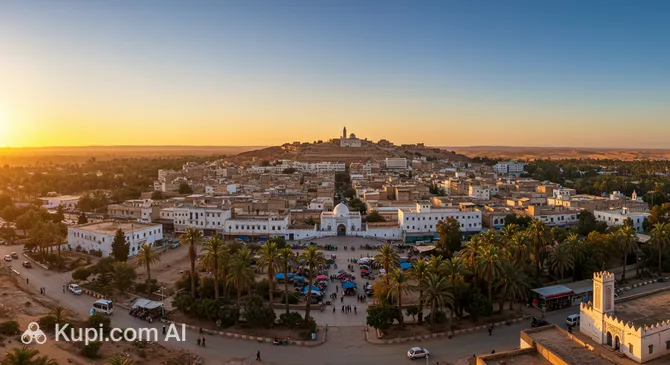
Biskra. Source: Kupi.Binoculars

The city is renowned for its distinct climate, characterized by mild, pleasant winters and hot, sunny summers, making it an ideal destination for travelers seeking winter warmth. The history of Biskra runs deep, dating back to the Roman era when it was known as Vescera. Over the centuries, it has served as a crossroads for various civilizations, writers, and artists who were inspired by its unique light and atmosphere.

Travelers are particularly drawn to Biskra for its agricultural fame; it is the heartland of the world-renowned Deglet Nour dates. Visitors can explore vast palm groves that stretch as far as the eye can see. Among the top attractions is the ancient Hammam Salhine, a Roman thermal bath complex that is still in use today, offering relaxation in its mineral-rich healing waters. For a touch of greenery, the historic Landon Garden (Jardin Landon) provides a tranquil escape with its collection of exotic plants and trees.

Whether you are looking to explore bustling local markets, soak in therapeutic hot springs, or simply admire the stunning desert sunsets, Biskra promises an unforgettable experience. It is a perfect destination for those wishing to discover the authentic charm and warm hospitality of the Algerian Sahara.
Weather Overview

Biskra is known for its arid desert climate, offering visitors distinct seasonal changes that range from intense summer heat to refreshing winter coolness. If you are planning a trip, checking the weather in Biskra is recommended, as temperatures vary significantly throughout the year. Generally, you can expect very hot summers with abundant sunshine and mild, dry winters that are perfect for outdoor exploration.

The summer months constitute the hottest period, with July seeing average temperatures of 34.0°C and daily highs often reaching 40.5°C. August remains similarly hot, making early mornings or late evenings the best times for activities. In contrast, the winter season brings relief; January is the coolest month with an average temperature of 10.8°C and lows dipping to 5.1°C.

Rainfall is minimal year-round, consistent with the region's desert setting. Even during the transition months like March and May, there are typically only about 3 wet days per month. This dry atmosphere ensures that skies remain mostly clear, providing excellent visibility for enjoying the surrounding landscapes.

Interesting Facts

Beyond the well-known palm groves and thermal waters, Biskra holds fascinating cultural and historical secrets that few visitors expect. This desert oasis has long been a muse for artists and a cradle of unique local traditions.

  • A Literary Muse: Biskra was a major source of inspiration for European writers in the early 20th century. The famous French author André Gide wrote his novel The Immoralist while staying here, and the city served as the setting for Robert Hichens' best-selling novel The Garden of Allah, which sparked a tourism boom in the 1900s.

  • The "Nice" of the Desert: During the Victorian era, Biskra was a fashionable winter retreat for European aristocracy, rivaling coastal cities like Nice. Wealthy travelers flocked here to enjoy the dry, healing air, leaving behind a legacy of elegant colonial architecture that still stands today.

  • Home of Doubara: The city is the birthplace of Doubara, a legendary spicy stew made from chickpeas and broad beans. While now popular across Algeria, the authentic version of this fiery dish is a local specialty that is considered a culinary emblem of the region.

  • Translucent Treasure: While the region is known for dates, the local Deglet Nour variety is unique for its translucency. A true high-quality Deglet Nour is so clear that if you hold it up to the sun, you can see the seed inside through the golden flesh.

How to Get There

Reaching the "Queen of the Zibans" is relatively straightforward thanks to its well-connected transport infrastructure. Whether you are arriving from within Algeria or from abroad, you have several options to reach this desert oasis. For a detailed breakdown of all routes and travel tips, you can read more about how to get to Biskra.

The most convenient way to arrive is by flying directly into Biskra Airport (BSK), also known as Mohamed Khider Airport. Located just 6.8 km from the city center, it serves as the primary gateway for visitors. A taxi or shuttle from the airport to downtown Biskra is very quick, typically taking around 15 to 20 minutes. This airport handles a moderate volume of traffic, connecting the region primarily with the capital, Algiers, and select international destinations.

If direct flights are unavailable, travelers often choose to fly into Batna Airport (BLJ), located in the city of Batna, approximately 113 km north of Biskra. The journey by road from Batna takes about 1.5 to 2 hours, offering a scenic drive through the transition from the Aurès Mountains to the Sahara. Another viable option for international travelers is Ain El Bey Airport (CZL) in Constantine. Although it is further away at about 177 km, it is a larger hub with more frequent connections. The drive from Constantine to Biskra takes approximately 2.5 to 3 hours.

For clarity, here is a summary of the main airports serving the region:

Airport Name City Passenger Traffic Km from City
Ain El Bey Airport Constantine High 177.3
Setif Airport Setif Medium 151.4
Biskra Airport Biskra Medium 6.8
Batna Airport Batna Medium 112.8
Guemar Airport El Oued Medium 177.7

While air travel is the fastest method, Biskra is also accessible by road and rail, linking it to major northern cities. Buses and shared taxis (louages) frequently operate between Biskra and neighboring provinces, making overland travel a popular choice for those wishing to see the changing landscapes of Algeria.

Main Attractions

Biskra offers a fascinating array of attractions that blend ancient history, spiritual heritage, and natural beauty. As the gateway to the Sahara, the city invites visitors to explore its lush palm groves, historic religious sites, and therapeutic waters, providing a diverse itinerary for any traveler.

One of the most famous landmarks is the Hammam Salhine, a historical bathhouse that dates back to the Roman era. Located just outside the city, this site is renowned for its natural hot springs, which have been used for healing and relaxation for over two millennia. The architecture is a striking reminder of the region's Roman past, and taking a dip in the mineral-rich waters is a quintessential Biskra experience, allowing tourists to bathe exactly where ancient civilizations once did.

For nature lovers and those seeking tranquility, the Jardin Landon (also known as the Garden of Allah) is an absolute must-see. This botanical garden was established by a French nobleman in the 19th century and serves as a verdant oasis amidst the arid landscape. It houses a remarkable collection of exotic trees and plants acclimated to the desert environment. The garden's peaceful pathways and shaded areas have inspired countless artists and writers, making it a perfect spot for a leisurely afternoon stroll.

A short trip from the city center leads to the Sidi Okba Mosque, a site of immense historical and religious significance. It is the final resting place of Uqba ibn Nafi, the Arab general who brought Islam to North Africa. The mosque complex is one of the oldest in the region and features intricate architectural details, including a beautifully carved cedar wood door. It attracts pilgrims and history enthusiasts alike, offering deep insight into the spiritual heritage of the Maghreb.

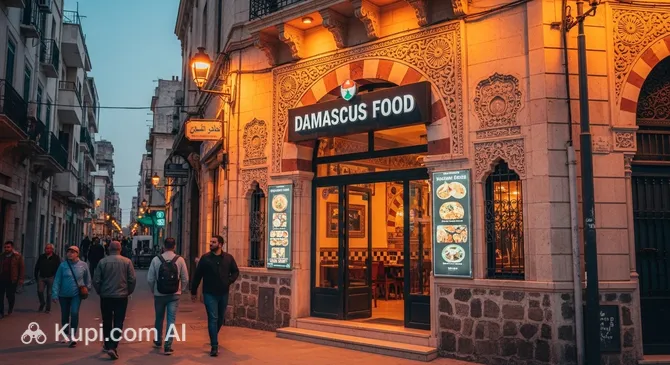
Damascus Food. Source: Kupi.Binoculars

After a day of sightseeing, experiencing the local culinary scene is highly recommended. Damascus Food is a popular stop for those looking to enjoy hearty meals. Whether you are craving traditional flavors or international dishes, this spot provides a welcoming atmosphere to refuel and reflect on the day's adventures in the Zibans.

Local Cuisine

The cuisine of Biskra is a fiery and flavorful reflection of its desert environment, famous throughout Algeria for its generous use of spices and high-quality local ingredients. The food scene here is characterized by hearty, communal dishes that bring people together, blending Berber traditions with the agricultural bounty of the Ziban oases. Visitors should be prepared for meals that pack a punch, as the locals have a deep appreciation for chili peppers and aromatic herbs.

The undisputed king of the local table is Doubara. This spicy stew is more than just a dish; it is a cultural institution in Biskra. Made from chickpeas or fava beans (and sometimes a mix of both), it is simmered in a rich, spicy sauce flavored with garlic, cumin, olive oil, and plenty of harissa. It is typically eaten with fresh bread and is widely available as street food, often enjoyed for breakfast or lunch to provide energy for the day.

Another culinary staple is Chakhchoukha, specifically the Biskra variety known as Chakhchoukha Biskria. This festive dish consists of torn pieces of thin, handmade semolina flatbread (rougag) soaked in a robust red sauce containing lamb, chickpeas, and vegetables like zucchini and carrots. It is traditionally served on large platters to be shared among family and guests, symbolizing the warm hospitality of the region.

No culinary tour of Biskra is complete without tasting the region's "black gold": dates. The city is the capital of the Deglet Nour date, prized globally for its translucent, honey-like flesh. While often eaten plain as a snack or dessert, dates are also used to make various sweets and syrups. For a refreshing local drink, look for Legmi, a sweet sap extracted from the heart of the date palm. It is best enjoyed fresh, often sold by vendors near the palm groves. Traditional mint tea is also ubiquitous, served strong and sweet to balance the heat of the spicy food.

Dining in Biskra ranges from casual street stalls serving quick bowls of Doubara to family-run establishments. The atmosphere is generally informal and welcoming. For those looking to explore a variety of flavors in a comfortable setting, Damascus Food is a popular spot among locals and visitors alike. Whether you are grabbing a quick bite at a market or sitting down for a traditional feast, the gastronomic experience in Biskra is sure to be a highlight of your trip.

Travel Tips

Welcome to Biskra, the radiant gateway to the Sahara! To ensure your journey into the "Queen of the Zibans" is as smooth and enjoyable as possible, we have compiled a set of essential practical tips covering everything from local customs to navigating the desert climate.

  1. Clothing and Gear: Given the arid desert climate, pack lightweight, breathable fabrics like cotton or linen for the daytime heat. However, desert nights can be surprisingly chilly, especially in winter, so bring a warm jacket or layers. As Algeria is a conservative country, modesty is key; both men and women should avoid very short shorts or sleeveless tops. A sturdy pair of walking shoes is essential for exploring the palm groves, and a universal power adapter (Type C or F) will keep your devices charged.
  2. Transportation: The most convenient way to get around Biskra is by taxi. The yellow taxis are plentiful and relatively inexpensive; you can hail them on the street, but it is wise to confirm the fare or ensure the meter is running before you start. Public buses exist but can be crowded and confusing for non-locals. For day trips to surrounding oases or the Ghoufi Canyon, hiring a private driver or renting a car is recommended for flexibility.
  3. Finances: The local currency is the Algerian Dinar (DZD). Biskra is largely a cash-based economy, so do not rely on credit cards, as they are rarely accepted outside of luxury hotels. ATMs are available in the city center, but they may not always work with international cards, so carrying sufficient cash (Euros or Dollars to exchange) is advisable. Tipping is not mandatory but is appreciated in restaurants and for guides.
  4. Health and Safety: Biskra is generally a safe city for tourists, but standard precautions against petty theft should be taken in crowded markets. The main health concern here is the sun and heat; staying hydrated is non-negotiable. Always drink bottled water rather than tap water. Pharmacies are marked with a green cross and are well-stocked, often with staff who can speak French to assist you.
  5. Communication: The primary languages are Arabic (specifically the Algerian dialect, Darja) and French. English is not widely spoken, though younger people may know basic phrases. It is highly recommended to download an offline translation app or learn a few words of French or Arabic. Buying a local SIM card (Mobilis, Ooredoo, or Djezzy) is easy and cheap, ensuring you have data for maps and communication.
  6. Local Etiquette: Algerians are known for their hospitality. When greeting someone, a handshake is common, but wait for a person of the opposite gender to extend their hand first. If you are invited to a local home, remember to remove your shoes at the door. Public displays of affection are frowned upon and should be avoided to respect local norms.
  7. What to Avoid: Avoid taking photographs of government buildings, police checkpoints, or military personnel, as this is strictly prohibited. Additionally, never take photos of locals, especially women, without asking for their explicit permission first, as this is considered very rude.
  8. Local Insight: Embrace the siesta culture. During the scorching summer months, many shops and businesses close from around 1:00 PM to 4:00 PM to escape the peak heat. Plan your outdoor activities for the early morning or late afternoon, and use the midday break to rest or enjoy a long lunch, just like the locals do.

By keeping these tips in mind, you will be well-prepared to immerse yourself in the rich culture and stunning landscapes of Biskra. The city's warm hospitality and golden sunsets await you, promising a travel experience that is both authentic and unforgettable.

Entertainment & Nightlife

Nightlife in Biskra offers a distinct and authentic experience that differs from the bustling club scenes found in Western capitals. Here, the evening entertainment, locally referred to as "Sahra," centers around socializing, gastronomy, and enjoying the cooler air after a hot desert day. The atmosphere is relaxed and family-friendly, with the city coming alive as the sun sets. Instead of loud discotheques, you will find vibrant cafés, busy ice cream parlors, and restaurants filled with locals engaging in lively conversations late into the night.

The heart of this social activity often beats strongest in the city center and along major avenues like the Boulevard de la République and Boulevard Frères Menani. These areas are perfect for an evening stroll (promenade), where you can soak in the local culture. Men often gather in traditional coffee houses to watch football matches or play dominoes, while families and couples enjoy late dinners or sweets in more modern establishments. The dress code is generally casual but conservative; it is respectful to dress modestly when exploring the city at night.

For a taste of the local dining scene, Damascus Food is a popular venue that welcomes guests well into the evening. It is an excellent spot to enjoy hearty meals in a welcoming environment. Another favorite local pastime is visiting modern cafés such as Cafeine Biskra on Boulevard Frères Menani, known for its cozy ambiance, excellent coffee, and delicious pastries. It serves as a community hub where the aroma of roasted beans mingles with the laughter of friends catching up.

Practical advice for enjoying Biskra at night includes timing your outings for after 8:00 PM, especially during the scorching summer months when the city truly wakes up late. Shops and eateries often stay open past midnight. The city is generally safe for walking in well-lit, populated areas, but it is always widely recommended to use yellow taxis for getting around, especially if you are returning to your hotel late. Taxis are affordable and easy to hail, providing a secure way to navigate the streets.

While the nights are for socializing, daytime entertainment in Biskra has its own charm. Visitors can explore the Regional Museum to delve into the area's history or spend a fun-filled day at Aqua Palm, a water park that offers a refreshing escape from the desert heat. For a more cultural experience, the theaters in the city occasionally host local performances, though schedules can be sporadic. Whether day or night, Biskra offers a warm and inviting pace of life.

Parks & Museums

Parks and Museums:

Biskra offers a delightful contrast to its arid surroundings with a selection of lush green spaces and insightful cultural institutions. Visitors can escape the desert heat in shaded botanical gardens or delve into the region's deep historical roots through its well-curated museums. These sites provide a perfect blend of relaxation and education, showcasing the natural beauty and heritage of the Ziban region.

The most famous green retreat in the city is the Jardin Landon, also known as the "Garden of Allah." Created in the 19th century by a French nobleman, this botanical garden serves as a serene sanctuary filled with exotic plants, towering trees, and vibrant flowers that thrive in the microclimate. It is a favorite spot for locals and tourists alike to enjoy a peaceful stroll, read a book, or simply admire the harmonious blend of desert and Mediterranean flora.

For those interested in the area's rich past, the Regional Museum of Biskra (Musée de la Wilaya) is a must-visit. Housed in a building that reflects local architectural styles, the museum displays a fascinating collection of artifacts. Exhibits range from Roman antiquities discovered in the vicinity to ethnographic displays featuring traditional Berber jewelry, clothing, and agricultural tools. It offers a comprehensive overview of the civilizations that have flourished in this part of Algeria over the centuries.

Beyond the formal gardens, the city is surrounded by vast Palm Groves that act as natural parks. Walking through these groves allows visitors to see the famous date palms up close and understand the agricultural heartbeat of the city. For a more dramatic natural experience, a day trip to the nearby Ghoufi Canyons reveals a spectacular landscape of gorges and ancient cliffside settlements, often compared to the Grand Canyon, offering breathtaking views and hiking opportunities.

Getting Around

Navigating Biskra is straightforward and relies primarily on a road-based network, as the city does not have a metro, tram, or train system for urban transit. The public transport infrastructure consists mainly of buses and minibuses that connect the city center with various neighborhoods and suburban areas. For tourists, the system is relatively informal compared to European standards, but it is efficient enough for getting around the main districts.

The most common form of mass transit is the bus network, operated by both the public entity (ETUSB) and private owners. You will often see smaller white or yellow minibuses zipping through the streets; these are popular with locals for their frequency and speed. Stops are not always clearly marked with signage, so it is common practice to wave a bus down or ask locals where the nearest boarding point is. These buses can get quite crowded during peak hours, particularly in the mornings and late afternoons.

Regarding payment, Biskra operates almost exclusively on a cash basis. There are no digital travel cards, mobile apps, or electronic passes for tourists. You simply pay the fare directly to the driver or a conductor (receveur) upon boarding or taking your seat. Fares are extremely affordable, typically costing just a few dinars per ride. It is essential to carry small change (coins), as drivers may not always have change for large banknotes.

For most visitors, the most convenient and comfortable alternative to buses is the taxi. Recognizable by their yellow color, taxis are ubiquitous and offer a flexible way to travel door-to-door. They are generally very cheap compared to international standards. While many taxis are equipped with meters, it is advisable to ensure the driver turns it on at the start of the journey. If the meter is not used, agree on a fare before getting in to avoid misunderstandings. Ride-sharing apps are not widely established here, so flagging down a yellow taxi on the street is the standard method.

Walking is also a viable option for exploring the compact city center, where many shops, markets, and cafés are clustered together. However, due to the desert heat, walking long distances is best avoided during the midday sun. If you plan to visit attractions on the outskirts, such as the thermal baths or palm groves, hiring a taxi for a round trip or renting a car provides the most freedom and comfort.

Accommodation

Biskra offers a modest but welcoming selection of accommodation that caters primarily to desert explorers, families, and health tourists. The options generally range from budget-friendly guesthouses to mid-range establishments and renowned thermal resorts. Unlike the capital or major coastal cities, you will not find many ultra-luxury international hotel chains here. Instead, the hospitality scene is dominated by locally run hotels and state-owned facilities that often possess a distinct vintage charm and traditional architecture.

When choosing where to stay, most travelers decide between two main areas depending on the nature of their trip. The city center is the most convenient location for those who want to be within walking distance of the bustling markets, transport hubs, and local restaurants. Alternatively, the area around Hammam Salhine, located a few kilometers outside the urban core, is particularly popular with visitors seeking relaxation. Staying in this zone offers a quieter atmosphere and often provides direct access to the famous thermal baths and spa facilities amidst the palm groves.

While the city does not have a vast array of five-star resorts, it is well-known for its thermal complexes which function as hotels, allowing guests to soak in healing mineral waters right on the premises. There are also several classic hotels dating back to the post-independence era that feature spacious gardens and swimming pools, providing a cool and refreshing retreat from the intense desert sun.

Booking Tip: Biskra is a prime winter destination due to its mild and sunny climate. If you plan to visit between November and March, or during Algerian school holidays, it is highly advisable to book your accommodation well in advance. During these peak periods, the best rooms—especially those in thermal resorts—tend to fill up quickly with domestic tourists.

The general price range in Biskra is very affordable compared to international standards, with most options falling into the budget to mid-range category. regarding booking methods, while a few larger hotels appear on major online booking platforms, many smaller establishments still rely on direct phone reservations or walk-ins. It is important to note that credit card terminals are not always available or reliable; travelers should be prepared to pay for their stay in cash (Algerian Dinars) upon arrival.

Nearby Cities

Nearby Cities:

Biskra serves as a strategic crossroads between the vast Sahara Desert to the south and the mountainous regions to the north. Its location allows travelers to easily explore neighboring provinces that offer starkly different landscapes and climates. While Biskra is the "Queen of the Zibans," a short journey north takes you into the heart of the Aurès Mountains and the high plateaus, providing a diverse travel experience within a relatively small radius.

The most significant nearby destination is Batna, located approximately 86 km to the north. Known as the capital of the Aurès, Batna offers a refreshing contrast to Biskra's desert heat with its cooler, mountainous climate and cedar forests. It is a crucial stop for history buffs, serving as the gateway to the magnificent Roman ruins of Timgad and Lambaesis. The drive between the two cities is scenic, transitioning from golden dunes and palm groves to rugged mountain peaks.

Further afield lies Setif, situated about 151 km away on the high plains. It is one of Algeria's most important commercial and cultural hubs, famous for its Park Mall and the iconic Ain Fouara fountain. Nearby, the city of El Eulma is renowned across the country for its massive wholesale market, attracting traders and shoppers from all over. To the west, M'Sila offers its own unique charm, anchored by the Hodna region and the historic Kalaa of Beni Hammad.

Here is a breakdown of the major cities surrounding Biskra, including their distance and population:

City Population Distance (km)
Batna 290,645 86
El Eulma 155,038 144
M'Sila 150,000 146
Setif 288,461 151
Bordj Bou Arreridj 168,346 161

Shopping & Souvenirs

General Overview: Shopping in Biskra is a vibrant experience that immerses visitors in the culture of the Ziban region. Unlike the massive commercial hubs of the north, the retail scene here is characterized by a charming mix of traditional souks, bustling street vendors, and modern boutiques. The city is world-famous for its agriculture, so naturally, food products—specifically dates—take center stage. Visitors can expect a friendly atmosphere where bargaining is often part of the exchange, especially in traditional markets.

Main Shopping Areas: The heartbeat of the city's commercial activity is the City Center (Centre Ville). Here, the streets are lined with a variety of shops selling clothing, shoes, and electronics. The Boulevard de la République and the surrounding avenues are particularly lively, offering a pleasant environment for a walking shopping tour. In the evenings, these streets fill with locals, creating a dynamic atmosphere perfect for window shopping and soaking in the local vibe.

Shopping Malls: Travelers should note that Biskra does not feature large, western-style mega-malls. Instead, the modern shopping experience is found in smaller commercial galleries and arcades scattered throughout the city center. These multi-story buildings typically house independent boutiques selling fashion, cosmetics, and household goods, offering a cool respite from the outdoor heat.

Markets: The soul of Biskra's shopping is undoubtedly its markets. The Central Market is a sensory delight, overflowing with fresh fruits, vegetables, and aromatic spices that define Algerian cuisine. For a truly unique experience, visitors must seek out the local date markets, especially during the harvest season in autumn. Here, you can find the famous "Date Souk" where traders display mountains of golden dates, allowing you to sample different varieties before buying.

Souvenirs: The ultimate souvenir from Biskra is a box of high-quality Deglet Nour dates, often referred to as "fingers of light" for their translucency. Beyond dates, look for Rob (date syrup), which is a local specialty. Handicrafts made from palm leaves, such as baskets and hats, are also popular and authentic gifts. Additionally, the region's proximity to the Aurès Mountains means you can often find beautiful traditional Berber rugs and jewelry.

Opening Hours and Payment: Stores generally open around 9:00 AM and stay open until late in the evening. However, it is important to remember the "siesta" culture; many smaller shops and market stalls may close between 1:00 PM and 4:00 PM to avoid the peak afternoon heat, reopening as the temperature drops. As for payment, cash is king in Biskra. Credit cards are rarely accepted outside of high-end hotels, so always carry sufficient Algerian Dinars, especially when visiting markets.

Tax-Free: Tax-free shopping or VAT refund schemes for tourists are not currently available or operational in Biskra. Visitors should expect to pay the marked price, which is inclusive of all local taxes.

Reached the end of the page?

That means the route is fully explored