Support

Tebessa

About

Welcome to Tebessa, a captivating city located in the northeastern corner of Algeria. Known for its remarkable archaeological wealth, this city serves as a living museum where ancient heritage seamlessly blends with the rhythm of modern daily life. As the capital of the Tebessa Province, it acts as an important cultural and economic hub near the Tunisian border, offering travelers a unique glimpse into the region's storied past.
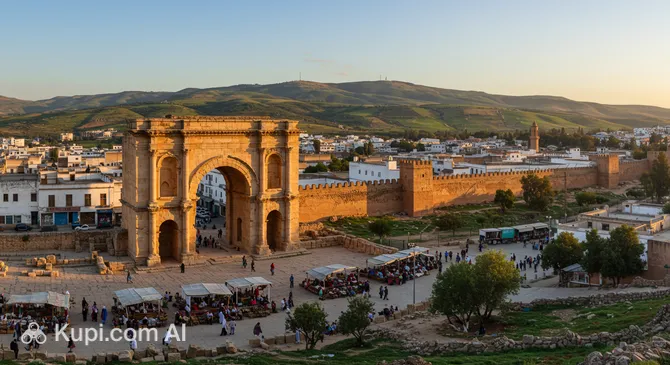
Tebessa. Source: Kupi.Binoculars

Geographically, Tebessa is situated in a region characterized by high plains and a semi-arid climate, providing a distinct backdrop for its impressive monuments. With a population of approximately 194,000 inhabitants, it is a bustling urban center that retains a welcoming and authentic atmosphere. The city's strategic location has made it a crossroads of civilizations for centuries, contributing to its diverse and layered identity.

The history of Tebessa is deeply rooted in antiquity, dating back to when it was known as Theveste. It was a prominent settlement during the Roman era and later became a significant stronghold in the Byzantine period. Today, history enthusiasts can walk through streets that still echo the grandeur of these ancient empires, making it a must-visit destination for anyone interested in archaeology and classical architecture.

Among the city's most celebrated attractions is the magnificent Arch of Caracalla, a Roman triumphal arch that stands as a testament to the city's former glory. Another jewel is the Temple of Minerva, one of the best-preserved Roman temples in North Africa, which now houses a museum. Visitors are also drawn to the imposing Byzantine walls that encircle parts of the old city, offering a tangible connection to the defensive architecture of the past.

Whether you are an avid historian or simply a curious traveler, Tebessa promises an unforgettable journey through time. Its combination of monumental ruins, local hospitality, and scenic landscapes makes it a hidden gem worth exploring on your Algerian adventure.

Weather Overview

Tebessa experiences a climate characterized by distinct seasonal contrasts, offering travelers a mix of hot summers and cool winters. Expect high temperatures during the middle of the year and crisp, chilly days during the winter months. For precise planning, it is helpful to check the current weather in Tebessa before your trip. Generally, the region remains quite dry, though specific times of the year see a slight increase in wet days.

The summer season, particularly from June to August, is the warmest period. July is typically the hottest month, with an average temperature of 27.5°C and daytime highs often reaching 35.4°C. This season is perfect for those who enjoy the heat, as rain is very rare. In contrast, the winter months bring significantly cooler weather. January is usually the coldest time, with averages around 6.6°C and nighttime lows dipping to 1.5°C.

Spring serves as a transition period with moderate temperatures; for example, April sees an average of 13.7°C. While overall precipitation volume is low throughout the year, the spring months of March and April tend to have the highest frequency of rain, recording up to 9 wet days per month. Travelers visiting during this time should be prepared for variable conditions.

Interesting Facts

Beyond the main attractions, Tebessa holds many fascinating secrets that reveal the depth of its heritage within Algeria. The city’s long timeline has left behind curious details and unique features that often surprise visitors.

  • The magnificent Temple of Minerva owes its exceptional survival to its adaptability. Over the centuries, this ancient structure was repurposed for various daily uses, including serving as a soap factory, a canteen, and a church, which inadvertently helped preserve it from the ruin that befell other monuments.

  • The formidable Byzantine citadel, often referred to as Solomon's Walls, was constructed with remarkable speed using materials "borrowed" from earlier Roman buildings. If you look closely at the masonry, you can spot fragments of ancient columns and inscribed stones embedded directly into the defensive fortifications.

  • Tebessa is home to the ruins of a vast Paleo-Christian basilica, considered one of the largest and most complex in North Africa. Dating back to the 4th century, the site includes a sunken chapel, baptisteries, and even stables, highlighting the city's major religious significance in antiquity.

  • In ancient times, the region around Theveste was an agricultural powerhouse, particularly famous for its olive oil production. The area was a key supplier for the Roman Empire, and archaeologists have discovered numerous ancient oil presses scattered throughout the surrounding countryside.

How to Get There

Reaching this historic city requires a bit of planning, as it is located inland near the eastern border. While the journey may involve a combination of flights and road travel, the scenic landscapes of the high plains make the trip worthwhile. For a comprehensive guide on all available transport options, you can read more about how to get to Tebessa to help organize your itinerary.

The city of Tebessa does not have a major international airport within its immediate vicinity. Travelers typically fly into larger regional hubs and complete the journey by road. One of the most convenient options is Les Salines Airport (AAE) located in Annaba, approximately 161 km away. From there, a taxi or bus ride to Tebessa takes about 4 hours and 20 minutes. Another significant gateway is Ain El Bey Airport (CZL) in Constantine. Situated roughly 167 km from the city, this airport handles a larger volume of passengers. The ground transfer from Constantine to Tebessa generally takes around 4 hours and 30 minutes, offering a route through the diverse Algerian terrain.

For clarity, here is a summary of the main airports in the wider region:

Airport Name City Passenger Traffic Km from City
Ain El Bey Airport Constantine High 166.5
Enfidha - Hammamet International Airport Sousse High 222.9
Les Salines Airport Annaba Medium 160.8
Batna Airport Batna Medium 168.5
Tozeur Airport Tozeur Small 162.1

Since direct rail connections for tourists are limited or may not be the most practical option depending on your schedule, most visitors rely on the road network. Shared taxis (louages) and intercity buses are popular and affordable ways to travel between Tebessa and the major cities mentioned above. It is advisable to check current schedules locally upon arrival at the airport.

Main Attractions

Tebessa is often described as an open-air museum, offering a dense concentration of historical sites that rival some of the most famous archaeological destinations in North Africa. The city’s ancient structures are not just fenced-off ruins; they are woven into the fabric of the modern town, allowing visitors to walk in the footsteps of Romans and Byzantines. Exploring these monuments provides a vivid picture of the region's importance as a strategic crossroads in antiquity.

The most iconic landmark in the city is the Arch of Caracalla. Built around 214 AD, this four-sided Roman triumphal arch is remarkably well-preserved and stands as a testament to the architectural prowess of the era. Dedicated to the Emperor Caracalla, it originally served as a grand entrance to the city. Its intricate stone carvings and imposing structure make it a favorite subject for photographers and history buffs alike, offering a perfect example of the grandeur that once defined the ancient city of Theveste.

Located within the fortified walls of the citadel is the Temple of Minerva. Dating back to the 3rd century, this elegant structure is one of the few Roman temples in the region that has remained largely intact. Throughout history, it has served various purposes, from a place of worship to a soap factory, which ironically helped in its preservation. Today, it houses a small museum displaying mosaics and artifacts found in the area, allowing tourists to admire both the building's exterior beauty and the treasures held within.

Surrounding the old heart of the city are the imposing Byzantine Walls, often referred to as Solomon's Walls. Constructed in the 6th century during the reign of Emperor Justinian, these fortifications were built to protect the city from local unrest. The walls stretch for over a kilometer and feature massive square towers and gates. Walking along the perimeter gives visitors a sense of the city's military significance and offers excellent views of the surrounding modern and ancient architecture.

Another significant site is the Paleo-Christian Basilica, situated just outside the main citadel. This vast complex, dating from the 4th century, is one of the most important early Christian sites in North Africa. The ruins include a large church, a baptistery, and catacombs. It is a fascinating spot for those interested in religious history, offering a quiet and atmospheric setting to explore the remnants of grand columns, staircases, and underground chambers.

Local Cuisine

The culinary landscape of Tebessa offers a flavorful journey into the heart of Eastern Algerian traditions, heavily influenced by the region's Chaoui heritage. The local food is known for being hearty, spicy, and generous, reflecting the agricultural abundance of the high plains. Visitors will find that meals here are not just about sustenance but are a warm expression of hospitality, often centered around communal dining and fresh, locally sourced ingredients.

One dish that stands out in this region is Chakhchoukha. This savory meal consists of torn pieces of thin, handmade flatbread soaked in a rich, spicy tomato-based stew, typically cooked with lamb, chickpeas, and vegetables. It is a staple for celebrations and family gatherings. Another must-try is the traditional Couscous, which in Tebessa is often prepared with a distinct regional touch, sometimes featuring a reddish sauce spiced with harissa, owing to the city’s proximity to the Tunisian border.

For a quick and authentic bite, the street food scene offers delicious options like Mhadjeb. These are flaky, semolina-based crepes stuffed with a mixture of onions, tomatoes, and spices, grilled to perfection on a flat hotplate. You will also find plenty of vendors selling grilled meats, particularly lamb chops and kebabs (brochettes), which are seasoned simply to highlight the quality of the meat and served with fresh bread.

No meal in Tebessa is complete without the traditional beverage of choice: Mint Tea. Served hot and sweet, it is poured from a height to create a frothy top and is enjoyed throughout the day as a social ritual. Coffee is also extremely popular in local cafes. To accompany these drinks, you might try local sweets such as Makroud, a diamond-shaped semolina pastry filled with dates and soaked in honey, which perfectly balances the savory flavors of the main courses.

Dining in Tebessa ranges from casual street-side eateries to modest traditional restaurants. While the city does not have a vast array of high-end international dining establishments, the local spots offer an authentic atmosphere where you can eat like a local. Markets are often the best places to discover fresh produce and aromatic spices, giving you a sense of the ingredients that form the backbone of this rich culinary culture.

Travel Tips

Exploring Tebessa is a rewarding experience, but like many destinations in the Algerian interior, a little local know-how goes a long way. These practical tips will help you navigate the city with ease, ensuring you can focus on the stunning archaeology and warm hospitality without worry.

  1. Clothing and Gear: Tebessa is a conservative city, so it is respectful to dress modestly. Both men and women should avoid very short shorts or sleeveless tops; covering shoulders and knees is the norm. Since you will likely spend hours walking through the Arch of Caracalla and the Byzantine walls, sturdy, comfortable walking shoes are essential. If you visit in winter, bring a warm jacket, as the high plains can get surprisingly cold, especially in the evenings.

  2. Transportation: The most convenient way to get around the city is by using the local yellow taxis. They are abundant, affordable, and can be hailed directly from the street. Ride-hailing apps are not widely established here, so cash payment for taxis is standard. For the main archaeological sites within the city center, walking is often the best option to soak in the atmosphere.

  3. Finances: The local currency is the Algerian Dinar (DZD). Tebessa is primarily a cash-based economy; credit cards are rarely accepted in local shops or small restaurants. It is crucial to carry sufficient cash. While there are ATMs, they may not always accept all international cards, so exchanging money at a bank or an official exchange office upon arrival in the country is recommended. Tipping is not mandatory but is appreciated for good service.

  4. Health and Safety: Pharmacies are common and easily recognized by a green cross sign; many pharmacists speak French and can offer advice for minor ailments. It is advisable to drink bottled water rather than tap water to avoid any stomach issues. The city is generally safe for tourists, but standard precautions apply: avoid poorly lit areas at night and keep your valuables secure in crowded markets.

  5. Communication: The main languages spoken are Arabic (local dialect) and French. English is not widely spoken outside of major hotels or among the younger generation. Learning a few basic phrases in French or Arabic, such as greetings and numbers, will be very helpful. Buying a local SIM card (Mobilis, Djezzy, or Ooredoo) is easy and affordable, providing you with reliable mobile data for maps and translation apps.

  6. Local Etiquette: Algerians are very hospitable and polite. When greeting someone, a handshake is common, often followed by touching your hand to your heart. Always use your right hand for eating or handing money to someone. If you are invited to a local's home, removing your shoes at the door is the standard custom.

  7. What to Avoid: strictly avoid taking photographs of police officers, military personnel, or government buildings, as this is prohibited and can lead to serious misunderstandings. Additionally, public displays of affection are culturally inappropriate and should be avoided to respect local norms.

  8. Additional Tip: Keep in mind that Friday is the holy day in Algeria. Many shops, museums, and services may be closed or have limited hours, particularly around midday prayer times. Plan your itinerary to visit outdoor ruins or relax on Fridays, and save shopping for the rest of the week.

With these preparations in mind, you are ready to uncover the secrets of ancient Theveste without any hassles. Embrace the local culture, enjoy the timeless ruins, and have a wonderful trip to this historic corner of Algeria.

Entertainment & Nightlife

Nightlife in Tebessa offers a distinct departure from the bustling club scenes found in larger coastal cities. Here, the evening entertainment is deeply rooted in social connection, culinary traditions, and a relaxed atmosphere. Instead of noisy nightclubs or discos, the city comes alive after sunset with families and friends gathering in vibrant cafes, restaurants, and public squares. The vibe is authentic and conservative, focusing on conversation over mint tea and hearty local meals, making it a perfect setting for travelers looking to experience the true rhythm of Algerian life.

The heart of the city's evening activity is concentrated in the downtown area and the streets surrounding the ancient monuments. As the heat of the day subsides, locals flock to popular dining spots to enjoy a late dinner. One of the most recommended venues is Chef Chem, a restaurant known for its sophisticated yet family-friendly atmosphere. It serves a mix of local Algerian and broader Arab cuisine, making it a great spot to experience the local flavor in a comfortable setting. Another favorite is Restaurant Saragossa, located in the city center. It is celebrated for its traditional dishes, including couscous and grilled meats, offering a warm environment that reflects the hospitality of the region.

For those who prefer a casual evening stroll, the area around the Byzantine Walls and the Arch of Caracalla takes on a magical quality at night. While you won't find loud music venues here, the illuminated ancient stones provide a dramatic backdrop for a peaceful walk. The local culture places a high value on these evening promenades, where people watch the world go by and enjoy the cooler air. Small cafes and tea houses dot these neighborhoods, serving as the primary social hubs where men gather to watch football matches or discuss daily events over strong coffee.

Travelers should be aware that Tebessa is a traditional city, and the sale of alcohol is quite limited and generally restricted to specific high-end hotels or discreet bars, if available at all. The dress code remains modest even at night; smart-casual attire is appropriate for restaurants. The best time to head out is around 8:00 PM, when the streets are liveliest. For transportation, it is advisable to use the yellow taxis rather than walking long distances alone late at night. Taxis are affordable and readily available, providing a safe and convenient way to return to your accommodation.

While the nights are quiet and relaxed, the daytime offers its own array of entertainment. History buffs can explore the open-air museum of the Theveste ruins, which include the magnificent Temple of Minerva and the Roman amphitheater. For families, there are small amusement parks and green spaces where children can play. The city’s museums also offer a fascinating break from the sun, showcasing mosaics and artifacts that tell the story of this ancient crossroads of civilizations.

Parks & Museums

While Tebessa is primarily celebrated for its monumental architecture and ancient ruins, the city also offers spaces where culture and nature intersect. The local approach to leisure often combines history with relaxation, resulting in green spaces that sit in the shadow of Roman walls and museums that are housed within the very monuments they interpret. For visitors, this creates a unique opportunity to enjoy the outdoors while remaining immersed in the region's deep heritage.

For a breath of fresh air within the city limits, the Tebessa Public Garden (Jardin Public) is a favorite among locals. Situated near the city center, this green oasis provides a welcome contrast to the stone-dominated urban landscape. It features well-maintained paths, shaded seating areas, and a variety of local flora. It is an excellent spot for a quiet afternoon stroll or a picnic, offering a glimpse into the daily social life of the city's residents who gather here to relax and escape the midday sun.

Families traveling with children might enjoy a visit to the Tebessa Amusement Park (Parc de Loisirs). Located on the outskirts of the city, this park offers a mix of green spaces and entertainment facilities. With its rides, play areas, and open lawns, it serves as a modern recreational hub where tourists can mingle with local families. The park is particularly lively in the evenings and on weekends, providing a cheerful atmosphere and a break from serious historical sightseeing.

When it comes to museums, Tebessa’s offerings are intimately tied to its archaeological identity. The most significant venue is the Temple of Minerva Museum. Unlike traditional museums housed in modern buildings, this collection is displayed inside one of the best-preserved Roman temples in North Africa. Visitors can admire a curated selection of ancient mosaics, oil lamps, and statues discovered in the region. The setting itself enhances the experience, allowing you to view artifacts within the context of the civilization that created them.

Another key cultural site is the Open-Air Museum of the Theveste Basilica. While technically an archaeological site, the complex functions as a vast outdoor museum. As you navigate through the ruins of the Paleo-Christian basilica, you will encounter informative displays of architectural fragments, inscriptions, and sarcophagi. This site effectively tells the story of the transition from Roman to Byzantine rule and the rise of Christianity in the region, offering a tangible history lesson under the open sky.

For a truly authentic experience, take a walk along the perimeter of the Byzantine Walls at sunset. While not a formal park, the green belt and pathways surrounding these massive fortifications offer some of the best views in the city. It is a peaceful area where the scale of the history becomes apparent, and you can often find local elders sharing stories, adding a layer of oral history to the visual grandeur of the stones.

Getting Around

Navigating Tebessa is relatively straightforward, as the city relies on a simple, road-based public transport network. Unlike larger metropolises with complex metro or tram systems, this historic city depends primarily on buses and taxis to move its residents and visitors around. The system is functional and affordable, offering an authentic glimpse into local daily life, though it may require a bit of patience during peak hours.

The backbone of the public transport system consists of urban buses managed by the local public transport enterprise (ETUST) and a fleet of privately owned minibuses. The public buses are generally larger and follow fixed routes connecting the city center with residential neighborhoods and suburbs. Private minibuses, often white or orange, are more agile and frequent, stopping on demand along established lines. These are a popular choice for locals due to their speed and coverage of areas where larger buses might not go.

For tourists, the most convenient and comfortable option is the iconic yellow taxi. These cars are ubiquitous on the streets and can be easily hailed with a wave of the hand. Unlike in some capital cities where ride-hailing apps are dominant, the traditional street-hail method remains the standard here. Taxis are ideal for reaching specific landmarks like the Byzantine walls without navigating bus routes. While many taxis are equipped with meters, it is common practice to agree on a fare before starting the journey or to pay a standard flat rate for short trips within the city limits.

The payment system across all modes of transport is exclusively cash-based. There are no travel cards, digital passes, or mobile payment options for public transit in the city. Fares are extremely low by international standards. You simply pay the driver or the conductor upon boarding the bus or at the end of your taxi ride. It is highly recommended to carry small change and coins, as drivers may not always have change for large banknotes.

Regarding operating hours, public transport is most reliable during daylight hours, typically running from early morning until the early evening. Bus services tend to taper off significantly after sunset. If you plan to dine out late or explore the city in the evening, relying on taxis is the safest and most practical choice. Walking is also a viable and pleasant alternative for getting around the compact city center, where many of the ancient ruins and markets are clustered close together.

While car rentals are available, they are generally not necessary for exploring the city itself due to the density of the downtown area and potential parking challenges. However, if you wish to venture into the surrounding countryside, renting a car can provide flexibility. For most short city hops, sticking to yellow taxis and walking remains the most stress-free way to experience the charm of Tebessa.

Accommodation

Finding accommodation in Tebessa is a straightforward experience, though travelers should manage their expectations regarding variety. Unlike the coastal tourist hubs of Algeria which boast sprawling resorts, Tebessa’s hospitality scene is more modest and functional. The city primarily offers a selection of independent hotels ranging from budget-friendly guesthouses to comfortable mid-range establishments. These options are generally clean and welcoming, catering largely to history enthusiasts and business travelers passing through the region.

The most convenient area to base yourself is undoubtedly the city center (Centre Ville). Staying here places you within walking distance of the city's spectacular archaeological sites, such as the Arch of Caracalla and the Byzantine Walls. Being in the downtown area also provides easy access to local restaurants, cafes, and taxi stands, making it simple to explore the city without the need for a rental car. The atmosphere in the center is lively but traditional, offering an authentic slice of daily life right on your doorstep.

When it comes to booking, it is important to note that Tebessa is still developing its digital tourism infrastructure. While a few larger hotels may appear on international booking platforms, many smaller, locally-run establishments do not have an online presence. For these places, booking is often done via phone or simply by walking in upon arrival. If you are visiting during a national holiday or a local festival, it is a good general tip to try and secure a reservation in advance through a local contact or travel agency to ensure availability.

Travelers will find that accommodation prices in Tebessa are generally budget-friendly compared to the capital or major coastal cities. Luxury pricing is virtually non-existent here, as the focus is on providing essential comforts rather than opulence. Be prepared to pay in cash (Algerian Dinar), as credit card facilities are rare at hotel front desks. Regardless of where you stay, the warm hospitality of the staff often makes up for the lack of five-star amenities, ensuring a pleasant and authentic stay in this historic city.

Nearby Cities

Situated in the far northeast of the country, Tebessa serves as a strategic gateway between the high plains and the Tunisian border. While it is somewhat removed from the capital, its location places it within reach of several other significant Algerian destinations. Travelers willing to venture a few hours by road can explore a diverse range of landscapes, from the Mediterranean coastline to the rugged Aurès Mountains and the edges of the Sahara.

One of the most prominent cities nearby is Constantine, located approximately 170 km to the west. Known as the "City of Bridges," it offers a dramatic contrast to the plains of Tebessa with its deep gorges and suspended crossings. For those seeking the sea, the coastal city of Annaba is about 169 km to the north. It is famous for its beautiful beaches and the historic Basilica of St. Augustine, making it a perfect spot for a weekend getaway.

To the southwest lies Batna, the capital of the Aurès region. Situated around 178 km away, it is the primary base for visiting the expansive Roman ruins of Timgad. Further south, the landscape transforms dramatically as you approach Biskra. Known as the "Gateway to the Desert," this city offers lush palm groves and a warm, arid climate, providing a completely different experience from the cooler high plateaus.

Here is an overview of the major cities in the vicinity of Tebessa, along with their approximate distances and population sizes:

City Name Approx. Distance (km) Population
Annaba 169 257,359
Constantine 170 448,374
Batna 178 290,645
Skikda 195 163,318
Biskra 226 204,661

Shopping & Souvenirs

Shopping in Tebessa offers a distinctively authentic experience that stands apart from the glossy commercialism of modern tourist hubs. Rather than sprawling luxury malls, the city invites visitors to explore a world of traditional craftsmanship and bustling local commerce. The shopping scene here is deeply connected to the region's heritage, where ancient artisan skills are still practiced, and the exchange of goods is a social affair. Visitors can expect to find unique handmade items that reflect the rich Berber and Chaoui culture of the Nememcha region.

The primary shopping destination is the City Center (Centre Ville). This downtown area is a lively grid of streets lined with small boutiques, family-run shops, and kiosks. Here, you can find everything from modern clothing and shoes to household goods and fabrics. Walking through these streets provides a genuine feel for the local lifestyle, as residents go about their daily errands. The atmosphere is vibrant, especially in the late afternoon when the heat subsides and the streets fill with shoppers.

While Tebessa does not feature massive international shopping malls, it has several smaller shopping galleries and arcades scattered throughout the city center. These multi-story buildings typically house a collection of independent stores selling fashion, cosmetics, and electronics. They offer a more modern, air-conditioned alternative to street-side shopping, though they still retain a local charm and scale that is far removed from the mega-complexes found in the capital.

For a truly immersive experience, the local markets (souks) are unmissable. The central market is a sensory delight, overflowing with mounds of fresh spices, seasonal fruits, and vegetables brought in from the surrounding high plains. It is also the best place to find traditional food items like dates, olive oil, and semolina. Weekly markets held on the outskirts of the city are also significant events, attracting traders from across the province who come to sell livestock, wool, and bulk goods.

When it comes to souvenirs, Tebessa is famous for its exceptional carpets and rugs. The region is known for the "Nememcha" style, characterized by heavy wool, vibrant colors, and intricate geometric patterns that tell stories of tribal identity. Another prized local product is the Kachabia, a traditional hooded cloak made of pure wool, perfect for the cold winters of the high plateaus. You may also find beautiful silver jewelry and traditional pottery that make for meaningful keepsakes.

Opening hours in Tebessa generally follow a split schedule. Shops typically open around 9:00 AM, close for a long lunch break and midday prayers from around 12:30 PM to 3:00 PM, and then reopen until late in the evening, often as late as 8:00 PM or 9:00 PM. It is important to note that Friday is the holy day, and most businesses will be closed, particularly in the morning. Payment is almost exclusively in cash (Algerian Dinar). Credit cards are rarely accepted in shops or markets, so ensure you have sufficient local currency on hand. Haggling is common and expected in the markets, but less so in fixed-price boutiques.

Regarding tax-free shopping, tourists should be aware that a VAT refund system is generally not available or operational for visitors in Tebessa. The shopping economy here is traditional and largely cash-based, so you should not expect to claim tax back on your purchases at the airport.

Reached the end of the page?

That means the route is fully explored