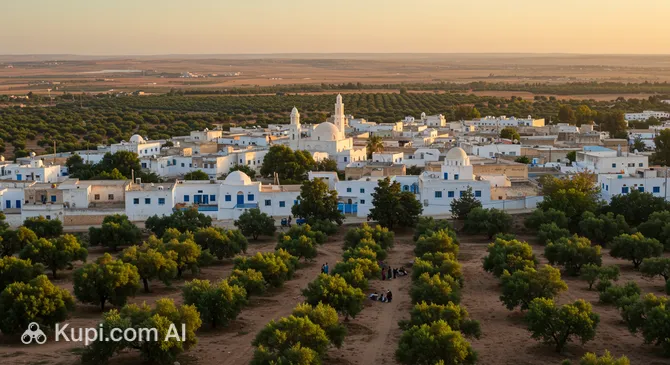
Shopping in Enfidha offers a distinctly local and authentic experience, far removed from the commercialized atmosphere of the large tourist resorts. Visitors should not expect high-end fashion boutiques or sprawling retail complexes within the town itself. Instead, the shopping scene here is centered around daily necessities and traditional commerce, providing a genuine glimpse into the everyday lives of the residents in this part of Tunisia.
The main commercial activity is concentrated along the town's central thoroughfares and the streets surrounding the main square. Here, you will find small, family-run shops selling everything from clothing and shoes to household goods and electronics. These streets are perfect for picking up basic supplies, snacks, or bottled water at local prices. There are also several pâtisseries where you can buy fresh bread and traditional Tunisian sweets, which are often of excellent quality and much cheaper than in the hotel zones.
Regarding shopping malls, Enfidha does not possess any modern shopping centers or department stores. Travelers looking for international brands, luxury fashion, or a comprehensive mall experience should head to the nearby city of Sousse. The Mall of Sousse, located about 30 minutes away by car, is the largest shopping center in the region and offers a wide range of international franchises, a hypermarket, and entertainment facilities. Alternatively, the duty-free shops at the Enfidha-Hammamet International Airport provide a convenient option for last-minute luxury purchases like perfumes and chocolates before departure.
The highlight of the local shopping scene is undoubtedly the weekly market (Souk). Held in the open air, this market transforms a part of the town into a vibrant and chaotic hub of activity. It is the best place to immerse yourself in the local culture. Stalls are piled high with seasonal fruits and vegetables, mounds of aromatic spices, second-hand clothing (known locally as fripe), and livestock. It is a sensory experience where bargaining is the norm, and it offers a chance to buy fresh local produce directly from farmers.
For souvenirs, Enfidha is situated in the heart of the Sahel region, which is famous for its olive groves. Consequently, olive oil is one of the best items to purchase here; look for locally pressed, high-quality oil in the town's grocery stores or at the market. You can also find traditional pottery and ceramics, which are practical and decorative. Spicy harissa paste, a staple of Tunisian cuisine, makes for an excellent and portable edible souvenir to bring the flavors of the region home.
Opening hours in Enfidha generally follow the traditional rhythm of the country. Shops typically open around 8:00 AM or 9:00 AM and stay open until 7:00 PM or 8:00 PM. However, it is common for smaller independent shops to close for a lunch break between 1:00 PM and 3:00 PM, especially during the hot summer months. On Fridays, some shops may close for the midday prayer.
Payment is almost exclusively cash-based in the town center. While the airport and large hotels accept credit cards, small shops, market stalls, and cafés in Enfidha operate on Tunisian Dinars (TND). It is essential to carry sufficient cash in small denominations, as vendors often struggle to make change for large bills. ATMs are available in the town for withdrawals.
Tax-free shopping is not available within the local shops of Enfidha. The VAT refund system is generally applicable only in larger stores that cater to tourists and display the "Tax Free" sign, which are virtually non-existent in this small town. Tourists wishing to claim tax refunds should do so for purchases made in major outlets in Sousse or Tunis, processing the paperwork at the customs office at the airport upon leaving the country.