Support

Sfax

About

Often referred to as the hardworking counterpart to the country's resort towns, Sfax is a bustling port city that offers a deeply authentic travel experience. As the second-largest city in Tunisia, it serves as a vital economic heartbeat for the nation, yet it remains surprisingly untouched by mass tourism. This allows visitors to witness genuine local life, bustling markets, and a vibrant atmosphere that defines this coastal metropolis.

Geographically, Sfax is situated on the Gulf of Gabès along the eastern Mediterranean coast. Its strategic location has made it a major hub for commerce and fishing, particularly known for its high-quality olive oil and fresh seafood. With a population of approximately 272,000 residents, the city balances its industrial significance with a warm, Mediterranean climate, making it a lively destination throughout the year.
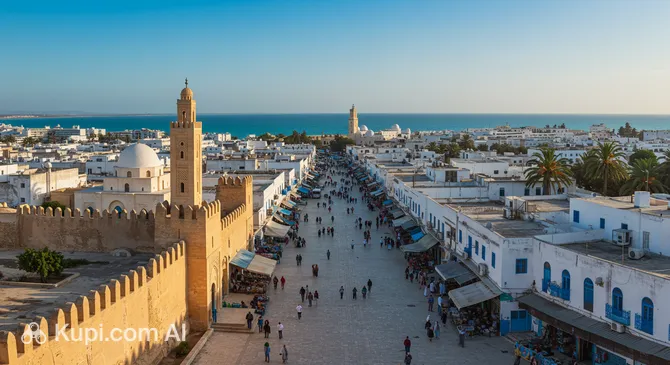
Sfax. Source: Kupi.Binoculars

The city's crown jewel is undoubtedly its incredible Medina, considered one of the best-preserved medieval walled cities in the region. Unlike other medinas that have been heavily modified for tourists, this one functions as a daily center of life and trade for locals. Walking through its monumental gates, such as Bab Diwan, invites you to explore the rich history of Sfax, where ancient architecture and traditional craftsmanship have survived for centuries.

Beyond the Medina walls, travelers can explore the Dar Jellouli Museum, a stunning 17th-century palace that houses regional arts and folk traditions. The city also serves as the perfect gateway to the serene Kerkennah Islands, located just a short ferry ride away. Whether you are wandering through the vibrant souks or enjoying the local culinary delights, Sfax promises a unique and memorable journey into the heart of Tunisian culture.
Weather Overview

Sfax enjoys a warm Mediterranean climate, making it a year-round destination with distinct seasonal variations. The city typically experiences hot, dry summers where average daytime temperatures in July and August frequently reach highs of 33.5°C. During this peak season, rainfall is virtually non-existent, providing long, sunny days perfect for exploring the coast or the nearby islands.

Winter brings milder and cooler weather, though it remains pleasant compared to many European destinations. In January, the average temperature hovers around 13°C, with daily highs reaching 17°C and nighttime lows dipping to approximately 9°C. While precipitation is generally low year-round, the cooler months from October to February see a slight increase in wet days, though heavy rainfall is rare.

Spring and autumn offer a comfortable middle ground, with temperatures ranging from 16°C to 26°C, creating ideal conditions for sightseeing. For travelers planning their wardrobe or specific activities, checking the detailed weather in Sfax is recommended to see the most current forecast. Overall, visitors can expect hot summers with clear skies and mild winters with only occasional light rain.

Interesting Facts

Beyond the bustling port and industrial hum, Sfax holds many fascinating secrets that reveal its deep cultural roots. This city is not just a commercial hub but a repository of cinematic history and agricultural heritage that often surprises visitors.

  • A Hollywood Backdrop: The authentic, untouched nature of the Sfax Medina caught the eye of international filmmakers. Scenes from the Oscar-winning film The English Patient were shot within its ancient walls, as the historic streets and traditional architecture perfectly resembled the Cairo of the 1940s.

  • The Olive Capital: While Tunisia is famous for olives, Sfax is the undisputed heart of this industry. The region is home to millions of olive trees, often planted in unique, widely spaced geometric patterns to maximize water absorption from the soil, a method distinct to this arid landscape.

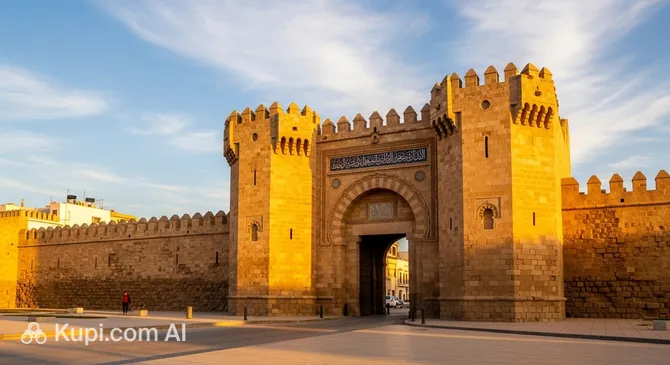
  • Living History at the Gates: Unlike many historical sites that are purely for show, the city's fortifications remain a functional part of daily life. The imposing Bab Jebli gate, located on the northern side of the walls, still serves as a bustling entry point where traditional markets and modern commerce merge seamlessly.

  • A City of Pastries: Sfax has a distinct culinary reputation separate from the rest of the country, specifically for its sweets. The city is renowned for its traditional almond and pistachio pastries, often featuring unique recipes and shapes that are considered the finest in Tunisia and are a staple at local weddings.

Bab Jebli. Source: Kupi.Binoculars

How to Get There

Reaching Sfax is relatively straightforward, as the city serves as a major economic hub for the region. While it has its own airport, many travelers also utilize the larger international gateways situated in nearby coastal cities. For a detailed overview of all transport options, you can read more about how to get to Sfax and plan your journey accordingly.

The most direct entry point is Sfax El Maou Airport (IATA: SFA), located just 6.8 km from the city center. Although it is a smaller facility with an annual passenger traffic of around 174,000, it offers the ultimate convenience for those who can find a direct connection. A taxi or transfer from here to the heart of Sfax takes approximately 30 minutes.

Since the local airport has limited international connections, many visitors choose to fly into Habib Bourguiba International Airport (IATA: MIR) in the city of Monastir. Situated about 113 km from Sfax, this is a major hub serving over 1.8 million passengers annually. The transfer from Monastir to Sfax by road typically takes around 3 hours and 10 minutes. Alternatively, you can consider Melita Airport (IATA: DJE) in Midoun, which is approximately 96 km away. This large airport handles over 2 million travelers a year, and the journey to Sfax takes roughly 2 hours and 45 minutes.

For clarity, here is a summary of the main airports:

Airport Name City Passenger Traffic Km from City
Melita Airport Midoun High 96.1
Habib Bourguiba International Airport Monastir High 113.0
Enfidha - Hammamet International Airport Sousse Medium 151.1
Lampedusa Airport Lampedusa Medium 189.1
Sfax El Maou Airport Sfax Low 6.8

Main Attractions

Sfax is a city that rewards the curious traveler, offering a rich tapestry of history and culture that feels refreshingly authentic. Unlike the polished tourist zones found elsewhere, the attractions here are deeply integrated into the daily lives of the locals. From monumental architecture to hidden museums, exploring Sfax is a journey into the heart of Tunisian heritage.

One of the most significant landmarks is Bab Jebli, a formidable gate that stands as a testament to the city's medieval fortifications. Located on the northern side of the Medina, this structure is more than just a historical monument; it is a vibrant thoroughfare connecting the old city with modern expansion. Tourists are often captivated by the lively atmosphere around the gate, where traditional market stalls spill out onto the streets, offering everything from spices to handcrafted goods.

The Medina of Sfax itself is a masterpiece of urban planning and preservation. Encircled by impressive crenulated walls that date back to the 9th century, it is considered one of the finest examples of a medieval Arab city in the Mediterranean. Inside, the labyrinthine streets are free from cars, allowing visitors to wander through bustling souks dedicated to specific trades, such as leather, textiles, and jewelry, just as they have been for hundreds of years.

For a deeper dive into local culture, the Dar Jellouli Museum is an essential stop. Housed in a beautifully restored 17th-century palace, this museum offers an intimate look at traditional Sfaxian life. The architecture of the house is an attraction in itself, featuring intricate tile work and a peaceful courtyard. Exhibits display regional costumes, calligraphy, and everyday objects, providing a fascinating context to the customs and artistry of the region.

At the spiritual and physical center of the old city lies the Great Mosque of Sfax. Founded in 849 AD, it is one of the oldest monuments in Tunisia. While non-Muslims may not enter the prayer hall, the exterior architecture and the glimpse into the courtyard are striking. The mosque's design has evolved over centuries, yet it retains a harmonious beauty that anchors the surrounding historic district.

Finally, history enthusiasts should not miss the Sfax Archaeological Museum. Located in the modern part of the city, it houses a remarkable collection of Roman mosaics and artifacts unearthed from the nearby ancient site of Thyna (Thaenae). The exhibits are well-preserved and offer a glimpse into the wealthy Roman past of this coastal region, contrasting interestingly with the Islamic heritage of the Medina.

Local Cuisine

The culinary scene in Sfax is distinct and highly revered across Tunisia, often considered the country's gastronomic capital for seafood and pastries. Unlike other regions where meat dishes dominate, the local cuisine here is heavily influenced by the daily catch from the Mediterranean. A defining characteristic of Sfaxian food is the perfect balance of flavors, often combining savory and sweet elements in a way that surprises and delights the palate.

When visiting, you simply must try the Sfaxian Fish Couscous. Unlike other versions, the sauce here is rich and red, typically prepared with fresh grouper, sea bream, or mullet. Another culinary masterpiece is Charmoula, a unique dish traditionally eaten during Eid but available in specialty restaurants. It consists of a dark, caramelized sauce made from raisins, onions, and spices, served alongside salted fish to create a complex interplay of sweet and salty tastes.

Sfax is also famous for its exceptional pastries, which are widely regarded as the finest in the country. The most iconic sweet is Mlabes, a delicate, small almond pastry coated in a thin layer of white meringue, often shaped like a heart or a small leaf. These treats are not just desserts but a symbol of local hospitality, often accompanied by a glass of mint tea with pine nuts, a refreshing staple found in nearly every café.

In terms of beverages, locals enjoy a variety of options depending on the setting. Non-alcoholic drinks like fresh fruit juices and Lagmi (palm sap juice) are popular refreshments, especially in the warmer months. For those looking for alcoholic beverages, Tunisian wines and the local beer, Celtia, are available in licensed restaurants and hotels, though the traditional street scene is dominated by coffee and tea culture.

The food culture in Sfax is divided between the historic and the modern. Inside the Medina and around the bustling Bab Jebli gate, you will find authentic street food stalls selling fricassé (fried sandwiches) and fresh produce markets teeming with local ingredients. In contrast, the Ville Nouvelle (New Town) offers sit-down restaurants where you can enjoy elaborate seafood platters in a more formal setting, providing a comprehensive taste of this vibrant city.

Travel Tips

Visiting Sfax offers a genuine glimpse into the authentic Tunisian lifestyle, but navigating this bustling commercial hub requires a bit of local know-how to ensure a smooth experience. These practical tips will help you blend in with the rhythm of the city and enjoy your stay with confidence and ease.

  1. Clothing and Gear: Sfax is more conservative than the tourist-heavy coastal resorts, so it is respectful to dress modestly, covering shoulders and knees, especially when exploring the Medina. Light, breathable fabrics like cotton or linen are essential for the summer heat, while a light jacket is useful for cooler winter evenings. Since the old city is pedestrian-only with uneven surfaces, bring sturdy, comfortable walking shoes.

  2. Transportation: The most convenient way to get around the modern parts of the city is by yellow taxi. They are metered, plentiful, and very affordable; just ensure the meter is running when you start your ride. For travel between Sfax and other towns, louages (shared minibuses) are the fastest and most popular option, departing from specific stations once full.

  3. Finances: The local currency is the Tunisian Dinar (TND), which cannot be imported or exported. While credit cards are accepted in major hotels and some restaurants in the Ville Nouvelle (New Town), cash is king in the Medina and smaller shops. ATMs are widely available in the modern city center, but it is wise to carry small change for taxis and street food.

  4. Health and Safety: Sfax is generally safe for tourists, but standard precautions against pickpocketing should be taken in crowded areas like the markets near Bab Jebli. Pharmacies are marked with a green cross, and many have a rotational "night duty" schedule (pharmacie de garde) displayed in their windows. It is recommended to drink bottled water rather than tap water to avoid any stomach upsets.

  5. Communication: While Arabic is the official language, French is widely spoken and serves as the primary language for business and commerce. English is less common here than in tourist hotspots like Hammamet, so having a translation app or learning a few basic phrases in French or Tunisian Arabic will be incredibly helpful. SIM cards can be easily purchased at the airport or official stores of providers like Ooredoo or Tunisie Telecom with your passport.

  6. Local Etiquette: Tunisians are known for their hospitality, and greetings can be lengthy; a simple "Aslema" (Hello) goes a long way. When shopping in the souks, bargaining is expected and is considered part of the social interaction. Always ask for permission before taking photos of people, as locals in Sfax may be more private than those in resort towns.

  7. What to Avoid: strictly avoid taking photographs of government buildings, police stations, or military personnel, as this is prohibited and can lead to serious misunderstandings. Additionally, public displays of affection are culturally frowned upon and should be avoided to respect local norms.

  8. Timing Your Visit: Be aware that Friday is the holy day; while Sfax is a hardworking city, many shops in the Medina and smaller businesses may close for a few hours around midday for Jum'ah prayers. Plan your shopping or lunch either before noon or later in the afternoon to avoid finding closed doors.

By keeping these simple guidelines in mind, you will find it easy to navigate the streets of Sfax and connect with its welcoming residents. Embracing these local customs will not only make your trip smoother but will also open doors to deeper cultural interactions in this fascinating city.

Entertainment & Nightlife

Unlike the coastal resorts of Sousse or Hammamet, Sfax does not offer a wild, party-centric nightlife scene. Instead, the evening entertainment here is more subdued and sophisticated, catering largely to business travelers and locals who enjoy fine dining and relaxed social gatherings. The nightlife is primarily centered around hotel lounges, upscale restaurants, and a few specific clubs where you can enjoy music and drinks in a comfortable setting.

The heartbeat of the city's modern evening life is the Ville Nouvelle (New Town). This district, particularly around the avenues leading to the port, is where you will find the highest concentration of venues serving alcohol. The atmosphere is generally conservative yet welcoming; patrons tend to dress in smart-casual attire, and the vibe is more about conversation and enjoying a premium experience than dancing until dawn. For those seeking a lively sea view, the Corniche area offers a refreshing breeze and a selection of spots to unwind after sunset.

If you are looking for a place to enjoy a drink and perhaps some music, the Golden Wave Lounge is one of the city's most popular destinations. It functions as both a restaurant and a disco club, offering a vibrant atmosphere that picks up late into the night. Another excellent option is La Terrasse, known for its rooftop setting where guests can sip cocktails while overlooking the city lights. For a more classic dining experience that pairs exceptional seafood with local wines, Le Corail remains a favorite among both visitors and residents.

For a completely different evening experience, head towards the historic center. A walk near the majestic Bab Jebli gate reveals the traditional side of Sfax at night. While you won't find bars here, the area bustles with energy as locals shop at late-night stalls and enjoy street food. It is a perfect spot to witness the authentic rhythm of the city away from the modern lounges.

When planning your night out, keep in mind that alcohol is not sold in supermarkets on Fridays, though bars and restaurants continue to serve it normally. Taxis are the safest and most convenient way to get around at night; they are affordable and easy to flag down in the main districts. While the city is safe, it is advisable to stick to well-lit main streets and avoid wandering alone in empty areas of the industrial zones or the Medina after dark.

During the day, entertainment in Sfax takes a cultural turn. The Municipal Theater often hosts plays and musical performances, serving as a hub for the arts. Families and those young at heart might enjoy a visit to Zoo Touta, a green amusement park that offers a pleasant escape from the urban hustle. Whether you prefer a quiet glass of wine on a terrace or a bustling cultural walk, Sfax offers a unique evening charm that rewards the relaxed traveler.

Parks & Museums

While Sfax is primarily known as an industrious port city, it surprises visitors with a wealth of cultural treasures and unique natural landscapes hidden amidst its urban energy. For travelers looking to step away from the bustling markets and business districts, the city offers exceptional museums that chronicle its storied past, as well as distinct green spaces that provide a breath of fresh air.

For culture enthusiasts, the Dar Jellouli Museum is an absolute must-visit. Located within the Medina, this museum is housed in a magnificent 17th-century palace that once belonged to a wealthy governor. The architecture alone is captivating, featuring a traditional courtyard decorated with intricate horseshoe arches and colorful tiles. Inside, the exhibits focus on popular arts and traditions, showcasing everything from regional costumes and jewelry to antique cooking utensils and calligraphy, offering an intimate glimpse into the daily life of Sfaxian families in centuries past.

Another cultural highlight is the Sfax Archaeological Museum, situated in the modern Ville Nouvelle on the ground floor of the Municipal Palace. This museum is renowned for its impressive collection of Roman mosaics unearthed from the nearby ancient site of Thyna (Thaenae). The displays also include glasswork, pottery, and coins that testify to the region's prosperity during the Roman era. It provides a fascinating contrast to the Islamic heritage of the Medina, illustrating the diverse historical layers of the region.

When it comes to green spaces, the Touta Garden serves as the city's primary "green lung." Located centrally, this park is a favorite among locals for evening strolls and family outings. It features shaded walkways, fountains, and a small zoo, making it a lively spot where visitors can observe the relaxed side of local life. It offers a welcome respite from the concrete and noise of the city center, perfect for a quiet break between sightseeing stops.

For a more rugged natural experience, nature lovers should head to the Thyna Salines (Salt Pans), located just south of the city. This vast wetland area is a designated Ramsar site and is internationally recognized as a haven for birdwatchers. Depending on the season, visitors can spot thousands of migratory birds, including large flocks of pink flamingos that gather in the shallow waters. The contrast between the white salt mounds, the blue water, and the birds creates a striking landscape for photography.

Insider Tip: If you are craving a seaside escape, skip the industrial port and head about 26 kilometers south to Chaffar Beach. This is the beloved summer retreat for Sfaxians, known for its fine sand and shallow, warm waters. It offers a truly authentic atmosphere, especially on weekends when local families set up tents and picnics, turning the beach into a vibrant social gathering.

Getting Around

Navigating Sfax is a straightforward experience, though it differs significantly from the automated and integrated systems found in many European capitals. The city does not currently operate a metro, tram, or trolleybus network, meaning that public transportation relies almost exclusively on a comprehensive bus system and a vast fleet of taxis. For most tourists, this simplicity is actually an advantage, as there are fewer complex maps to decipher, and the city center is compact enough to be largely explored on foot.

The backbone of the public transit network is the bus service managed by the regional transport company, SORETRAS. These buses connect the city center with residential suburbs, the university, and nearby coastal areas. While they are an extremely budget-friendly option, they are often geared towards the daily commute of locals and students. As a result, they can become quite crowded during peak hours, particularly in the mornings and late afternoons. Destinations are usually displayed in Arabic on the front of the bus, so asking a local or the driver for assistance is often necessary for those who do not read the language.

For the vast majority of visitors, the most practical and popular alternative to the bus is the yellow taxi. Taxis in Sfax are ubiquitous, safe, and remarkably affordable compared to international standards. They operate on a metered system, so there is no need to haggle over the price before getting in; simply ensure the driver turns on the counter when you start your journey. Taxis can be hailed directly from the street or found at designated ranks near major landmarks like the Medina or the train station. They offer the flexibility to reach specific sites like the salt pans or distant restaurants without navigating bus routes.

The payment system across the city is traditional and cash-based. There are no digital travel cards, tap-to-pay apps, or integrated passes for tourists. Whether you are taking a bus or a taxi, you will need to pay in the local currency, the Tunisian Dinar. On buses, tickets are purchased directly from a conductor on board or occasionally from the driver. It is crucial to carry small change and coins, as drivers may not always have enough change for large banknotes. Ticket prices are fixed and very low, making transport a negligible expense in your travel budget.

If you plan to travel to the outskirts of the city or neighboring towns, you will encounter the Louage system. These are shared minibuses, easily recognized by their white color with a color-coded stripe (blue for regional, red for long-distance). They do not run on a fixed timetable but depart from specific stations once all seats are full. This is a fast and efficient way to travel if you are heading outside the main urban area, offering a middle ground between the privacy of a taxi and the slowness of a standard bus.

When using transport in Sfax, keeping a few practical tips in mind will ensure a smooth journey. Buses generally operate from early morning until around 8:00 PM or 9:00 PM, after which service becomes very sparse. Taxis run 24 hours a day, but be aware that a night tariff applies from 9:00 PM to 5:00 AM, which increases the metered fare by approximately 50%. Finally, while car rentals are available, traffic in the city center can be chaotic and parking is limited, so sticking to taxis and walking is usually the most stress-free way to explore.

Accommodation

Accommodation in Sfax largely reflects its status as a major commercial and industrial hub rather than a typical beach resort destination. The available options are practical and diverse, ranging from efficient business hotels to charming, traditional guesthouses known as "Dars." While you won't find the sprawling all-inclusive resort complexes common in Hammamet or Djerba, visitors can expect high standards of hospitality, cleanliness, and comfort suitable for both business travelers and tourists exploring the region.

The most convenient area for tourists to stay is undoubtedly the Ville Nouvelle (New Town). This district is the heart of modern Sfax, located just outside the historic Medina walls and near the port. Staying here places you within walking distance of the train station, the archaeological museum, and a variety of restaurants and cafes. For those seeking a more atmospheric experience, there are a few options tucked away within or near the Medina, offering a quieter, more authentic stay surrounded by historic architecture.

Since Sfax is a working city, the accommodation scene is dominated by mid-range and upscale business hotels. These establishments typically offer modern amenities such as Wi-Fi, conference rooms, and on-site dining. In recent years, the quality of lodging has improved significantly, with several 4-star and 5-star properties providing excellent service at rates that are often lower than in the capital, Tunis. For budget travelers, smaller independent hotels and hostels are available, mostly clustered around the city center, offering basic but sufficient facilities.

Booking Tip: Because Sfax hosts many trade fairs and business conferences throughout the year, hotels can fill up quickly during the week. It is advisable to check the local event calendar and book your room in advance if your visit coincides with a major exhibition. Conversely, weekends can sometimes offer better availability and rates as business travelers depart.

In terms of pricing, Sfax is generally very affordable compared to European destinations and Tunisia's primary tourist zones. Budget options are extremely wallet-friendly, while even the top-tier luxury hotels offer competitive prices. Major international booking platforms work well for securing rooms in larger hotels, but for smaller guesthouses or budget lodgings, contacting the property directly or paying in cash upon arrival is often the norm.

Nearby Cities

For those looking to explore the surroundings, Sfax serves as an excellent base for day trips to several interesting nearby locations:

One of the most rewarding excursions is to Mahdia, located to the north. This historic coastal city is renowned for its laid-back atmosphere and stunning beaches, which are often considered some of the best in Tunisia. History buffs will appreciate the Skifa Kahla, a massive fortified gate that marks the entrance to the Medina, and the atmospheric marine cemetery situated on the tip of the peninsula. It offers a peaceful contrast to the bustling commercial energy of Sfax.

Further south lies Houmt Souk, the capital of the famous island of Djerba. While the journey is a bit longer, it is well worth the effort for the unique island vibe and distinctive architecture. The town is a labyrinth of whitewashed buildings and vibrant markets where you can shop for traditional pottery, jewelry, and textiles. Visitors can also explore the historic Borj El Kebir fortress and enjoy the island's renowned hospitality.

City Population Distance (km)
Skhira 129,693 80
Sakiet Ezzit 87,512 7
Mahdia 79,545 89
Houmt Souk 75,904 96
Djemmal 70,587 98

These nearby destinations offer a glimpse into the diverse culture and landscapes of the region, ranging from quiet coastal towns to vibrant island markets.

Shopping & Souvenirs

Shopping in Sfax is a deeply authentic experience that stands apart from the tourist-centric commerce of Tunisia's coastal resorts. As a working city and a major economic hub, the markets here cater primarily to locals, ensuring that products are of high quality and prices remain fair. Visitors can expect to find genuine craftsmanship, particularly in leather, textiles, and jewelry, alongside the region's famous culinary specialties.

The city's shopping scene is divided between two distinct worlds: the historic Medina and the modern Ville Nouvelle (New Town). The Medina is the best place for traditional goods, where narrow alleyways are organized by trade, offering a sensory journey through sights and smells. In contrast, the New Town features wide boulevards lined with contemporary fashion boutiques, shoe stores, and electronics shops. A particularly popular spot for an evening stroll and window shopping is Rue Hedi Chaker, often referred to as "The 100 Meters," which buzzes with activity and young locals.

For those seeking a more conventional retail experience, Sfax offers several modern shopping centers. Sfax Mall and Bourgo Mall are among the most prominent, providing a comfortable, air-conditioned environment where you can find international brands, cosmetics, and casual wear. These centers also serve as social hubs for families, featuring food courts and entertainment options that offer a break from the heat of the day.

The true heart of commerce, however, beats in the traditional markets. Souk Erbaa is renowned for its selection of traditional clothing, including the famous Tunisian jebba, and fine textiles. For a more vibrant and chaotic atmosphere, the area surrounding Bab Jebli is unmissable; here, stalls spill out onto the streets selling fresh produce, spices, and household goods. Food enthusiasts should also visit the Marché Central (Central Market) to witness the incredible variety of fresh seafood that the city is famous for.

When it comes to souvenirs, Sfax is the undisputed capital of Tunisian pastry. A box of Mlabes—delicate, almond-based sweets coated in meringue—is the ultimate gift to bring home. The region is also one of the world's leading producers of olive oil, so picking up a bottle of high-quality, locally pressed oil is highly recommended. Other excellent buys include handcrafted silver jewelry from the Souk des Bijoutiers and durable leather goods like bags and slippers.

Store hours in Sfax can vary depending on the location. Shops in the Medina typically open around 9:00 AM and close by 7:00 PM, though many close for a few hours on Friday afternoons for prayers. In the New Town and malls, businesses often stay open later, until 8:00 PM or 9:00 PM. While modern stores and hotels accept credit cards, cash is essential for shopping in the souks and smaller boutiques, so it is wise to carry enough Tunisian Dinars.

Tunisia offers a tax-free shopping system for non-resident travelers on purchases exceeding a certain amount at participating stores. However, this is less common in Sfax than in Tunis or major tourist zones. Visitors should look for the "Tax-Free" signage in larger, modern shops and inquire about the VAT refund process and necessary paperwork before making significant purchases.

Reached the end of the page?

That means the route is fully explored