Support

Monastir

About

Monastir is a vibrant and historic city located on the central coast of Tunisia. Known for its stunning seaside views, rich heritage, and welcoming atmosphere, it serves as a major tourist resort in the Sahel region. The city perfectly blends traditional Tunisian culture with modern amenities, making it a favorite destination for travelers seeking both relaxation and exploration.

Geographically, the city sits on a small peninsula jutting into the Mediterranean Sea, offering a pleasant coastal climate with sunny summers and mild winters. It is the capital of the Monastir Governorate and is home to a population of approximately 104,535 people. This thriving community adds a lively energy to the streets, especially around the bustling marina and the city center.

Monastir. Source: Kupi.Binoculars

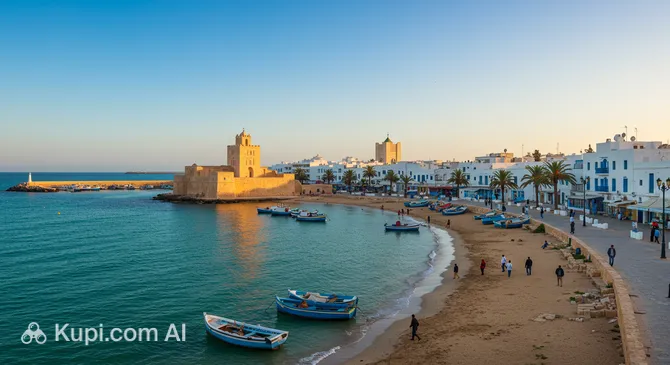
The history of Monastir is deeply rooted in antiquity, having been founded on the ruins of the Punic-Roman city of Ruspina. Today, visitors can witness this legacy through its impressive architecture. One of the most significant landmarks is the Ribat of Monastir, a well-preserved Islamic fortress that offers panoramic views of the city and the sea. Nearby stands the magnificent Mausoleum of Habib Bourguiba, the final resting place of Tunisia's first president, which is celebrated for its intricate golden dome and twin minarets.

Beyond its historical treasures, Monastir boasts a beautiful coastline with sandy beaches and a modern marina capable of hosting yachts from around the world. Whether you are strolling along the palm-lined promenade, exploring the colorful medina, or enjoying fresh seafood by the water, the city offers a memorable experience. It is a destination that truly captures the essence of Mediterranean charm, inviting everyone to discover its unique beauty.

Weather Overview

Monastir enjoys a sunny Mediterranean climate, making it an inviting destination throughout most of the year. The summer season, spanning from June to September, is characterized by heat and clear skies, with August seeing average temperatures of around 28.8°C and daily highs often reaching 33.3°C. Rainfall is exceptionally scarce during this period, particularly in July, which typically records zero wet days, ensuring perfect conditions for seaside activities.

The cooler months offer a gentle respite from the summer heat, with winter temperatures remaining mild rather than cold. In January, the average temperature sits at approximately 13.4°C, with lows rarely dropping below 9.7°C. While late autumn and winter bring a modest increase in precipitation, averaging about 4 to 6 wet days per month, the showers are usually brief. For more detailed forecasts and seasonal averages, you can consult the guide to the weather in Monastir before your trip.

Generally, visitors can expect hot, dry summers with virtually no rain and mild, comfortable winters with occasional showers.

Interesting Facts

Beyond the sun-drenched beaches and bustling medina, Monastir holds several fascinating secrets that add depth to its character. This coastal city is not only a summer resort but a place where cinematic history, ancient legends, and ecological wonders come alive.

Ribat of Monastir. Source: Kupi.Binoculars
  • The majestic Ribat of Monastir has served as a prominent filming location for international cinema due to its authentic medieval architecture. Its well-preserved walls and towers stood in for the city of Jerusalem in Franco Zeffirelli’s renowned miniseries "Jesus of Nazareth" and provided the backdrop for the classic comedy "Monty Python's Life of Brian."

  • The city sits atop the ancient ruins of Ruspina, a site of immense historical weight that shaped the ancient world. It was here that Julius Caesar established his headquarters and military base during his African campaign in 46 BC, making the ground beneath the modern streets a pivotal location in Roman history.

  • Nature lovers may be surprised to know that the nearby Kuriat Islands are a vital ecological sanctuary. They serve as one of the most important nesting grounds in the southern Mediterranean for the endangered Loggerhead sea turtle (Caretta caretta), making the region essential for marine conservation.

  • The Mausoleum of Habib Bourguiba is unique because its construction began well within the lifetime of the leader it honors. President Bourguiba personally oversaw the details of his final resting place, ensuring the architecture perfectly reflected the grandeur he envisioned for his legacy long before his passing.

How to Get There

Reaching Monastir is straightforward due to its well-integrated transport network, which connects the city to major international hubs and neighboring regions. Whether you are planning a seaside vacation or a cultural tour of the Sahel region, you have multiple arrival options. For a detailed breakdown of routes and transportation modes, you can read more about how to get to Monastir.

The most convenient entry point is the Habib Bourguiba International Airport (MIR), located just 5.2 km from the city center. This airport is a primary hub for charter flights and summer tourists. Due to its close proximity, the transfer to your hotel or the downtown area is very quick, typically taking only 10 to 15 minutes by taxi or car.

If direct flights to Monastir are unavailable, the Enfidha - Hammamet International Airport (NBE) is a reliable alternative situated approximately 48.2 km away. A drive from Enfidha usually takes between 45 and 60 minutes via the highway. For travelers flying with major scheduled carriers, the Tunis-Carthage International Airport (TUN) in the capital offers the most extensive connections. Although it is located 131.5 km from Monastir, the journey is manageable, generally taking around 2 hours by car.

Below is a summary of the airports located within a reasonable distance of the city:

Airport Name City Passenger Traffic Km from City
Tunis-Carthage International Airport Tunis High 131.5
Habib Bourguiba International Airport Monastir Medium 5.2
Enfidha - Hammamet International Airport Sousse Medium 48.2
Sfax El Maou Airport Sfax Small 116.6
Pantelleria Airport Pantelleria Small 156.4

Main Attractions

Monastir offers a compelling mix of ancient history, spiritual heritage, and natural beauty. The city's compact size allows visitors to easily explore its most significant landmarks, which stand as testaments to its rich past and cultural importance.

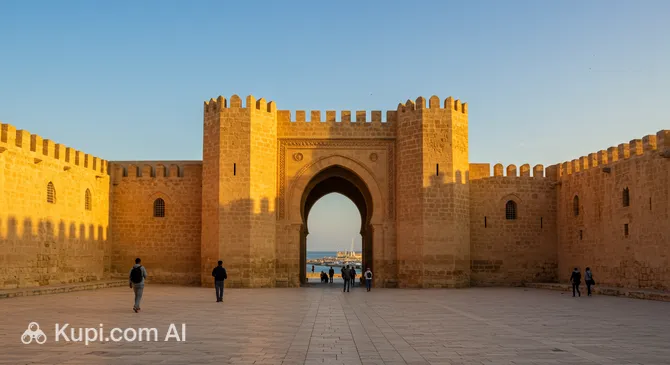
The Ribat of Monastir is the city's defining monument and a masterpiece of Islamic military architecture. Built in the 8th century, this fortress is a labyrinth of courtyards, spiral staircases, and watchtowers that once defended the coast. Visitors can explore the small Islamic Museum housed within its prayer hall or climb the Nador Tower for breathtaking panoramic views of the harbor and the city.

Mausoleum of Habib Bourguiba. Source: Kupi.Binoculars

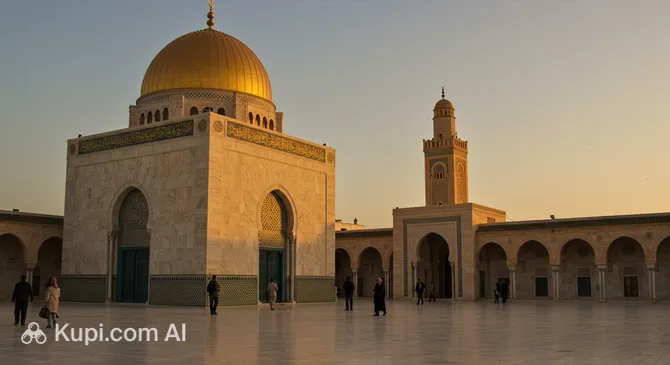
A short walk from the fortress lies the magnificent Mausoleum of Habib Bourguiba. This opulent monument honors the father of Tunisian independence, who was born in Monastir. The building is renowned for its dazzling golden dome, twin towering minarets, and extensive use of fine marble. Inside, the respectful atmosphere and intricate craftsmanship make it a fascinating stop for those interested in the country's modern history.

Bourguiba Mosque. Source: Kupi.Binoculars

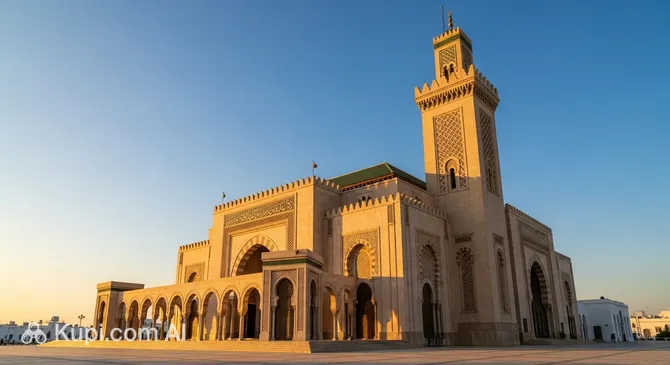
Another architectural gem is the Bourguiba Mosque, designed to resemble the Hammouda Pacha Mosque in Tunis. Constructed in 1963, it features a grand prayer hall supported by pink marble columns and a beautifully decorated mihrab. The mosque is a serene place of worship that reflects the traditional Tunisian style while serving as a central spiritual hub for the locals.

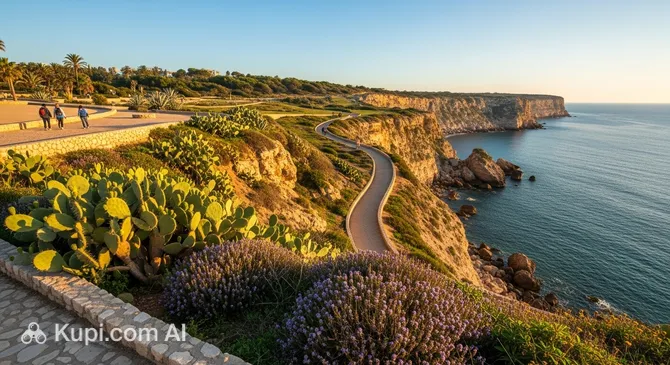
For a change of pace, nature lovers should visit Falaise Park. Located along the coast, this scenic area offers rugged cliffs and sweeping views of the Mediterranean Sea. It is an ideal spot for a relaxing walk, a picnic, or simply enjoying the fresh sea breeze away from the bustling city center. The park provides a picturesque setting to watch the sunset and appreciate the natural beauty of the Sahel region.

Local Cuisine

The culinary scene in Monastir is a delightful reflection of its coastal location, blending traditional Tunisian flavors with fresh Mediterranean ingredients. As a seaside city, seafood plays a starring role in the local gastronomy. The most iconic dish to try here is Couscous with fish (Couscous au Poisson), a spicy and flavorful variation of the national dish that distinguishes the Sahel region from the interior. Prepared with locally caught fish like sea bream or grouper and seasoned with harissa, it offers a true taste of the city's heritage.

Another must-try staple is Brik, a crispy, deep-fried pastry typically stuffed with egg, parsley, tuna, and cheese. It is a popular starter often served with lemon to cut through the richness. For a lighter option, look for Salade Mechouia, a grilled vegetable salad made of peppers, tomatoes, and onions, dressed with olive oil and often topped with tuna and olives. These dishes are ubiquitous, found everywhere from small family-run eateries in the medina to upscale dining establishments.

When it comes to beverages, the local culture offers both refreshing non-alcoholic options and unique spirits. The quintessential drink is mint tea, often served very sweet and garnished with floating pine nuts, a regional specialty. On hot days, a glass of fresh Citronnade (lemonade with almonds) provides perfect hydration. For those interested in alcoholic beverages, you might try Boukha, a local fig brandy, or Thibarine, a sweet date liqueur, often enjoyed as a digestif after a hearty meal.

Marina Cap Monastir. Source: Kupi.Binoculars

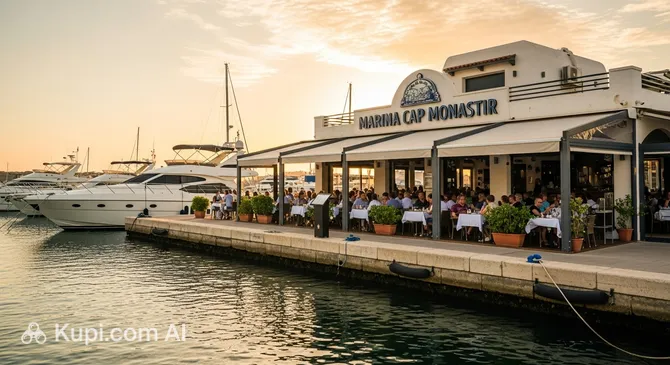
Dining in Monastir caters to all preferences, ranging from authentic street food stalls to sophisticated restaurants. The historic medina is the place to go for traditional, budget-friendly bites and an immersive atmosphere. In contrast, the modern marina area offers a more polished dining experience with international cuisine and stunning views of the yachts. Restaurants like Marina Cap Monastir are popular for their scenic terraces and diverse menus, making them ideal for a leisurely dinner by the water.

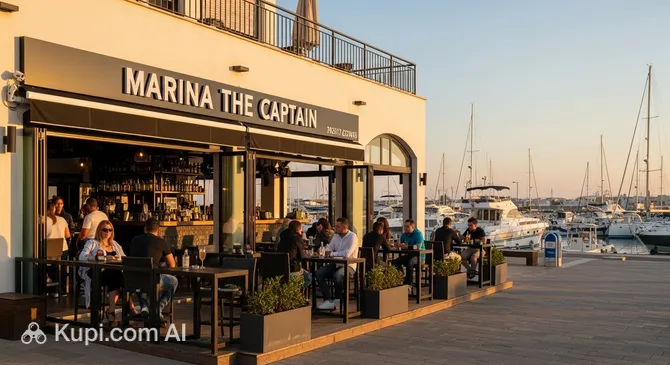
For a trendy atmosphere, visitors often head to spots like My Cocoon, known for its stylish setting and fusion dishes. If you are looking to enjoy a drink with a view of the harbor, Marina The Captain provides a relaxed environment to unwind. Whether you choose a simple street-side table or a chic waterfront venue, the food culture in Monastir is defined by warm hospitality and bold, fresh flavors.

Travel Tips

To ensure your trip to Monastir is as relaxing and enjoyable as possible, we have compiled a list of essential practical advice. These tips will help you navigate local customs, manage your logistics smoothly, and make the most of your time in this sunny Mediterranean haven.

  1. Clothing and Gear: Monastir enjoys a warm climate, so lightweight, breathable fabrics like cotton or linen are ideal for the summer months. However, if you are visiting in winter, bring a jacket and layers for cooler evenings. When exploring religious sites such as the Mausoleum of Habib Bourguiba or the Ribat, remember to dress modestly; both men and women should cover their shoulders and knees. Comfortable walking shoes are a must for navigating the cobblestone streets of the medina.
  2. Transportation: Getting around the city is easy and affordable. Yellow taxis are the most convenient option for short distances; always ensure the driver uses the meter. For trips along the coast to neighboring cities like Sousse or Mahdia, the Metro du Sahel commuter train is a scenic and budget-friendly choice. Car rental is generally not necessary unless you plan to explore remote areas of the region independently.
  3. Finances: The local currency is the Tunisian Dinar (TND). It is a "closed currency," meaning you cannot import or export it, so exchange your money upon arrival at banks or official exchange bureaus and keep your receipts. While major hotels and restaurants accept credit cards, cash is king in the medina and smaller shops. ATMs are widely available throughout the city. Tipping is customary; leaving a few coins for good service is always appreciated.
  4. Health and Safety: Monastir is a safe tourist destination, but it is wise to take standard precautions against pickpocketing in crowded markets. Pharmacies are marked with a green cross and are well-stocked; look for a "Pharmacie de Nuit" for after-hours needs. It is generally recommended to drink bottled water instead of tap water to avoid any stomach upset, and always use high-SPF sunscreen, even on cloudy days.
  5. Communication: The official language is Arabic, but French is widely spoken and serves as the primary language for commerce and tourism. English is commonly understood in hotels and tourist areas, but learning a few basic phrases in French or Arabic (like "Aslema" for hello) goes a long way. Wi-Fi is available in most cafes and hotels, but for constant connectivity, purchasing a local SIM card (Ooredoo, Orange, or Tunisie Telecom) is cheap and easy.
  6. Local Etiquette: Tunisians are known for their warm hospitality. When greeting someone, a handshake is common, often accompanied by placing the right hand over the heart. Haggling is an essential part of the shopping experience in the souks; treat it as a friendly game rather than a conflict. Always ask for permission before taking photographs of locals, as some may prefer not to be captured on camera.
  7. What to Avoid: strictly avoid photographing government buildings, police stations, or military personnel, as this is prohibited and taken very seriously. Additionally, while Monastir is a resort town, avoid wearing swimwear or overly revealing clothing outside of the beach or pool areas out of respect for local conservative norms.
  8. Additional Tip: For the best views of the city and the sea without the midday heat, visit the Ribat of Monastir just before sunset. The golden hour light illuminates the stone fortress beautifully, creating a magical atmosphere and perfect photo opportunities.

By keeping these practical tips in mind, you will be well-prepared to embrace the unique culture and laid-back rhythm of Monastir. We hope this advice helps you travel with confidence and create unforgettable memories on the Tunisian coast.

Entertainment & Nightlife

Monastir offers a relaxed but engaging nightlife scene that reflects its status as a sophisticated resort town. Unlike the high-energy clubbing capitals of the Mediterranean, the evening atmosphere here is more about leisurely enjoyment, scenic views, and socializing in stylish settings. The nightlife is primarily concentrated around the hotels and the picturesque waterfront, where visitors can enjoy cool sea breezes and vibrant conversations long after the sun goes down.

The beating heart of the city's evening entertainment is undoubtedly the Cap Monastir Marina. This area comes alive at night, transforming into a bustling promenade lined with yachts, cafes, and lounges. It is the perfect place to start the evening with a stroll before settling into one of the many venues. The crowd is a mix of international tourists and locals, creating a cosmopolitan yet welcoming vibe. Most establishments here stay open late, often until 1:00 AM or 2:00 AM, especially during the summer season.

For those seeking a lively spot to enjoy a drink, Marina The Captain is a popular choice. Located right on the waterfront, it offers a nautical theme and a wide selection of beverages, making it an ideal location to watch the lights reflect off the harbor waters. The venue is known for its friendly service and is a great spot to mingle with fellow travelers.

Marina The Captain. Source: Kupi.Binoculars

Another excellent venue is My Cocoon, which transitions seamlessly from a dining spot to a trendy lounge as the night progresses. With its modern decor and relaxed ambiance, it attracts a stylish crowd looking for good music and cocktails. Visitors can also head to Marina Cap Monastir for a sophisticated evening meal followed by drinks on the terrace, enjoying the view of the luxury boats docked nearby.

When planning a night out, it is helpful to know that alcohol is generally served in licensed restaurants, hotel bars, and specific tourist-oriented venues, rather than in traditional coffee shops. The dress code is typically smart casual; while resort wear is acceptable, a slightly more polished look is appreciated in the evenings. The city is safe for night walks, particularly in the Marina and the Corniche areas. However, for returning to your accommodation late at night, it is best to hail a yellow taxi, which are plentiful and affordable.

Before the evening festivities begin, Monastir offers plenty of cultural entertainment during the day. The city hosts various festivals, particularly in summer, where the historic Ribat often serves as a dramatic backdrop for concerts and theater performances. Visitors can also explore local museums or enjoy family-friendly activities at the amusement parks scattered along the coast, ensuring there is something to do at every hour of the day.

Parks & Museums

While Monastir is famous for its golden beaches and historical monuments, the city also offers serene green spaces and fascinating museums that preserve its rich cultural heritage. Visitors looking to explore beyond the sand and sea will find well-maintained parks and curated collections that tell the story of the region's artistic and religious past.

One of the most scenic natural areas in the city is Falaise Park. Situated along the coastline, this park is characterized by its dramatic cliffs and elevated views of the Mediterranean. It is a favorite spot for locals to enjoy a peaceful walk, jog, or simply sit on a bench and watch the waves crash against the rocks below. The park provides a refreshing escape from the city center and is particularly beautiful during sunset, offering a perfect vantage point for photography enthusiasts.

Falaise Park. Source: Kupi.Binoculars

For families and those seeking a lively atmosphere, Spring Land (also known as Parc Adam) is a popular destination. This urban park combines green gardens with amusement rides and cafes, making it a hub of activity on weekends. It offers a pleasant environment for a leisurely stroll among flower beds and palm trees, providing a comfortable break for tourists traveling with children.

The city's museums are intimately tied to its historical landmarks. The most prominent collection is housed within the Ribat of Monastir. The Islamic Museum, located in the former prayer hall of the fortress, displays a remarkable array of artifacts including ancient coins, pottery, glasswork, and intricate wood carvings. A highlight for many is the collection of astrolabes and Kufic manuscripts, which showcase the scientific and artistic achievements of the early Islamic period in the Maghreb.

Another essential cultural stop is the Museum of Traditional Costumes, often found near the tourist office. This small but engaging museum offers insight into the social history of Tunisia through its display of bridal trousseaus, ceremonial jewelry, and regional clothing. It highlights the intricate embroidery and craftsmanship that define Tunisian identity, allowing visitors to appreciate the diverse traditions of the Sahel region.

Architectural history serves as an open-air museum in Monastir. The Mausoleum of Habib Bourguiba is not just a monument but a gallery of modern Tunisian artistry, with its fine marble, gold-leaf decor, and personal artifacts of the late president. Nearby, the Bourguiba Mosque stands as a testament to traditional design, integrating classic Islamic styles with modern construction techniques.

For a truly authentic experience, take a walk towards the El Karraya beach area near the Ribat. While not a formal park, this stretch offers a natural, breezy promenade where you can observe local fishermen and enjoy the raw beauty of the coast away from the more manicured hotel zones.

Getting Around

Navigating Monastir is a straightforward and stress-free experience, thanks to its compact size and well-organized transport options. While the historic center and marina are best explored on foot, an efficient network connects the city to the hotel zones, the airport, and neighboring coastal towns. The most notable feature of the local system is the Metro du Sahel, a suburban electric train line that runs along the coast. This service is a favorite among tourists as it links Monastir with the bustling city of Sousse to the north and the historic town of Mahdia to the south, offering scenic sea views along the way.

For getting around the city itself, yellow taxis are the most popular and convenient choice. They are plentiful, easy to hail on the street, and very affordable compared to European standards. These taxis operate on a meter system, so it is advisable to ensure the driver switches the meter on when you enter. For travel between cities or towns not served by the train, you can use Louages. These are white shared minivans with colored stripes that depart from designated stations once they are full. They provide a fast and authentic way to travel across Tunisia at a low cost.

Public buses, operated by the regional transport company, also serve the city and its suburbs. While they are the most economical option, they can be crowded and their schedules are often less transparent for short-term visitors. Consequently, most tourists stick to the Metro or taxis. During the peak summer season, you will also find recreational "tourist trains"—small vehicles pulling open-air carriages on the road—which shuttle visitors between the Skanes hotel zone and the city center, offering a fun and breezy alternative.

The payment system for public transport is traditional and relies heavily on cash. There are no complex travel cards or mobile apps for ticketing. For the Metro du Sahel, you must purchase a paper ticket at the station counter before boarding; the price varies by distance but is generally very cheap. For buses, tickets are typically purchased directly from a conductor on board. It is highly recommended to carry small denominations of the local currency, as drivers and ticket agents often struggle to make change for large bills.

Practicality is key when using the transport system here. The Metro du Sahel generally runs from early morning until the evening, with trains departing roughly every 30 to 60 minutes. Always keep your ticket until you exit the station, as inspections are common. Since Monastir is relatively small, renting a car is usually unnecessary unless you plan to explore the remote interior of the region. For most visitors, the combination of the coastal train for day trips and cheap taxis for local hops provides the perfect balance of freedom and convenience.

Accommodation

Monastir offers a diverse array of accommodation options suited to various travel styles, ranging from budget-friendly city stays to luxurious beachfront experiences. As a major holiday destination in the Sahel region, the city is well-equipped to host international visitors, providing everything from modest guesthouses and serviced apartments to sprawling all-inclusive complexes.

The most popular area for tourists is the Skanes district, a dedicated "Zone Touristique" located along the coast to the north of the city center, near the airport. This area is famous for its large resort hotels that line the sandy beaches. These establishments typically offer extensive amenities, including private beach access, multiple swimming pools, and entertainment programs, making them ideal for families and travelers seeking a relaxing sun-and-sea vacation. For those who prefer a more cultural experience, staying in the City Center or near the Marina is a convenient choice. Hotels in these areas tend to be smaller and place you within walking distance of historical landmarks like the Ribat and the Medina, as well as local restaurants and shops.

Booking Tip: The summer season, particularly July and August, sees a significant influx of tourists. To secure the best sea-view rooms or specific family suites in the popular resorts, it is highly recommended to book your accommodation several months in advance. Off-season travel offers more flexibility and often lower rates.

In terms of pricing, Monastir is generally considered an affordable destination compared to many European Mediterranean spots. Budget travelers can find economical guesthouses and rentals in the town center, while mid-range and luxury options are predominantly found in the resort zone. The price for all-inclusive packages in Skanes is often very competitive. Reservations can be easily made through major online booking platforms, which is the most common method, though contacting hotels directly can sometimes unlock special seasonal offers.

Nearby Cities

For those looking to explore the surroundings, Monastir serves as an excellent base for day trips to several interesting nearby locations:

City Population Distance (km)
Sousse 221,530 17
Msaken 110,000 22
Mahdia 79,545 36
Djemmal 70,587 16
Moknine 57,111 17

One of the most popular excursions is to Sousse, located just a short distance along the coast. Known as the "Pearl of the Sahel," it offers a lively atmosphere with a UNESCO World Heritage Medina. Visitors can explore its Great Mosque, the Ribat (which complements the one in Monastir), and the renowned Archaeological Museum housed in the Kasbah. The city is also famous for its vibrant souks, where you can shop for leather goods, ceramics, and spices.

Further south lies the historic city of Mahdia, a former capital of the Fatimid dynasty. It is celebrated for its laid-back charm and traditional character. Key attractions include the impressive Skifa Kahla (the Black Gate), the ancient Punic port, and the Great Mosque. Mahdia is also known for having some of the finest white sandy beaches in the country, making it an ideal spot for those seeking both history and relaxation by the sea.

For travelers interested in local craftsmanship, Moknine is a fascinating stop. This town is renowned throughout Tunisia for its pottery and ceramics, as well as its traditional Berber jewelry museum. A visit here offers a deeper insight into the artistic heritage of the Sahel region and provides an opportunity to purchase unique, handcrafted souvenirs directly from the artisans.

These nearby destinations offer a glimpse into the diverse culture and landscapes of the region.

Shopping & Souvenirs

Shopping:

Shopping in Monastir offers a delightful contrast between the vibrant, sensory experience of traditional markets and the convenience of modern retail stores. Unlike the sprawling commercial hubs of larger capitals, the shopping scene here is intimate and accessible, focused primarily on local craftsmanship and cultural souvenirs. Visitors can expect a relaxed atmosphere where browsing is encouraged, whether you are hunting for a unique handmade treasure or simply picking up essentials for your beach holiday.

The heart of the city's commercial life is undoubtedly the Medina. This historic walled district is a labyrinth of narrow streets and bustling alleyways lined with small shops and stalls. Walking through the Medina is an adventure in itself, where the scent of spices mixes with the aroma of leather and the bright colors of woven textiles. The main thoroughfare within the old town is lined with vendors selling everything from traditional clothing to intricate ceramics. For a more upscale and leisurely experience, the area around the Marina features a selection of boutiques offering fashion, beachwear, and higher-end souvenirs, perfect for a stroll after a seaside lunch.

For those who prefer a hassle-free shopping experience without the need to bargain, Monastir is home to several large fixed-price stores, often referred to as "shopping centers" by locals. The most famous of these is the Yasmina Center, located within the Medina. It is a multi-story emporium that gathers a vast array of Tunisian handicrafts under one roof. Here, you can browse carpets, pottery, jewelry, and leather goods in air-conditioned comfort with clearly marked prices. Another notable option is the Folla Shopping Center, which offers a similar range of products and is particularly popular among tourists staying in the nearby resort zones.

The traditional souks remain the best place to witness the daily life of the locals. While the tourist-oriented stalls dominate the main paths, venturing deeper into the market reveals sections dedicated to fresh produce, spices, and household goods. The central market is a feast for the senses, where you can find mounds of colorful spices like harissa, cumin, and saffron, as well as fresh dates and olives. These edible delights make for excellent, authentic gifts to take home.

When it comes to souvenirs, Monastir is an excellent place to purchase Tunisian ceramics, known for their bright geometric patterns and vivid colors. Leather goods are another specialty, with high-quality bags, sandals, and belts available at very reasonable prices. Other popular items include olive wood carvings, silver Berber jewelry, and "Foutas"—lightweight cotton towels that are perfect for the beach or hammam. For a smaller keepsake, look for the traditional red felt hat known as the "chechia."

Store hours in Monastir can vary depending on the season and the type of shop. The shops in the Medina and tourist centers typically open around 9:00 AM and stay open late into the evening, often until 7:00 PM or 8:00 PM, especially in summer. Some smaller shops may close for a midday break or on Friday afternoons for prayer. Payment methods differ by location; while shopping malls and larger boutiques readily accept credit cards, cash is essential in the souks and smaller stalls. The Tunisian Dinar is the standard currency, and having small denominations is helpful for bargaining.

Regarding taxes, Tunisia does have a tax-free shopping system (Vente en Détaxe) for non-resident visitors. This allows for a refund of the VAT on goods purchased in authorized shops, provided the total amount exceeds a certain threshold per receipt. However, the process involves specific paperwork that must be stamped at customs upon departure. While available in some larger, upscale stores, it is less common in the traditional markets, so it is advisable to ask the merchant directly before making a significant purchase.
Reached the end of the page?

That means the route is fully explored