Support

Pantelleria

About

Pantelleria, often referred to as the "Black Pearl" of the Mediterranean, is a captivating volcanic island situated in the Strait of Sicily. Although it belongs to Italy, its geographical location places it closer to the African coast than to Sicily, creating a unique blend of cultures and landscapes that sets it apart from other Italian destinations.

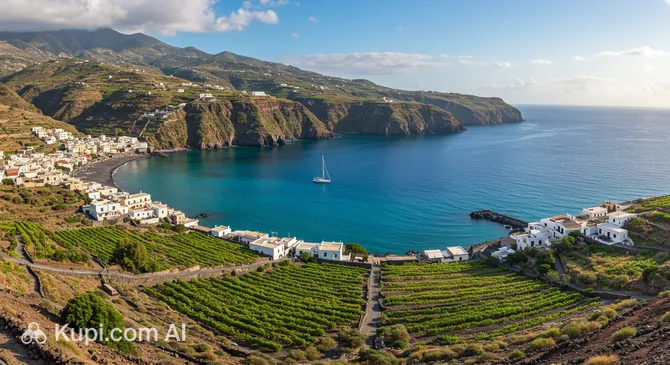
Pantelleria. Source: Kupi.Binoculars

With a population of approximately 7,700 inhabitants, this rugged island offers a peaceful retreat far from the bustling crowds of mainland Europe. The deep history of Pantelleria is evident in its archaeological sites and distinctive architecture, reflecting centuries of influence from the Phoenicians, Romans, and Arabs. The island's terrain is characterized by dark volcanic rock, thermal springs, and fumaroles, highlighting its active geological nature.

Visitors are drawn to the island's dramatic scenery, including the famous Specchio di Venere (Mirror of Venus), a natural lake fed by thermal springs within an ancient volcanic crater. The landscape is dotted with dammusi, traditional stone houses with domed roofs designed to collect rainwater and keep the interior cool. Pantelleria is also renowned for its culinary treasures, particularly its high-quality capers and the sweet Passito di Pantelleria wine.

Whether you are seeking thermal relaxation, hiking trails through volcanic terrain, or simply a taste of authentic island life, Pantelleria promises an unforgettable experience. It is a destination where nature and tradition coexist in perfect harmony, inviting travelers to explore its hidden gems and unwind in a truly spectacular setting.

Weather Overview

Pantelleria enjoys a pleasant Mediterranean climate, offering mild winters and warm, dry summers that are perfect for exploring the island's volcanic landscape. The location ensures that extreme cold is rare, making it a viable destination almost year-round.

The summer months, particularly from June to August, are the warmest and driest, with average temperatures peaking at 26.3°C in August. During this time, rainfall is essentially non-existent, ensuring sunny skies for your vacation. For a more detailed breakdown of what to expect during your specific travel dates, you can consult the guide to the weather in Pantelleria.

In contrast, the winter season remains moderate, with January seeing average temperatures around 14.1°C. While the temperatures are comfortable, the likelihood of rain increases, with November and January experiencing between 10 to 12 wet days on average. Expect warm, sun-filled summers and mild winters with more frequent cloudy or rainy days.

Interesting Facts

Beyond the main attractions, Pantelleria holds many fascinating secrets, from ancient agricultural traditions to architectural marvels born of necessity.

  • The island is home to a unique agricultural practice recognized as a UNESCO Intangible Cultural Heritage. The traditional head-trained bush vines, or vite ad alberello, are cultivated in hollows to protect the Zibibbo grapes from the strong winds, creating a distinct landscape.

  • Pantelleria was historically known by the Arabic name Bent el-Riah, which translates to "Daughter of the Wind." This constant breeze has shaped the island's entire ecosystem, keeping the olive trees pruned low to the ground to survive the gales.

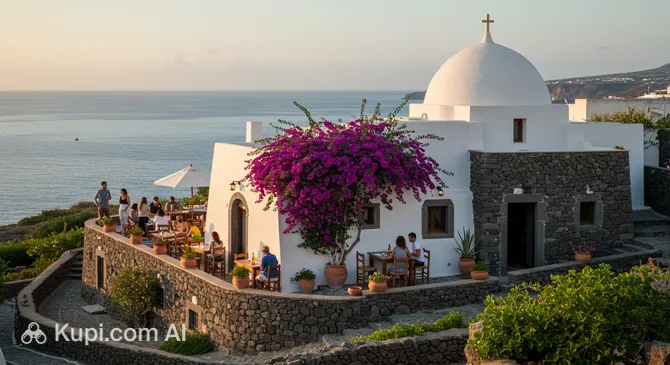
  • The island's iconic stone dwellings, known as dammusi, feature domed roofs specifically designed to channel rainwater into cisterns and keep interiors cool. Many of these historic structures have been preserved and converted into venues like the Dammuso Restaurant, allowing visitors to experience the traditional architecture firsthand.

  • Local capers are considered among the finest in the world due to the mineral-rich volcanic soil. Unlike standard varieties, Pantelleria capers are strictly preserved in sea salt rather than vinegar to maintain their intense fragrance and firm texture.

Dammuso Restaurant. Source: Kupi.Binoculars

How to Get There

Reaching this remote volcanic island is part of the adventure, offering travelers a chance to disconnect from the mainland. While the journey requires a bit of planning, there are convenient options available by air and sea. For a detailed breakdown of routes and schedules, you can read more about how to get to Pantelleria to help plan your trip.

The most direct entry point is the local Pantelleria Airport (PNL), situated right on the island. Located just 2.8 km from the town center, this small regional hub welcomes around 200,000 passengers annually, mostly on flights connecting from Sicily and major Italian cities during the summer. Once you land, the transfer is quick; a ride by taxi or shuttle bus typically takes only 5 to 10 minutes to reach the main town, allowing you to start your vacation almost immediately.

Another common way to approach the island is via Trapani-Birgi Airport (TPS), located in the city of Trapani on the west coast of Sicily. Although it is approximately 129 km away from Pantelleria, it serves as a crucial transit point. Many travelers fly into Trapani and then catch a connecting flight or a ferry across the Strait of Sicily to reach their final destination.

For clarity, here is a summary of the main airports:

Airport Name City Passenger Traffic Km from City
Tunis-Carthage International Airport Tunis Large 153.1
Trapani-Birgi Airport Trapani Medium 129.1
Enfidha - Hammamet International Airport Sousse Medium 158.9
Lampedusa Airport Lampedusa Small 160.0
Pantelleria Airport Pantelleria Small 2.8

Main Attractions

Pantelleria is a destination defined by its dramatic volcanic geology and unspoiled nature. The island's main attractions are not typical museums or monuments, but rather breathtaking natural formations, thermal springs, and scenic viewpoints that showcase the raw power of the Mediterranean landscape.

One of the most iconic spots is the Specchio di Venere (Mirror of Venus), a natural lake set within an ancient volcanic crater. Fed by thermal springs, the water is warm and rich in minerals, displaying vibrant shades of turquoise and emerald. Visitors flock here not only for the stunning scenery but also to cover themselves in the therapeutic, sulfur-rich mud found at the lake's edge, offering a natural spa experience in the open air.

Another must-see landmark is the Arco dell'Elefante (Elephant Arch), a massive rock formation jutting out into the sea. Resembling the head and trunk of an elephant drinking from the water, this natural sculpture is one of the most photographed sites on the island. It is easily accessible by car and serves as a perfect starting point for a swim in the crystal-clear waters of the surrounding cove.

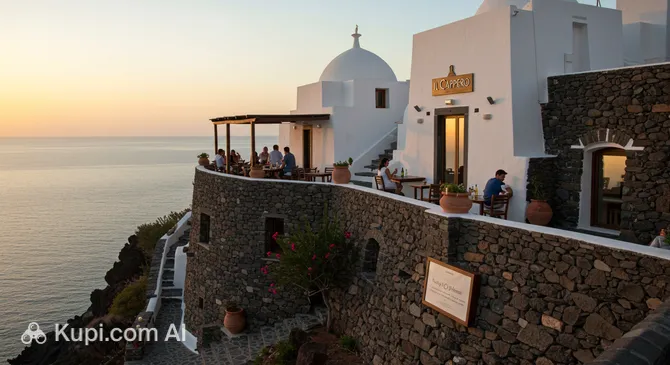
Il Cappero Restaurant. Source: Kupi.Binoculars

For those seeking a taste of the island's refined culinary culture, Il Cappero Restaurant offers an exceptional dining experience. Located within the Therasia Resort, this Michelin-starred establishment is celebrated for its creative reinterpretation of Sicilian and Pantellerian cuisine. Guests can enjoy dishes crafted from local ingredients, such as the famous capers and fresh seafood, all while admiring panoramic views of the sea and the rugged coastline.

Finally, nature lovers should visit the Laghetto delle Ondine (Pond of the Ondines), a natural saltwater pool carved into the volcanic rock. Protected from the open sea by a barrier of stone, it provides a calm and safe swimming spot even when the surrounding waters are rough. The contrast between the dark lava rock and the deep blue water creates a mesmerizing visual effect, making it a favorite spot for relaxation and snorkeling.

Local Cuisine

The culinary landscape of Pantelleria is a fascinating reflection of its history, blending Sicilian traditions with strong North African influences. Due to the island's isolation and volcanic soil, the local cuisine relies heavily on intense flavors and unique raw materials that grow abundantly in the wild. The food here is simple yet incredibly aromatic, often centered around fresh vegetables, seafood, and the island's world-renowned capers.

One of the most iconic dishes you must try is the Insalata Pantesca. This refreshing salad combines boiled potatoes, tomatoes, onions, and olives with the island's protected (IGP) capers and dried oregano, all dressed in rich olive oil. Often, it is enriched with dried mackerel or salted fish. Another staple is the Pesto Pantesco, a raw sauce made from tomatoes, garlic, basil, almonds, and capers, typically served over pasta to create a fragrant and hearty meal.

Given the proximity to Tunisia, it is no surprise that couscous plays a major role in the local diet. However, the Couscous Pantesco differs from its Sicilian and North African counterparts; it is traditionally served with a variety of fried vegetables and fish, accompanied by a spicy broth. For those who prefer pasta, the Ravioli Amari are a unique delicacy—filled with ricotta and fresh mint leaves, they offer a surprising but delightful flavor combination.

No meal in Pantelleria is complete without a glass of its legendary wine. The island is the home of the Zibibbo grape, which is used to produce the famous Passito di Pantelleria. This amber-colored dessert wine is sweet, aromatic, and often described as "liquid gold," making it the perfect accompaniment to local pastries. You should also try the dry white Zibibbo wines, which are crisp and perfect for pairing with seafood dinners.

To finish on a sweet note, look for the Bacio Pantesco (Pantescan Kiss). This intricate dessert consists of a flower-shaped fried fritter filled with sweetened ricotta and chocolate chips. Dining on the island is generally a relaxed experience, with many visitors enjoying meals in converted dammusi or rustic trattorias where the focus is on slow food and genuine hospitality. Whether you are grabbing a quick bite at a bakery or sitting down for a long dinner, the flavors of Pantelleria are sure to leave a lasting impression.

Travel Tips

Visiting Pantelleria is a unique adventure that differs significantly from a typical beach holiday in Italy. To help you navigate the rugged terrain and embrace the island's slow-paced lifestyle, here are some essential practical tips for your journey.

  1. Clothing and Gear: Since the coastline consists mostly of jagged volcanic rock rather than sand, bringing water shoes (aqua socks) is absolutely essential for entering the sea comfortably. Additionally, pack a windbreaker or a light scarf, as the island is famous for its constant breeze, especially in the evenings.

  2. Transportation: Public transport is somewhat limited and does not reach all the secluded coves and interior trails. The best way to explore is by renting a scooter or a small car, which can easily navigate the narrow, winding roads. Booking your vehicle in advance, especially during August, is highly recommended.

  3. Finances: The local currency is the Euro (€). While major hotels and restaurants accept credit cards, smaller shops, kiosks, and rural trattorias often prefer cash. Be sure to withdraw enough money in the main town of Pantelleria or Scauri, as ATMs are rare in the more remote districts.

  4. Health and Safety: The sun here can be intense, so high-SPF sunscreen and a hat are mandatory. Pharmacies are generally found in the larger inhabited centers like Pantelleria town, where the island's hospital is also located. The island is very safe, but always keep an eye on the weather conditions, as the sea can become rough quickly due to the wind.

  5. Communication: Italian is the primary language, and while staff in tourism hubs usually speak English, knowing a few basic phrases like buongiorno (good morning) and grazie (thank you) is appreciated by the locals. Mobile signal can be spotty in deep valleys or near high cliffs, so downloading offline maps is a good idea.

  6. Local Etiquette: Life on the island follows a relaxed rhythm, including the traditional afternoon rest. Many shops and businesses close between roughly 1:30 PM and 4:30 PM, so plan your shopping and lunch accordingly. It is polite to greet shopkeepers when entering and leaving their establishments.

  7. What to Avoid: Do not waste water. Pantelleria has no natural freshwater sources and relies on desalination and rainwater collection, so water is a precious resource that should be used sparingly. Also, avoid walking on the roofs of the dammusi (traditional houses), as they are designed to collect this rainwater.

  8. Thermal Spring Tip: If you plan to visit the thermal pools or the Lake of Venus for a mud bath, wear old swimwear. The sulfur content and mineral-rich mud can stain fabrics and tarnish silver jewelry, so it is best to leave your valuables at your accommodation.

By keeping these practicalities in mind, you will be well-prepared to fully enjoy the wild beauty and warm hospitality of this Mediterranean gem. Pack your spirit of adventure and get ready to discover the magic of the island at your own pace.

Entertainment & Nightlife

Nightlife in Pantelleria is distinct from the high-energy clubbing scenes found on other Mediterranean islands. Instead of neon-lit strips and all-night raves, the evening entertainment here is sophisticated, relaxed, and centered around the ritual of the aperitivo. The transition from day to night typically begins at sunset, when locals and visitors gather at scenic viewpoints to watch the sun dip below the horizon, often accompanied by music and a glass of local Zibibbo wine. The atmosphere is generally "radical chic"—stylish yet unpretentious, where linen shirts and sandals are the norm.

The beating heart of the island's evening social scene is undoubtedly the district of Scauri. This small port village transforms after dark into a lively hub where people stroll along the waterfront and fill the terraces of bars and lounges. Here, you will find popular spots like Altamarea, which serves as a restaurant, lounge bar, and occasionally a disco where DJs spin tracks late into the night. Another favorite in this area is Kayà Kayà, a laid-back bar right on the port, perfect for a casual drink by the water. For a truly iconic experience, many head to the nearby Sesiventi, famous for its sunset sessions atop the white domes of a traditional dammuso, offering breathtaking views towards Tunisia.

For those seeking a memorable dining experience as part of their night out, the island offers exceptional options that blend atmosphere with culinary excellence. Il Cappero Restaurant is a prime choice for a refined evening; its Michelin-starred menu and elegant setting make it perfect for a special occasion. Alternatively, if you prefer a setting that immerses you in local history, the Dammuso Restaurant provides a charming environment housed within traditional architecture, where you can enjoy long, leisurely dinners typical of the Italian south.

In the main town of Pantelleria, the nightlife is concentrated around the harbor and the Borgo Italia area. While it is more commercial than Scauri, it offers a variety of bars like Tikirriki, a historic meeting point for breakfast that turns into a lively spot for evening cocktails. The crowd here is a mix of locals, boat crews, and tourists, creating a buzzing atmosphere. Walking around the port at night is safe and pleasant, with shops often staying open late during the peak summer months.

From a practical standpoint, getting around at night requires some planning. Public transport is virtually non-existent in the late evening, and taxis can be scarce and expensive. It is highly recommended to rent a scooter or a car to move between the scattered districts and your accommodation. The roads are safe but often unlit and winding, so drive with caution. Prices for cocktails and appetizers are generally reasonable, though they can be higher at exclusive sunset venues.

While the nights are for socializing, daytime entertainment in Pantelleria is dominated by nature and history rather than theme parks or shopping malls. Visitors spend their days exploring the Archaeological Park of Sesi to see ancient burial mounds or visiting the Volcanological Museum to understand the island's geology. However, the ultimate daytime activity remains taking a boat tour to discover hidden coves or relaxing in the natural thermal pools that dot the coastline.

Parks & Museums

While Pantelleria is famous for its sea, the island's heart is a protected treasure trove of biodiversity and history. In 2016, it was established as the Parco Nazionale dell'Isola di Pantelleria (National Park of the Island of Pantelleria), the first of its kind in Sicily, preserving the unique harmony between volcanic nature and traditional agriculture.

The crown jewel of the island's green spaces is the Montagna Grande. Rising 836 meters above sea level, this peak is covered in lush maritime pine and holm oak forests, offering a stark contrast to the rugged, black coastline. It is a paradise for hikers, with numerous trails leading to the summit. On clear days, the view from the top is spectacular, allowing you to see the coast of Africa across the Mediterranean. The mountain is also a sanctuary for biodiversity, hosting rare plant species and migrating birds.

For a glimpse into the island's "breathing" geology, visitors should explore the area of the Favare on the slopes of the mountain. This natural park area is characterized by fumaroles—jets of water vapor escaping from cracks in the rocks at high temperatures. It is a surreal, almost lunar landscape where the geothermal activity is palpable. The steam here has historically been used by farmers to produce water for their animals through condensation, showcasing the islanders' ingenuity in this arid environment.

Turning to culture and history, the most prominent landmark is the Castello Barbacane (Barbacane Castle), located directly on the waterfront of the main town. This imposing fortress, built entirely of lava stone, dates back to the medieval period and has served as a prison and a defensive stronghold. Today, it houses the Museo Archeologico, where you can admire the famous "Teste di Pantelleria"—three stunning Roman marble heads discovered on the island, along with pottery and artifacts that trace the island's strategic importance through the centuries.

Another fascinating site that functions as an open-air museum is the Archaeological Park of the Sesi in the Mursia district. This area contains the remains of a Bronze Age village and its unique necropolis. The "Sesi" are megalithic funerary monuments shaped like truncated cones, built from dry lava stone. They are unique to Pantelleria and offer a mysterious insight into the prehistoric civilizations that first settled here over 4,000 years ago.

For those interested in the geological forces that shaped the island, the small Museo Vulcanologico (Volcanological Museum) at Punta Spadillo is worth a visit. It provides educational exhibits on the volcanic origins of Pantelleria, explaining the formation of the obsidian flows and the thermal phenomena that visitors enjoy today. It is located near the lighthouse, making it easy to combine a bit of learning with a scenic coastal walk.

Insider Tip: If you hike up Montagna Grande, look for the "Grotta dei Briganti" (Cave of the Brigands). It is a hidden spot that was historically used as a refuge. The silence in the woods here is profound, offering a completely different atmosphere from the lively port towns.

Getting Around

The public transport system in Pantelleria is relatively simple and relies entirely on a bus network. There are no trains, trams, or metro lines on the island. The service is designed primarily to connect the main town, where the port is located, with the various rural districts (known locally as contrade) such as Scauri, Khamma, Tracino, and Sibà, as well as the airport. While the buses are reliable for moving between major population centers, they do not reach every secluded cove or trailhead.

The local bus service is operated by private companies under municipal concession. The routes generally loop around the island or cut across the interior to reach the higher elevations. During the summer high season, the frequency of trips increases to accommodate tourists, but it remains a service that requires patience. In the winter months, the schedule is significantly reduced, catering mostly to students and workers.

Regarding payment, travel on the island is quite affordable. Tickets can typically be purchased at authorized retailers, such as tobacco shops (look for the "T" sign) and newsstands in the main town. In many cases, it is also possible to buy a ticket directly on board from the driver using cash, though it is always safer to have small change ready. There are no complex travel cards or digital apps for ticketing; the system is traditional and paper-based. Once on board, you simply keep your ticket for the duration of the ride.

For tourists, the most practical advice is to treat the bus as a secondary option rather than your primary means of exploration. Buses usually stop running in the early evening, making them unsuitable for enjoying the island's nightlife or late dinners in different districts. Bus stops are marked, but in rural areas, they can sometimes be inconspicuous, so it is helpful to ask locals for the exact location. Always check the latest timetable posted at the main terminal in Piazzale Cavour near the port, as schedules can change without widespread online notification.

Due to the limitations of public transport, the vast majority of visitors choose alternatives to get around. Renting a vehicle is widely considered the best way to experience the island. Scooters are particularly popular for their ability to navigate narrow, winding roads and park easily near rocky beaches. Small cars are also a good option, especially for protection against the wind. Taxis are available and can be found at the port and airport, but they can be expensive for long distances or frequent trips. If you plan to use taxis, it is advisable to book them in advance, especially during the peak summer rush.

Accommodation

Where to Stay:

Accommodation in Pantelleria is quite different from the standard hotel experience found in many other Mediterranean destinations. While traditional hotels and resorts do exist, the most iconic and popular way to stay on the island is by renting a dammuso. These traditional volcanic stone houses, with their characteristic domed roofs and thick walls, offer a unique opportunity to live like a local. Options range from simple, rustic cottages to luxurious villas equipped with private swimming pools and expansive Mediterranean gardens.

For those who prefer the amenities and services of a hotel, there are several establishments scattered around the island, primarily in the 4-star and 5-star categories. These are often designed to blend seamlessly with the landscape, using local materials and low-rise architecture. If you are looking for convenience and easy access to shops, banks, and the port, staying in the main town of Pantelleria is the most practical choice. However, many visitors prefer the district of Scauri on the southwest side, which is famous for its spectacular sunsets and lively evening atmosphere.

Other popular areas include the districts of Tracino and Khamma on the eastern coast. These areas are generally quieter and offer breathtaking views of the sunrise and the famous Elephant Arch. Staying in these more remote locations usually requires a rental vehicle, as they are further from the main services but offer superior privacy and tranquility. For a truly secluded experience, some tourists opt for dammusi located in the interior near the Montagna Grande or nestled in the vineyards.

Price Range and Booking: Prices vary significantly depending on the season and the type of accommodation. August is the peak season, where rates for both hotels and dammusi are at their highest (luxury/high range). In the shoulder months of June, September, and October, you can find excellent mid-range deals. Budget travelers might find options limited, as the island leans towards exclusive tourism, but smaller B&Bs and guest houses in the main town can offer more affordable rates. Booking is typically done through major online platforms, but for dammusi, many visitors use specialized local agencies that manage private rentals.

Booking Tip: Pantelleria is a favorite summer destination for Italians, and the best dammusi are often booked months in advance. If you plan to visit in July or August, it is highly recommended to secure your accommodation by early spring. Additionally, check if your rental includes air conditioning; while the thick walls of the dammusi keep them naturally cool, the summer heat can be intense.

Nearby Cities

For those looking to explore the surroundings, Pantelleria serves as an excellent base for day trips to several interesting nearby locations. Although the island is geographically isolated, regular connections to the western coast of Sicily make it possible to discover the rich history, architecture, and culinary traditions of the closest mainland cities.

One of the most popular destinations is Marsala, a city globally renowned for its fortified wine. Beyond its historic cellars, Marsala offers a charming city center and access to the Stagnone Lagoon, a stunning natural reserve characterized by ancient salt pans, windmills, and the archaeological site of Mozia.

A bit further north lies Trapani, often called the "City of Salt and Sail." Magnificent Baroque buildings line its crescent-shaped coastline, and the historic center is a labyrinth of narrow streets leading to the sea. It is also the main gateway for visiting the medieval hilltop town of Erice, which offers panoramic views over the Egadi Islands.

For a unique cultural experience, Mazara del Vallo stands out with its strong Arab influence. The city is famous for its Casbah, a historic district with winding alleyways and colorful ceramics that resemble a North African medina. It is also home to one of the most important fishing fleets in the Mediterranean and the celebrated Dancing Satyr statue.

City Population Distance (km)
Marsala 82,802 116
Trapani 67,923 142
Agrigento 59,329 155
Mazara del Vallo 51,488 108
Alcamo 45,273 156

These nearby destinations offer a glimpse into the diverse culture and landscapes of the region.

Shopping & Souvenirs

Shopping in Pantelleria is a delightful reflection of the island's slow-paced and authentic lifestyle. You will not find sprawling shopping malls, international chain stores, or high-end fashion avenues here. Instead, the retail experience is intimate and focused on local craftsmanship, culinary treasures, and unique boutiques. Visitors can expect to explore small, family-run shops that take pride in the quality and origin of their products, making every purchase feel like a personal exchange.

The main hub for shopping is the town of Pantelleria itself, particularly the area around the port. The waterfront promenade, known as Borgo Italia, and the adjacent streets like Via Borgo Italia and Corso Umberto I, are lined with a variety of stores. Here, you can find everything from beachwear and summer clothing to artisan workshops selling ceramics and jewelry. In the summer evenings, these streets come alive as tourists stroll through the center, browsing shops that often stay open late to accommodate the post-dinner crowd.

It is important to note that there are no shopping malls on the island. The commercial landscape is defined by small, independent retailers rather than large complexes. For grocery shopping, there are supermarkets and smaller alimentari (grocery stores) scattered throughout the main town and in districts like Scauri and Khamma, but do not expect the department store experience found in mainland Italy.

While there isn't a massive central bazaar, the island has a vibrant tradition of small markets and roadside stands. Near the port in Pantelleria town, you can often find vendors selling fresh, locally grown produce. These stalls are the best places to buy seasonal fruits and vegetables, which are incredibly flavorful due to the volcanic soil and intense sun. In the summer, small artisan markets sometimes pop up in the evenings along the lungomare (seafront), offering handmade jewelry and crafts.

When it comes to souvenirs, the best items to bring home are undoubtedly edible. Capers from Pantelleria are world-famous and have Protected Geographical Indication (PGI) status; they are preserved in sea salt and packed with flavor. Another must-buy is Passito di Pantelleria, the island's golden dessert wine made from Zibibbo grapes. You can purchase these directly from local wineries or enotecas. Other popular gifts include dried oregano, sun-dried tomatoes, and traditional ceramics painted with vibrant Mediterranean colors.

Opening hours on the island follow a strict Mediterranean schedule. Shops typically open around 9:00 AM and close for a long lunch break (siesta) starting at 1:00 PM. They reopen in the late afternoon, usually around 5:00 PM or 5:30 PM, and stay open until 8:00 PM or later, especially in summer. Regarding payment, while most established shops and supermarkets accept credit cards, it is highly advisable to carry cash for smaller transactions at market stalls, kiosks, or remote artisan workshops.

As part of Italy and the EU, non-EU residents may be eligible for a VAT (tax) refund on purchases over a certain amount in a single store. However, given the small scale of most local businesses, "Tax-Free" shopping signage is rare. If you plan to make a significant purchase of jewelry or high-end artisan goods, it is best to ask the shopkeeper directly if they participate in the tax refund scheme.
Reached the end of the page?

That means the route is fully explored