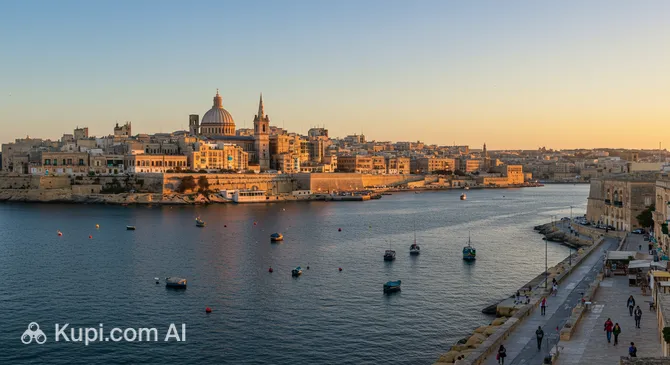
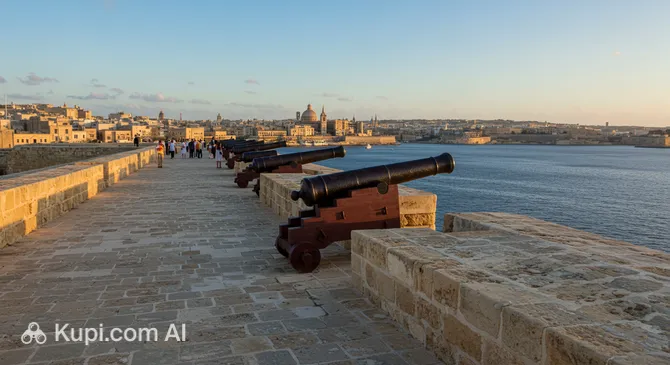
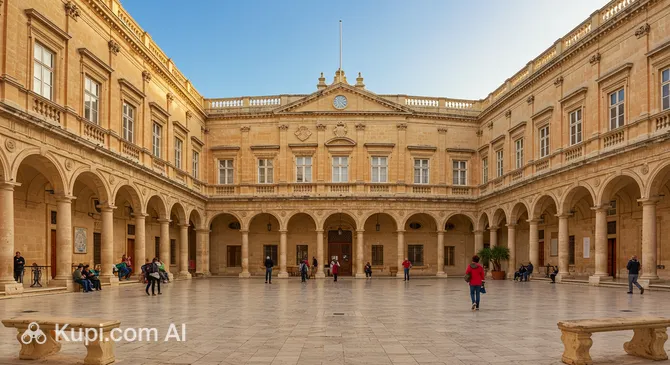
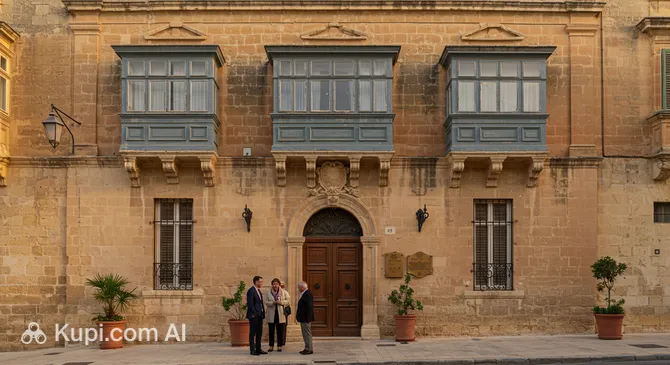
Navigating Valletta is a unique experience compared to many other European capitals. The city does not have a metro, tram, or train system. Instead, the public transport network relies almost entirely on a comprehensive bus service, supplemented by scenic ferries and a specialized vertical lift. Since the city is a peninsula with a pedestrian-friendly layout, the main bus terminus is located just outside the City Gate, serving as the central hub for routes connecting to the rest of the island.
The backbone of the local transport system is the bus network operated by Malta Public Transport. These distinct lime-green and white buses are modern, air-conditioned, and cover the entire territory efficiently. For movement specifically within the city's narrow streets, look for Route 133. This is a circular route using smaller minibuses that loop around the capital, making stops at major attractions and the bus terminus, which is perfect for those who want to save their energy on the hilly terrain.
For payment, the system is designed to be tourist-friendly. While you can buy a single ticket with cash from the driver (exact change is highly recommended), it is more convenient and cost-effective to use the Tallinja Card system. Visitors can purchase the Explore Card, which offers unlimited travel for seven days, or the 12 Single Day Journeys card. Recently, contactless payment using credit cards, smartphones, or smartwatches has been introduced on all buses, allowing you to simply "tap and go" upon boarding without needing to purchase a physical ticket in advance.
Travelers should know that bus tickets and cards can be purchased at the Sales and Information Office in the Arrivals Hall at the airport, or from automatic vending machines located at the main bus terminus outside Valletta. When boarding, always validate your card by tapping it on the reader near the driver. Buses generally operate from around 5:30 AM to 11:00 PM. On Friday and Saturday nights, special Night Routes (marked with an 'N') provide service to major entertainment hubs, though usually at a slightly higher fare.
A delightful alternative to road transport is the Valletta Ferry Services. Two main routes operate from the capital: one crossing Marsamxett Harbour to the shopping district of Sliema, and another crossing the Grand Harbour to the Three Cities. These ferries are not only a practical way to beat traffic but also offer some of the most picturesque views of the fortified skyline. Tickets are inexpensive and can be bought directly at the landing spots.
One special feature of the city's transport infrastructure is the Upper Barrakka Lift. This vertical transport link connects the Grand Harbour and the waterfront cruise terminal directly to the Upper Barrakka Gardens and the city center, bridging a height of 58 meters in just 25 seconds. It is the fastest way to get from the water's edge to the heart of the city. The ride down is often free, while the trip up requires a nominal fee, which is included if you hold a valid ferry ticket.
For those preferring private transport, taxis are readily available. The traditional white taxis can be hailed at designated stands, such as the one near the City Gate. However, ride-hailing apps like Bolt, Uber, and eCabs are extremely popular, reliable, and often cheaper. They offer the advantage of fixed prices and cashless payment. Due to the city's compact size and steep steps, bike rentals are less common within the walls, but walking remains the most effective way to explore the historic center itself.