Support

Comiso

About

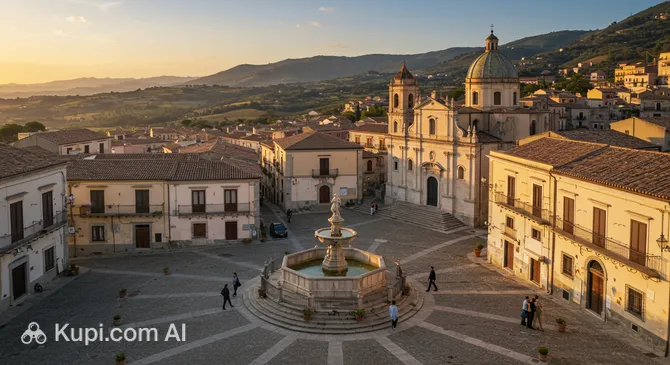
Comiso is a captivating destination located in the southern part of the island of Sicily, Italy. Nestled in the province of Ragusa at the foot of the Hyblaean Mountains, this town offers an authentic glimpse into Sicilian life, far from the bustling crowds of larger tourist hubs. With a population of approximately 30,000 inhabitants, Comiso maintains a lively yet relaxed atmosphere, making it a delightful spot for travelers who appreciate genuine local culture and architectural beauty.

Comiso. Source: Kupi.Binoculars

The town is steeped in a rich heritage that dates back to ancient times. To truly appreciate its evolution and cultural depth, one should explore the history of Comiso, which reveals a fascinating tapestry of influences ranging from Greek and Roman to Arab and Norman civilizations. This diverse past is reflected in the town's urban layout and the elegant buildings that line its streets, particularly in the historic center.

Visitors are often charmed by the town's unique blend of landmarks. Key attractions include the Castello dei Naselli, a noble fortress that stands as a testament to the town's medieval past, and the stunning Santa Maria delle Stelle, the Mother Church featuring exquisite architecture. Intriguingly, Comiso is also home to the Pagoda of Peace, one of the few Buddhist pagodas in Europe, which adds a distinct spiritual dimension to the cityscape.

Whether you are admiring the local Baroque facades or enjoying the warm Mediterranean climate, Comiso serves as an excellent base for discovering the wider Val di Noto region. It is a perfect stop for those seeking a mix of art, history, and traditional Italian hospitality.

Weather Overview

Comiso experiences a classic Mediterranean climate characterized by hot, dry summers and mild, relatively wet winters. The warmest period occurs in July and August, when average temperatures rise to approximately 26°C, with daily highs often reaching nearly 30°C. During these summer months, rainfall is extremely rare, particularly in July, which typically sees only a single wet day.

The winter months remain gentle, with January being the coldest time of the year, averaging around 10.7°C and rarely dropping below 8°C. While snow is virtually unheard of, visitors should expect more frequent showers in the late autumn and winter; November is generally the dampest month with about 11 wet days. For a more comprehensive breakdown of seasonal trends and packing advice, you can view the detailed report on the weather in Comiso.

Interesting Facts

Beyond the main attractions, Comiso holds many fascinating secrets that reveal its deep historical layers and cultural richness. From ancient legends to surprising modern monuments, the town offers curious details that often escape the casual visitor.

  • A Symbol of Peace: Surprisingly, Comiso is home to one of the few Buddhist pagodas in Europe, the Pagoda of Peace. It was constructed by a Japanese monk in the 1990s on a hill overlooking the town. The location is highly symbolic, as it sits near the site of a former Cold War-era nuclear missile base, transforming a place of conflict into a sanctuary of serenity.

  • The Legend of the Spring: The town's main square, Piazza Fonte Diana, is named after an ancient spring that dates back to Roman times. According to local mythology, the water from this spring possessed magical properties and would refuse to mix with wine if poured by a person who was unfaithful, serving as a divine test of chastity.

  • Fossils in the Stone: The local architecture is defined by the extensive use of "Pietra di Comiso," a hard limestone extracted from the nearby hills. If you look closely at the steps of the churches or the paving stones in the historic center, you can often spot visible fossils embedded directly in the rock, revealing the area's geological history as an ancient seabed.

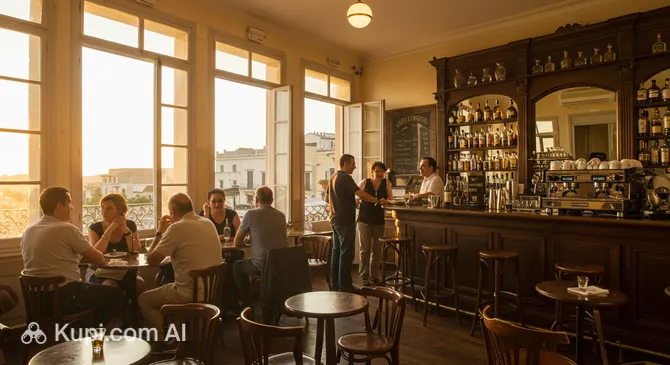
  • The City's Living Room: The social life of the town revolves around its elegant squares, which act as open-air living rooms for the community. This tradition is best experienced at historic establishments like Caffè Borghese, a classic venue where locals have gathered for generations to enjoy conversation and the slow pace of Sicilian life.

Caffè Borghese. Source: Kupi.Binoculars

How to Get There

Reaching this charming Sicilian town is quite convenient, offering travelers several options depending on their starting point. Whether you prefer flying directly to the island or taking a scenic route from the mainland, you can easily find a suitable itinerary. For a comprehensive overview of all available transport methods, you can check the detailed guide on how to get to Comiso.

The most direct way to arrive is via the local air hub, Comiso Airport (CIY). Located just 5.4 km from the town center, it is incredibly convenient for visitors. The journey by taxi or bus is a brief drive, making it the stress-free choice for those who want to start their vacation immediately. Alternatively, many international travelers opt for Catania-Fontanarossa Airport (CTA) in Catania, which is a major regional hub situated about 70.8 km away. While it requires a longer transfer—taking roughly an hour and a half by road—it handles a significantly higher volume of flights, offering more connection options from major European cities.

For clarity, here is a summary of the main airports:

Airport Name City Passenger Traffic Km from City
Catania-Fontanarossa Airport Catania Large 70.8
Malta International Airport Valletta Large 121.5
Falcone-Borsellino Airport Palermo Large 190.9
Tito Menniti Airport Reggio Calabria Medium 155.4
Comiso Airport Comiso Small 5.4

If you are traveling by train from the Italian mainland, you will typically pass through major transport hubs before crossing into Sicily. While Comiso is served by regional connections, the primary gateways for long-distance rail travelers are Reggio di Calabria Centrale Station (RCC) on the tip of the peninsula, about 157.5 km away, and Lamezia Terme Centrale Railway Station (LTZ) further north. From these major stations, visitors can easily transfer to ferries and the local Sicilian rail or bus network to complete their journey to the town.

Below is the information for the nearest major railway hubs on the mainland route:

Station City Passenger Traffic Km to Center
Lamezia Terme Centrale Railway Station Cosenza Large 262.8
Reggio di Calabria Centrale Station Reggio Calabria Unknown 157.5

Main Attractions

Comiso is a treasure trove of history and architecture, offering visitors a delightful mix of Sicilian Baroque splendor and unique cultural landmarks. The city's compact historic center is perfect for exploring on foot, allowing travelers to admire its elegant squares, ancient churches, and noble palaces that tell the story of its aristocratic past.

One of the city's most prominent landmarks is the Castello dei Naselli. Originally built in the Byzantine era and later transformed by the Naselli counts, this fortress stands as a symbol of the town's feudal history. Its octagonal tower and well-preserved walls offer a glimpse into the medieval defense systems of the region. Visitors are often captivated by the castle's imposing presence and the rich legends surrounding the noble families who once resided there.

Religious architecture plays a significant role in Comiso's skyline, with the Basilica of Santa Maria delle Stelle being the crown jewel. This Mother Church is a stunning example of Sicilian Baroque, rebuilt after the 1693 earthquake. Its intricate façade and the beautifully decorated interior, featuring precious artworks and a magnificent wooden ceiling, make it a must-visit for art lovers and those seeking spiritual tranquility.

For a taste of local tradition and social life, a visit to Caffè Borghese is essential. Located in the heart of the city, this historic establishment is more than just a place to grab a drink; it is a cultural institution where locals have gathered for decades. With its elegant atmosphere, it offers tourists the perfect setting to enjoy a classic Sicilian granita or a rich espresso while soaking in the daily rhythm of Comiso.

Another fascinating site is Piazza Fonte Diana, the town's main square, which takes its name from the mythological spring that flows beneath it. The square is home to the neoclassical Town Hall and the Fountain of Diana, creating a scenic backdrop for evening strolls. It serves as the living heart of the city, where history meets modern daily life.

Finally, the Pagoda of Peace offers a truly unique experience. Situated on a hill just outside the city center, this Buddhist stupa stands as a stark but beautiful contrast to the surrounding Mediterranean landscape. Built to promote world peace, it provides a serene environment for reflection and offers panoramic views of the Comiso valley, making it a surprising but memorable addition to any itinerary.

Local Cuisine

The local cuisine of Comiso offers a delicious journey into the heart of the Hyblaean culinary tradition, characterized by simple, "zero-kilometer" ingredients and robust flavors. Rooted in its peasant history, the food here relies heavily on the fresh produce of the surrounding countryside, including high-quality olive oil, locally grown vegetables, and rich cheeses. Dining in this part of Sicily is not just a meal; it is a celebration of the land and its seasonal bounty.

One dish you absolutely must try is the scaccia (plural scacce), a rustic focaccia typical of the Ragusa province. Thin layers of dough are folded over savory fillings such as tomato and onion, ricotta and sausage, or parsley and anchovies, creating a hearty and portable meal. Pasta lovers should look for cavati, a type of handmade pasta often served with a rich pork meat sauce (sugo di maiale). Another staple is the renowned Ragusano DOP, a rectangular block of caciocavallo cheese that is savory and slightly spicy, often enjoyed on its own or grated over pasta.

For those with a sweet tooth, the day often begins with a classic Sicilian breakfast: a refreshing granita accompanied by a warm brioche "col tuppo." Almond and lemon are the most traditional flavors here. Pastry shops also display trays of cannoli filled with fresh ricotta and mucatoli, which are biscuits stuffed with a mixture of dried fruits and honey, perfect for a midday treat.

When it comes to drinks, Comiso is situated in a prestigious wine-producing region. The area is famous for Cerasuolo di Vittoria, the only Sicilian wine to hold the DOCG status. This red wine is elegant and fruity, making it an ideal pairing for the local meat dishes and cheeses. Non-alcoholic options include freshly squeezed orange juice from the local citrus groves or latte di mandorla (almond milk), a sweet and cooling beverage popular in the summer.

The food culture in Comiso is relaxed and social, revolving around trattorias and historic bars where locals gather to chat. The dining scene is authentic, with fewer tourist traps than in larger cities. For a true taste of the local lifestyle, you can visit Caffè Borghese, a historic venue that serves as a cornerstone of the community's social life. Whether you are grabbing a quick espresso or settling in for an evening aperitivo, places like this offer the perfect vantage point to observe the slow, charming rhythm of the town.

Travel Tips

Preparing for a trip to Comiso is an exciting prospect, but knowing a few local nuances can turn a good vacation into a truly seamless experience. Here is a curated list of practical advice to help you navigate this charming Sicilian town with ease and confidence.

  1. Clothing and Gear: During the summer months, the climate is hot and dry, so bring breathable fabrics, sunglasses, and a sturdy hat to protect against the sun. However, if you plan to visit religious sites like the main churches, remember that modesty is required; shoulders and knees must be covered. Comfortable walking shoes are essential for navigating the cobblestone streets of the historic center.

  2. Transportation: The heart of Comiso is compact and best explored on foot. However, to visit the surrounding countryside or nearby towns in the Ragusa province, renting a car is highly recommended, as public transport schedules can be sparse and infrequent. Taxis are available but are not typically hailed on the street; it is best to book one in advance or ask your accommodation to arrange it for you.

  3. Finances: The official currency is the Euro (€). While credit cards are generally accepted in hotels and larger restaurants, smaller cafés, bakeries, and family-run shops often prefer cash. It is wise to carry small bills for daily expenses. ATMs are widely available throughout the town. Tipping is not mandatory, but leaving a small amount for good service is always appreciated.

  4. Health and Safety: Comiso is generally a very safe town for tourists. Pharmacies are marked by a green cross sign and are usually open during standard business hours, with a rotating schedule for nights and holidays. For any serious medical emergencies, the universal number to dial is 112. As in any travel destination, keep an eye on your personal belongings in crowded areas.

  5. Communication: The primary language is Italian, often spoken with a distinct Sicilian dialect among locals. While younger generations and staff in the tourism sector likely speak English, it is not universally understood in smaller establishments. Learning a few basic phrases like buongiorno (good morning) and grazie (thank you) will go a long way in breaking the ice.

  6. Local Etiquette: Politeness is highly valued in Italy. Always greet shopkeepers and staff when entering or leaving a store. Residents take their food culture seriously, so avoid asking for major modifications to traditional dishes unless necessary for allergies. Additionally, keep your voice down when visiting churches or walking through residential areas during rest hours.

  7. What to Avoid: Do not expect shops and businesses to be open all day long. The afternoon break, known as riposo, is strictly observed, typically from 1:30 PM to 4:00 PM. During this time, the town may feel deserted as locals retreat home for lunch and rest. Plan your shopping and errands accordingly to avoid facing closed doors.

  8. Local Insight: Embrace the tradition of the passeggiata. In the late afternoon and evening, locals flock to the main squares, particularly Piazza Fonte Diana, to stroll, chat, and socialize. Joining this slow-paced ritual is the best way to feel like a temporary resident rather than just a tourist.

With these practical tips in hand, you are well-prepared to immerse yourself in the authentic atmosphere of Comiso. Enjoy the warmth of the people, the delicious local flavors, and the relaxed pace of life in this beautiful corner of Sicily.

Entertainment & Nightlife

Nightlife in Comiso is less about thumping bass and neon lights, and more about the cherished Sicilian tradition of the passeggiata—a leisurely evening stroll where the community comes together to socialize. The atmosphere is warm, welcoming, and distinctly relaxed, with the action centered around the historic squares and the narrow streets radiating from them. Instead of large nightclubs, you will find lively bars, gelaterias, and open-air cafes where the evening stretches well into the night over drinks and conversation.

The beating heart of the town's evening entertainment is Piazza Fonte Diana. As the sun sets, this elegant square fills with locals of all ages, from families with children to groups of teenagers and elderly friends. The vibe here is casual but stylish; while there is no strict dress code, Sicilians tend to dress smartly for the evening, so a neat casual look is recommended. The surrounding streets, particularly Corso Vittorio Emanuele, are also popular for a night walk, lined with venues that stay open late, especially on weekends and during the summer months.

For a quintessential local experience, you should start your evening at Caffè Borghese. Situated right in the city center, this historic venue is perfect for an aperitivo, offering a selection of local wines and cocktails accompanied by traditional snacks. It captures the essence of Comiso's social life, allowing you to observe the bustle of the square from a comfortable vantage point. Another excellent spot to visit is Cantunéra, a favorite among locals for its authentic street food and relaxed ambiance. Here, you can enjoy a glass of Cerasuolo di Vittoria wine paired with some of the best arancini in town, making it a great stop for a casual dinner or a late-night bite.

While the town is generally quiet during the day, there are cultural venues that offer entertainment before the evening rush. The Teatro Naselli is a cultural gem, hosting a variety of performances ranging from prose and jazz concerts to classical music events. For those interested in science and history, the Museo Civico di Storia Naturale provides a fascinating daytime diversion with its extensive collection of fossils and natural history exhibits, often hosting educational events that run into the early evening.

From a practical standpoint, the nightlife in Comiso peaks later than in many northern European cities. Dinner typically starts after 8:30 PM, and bars begin to fill up around 10:00 PM. Prices are generally affordable, with a glass of wine or a cocktail costing significantly less than in major tourist hubs. The town is very safe for night walks, even in the smaller alleys of the historic center. However, public transport is virtually non-existent at night, so if you are staying outside the center, it is essential to have a car or the number of a local taxi service saved on your phone, as hailing a cab on the street is not common.

Parks & Museums

While Comiso is predominantly known for its golden stone architecture and baroque churches, the city and its surroundings also offer refreshing green spaces and cultural institutions that provide a deeper understanding of the region's heritage. Visitors looking to balance their historical tours with nature or scientific discovery will find several noteworthy stops.

For a relaxing break within the city limits, the Villa Comunale is the traditional green heart of Comiso. This public garden is a beloved gathering spot for locals, featuring shaded pathways lined with Mediterranean flora, palm trees, and benches perfect for reading or people-watching. It offers a peaceful respite from the summer heat and is often the venue for small community events. Just outside the urban center, nature enthusiasts should explore the Cava Porcaro. This area is an archaeological and naturalistic park that showcases the rugged beauty of the Hyblaean landscape. It features ancient rock-cut tombs and lush vegetation typical of the river valleys in this part of Sicily, making it an excellent location for a scenic walk or a light trek.

Comiso's cultural landscape is significantly enriched by the Museo Civico di Storia Naturale (Civic Museum of Natural History). Regarded as one of the most important scientific museums in Sicily, it houses an impressive paleontological collection. The museum is famous for its extensive display of fossils recovered from the local area, including the remains of ancient cetaceans and other marine life that inhabited the region when it was submerged millions of years ago. It is a fascinating destination for families and anyone interested in geology and the prehistoric origins of the island.

Art lovers should not miss the opportunity to learn about one of the city's most famous sons at the Museo Salvatore Fiume. Dedicated to the renowned painter, sculptor, and writer born in Comiso, this collection is often hosted within the city's cultural spaces, such as the former fish market or the library. The exhibits typically feature sketches, paintings, and sculptures that reflect Fiume's eclectic style and his deep connection to Mediterranean culture. It serves as a testament to the town's artistic vitality in the 20th century.

For a truly authentic experience, take a short drive to the surrounding countryside near the Ippari River. Here, you can find lesser-known trails and ancient water mills that offer a glimpse into the rural history of the province. These quiet spots are rarely crowded and provide a perfect setting for photography or a peaceful picnic surrounded by olive groves and carob trees.

Getting Around

Navigating Comiso is a relatively straightforward experience, as the city is compact and human-scaled. Unlike larger metropolitan areas, there is no metro, tram, or trolleybus system here. The historic center is best explored on foot, allowing visitors to easily wander between the main piazzas and architectural landmarks. For longer distances or trips to the outskirts, the public transport network relies primarily on a system of urban and suburban buses.

The local bus service acts as the main motorized public transport option within the city limits. These buses connect key areas such as the railway station, the historic center, and the hospital. While the network is not as extensive as in major capitals, it provides a functional link for residents and tourists alike. Regional bus companies, such as AST (Azienda Siciliana Trasporti), also operate routes that pass through the town, connecting it to nearby destinations and the local airport, effectively doubling as a transit option for moving within the immediate area.

The payment system is traditional and relies mostly on paper tickets rather than digital apps or smart cards. Tickets for urban travel are affordable, typically costing around €1.20 to €1.50 for a single journey. It is highly advisable to purchase tickets in advance, as buying them on board is not always possible and may incur a surcharge. You can find tickets at authorized retailers, commonly known as tabaccherie (tobacconists), which are identified by a large white "T" on a dark background, or at newsstands near bus stops.

For a smooth journey, remember to validate your ticket immediately upon boarding by inserting it into the small machine located near the driver or the entrance; failure to do so can result in a fine. Tourists should also be aware that bus schedules in this part of the region can be somewhat relaxed. Service frequencies often decrease significantly during the early afternoon "siesta" hours (roughly 1:30 PM to 4:00 PM) and on Sundays or public holidays. It is always a good idea to check the timetable posted at the bus stop or ask a local for the most current information.

Regarding alternatives, taxis are available but operate differently than in many busy tourist hubs. You generally cannot hail a cab from the street; instead, you must find a designated taxi rank, usually located at Piazza Fonte Diana or the train station, or book one by phone. For those planning to explore the wider province or the countryside, renting a car is often the most practical solution, offering the freedom to travel without relying on the limited public transport schedules. Bike rentals are less common but are slowly becoming an option for leisurely exploring the flat terrain of the city center.

Finally, while not a metro, the Comiso Railway Station serves as an important hub. It is part of the regional train network connecting the city to other major towns in the southeast. For a tourist, the train can be a scenic and convenient way to arrive or depart, although it is less useful for short hops within the city itself due to the station's location relative to the center.

Accommodation

Comiso offers a charming selection of accommodation that reflects its authentic Sicilian character. Instead of massive hotel chains or high-rise resorts, the city is primarily dotted with intimate Bed & Breakfasts, guest houses, and small boutique hotels often housed in beautifully restored historic buildings. This allows visitors to experience the local architecture and hospitality firsthand. For those seeking a more rustic and immersive experience, the surrounding countryside is famous for its agriturismos (farm stays), where guests can enjoy nature, tranquility, and often locally produced food right on site.

The most convenient area to stay is undoubtedly the historic center, particularly near the main square, Piazza Fonte Diana, and the Castello dei Naselli. Staying in this zone places you within comfortable walking distance of the main Baroque churches, museums, and the lively evening social scene. Alternatively, if you have rented a car and prefer a quieter retreat, the rural outskirts offer excellent options. These countryside locations often feature swimming pools and expansive gardens, providing a relaxing base from which to explore the wider Ragusa province.

Regarding costs, accommodation in Comiso is generally more affordable compared to Sicily's heavily touristed hotspots like Taormina or Syracuse, offering excellent value for money. Prices can range from budget-friendly rooms in family-run guesthouses to mid-range rates for more upscale historic residences. While major online booking platforms are widely used and convenient, it is highly recommended to book well in advance if you plan to visit during the peak summer months (July and August) or during major local religious festivals, as the best options tend to fill up quickly.

Nearby Cities

For those looking to explore the surroundings, Comiso serves as an excellent base for day trips to several interesting nearby locations:

City Population Distance (km)
Gela 74858 35
Ragusa 73638 11
Vittoria 64212 7
Modica 54530 17
Caltagirone 38295 33

Among these options, Ragusa is an unmissable destination located just a short drive away. Divided into two distinct parts, the modern upper town and the ancient Ragusa Ibla, it is a UNESCO World Heritage site celebrated for its breathtaking Baroque architecture. Visitors can wander through a maze of narrow streets, admire the majestic Duomo di San Giorgio, and enjoy the views from the public gardens.

Another gem in the vicinity is Modica, famous not only for its dramatic architecture carved into the sides of a gorge but also for its unique culinary tradition. The town is renowned for its chocolate, produced using an ancient Aztec method that gives it a distinctive grainy texture. A visit here offers a feast for both the eyes and the palate, with stunning churches and historic workshops.

For lovers of art and craftsmanship, Caltagirone makes for a fascinating excursion. Known as the city of ceramics, it is famous for the Scalinata di Santa Maria del Monte, a monumental staircase of 142 steps, each decorated with hand-painted ceramic tiles. The town is filled with artisan shops where you can see masters at work and purchase unique souvenirs.

These nearby destinations offer a glimpse into the diverse culture and landscapes of the region.

Shopping & Souvenirs

Shopping in Comiso offers a delightful break from the commercialized experience of large metropolises. Instead of sprawling department stores and international chains, the city prides itself on a collection of independent boutiques, family-run shops, and artisan workshops. The retail atmosphere here is relaxed and intimate, allowing visitors to engage with shopkeepers and discover authentic Sicilian products. It is the perfect place to find high-quality garments, local handicrafts, and, most importantly, exceptional culinary treasures that reflect the region's rich agricultural heritage.

The primary destination for a shopping spree is the elegant Corso Vittorio Emanuele. This main thoroughfare, along with the streets radiating from Piazza Fonte Diana, serves as the commercial heart of the city. As you stroll down this avenue, you will find a variety of stores ranging from clothing and shoe boutiques to jewelers and historic stationers. The architecture along the street adds to the charm, making window shopping a pleasant cultural experience in itself.

Travelers looking for a modern, all-in-one shopping experience with global brands might not find large malls within the historic center of Comiso. However, the city is well-positioned near larger commercial hubs. For a more extensive retail therapy session, many locals drive to the nearby city of Ragusa, where the Centro Commerciale Le Masserie offers a wide selection of fashion chains, electronics, and a supermarket, just a short trip away.

For a truly local vibe, you cannot miss the weekly market. Typically held on Fridays, this open-air bazaar is a riot of colors and scents where the community gathers to stock up on essentials. Here, stalls overflow with fresh, seasonal fruits and vegetables from the surrounding countryside, as well as clothing, accessories, and household goods at bargain prices. It is an excellent spot to observe daily life and perhaps pick up some fresh snacks for a picnic.

When it comes to souvenirs, Comiso offers edible gifts that are sure to please. The region is famous for its Cerasuolo di Vittoria, a prestigious DOCG red wine, and bottles from local wineries make for excellent keepsakes. Another must-buy is the Ragusano DOP cheese, a savory caciocavallo that travels well if vacuum-sealed. For those with a sweet tooth, look for traditional almond pastries or torrone. Additionally, you may find small artisanal items made from the local hard limestone, known as "Pietra di Comiso," or ceramics inspired by the nearby town of Caltagirone.

Store opening hours in Comiso follow the traditional Italian split schedule. Shops generally open around 9:00 AM or 9:30 AM and close for the lunch break (siesta) at 1:00 PM. They reopen in the late afternoon, typically from 4:30 PM or 5:00 PM until 8:00 PM. Many shops are closed on Sundays and Monday mornings. Payment methods are modernizing, with credit and debit cards accepted in most boutiques and supermarkets, though it is always wise to carry cash for small purchases at markets or tobacco shops.

Visitors from outside the European Union should be aware of the Tax-Free shopping regulations. If you purchase goods from a single store that participates in the tax refund scheme and the total exceeds the qualifying threshold (currently €70.01 in Italy), you may be eligible for a VAT refund. Look for the "Tax Free" signage in shop windows and remember to ask for the necessary forms at the checkout to process your refund at the airport before leaving the EU.
Reached the end of the page?

That means the route is fully explored