Support

Italy

About the Country

Italy is a country where history comes alive at every turn, and art and culture permeate the very essence of life. Situated on the Apennine Peninsula and washed by the waters of the Mediterranean Sea, it entices travellers from all over the world with its unique charm. From the majestic ruins of the Roman Empire to the masterpieces of the Renaissance, Italy offers an endless immersion into its rich past. The heart of this country is, of course, Rome—the eternal city, guarding millennia of secrets and treasures. With excellent flight connections from major UAE hubs, this captivating destination is just a few hours away.
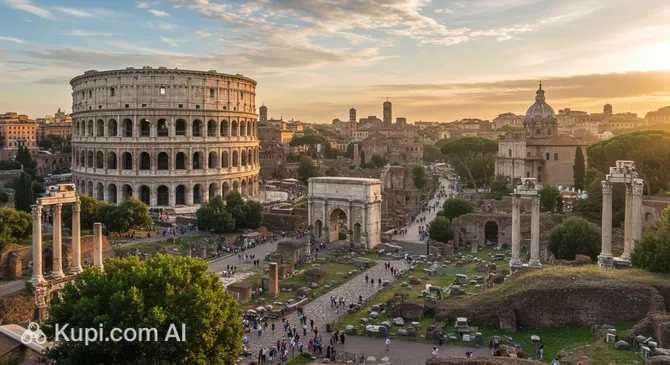
Rome. Source: Kupi.com Binoculars

A journey through Italy is a kaleidoscope of experiences. Here, you can indulge in exquisite cuisine, recognised as one of the best in the world; many restaurants in major cities offer halal options. You can wander through the narrow streets of medieval towns like Siena, or marvel at the magnificence of architectural monuments, among which the legendary Colosseum holds a special place. Fashion lovers will be drawn to Milan, while romantics will adore the unique city of Venice with its canals and gondolas. The diversity of landscapes—from Alpine peaks to the sunny beaches of Sicily—allows everyone to find something to their liking. The atmosphere of 'la dolce vita'—the sweet life—is felt everywhere, making a holiday in Italy truly unforgettable.

Italy is famous not only for its city-museums but also for its stunning nature. Picturesque lakes such as Como and Garda, volcanic landscapes, the vineyards of Tuscany, and the rugged Amalfi Coast create astonishing scenery. The mild Mediterranean climate makes the country an attractive destination for visits almost all year round, offering either warm sunny days for a beach holiday or comfortable weather for exploring its cultural riches. When visiting religious sites, such as the Vatican or cathedrals, a modest dress code requiring shoulders and knees to be covered is required. Prayer facilities can also be found in major airports and designated areas in large cities like Rome and Milan.
Currency

The official currency of Italy, like many other European Union countries, is the euro (EUR). For travellers from the UAE, it is advisable to exchange UAE Dirhams (AED) for euros before your trip or upon arrival. Euro banknotes have a single design for the entire eurozone and are distinguished by their denomination, colour, and size, depicting various European architectural styles from antiquity to the modern day. Euro coins have one common side and one national side. Italian coins are decorated with images of the country's famous works of art and architectural monuments; for example, the Colosseum can be seen on the 5-cent coin, and Leonardo da Vinci's 'Vitruvian Man' is on the 1-euro coin.

You can exchange currency for euros at banks, post offices, or official exchange offices ('cambio'). It is recommended to avoid exchanging money with private individuals or in dubious places. In Italy's major cities and tourist centres, credit and debit cards (especially Visa and Mastercard) are accepted almost everywhere, including in hotels, restaurants, shops, and museums. However, it is best to have some cash on hand for small purchases at markets, in small cafés, or for paying for taxis and tips.

Visa Requirements

When planning a trip to Italy, it's important to understand the visa requirements based on your nationality. Good news for Emirati citizens: if you hold a UAE passport, you can enter Italy and other Schengen Area countries without a visa for short stays of up to 90 days.

For residents of the UAE who hold other passports, a Schengen visa for Italy may be required. If you need a visa, you should apply for it well in advance through the authorised visa application centre for the Italian embassy in the UAE. You will need a valid passport with at least three months' validity beyond your planned departure from the Schengen Area. Be prepared to also provide supporting documents, such as proof of accommodation, return flight tickets, and a travel medical insurance policy. As visa policies can change, we strongly recommend checking the latest information on the official websites of the Embassy of Italy in the UAE or its designated visa service provider before your trip.

We'll tell you if you need a visa

Specify where you are going, or
Your citizenship
Destination

Time Zones

A single time zone is in effect across all of Italy, which observes Central European Time (CET) at UTC+1. For travellers from the UAE, this means Italy is 3 hours behind UAE time (UTC+4).

Like most European nations, Italy observes daylight saving time. Clocks are moved forward by one hour to Central European Summer Time (CEST), or UTC+2, on the last Sunday in March. During this period, the time difference with the UAE is reduced to 2 hours. The country returns to standard time (CET) on the last Sunday in October.

Therefore, visitors travelling throughout mainland Italy and its major islands, such as Sicily and Sardinia, do not need to adjust their watches. The time remains consistent in Rome, Milan, Venice, and all other cities within the country.

How to Get There

There are several ways to get to Italy, a country of immense history and culture, but the most popular and fastest method is by air. For travellers from the UAE, major carriers such as Emirates, Etihad Airways, and flydubai offer direct flights to key Italian cities. The country has a well-developed network of international airports that receive flights from all over the world. The main air hub is often Leonardo da Vinci–Fiumicino Airport in Rome, but other major cities like Milan, Venice, and Naples also have large airports with extensive flight connections. Direct and convenient connecting flights are available from most countries in Europe, North America, the Middle East, and Asia.

For travellers already in neighbouring European countries, ground transport is a convenient option. Italy has excellent rail connections with France, Switzerland, Austria, and Slovenia, offering both high-speed and overnight trains. International bus routes also connect Italy with many European cities, providing a more budget-friendly alternative. Furthermore, thanks to its long coastline, Italy can be reached by sea. Regular ferry services link Italian ports with Croatia, Greece, Spain, Albania, and other Mediterranean countries. Cruise liners also frequently include Italian cities in their itineraries.

Regardless of your chosen mode of travel, it is recommended to book your tickets well in advance, especially if your trip falls during the peak tourist season (summer, Christmas, and Easter holidays). This will not only help you save money but also guarantee availability for your desired dates.

For clarity, here is a summary of the main airports:

Airport Name City Passenger Traffic
Leonardo da Vinci–Fiumicino AirportRomeVery Large
Milan Malpensa AirportMilanLarge
Orio al Serio AirportMilanMedium
Venice Marco Polo AirportVeniceMedium
Naples Capodichino AirportNaplesMedium

Italy is a country with an incredible variety of tourist destinations, from ancient cities that hold thousands of years of history to picturesque resorts on the coast and in the mountains. Of course, a trip to Italy often begins in its heart, Rome. The Eternal City captures the imagination with its ancient ruins, majestic cathedrals, and a unique atmosphere where every stone breathes history. When visiting religious sites, it is important to dress modestly by covering shoulders and knees to show respect.

Rome. Source: Kupi.com Binoculars

No less captivating is Venice, the city on water, famous for its romantic canals, gondolas, and unique architecture. For connoisseurs of fashion, design, and business, the main attraction will be Milan – the country's economic capital, home to boutiques from world-famous brands and host to significant cultural events. Lovers of romance and Shakespearean stories will be drawn to Verona, the city of Romeo and Juliet, with its medieval streets and the famous Arena.

If you are dreaming of a holiday by the sea with thermal springs, the island of Ischia offers magnificent beaches, therapeutic muds, and a relaxing atmosphere. Every city and resort in Italy is unique and ready to offer unforgettable experiences, whether it is immersing yourself in history, enjoying art, making gastronomic discoveries, or simply having a serene holiday. For Muslim travellers, major cities like Rome, Milan, and Venice offer a growing number of halal food options and dedicated prayer facilities, making it easier to explore while adhering to cultural practices.

Top Attractions

Italy is a country with an incredible cultural heritage, and its attractions are famous all over the world. For travellers from the UAE, it offers a perfect blend of history, art, and stunning landscapes. Here are just a few of the sights you should definitely see to experience the spirit of this amazing country:

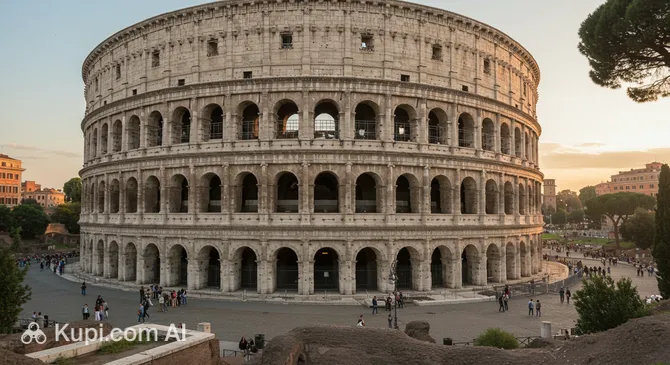
You should certainly begin your discovery of Italy’s wonders with the Colosseum. This majestic amphitheatre in Rome is not just an ancient monument, but a true symbol of power and history, where crowds once roared while watching gladiatorial contests. Feel the breath of centuries as you walk through its arena and stands. While there are no dedicated prayer rooms on-site, the Great Mosque of Rome, the largest in Europe, is accessible within the city. Numerous halal food options, from quick shawarma to fine dining, can also be found in the areas surrounding the Colosseum.

Colosseum. Source: Kupi.com Binoculars

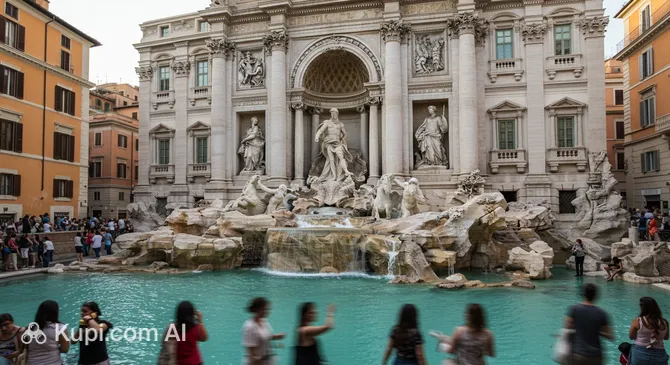
Not far from the Colosseum is another of Rome's jewels – the Trevi Fountain. This magnificent Baroque fountain, adorned with sculptures of sea gods, is known throughout the world. Don't forget to toss a coin over your shoulder into its waters – according to legend, this guarantees your return to the Eternal City. Please be aware that sitting on the fountain's edge and consuming food or drink in the immediate area are not permitted. Access may be regulated during peak hours to manage crowds.

Trevi Fountain. Source: Kupi.com Binoculars

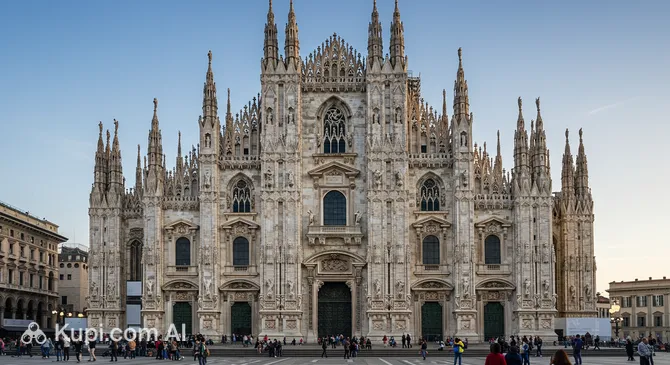
Be sure to also visit the northern part of Italy, especially the city of Milan, where the stunning Milan Cathedral (Duomo) stands tall. This marvel of Gothic architecture, decorated with thousands of spires and statues, is astounding in its scale and elegance. As this is a place of worship, a modest dress code is enforced; visitors are required to cover their shoulders and knees. Climb to the rooftop to enjoy an unforgettable panoramic view of the city and, on a clear day, the Alps.

Milan Cathedral. Source: Kupi.com Binoculars

Best Time to Visit

Italy is a wonderful destination at any time of year, but the best season to visit depends on your preferences and plans. The high season traditionally falls during the summer months (June-August). This period offers hot and sunny weather across the country, especially in the south and on the islands, providing a perfect escape for a beach holiday and swimming in the sea. However, this is also the busiest period for tourism, which means higher prices for accommodation and services, as well as queues at popular attractions. Spring (April-May) and autumn (September-October) are considered the shoulder seasons and are for many the best time to visit. The weather during these months is usually mild and comfortable for exploring cities like Rome, Venice, or Milan. There are fewer tourists, and prices become more affordable. However, the weather can be more changeable, especially in the northern regions, with a chance of rain.

The winter months (November-March) are the low season for most tourist destinations, with the exception of the ski resorts in the Alps and the Apennines. It can be cool and damp in the cities, but this is an excellent time to visit museums without the crowds and to enjoy a more relaxed atmosphere. Furthermore, some famous events take place in winter, such as the Carnival of Venice (usually in February) or the Christmas markets. The Easter period also attracts many pilgrims and tourists, especially to Rome. When planning to visit churches or religious sites, such as those in the Vatican, it is important to adhere to a modest dress code, which typically requires covering shoulders and knees. Given Italy's significant length from north to south, the climate can vary greatly between regions. In the south, for example in Sicily, the warmth lasts longer, while the northern areas, such as the surroundings of Bolzano, experience the arrival of autumn and winter earlier. Therefore, it is always wise to check the weather forecast for your specific region before you travel. For Muslim travellers, major cities like Rome and Milan offer a growing number of halal food options. Prayer facilities can often be found in airports and dedicated Islamic cultural centres.

Traditions

Italians are an open and expressive people, and understanding their cultural etiquette will make your journey through Italy even more pleasant. Greetings here range from the informal "ciao" (hello/goodbye) to the more formal "buongiorno" (good day) and "buonasera" (good evening). A handshake is appropriate for a first meeting, while symbolic kisses on both cheeks are common between friends and close acquaintances. During a conversation, eye contact is considered a sign of respect and sincerity, and expressive hand gestures are an essential part of Italian communication. Hospitality is highly valued in Italy; if you are invited to someone's home, it is good manners to bring a small gift for the hosts, such as a box of fine chocolates, pastries, or flowers. Pay special attention to your clothing when visiting religious sites: entry into churches and cathedrals is only permitted if your shoulders and knees are covered.

Dining in Italy also has its own unwritten rules. For instance, it is customary to keep your hands (specifically your wrists) on the table, not in your lap. It is considered bad manners to cut spaghetti with a knife or to ask for extra cheese on seafood dishes. Italians mostly drink cappuccino in the morning; after lunch or dinner, they prefer an espresso. To cater to Muslim travellers, halal food options are increasingly available in major cities like Rome and Milan, ranging from kebab shops to certified Italian restaurants. Among the most important national holidays are Ferragosto (15th August), the Assumption of Mary, which is also the peak of the holiday season, and of course, Christmas (Natale) and Easter (Pasqua), which are celebrated on a grand scale with family. To show respect for the locals, try to be polite, avoid criticising Italian cuisine or football (these are sensitive topics!), and do not be surprised by the "coperto" (a cover charge for table setting/service) on your restaurant bill – this is standard practice. Overall, Italians greatly appreciate "bella figura" – the art of presenting yourself well and making a good impression.

Entertainment

Italy offers an incredible variety of entertainment for every taste, catering to both adventure seekers and art connoisseurs. Fans of active recreation will find everything here: from thrilling hiking and trekking in the Alps and Apennines to diving and surfing on the picturesque coasts, and excellent ski resorts in winter. At the same time, the country is a real treasure trove of cultural entertainment. Countless world-class museums, art galleries, opera houses, and concert halls await visitors, offering a deep dive into its rich historical and artistic heritage.

As evening falls, Italy transforms, offering a vibrant and diverse nightlife. In major cities like Rome or Milan, you can find many stylish lounges, lively clubs, and exquisite restaurants. Many eateries in larger cities offer halal-certified menus or are Muslim-owned, serving everything from authentic Italian dishes to Middle Eastern and South Asian cuisine. You can also enjoy the famous Italian "aperitivo," a pre-dinner social custom with a wide range of non-alcoholic beverages and appetisers. For those who prefer a quieter evening, the charming streets of smaller towns offer cosy cafés and traditional trattorias. When visiting religious sites, it is advisable to dress modestly, covering shoulders and knees. Shopping in Italy is a pleasure in itself. The country is famous for its fashion, and boutiques from renowned designers attract style enthusiasts from all over the world. Additionally, you can purchase high-quality leather goods, exquisite jewellery, ceramics, and, of course, gastronomic delicacies as souvenirs.

For a family holiday, Italy also has plenty of options. Various theme parks and water parks, especially popular during the summer season, provide unforgettable experiences for both children and adults. Many resort areas offer special programmes and entertainment for younger travellers. It is worth noting that while major cities have dedicated prayer facilities, such as the Grand Mosque of Rome, which is the largest in the Western world, these can be less common in smaller towns and tourist venues. Therefore, when planning a trip to Italy, you can be sure that you will never be bored – this country knows how to surprise and charm with its diverse opportunities for leisure and entertainment.

Currency rates

Planning a trip? Wonderful! To ensure the financial aspects of your journey don't come as a surprise, it's important to remember that currency exchange rates are constantly changing. The official currency in Italy is the Euro (EUR). For travellers from the UAE, it's wise to exchange some AED for Euros before you depart, as exchange centres in the UAE often provide more favourable rates than you might find at European airports.

Therefore, we strongly advise you to monitor the current exchange rates both before you fly and throughout your trip. You can use the data provided below for this purpose—we monitor currency rates 24/7 and strive to provide the most up-to-date information.

While credit and debit cards are widely accepted across Italy, carrying some cash is recommended for smaller shops and cafes, especially in less tourist-heavy areas. When paying by card, always choose to be charged in the local currency (EUR) rather than your home currency (AED) to avoid unfavourable conversion rates set by the merchant. For added convenience, consider using a multi-currency travel card, which can be pre-loaded with Euros.

For travellers observing Islamic traditions, finding halal food is possible in major cities like Rome, Milan, and Venice, with a growing number of restaurants offering halal options. Prayer facilities can be found in larger cities, with the Grand Mosque of Rome being one of the most significant in Europe. When visiting religious sites such as churches or the Vatican, a modest dress code is strictly enforced. This typically requires covering your shoulders and knees, so it is advisable to carry a scarf or shawl.

EUR currency exchange rate as of 02.01.2026

4.34 AED
~ 1 EUR
450.31 AMD
~ 1 EUR
1.77 AUD
~ 1 EUR
2.01 AZN
~ 1 EUR
3.47 BYN
~ 1 EUR
1.62 CAD
~ 1 EUR
1 GBP
~ 1.14 EUR
386.26 HUF
~ 1 EUR
106.24 INR
~ 1 EUR
103.23 KGS
~ 1 EUR
1704.93 KRW
~ 1 EUR
598.98 KZT
~ 1 EUR
4.24 PLN
~ 1 EUR
93.10 RUB
~ 1 EUR
4.43 SAR
~ 1 EUR
1.52 SGD
~ 1 EUR
50.70 TRY
~ 1 EUR
49.93 UAH
~ 1 EUR
1.18 USD
~ 1 EUR
14181.45 UZS
~ 1 EUR

Reached the end of the page?

That means the route is fully explored