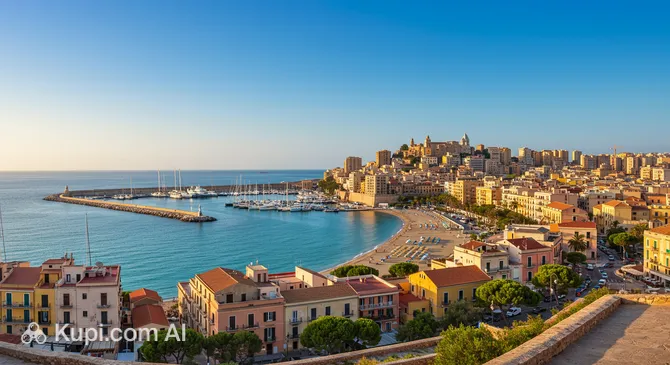
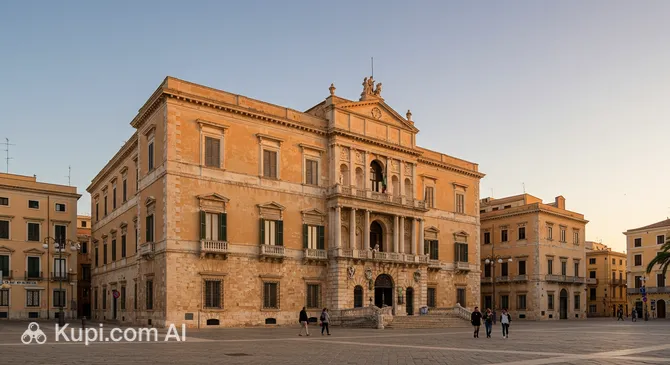
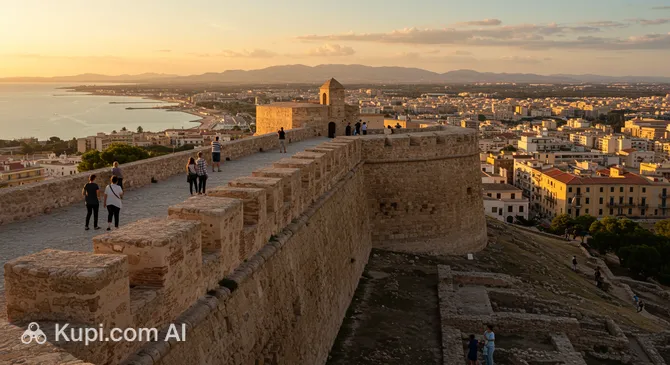
Cagliari, the vibrant capital of the island of Sardinia in Italy, is a city where ancient history meets the sparkling Mediterranean Sea. Known for its golden limestone buildings and lively atmosphere, it serves as the main cultural and economic hub of the region. Located on the southern coast of Sardinia, overlooking the Gulf of Angels (Golfo degli Angeli), the city is home to approximately 154,000 residents and enjoys a mild, sunny climate year-round.
The city's strategic position has made it a crossroads of civilizations for centuries. Visitors exploring the history of Cagliari will discover a fascinating tapestry woven by Phoenicians, Romans, Pisans, and the Spanish, all of whom left their mark on the local architecture and traditions. From the hilltop citadel to the bustling marina, the urban landscape tells the story of a rich and complex past.
Cagliari. Illustration.
Source: Kupi.com AI
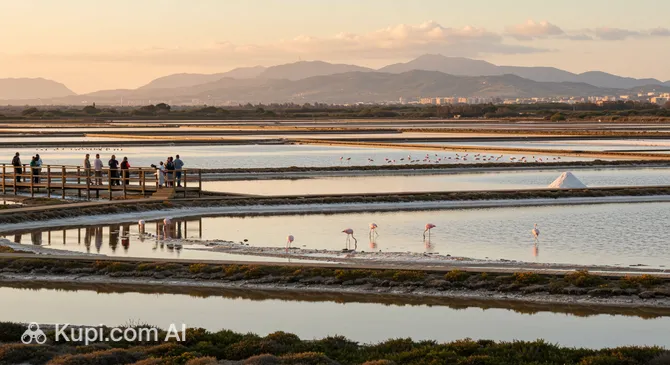
One of the most iconic sights is the Castello district, a medieval walled quarter that sits high above the rest of the town, offering breathtaking panoramic views. Just a short distance from the historic center lies Poetto Beach, a magnificent stretch of sand extending for several kilometers, perfect for sunbathing and water sports. Additionally, nature enthusiasts can visit the nearby Molentargius-Saline Regional Park, famous for its large colonies of pink flamingos nesting in the salt pans.
Whether you are wandering through narrow cobblestone streets, enjoying fresh seafood at a local trattoria, or relaxing by the sea, Cagliari offers a welcoming and authentic Italian island experience. It is a destination that effortlessly combines the charm of a historic European city with the relaxation of a beach resort.
Weather Overview
Cagliari enjoys a typical Mediterranean climate, characterized by long, hot summers and mild winters. This weather pattern makes the city a year-round destination, though the atmosphere changes significantly between seasons. For those looking to enjoy the beaches, the summer months are ideal, while spring and autumn offer pleasant conditions for sightseeing without the intense heat.
During the peak of summer in July and August, average temperatures rise to around 27°C, with maximum highs often reaching 32.5°C. These months are extremely dry, with data showing virtually zero wet days, ensuring uninterrupted sunshine. In contrast, the winter months of January and February are cooler, with average temperatures hovering around 10°C to 11°C and lows rarely dropping below 7°C. Rainfall is more frequent during the cooler half of the year, particularly in November, which typically sees about 12 wet days. To help plan your trip around these seasonal variations, you can consult the detailed guide to the weather in Cagliari.
Average monthly temperature
Average monthly precipitation
Interesting Facts
Beyond the sun-drenched streets and historic piazzas, Cagliari holds fascinating secrets and legends that add depth to its character. Here are some intriguing facts that reveal the unique spirit of this Sardinian capital.
Molentargius - Saline Regional Park. Illustration.
Source: Kupi.com AI
Traveler photos:
Cagliari is one of the few cities in the world where wild pink flamingos nest permanently within the urban area. At the Molentargius - Saline Regional Park, thousands of these elegant birds, known locally as "Sa Gente Arrubia" or "The Red People," create a spectacular natural display against the city skyline.
The city sits atop the Tuvixeddu Necropolis, which is considered the largest Punic burial ground still in existence in the Mediterranean basin. This archaeological wonder features thousands of tombs carved directly into the limestone hill, creating a silent "city of the dead" that dates back to the 6th century BC.
A local legend explains the shape of the promontory known as the Devil's Saddle (Sella del Diavolo). It is said that a battle took place in the skies above the gulf between Lucifer and the Archangel Michael; the demon was unhorsed, and his saddle turned to stone when it fell into the sea, giving the cape its distinctive silhouette.
The Elephant Tower, a medieval fortification, gets its name from a small marble statue of an elephant placed on its side about ten meters up the wall. While its exact origin is debated, the elephant was likely a symbol of the Pisan merchants who once traded in this district.
How to Get There
Reaching the capital of Sardinia is primarily done by air, as the island is well-connected to major European cities. For travelers planning their journey, you can find more about how to get to Cagliari and the specific transport options available upon arrival.
The most convenient and direct entry point is Cagliari Elmas Airport (CAG), which is located within the territory of Cagliari itself. Situated just 6.6 km from the city center, it serves as the main gateway for visitors to the southern part of the island. Due to its close proximity, the transfer to the downtown area is quick and easy; a journey by taxi or bus typically takes around 30 minutes. This airport handles a significant volume of passengers annually, ensuring frequent connections and services.
Travelers may also consider arriving via other airports on the island, such as Olbia Costa Smeralda Airport (OLB) in Olbia or Alghero-Fertilia Airport (AHO) in Alghero, though these are situated significantly further away. Olbia is approximately 189 km from Cagliari, while Alghero is about 172 km away. While these airports are excellent for exploring northern Sardinia, using them to reach Cagliari involves a much longer transfer time, often exceeding 4 hours by road.
For clarity, here is a summary of the main airports:
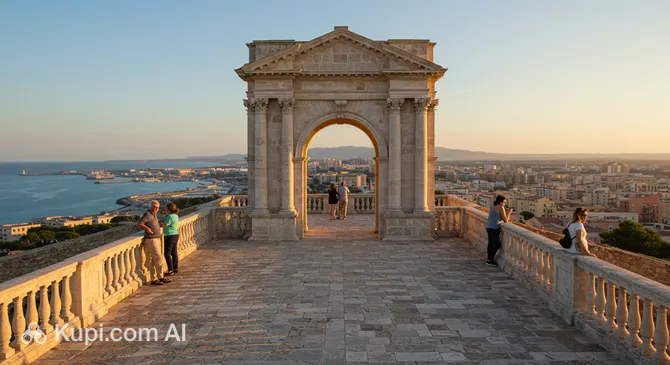
One of the most spectacular landmarks in the city is the Bastion of Saint Remy. Built in a grand neoclassical style at the turn of the 20th century, this monumental structure connects the lower districts with the historic Castello quarter. Visitors flock here to walk along the Umberto I Terrace, a vast open space that offers sweeping panoramic views of the city, the harbor, and the surrounding lagoons. It is the perfect spot to start your exploration and capture stunning photos of the cityscape, especially at sunset.
Bastion of Saint Remy. Illustration.
Source: Kupi.com AI
Traveler photos:
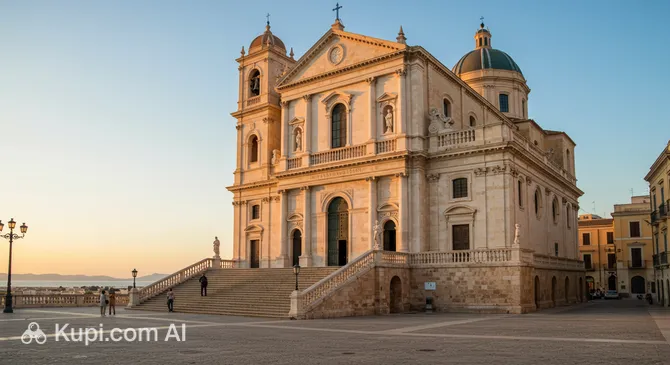
Located in the heart of the medieval district, the Cagliari Cathedral (Cathedral of Saint Mary) is a masterpiece of religious architecture that shouldn't be missed. Originally built in the 13th century, the church has undergone several transformations, resulting in a fascinating blend of Pisan, Baroque, and Neo-Romanesque styles. Tourists are particularly drawn to the Crypt of the Martyrs beneath the altar, which houses 179 niches containing relics, and the intricate marble pulpits that date back to the 12th century.
Perched on a hill overlooking the sea, the Sanctuary of Our Lady of Bonaria is one of the most important religious sites on the island. The complex consists of a small 14th-century Gothic church and a larger basilica that serves as a beacon for sailors. The site is famous for the legend of a wooden statue of the Virgin Mary that washed ashore during a storm, miraculously calming the waters. Aside from its spiritual significance, the sanctuary offers a peaceful atmosphere and beautiful views of the Gulf of Angels.
Sanctuary of Our Lady of Bonaria. Illustration.
Source: Kupi.com AI
Traveler photos:
For those interested in medieval fortifications, San Michele Castle stands atop one of the city's highest hills. Dating back to the 12th century, this fortress was originally built to defend the capital from pirate attacks and inland threats. Today, it has been restored and transformed into a center for art and culture, often hosting temporary exhibitions. The climb to the castle is rewarded with a 360-degree view of the metropolitan area, making it a favorite spot for history buffs and sightseers alike.
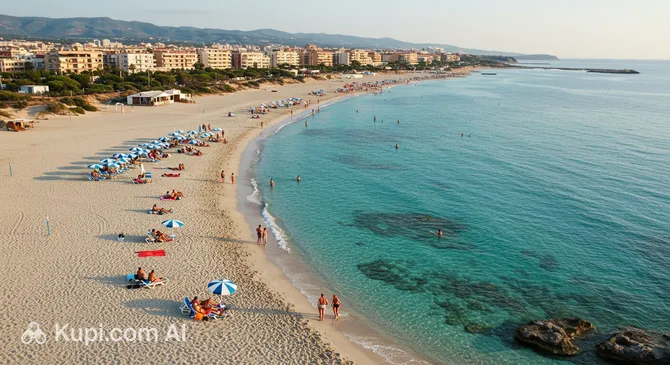
No visit to this coastal city is complete without experiencing Poetto Beach. Stretching for eight kilometers, this sandy paradise is the main seaside resort for locals and tourists. It is renowned for its clear, shallow waters and the distinctive "Sella del Diavolo" (Devil's Saddle) promontory that frames the landscape. The beach is lined with numerous kiosks, bars, and restaurants, making it a lively destination day and night for swimming, jogging, or simply enjoying a refreshing drink by the sea.
Poetto Beach. Illustration.
Source: Kupi.com AI
Traveler photos:
Local Cuisine
The culinary landscape of Cagliari is a delicious reflection of its history, blending the fresh bounty of the Mediterranean Sea with the rustic, pastoral traditions of Sardinia's interior. The local cuisine relies heavily on simple, high-quality ingredients, resulting in flavors that are bold, authentic, and unforgettable. Seafood plays a starring role here, but you will also find plenty of hearty meat dishes and unique pasta shapes that are distinct to the island.
Among the dishes you simply must try is fregola with clams (fregula cun cocciula). This semolina pasta, similar to giant couscous, is toasted and then simmered in a flavorful broth with fresh local clams. Another staple is Malloreddus, often called Sardinian gnocchi. These small, grooved pasta shells are typically served alla Campidanese, with a rich sausage and tomato sauce topped with grated pecorino cheese. For a true taste of the sea, look for dishes garnished with bottarga, the cured roe of the gray mullet, often grated over spaghetti and known as the "gold of Sardinia."
No meal in Cagliari is complete without the perfect beverage pairing. The region produces excellent wines, with the crisp, white Vermentino being the ideal companion for seafood feasts, while the robust red Cannonau pairs well with meat dishes. Beer lovers should try Ichnusa, the beloved local lager that is ubiquitous across the island. To finish your meal, locals traditionally sip on a glass of chilled Mirto, a sweet and aromatic digestive liqueur made from the berries of the myrtle plant.
San Benedetto Market. Illustration.
Source: Kupi.com AI
Traveler photos:
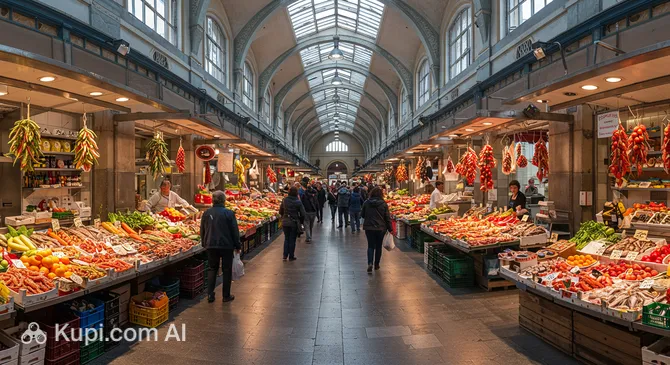
To truly understand the local food culture, a visit to the San Benedetto Market is essential. As one of the largest covered markets in Europe, it offers a sensory explosion of sights and smells, particularly on the ground floor dedicated to fresh fish and seafood. It is the perfect place to see what ingredients are in season. For a sit-down meal, the Marina district near the port is packed with traditional trattorias and family-run restaurants. Establishments like Sa Domu Sarda are popular choices for travelers eager to experience genuine Sardinian hospitality and home-style cooking.
Travel Tips
To ensure your visit to the sun-drenched capital of Sardinia is as relaxing and enjoyable as possible, we have compiled a list of essential practical advice. From navigating the hilly terrain to understanding local customs, these tips will help you experience Cagliari like a savvy traveler rather than just a tourist.
Clothing and Gear: Since Cagliari enjoys a warm Mediterranean climate, lightweight and breathable fabrics are essential for the summer months, along with a high-SPF sunscreen and a hat. However, the most important item to pack is a pair of sturdy, comfortable walking shoes. The historic Castello district is paved with cobblestones and features steep inclines. If you plan to visit religious sites like the cathedral, remember to dress modestly; shoulders and knees should be covered to show respect.
Transportation: The city center is compact and best explored on foot, but be prepared for some uphill walking. To save your energy, make use of the public elevators (ascensori) that connect the lower town to the upper historic districts. For longer distances, the CTM bus network is efficient, reliable, and affordable; remember to validate your ticket immediately upon boarding. While a car rental is great for exploring the rest of the island, it is generally a hindrance within the city due to limited parking and ZTL (Limited Traffic Zones).
Finances: The local currency is the Euro (€). While credit and debit cards are widely accepted at hotels, restaurants, and larger shops, it is highly advisable to carry some cash. Small bars, kiosks at Poetto Beach, and market vendors often prefer or strictly require cash for small transactions. Tipping is not mandatory, as a service charge (coperto) is usually added to the bill, but leaving a small amount for good service is appreciated.
Health and Safety: Cagliari is generally a safe city for tourists, but standard precautions against pickpocketing should be taken in crowded areas like the port or on busy buses. Pharmacies are marked with a green cross sign (Farmacia) and are well-stocked; a rotating schedule ensures that at least one is open during nights and holidays. Tap water is safe to drink, and you will find public fountains scattered around the city.
Communication: Italian is the official language. While staff in hotels and major tourist attractions usually speak English, it may be less common in smaller, family-run establishments or among the older population. Learning a few basic phrases like "Buongiorno" (Good morning) and "Grazie" (Thank you) goes a long way. Free Wi-Fi is available in some public squares, but purchasing a local SIM card from providers like TIM, Vodafone, or WindTre is recommended for reliable connectivity.
Local Etiquette: Politeness is highly valued in Italian culture. Always greet shopkeepers or restaurant staff when entering and leaving an establishment. When visiting fresh food markets like San Benedetto, never touch the produce with your bare hands; ask the vendor to serve you or look for disposable gloves if it is a self-service supermarket. Also, be aware of the afternoon break (riposo), where many smaller shops close roughly between 1:30 PM and 4:30 PM.
What to Avoid: Do not expect to eat dinner early. Most local restaurants do not open for dinner service until 7:30 PM or 8:00 PM, and the atmosphere really comes alive after 9:00 PM. Additionally, avoid walking around the city center in swimwear or shirtless, even if you have just come from the beach; this is considered disrespectful and can sometimes result in a fine.
Additional Tip: Take advantage of the "aperitivo" culture. Between 6:00 PM and 8:00 PM, many bars offer a drink accompanied by a selection of snacks or a small buffet for a fixed price. It is a wonderful way to relax after a day of sightseeing, people-watch in a piazza, and experience the local social life before heading to a late dinner.
By keeping these practical tips in mind, you will be well-prepared to embrace the laid-back rhythm and rich culture of this Sardinian gem. Enjoy the stunning views, the delicious food, and the warm hospitality that make Cagliari such a memorable destination.
Entertainment & Nightlife
As the sun sets over the Mediterranean, Cagliari transforms from a historic cultural hub into a lively center of entertainment. The city's nightlife, known locally as "la movida," is less about aggressive clubbing and more about socializing, enjoying music, and lingering over drinks in open-air piazzas. The atmosphere is generally relaxed yet vibrant, welcoming a diverse crowd ranging from university students to professionals and tourists.
The heart of the evening action is spread across several key districts. The Marina district, located near the port, is a maze of narrow streets packed with restaurants and small bars where patrons often spill out onto the cobblestones. Just a short walk away, the Stampace district features the bustling Corso Vittorio Emanuele II, a pedestrian-friendly street lined with trendy lounge bars and pubs that stay open late. For a more upscale vibe with stunning views, the historic Castello district offers sophisticated wine bars tucked away in ancient buildings, perfect for a romantic evening.
For those seeking specific venues to enjoy the night, the city has plenty of options. 040 Zeroquaranta is a well-known establishment located in the historic center; it functions as a restaurant and pizzeria that transitions into a lively cocktail bar with music, making it a staple of Cagliari's nightlife. If you are looking for a modern culinary experience paired with excellent drinks, Amalfi Pizza & Gin provides a stylish setting where you can enjoy gourmet pizzas and a wide selection of gins well into the night.
EXMA - Center for Art and Culture. Illustration.
Source: Kupi.com AI
Traveler photos:
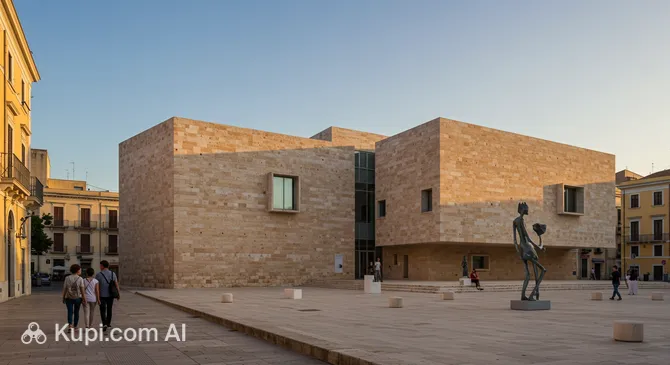
Culture seekers will find that entertainment in Cagliari goes beyond bars. The EXMA - Center for Art and Culture, housed in a renovated former slaughterhouse, is a dynamic venue that frequently hosts evening exhibitions, festivals, and concerts in its courtyard. During the summer months, the nightlife epicenter shifts towards Poetto Beach. Here, the numerous seaside kiosks (chioschi) transform into open-air clubs, offering live music, DJ sets, and dancing under the stars with the sea breeze as a backdrop.
Practical advice for enjoying the night includes adjusting to the local schedule. The evening typically begins with an aperitivo around 7:00 PM or 8:00 PM, followed by dinner which can last until 11:00 PM. Bars and clubs start to fill up around midnight. The dress code is generally smart casual; while not overly formal, locals tend to dress stylishly for a night out. Prices are reasonable compared to other major Italian cities, with cocktails typically costing between €7 and €12.
Regarding safety and transport, Cagliari is considered a safe city for night walks, particularly in the busy center. However, standard precautions should be taken in quieter, unlit streets. Public transport runs until late evening, but for returning to your accommodation after midnight—especially from Poetto Beach—it is advisable to call a taxi. You can easily find one at designated ranks or by calling the local Radio Taxi service.
While the nights are vibrant, daytime entertainment also offers much to explore. Beyond the historical sites, visitors can enjoy world-class performances at the Teatro Lirico di Cagliari, one of Italy's most prestigious opera houses. Families and art lovers can spend hours exploring the various museums, such as the National Archaeological Museum, or enjoying the green spaces and playgrounds in the city's public parks.
Parks & Museums
Beyond its dazzling coastlines and ancient fortifications, Cagliari offers a wealth of green spaces and cultural institutions that provide a deeper understanding of the city's heritage and biodiversity. From lush gardens hiding archaeological treasures to museums that narrate the island's unique history, there are plenty of peaceful retreats and educational stops for travelers to explore.
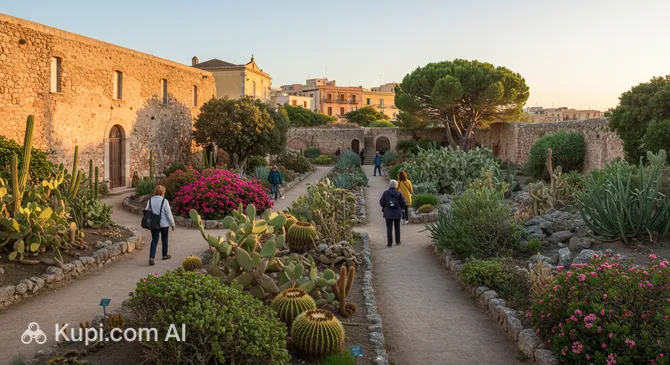
For nature lovers, the Cagliari Botanical Garden is an absolute must-see. Located in the Palabanda valley between the Roman Amphitheater and the Villa of Tigellius, this green oasis covers five hectares and hosts thousands of plant species from all over the world. It is not just a collection of flora; the garden is also an archaeological site, containing Roman cisterns and ancient quarries that have been seamlessly integrated into the landscape. It offers a cool, shaded respite from the summer heat and a fascinating walk through Mediterranean, succulent, and tropical plant collections.
Cagliari Botanical Garden. Illustration.
Source: Kupi.com AI
Traveler photos:
Another significant green lung in the city is Monte Urpinu Park. Situated on a hill, this pine-forested area is a favorite among locals for jogging and family picnics. Its elevation provides some of the best viewpoints in Cagliari, offering sweeping vistas over the Molentargius pond, the Poetto beach, and the Castello district. The park is home to a variety of wildlife, including peacocks and ducks that roam freely, making it a delightful spot for children and photographers alike.
Immersing yourself in the local culture requires a visit to the Royal Palace of Cagliari (Palazzo Regio). Located in the historic Castello quarter, this building served as the residence of the Viceroys and later the Savoy family during their exile from Turin. Visitors can tour the beautifully restored halls, including the Council Hall with its magnificent frescoes and period furniture, gaining insight into the administrative and aristocratic history of the island.
Royal Palace of Cagliari. Illustration.
Source: Kupi.com AI
Traveler photos:
To delve into the ancient roots of Sardinia, the Nuragica Exhibition offers a compelling experience. Unlike a traditional static museum, this venue provides an interactive journey through the Nuragic civilization that thrived on the island during the Bronze Age. Through multimedia installations and virtual reality, visitors can visualize how the famous stone towers (nuraghi) were built and understand the daily lives of the people who constructed them. It is an excellent introduction to Sardinian prehistory before visiting actual archaeological sites.
For a blend of art and history near the sea, the Lazzaretto of Cagliari in the Sant'Elia district is worth a detour. Originally built in the 17th century as a quarantine station for protection against the plague, this striking building has been transformed into a dynamic cultural center. It now hosts temporary art exhibitions, photography displays, and cultural events, all set against the backdrop of its historic architecture and the blue Mediterranean.
An insider tip for a quiet afternoon is to stroll through the Public Gardens (Giardini Pubblici). This elegant 19th-century promenade features a long avenue lined with Jacaranda trees that bloom with vibrant purple flowers in late spring. At the end of the central path stands the Municipal Art Gallery, allowing you to combine a relaxing nature walk with a viewing of impressive local 20th-century art.
Getting Around
Navigating Cagliari is relatively straightforward thanks to an efficient and integrated public transport network managed primarily by CTM. The system relies heavily on a comprehensive fleet of buses and trolleybuses that cover the entire metropolitan area, including the historic center and the coastal districts. Complementing the road-based transport is the "Metrocagliari," a light rail tram system operated by ARST that connects the city center at Piazza Repubblica to the university hospital and the hinterland towns like Monserrato and Settimo San Pietro.
For most tourists, the CTM bus network will be the primary mode of travel. The buses are frequent, clean, and reliable, with digital displays at many stops indicating waiting times. Key lines for visitors include those heading to the popular Poetto Beach (lines PF and PQ, and the dedicated summer lines) and those circling the city center. The light rail is particularly useful if you need to reach the University Citadel or the Policlinico, offering a scenic and traffic-free journey on modern trams.
The payment system is unified and tourist-friendly. A standard single fare ticket costs approximately €1.30 and is valid for 90 minutes across the entire CTM network and on the MetroCagliari within the city limits. For those planning to travel frequently, it is worth considering a day pass (24 hours) or a weekly pass, which offer significant savings. Tickets must be purchased before boarding; you cannot buy them from the driver on the bus.
To buy tickets, look for authorized retailers displaying the CTM logo, which include most newsstands, tobacco shops (tabacchi), and bars. However, the most convenient option for travelers is to download the "Busfinder" app. This official application allows you to purchase digital tickets instantly using a credit card, plan your route, and check real-time bus schedules. If you use a paper ticket, remember to validate it immediately upon boarding by stamping it in the yellow machines to avoid hefty fines.
Public transport generally operates from early morning, around 5:00 AM or 6:00 AM, until shortly after midnight. During the summer months, the city often extends services, particularly the lines connecting the center to the beach, to accommodate the nightlife. While the historic center is best explored on foot, be aware that the terrain is hilly; using the bus to get to the top of the Castello district and walking down is a popular strategy to save energy.
Alternative transport options are also available. Taxis are reliable but can be expensive compared to public transit; they are white vehicles and typically cannot be hailed on the street. You must find a designated taxi rank or book one via phone or app. Car-sharing services like Playcar are present for those who need a vehicle for a short period, and bike rentals are an option, though the city's steep inclines make electric bikes a preferred choice for many.
Accommodation
Finding the perfect place to stay in Cagliari is relatively easy, as the city offers a wide spectrum of accommodation options to suit every preference and budget. Visitors can choose from charming Bed & Breakfasts tucked away in historic buildings, modern mid-range hotels, and luxury guesthouses with panoramic terraces. In recent years, the number of private apartment rentals has also surged, providing a "home away from home" experience for families and those planning longer stays.
The choice of location largely depends on the type of holiday you are planning. For travelers who want to be in the center of the action, the Marina and Stampace districts are ideal. These areas are packed with restaurants, shops, and transport links, making them convenient bases for exploring the city on foot. If you prefer a more romantic and atmospheric setting, the historic Castello district, perched high on the hill, offers quiet streets and stunning views, though be prepared for some steep walking.
Bastion of Santa Croce. Illustration.
Source: Kupi.com AI
Traveler photos:
Staying within the ancient walls of Castello places you steps away from major landmarks. You might find yourself waking up just around the corner from the Bastion of Santa Croce, a perfect spot to enjoy an evening aperitif while watching the sunset over the city roofs. Alternatively, accommodation near the Elephant Tower immerses you in the medieval charm of the city, with narrow alleys and stone architecture creating a unique ambiance.
For those who prioritize sun and sea over city sightseeing, the area around Poetto Beach is the best choice. Located a short bus ride from the center, this district features numerous hotels and B&Bs facing the sea. It is a fantastic option during the summer months, allowing you to go from your room to the sand in minutes while still being close to the vibrant beach bars and nightlife.
Booking Tip: Cagliari is a popular destination, especially in July and August. During this peak season, the best accommodations fill up quickly, and prices can rise significantly. It is highly recommended to book your stay at least two to three months in advance to secure your preferred location and rate. Conversely, visiting in the shoulder seasons of late spring or early autumn can offer excellent value for money.
In terms of pricing, the city is generally more affordable than other major Italian tourist hubs. Budget travelers can find hostels and economical rooms, while mid-range options offer comfortable amenities without breaking the bank. Luxury seekers will find boutique hotels that emphasize design and service rather than massive resort complexes. Most accommodations can be easily booked via major online platforms, though contacting smaller B&Bs directly can sometimes result in a more personalized offer.
Nearby Cities
For those looking to explore the surroundings, Cagliari serves as an excellent base for day trips to several interesting nearby locations:
One notable destination is Oristano, situated on the western coast of the island. This city is rich in history and is famous for the spectacular Sartiglia equestrian tournament held during Carnival. It also serves as a perfect gateway to the Sinis Peninsula, known for its pristine quartz beaches and the ancient Phoenician-Roman ruins of Tharros.
Closer to the capital lies Quartu Sant'Elena, which is practically an extension of the metropolitan area. It shares the vast shoreline of Poetto beach and borders the Molentargius-Saline Regional Park, making it a prime spot for nature lovers hoping to observe pink flamingos in their natural habitat.
For those interested in industrial archaeology and modern history, Carbonia offers a unique experience. Founded in the 1930s as a planned coal-mining city, it features distinctive rationalist architecture. The nearby Serbariu Coal Mine has been transformed into a fascinating museum, providing deep insight into the region's industrial past.
City
Population
Distance
Monserrato
19 771
4 km
Selargius
28 986
5 km
Quartu Sant'Elena
70 879
6 km
Quartucciu
13 234
6 km
Elmas
9 546
8 km
These nearby destinations offer a glimpse into the diverse culture and landscapes of the region, ranging from ancient archaeological sites to unique modern settlements.
Shopping & Souvenirs
Shopping in Cagliari offers a delightful mix of traditional craftsmanship and modern fashion, set against the backdrop of historic architecture. The city does not overwhelm visitors with massive commercial sprawl but instead provides a curated experience where high-end boutiques sit comfortably alongside centuries-old artisan workshops. Whether you are looking for the latest Italian trends or unique handmade treasures, the city center invites you to explore its vibrant streets at a leisurely Mediterranean pace.
The heart of the retail action is found in the pedestrian-friendly streets of the Marina and Stampace districts. Via Manno and Via Garibaldi are the two main arteries for shoppers, lined with popular international brands, clothing chains, and elegant shoe stores. For a more upscale experience, a stroll under the arcades of Via Roma facing the harbor offers access to department stores and historic shops. Meanwhile, the narrow alleys of the historic center hide smaller boutiques selling jewelry, books, and local designs that you won't find anywhere else.
La Plaia Shopping Center. Illustration.
Source: Kupi.com AI
Traveler photos:
For those who prefer having everything under one roof, the city features several modern commercial hubs. La Plaia Shopping Center, located conveniently near the port and the city center, houses a variety of fashion retailers, electronics stores, and a supermarket, making it a practical stop for travelers. Just a short distance from the main urban area, visitors can also explore I Mulini Shopping Center, which offers a relaxed atmosphere with a good selection of shops and services housed in a distinctive building inspired by traditional architecture.
To truly understand the local culture, a visit to the city's markets is essential. The San Benedetto Market is not only a place to buy fresh food but also a fantastic spot to purchase edible souvenirs. Here, you can find vacuum-packed wedges of Pecorino Sardo cheese, jars of "bottarga" (cured fish roe), and traditional sweets. On Sundays, various flea markets pop up around the city, such as the one in Piazza Trento, where antique lovers can hunt for vintage items, old coins, and second-hand curiosities.
When searching for the perfect souvenir to bring home, focus on authentic Sardinian craftsmanship. The island is famous for its intricate gold filigree jewelry, often featuring the traditional "Sardinian button" design. Cork products are another local specialty, ranging from postcards to fashion accessories. brightly colored ceramics and hand-woven textiles, particularly rugs and tapestries with geometric patterns, also make for beautiful and lasting mementos of your trip.
Store opening hours in Cagliari generally follow the traditional Italian schedule. Shops are typically open from 9:00 AM to 1:00 PM and then reopen from 4:30 PM to 8:00 PM, observing a midday break known as "riposo." However, major shopping streets and larger shopping centers often stay open throughout the day without a break. Credit and debit cards are widely accepted, but it is always useful to carry some cash for small purchases at markets or independent kiosks. Non-EU residents should also look for the "Tax Free" signage in shop windows, as they may be eligible for a VAT refund on purchases exceeding a certain threshold.