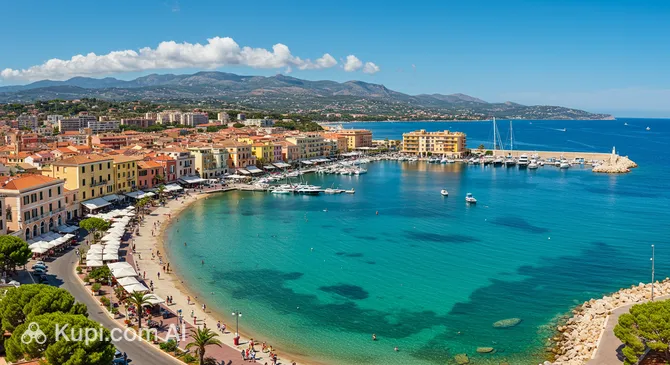
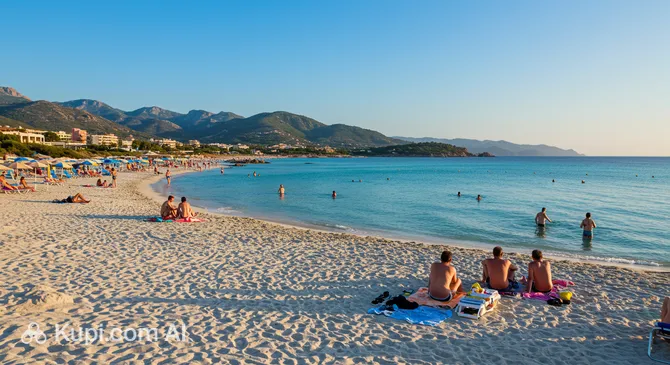
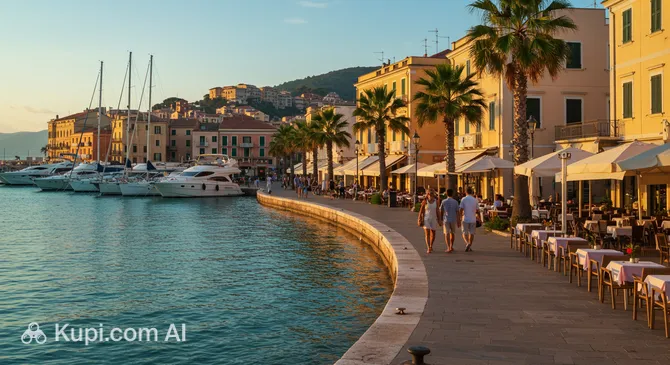
Olbia is a dynamic and welcoming city located in the northeastern part of Sardinia. Often recognized primarily as the gateway to the famous Costa Smeralda, this vibrant destination in Italy has much more to offer than just its airport and ferry port. With a population of approximately 60,000 residents, Olbia balances the energy of a bustling commercial hub with the relaxed charm of a Mediterranean coastal town.
Olbia. Illustration.
Source: Kupi.com AI
The city sits at the head of a long, deep bay, providing a natural harbor that has been significant for millennia. The history of Olbia is rich and multifaceted, stretching back to the Nuragic era and heavily influenced by Phoenician, Greek, and Roman civilizations. Traces of this ancient past can be seen throughout the city, adding a layer of cultural depth to its modern streets.
Travelers are often drawn to the impressive Basilica of San Simplicio, a stunning example of Pisan Romanesque architecture constructed from local granite. Another highlight is the National Archaeological Museum, uniquely located on a small island in the harbor, which showcases ancient Roman ships and artifacts. Whether you are strolling along the palm-lined waterfront of Corso Umberto or heading out to the nearby pristine beaches, Olbia is an excellent starting point for discovering the beauty of Sardinia.
Weather Overview
Olbia experiences a classic Mediterranean climate, offering distinct seasons that cater to different types of travelers. Generally, visitors can expect hot, dry summers perfect for beach activities and mild, wetter winters suitable for cultural exploration. To help plan your daily itinerary, it is useful to consult the detailed guide on the weather in Olbia before your trip.
The summer months, particularly July and August, are the warmest, with average temperatures around 26°C and daily highs frequently reaching nearly 31°C. Precipitation is extremely rare during this peak season, especially in July. In contrast, winters are gentle rather than harsh; from December to February, average temperatures sit between 10°C and 11°C, with overnight lows averaging around 7°C. November tends to be the rainiest month in terms of frequency, seeing about 14 wet days, while spring and autumn offer pleasant transition periods with moderate temperatures.
Average monthly temperature
Average monthly precipitation
Interesting Facts
Beyond the main attractions, Olbia holds many fascinating secrets that reveal its deep historical roots and unique local culture. Here are some intriguing facts about the city that often go unnoticed by the casual visitor:
Giants' Tomb of Su Mont'e s'Abe. Illustration.
Source: Kupi.com AI
Traveler photos:
The city's name is believed to be of Greek origin, derived from the word "Olbios," which translates to "happy" or "prosperous." This reflects Olbia's ancient status as a thriving and fortunate port city in the Mediterranean, a reputation it has held since the 4th century BC.
A remarkable archaeological discovery occurred accidentally in 1999 during the construction of a road tunnel near the port. Workers unearthed a collection of 24 Roman and medieval ships that had been preserved in the mud for centuries, many of which are now displayed at the Archaeological Museum of Olbia.
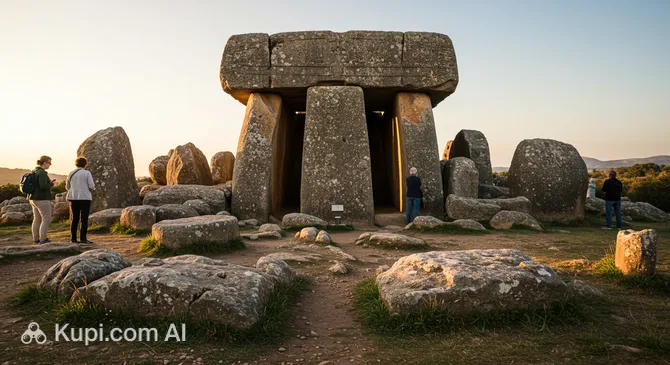
Just a short distance from the city center lies the Giants' Tomb of Su Mont'e s'Abe, a massive burial site from the Nuragic era. Local legend once held that these enormous stone structures were the graves of giants due to their impressive size, though they were actually collective tombs for the ancient communities.
Olbia is one of the most important centers for mussel farming in Italy. The shallow, nutrient-rich waters of the gulf provide the perfect environment for cultivating "cozze di Olbia," which are considered a delicacy and a staple of the local culinary tradition.
How to Get There
Reaching this stunning destination in Sardinia is relatively straightforward, thanks to its well-connected transport hubs. Whether you are arriving by air or planning a journey that combines trains and ferries, you can easily find your way to the city. For a complete overview of all travel options, you can read more about how to get to Olbia to help plan your itinerary.
The most convenient entry point is Olbia Costa Smeralda Airport (OLB), located directly in Olbia, just 3.3 km from the city center. As an international airport, it handles a significant volume of passengers annually. Due to its proximity, the journey to the downtown area is very quick; a taxi or bus ride typically takes approximately 25 minutes.
Another viable option for travelers is Alghero-Fertilia Airport (AHO), situated in the city of Alghero. Although it is about 106.8 km away from Olbia, it serves as an important alternative gateway to northern Sardinia. Travelers landing here should plan for a longer transfer, with the drive by taxi or bus taking around 3 hours across the island's scenic roads.
For clarity, here is a summary of the main airports:
If you are traveling by train from the Italian mainland, you will likely pass through major hubs before connecting to a ferry. A key transit point is Roma Termini Station (IATA: XRJ), located in Rome. While the city of Olbia does not have a railway station listed in this immediate vicinity, you can arrive at Roma Termini Station, which is approximately 273.8 km away across the Tyrrhenian Sea. From Rome, travelers typically take a train to the port of Civitavecchia to catch a ferry to Olbia.
Below is a list of the major railway stations on the mainland that serve as connection points:
Olbia is a city where history and nature seamlessly intertwine, offering visitors a diverse range of experiences from ancient ruins to pristine coastlines. While many travelers use the city as a transit point, taking the time to explore its landmarks reveals a destination rich in culture and scenic beauty. Whether you are interested in archaeology, relaxing by the sea, or enjoying a leisurely walk in the park, the city has something to captivate every traveler.
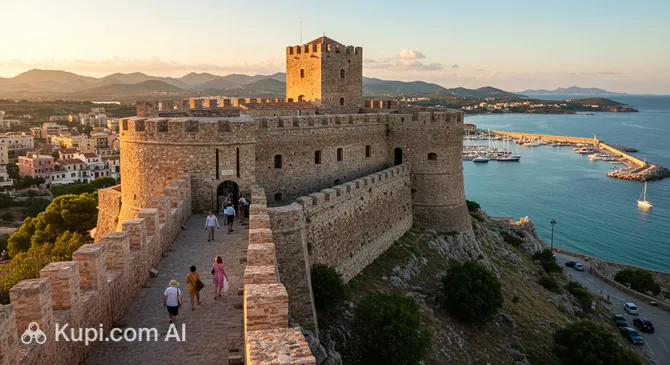
One of the most iconic historical sites is Pedres Castle, a medieval fortress perched atop a hill just a few kilometers from the city center. Built in the 13th century using local stone, the castle served as a defensive stronghold for the Judges of Gallura. Although it is now in ruins, the climb to the top is well worth the effort. Visitors are rewarded with a breathtaking panoramic view of the Gulf of Olbia and the surrounding landscape, making it a perfect spot for photography and connecting with the region's medieval past.
Pedres Castle. Illustration.
Source: Kupi.com AI
Traveler photos:
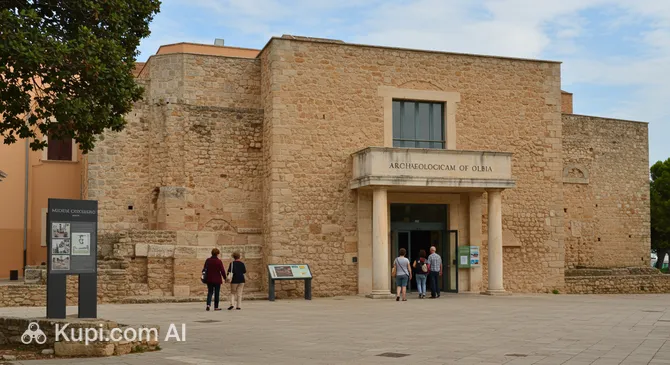
For those looking to dive deeper into the local history, the Archaeological Museum of Olbia is an essential stop. Uniquely situated on the islet of Peddone facing the old port, the museum is an architectural gem in itself. Its most famous exhibits are the Roman and medieval shipwrecks discovered during the excavation of the modern tunnel nearby. The museum offers a fascinating journey through time, illustrating the city's evolution from the Phoenician era to the present day through a rich collection of artifacts.
Archaeological Museum of Olbia. Illustration.
Source: Kupi.com AI
Traveler photos:
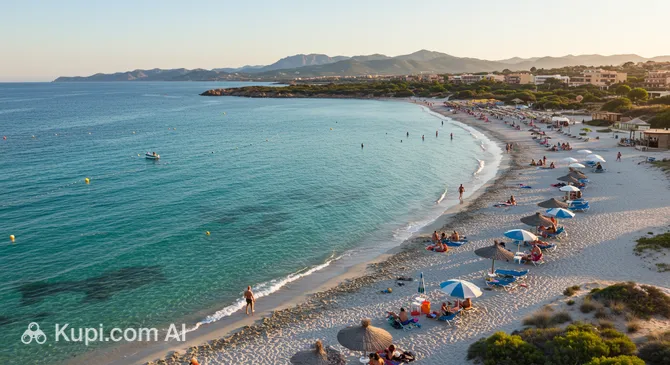
No visit to this part of Sardinia is complete without experiencing its stunning coastline, and Pittulongu Beach is the beloved favorite of the locals. Often referred to as "La Playa," this crescent of fine white sand and crystal-clear turquoise water offers a classic Sardinian beach experience without having to travel far from the city. It is well-equipped with amenities, restaurants, and bars, making it an ideal location for families and sunseekers who want to enjoy a relaxing day by the sea with a view of the imposing Tavolara Island in the distance.
Pittulongu Beach. Illustration.
Source: Kupi.com AI
Traveler photos:
If you prefer a green escape within the urban environment, Fausto Noce Park serves as the city's "green lung." Spanning approximately 18 hectares, it is widely regarded as the largest urban park in Sardinia. It is a peaceful haven for joggers, families, and anyone looking to unwind among Mediterranean flora, fountains, and small lakes. The park provides a cool retreat from the summer heat and is a testament to Olbia's commitment to providing high-quality public spaces for both residents and tourists.
Local Cuisine
The culinary landscape of Olbia is a delightful reflection of its geography, blending the fresh bounties of the Tyrrhenian Sea with the rustic traditions of the Gallura hinterland. At the heart of the local gastronomy are the famous Cozze di Olbia (Olbia mussels). Farmed directly in the gulf, these mussels are prized for their unique flavor and are widely considered among the best in Italy. You will find them prepared in various ways, though they are most commonly served in a simple marinara sauce with parsley, garlic, and a squeeze of lemon, or gratin-style with breadcrumbs.
Beyond seafood, the region offers distinctive dishes that showcase its agricultural roots. A must-try specialty is Zuppa Gallurese (Sardinian soup), which, despite its name, is not a liquid soup but a savory oven-baked casserole. It consists of layers of stale bread soaked in meat broth and alternating with generous amounts of local cow's milk cheese and herbs. For pasta lovers, Fregola—small balls of toasted semolina pasta—is a staple often cooked like risotto and served with clams or mixed seafood, perfectly bridging the gap between land and sea.
No meal in this region is complete without the appropriate local beverage. The granite soil of the surrounding hills produces Vermentino di Gallura, the only DOCG white wine in Sardinia. Its crisp, floral, and mineral notes make it the ideal companion for the city's seafood dishes. To finish your meal, locals typically enjoy a glass of chilled Mirto, a sweet and aromatic digestive liqueur made from the berries of the myrtle plant that grows wild across the island.
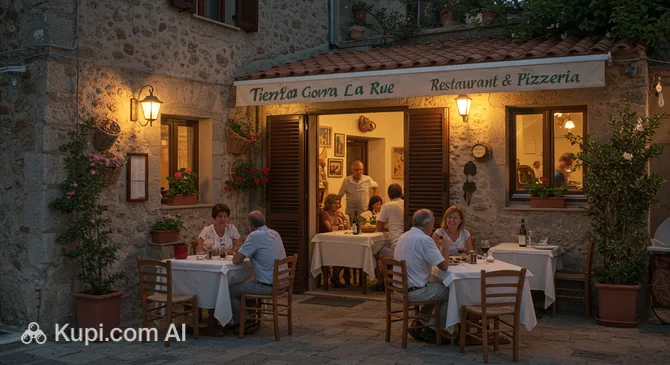
Tierra La Rue Gourmet Restaurant & Pizzeria. Illustration.
Source: Kupi.com AI
Traveler photos:
The dining culture here is relaxed and social, ranging from casual street food kiosks near the port to elegant establishments. For those looking to sample authentic regional products in a cozy setting, Pinuccio Scintu Sardinian Specialties Bar is an excellent spot to taste local cheeses, cured meats, and wines. If you prefer a full sit-down dinner featuring both traditional and modern interpretations of Italian cuisine, Tierra La Rue Gourmet Restaurant & Pizzeria offers a refined menu that highlights fresh ingredients. Whether you are grabbing a quick bite of focaccia or enjoying a long sunset dinner, the flavors of Olbia are sure to leave a lasting impression.
Travel Tips
Welcome to Olbia! To help you navigate this charming gateway to the Costa Smeralda with confidence and ease, we have compiled a list of essential travel advice. These practical tips will ensure your journey through northeastern Sardinia is as smooth and enjoyable as possible.
Clothing and Gear: Since Olbia enjoys a warm Mediterranean climate, pack light, breathable fabrics like linen and cotton for the summer months. Don't forget your swimwear and a high-SPF sunscreen. For spring or autumn visits, bringing layers and a light windbreaker is wise. Comfortable walking shoes are a must for exploring the cobblestone streets of the historic center. If you plan to visit religious sites like the Basilica of San Simplicio, remember to dress modestly; shoulders and knees should be covered to show respect.
Transportation: While the city center is compact and walkable, exploring the stunning surrounding beaches often requires a vehicle. The local ASPO bus network connects the city to major beaches like Pittulongu, but schedules can be limited. To truly experience the freedom of the region, renting a car is highly recommended. Taxis are available but can be quite expensive, especially for longer distances. Ride-hailing apps are not as prevalent here as in major mainland cities, so relying on official taxi stands or pre-booked transfers is better.
Finances: The official currency is the Euro (€). Credit and debit cards are widely accepted in hotels, restaurants, and larger shops. However, it is essential to carry some cash for small purchases in cafés, local markets, or for bus tickets. ATMs (Bancomat) are plentiful throughout the city. Tipping is not mandatory, as a service charge (coperto) is often added to the bill, but leaving a small amount for good service is always appreciated.
Health and Safety: Olbia is generally a very safe city for tourists. Pharmacies are easily recognized by a green cross sign; they are well-stocked, and pharmacists often speak some English. For emergencies, the universal number is 112. As in any travel hub, keep an eye on your belongings in crowded areas like the port or airport, but violent crime is rare.
Communication: The primary language is Italian, and while many locals in the tourism industry speak English, it is less common in smaller, family-run establishments. Learning a few basic phrases like "Buongiorno" (Good morning) and "Grazie" (Thank you) goes a long way. Wi-Fi is widely available in hotels and cafés. If you need mobile data, you can purchase a SIM card from major providers like TIM, Vodafone, or WindTre in the city center or at the airport upon arrival.
Local Etiquette: Sardinians are known for their hospitality but appreciate politeness. It is customary to greet shopkeepers or staff when entering and leaving an establishment. When visiting local markets, never touch the produce with your bare hands; ask the vendor to serve you or look for plastic gloves provided for customers.
What to Avoid: Do not walk around the city center in your swimwear or without a shirt, even if it is a hot day; this is considered disrespectful and is strictly for the beach. Also, avoid expecting dinner at 6:00 PM; restaurants in Olbia typically open for dinner around 7:30 PM or 8:00 PM, and locals often eat even later.
Siesta Time: Be aware of the afternoon break, often called the riposo. Many smaller shops and businesses close roughly between 1:00 PM and 4:00 PM to avoid the midday heat. Plan your shopping or administrative tasks for the morning or late afternoon to avoid finding closed doors.
Armed with these tips, you are ready to immerse yourself in the authentic atmosphere of Olbia. Embrace the relaxed island pace, enjoy the warm hospitality of the locals, and have a wonderful time exploring this unique corner of Italy!
Entertainment & Nightlife
Entertainment and Nightlife:
As the sun sets over the Tyrrhenian Sea, Olbia shifts gears from a bustling commercial hub to a lively center of evening entertainment. While it may not have the frenetic energy of the famous nightclubs on the nearby Costa Smeralda, the city offers a vibrant and authentic nightlife scene that caters to a diverse crowd. The action is primarily concentrated in the historic center, particularly along the pedestrian-friendly Corso Umberto I and the charming side streets branching off it. Here, the atmosphere is relaxed yet spirited, with locals and tourists alike spilling out onto the terraces to enjoy the warm Sardinian nights.
The evening typically begins with the ritual of the aperitivo. The cobblestone streets fill with people enjoying cocktails and local wines accompanied by light snacks. For a sophisticated drink in a stylish setting, Charme Café is a popular choice among residents. It is an excellent spot to soak in the local vibe before heading out for dinner or dancing. If you prefer a more energetic atmosphere with live music, the Devil Kiss Rock Club offers a distinct change of pace, frequently hosting bands and themed nights that attract music lovers from across the region.
Devil Kiss Rock Club. Illustration.
Source: Kupi.com AI
Traveler photos:
For those seeking a casual and friendly environment, My Soul Irish Pub provides a welcoming space with a wide selection of beers and a laid-back crowd. It is a great place to mingle and enjoy a fun night out without the need for formal attire. During the summer months, the nightlife often extends towards the coast and the beaches, where open-air venues and beach bars host parties that last until the early hours of the morning, taking advantage of the pleasant sea breeze.
My Soul Irish Pub. Illustration.
Source: Kupi.com AI
Traveler photos:
When planning your night out, keep in mind that the evening starts late in Italy. Bars usually get busy around 10:00 PM, while clubs peak well after midnight. The dress code is generally "smart casual"—stylish but comfortable—though some high-end venues may expect a more polished look. Prices are reasonable compared to the exclusive resorts nearby, with a cocktail typically costing between 8 and 12 euros. It is a social scene where conversation flows easily, making it easy to meet new people.
Safety is rarely a concern in Olbia, and the city center is well-lit and safe for walking at night. However, if you are visiting venues on the outskirts or returning to your accommodation late, it is advisable to take a taxi rather than walking long distances on unlit roads. You can find taxi ranks near the port and central squares, or simply ask a venue staff member to call one for you. Ridesharing apps are less common here, so local taxi services are the most reliable option.
Beyond the nightlife, Olbia offers enjoyable daytime and early evening entertainment options. A stroll along the Olbia Seafront Promenade is a relaxing way to end the day, offering beautiful views of the harbor and plenty of benches to rest. For a unique perspective of the city, the Ferris Wheel provides a fun ride with panoramic vistas, suitable for both couples and families. Whether you are looking for a wild night of dancing or a peaceful evening walk, the city has something to offer every traveler.
Parks & Museums
Olbia is a city that successfully balances its urban energy with serene green spaces and a deep respect for its cultural heritage. Beyond the busy port and shopping districts, visitors can find tranquil parks for relaxation and institutions that preserve the rich history of the Gallura region. Whether you are seeking a quiet afternoon under the shade of Mediterranean trees or a journey through ancient civilizations, the city offers several rewarding spots to explore.
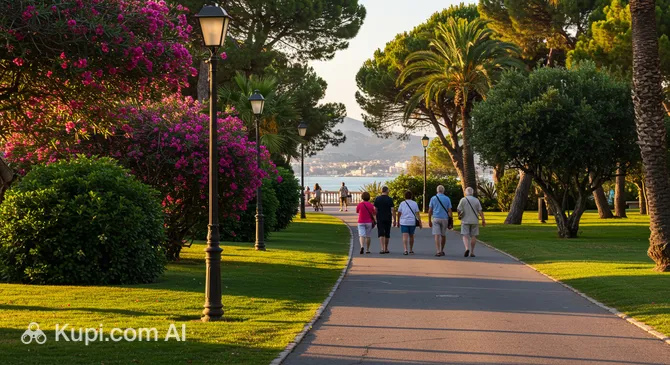
The crown jewel of the city's green spaces is undoubtedly Fausto Noce Park. Located in the heart of the city, this expansive park is a favorite among locals for its well-maintained paths, lush lawns, and vibrant floral displays. It features modern sports facilities, including tennis courts and a small amphitheater that often hosts events. The park's diverse collection of Mediterranean flora, including olive trees and oleanders, creates a refreshing microclimate, making it an ideal place for a picnic or a morning jog away from the traffic.
Fausto Noce Park. Illustration.
Source: Kupi.com AI
Traveler photos:
For those who prefer their natural areas to be coastal, Bados Beach offers a perfect escape into nature just a short drive from the center. While it is a popular spot for swimming, the surrounding area retains a rugged, natural beauty typical of the Sardinian landscape. The beach is framed by low cliffs and Mediterranean scrub, providing a scenic backdrop for walkers and nature enthusiasts. The shallow, crystalline waters and the view of the coastline make it a relaxing alternative to the more manicured urban parks.
Bados Beach. Illustration.
Source: Kupi.com AI
Traveler photos:
When it comes to culture, the Archaeological Museum of Olbia stands as the city's most significant cultural institution. Housed in a striking modern building designed to resemble a moored ship, it is situated on the islet of Peddone. The museum chronicles the entire history of the area, from the prehistoric Nuragic period to the Roman and medieval eras. Its most captivating display is the collection of ancient Roman shipwrecks found in the old harbor, which provides a rare glimpse into the maritime life of the ancient Mediterranean.
Another fascinating site that functions as an underground museum is the Necropolis of San Simplicio. Located beneath the square of the Basilica of San Simplicio, this archaeological area reveals centuries of stratification. Visitors can walk on suspended walkways over ancient Roman graves, cisterns, and road sections, witnessing the layers of history that the modern city is built upon. It offers an intimate and somewhat mysterious perspective on the lives of Olbia's past inhabitants.
In addition to these sites, the city preserves traces of its Roman past in the open air, such as the remains of the Roman Aqueduct. Although only fragments survive, these stone arches are a testament to the engineering prowess of the empire and serve as a reminder of the city's long-standing importance as a regional hub.
For a truly authentic experience, take a short trip to the nearby village of San Pantaleo. Nestled between granite peaks, this small town is known for its artistic community and weekly market. It offers a different kind of "open-air museum" feel, where the traditional stone architecture and the dramatic natural setting create a unique cultural atmosphere distinct from the coast.
Getting Around
Public transport in Olbia is primarily reliant on a bus network, as the city does not have a metro, tram, or trolleybus system. The local transport authority, ASPO (Azienda Servizi Pubblici Olbia), manages the urban bus fleet. These buses connect the city center with key locations such as the port, the airport, the hospital, and the surrounding residential areas. During the summer months, the network is particularly useful for tourists, as specific lines are dedicated to connecting the downtown area with popular beaches like Pittulongu and Porto Istana.
For visitors, the ticketing system is straightforward. You can purchase single tickets, which are typically valid for 90 minutes from the time of validation, or opt for 24-hour passes if you plan to travel frequently within a single day. Tickets are sold at authorized retailers, which include tobacconists (look for the "T" sign), newsstands, and some bars. While it is sometimes possible to buy tickets on board from the driver, this usually incurs a surcharge and requires exact change, so purchasing them in advance is highly recommended.
Modern convenience has also reached Olbia's transport system, with digital options available for tech-savvy travelers. You can purchase tickets via the official ASPO app or other common Italian transport apps like DropTicket or MyCicero. These apps allow you to buy tickets instantly on your smartphone, avoiding the search for a physical shop. If you use a paper ticket, remember the most important rule of Italian public transport: you must validate it immediately upon boarding by stamping it in the yellow or green machines located inside the bus. Failure to do so can result in a significant fine.
Bus schedules vary significantly depending on the season. In the summer, services are more frequent and run later into the evening to accommodate beachgoers and nightlife. However, in the winter or on Sundays and holidays, the frequency drops, and some lines may stop running earlier. It is always wise to check the timetables at the bus stops or on the official website before planning a late return trip. The main bus hub is located near the city center on Via Gabriele D'Annunzio, where many lines intersect.
For those seeking alternatives to the bus, taxis are available but can be relatively expensive compared to other Italian cities. Taxis do not typically cruise the streets for passengers; instead, you should head to designated taxi ranks, found at the airport, the port, and the train station, or call to book a ride. Meters are mandatory, so ensure the driver turns it on at the start of the journey.
Given the compact nature of the historic center, walking is often the best way to explore the main attractions. However, for greater freedom to explore the coastline, many tourists opt for car rentals or scooters. Recently, electric bike and e-scooter sharing services have also started to appear, offering a fun and eco-friendly way to navigate the promenade and shorter distances within the urban area.
Accommodation
Where to Stay:
Finding the perfect place to stay in Olbia is relatively easy, as the city offers a diverse range of accommodation options to suit various budgets and travel styles. Unlike the ultra-exclusive and often prohibitively expensive resorts found elsewhere on the Costa Smeralda, Olbia provides a more grounded and accessible selection. Visitors can choose from efficient business hotels near the airport, charming bed and breakfasts tucked away in the historic center, and self-catering apartments that offer a "home away from home" experience.
For those who want to be in the heart of the action, the Historic Center is the most convenient area. Staying near Corso Umberto I puts you within walking distance of the best restaurants, bars, and shopping districts. It is an ideal location for travelers without a car, as the train station and main bus stops are easily accessible. This area is also perfect for enjoying evening strolls along the Olbia Seafront Promenade, where you can watch the ships dock in the harbor while enjoying a gelato.
Olbia Seafront Promenade. Illustration.
Source: Kupi.com AI
Traveler photos:
If your priority is a beach holiday, consider looking for accommodation in the Pittulongu area, located just a few kilometers from the city center. Here, you will find small hotels, vacation rentals, and villas that offer direct access to the sea. This area is quieter in the evenings compared to the downtown core but provides a relaxing seaside atmosphere. Alternatively, the area around the port and the airport offers modern hotels that are particularly practical for short stays or for travelers with early morning flights.
Booking Tips: Olbia is a transit hub and a destination in its own right, meaning rooms fill up quickly, especially during the peak summer months of July and August. To secure the best rates and availability, it is highly recommended to book your accommodation at least two to three months in advance. If you are visiting during the shoulder seasons (May-June or September-October), you can often find excellent deals and a wider choice of rooms without the summer crowds.
Price Range: generally, prices in Olbia are more moderate than in the surrounding luxury enclaves.
Budget: Hostels and simple B&Bs can be found for reasonable rates, particularly in the city center.
Mid-Range: There is a solid selection of 3-star and 4-star hotels that offer comfort and good amenities without breaking the bank.
Luxury: While Olbia itself is less focused on 5-star opulence than Porto Cervo, there are several high-end boutique hotels and refurbished villas that offer superior service and style.
Most accommodations can be easily booked via major online platforms, though contacting smaller B&Bs directly can sometimes result in a more personalized offer.
Nearby Cities
For those looking to explore the surroundings, Olbia serves as an excellent base for day trips to several interesting nearby locations:
One of the most popular excursions is to Alghero, often referred to as "Barceloneta" due to its strong Catalan heritage. Visitors are charmed by its well-preserved historic center, the impressive sea walls that offer stunning sunset views, and the nearby Neptune's Grotto, a spectacular stalactite cave accessible by boat or a dramatic cliffside staircase. It offers a unique cultural blend that feels distinct from the rest of the island.
Heading inland, Nuoro provides a deep dive into the authentic heart of Sardinia. Nestled at the foot of Mount Ortobene, it is considered the cultural capital of the region, home to the Museum of Sardinian Life and Traditions. This town is the perfect destination for those interested in folklore, literature, and the rugged mountain landscapes of the Barbagia region.
Another worthwhile stop is Sassari, the second-largest city in Sardinia. It boasts a rich history reflected in its grand piazzas and the intricate Fontana di Rosello. The city offers a lively urban atmosphere with a mix of medieval and neoclassical architecture, making it a great spot for history buffs and those looking to experience the daily life of a major Sardinian center.
City
Population
Distance
Arzachena
13 756
19 km
La Maddalena
11 233
33 km
Tempio Pausania
14 052
33 km
Siniscola
11 531
42 km
Ozieri
10 575
56 km
These nearby destinations offer a glimpse into the diverse culture and landscapes of the region.
Shopping & Souvenirs
Shopping in Olbia offers a delightful mix of traditional Sardinian craftsmanship and modern retail convenience. Unlike the ultra-luxury boutiques found in the nearby Costa Smeralda resorts, the city provides a more accessible and authentic experience. Visitors can explore everything from high-street fashion brands to small artisan workshops, making it an excellent place to pick up both practical items and unique gifts that reflect the rich culture of the Gallura region.
The heart of the city's retail scene is undoubtedly Corso Umberto I. This bustling thoroughfare, along with the parallel Corso Vittorio Emanuele, is lined with a variety of shops selling clothing, shoes, and jewelry. In the late afternoon and evening, the street becomes a pedestrian zone, allowing tourists to browse the window displays at a leisurely pace. It is the perfect spot to find Italian fashion labels, beachwear, and local boutiques offering distinct island styles.
For those who prefer a comprehensive shopping experience under one roof, the city boasts several well-equipped shopping malls. The most prominent is the Olbia Mare Shopping Center, located conveniently close to the airport. It features a large hypermarket and numerous stores ranging from electronics to apparel, making it a practical stop for travelers needing to restock supplies. Another significant option is the Terranova Shopping Center, situated in the northern part of the city, which offers a wide selection of national and international brands.
Olbia Mare Shopping Center. Illustration.
Source: Kupi.com AI
Traveler photos:
Markets are a vibrant part of local life and a must-visit for anyone looking for fresh produce or eclectic finds. The main weekly market takes place on Tuesdays in the Zona Bandinu area (near Via Sangallo), where vendors sell everything from clothes and shoes to local cheeses and cured meats. However, the most famous market in the vicinity is the San Pantaleo Market, held every Thursday morning in the nearby village of San Pantaleo. It is renowned for its artistic atmosphere, offering high-quality handicrafts, antiques, and paintings set against a backdrop of dramatic granite mountains.
When it comes to souvenirs, Olbia is the perfect place to purchase authentic Sardinian products. The region of Gallura is famous for its cork production, so look for unique items like cork trays, bags, or even clothing. Ceramics are another local specialty, often painted in vibrant colors reflecting the sea and sun. For foodies, a bottle of Mirto (myrtle liqueur), a jar of local honey, or a vacuum-packed wedge of Pecorino Sardo cheese make for excellent edible mementos. Traditional gold filigree jewelry is also a cherished local craft, often featuring the "Sardinian button" design.
Store hours in Olbia typically follow the traditional Italian split schedule. Shops generally open around 9:00 or 9:30 AM, close for the afternoon "riposo" (siesta) between 1:00 PM and 4:30 PM (or even 5:00 PM in summer), and then stay open late, often until 8:00 PM or later during the tourist season. Shopping malls usually stay open throughout the day without a break. Credit and debit cards are widely accepted, though it is always useful to have some cash for small purchases at markets.
Travelers residing outside the European Union should be aware of the Tax-Free shopping opportunities. Many larger stores and boutiques participate in the VAT refund scheme. Look for the "Tax Free" logo in the window; if you spend above a certain threshold (currently €70) in a single store, you can ask for a refund form to present at customs upon your departure from the EU.