Latina is a fascinating and unique destination located in the Lazio region, offering a distinct experience compared to the ancient hilltop towns typical of central Italy. As the capital of its namesake province, this city serves as a bustling hub that blends distinct 20th-century urban planning with vibrant local culture. With a population of approximately 126,000 inhabitants, it is an energetic city situated just a short drive south of Rome.
Geographically, Latina sits in the heart of the Agro Pontino, a vast plain that stretches towards the Tyrrhenian Sea. The city enjoys a Mediterranean climate with hot summers and mild winters, making it accessible year-round. Exploring the history of Latina reveals its origins as a planned city founded in 1932 on reclaimed marshland, which explains its wide streets and organized geometric layout.
Latina. Illustration.
Source: Kupi.com AI
Travelers are often drawn to the city's remarkable Rationalist architecture, particularly evident around Piazza del Popolo and the Palazzo M, which stand as open-air museums of the style. Beyond its urban core, Latina is a gateway to natural wonders. The coastal area, Lido di Latina, offers sandy beaches and seaside relaxation, while the nearby Lake Fogliano provides a serene setting for birdwatching and walking within the Circeo National Park.
Whether you are interested in modern architectural history or looking for a convenient base to explore the stunning Pontine coast, Latina offers a welcoming atmosphere. It is an intriguing stop for those wishing to see a different side of the Italian peninsula.
Weather Overview
Latina generally enjoys a Mediterranean climate characterized by distinct seasons that offer a variety of experiences for travelers. You can expect hot, sunny summers perfect for visiting the nearby coast and mild winters that are cooler and wetter. To help plan your daily itinerary and packing list, it is useful to review the current outlook for the weather in Latina before your arrival.
The summer months of July and August are typically the warmest, with average highs reaching around 29.3°C and rainfall becoming quite scarce, often limited to just 3 to 6 wet days per month. Conversely, the winter period from December to February sees temperatures drop, with average lows around 6°C and daily averages near 9°C to 10°C. Rainfall becomes more frequent during the autumn and winter transitions, with November being particularly damp, recording up to 16 wet days.
Average monthly temperature
Average monthly precipitation
Interesting Facts
Beyond its distinctive architecture and planned layout, Latina holds several intriguing secrets that set it apart from typical Italian destinations. These little-known details offer a glimpse into the city's unique origins and its role in modern history.
Historic Center of Latina. Illustration.
Source: Kupi.com AI
Traveler photos:
Although the city is now known as Latina, it was originally founded in 1932 under the name Littoria. It was only renamed in 1945 after World War II to distance the city from its political origins, marking a symbolic fresh start for the community.
Walking through the Historic Center of Latina, you might notice the imposing Palazzo M. A popular local belief holds that the building was intentionally designed in the shape of the letter "M" to honor Benito Mussolini, serving as a permanent architectural signature of the era.
Latina was once at the forefront of atomic energy in Europe. In 1963, the city became home to Italy's first nuclear power plant, which was the most powerful in Europe at the time of its inauguration, placing this agricultural province on the global scientific map.
Despite being in the Lazio region near Rome, the city has deep cultural roots in Northern Italy. The massive marshland reclamation project brought thousands of workers from the Veneto and Friuli regions, creating a unique "Veneto-Pontino" community where northern dialects were widely spoken for decades.
How to Get There
Reaching this part of the Lazio region is relatively straightforward due to its proximity to the Italian capital. While the city itself does not host major international transport hubs, it benefits greatly from the extensive infrastructure of nearby Rome. Visitors planning their trip can find detailed information and all ways to reach the city on our dedicated transport page.
The city of Latina does not have its own airport, but it is well-served by those in the capital. The closest option is Ciampino–G. B. Pastine International Airport (CIA), located approximately 44.9 km away. This is often convenient for travelers arriving on low-cost carriers. Alternatively, many visitors choose Leonardo da Vinci-Fiumicino Airport (FCO), the country's main international gateway, situated about 65.2 km from the city. Both airports offer excellent connections, allowing for a smooth transfer by road or rail.
The following airports are located within a reasonable distance of the city:
Traveling by train is a highly efficient method to approach the area. The primary railway connection is the Latina Scalo station, which is situated about 9 km from the city center and connected by regular local bus services. Frequent regional trains depart from Roma Termini Station in Rome, reaching Latina Scalo in roughly 35 to 50 minutes. Another significant hub is Tiburtina Railway Station, also in Rome, which serves as a key entry point for travelers coming from various parts of Italy.
While Latina is often recognized for its unique origins and architecture, it also offers a variety of attractions that cater to history buffs, families, and shoppers alike. Exploring the city provides a mix of cultural insight and leisure activities, making it an engaging stop during a trip through the Lazio region.
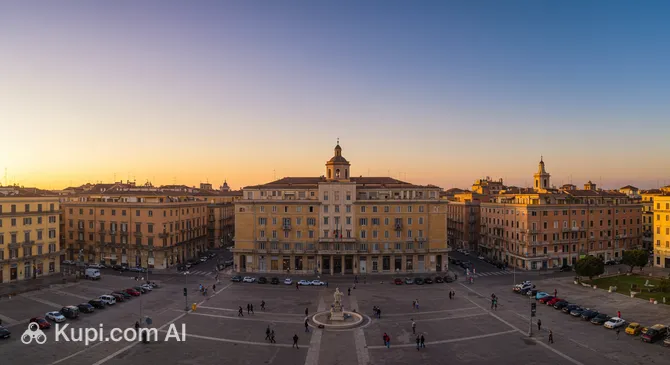
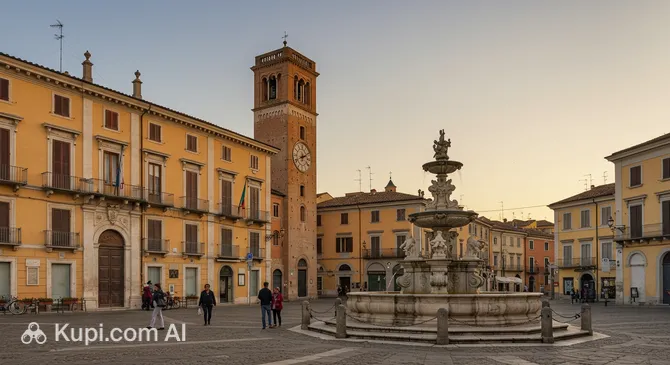
The beating heart of the city is the Historic Center of Latina. Unlike the winding medieval alleys found in many Italian towns, this area showcases the distinct Rationalist architecture of the 1930s. Visitors can walk through wide avenues and spacious squares, such as the iconic Piazza del Popolo, to admire buildings that serve as an open-air museum of 20th-century urban planning. It is a fascinating place to understand the city's foundation and artistic identity.
ScivoSplash. Illustration.
Source: Kupi.com AI
Traveler photos:
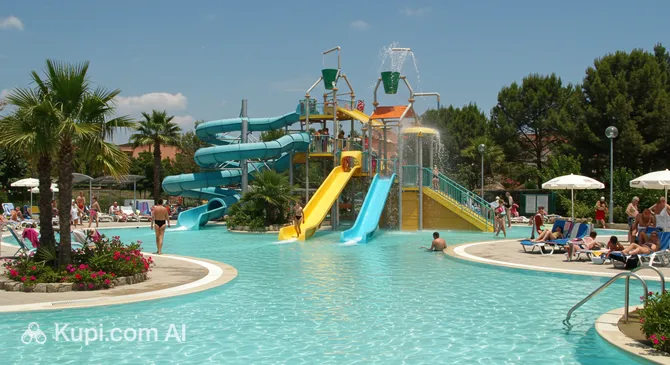
For those seeking relief from the summer heat or a fun day out with the family, ScivoSplash is a top destination. This popular water park features a range of exciting slides, swimming pools, and relaxation areas surrounded by greenery. It is the perfect spot to unwind and enjoy the sunny Mediterranean climate, offering entertainment for both adrenaline seekers and those who simply want to float and relax.
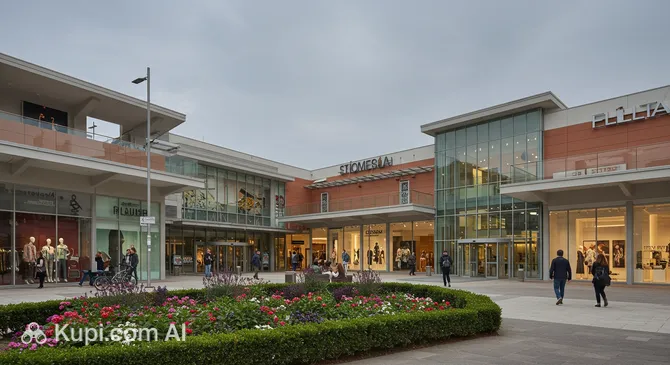
Travelers looking for a modern shopping experience should visit the Latinafiori Shopping Center. As one of the main commercial hubs in the area, it houses a wide selection of Italian and international brands, boutiques, and electronics stores. Beyond retail therapy, the center offers various dining options and a lively atmosphere, making it a convenient place to take a break and enjoy some local lifestyle vibes.
Local Cuisine
The culinary landscape of Latina is a delightful reflection of its location in the fertile Agro Pontino plain. The local cuisine is characterized by an abundance of fresh, high-quality ingredients, ranging from artichokes and zucchini to the renowned Mozzarella di Bufala produced in the surrounding countryside. While the city's gastronomy shares many traditions with Rome—such as savory pasta dishes like Carbonara—it also retains traces of the diverse cultures brought by settlers from Northern Italy, creating a unique fusion of flavors.
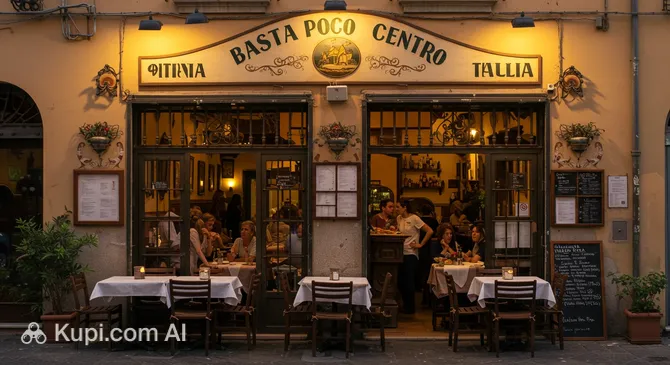
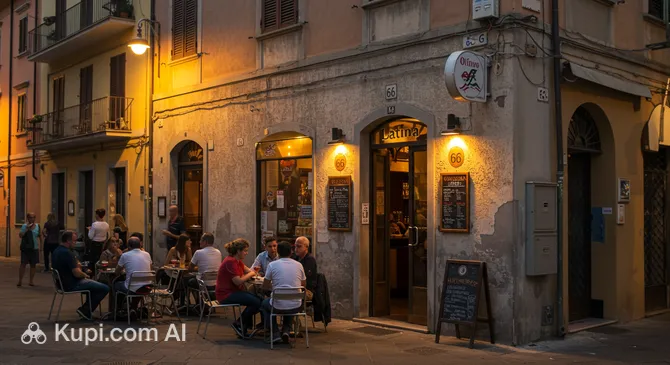
For travelers seeking a taste of authentic local dining, Basta Poco Centro is a welcoming establishment to consider. Known for its relaxed atmosphere, this restaurant serves a variety of traditional Italian dishes and excellent pizzas, making it a favorite spot for both families and groups of friends looking to enjoy a hearty meal.
Basta Poco Centro. Illustration.
Source: Kupi.com AI
Traveler photos:
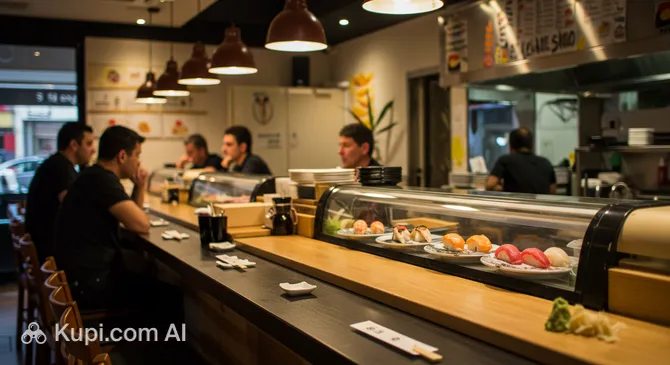
The city's dining scene is not limited to Italian classics; it also embraces international trends and modern tastes. A prime example is Dozo Sushi, which offers a refined Japanese culinary experience. With its fresh seafood and stylish presentation, it provides a sophisticated alternative for those wishing to explore global flavors during their stay.
As evening falls, the local culture of the aperitivo comes alive. To experience the vibrant nightlife, visitors can head to Olimpo Street 66. This bar is a popular meeting point where locals gather to unwind with expertly crafted cocktails and a selection of regional wines, offering a perfect setting to relax after a day of sightseeing.
Olimpo Street 66. Illustration.
Source: Kupi.com AI
Traveler photos:
Travel Tips
Welcome to Latina! To ensure your visit to this unique planned city and its beautiful surrounding province is as smooth and enjoyable as possible, we have compiled a list of essential travel advice to help you navigate local life with ease.
Clothing and Gear: Since Latina enjoys a Mediterranean climate, pack light, breathable fabrics and sun protection if you are visiting in summer, as temperatures can get quite high. For winter trips, a waterproof jacket and layers are recommended due to occasional rain and cooler evenings. Comfortable walking shoes are a must for exploring the spacious city center and the nearby nature trails.
Transportation: While there are local buses connecting the city center to the Latina Scalo train station (about 9 km away), the schedule can sometimes be sparse, especially in the evening. To truly explore the Agro Pontino, the coastal beaches, and the Circeo National Park, renting a car is highly recommended as it offers the most flexibility.
Finances: The official currency is the Euro (€). Credit and debit cards are widely accepted in hotels, restaurants, and the Latinafiori Shopping Center, but it is wise to carry some cash for small purchases at cafés or local markets. Tipping is not mandatory, though leaving a small amount for good service is appreciated.
Health and Safety: Latina is generally a safe city for tourists, but standard precautions regarding personal belongings should be taken in crowded areas. Pharmacies are easily identified by a green cross sign; many operate on a rotating schedule to provide 24-hour service. For any serious emergencies, dial 112 for immediate assistance.
Communication: Italian is the primary language spoken here. While younger people and staff in major hotels may speak English, it is less widespread than in tourist-heavy cities like Rome. Learning a few basic phrases such as "Buongiorno" (Good morning) and "Grazie" (Thank you) will go a long way. Buying a local SIM card is easy at electronics stores if you need constant connectivity.
Local Etiquette: Politeness is highly valued; always greet shopkeepers or restaurant staff when entering and leaving an establishment. If you visit religious sites, ensure your shoulders and knees are covered. It is also customary to avoid handling produce with bare hands at local markets—look for the plastic gloves provided or ask the vendor for help.
What to Avoid: Do not expect shops to be open all day. Many smaller businesses close for a few hours in the afternoon (typically between 1:30 PM and 4:00 PM) for the traditional riposo. Plan your shopping and lunch accordingly to avoid finding closed doors.
Local Insight: Embrace the evening ritual of the passeggiata. Around sunset, locals flock to the city center, particularly around Piazza del Popolo, to stroll, socialize, and enjoy an aperitivo. It is the perfect time to soak up the authentic atmosphere of the city.
We hope these tips help you feel right at home during your stay. Whether you are here to admire the rationalist architecture or relax on the Pontine coast, Latina is ready to offer you a memorable and authentic Italian experience.
Entertainment & Nightlife
Latina comes alive after sunset, offering a vibrant and authentic nightlife scene driven by its young population and university community. Unlike the tourist-heavy crowds of Rome, the evening atmosphere here is distinctly local, characterized by lively conversations and a welcoming vibe. The night typically begins with a stroll, or passeggiata, through the city center, where friends gather in the piazzas to decide on their plans for the evening.
The beating heart of the city's nightlife is the area surrounding Via Neghelli, widely known as the "Pub Zone." This district is packed with trendy bars, gastropubs, and lounges where patrons often spill out onto the streets with drinks in hand. It is the perfect place to bar-hop and soak up the energetic atmosphere. For a stylish start to the night, Dozo Sushi offers a cosmopolitan setting. With its modern design and excellent cuisine, it attracts a fashionable crowd looking for a sophisticated dining experience before hitting the bars.
Dozo Sushi. Illustration.
Source: Kupi.com AI
Traveler photos:
As the evening progresses, many locals head to Olimpo Street 66. This popular bar is a staple of the local scene, renowned for its creative cocktails and music that keeps the energy high well into the night. For those preferring a more relaxed environment suitable for conversation or a late bite, Basta Poco Centro provides a comfortable and friendly setting. During the summer months, the nightlife epicenter shifts towards the coast at Lido di Latina, where beach clubs host DJ sets and parties directly on the sand.
Beyond bars and clubs, Latina offers various forms of entertainment. The Teatro Gabriele D'Annunzio is the cultural hub for theater lovers, hosting a season of plays, concerts, and dance performances. For daytime fun, visitors can explore local museums or enjoy family-friendly attractions like the city's water park, though the evenings are definitely the highlight of the social calendar.
Practical Advice: Nightlife in Latina starts relatively late, with most bars becoming busy after 10:30 PM. The dress code is generally smart-casual; avoid overly sporty beachwear in the city center venues. Prices are affordable, with drinks costing significantly less than in Rome. While the "Pub Zone" and city center are safe for night walks, public transport stops running early. It is essential to have a plan for getting around, such as renting a car or using a local radio taxi service, especially if you plan to visit the coastal clubs.
Parks & Museums
Beyond its distinctive urban layout, Latina offers a surprising array of green spaces and cultural institutions that chronicle its unique history. The city's design incorporates ample public gardens, while its museums provide a deep dive into the 20th-century reclamation projects and the events of World War II that shaped the region.
For those seeking a breath of fresh air within the city limits, Parco Falcone e Borsellino is the primary green lung. Located centrally, this park is a favorite among locals for jogging, leisurely walks, and escaping the urban bustle under the shade of mature trees. Just a short drive towards the coast lies the magnificent Lake Fogliano (Lago di Fogliano). Part of the Circeo National Park, this protected area is a haven for nature lovers, offering flat paths for walking and cycling, birdwatching opportunities, and a historic botanical garden that dates back to the 19th century.
When it comes to culture, the Piana delle Orme museum is an absolute must-see for visitors to the area. This sprawling historical theme park is dedicated to the 20th century, featuring impressive collections of agricultural machinery, vintage vehicles, and immersive dioramas depicting the reclamation of the Pontine Marshes and the battles of World War II. Another significant institution is the Museo della Terra Pontina, located in the Palazzo dell'Agricoltura. It focuses specifically on the anthropological and social history of the land reclamation, showcasing tools, photographs, and artifacts from the settlers who transformed the marshes into a city.
The city itself can be viewed as an open-air museum of Rationalist architecture. Walking through the Historic Center of Latina allows visitors to admire iconic structures like the Palazzo M and the Palazzo del Governo. These buildings are not just administrative centers but key historical monuments that reflect the artistic and political climate of the 1930s. The metaphysical atmosphere of the squares serves as a constant reminder of the city's foundation.
For a truly unique experience, consider visiting the Galleria Civica d'Arte Moderna e Contemporanea, which houses a curated collection of Italian art from the 1930s to the present day. An insider tip for nature enthusiasts is to check the opening dates for the nearby Garden of Ninfa (Giardino di Ninfa); although technically outside the city limits, it is often cited as one of the most romantic gardens in the world and is easily accessible from Latina.
Getting Around
Public transport in Latina is primarily reliant on a bus network, as the city does not have a metro, tram, or trolleybus system. The local bus service is managed by CSC Mobilità and covers the city center, the suburban areas, and key points of interest such as the Latina Scalo train station and the coastal area of Latina Lido. The buses are generally blue or white and are the most common way for residents and visitors to move around without a car.
The network consists of several urban lines that connect the residential districts with the commercial center and public offices. For tourists, the most important routes are those linking the city center to the railway station (located about 9 km away) and the seasonal lines that run to the seaside during the summer months. While the city center is walkable due to its flat terrain and rationalist layout, reaching the train station or the beach requires motorized transport.
Regarding tickets and payment, the system is straightforward. A standard single-ride ticket is affordable, typically costing around €0.80 to €1.50, depending on whether you purchase it in advance or on board (where a surcharge usually applies). Tickets are valid for a specific duration, usually 90 minutes, allowing for transfers between lines. Travel passes, such as monthly subscriptions, are available but are generally more suited for long-term residents. Recently, digital options have been introduced, allowing passengers to purchase tickets via smartphone apps like DropTicket or the official operator's app.
For practical advice, it is highly recommended to buy your tickets before boarding. You can find them at authorized retailers, which include newsstands and tobacconists displaying the black and white "T" sign. Once on the bus, you must validate your ticket immediately using the yellow or digital machines to avoid fines. Operating hours generally run from early morning, around 6:00 AM, until approximately 9:00 PM or 10:00 PM. Be aware that service frequency drops significantly on Sundays and public holidays, so checking the timetable in advance is essential.
Given that the bus network may not be as frequent as in larger metropolitan areas, alternatives are often necessary. Taxis are available and can be booked via phone through local cooperatives like Radio Taxi Latina, as hailing them on the street is not common practice. Designated taxi stands are found at the bus station and Piazza del Popolo.
Since the province offers many scenic drives and the bus schedules can be limiting for evening travel, renting a car is often the most practical choice for tourists wishing to explore the surrounding national parks and coastal towns at their own pace. Additionally, due to the city's flat landscape, cycling is a popular and pleasant alternative for getting around the urban core, although dedicated bike rental shops may be less ubiquitous than in major tourist hubs.
Accommodation
Accommodation:
Finding a place to stay in Latina is generally straightforward, offering a range of options that cater to different travel styles, from business trips to summer beach vacations. The accommodation landscape is a mix of functional city hotels, charming bed and breakfasts, and seaside resorts. Unlike the overwhelming density of tourist lodgings in Rome, Latina provides a more relaxed and authentic selection, often at significantly more competitive prices.
The most convenient area for visitors interested in architecture and urban life is the City Center. Staying here places you within walking distance of the main squares, the "Pub Zone" for nightlife, and shopping hubs like the Latinafiori Shopping Center. The city center is dominated by modern, mid-range hotels that offer reliable amenities and easy access to public transport, making them an excellent base for exploring the province.
For those prioritizing sun and sea, the Lido di Latina is the ideal location. Situated a few kilometers from the urban core, this coastal strip comes alive in the summer months. Here, you can find beachfront hotels, camping sites, and holiday rentals that offer direct access to the Tyrrhenian Sea. Another popular option in the surrounding Agro Pontino countryside is the agriturismo (farm stay). These rural establishments often provide a peaceful setting near nature reserves like Lake Fogliano, combining comfortable lodging with traditional local food.
Booking Tip: If you are planning a visit during July or August, it is highly recommended to book well in advance, especially if you want to stay near the beach at the Lido, as these spots fill up quickly with domestic travelers. Conversely, the city center hotels are often available at great value during the weekends or the peak of summer when business travel slows down.
In terms of cost, Latina is generally affordable compared to major Italian tourist destinations. Travelers can expect to find good quality mid-range options without the premium price tag of the capital. Booking is easily done through major online platforms, though many smaller B&Bs and agriturismos also welcome direct inquiries. Whether you choose a modern room in the rationalist center or a relaxing spot by the sea, the city offers a comfortable welcome.
Nearby Cities
For those looking to explore the surroundings, Latina serves as an excellent base for day trips to several interesting nearby locations:
Located along the Tyrrhenian coast, Anzio is a destination rich in history and maritime tradition. It is historically significant for the Allied landings during World War II and is also known for the archaeological ruins of the Imperial Villa of Nero. Visitors can enjoy a walk along the busy harbor, famous for its fresh seafood restaurants, or relax on the sandy beaches that stretch along the shoreline.
Adjacent to Anzio lies the charming town of Nettuno, which offers a picturesque contrast with its well-preserved medieval quarter, the Borgo Medievale. A major highlight here is the Forte Sangallo, a fortress built in the 16th century to defend the coast. The town also features a large tourist marina and the monumental American Cemetery, a serene and beautifully maintained memorial park.
Heading inland towards the Alban Hills, Velletri provides a glimpse into the ancient history of the region. As one of the most important centers of the Castelli Romani area, it boasts a rich heritage dating back to the Volsci people and offers interesting museums and historic architecture. It is also a great spot to appreciate the local wine culture and enjoy cooler temperatures during the summer.
City
Population
Distance
Sermoneta
10 077
11 km
Sezze
24 954
14 km
Pontinia
14 915
14 km
Cisterna di Latina
36 980
15 km
Cori
10 893
20 km
These nearby destinations offer a glimpse into the diverse culture and landscapes of the region.
Shopping & Souvenirs
Shopping in Latina offers a practical and pleasant experience, blending the charm of walking through rationalist architecture with the convenience of modern retail hubs. While it may not have the high-fashion density of Rome or Milan, the city serves as the primary commercial center for the province, providing a wide range of options from popular Italian chains to independent local boutiques. The atmosphere is generally relaxed, allowing visitors to browse without the overwhelming crowds found in larger tourist cities.
The heart of the city's retail scene is found along the pedestrian-friendly streets of the historic center. Corso della Repubblica and Via Eugenio di Savoia are the main arteries where locals go for their evening stroll and window shopping. Here, you will find clothing stores, shoe shops, and jewelers nestled between cafés and historic buildings. It is a great area to find Italian fashion brands and enjoy the lively urban vibe, especially in the late afternoon.
For a comprehensive shopping experience under one roof, the Latinafiori Shopping Center is the go-to destination. Located just a short distance from the city center, this modern mall is a favorite among residents for its extensive selection of international brands, electronics, and beauty products. It offers a comfortable, climate-controlled environment that is particularly welcoming during the hot summer months or rainy days.
Latinafiori Shopping Center. Illustration.
Source: Kupi.com AI
Traveler photos:
An essential part of the local culture is the weekly market, known as the Mercato Settimanale, typically held on Tuesdays. It is one of the largest open-air markets in the Lazio region, sprawling across a vast area and attracting vendors from all over. Here, tourists can find everything from bargain clothing and leather goods to household items. The food section is particularly vibrant, showcasing the agricultural richness of the Agro Pontino with stalls piled high with fresh fruit, vegetables, and regional cheeses.
When it comes to souvenirs, the best items to bring back from Latina are undoubtedly gastronomic. The province is famous for its Mozzarella di Bufala, and buying it fresh from a local dairy (caseificio) is a must. Other excellent gifts include local wines, such as those produced in the nearby hills of Cori and the Agro Pontino plain, as well as high-quality extra virgin olive oil. For a sweeter treat, look for local honey or biscuits from traditional bakeries.
Store opening hours generally follow the traditional Italian schedule. Street shops and boutiques usually open around 9:00 AM, close for a lunch break (riposo) between 1:00 PM and 4:00 PM, and then reopen until 8:00 PM. Shopping malls and larger supermarkets, however, typically stay open all day (orario continuato) from morning until evening. Payment is easy, with major credit and debit cards widely accepted, though it is advisable to carry cash for small purchases at the weekly market or independent cafés.
Visitors residing outside the European Union may be eligible for a VAT refund on significant purchases. Many larger stores and boutiques in the city participate in tax-free shopping schemes. Look for the "Tax Free" signage in shop windows and remember to ask for the necessary forms at the checkout if you plan to claim the refund at the airport upon your departure.