Support

Salerno

About

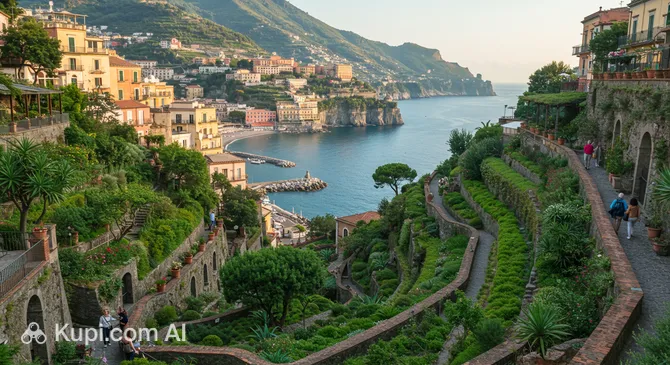
Salerno is a vibrant port city nestled on the shores of the Tyrrhenian Sea, offering a perfect blend of rich heritage and modern Italian life. Often overshadowed by its more famous neighbors on the Amalfi Coast, this lively destination possesses a unique charm and an authentic atmosphere that captivates visitors. It serves as a cultural hub and a strategic gateway to some of the most beautiful coastal landscapes in the region.

Located in the Campania region of southern Italy, the city acts as the administrative center of the Province of Salerno. With a population of approximately 134,000 residents, it maintains the energy of a bustling urban center while preserving the relaxed pace of a seaside town. Its geographical position, tucked between the Amalfi Coast and the Cilento National Park, makes it an ideal base for travelers seeking to explore the diverse beauty of the area.
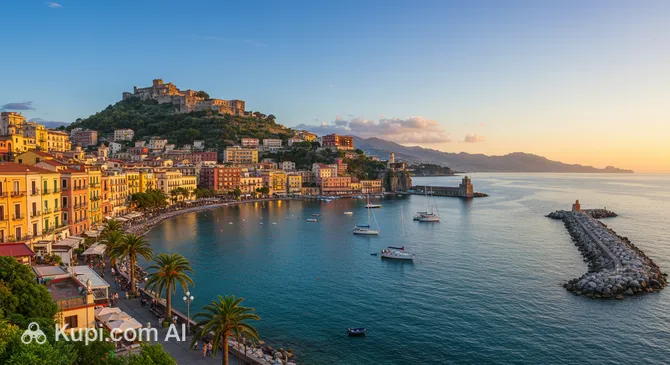
Salerno. Source: Kupi.Binoculars

The fascinating history of Salerno is deeply intertwined with its reputation as a center of learning; during the Middle Ages, it was home to the Schola Medica Salernitana, the first and most important medical school in Europe. Today, traces of this glorious past can be seen in the city's architecture, particularly in the magnificent Salerno Cathedral (Duomo di Salerno), which houses the crypt of Saint Matthew the Apostle and features stunning Byzantine mosaics.

Beyond its historical sites, the city is celebrated for the Lungomare Trieste, widely considered one of the most beautiful seaside promenades in the country. Visitors can enjoy a leisurely walk along this palm-lined boulevard, taking in the sea breeze and the view of the Gulf. High above the city stands the medieval Castello di Arechi, offering breathtaking panoramic views of the bay and the city below. Whether you are interested in ancient culture or simply looking for a welcoming destination with excellent food and scenery, Salerno invites you to discover its many treasures.
Weather Overview

Salerno enjoys a pleasant Mediterranean climate, making it an inviting destination throughout most of the year. The city is known for its sunny days and coastal breezes that moderate the heat. To help plan your trip around specific conditions, you can check the detailed forecast and historical trends for the weather in Salerno.

The summer months of June through August are the warmest and driest, perfect for enjoying the nearby beaches. Average temperatures during this season range from 21.5°C to 24.9°C, with August highs often reaching 28.6°C. Rainfall is scarce, particularly in July, which typically sees only about 3 wet days, ensuring plenty of sunshine for outdoor activities.

Winters are mild rather than harsh, though they do bring more frequent rainfall. From December to February, average temperatures stay between 8.1°C and 9.8°C, with lows rarely dipping below 5.5°C. January is usually one of the damper months, recording around 15 wet days. Expect hot, dry summers and mild, wetter winters as the typical pattern for this region.

The transitional seasons of spring and autumn offer moderate and comfortable temperatures. May is particularly lovely with an average of 16.4°C, while September retains some summer warmth at 21.0°C. However, visitors traveling in late autumn should be prepared for rain, as November is historically the wettest month with approximately 16 rainy days.

Interesting Facts

Beyond the main attractions, Salerno holds many fascinating secrets that dwell in its ancient streets and local lore. From mysterious legends to pioneering scientific achievements, the city offers stories that surprise even the most seasoned travelers.
  • The city is home to Minerva's Garden, which is widely considered the first botanical garden in Europe created specifically for cultivating medicinal plants. During the Middle Ages, this terraced garden served as an open-air classroom where students of the medical school learned to identify and use herbs for healing, laying the foundations for modern pharmacology.

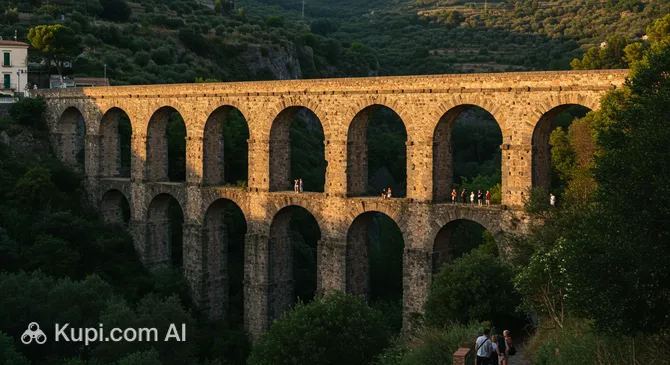
  • Local folklore surrounds the Medieval Aqueduct of Salerno, earning it the nickname "Bridge of the Devil." Legend has it that the structure was built in a single night by the famous alchemist Pietro Barliario with the help of demons, and superstition still warns that walking under its arches after sunset might lead to an encounter with spirits.

  • Salerno is often cited as a historical beacon of tolerance due to the "Legend of the Four Founders." Tradition says the city's prestigious medical school was established by a Greek, a Latin, an Arab, and a Jew who met by chance during a storm. This story symbolizes the deep multicultural roots and the synthesis of knowledge that defined the city's golden age.

  • While many Italian cities celebrate winter with traditional lights, Salerno hosts the "Luci d'Artista," a spectacular exhibition that turns the urban landscape into a glowing art museum. From November to January, the streets and squares are adorned with intricate, large-scale light sculptures created by contemporary artists, drawing admirers from all over the country.

Medieval Aqueduct of Salerno. Source: Kupi.Binoculars

How to Get There

Reaching this coastal gem is relatively straightforward thanks to its strategic location in the Campania region. Whether you are arriving from international destinations or other parts of Italy, you have several convenient options. For a comprehensive guide on all available transport methods, you can read more about how to get to Salerno.

For international travelers, the most common entry point is Naples International Airport (IATA: NAP), also known as Capodichino. Although it is located in the city of Naples, approximately 47 km away, it serves as the primary hub for the region with significant annual passenger traffic. The journey from the airport to Salerno typically takes around 90 minutes by taxi or bus transfer. Alternatively, the city has its own smaller hub, Pontecagnano (IATA: QSR), situated just 13 km from the center. While it handles a much smaller volume of passengers compared to Naples, it offers the convenience of a short 40-minute transfer to the heart of the city.

For clarity, here is a summary of the main airports:

Airport Name City Passenger Traffic Km from City
Naples International Airport Naples Large 46.7
Palese Airport Bari Medium 174.9
Abruzzo Airport Pescara Small 200.6
Pontecagnano Salerno Small 13.4
Gino Lisa Foggia Very Small 105.1

Traveling by train is often the most convenient way to arrive, as the city is well-connected to the Italian high-speed rail network. You can arrive directly at Salerno Railway Station, which is perfectly located just 0.7 km from the city center, allowing for immediate access to local attractions. If you are connecting from a long-distance journey that terminates nearby, you might pass through Naples Centrale Station in Naples, about 46 km away. From Naples, frequent regional trains can bring you to Salerno in less than an hour.

Below is a list of relevant railway stations in the vicinity:

Station City Passenger Traffic Km to Center
Naples Centrale Station Naples Very High 46.4
Bari Centrale Station Bari High 183.0
Napoli Afragola High-Speed Railway Station Naples High 46.6
Mergellina Railway Station Naples Medium 47.2
Salerno Railway Station Salerno 0.7

Main Attractions

Attractions:

Exploring the city reveals a fascinating mix of ancient history and contemporary design. While the medieval streets invite you to get lost in their charm, the city also boasts striking modern landmarks. Here are some of the top places you should not miss during your visit.

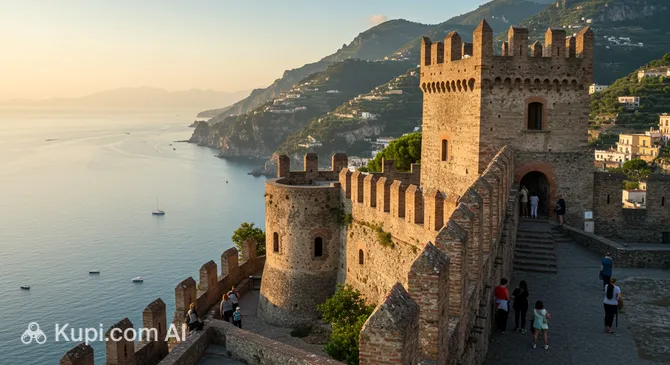
Dominating the city from a height of about 300 meters, Arechi Castle is an imposing medieval fortress that offers the most spectacular panorama of the Gulf of Salerno. Originally a Byzantine fort, it was strengthened by the Lombard Prince Arechi II in the 8th century. Today, it houses a museum displaying ancient ceramics and weaponry found on the site. Tourists flock here not just for the history, but for the breathtaking views that stretch as far as the Amalfi Coast, making it a perfect spot for sunset photography.

Arechi Castle. Source: Kupi.Binoculars

In the heart of the historic center lies the magnificent Salerno Cathedral (Duomo di Salerno), dedicated to the city's patron, Saint Matthew. The entrance features a beautiful Romanesque atrium surrounded by a colonnade, which provides a peaceful transition from the busy streets outside. Inside, the main draw is the stunning Crypt of St. Matthew, a baroque masterpiece adorned with intricate frescoes and marble decorations that leave visitors in awe. The cathedral is a spiritual and artistic treasure chest that reflects the city's golden age.

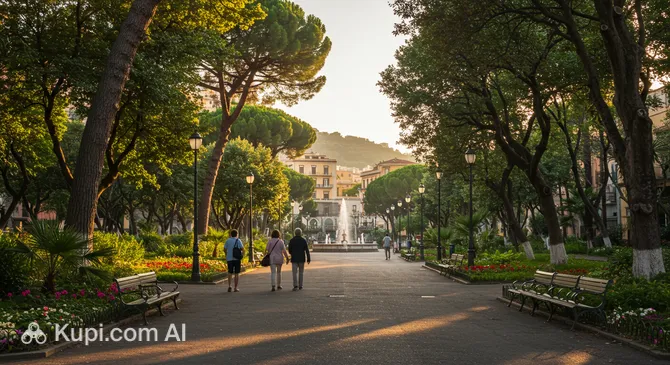
For a relaxing break among greenery, the Villa Comunale of Salerno is the city's beloved public garden. Located near the Verdi Theatre, this park features exotic plants, statues, and a picturesque fountain. It serves as a quiet retreat during the day, but in winter, it transforms into the magical center of the "Luci d'Artista" light festival, where enchanting light sculptures turn the garden into a fairytale forest. It is an ideal place for a leisurely stroll with family or friends.

Villa Comunale of Salerno. Source: Kupi.Binoculars

Representing the modern face of the city is the Salerno Maritime Terminal, designed by the world-renowned architect Zaha Hadid. Located at the port, its fluid, oyster-like shape creates a striking contrast with the historic architecture nearby. The terminal serves as a hub for ferries and cruise ships, but it is also an architectural landmark in its own right. Its sleek curves and innovative design symbolize the city's transition into the future and its enduring relationship with the sea.

Local Cuisine

The local cuisine of Salerno is a delightful celebration of the Mediterranean diet, perfectly balancing flavors from the sea and the fertile lands of the Campania region. Unlike the purely tourist-focused menus found elsewhere, the food scene here remains authentic and deeply rooted in tradition. The city is geographically positioned between the Amalfi Coast and the Cilento region, meaning visitors can enjoy the freshest seafood alongside robust, rustic dishes from the interior.

One cannot speak of Salerno without mentioning the "white gold" of the region: Mozzarella di Bufala Campana. The nearby plains of Battipaglia and Paestum are world-renowned for producing this porcelain-white cheese, and in Salerno, it is served incredibly fresh, often dripping with its savory milk. For a main course, look for Scialatielli allo scoglio, a type of thick, short pasta traditionally paired with a rich sauce of mussels, clams, shrimp, and cherry tomatoes. Another local favorite is the Ciambotta, a hearty vegetable stew made with peppers, eggplants, and potatoes, often enjoyed as a side dish or a light summer meal.

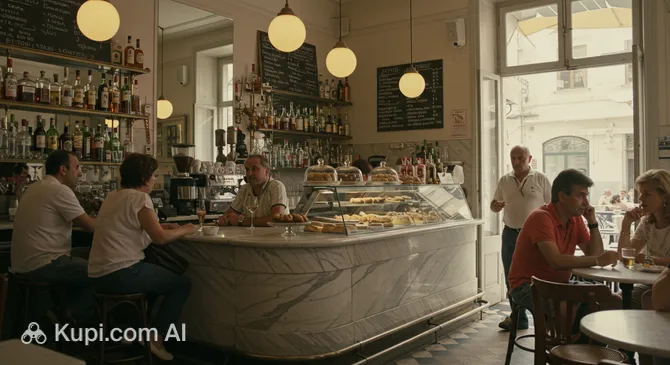
When it comes to sweets, the undisputed king of Salerno's pastry tradition is the Scazzetta del Cardinale. This distinct dessert consists of sponge cake filled with wild strawberry cream and covered in a bright red strawberry glaze, resembling a cardinal's hat. For those with a sweet tooth, a visit to Pasticceria Romolo is practically a rite of passage. This historic establishment is famous for its high-quality pastries and coffee, making it a perfect stop for an afternoon break.

Pasticceria Romolo. Source: Kupi.Binoculars

The dining culture in Salerno is relaxed and social, with locals often eating dinner late in the evening. The city offers a mix of casual street food joints and elegant trattorias. For a quick bite, try the Cuoppo di Pesce, a paper cone filled with fried fish and seafood, perfect for eating while walking along the Lungomare. If you prefer a sit-down meal to savor fresh pasta dishes, Al Dente is a popular choice among visitors. Alternatively, for a cozy atmosphere and traditional recipes passed down through generations, Mamma Rosa offers a welcoming environment to try classic regional flavors.

To accompany these meals, the region offers exceptional wines. The volcanic soil of Campania produces robust reds like Aglianico and crisp, aromatic whites like Fiano and Falanghina, which pair beautifully with seafood. After dinner, it is customary to sip on a chilled glass of Limoncello, the famous lemon liqueur produced with the fragrant lemons from the nearby Amalfi Coast, serving as the perfect digestif to conclude a gastronomic journey in Salerno.

Travel Tips

Welcome to Salerno! To ensure your visit to this charming gateway of the Amalfi Coast is as relaxing as the sea breeze, we have compiled some essential practical advice to help you navigate the city with confidence and ease.

  1. Clothing and Gear: In summer, lightweight and breathable fabrics are essential, while a waterproof jacket and layers are recommended for the mild but wetter winter months. Since the historic center features charming but uneven cobblestones, comfortable walking shoes are a must. If you plan to visit the Salerno Cathedral or other religious sites, remember to dress modestly by covering your shoulders and knees.
  2. Transportation: Salerno is a very walkable city, especially the historic center and the Lungomare. For day trips to the Amalfi Coast, the ferry system (look for the "Travelmar" or "NLG" lines at the port) is often faster and more scenic than the bus. A car is generally unnecessary within the city due to traffic and limited parking; rely on the efficient train connections or local buses for inland travel.
  3. Finances: The currency is the Euro (€). While credit cards are widely accepted in hotels, restaurants, and larger shops, it is wise to carry some cash for small purchases like espresso or street food. ATMs (known as Bancomat) are plentiful. Tipping is not mandatory as a service charge (coperto) is usually included in the bill, but leaving small change for good service is appreciated.
  4. Health and Safety: Salerno is generally a safe city for tourists, but standard precautions against pickpocketing should be taken in crowded areas like the train station or markets. Pharmacies are marked by a flashing green cross; they are well-stocked, and pharmacists can often provide advice for minor ailments. In case of a serious emergency, dial 112 for assistance.
  5. Communication: The official language is Italian. While English is spoken in most tourist-centric establishments, hotels, and restaurants, it may be less common in smaller local shops or markets. Learning a few basic phrases like Buongiorno (Good morning), Grazie (Thank you), and Per favore (Please) will go a long way in earning smiles from the locals. Free Wi-Fi is often available in cafes, but buying a local SIM card from major providers like TIM or Vodafone is reliable and affordable.
  6. Local Etiquette: Politeness is highly valued; always greet shopkeepers or waiters when entering and leaving an establishment. At local markets, do not touch fresh produce with your bare hands—ask the vendor to serve you or look for the plastic gloves provided. During the traditional afternoon break (riposo), usually between 1:30 PM and 4:00 PM, many smaller shops may close, so plan your shopping accordingly.
  7. What to Avoid: Avoid expecting dinner service to start early; in Salerno, like much of southern Italy, restaurants typically open for dinner around 7:30 PM or 8:00 PM, and locals often eat even later. Also, avoid ordering a cappuccino after a meal—it is strictly considered a breakfast drink, and an espresso (caffè) is the preferred way to end a lunch or dinner.
  8. Additional Tip: If you are visiting during the winter (November to January), be prepared for larger crowds in the evenings due to the famous Luci d'Artista light festival. To enjoy the installations without the masses, try to walk through the city center and the Villa Comunale on weekdays or later at night.

Armed with these practical tips, you are now ready to fully embrace the dolce vita in Salerno. Whether you are exploring ancient crypts or enjoying a sunset walk by the sea, you can look forward to a smooth and unforgettable Italian adventure.

Entertainment & Nightlife

Salerno transforms as the sun sets, shifting from a busy port city into a vibrant hub of social activity. The nightlife here is defined by the Italian concept of "Movida," where the entertainment spills out from bars onto the cobblestone streets. Unlike the chaotic energy of larger metropolises, the evening atmosphere in Salerno is welcoming and relaxed, focused on conversation, good wine, and enjoying the open air. The city offers a variety of options ranging from trendy lounge bars to lively pubs, catering to both the university crowd and sophisticated travelers.

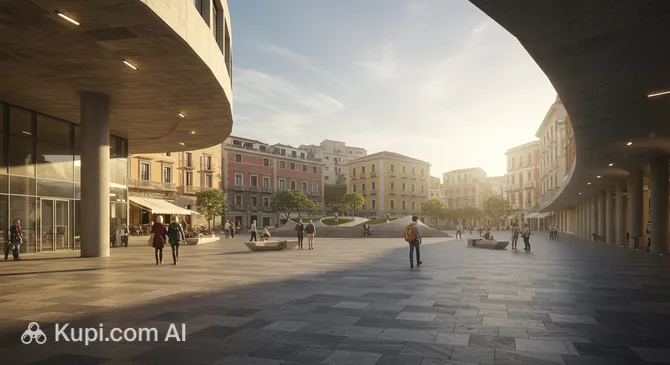
The heart of the action beats strongest in the Historic Center (Centro Storico). The narrow alleyways around Via Roma and Largo Campo are densely packed with small venues where locals gather to sip Aperol Spritz or local craft beers. On weekends, these streets become a pedestrian-only party zone, buzzing with music and laughter. For a more modern and spacious setting, the newly constructed Piazza della Libertà offers a stunning backdrop for an evening stroll. As one of the largest seaside squares in Europe, it provides breathtaking views of the illuminated coastline and serves as a popular meeting point before heading out for drinks.

Piazza della Libertà. Source: Kupi.Binoculars

For those who prefer a sea breeze with their evening entertainment, the Lungomare Trieste promenade remains a classic choice. Here, the vibe is slightly more laid-back, with kiosks and chalets serving cocktails by the water. The dress code in Salerno is generally smart-casual; Italians tend to dress up a bit for the evening, so leaving the beachwear at the hotel is advisable. The "Movida" typically starts late, with bars filling up after 10:00 PM and staying busy until around 2:00 AM, especially on Friday and Saturday nights.

Regarding safety, Salerno is considered one of the safer cities in the region for night walks, particularly in the populated areas of the center and the seafront. However, it is always wise to stay in well-lit zones and avoid deserted alleys late at night. Public transport runs less frequently after midnight, so if your accommodation is far from the center, relying on a taxi is the best option. You can find taxi ranks at the train station or Piazza della Concordia, or call the local Radio Taxi service.

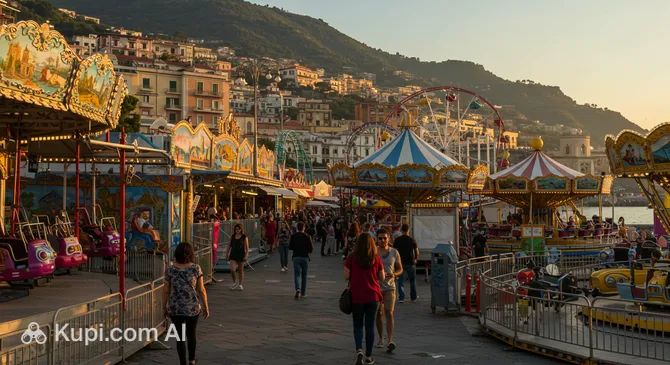
Beyond the nightlife, the city offers diverse entertainment options for the daytime and early evening. Culture enthusiasts can check the schedule at the historic Teatro Verdi, which hosts opera, ballet, and concerts. For a mix of shopping and leisure, the Le Cotoniere Shopping Center is a modern complex located just outside the city center, featuring a wide range of stores and dining options perfect for a relaxed afternoon. Meanwhile, families traveling with children will find delight at Luna Park Baby, a charming amusement area that offers fun rides and games, providing a perfect break for younger travelers.

Luna Park Baby. Source: Kupi.Binoculars

Parks & Museums

Salerno offers a refreshing balance between urban energy and natural tranquility, boasting a variety of green spaces that celebrate its botanical heritage alongside museums that preserve its illustrious past. While the sea is the city's most famous natural feature, the gardens and cultural institutions within the town walls provide a deeper look into the history and lifestyle of this ancient medical capital.

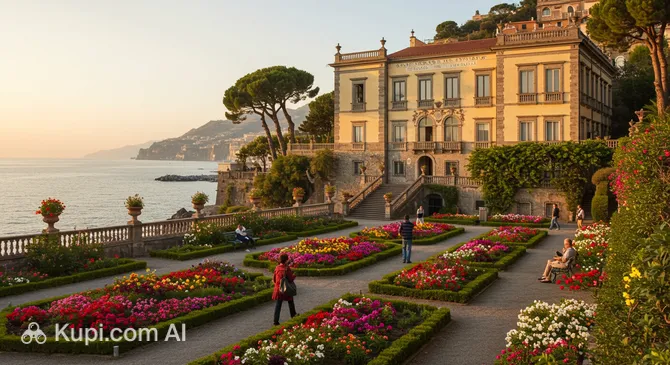
One of the most significant sites in the city is Minerva's Garden (Giardino della Minerva). Located in the heart of the historic center, this terraced garden is not just a beautiful green space but a living monument to the city's scientific history. It was here that the masters of the Salernitan Medical School cultivated medicinal plants for their studies. Today, visitors can walk through the thematic flowerbeds, enjoy the fragrant herbs, and take in stunning views of the Gulf of Salerno from the upper terrace. It is a peaceful oasis that combines education with natural beauty.

Minerva's Garden. Source: Kupi.Binoculars

For those seeking a more modern recreational space, the Irno Urban Park serves as a vital green lung for the city. Situated along the banks of the Irno River, this sprawling park features walking paths, playgrounds, and an old mill that has been converted into a cultural center. It is a favorite spot for locals to jog, walk their dogs, or enjoy a picnic away from the bustling waterfront. Families traveling with younger children will also appreciate Pinocchio Park, a dedicated space with play areas and greenery designed specifically for little ones to run free and explore safely.

Irno Urban Park. Source: Kupi.Binoculars

Salerno's museums are small but treasure-filled, reflecting its strategic importance throughout the centuries. The Provincial Archaeological Museum, housed in the complex of San Benedetto, is a must-visit for history enthusiasts. Its collection spans from prehistoric times to the Roman era, with the undisputed highlight being the magnificent bronze head of Apollo, fished out of the sea in the 1930s. Another cultural gem is the Diocesan Museum of Salerno, located near the cathedral. It houses an impressive collection of religious art, including the famous "Pals" (ivory tablets) from the 11th century, which are considered one of the most important ivory cycles in the world.

Beyond the main museums, the city's architecture tells its own story. The Complex of San Pietro a Corte represents the only surviving example of Lombard palatial architecture in the world. Originally a Roman thermal bath, it was transformed into a chapel and a royal residence, offering a fascinating layering of history in one site. Art lovers should also step inside the Church of San Giorgio, widely regarded as the most beautiful Baroque church in Salerno, featuring exquisite frescoes and paintings that rival those found in larger Italian cities.

For a truly authentic experience, try to visit the gardens of the historic center in the early morning when the scent of aromatic herbs is strongest. If you are interested in the city's medical legacy, look for the small but engaging Virtual Museum of the Medical School of Salerno, where interactive displays bring the medieval teachings of the famous "Schola Medica" to life.

Getting Around

Navigating Salerno is remarkably convenient, as the city center is compact and largely pedestrian-friendly. Most major attractions, including the historic old town and the seaside promenade, can easily be explored on foot. However, for reaching the eastern suburbs, the stadium, or nearby coastal towns, the city offers an efficient network of public transportation options that are easy for visitors to use.

A standout feature of the local transit system is the Metropolitana di Salerno. Although technically a commuter rail service operated by the national train company, it functions as a light metro line connecting the Salerno Railway Station in the city center to the Arechi Stadium on the eastern outskirts. The line runs frequently and makes several stops in key residential and commercial districts such as Torrione, Pastena, and Mercatello. It is the fastest way to traverse the length of the city, avoiding surface traffic entirely.

For destinations not served by the metro, the urban bus network, operated by Busitalia Campania, provides extensive coverage. The buses are typically colored orange or blue and connect the center with the hilly upper districts and neighboring municipalities. While bus schedules can sometimes be subject to traffic delays, they are reliable for short trips. Key bus stops are located near the train station and along the main thoroughfares parallel to the seafront.

The payment system is integrated under the UnicoCampania consortium, which simplifies travel across the region. Travelers can purchase a standard single-journey ticket (Corsa Singola) or a timed ticket (usually valid for 90 minutes), which allows for transfers between buses and the metro within the city limits. Approximate prices for a single urban ticket are around €1.30 to €1.50. For tourists planning multiple trips in a day, a daily pass is often a more economical choice.

Practical advice for purchasing and using tickets is essential for a smooth experience. Tickets must be bought before boarding; you can find them at newsstands, "Tabacchi" shops (marked with a large 'T' sign), and ticket machines at the train station. Once on board a bus or before entering the metro platform, you must validate your ticket in the yellow or green machines to avoid hefty fines. While some newer buses accept payment via app or contactless cards, it is always wise to carry a physical ticket or small cash as a backup.

Given Salerno's position as a maritime gateway, ferries act as a vital extension of the public transport system, especially for tourists. Regular ferry services depart from the Piazza della Concordia and the Maritime Terminal, connecting the city to the Amalfi Coast towns like Amalfi and Positano. These are often faster and far more scenic than taking a bus along the winding coastal roads.

Regarding alternatives, taxis are available at designated ranks, primarily outside the train station and the main piazzas. They are white vehicles with taximeters; however, they can be significantly more expensive than public transit. Ride-sharing apps are not widely used here, so relying on official taxis or pre-booked transfers is recommended. For those who enjoy cycling, bike rentals are becoming increasingly popular for riding along the flat, scenic Lungomare Trieste, though the hilly historic center is best explored on foot.

Accommodation

Hotels:

Finding the perfect place to stay in Salerno is often a pleasant surprise for travelers accustomed to the steep prices of the nearby Amalfi Coast. As a strategic "gateway" city, it offers a wide range of accommodation options that provide excellent value for money while keeping you well-connected to the region's top sights. Whether you prefer the charm of a historic bed and breakfast or the comfort of a modern seafront hotel, the city caters to various tastes and budgets.

For those seeking atmosphere and romance, the Historic Center (Centro Storico) is the ideal neighborhood. Here, accommodation is often tucked away in renovated noble palaces and centuries-old buildings. Staying in this area puts you within walking distance of major landmarks like the Salerno Cathedral and the vibrant nightlife of Via Roma. While these properties are full of character, keep in mind that some older buildings may not have elevators, and the lively streets can be noisy on weekends.

If convenience and views are your priority, consider the area along the Lungomare Trieste or near the Salerno Maritime Terminal. This district features larger, more modern hotels that often boast balconies overlooking the Gulf. This location is particularly advantageous for travelers planning day trips, as it offers easy access to the ferry piers for boats to Positano and Amalfi, as well as proximity to the railway station for trains to Pompeii and Naples.

Travelers should be aware of Salerno's unique dual peak seasons. While the summer months (June to August) are naturally busy due to beach tourism, the city also sees a massive influx of visitors from November to January for the famous "Luci d'Artista" light festival. During these periods, prices can rise significantly, and availability shrinks fast, so booking your accommodation several months in advance is highly recommended.

In addition to traditional hotels, the city has a thriving culture of "B&Bs" and guest houses (Affittacamere). These family-run establishments are renowned for their hospitality, often providing a more personal glimpse into local life. For those arriving by car, it is wise to check parking availability beforehand, as parking in the city center can be scarce and expensive; many hotels on the outskirts or near Piazza della Libertà may offer better parking solutions.

Nearby Cities

For those looking to explore the surroundings, Salerno serves as an excellent base for day trips to several interesting nearby locations:

City Population Distance (km)
Cava de' Tirreni 53130 6
Battipaglia 51005 19
Scafati 50686 23
Nocera Inferiore 45784 13
Angri 34126 18

Among these, Cava de' Tirreni is particularly notable for its charming historic center, characterized by the "Borgo Scacciaventi" with its distinctive arcades, and the ancient Benedictine Abbey of La Trinità della Cava nestled in the hills. Nearby Battipaglia is a must-visit for food lovers, celebrated as a production capital of the world-famous Mozzarella di Bufala Campana. Additionally, Nocera Inferiore offers history enthusiasts a chance to explore the archaeological remains of the ancient city of Nuceria Alfaterna. These nearby destinations offer a glimpse into the diverse culture and landscapes of the region.

Shopping & Souvenirs

Salerno offers a delightful shopping experience that ranges from elegant boutiques to traditional artisan workshops. Unlike the crowded tourist traps often found on the Amalfi Coast, the city provides a more authentic atmosphere where visitors can shop alongside locals. Whether you are looking for high-end Italian fashion, unique handicrafts, or gastronomic treasures, the city center is compact and easy to navigate on foot.

The primary destination for retail therapy is the pedestrianized Corso Vittorio Emanuele. This bustling thoroughfare runs through the heart of the modern city and is lined with popular international high-street brands, shoe stores, and cosmetics shops. For a more historic and atmospheric vibe, head to Via dei Mercanti in the Old Town. This narrow, ancient street is the perfect place to find independent boutiques, souvenir shops, and local artisans selling handmade goods in a setting that feels like stepping back in time.

For a comprehensive modern shopping experience, the Le Cotoniere Shopping Center is the largest mall in the area. Located just a short bus or taxi ride from the city center, it houses a wide variety of clothing stores, electronics retailers, and a large supermarket. It is an excellent option for families or travelers who need to find everything in one place, offering a comfortable, climate-controlled environment.

Le Cotoniere Shopping Center. Source: Kupi.Binoculars

Markets are an essential part of daily life in Salerno. While there are various neighborhood markets selling fresh produce and household items, the city truly comes alive during the winter season. Coinciding with the "Luci d'Artista" festival, vibrant Christmas markets pop up along the seafront and in the main squares, featuring wooden chalets filled with handicrafts, holiday decorations, and local food products. These are perfect for finding unique gifts and soaking up the festive spirit.

When it comes to souvenirs, the region is famous for its ceramics. Salerno is the gateway to the Amalfi Coast and sits next to Vietri sul Mare, the capital of ceramic art; you can find beautiful, hand-painted plates and tiles in many shops along Via dei Mercanti. Gastronomic souvenirs are also highly recommended. A bottle of artisan Limoncello or a package of dried pasta makes for a great gift. For something truly unique, visit the shop at Minerva's Garden to buy organic herbal teas and natural cosmetics derived from the plants grown in this historic botanical garden.

Travelers should be aware of the traditional opening hours. Most smaller shops and boutiques observe the afternoon "riposo" (siesta), closing around 1:30 PM and reopening after 4:00 PM or 4:30 PM. However, they typically stay open late into the evening, often until 8:30 PM or 9:00 PM. Major chains and shopping centers like Le Cotoniere usually remain open throughout the day (orario continuato). Credit cards are widely accepted, though carrying some cash is advisable for small purchases at markets or independent kiosks.

Non-EU residents visiting Salerno may be eligible for a VAT refund on purchases exceeding a certain amount (typically around €154.94) at a single store. Look for the "Tax Free" signage in shop windows and ask for the necessary forms at the checkout to claim your refund at the airport upon departure.

Reached the end of the page?

That means the route is fully explored