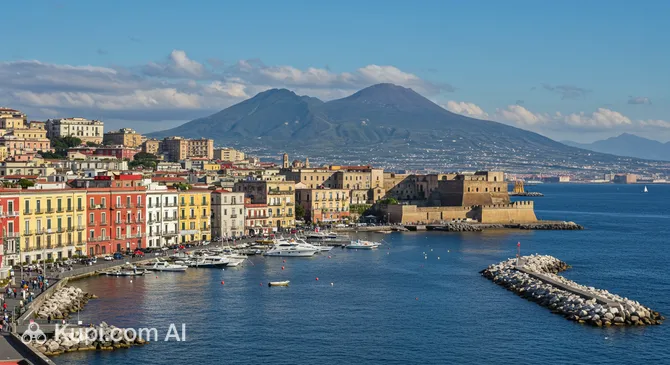
Naples is a city of raw energy, vibrant colors, and unparalleled character, offering a sensory experience unlike anywhere else in Europe. As the third-largest city in Italy, it is a place where ancient traditions blend seamlessly with a chaotic yet charming modern life. Known for its passionate locals and artistic heritage, Naples captures the heart of every traveler who walks its spirited streets.
Situated on the stunning **Bay of Naples** in the shadow of the legendary Mount Vesuvius, the city serves as the capital of the Campania region. With a population of nearly one million residents, it is a bustling metropolis that acts as a gateway to the south. The climate is typically Mediterranean, featuring hot, dry summers and mild winters, making it an attractive destination year-round.
The city boasts a heritage that spans millennia, having been founded by Greeks in the first millennium BC. Exploring the history of Naples reveals layers of diverse cultural influences, from Roman and Byzantine to Norman and Spanish, all of which have shaped its unique identity and architecture.
Naples. Illustration.
Source: Kupi.com AI
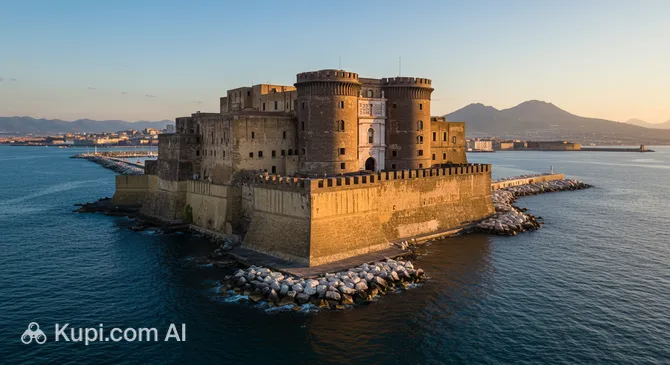
Visitors are captivated by the **Historic Centre**, a UNESCO World Heritage site that forms the beating heart of the city with its narrow alleyways and baroque churches. Iconic landmarks such as the seaside **Castel dell'Ovo** and the majestic Piazza del Plebiscito are must-see attractions. Of course, no visit is complete without indulging in the local cuisine; as the birthplace of **pizza**, Naples offers a culinary journey that is famous worldwide.
Whether you are seeking artistic treasures, archaeological wonders, or simply the best street food in the country, Naples invites you to dive into its lively atmosphere. It is a city that demands to be explored with all five senses, promising an unforgettable Italian adventure.
Weather Overview
Naples enjoys a classic Mediterranean climate, characterized by distinct seasons that make it a year-round destination. For a detailed breakdown of what to expect during your specific travel dates, you can consult the guide to the weather in Naples.
Summers in the city are hot and sunny, with July and August being the warmest months; average temperatures hover around 26°C, while highs can reach nearly 30°C. This season is also the driest, with July seeing virtually no precipitation and only about two wet days. In contrast, winters are generally mild rather than harsh, with January averages sitting at 9.2°C and minimum temperatures rarely dropping below 6°C.
Rainfall is more prevalent during the autumn and winter months. November is typically the wettest time of the year, featuring approximately 17 rainy days, though the temperatures remain moderate. Overall, expect hot, dry summers and mild winters with frequent rainfall.
Average monthly temperature
Average monthly precipitation
Interesting Facts
Beyond the main attractions, Naples holds many fascinating secrets and legends that add to its mystique. From ancient myths buried in its foundations to artistic masterpieces that defy logic, the city offers plenty of surprises for the curious traveler.
Castel dell'Ovo. Illustration.
Source: Kupi.com AI
Traveler photos:
The city's oldest fortress, Castel dell'Ovo, derives its name from a peculiar legend involving the Roman poet Virgil. It is said that he hid a magical egg in the foundations to support the structure; if the egg were to break, the castle would collapse and a series of disasters would strike Naples.
An entire subterranean world exists beneath the bustling streets. Naples Underground is a vast labyrinth of tunnels and cisterns carved from yellow tuff stone, serving various purposes throughout history, from ancient Greek aqueducts to World War II bomb shelters.
Inside the Sansevero Chapel Museum lies one of the art world's greatest mysteries, the Veiled Christ. The marble veil covering the figure is rendered with such incredible transparency that for centuries, many believed it was the result of an alchemical process rather than simple sculpting.
Naples is home to the oldest public secular university in the world. The University of Naples Federico II was founded in 1224 by the Holy Roman Emperor to train imperial staff, operating continuously for centuries without connection to the church.
The famous Via San Gregorio Armeno is a street dedicated entirely to the artisan tradition of presepe (nativity scenes). Here, shops display intricate figurines year-round, ranging from traditional biblical characters to caricatures of modern politicians and celebrities.
How to Get There
Reaching this vibrant Italian city is straightforward, thanks to its status as a major transportation hub in southern Italy. Whether you are arriving by air or rail, you have several convenient options to choose from. For a detailed breakdown of all routes and transport methods, you can read more about how to get to Naples.
The most direct way to arrive is via Naples International Airport (IATA: NAP), also known as Capodichino. It is a large international airport located just 4.3 km from the city center, making the transfer very quick; a taxi or bus ride typically takes less than half an hour.
If direct flights are unavailable, you might consider flying into Ciampino–G. B. Pastine International Airport (IATA: CIA) in Rome. While it is located about 175 km away, it is a significant hub for the region. The journey by road from there to Naples takes a few hours, though high-speed trains from Rome are often a faster alternative. Another closer option is Pontecagnano (IATA: QSR) in the city of Salerno, roughly 60 km away, with a travel time of about an hour by road.
For clarity, here is a summary of the main airports:
Traveling by train is another excellent way to reach the city, as it is a key node in the Italian railway network. The most significant hub is Naples Centrale Station (IATA: INP), located right in the city, only 0.4 km from the center. It serves millions of passengers annually and connects to major cities across the country.
Another important stop, particularly for high-speed connections, is Napoli Afragola High-Speed Railway Station (IATA: NHR). This modern station is located approximately 10.4 km from the center, and a taxi or bus ride from here takes roughly 30 minutes.
Below is a list of the nearest and most significant railway stations:
Naples is a treasure trove of cultural, historical, and natural wonders. From the depths of its ancient underground tunnels to the peaks of its looming volcano, the city offers a diverse array of sights that cater to every type of traveler. Exploring these landmarks provides a deeper understanding of the region's rich heritage and vibrant present.
One of the most iconic natural landmarks in the world, the Mount Vesuvius National Park is an essential stop for anyone visiting the region. Dominating the skyline of the Bay of Naples, this active volcano is famous for the eruption that buried Pompeii and Herculaneum in 79 AD. Today, visitors can hike to the summit of the Great Cone. The climb rewards adventurers with breathtaking panoramic views of the bay, the city, and the crater itself, offering a stark reminder of nature's power.
Mount Vesuvius National Park. Illustration.
Source: Kupi.com AI
Traveler photos:
For history enthusiasts, the National Archaeological Museum of Naples is arguably one of the most important museums in Italy. Housed in a magnificent 16th-century building, it holds an extensive collection of Greek and Roman antiquities. The museum is particularly famous for housing the Farnese Collection and the vast array of mosaics, frescoes, and artifacts recovered from the nearby excavation sites of Pompeii and Herculaneum, giving visitors an intimate look at ancient Roman life.
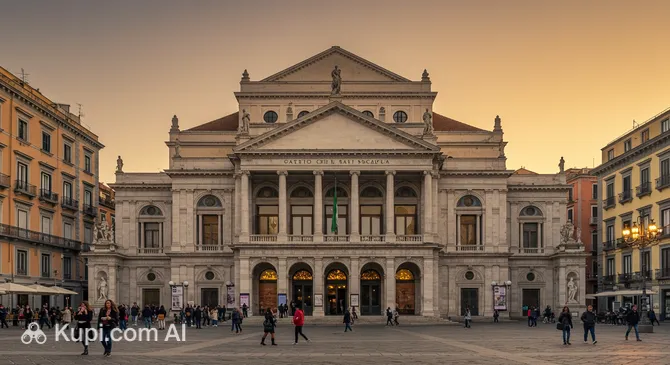
The beating heart of the city's public life can be found at Piazza del Plebiscito. This grand semi-circular square is one of the largest in Italy and serves as a gathering place for events and leisurely strolls. It is framed by major architectural masterpieces, including the Royal Palace and the church of San Francesco di Paola, which features a stunning colonnade reminiscent of the Pantheon in Rome. It is the perfect spot to soak in the grandiose atmosphere of Neapolitan architecture.
Piazza del Plebiscito. Illustration.
Source: Kupi.com AI
Traveler photos:
Just a short train ride from the city center lies the Herculaneum Archaeological Park. While often overshadowed by its larger neighbor Pompeii, Herculaneum offers a more intimate and incredibly well-preserved experience. Because it was buried by volcanic mud rather than ash, many wooden structures, clothing, and even food were carbonized and preserved, providing a unique and hauntingly detailed snapshot of daily life in the ancient world.
Finally, no tour of the city's fortifications is complete without seeing Castel Nuovo, often referred to as Maschio Angioino. Located near the port, this medieval castle is instantly recognizable by its five massive towers and the triumphal marble arch at the entrance. Built in the 13th century, it has served as a royal residence and a fortress, and today it houses a civic museum with frescoes and sculptures that narrate the city's artistic evolution.
Local Cuisine
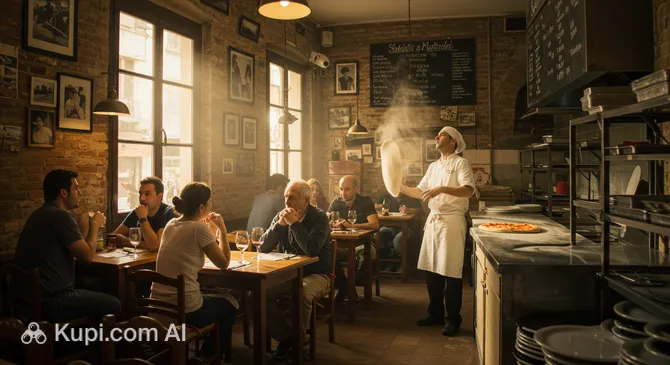
Naples is widely revered as one of the world's greatest food cities, a place where culinary traditions are practiced with religious fervor. The undisputed king of the local table is, of course, the **Pizza Napoletana**. Characterized by its soft, thin dough and raised edges known as the cornicione, it is traditionally baked in a wood-fired oven for just 60 to 90 seconds. While there are many toppings, the classic Margherita—featuring San Marzano tomatoes, mozzarella di bufala, fresh basil, and extra virgin olive oil—remains the gold standard. For a taste of history and authenticity, travelers often head to renowned spots like Starita, a historic pizzeria that has been serving locals for over a century.
Starita. Illustration.
Source: Kupi.com AI
Traveler photos:
Beyond pizza, the city offers a rich variety of pasta dishes that reflect both its coastal location and its peasant roots. **Spaghetti alle Vongole** (spaghetti with clams) is a simple yet flavorful staple found in almost every trattoria. On Sundays, the air is thick with the scent of **Ragù Napoletano**, a rich meat sauce that is slow-cooked for hours until it reaches a deep, intense flavor. Visitors looking for hearty, traditional meals in a welcoming atmosphere might enjoy dining at La Locanda Gesù Vecchio, which celebrates these timeless recipes.
Street food is an integral part of the Neapolitan lifestyle, perfect for eating on the go while exploring the chaotic streets. Fried food, or fritti, is particularly popular. You will frequently see people carrying a **cuoppo**, a paper cone filled with fried seafood, vegetables, or zeppole. Another must-try snack is the **frittatina di pasta**, a deep-fried pasta cake filled with béchamel, peas, and ham. This "food of the people" is inexpensive, filling, and incredibly delicious.
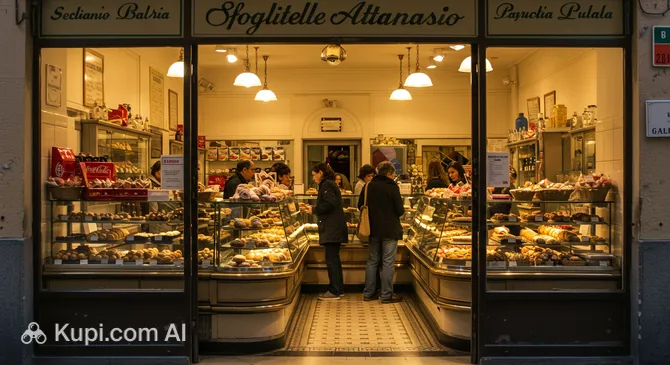
The city also boasts a legendary dessert culture. The **Sfogliatella** comes in two main varieties: riccia (curly and flaky) and frolla (shortcrust), both filled with a sweet ricotta mixture. It is often eaten warm for breakfast or as an afternoon treat. The famous bakery Sfogliatelle Attanasio is a landmark for those seeking these warm, crispy delights. Another icon is the **Babà**, a mushroom-shaped sponge cake soaked in rum syrup, often served with whipped cream or fruit.
Sfogliatelle Attanasio. Illustration.
Source: Kupi.com AI
Traveler photos:
To finish a meal or simply to take a break, coffee is mandatory. Neapolitan **espresso** is short, dark, and strong, typically consumed standing at the bar counter. For a more relaxed evening drink, the local aperitivo culture is thriving. You can enjoy a refreshing Spritz in the lively Spanish Quarters at places like Cammarota Spritz, where the atmosphere is always buzzing. Finally, no dinner ends without a glass of chilled **Limoncello**, the famous lemon liqueur produced from the fragrant lemons of the nearby coast.
Travel Tips
Visiting Naples is an exhilarating experience, but its chaotic energy and unique rhythm can be overwhelming for first-time visitors. To help you navigate the bustling streets, order your coffee like a local, and stay safe while exploring, here are some essential practical tips for your journey.
Dress for the Terrain and Tradition: Naples is a city of hills and ancient basalt cobblestones, making comfortable walking shoes an absolute necessity. Avoid high heels or flimsy sandals if you plan to explore the Historic Centre. Additionally, remember that Italy has strict dress codes for religious sites; ensure your shoulders and knees are covered before entering churches like the Duomo, or carry a lightweight scarf to wrap around yourself.
Navigating the City: Traffic in Naples is legendary for being hectic, so do not rent a car for city exploration. Instead, rely on the efficient Metro Line 1, often called the "Art Metro" due to its stunningly designed stations (like Toledo). To reach the hilltop district of Vomero, use the Funicular railways. For short distances, walking is often faster than a taxi, but if you need a ride, use official white taxis or apps like Free Now.
Cash is King for Street Food: While credit cards are widely accepted in hotels and larger restaurants, carrying cash (Euros) is essential in Naples. You will need small bills and coins for the city's famous street food, small trattorias, and espresso bars. Tipping is not mandatory as a coperto (service charge) is usually added to the bill, but leaving a few euros or rounding up is a polite gesture appreciated by staff.
Health and Safety Awareness: Naples is generally safe for tourists, but like any major port city, it requires street smarts. Be vigilant against pickpocketing in crowded areas like the Central Station, on buses (especially the R2), and in the Spanish Quarters. Avoid wearing flashy jewelry or expensive watches, as this can attract unwanted attention. Pharmacies are marked with a glowing green cross and are easy to find; for emergencies, dial 112.
Communication and Connection: While younger generations and tourism workers speak English, it is less common in traditional neighborhoods. Learning a few Italian phrases like Buongiorno (Good morning) and Grazie (Thank you) goes a long way. Neapolitans are incredibly expressive, so don't be afraid to use hand gestures if words fail. Free Wi-Fi is available in many public spots, but buying a local SIM card is recommended for reliable maps and translation apps.
Coffee Culture Etiquette: Coffee is a ritual here. Locals typically drink their espresso standing at the counter (al banco), which is significantly cheaper than sitting at a table. Remember the golden rule of Italian coffee: no cappuccino after 11:00 AM. Ordering a milky coffee with a savory meal is considered a culinary faux pas; stick to water or wine with food and an espresso to finish.
Respect the Local Passions: Neapolitans are fiercely proud of their city and their football team, SSC Napoli. Avoid making disparaging remarks about the city's chaotic nature or the team, and never speak ill of Diego Maradona, who is revered almost as a saint. Also, never stop abruptly in the middle of the street or cross without looking; scooters zip through narrow alleys at high speeds, and you need to be aware of your surroundings constantly.
Dining Hours: Adjust your internal clock for meals. Lunch is typically served from 1:00 PM to 3:00 PM, and dinner is a late affair, with most restaurants not opening until 7:30 PM or 8:00 PM. If you arrive at a restaurant at 6:00 PM, you will likely find it closed. Embrace the late-night atmosphere, as the streets come alive after dark.
By keeping these tips in mind, you will be well-equipped to look past the grit and discover the true soul of this magnificent city. Embrace the noise, taste everything in sight, and let the warmth of Neapolitan hospitality make your trip truly unforgettable.
Entertainment & Nightlife
As the sun sets over the bay, Naples transforms into a city of vibrant energy and infectious enthusiasm. The local nightlife, often referred to as the "movida," is less about exclusive clubs and more about socializing in the streets, hopping between bars, and enjoying the warm Mediterranean air. From the intellectual buzz of the Historic Centre to the chic wine bars of the seaside districts, the city offers diverse nocturnal experiences for every type of traveler.
The heart of the action for students and bohemians is Piazza Bellini. This lively square is unique because it is centered around the visible ruins of ancient Greek city walls. Here, crowds gather at the surrounding literary cafes and bars to drink Aperol Spritzes and listen to music ranging from jazz to reggae. Just a short walk away, the narrow alleys of the Spanish Quarters offer a grittier, more chaotic atmosphere where tiny bars serve strong cocktails and the party often spills out onto the cobblestones.
For those seeking a more upscale experience, the Chiaia district is the place to be, particularly around Vico Belledonne. This area is packed with trendy lounge bars, sophisticated wine cellars, and fashion-forward crowds. The dress code here tends to be smarter—think "Italian chic"—so it is worth dressing up a bit if you plan to spend your evening sipping prosecco in this neighborhood.
If you are looking for a specific spot to enjoy a drink and soak in the local vibe, It's Caffè & Bistrot is a welcoming venue that captures the essence of Neapolitan hospitality. It is a great place to start your night with an aperitivo before heading out to explore more of the city's offerings.
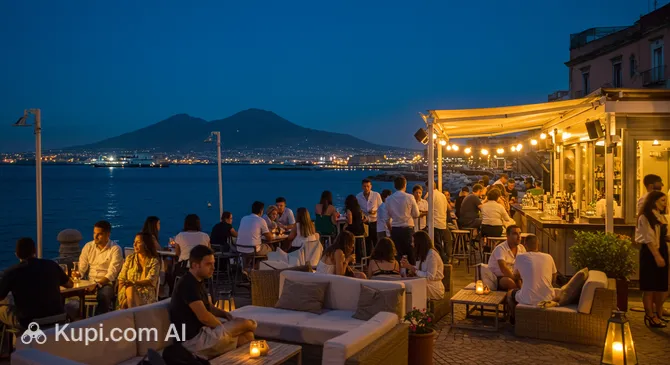
For a unique nightlife experience by the sea, many locals head towards the Portici area to visit the Granatello Marina Nightclub. Located in a picturesque harbor setting, this area buzzes with activity, offering a mix of music, drinks, and sea breezes that makes for a memorable night out away from the stifling heat of the city center.
Granatello Marina Nightclub. Illustration.
Source: Kupi.com AI
Traveler photos:
Lovers of high culture and classical music should not miss the opportunity to spend an evening at the Teatro di San Carlo. As the oldest continuously active venue for public opera in the world, it offers a stunning array of operas, ballets, and concerts in a breathtaking gold-and-red auditorium. It is a sophisticated alternative to the bar scene and requires a more formal attire.
Teatro di San Carlo. Illustration.
Source: Kupi.com AI
Traveler photos:
Practical Advice: The nightlife in Naples starts late. Dinner is usually eaten around 9:00 PM or 10:00 PM, and bars don't reach their peak until after 11:00 PM. Clubs often stay open until dawn. Prices are generally reasonable compared to other European cities; a beer might cost €2-€4 in the street bars of the center, though cocktails in Chiaia will be more expensive. Getting around at night is best done by taxi. Avoid waiting for night buses, which can be unreliable. Always call a radio taxi or use an official app rather than hailing one on the street.
Safety: While the main nightlife districts are generally safe due to the large crowds, it is important to stay alert. Stick to well-lit, busy streets and avoid wandering into deserted alleys in the Spanish Quarters or near the station late at night. The "movida" areas are heavily policed, but pickpocketing can still occur in crushed crowds.
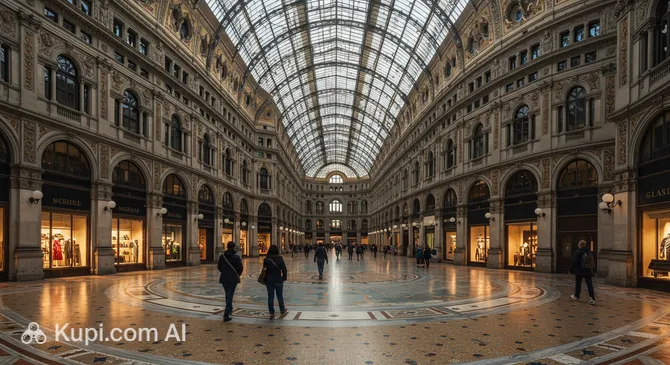
During the day, the city offers plenty of entertainment to balance out the late nights. Families can explore the underwater world at the Naples Aquarium, located in the Villa Comunale park. For those who love architecture and shopping, a stroll through the magnificent Galleria Umberto I provides a feast for the eyes with its soaring glass dome and elegant shops.
Parks & Museums
Beyond its bustling streets and lively piazzas, Naples offers a surprising wealth of serene green spaces and world-class cultural institutions. The city's heritage is preserved not only in its ancient stones but also in its magnificent galleries and lush gardens, which provide a welcome respite from the urban energy and a deeper look into the artistic soul of the region.
One of the most significant green lungs of the city is the Capodimonte Museum and Park. Originally a royal hunting reserve, this vast estate sits on a hill overlooking the city and the bay. It is perfect for a leisurely stroll among centuries-old trees and manicured lawns. Inside the grand palace, visitors will find one of Italy's most important art galleries, featuring masterpieces by Caravaggio, Raphael, and Titian, making it a dual destination for nature lovers and art aficionados alike.
Capodimonte Museum and Park. Illustration.
Source: Kupi.com AI
Traveler photos:
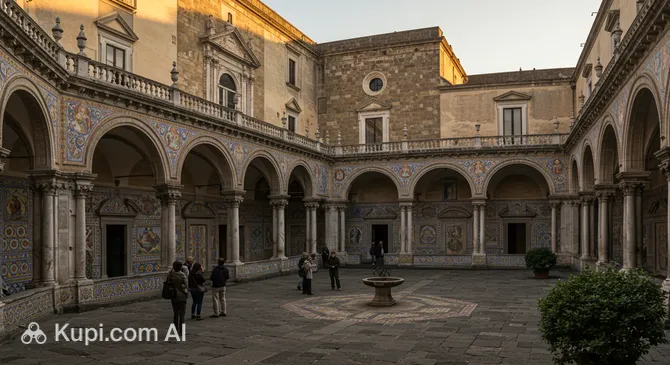
For a more intimate and architecturally stunning garden experience, the Santa Chiara Monastery Complex is an absolute must-see. Located in the heart of the Historic Centre, its Cloister of the Clarisses is a peaceful oasis famous for its pillars and benches covered in vibrant 18th-century majolica tiles. The contrast between the bright yellow and blue ceramic tiles and the citrus trees creates a magical atmosphere that feels worlds away from the chaos outside.
Santa Chiara Monastery Complex. Illustration.
Source: Kupi.com AI
Traveler photos:
Perched high atop the Vomero hill, the Certosa and Museum of San Martino offers arguably the best views of Naples and Mount Vesuvius. This former Carthusian monastery is now a museum dedicated to the history of the city, housing an exquisite collection of Neapolitan nativity scenes (presepi), naval artifacts, and paintings. The site itself is a masterpiece of Neapolitan Baroque architecture, with its own beautiful cloisters and hanging gardens.
Certosa and Museum of San Martino. Illustration.
Source: Kupi.com AI
Traveler photos:
Travelers interested in industrial history should visit the Pietrarsa National Railway Museum. Located in the pavilions of the former royal ironworks on the waterfront, it celebrates the fact that the first railway line in Italy was built here. The museum displays a fascinating collection of vintage steam locomotives and royal carriages, all set against the backdrop of the sea. For a touch of the contemporary, the Jago Museum in the Rione Sanità district showcases the striking works of the modern sculptor Jago, reflecting the city's evolving artistic landscape.
The city's architectural grandeur is best exemplified by the Royal Palace of Naples in Piazza del Plebiscito. Visitors can tour the opulent royal apartments, the court theatre, and the hanging garden, stepping back into the era of the Bourbon kings. Nearby, the Naples Cathedral (Duomo di Napoli) stands as a monument to faith and art, housing the Royal Chapel of the Treasure of San Gennaro, which contains the city's patron saint's relics.
For families traveling with children or those looking for a different kind of excursion, the Zoo di Napoli offers a chance to see a variety of wildlife within the city limits. It has recently undergone renovations to improve animal habitats and visitor experiences.
For a truly authentic experience, try to visit the smaller churches and cloisters during the early afternoon "riposo" (siesta) hours. While the streets quiet down, places like the inner courtyard of Mannajuolo Palace, with its dizzying elliptical staircase, offer a silent and mesmerizing architectural treat often missed by the crowds.
Getting Around
Navigating Naples is an adventure in itself, with a public transport network that is as diverse and layered as the city's history. The system is managed by several different companies but is integrated under the UnicoCampania consortium, which simplifies travel across the metropolitan area. The backbone of the city's transit is the Metro, particularly Line 1, which connects the central railway station (Garibaldi) to the port and the hilly districts. This line is world-famous not just for its utility but for its "Art Stations," which feature stunning contemporary art installations, transforming a simple commute into a museum visit.
For reaching the upper districts like Vomero, the city relies on its historic Funiculars (cable railways). There are four main lines: Centrale, Chiaia, Montesanto, and Mergellina. These are efficient, scenic, and an essential part of the Neapolitan experience, saving you from steep uphill climbs. The bus network is extensive and covers areas the metro does not reach, including the waterfront and parts of the historic center. However, buses can be subject to the city's notorious traffic, so they require a bit of patience. Trams and trolleybuses also operate on specific routes, primarily along the coastal road and near the industrial zones.
The ticketing system is unified, meaning you can often use the same ticket across different modes of transport within a specific time frame. Travelers can choose between a single-ride ticket (Corsa Singola) or an integrated ticket (TIC) valid for 90 minutes on all transport means. Daily and weekly passes are also available and are highly recommended for tourists planning extensive sightseeing. Approximate prices are quite affordable, with a single journey costing around €1.30 to €1.70, and a daily pass typically priced under €5.00.
Tickets can be purchased at Tabacchi (tobacco shops marked with a large "T"), newsstands, and automated machines at metro and funicular stations. A convenient modern option for the Metro Line 1 and Funiculars is the "Tap & Go" system, which allows you to pay directly at the turnstile using a contactless credit or debit card. If you are using a paper ticket, it is crucial to validate it in the yellow or gray machines immediately upon boarding a bus or entering a station. Failure to do so can result in hefty fines.
Public transport generally operates from around 6:00 AM until 11:00 PM, with extended hours for the metro on weekends (often until 1:30 AM). However, frequency can vary, especially late at night or on Sundays. It is advisable to download local transport apps like "Gira Napoli" or use Google Maps to track real-time arrivals and plan your route effectively.
While public transport is useful, walking remains the best way to explore the dense, narrow alleys of the Historic Center (Centro Storico), where vehicles often cannot pass. For longer distances or late-night travel, taxis are a reliable alternative. Always look for official white taxis waiting at designated ranks or book one via an app; avoid unlicensed drivers. Car-sharing services and electric bike rentals are becoming more common, but given the chaotic traffic and limited parking, they are generally less convenient for short-term visitors than simply walking or taking the metro.
Accommodation
Accommodation:
Naples offers a diverse array of accommodation options that reflect the city's multi-layered character. Visitors can choose from everything from budget-friendly hostels and family-run Bed & Breakfasts hidden in centuries-old buildings to opulent luxury hotels along the seafront. In recent years, the number of holiday rentals and converted historic apartments has surged, allowing travelers to experience the authentic Neapolitan lifestyle firsthand. Whether you prefer the buzzing energy of the streets or a quiet retreat with a view, the city caters to all preferences and budgets.
Choosing the right neighborhood is key to your experience. The Historic Centre (Centro Storico) is the most popular choice for first-time visitors, placing you within walking distance of the main cathedrals, underground tours, and famous pizzerias. For a more upscale and relaxed atmosphere, the Chiaia district and the Lungomare (Seafront) offer elegant streets, high-end shopping, and breathtaking views of the Bay of Naples and Mount Vesuvius. Alternatively, the hilltop district of Vomero provides a quieter, residential vibe with cooler air and panoramic vistas, easily connected to the center by funiculars.
For travelers seeking a blend of comfort and local flair, the city boasts several notable establishments. Those looking for a resort-style experience might consider Il San Cristoforo, which offers a range of amenities designed for relaxation. Meanwhile, visitors interested in staying in a venue with historical significance might appreciate Palazzo San Teodoro, a property that allows guests to immerse themselves in the architectural elegance typical of the region.
Palazzo San Teodoro. Illustration.
Source: Kupi.com AI
Traveler photos:
Booking Tips and Prices: Naples is a year-round destination, but it gets particularly busy during the Easter holidays, Christmas, and the summer months. It is highly recommended to book your accommodation well in advance during these peak periods to secure the best rates and availability. Prices can vary significantly; budget options in the center can be quite affordable, while sea-view rooms in Chiaia command a premium. Most bookings can be made easily via major online platforms, but always check if the "City Tax" (tassa di soggiorno) is included in the price, as it is often payable in cash upon arrival.
Nearby Cities
For those looking to explore the surroundings, Naples serves as an excellent base for day trips to several interesting nearby locations:
Located along the coast at the foot of Mount Vesuvius, Portici is a town rich in history and royal heritage. It is best known for the magnificent Royal Palace of Portici, built by the Bourbon kings of Naples before the larger palace in Caserta. Visitors can explore the historic apartments and the surrounding botanical gardens, which offer a peaceful retreat and a glimpse into the opulent lifestyle of the 18th-century monarchy.
Just north of the metropolis lies Afragola, a destination that has recently gained international acclaim in the world of architecture. It is home to the stunning Napoli Afragola high-speed railway station, designed by the legendary architect Zaha Hadid. With its futuristic curves and bridge-like structure spanning the tracks, it is considered a masterpiece of modern design and a must-see for those interested in contemporary urban landscapes.
City
Population
Distance
Casoria
77 087
6 km
San Giorgio a Cremano
45 122
6 km
Portici
54 577
7 km
Arzano
34 217
7 km
Marano di Napoli
59 862
8 km
These nearby destinations offer a glimpse into the diverse culture and landscapes of the region, ranging from royal history to modern architectural wonders.
Shopping & Souvenirs
Shopping in Naples is a vibrant and chaotic experience that perfectly mirrors the city's energetic soul. From high-end luxury boutiques and historic artisan workshops to bustling street markets and modern malls, the city offers a diverse retail landscape. Whether you are looking for the latest Italian fashion, unique handcrafted treasures, or delicious local delicacies, strolling through the Neapolitan streets provides endless opportunities to find the perfect item.
The city's main shopping artery is undoubtedly Via Toledo. This pedestrianized street stretches for over a kilometer and is lined with major international chains, department stores, and historic shops. It is always crowded and lively, making it the perfect place to feel the pulse of the city. For those seeking a more exclusive experience, the Chiaia district, particularly around Via dei Mille and Via Filangieri, is home to luxury brands, elegant ateliers, and sophisticated boutiques where the well-heeled locals shop.
One cannot talk about shopping in Naples without mentioning the magnificent Galleria Umberto I. Built in the late 19th century, this shopping arcade is famous for its stunning glass and iron dome and intricate mosaic floors. While it houses various cafes and fashion retailers, the building itself is the true attraction, offering a shopping experience set within an architectural masterpiece.
Galleria Umberto I. Illustration.
Source: Kupi.com AI
Traveler photos:
For a more comprehensive modern shopping experience, visitors often head to the Campania Shopping Center. Located just outside the city limits in Marcianise, it is one of the largest shopping complexes in Southern Italy. It features roughly 180 stores, a multiplex cinema, and a vast food court, making it a popular destination for a full day of retail therapy away from the city center's heat and crowds.
Campania Shopping Center. Illustration.
Source: Kupi.com AI
Traveler photos:
Markets are an essential part of daily life here. The Pignasecca Market is the oldest in Naples, located in the Spanish Quarters. It is a sensory explosion of fishmongers, fruit stalls, and vendors selling clothes and accessories at bargain prices. It is the best place to mingle with locals and observe the authentic Neapolitan way of life. Another unique market area is Via San Gregorio Armeno, famous worldwide for its artisan workshops dedicated to presepe (nativity scenes). Here, craftsmen create intricate figurines year-round, ranging from religious icons to caricatures of modern celebrities.
When it comes to souvenirs, Naples offers items rich in tradition. The most iconic charm is the Cornicello, a red horn-shaped amulet believed to protect against the "evil eye"; it makes for a perfect small gift. Artisanal ceramics from the Capodimonte tradition, hand-painted tiles, and tailored men's ties (a local specialty) are also excellent choices. Foodies should consider bringing home bags of artisanal pasta, a bottle of locally produced Limoncello, or vacuum-packed Neapolitan coffee.
Store opening hours can be somewhat unpredictable for smaller shops. Traditionally, they open around 9:00 AM or 10:00 AM, close for a long lunch break (the riposo) from approximately 1:30 PM to 4:00 PM, and then reopen until 8:00 PM. However, major chains on Via Toledo and shopping malls typically stay open all day (orario continuato). While credit cards are widely accepted in stores and restaurants, it is highly advisable to carry cash for street markets and smaller souvenir shops.
Visitors residing outside the European Union are eligible for a VAT (Value Added Tax) refund on purchases exceeding a certain amount (typically around €154.94) in a single store. Look for the "Tax Free" signage in shop windows and ask for the necessary forms at the checkout to claim your refund at the airport before leaving the EU.