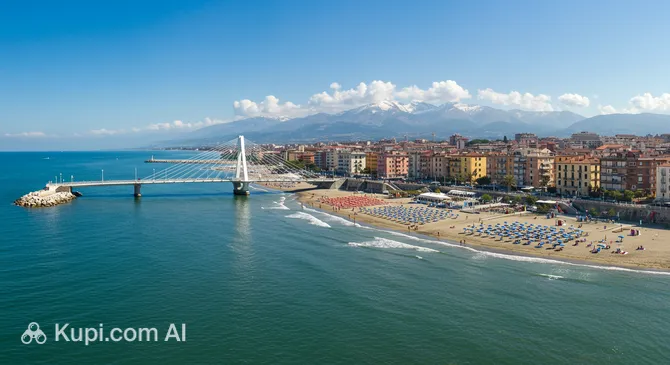
Pescara is the largest city in the Abruzzo region and a bustling gateway to the Adriatic Sea. Unlike many of the quiet, ancient hill towns surrounding it, this city offers a modern, energetic atmosphere combined with the relaxing vibe of a seaside resort. It is a vibrant destination known for its lively promenade, summer festivals, and active harbor.
Situated on the eastern coast of Italy, where the Aterno-Pescara River meets the sea, the city enjoys a pleasant Mediterranean climate that attracts sun-seekers throughout the warmer months. With a population of approximately 119,000 residents, it serves as a key economic and commercial hub for the area, balancing urban amenities with natural beauty.
Pescara. Illustration.
Source: Kupi.com AI
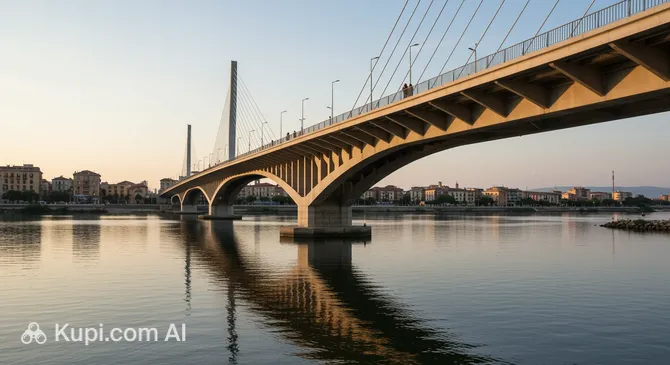
Although the city has a distinctly modern appearance due to extensive reconstruction following World War II, the history of Pescara has deep roots that stretch back to Roman times. Today, its most recognizable landmark is the Ponte del Mare, a striking pedestrian and cycle bridge that curves over the river mouth, offering spectacular views of the port and the distant Majella mountains.
Visitors can enjoy long walks along the expansive sandy beaches or explore the cultural heritage at the birthplace of the renowned poet Gabriele D'Annunzio, which has been preserved as a museum. Whether you are interested in tasting fresh Adriatic seafood, shopping in elegant boutiques, or simply soaking up the sun, Pescara is an inviting destination for your next trip.
Weather Overview
Pescara enjoys a pleasant climate influenced by its location on the Adriatic Sea, characterized by distinct seasons that cater to different types of travelers. For a detailed forecast during your specific travel dates, you can consult the guide to the weather in Pescara to pack accordingly.
Summers are the highlight for sun-seekers, with July and August bringing the warmest days; average temperatures peak around 24.8°C, and daily highs frequently reach 29.5°C. These months are relatively dry, with only about 6 to 7 wet days, making them ideal for outdoor activities along the coast.
The cooler months offer a different charm, with January being the coldest month, averaging 6.6°C and lows dipping to around 2.8°C. Expect warm summers with occasional rain and cool winters, noting that transition months like May and November tend to be slightly wetter, seeing up to 15 rainy days.
Average monthly temperature
Average monthly precipitation
Interesting Facts
Beyond its sunny beaches and modern skyline, Pescara holds fascinating stories that define its unique identity. Here are a few surprising details that add depth to this vibrant Adriatic city.
The city is home to the Ponte del Mare, which is not just a scenic crossing but one of the longest pedestrian and cycle bridges in Europe. Stretching 466 meters with a curved design, it connects the northern and southern rivieras, offering a suspended path over the river mouth.
Pescara is the birthplace of the famous Italian liqueur known as Aurum. The name, meaning "gold" in Latin, was coined by the poet Gabriele D'Annunzio to describe its golden color and orange flavor, and the historic factory has since been transformed into a prestigious cultural center.
Music lovers might be surprised to know that Pescara hosts the first international summer jazz festival ever established in Italy. Since its inception in 1969, the Pescara Jazz festival has welcomed global legends like Duke Ellington and Miles Davis, making the city a significant landmark on the European jazz map.
Despite its urban development, the city preserves a historic green lung known as the Pineta Dannunziana Nature Reserve. This ancient pine forest was a profound source of inspiration for D'Annunzio's works and remains a protected area where nature thrives within the city limits.
Ponte del Mare. Illustration.
Source: Kupi.com AI
Traveler photos:
How to Get There
Reaching this Adriatic gem is straightforward, with options ranging from direct flights to scenic journeys from major Italian hubs. Whether you prefer landing directly in the city or taking a connecting trip through Rome, you can find detailed information on all ways to reach the city to plan your route efficiently.
The most direct entry point is Abruzzo Airport (IATA: PSR), conveniently located within Pescara itself. It is a regional hub situated just 4.0 km from the city center, making the transfer incredibly quick; a taxi or bus ride typically takes 10 to 20 minutes. For travelers arriving from further afield, Ciampino–G. B. Pastine International Airport (IATA: CIA) in Rome is a significant alternative. Although it is located about 152.9 km away, it handles a much larger volume of passengers and offers wider international connections. From Rome, the journey to Pescara by bus or car generally takes between 2 and 2.5 hours via the motorway.
For clarity, here is a summary of the main airports:
If you prefer traveling by rail, you may route your journey through major national hubs before connecting to the Adriatic coast. The Tiburtina Railway Station (IRT) in Rome is a key transit point, located approximately 152.0 km from Pescara. From here, travelers can catch a direct bus, which usually takes around 2.5 hours, or a connecting train, which offers a scenic route across the Apennines taking approximately 3.5 to 4 hours. Another significant option is Roma Termini Station (XRJ), the central station of Rome, situated 154.6 km away. It serves a massive number of travelers annually, and connecting trains from here to Pescara typically take between 3.5 and 4 hours.
Below is a list of major railway stations in the wider region:
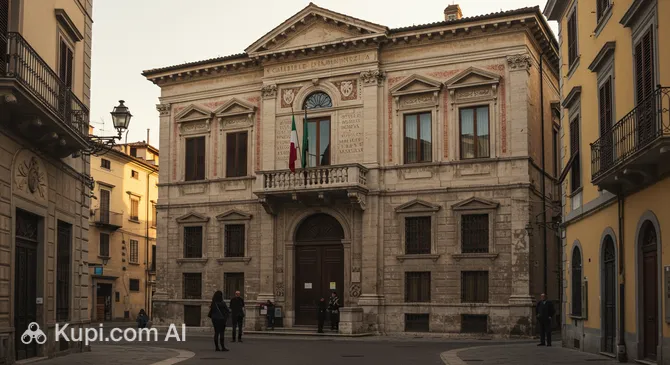
For those interested in literary history, the Gabriele D'Annunzio Birthplace Museum is an essential stop. Located in the historic district of the city, this 19th-century building preserves the original atmosphere of the home where the celebrated Italian poet and writer was born. Visitors can explore rooms filled with period furniture, photographs, and personal artifacts that offer a fascinating glimpse into D'Annunzio's early life and the cultural context of the era.
The heart of the city's modern social life beats at Piazza della Rinascita (Salotto Square). Known locally as "Piazza Salotto" or the city's living room, this expansive square is surrounded by elegant buildings, cafes, and shops. It serves as the perfect gathering place for locals and tourists alike to enjoy a coffee, do some shopping, or simply soak in the vibrant urban energy before heading towards the nearby seafront.
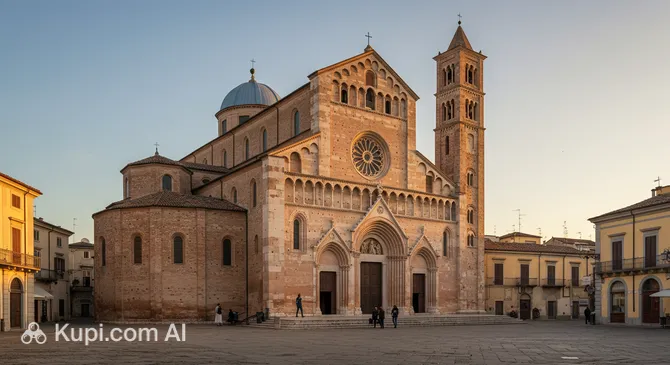
Another significant landmark is the Cathedral of Saint Cetteus, the city's main religious building. Constructed in the 20th century with a design inspired by Romanesque architecture, it stands as a Temple of Conciliation. Inside, the cathedral houses the tomb of Gabriele D'Annunzio's mother and features a painting of Saint Francis by Guercino, making it a site of both spiritual and artistic importance.
Cathedral of Saint Cetteus. Illustration.
Source: Kupi.com AI
Traveler photos:
Nature lovers should not miss the Pineta Dannunziana Nature Reserve, a protected area that offers a refreshing escape from the urban environment. This historic pine forest, which once inspired local poets and artists, features walking paths, a small lake, and rich Mediterranean vegetation. It is an ideal spot for a peaceful stroll, a picnic, or simply to appreciate the natural heritage that has been preserved within the city limits.
For a panoramic perspective, a trip to Colle del Telegrafo provides some of the best views in the area. Situated on a hill, this vantage point allows visitors to gaze out over the Adriatic Sea and the cityscape below. It is a quiet and scenic location, perfect for capturing memorable photos of the coast and enjoying the tranquil surroundings away from the bustling center.
Local Cuisine
The local cuisine of Pescara is a delightful reflection of its geography, perfectly balancing fresh catches from the Adriatic Sea with the rustic, hearty flavors of the Abruzzo hinterland. Gastronomy here is taken seriously, with a focus on simple, high-quality ingredients that define the region's identity. Whether you are dining in a refined seaside restaurant or a casual trattoria, the food is authentic and full of character.
Seafood plays a central role in the city's culinary scene. The undisputed king of the table is Brodetto alla Pescarese, a distinctive fish stew. Unlike other versions along the Adriatic coast, the Pescara recipe traditionally uses green peppers, vinegar, and very little tomato, allowing the fresh taste of the mixed catch—often including rockfish, shrimp, and cuttlefish—to shine through. Another pasta favorite is Spaghetti alle Vongole, served with small, sweet clams found in the local sandy seabeds.
For meat lovers, the most iconic dish is undoubtedly Arrosticini. These are thin skewers of mutton or lamb, cut into small cubes and grilled over charcoal to perfection. They are typically eaten with your hands, served alongside slices of bread drizzled with olive oil. To experience authentic grilled specialties and regional meat dishes, travelers can visit Coce - Grill and Abruzzo Cuisine, a spot dedicated to preserving these robust local flavors.
Coce - Grill and Abruzzo Cuisine. Illustration.
Source: Kupi.com AI
Traveler photos:
Pasta is also a staple, with Maccheroni alla Chitarra being the regional signature. This egg pasta is cut using a tool that resembles a guitar, creating a square cross-section that holds sauces beautifully, often served with a rich lamb ragù or meatballs. For dessert, look for Parrozzo, a dome-shaped cake made with semolina and almonds, then coated in dark chocolate, which was famously praised by the poet Gabriele D'Annunzio.
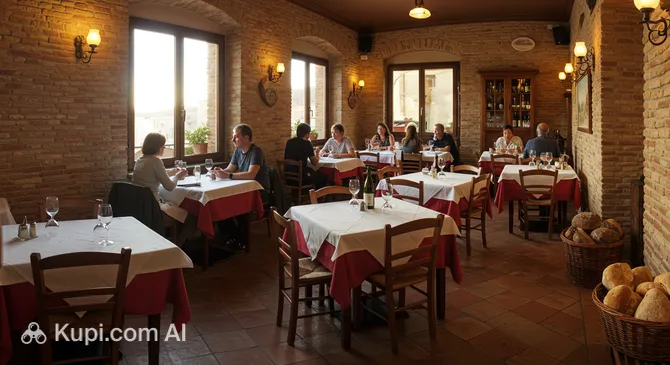
No meal in Pescara is complete without a glass of local wine. The region is renowned for Montepulciano d'Abruzzo, a full-bodied red that pairs excellent with meat dishes, and Trebbiano, a crisp white perfect for seafood. For those interested in exploring these varietals, Don Gennaro Wine and Tasting offers an excellent environment to sample the best labels the area has to offer. After dinner, you might try a glass of Aurum, a local orange brandy.
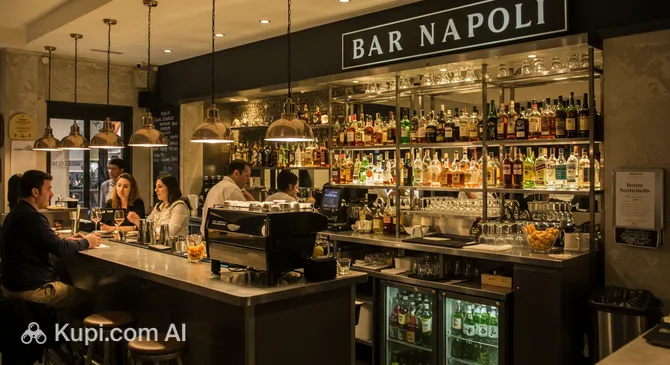
The food culture in Pescara is vibrant and social, often revolving around the ritual of the aperitivo. Locals gather in the late afternoon to enjoy drinks and light snacks before dinner. Historic establishments like Bar Napoli are popular meeting points where you can enjoy a coffee, a pastry, or an evening drink while soaking in the lively atmosphere of the city center.
Bar Napoli. Illustration.
Source: Kupi.com AI
Traveler photos:
Travel Tips
Welcome to Pescara, a vibrant city where the relaxed pace of the Adriatic coast meets the energy of a modern urban center. To ensure your visit is as smooth and enjoyable as possible, we have compiled a set of practical guidelines to help you navigate local customs and logistics with ease.
Clothing and Gear: Summers in Pescara are hot and humid, so pack lightweight, breathable fabrics and plenty of swimwear for the beach. However, if you plan to visit religious sites like the Cathedral of Saint Cetteus, remember to dress modestly; shoulders and knees should be covered. For the cooler months, layers and a waterproof jacket are essential. Since the city is quite flat and perfect for strolling, bring comfortable walking shoes.
Transportation: The city center is compact and best explored on foot or by bicycle; Pescara boasts an extensive network of cycle paths, including the scenic Corridoio Verde Adriatico along the coast. For longer distances, the local bus service operated by TUA is reliable and connects the city to the airport and nearby towns. A car is generally unnecessary within the city due to traffic and parking restrictions, but it is highly recommended if you plan to explore the mountainous Abruzzo hinterland.
Finances: The local currency is the Euro (€). While credit and debit cards are widely accepted in hotels, restaurants, and larger shops, it is wise to carry some cash for small purchases at beach kiosks, cafés, or local markets. ATMs are plentiful throughout the city. Tipping is not mandatory in Italy, but leaving a small amount or rounding up the bill is a polite gesture for good service.
Health and Safety: Pescara is generally a safe city for tourists, but standard precautions should be taken, such as keeping an eye on your belongings in crowded areas or near the train station at night. Pharmacies are marked by a green cross sign (Farmacia), and there is usually one open 24/7 on a rotational basis in each district. In case of any emergency, dial 112 for assistance.
Communication: Italian is the primary language. While staff in hotels and major tourist restaurants often speak English, it may be less common in smaller family-run businesses or grocery stores. Learning a few basic phrases like "Buongiorno" (Good morning) and "Grazie" (Thank you) goes a long way. Free Wi-Fi is often available in public squares and cafes, and SIM cards can be easily purchased at electronic stores or tobacconists with a valid ID.
Local Etiquette: Italians value greetings; always say hello when entering a small shop or elevator. When dining, keep in mind that the "coperto" (cover charge) is a standard addition to the bill in restaurants. Additionally, while Pescara is a seaside resort, it is considered inappropriate to walk around the city center or enter shops in swimwear or shirtless; save the beach attire strictly for the sand.
What to Avoid: Try not to plan your dinner too early; local restaurants typically open for the evening service around 7:30 PM or 8:00 PM, and dining earlier might leave you with limited options. Also, avoid ordering a cappuccino with a savory meal (like pasta or pizza) if you want to blend in—locals strictly drink it at breakfast.
Additional Tip: Embrace the local ritual of the passeggiata. In the late afternoon and evening, locals flock to the seafront promenade and Piazza della Rinascita to walk, chat, and enjoy a gelato. It is the best way to soak up the authentic atmosphere of the city and people-watch as the sun goes down.
By keeping these simple tips in mind, you will be well-prepared to experience the best of Pescara, from its sun-drenched beaches to its lively culinary scene. Enjoy your time exploring this dynamic gateway to the Abruzzo region!
Entertainment & Nightlife
When the sun sets, Pescara reveals its vibrant soul, fueled by a large student population and a love for socializing. The city offers a dynamic nightlife scene that changes with the seasons. In the cooler months, the epicenter of the "movida" is Pescara Vecchia (Old Pescara). The historic streets of Corso Manthonè and Via delle Caserme are lined with renovated brick buildings that now house bustling pubs, wine bars, and intimate clubs. The atmosphere here is lively and boisterous, with crowds often spilling out onto the cobblestones with drinks in hand.
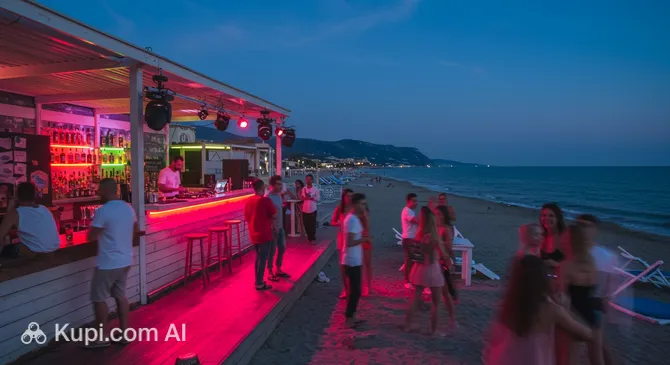
During the summer, the center of gravity shifts towards the coast. The long seafront promenade becomes a hive of activity as the beach establishments, known as stabilimenti, transform from relaxation spots into open-air discos and lounge bars under the stars. One such venue is Belvedere Beach, which offers a perfect blend of seaside relaxation by day and energetic rhythms by night. It is a popular spot to enjoy a cocktail with a sea breeze and dance until the early hours.
Belvedere Beach. Illustration.
Source: Kupi.com AI
Traveler photos:
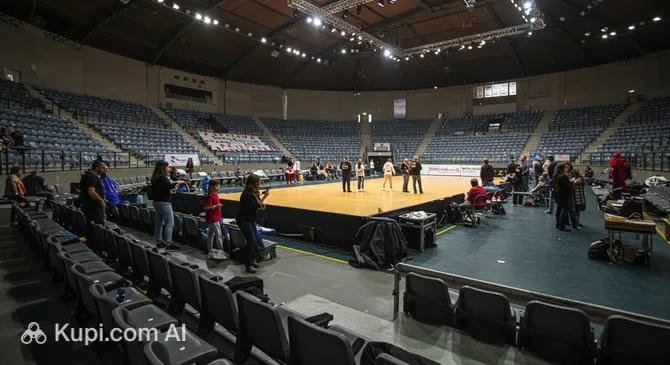
For those seeking live performances or larger events, the city offers several venues that host concerts and cultural gatherings. The AICS Hadria Pescara Arena is a notable location for sports and entertainment, frequently serving as a stage for music events and shows. Pescara also has a strong jazz tradition, so visitors in July should look out for the international jazz festival which brings a sophisticated crowd to the city's theaters and open-air stages.
AICS Hadria Pescara Arena. Illustration.
Source: Kupi.com AI
Traveler photos:
The nightlife scene typically kicks off with the ritual of aperitivo around 7:00 PM or 8:00 PM, followed by a late dinner. Clubs and music venues usually get busy after midnight. The dress code is generally smart casual; Italians like to dress up a bit for the evening, especially on weekends, but the vibe remains welcoming rather than exclusive. Prices are reasonable compared to larger Italian cities, with cocktails averaging between €6 and €10.
Pescara is generally safe for night walks, especially in the busy zones of the Old Town and the promenade. However, it is always wise to stay in well-lit areas and avoid isolated stretches of the beach late at night. Public transport is limited in the late hours, so if you need to travel across the city, it is best to book a taxi by phone (Radio Taxi) or through an app, as hailing one on the street can be difficult.
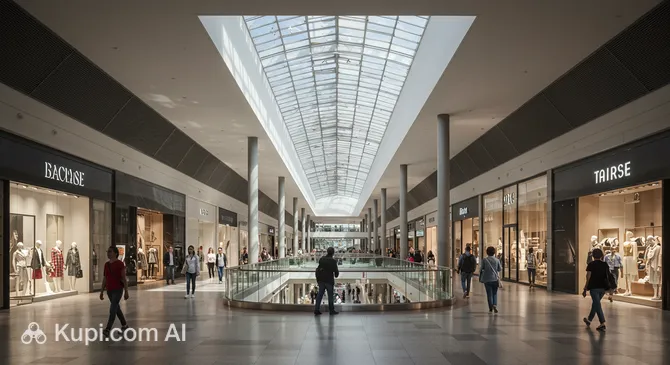
Before the night begins, the city offers plenty of daytime entertainment options beyond the beach. Visitors can indulge in retail therapy or catch a movie at the L'Arca Shopping Center, a modern complex that features a cinema, shops, and various dining options. Whether you are looking for high-energy clubbing or a relaxed evening of shopping and cinema, Pescara caters to diverse tastes.
L'Arca Shopping Center. Illustration.
Source: Kupi.com AI
Traveler photos:
Parks & Museums
While Pescara is widely recognized for its sandy coastline and modern vibrancy, the city also prides itself on its refreshing green spaces and rich cultural institutions. Beyond the beach umbrellas, visitors can discover tranquil gardens that offer a respite from the summer heat, as well as museums that preserve the deep artistic and historical roots of the Abruzzo region.
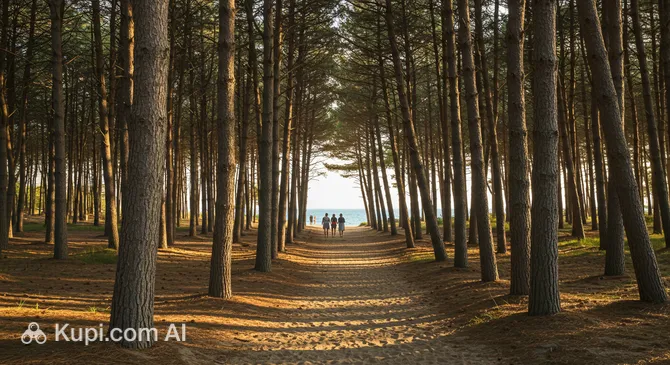
The most significant green lung of the city is undoubtedly the Pineta Dannunziana Nature Reserve. This protected area covers approximately 53 hectares and protects the last remnants of the ancient Adriatic selva. It is a place where history and nature intertwine; the majestic Aleppo pines and thick undergrowth once inspired the verses of Gabriele D'Annunzio. Today, it serves as a vital recreational space with designated trails for jogging and walking, a small lake that attracts waterfowl, and areas dedicated to environmental education.
Pineta Dannunziana Nature Reserve. Illustration.
Source: Kupi.com AI
Traveler photos:
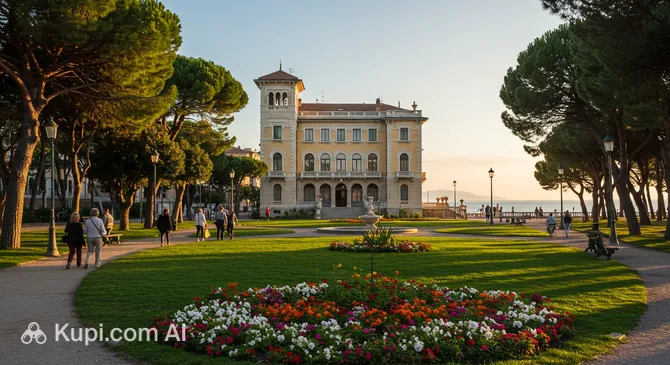
For a more manicured garden experience near the city center, the Villa De Riseis Park is a favorite among locals. Situated on the site of a former aristocratic villa, this park is known for its diverse variety of trees, including holm oaks and palms, which provide ample shade. It features well-maintained paths, a sensory garden filled with aromatic plants, and modern exercise equipment, making it a versatile spot for both relaxation and active leisure.
Villa De Riseis Park. Illustration.
Source: Kupi.com AI
Traveler photos:
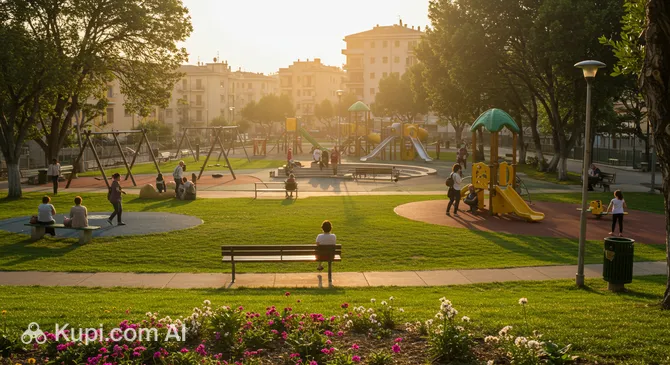
Families traveling with children will find the Paperopoli Playground to be an excellent stop. Located conveniently within the urban area, this park is designed specifically for younger visitors, offering a safe and engaging environment with various play structures. It is a lively community hub where parents can relax while children burn off energy, reflecting the family-friendly atmosphere that characterizes the city.
Paperopoli Playground. Illustration.
Source: Kupi.com AI
Traveler photos:
In terms of culture, Pescara offers compelling museums that delve into the identity of the territory. The Museum of the People of Abruzzo (Museo delle Genti d'Abruzzo), housed in the historic Bourbon fortress near the river, is a must-visit. It takes visitors on a journey through the history of human settlement in the region, from prehistoric times to the modern era, showcasing traditional costumes, tools, and artifacts that explain the pastoral and agricultural heritage of Abruzzo.
Art enthusiasts should explore the Basilio Cascella Civic Museum. Located in the former lithographic plant of the Cascella family, this venue celebrates the artistic legacy of Basilio Cascella and his descendants. The collection includes paintings, ceramics, and graphic works that had a significant influence on Italian art in the early 20th century, all displayed within the atmospheric setting of the original workshop.
Among the architectural highlights is the Aurum, a magnificent horseshoe-shaped building designed by Giovanni Michelucci. Originally a distillery for the famous local liqueur, it has been beautifully restored and converted into a "factory of ideas." The structure itself is a stunning example of rationalist architecture and now hosts exhibitions, concerts, and cultural events, standing as a symbol of the city's ability to reinvent its industrial past.
For a unique insider experience, take a walk towards the Trabocchi on the northern pier. These ancient wooden fishing machines, suspended over the water on stilts, are iconic symbols of the Adriatic coast. Seeing them up close, especially at sunset, offers a poetic glimpse into the maritime traditions that existed long before the modern city rose around them.
Getting Around
The public transport system in Pescara relies primarily on a comprehensive bus network managed by TUA (Trasporto Unico Abruzzese). Since the city does not have a metro or tram system, these buses serve as the main artery for moving between the historic center, the bustling seafront, and the residential outskirts. The network is efficient and covers all major points of interest, including the railway station and the hospital, making it a practical choice for visitors.
For those arriving by air, the bus system offers a seamless connection to the city. Urban lines 8 and 38 run frequently between the airport and the central railway station. This service utilizes the standard urban ticketing pricing, making it an incredibly cost-effective way to reach your accommodation compared to private transfers.
Tickets must be purchased before boarding the bus. You can find them at authorized retailers throughout the city, such as tobacconists (identifiable by a large "T" sign) and newsstands. A standard single ticket is typically valid for 90 minutes from the moment of validation, allowing for transfers between lines. It is essential to validate your ticket immediately upon entering the bus using the machines on board to avoid facing a fine.
For a more modern approach, travelers can use mobile apps like "TUAbruzzo" or "MooneyGo" to buy digital tickets. This is often the most convenient option for tourists, as it eliminates the need to find an open shop and allows for payment via credit card. Daily passes are also available and are highly recommended if you plan to use the bus multiple times within a 24-hour period.
Buses generally operate from early morning, around 6:00 AM, until late evening, typically winding down by 11:00 PM or midnight depending on the line. Night services are limited, so if you plan to stay out late enjoying the nightlife, it is wise to check the schedule in advance or plan for alternative transport.
Taxis are a reliable alternative, though they function differently than in some other major cities. You generally cannot hail them on the street; instead, you must go to a designated taxi rank, found at key locations like the central station and Piazza della Rinascita, or call the local Radio Taxi service to book a ride. While more expensive than the bus, they offer 24-hour availability.
However, the most popular alternative to motorized transport in Pescara is the bicycle. The city is completely flat and features an extensive network of cycle paths, including the scenic route along the Adriatic coast. Bike rental shops are plentiful, and many hotels offer bikes to guests. Riding is not only a practical way to get around but also an integral part of the local lifestyle, especially during the sunny summer months.
Accommodation
Where to Stay:
Pescara offers a diverse array of accommodation options suited to various travel styles and budgets. From modern seafront hotels and luxury resorts to charming Bed & Breakfasts tucked away in the city streets, visitors can easily find a place that meets their needs. For those seeking a more home-like experience, there is also a good selection of private apartments and vacation rentals, which are particularly popular for longer stays or family trips.
The choice of location largely depends on the purpose of your visit. For sun-seekers and summer vacationers, the Seafront Promenade (Lungomare) is the ideal place to stay. Hotels here offer immediate access to the beach and are surrounded by lively beach clubs and restaurants. Alternatively, the City Center, particularly around the pedestrian shopping streets and the central station, is perfect for those who want to be close to urban amenities, transport hubs, and the vibrant evening atmosphere of the old town.
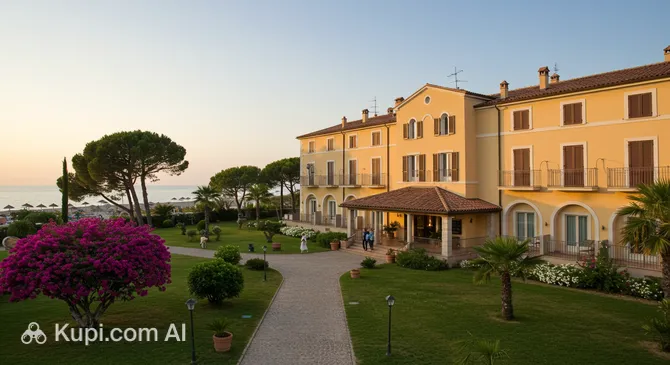
Travelers looking for a relaxing and upscale experience might consider the Villa Maria Hotel & Spa. It is a well-regarded establishment often chosen by guests seeking comfort and extensive wellness facilities during their stay in the region.
Villa Maria Hotel & Spa. Illustration.
Source: Kupi.com AI
Traveler photos:
Prices in Pescara are generally competitive compared to other major Italian tourist destinations. Accommodation ranges from budget-friendly guesthouses to mid-range and luxury options. However, Pescara is a very popular summer resort for Italians, so availability can tighten significantly in July and August. It is highly recommended to book well in advance if you plan to visit during the peak season to secure the best rates and locations. Most properties can be easily booked via major online platforms, though contacting smaller B&Bs directly can sometimes yield better personalized offers.
Nearby Cities
For those looking to explore the surroundings, Pescara serves as an excellent base for day trips to several interesting nearby locations:
One of the most culturally significant stops is Chieti, located just a short distance inland. Perched on a hill with commanding views of the mountains and the sea, this ancient city is renowned for its rich history. It houses the National Archaeological Museum of Abruzzo, where visitors can see the famous Warrior of Capestrano statue, along with impressive Roman ruins including an amphitheater and thermal baths.
Further south lies Lanciano, a destination that attracts pilgrims and history enthusiasts alike. It is globally famous for the Eucharistic Miracle of Lanciano, preserved in the Church of San Francesco. Beyond its spiritual importance, the town boasts a well-preserved medieval quarter with narrow alleys, ancient walls, and the unique Cathedral built upon a Roman bridge, offering a fascinating journey through time.
For a mix of history and provincial charm, Teramo is another worthy destination. Nestled between the Gran Sasso peaks and the Adriatic coast, it features a beautiful historic center anchored by the Cathedral of Saint Berardo. The city also contains significant Roman heritage, including the remains of a theater and an amphitheater, making it a pleasant spot for a cultural day out.
City
Population
Distance
Spoltore
19 378
7 km
Montesilvano
54 194
8 km
Francavilla al Mare
25 663
8 km
Silvi Marina
15 708
13 km
Chieti
50 770
13 km
These nearby destinations offer a glimpse into the diverse culture and landscapes of the region.
Shopping & Souvenirs
Pescara is widely considered the commercial capital of the Abruzzo region, offering a shopping experience that rivals larger Italian metropolises. The city blends a modern urban layout with a relaxed seaside atmosphere, making it a pleasure to explore on foot. From high-end fashion boutiques to historic artisan shops, the city caters to a variety of tastes and budgets, establishing itself as a primary destination for fashion and retail in the area.
The heart of the shopping scene is undoubtedly Corso Umberto I, a bustling pedestrian avenue that runs directly from the central railway station to the sea. This vibrant street is lined with popular international high street brands, elegant cafes, and bookstores. Running parallel to it is Via Nicola Fabrizi, another key artery known for its sophisticated boutiques and designer stores. For a more exclusive experience, the area around Piazza della Rinascita (Salotto Square) offers luxury labels and stylish window displays that attract fashion enthusiasts from all over the region.
For those who prefer a comprehensive retail experience under one roof, the city features several modern complexes. The L'Arca Shopping Center is a notable destination, combining a wide array of clothing and electronics stores with entertainment options, including a cinema and various dining spots. It serves as a convenient hub for families and travelers looking to find everything in a single location.
To discover the authentic flavors of the region, a visit to the city's markets is essential. The Mercato Muzii (Mercato Coperto) in Piazza Muzii is the most famous indoor market in Pescara. By day, it is a riot of colors and scents where locals buy fresh seafood, seasonal vegetables, and regional cheeses. It is the perfect place to immerse yourself in the daily life of the "Pescarese" people and find high-quality culinary ingredients.
When it comes to souvenirs, Pescara offers unique local products rather than generic trinkets. The top recommendation is a box of Parrozzo, a traditional dome-shaped cake made with almonds and chocolate, famously celebrated by the poet Gabriele D'Annunzio. Another excellent gift is a bottle of Aurum, the local orange-infused liqueur. For wine lovers, a bottle of Montepulciano d'Abruzzo from a local enoteca is a must-buy, representing the rich winemaking heritage of the surrounding hills.
Store opening hours in Pescara generally follow the traditional Italian schedule. Small shops and boutiques typically open from 9:00 AM to 1:00 PM and reopen after the afternoon break (siesta) from 4:00 PM to 8:00 PM. However, larger shopping chains and malls usually operate with continuous hours from morning until evening. Credit and debit cards are widely accepted throughout the city, though carrying some cash is useful for small purchases at markets.
Travelers residing outside the European Union may be eligible for a VAT refund on purchases exceeding a certain threshold at participating stores. Look for the "Tax Free" signage in shop windows and remember to ask for the necessary forms at the checkout to process your refund at the airport before leaving the EU.