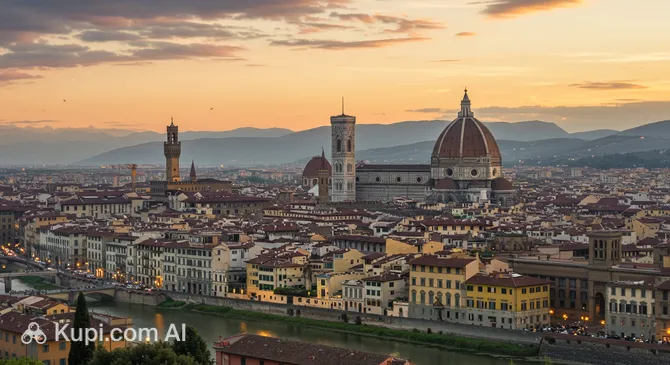
Florence, the stunning capital of the Tuscany region, is widely regarded as the cradle of the Renaissance and one of the most culturally significant cities in the world. Located in central Italy, this enchanting destination sits along the banks of the Arno River, surrounded by rolling hills and picturesque vineyards. With a population of approximately 380,000 inhabitants, it offers a vibrant yet intimate atmosphere where the past seamlessly blends with modern life.
Florence. Illustration.
Source: Kupi.com AI
The city is a veritable open-air museum, renowned for its extraordinary architecture and artistic legacy. Visitors can delve into the fascinating history of Florence while wandering through its historic center, a UNESCO World Heritage site. Iconic landmarks such as the majestic Cathedral of Santa Maria del Fiore (the Duomo), with its massive red-tiled dome designed by Brunelleschi, and the world-famous Uffizi Gallery, home to masterpieces by Botticelli and Michelangelo, define the spirit of the city. The medieval Ponte Vecchio, spanning the river with its unique jewelry shops, remains a timeless symbol of Florentine charm.
Whether you are an art enthusiast, a history buff, or a lover of fine cuisine, Florence promises an unforgettable experience. Its unique beauty, artistic treasures, and romantic ambiance make it a must-visit destination for travelers seeking the very best of Italian culture.
Weather Overview
The climate in Florence is generally temperate, characterized by hot, sunny summers and cool, damp winters. Visitors can expect distinct seasonal changes, so checking the detailed weather in Florence is recommended when planning your itinerary to ensure you are properly prepared.
During the peak summer months of July and August, the city warms up significantly, with average temperatures around 24°C and daily highs often reaching 29°C; these are also the driest months with only about 5 to 7 wet days. In contrast, winter brings a noticeable chill, particularly in January, when the average temperature drops to approximately 4.9°C and lows can dip near 1.4°C. Rainfall is more frequent during the transition seasons and winter, with months like May and December typically experiencing the highest number of wet days.
Average monthly temperature
Average monthly precipitation
Interesting Facts
Beyond the world-renowned museums and Renaissance architecture, Florence holds many fascinating secrets and curious traditions known only to locals and keen observers.
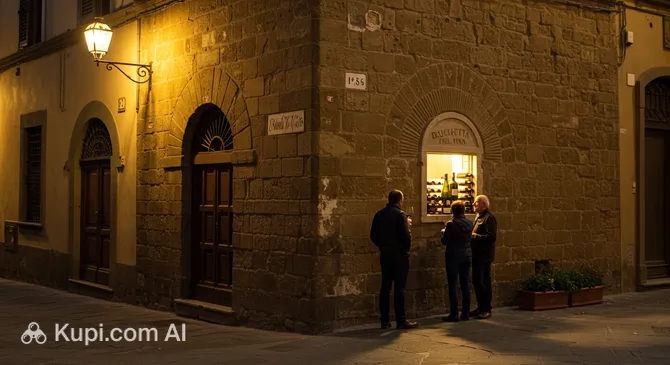
Wine Window. Illustration.
Source: Kupi.com AI
Traveler photos:
Scattered throughout the city are tiny architectural features known as a Wine Window, or buchette del vino. These small openings in palace walls were originally created in the 17th century to sell wine safely during the plague, allowing merchants to serve customers without direct contact.
The iconic Ponte Vecchio was not always the domain of glittering jewelry shops. Until the late 16th century, the bridge was occupied by butchers who tossed waste into the river, until Grand Duke Ferdinand I mandated their replacement with goldsmiths to improve the area's atmosphere.
Visitors seeking good fortune should head to the Porcellino Fountain near the New Market. Legend says that placing a coin in the bronze boar's mouth and rubbing its polished snout ensures a future return to the city.
Florence is the birthplace of a psychosomatic condition known as Stendhal Syndrome. This phenomenon, characterized by dizziness and rapid heartbeat caused by exposure to immense beauty, was first described after the French author Stendhal visited the Basilica of Santa Croce.
How to Get There
Reaching the capital of Tuscany is quite convenient thanks to its central location and excellent transport connections. Whether you prefer flying or taking the train, there are several options to suit your itinerary. For a comprehensive guide on all available routes and travel tips, you can read more about how to get to Florence.
The city is served by its own airport, Firenze-Peretola Airport (IATA: FLR), located just 6.1 km from the city center. It is the most convenient option for direct arrival, with a short transfer time of approximately 30 minutes by taxi or bus. However, many international travelers also choose to fly into Pisa International Airport (IATA: PSA), located in the city of Pisa, about 70.3 km away. From Pisa, the journey to Florence takes around 2 hours. Another significant hub is Guglielmo Marconi Airport (IATA: BLQ) in Bologna, situated roughly 85.1 km from Florence, with a transfer time of approximately 2.5 hours.
For clarity, here is a summary of the main airports:
Traveling by train is another popular and scenic way to arrive. The city's primary railway hub is Firenze Santa Maria Novella Station (IATA: ZMS), located right in the heart of Florence, just 1.1 km from the main attractions. It handles a vast amount of traffic and connects the city to major destinations across Italy and Europe. Another option within the city limits is Firenze Campo di Marte Railway Station (IATA: FIR), situated about 1.8 km from the center, which often serves regional and some long-distance trains.
Florence is a city best explored on foot, where every corner reveals a masterpiece of art or architecture. While the entire historic center is a UNESCO World Heritage site, there are specific landmarks that define the Florentine experience and simply cannot be missed by any visitor.
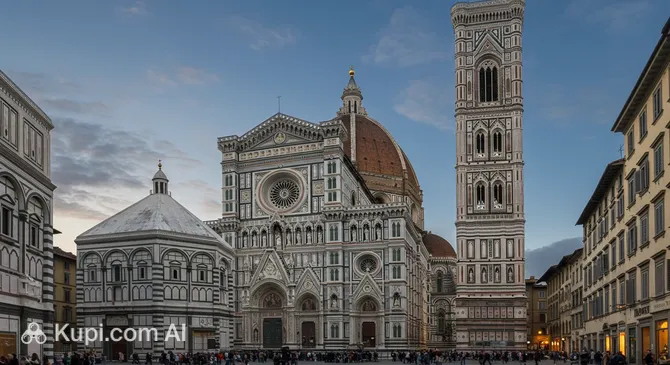
Dominating the city's skyline is the Florence Cathedral, widely known as the Duomo. This architectural marvel is celebrated for its massive red-tiled dome designed by Filippo Brunelleschi, which remains the largest brick dome ever constructed. Tourists are captivated by its intricate facade of white, green, and pink marble, and the opportunity to climb to the top offers a breathtaking close-up of the frescoes and the city below.
Florence Cathedral. Illustration.
Source: Kupi.com AI
Traveler photos:
For art lovers, the Uffizi Gallery is an absolute essential. Located near the Arno River, this museum houses an unparalleled collection of Italian Renaissance art, including works by Leonardo da Vinci, Michelangelo, and Raphael. It is most famous for Botticelli's "The Birth of Venus" and "Primavera," drawing millions of visitors who wish to witness these iconic masterpieces in person.
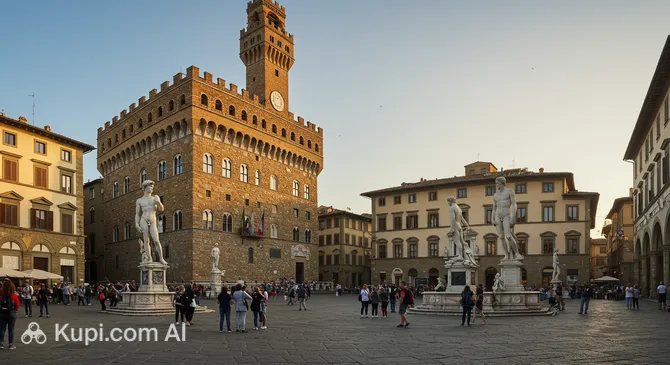
A short walk away lies the political heart of the city, Piazza della Signoria. This L-shaped square functions as an open-air museum, filled with impressive statues such as a replica of Michelangelo's David and the Fountain of Neptune. It is a lively gathering spot surrounded by historic buildings, including the imposing Palazzo Vecchio, making it a perfect place to soak in the city's atmosphere and history.
Piazza della Signoria. Illustration.
Source: Kupi.com AI
Traveler photos:
To capture the perfect postcard image of Florence, a visit to Michelangelo Square (Piazzale Michelangelo) is a must. Perched on a hill on the south bank of the river, this terrace offers the most famous panoramic view of the city, encompassing the Duomo, the bridges, and the rolling Tuscan hills. It is particularly popular at sunset, when the golden light transforms the skyline into a magical scene.
Local Cuisine
The culinary landscape of Florence is a celebration of rustic simplicity, high-quality ingredients, and centuries-old traditions. Rooted in cucina povera (peasant cooking), the local gastronomy relies heavily on bread, extra virgin olive oil, and locally sourced meats. Dining here is not just a meal; it is a cultural immersion into the heart of Tuscany.
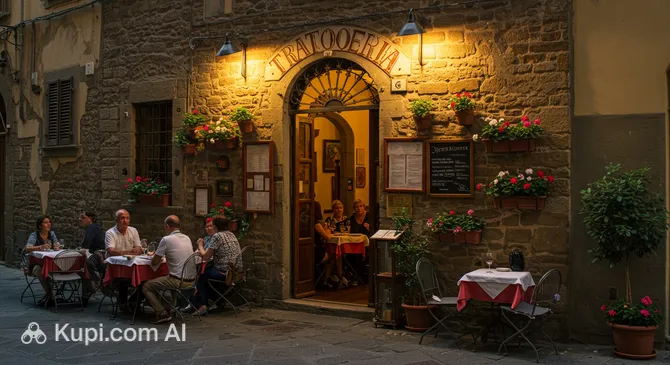
At the top of every carnivore's list is the legendary Bistecca alla Fiorentina. This enormous T-bone steak, cut from the ancient Chianina breed of cattle, is grilled over wood embers and traditionally served rare. It is a dish best shared among friends at a classic establishment like Trattoria Dall'Oste, where the preparation of the meat is treated as an art form.
Trattoria Dall'Oste. Illustration.
Source: Kupi.com AI
Traveler photos:
For those seeking a quick and authentic lunch, the city's street food scene is thriving. The most iconic specialty is Lampredotto, a sandwich filled with slow-cooked tripe, often topped with a spicy green sauce. If offal isn't to your taste, you can enjoy gourmet panini at popular spots such as I' Girone De' Ghiotti, where fresh cold cuts and cheeses are paired with local wines.
Vegetarians will appreciate hearty dishes like Ribollita, a thick soup made with bread, cannellini beans, and kale, or Pappa al Pomodoro, a comforting tomato and bread mush. These dishes exemplify the Florentine skill of turning stale bread into something delicious and satisfying.
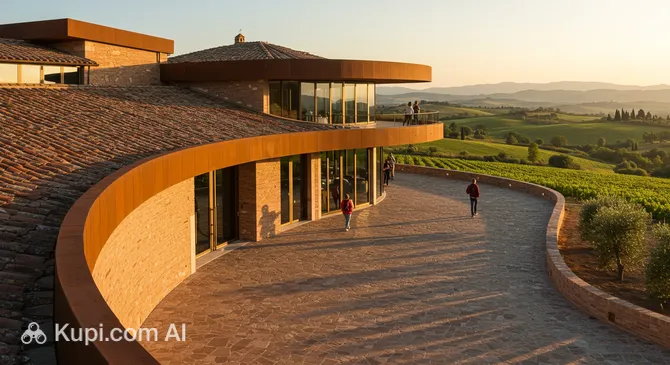
No culinary journey in Florence is complete without exploring its wine culture. The region is famous for Chianti Classico, a robust red wine that pairs perfectly with the local fare. Enophiles might consider a visit to the Antinori Chianti Classico Winery just outside the city to understand the deep connection between the land and the glass.
Antinori Chianti Classico Winery. Illustration.
Source: Kupi.com AI
Traveler photos:
To finish your meal, indulge in a glass of Vin Santo accompanied by cantucci, hard almond biscuits meant for dipping. For a lively and authentic dining atmosphere, places like Antica Trattoria da Tito offer a spirited environment where the food is traditional and the hospitality is unmistakably Florentine.
Travel Tips
To ensure your visit to the "Cradle of the Renaissance" is as smooth and enjoyable as possible, we have compiled a list of essential advice for travelers. These practical tips will help you navigate local customs, avoid common pitfalls, and experience Florence like a seasoned explorer.
Clothing and Gear: Florence is a city of cobblestones, so comfortable walking shoes are your most important asset; leave the high heels for dinner. Summers can be intensely hot and humid, so pack light, breathable fabrics, while winters require layers and a waterproof jacket. Remember that strict dress codes apply at religious sites like the Cathedral and the Basilica of Santa Croce: shoulders and knees must be covered to enter.
Transportation: The historic center is compact and best explored on foot, as many areas are pedestrian-only. For longer distances, the city offers an efficient network of small electric buses and trams. Avoid renting a car for city travel due to the ZTL (Limited Traffic Zone) restrictions, which carry heavy fines for unauthorized vehicles. If you need a taxi, remember that you cannot hail them on the street; you must call one or go to a designated taxi stand.
Finances: The currency is the Euro (€). While credit cards are widely accepted in restaurants and shops, it is wise to carry some cash for small purchases, espresso at a bar, or street markets. Be aware that many restaurants add a "coperto" (cover charge) of 2-3 euros per person to the bill. Tipping is not mandatory in Italy, but rounding up the bill or leaving a few euros for good service is appreciated.
Health and Safety: Florence is generally a safe city, but like any major tourist destination, it is wise to be vigilant against pickpockets in crowded areas like the Ponte Vecchio, markets, and near the Santa Maria Novella station. Pharmacies are easily identified by a green cross sign; many are open 24/7 or on a rotating schedule for emergencies. For general emergencies, dial 112.
Communication: The official language is Italian, but English is widely spoken in the hospitality industry and tourist areas. However, learning a few basic phrases like "Buongiorno" (Good morning/day) and "Grazie" (Thank you) goes a long way with locals. Free Wi-Fi is often available in public squares (look for "Firenze WiFi"), and EU citizens can use their home mobile data plans without roaming charges.
Local Etiquette: Politeness is highly valued; always greet shopkeepers or staff when entering and leaving an establishment. When visiting local markets like the Mercato Centrale, never touch the produce with your bare hands—ask the vendor to serve you. Also, be aware of the coffee culture: drinking your espresso standing at the bar (al banco) is significantly cheaper than sitting at a table (al tavolo).
What to Avoid: Do not sit and eat on the steps of churches or in the streets near major monuments, particularly around the Duomo and Piazza della Signoria. City regulations strictly prohibit this to preserve decorum and cleanliness, and fines can be issued to violators. Additionally, try to avoid ordering a cappuccino after 11:00 AM if you want to blend in; locals consider milk-heavy coffees strictly a breakfast drink.
Additional Tip: Florence houses some of the world's most popular museums, and queues can be hours long. To maximize your time, always book tickets for the Uffizi Gallery and the Accademia Gallery (to see David) weeks or even months in advance. Alternatively, consider visiting during the quieter evening hours if extended opening times are in effect.
By keeping these tips in mind, you will be well-prepared to embrace the slow-paced, artistic lifestyle of Tuscany. Whether you are sipping Chianti in a hidden square or marveling at the dome of the Duomo, a little preparation ensures your Florentine adventure will be truly unforgettable.
Entertainment & Nightlife
Entertainment and Nightlife:
When the sun sets over the Arno River, Florence transforms from an open-air museum into a vibrant hub of evening activity. The city's nightlife is less about massive techno clubs and more about the "dolce vita" lifestyle: lingering over drinks, socializing in bustling squares, and enjoying live music in atmospheric venues. The evening typically begins with the beloved ritual of aperitivo, where buying a drink between 7:00 PM and 9:00 PM grants you access to a buffet of finger foods, pasta, and snacks.
For those seeking the heart of the action, two main districts stand out. The Santa Croce neighborhood, particularly around Via de' Benci and Via Verdi, is the epicenter of student life and late-night revelry, packed with pubs and energetic bars. Across the river, the Oltrarno district offers a more bohemian and local vibe. Piazza Santo Spirito is the living room of this area, where crowds gather on the church steps or fill the surrounding terraces to chat and sip wine until the early hours.
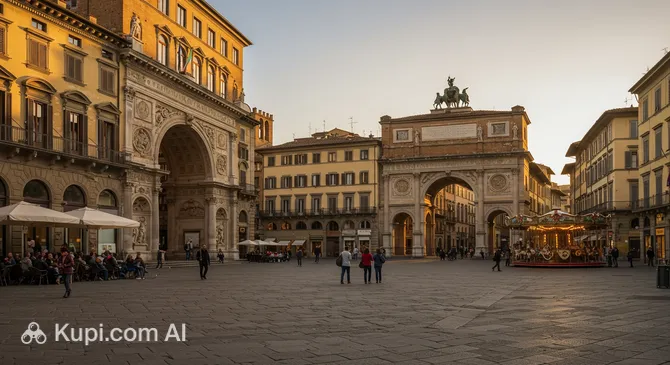
Piazza della Repubblica. Illustration.
Source: Kupi.com AI
Traveler photos:
If you are looking for a specific place to enjoy a pint and perhaps some live sports or music, The Old Stove Irish Pub is a popular choice among both travelers and locals for its welcoming atmosphere. For a different flavor, Rooster Cafe Firenze offers a trendy setting that transitions smoothly from a daytime spot to a lively evening venue. Those who prefer a more refined experience should head to Piazza della Repubblica, where historic carousels and elegant cafes create a magical backdrop for a night out.
Practicality is key to enjoying the Florentine night. Most bars stay open until 1:00 AM or 2:00 AM, while nightclubs may go until 4:00 AM. The dress code is generally "smart casual"—Italians tend to dress well even for a casual drink, so avoid beachwear or flip-flops. In terms of safety, the city center is walkable and secure, but avoid unlit parks late at night. Getting home requires a bit of planning: you cannot hail a taxi on the street. You must either walk to a designated taxi stand or call one by phone (popular numbers include +39 055 4242 or +39 055 4390).
While Florence is world-famous for its history, daytime entertainment extends beyond Renaissance art. If you need a break from museums and churches, consider an active excursion to Adventure Park Il Gigante. Located in the woodland surroundings, it offers a refreshing change of pace with climbing courses and outdoor fun, perfect for recharging before another evening of Tuscan delights.
Parks & Museums
Museums and Nature:
Florence is a city where art is not confined to a single gallery but is woven into the very fabric of the streets and buildings. Beyond the most famous landmarks, the city boasts a wealth of museums and green spaces that offer a deeper understanding of its history and a chance to relax in nature.
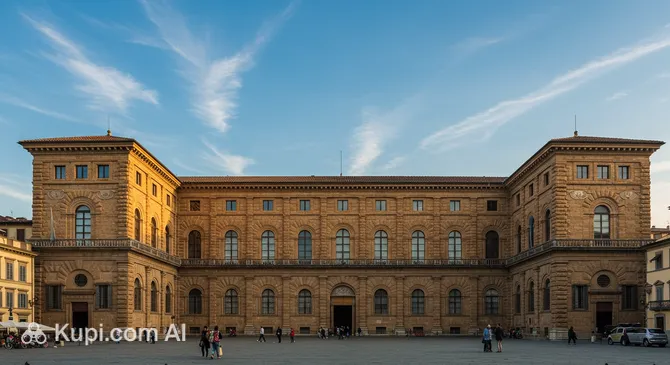
One of the most impressive stops is the Pitti Palace. This vast Renaissance residence, once home to the Medici grand dukes, is a complex of several museums, including the Palatine Gallery and the Royal Apartments. Visitors can wander through opulent rooms filled with masterpieces by Raphael, Titian, and Rubens, experiencing the grandeur of courtly life in Tuscany.
Pitti Palace. Illustration.
Source: Kupi.com AI
Traveler photos:
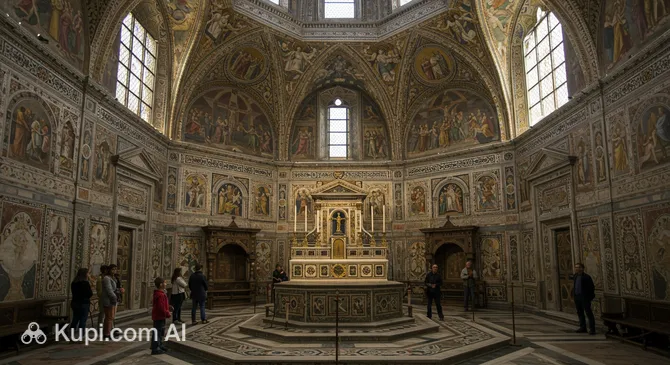
For those fascinated by the intersection of art and history, the Medici Chapels are an essential visit. Located at the Basilica of San Lorenzo, this mausoleum is a stunning display of marble and precious stones, featuring the New Sacristy designed by Michelangelo. Nearby, the San Marco Museum offers a more serene experience in a former Dominican convent, celebrated for the spiritual frescoes by Fra Angelico that adorn the monks' cells.
Medici Chapels. Illustration.
Source: Kupi.com AI
Traveler photos:
Travelers with a keen interest in science and invention should not miss the Leonardo da Vinci Museum. Dedicated to the universal genius who lived in the city, this interactive space features working models of his extraordinary machines, providing a fascinating insight into his visionary mind.
When it is time to take a break from the indoors, Florence offers several inviting green spaces. Albereta Park (Pioppeta Galluzzo) runs along the banks of the Arno River, providing a peaceful setting for walking or jogging away from the city crowds. For a more rugged nature experience, Turlaccio Wood offers lush surroundings for hiking. Meanwhile, those seeking active fun can head to the Vincigliata Adventure Park in the hills, where tree-climbing courses provide excitement for both adults and children.
Getting Around
Navigating Florence is relatively simple, as the city is compact and highly pedestrian-friendly. However, for reaching areas outside the immediate historic center, the train station, or the airport, the public transport system is efficient and reliable. The network is primarily composed of buses and a modern tramway system managed by Autolinee Toscane. It is important to note that Florence does not have an underground metro system; instead, the tramway serves as the main rapid transit option, connecting key districts with the heart of the city.
The tramway consists of two main lines, T1 and T2, which are particularly useful for tourists. Line T1 connects the Villa Costanza parking area to the Santa Maria Novella train station and the hospital, while Line T2 links the city center directly to the airport. In addition to the trams, there is an extensive bus network. A unique feature of Florentine transport is the fleet of small electric buses, often referred to as "bussini." These compact vehicles (lines C1, C2, C3, and C4) are designed to navigate the narrow, winding streets of the medieval center, offering a convenient way to cross the pedestrian zones without walking.
The ticketing system is integrated, meaning the same ticket is valid for both buses and trams. A standard single ticket typically costs around 1.70 € and is valid for 90 minutes from the moment of validation, allowing for transfers between different lines. Travelers can purchase tickets at "Tabacchi" shops (look for the big "T" sign), newsstands, and automatic vending machines located at every tram stop. For added convenience, tickets can also be purchased via the official "at bus" app or, in some cases, via SMS, though the latter may incur additional carrier fees.
Validating your ticket is a crucial step that must not be overlooked. Upon boarding a bus or entering the tram platform (or immediately upon boarding the tram, depending on the specific machine type), you must stamp your paper ticket in the yellow or green validation machines. Failure to do so can result in hefty on-the-spot fines, even if you have a ticket in your pocket. Transport services generally operate from early morning, around 5:30 AM, until midnight, with extended hours for the tramway on Friday and Saturday nights.
For those who prefer alternatives to public transit, taxis are available but operate under strict rules. You cannot hail a taxi on the street; you must either call a dispatch service or walk to a designated taxi stand, which are found in major squares and at the train station. Taxis are white and use a meter. Another popular and eco-friendly option is the city's bike-sharing scheme. Brightly colored rental bikes (such as RideMovi) are scattered throughout the city and can be unlocked using a smartphone app, providing a fun way to explore the riverside paths and parks.
Accommodation
Where to Stay:
Finding the perfect place to stay in Florence is an integral part of the travel experience, with options ranging from historic palaces transformed into luxury suites to budget-friendly hostels and charming family-run bed and breakfasts. The city offers a wide spectrum of accommodation to suit every preference, whether you are looking for opulence, convenience, or a cozy "home away from home" in a rental apartment.
For most visitors, the best area to stay is the Centro Storico (Historic Center). Being within walking distance of the Duomo and the Uffizi Gallery allows you to soak up the atmosphere without worrying about transport. However, this convenience often comes with a higher price tag. Travelers prioritizing easy access to trains and buses might prefer the neighborhood around the Santa Maria Novella station, which is practical and bustling. Alternatively, the Oltrarno district on the south bank of the river offers a more authentic, bohemian vibe, filled with artisan workshops and quieter streets.
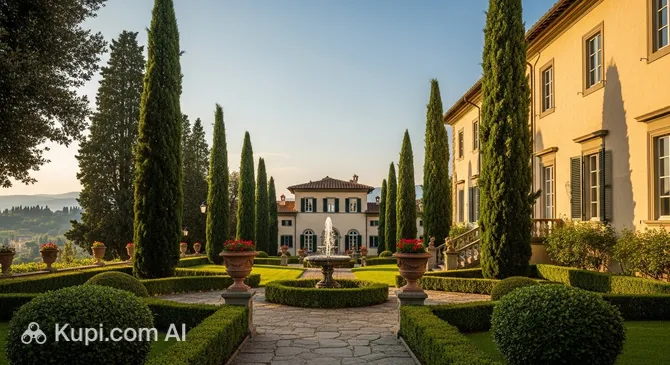
If you are seeking a stay that combines comfort with distinct local character, there are several notable establishments. Villa Le Fontanelle is an exquisite option for those who wish to experience the elegance of a resort setting while remaining close to the city's treasures. Another choice for travelers is Hotel Firenze, which offers a convenient base for exploring the Tuscan capital.
Villa Le Fontanelle. Illustration.
Source: Kupi.com AI
Traveler photos:
When planning your trip, keep in mind that Florence is a year-round destination, but accommodation prices peak significantly during the spring and summer months. It is highly advisable to book well in advance, especially if you plan to visit in May, June, or September. Prices can range from affordable rates for hostels and guesthouses to premium costs for five-star hotels with river views. Most bookings can be made easily via major online platforms, but remember that a city tourist tax (tassa di soggiorno) is usually charged per person, per night, and is often payable upon arrival at the hotel.
Nearby Cities
For those looking to explore the surroundings, Florence serves as an excellent base for day trips to several interesting nearby locations:
City
Population
Distance
Fiesole
14 150
5 km
Bagno a Ripoli
25 483
5 km
Scandicci
50 645
6 km
Sesto Fiorentino
49 091
8 km
Impruneta
14 618
9 km
Among these, Prato is particularly noteworthy as the second-largest city in Tuscany. It is world-famous for its historic textile industry and boasts a charming medieval center. Visitors can admire the Emperor's Castle (Castello dell'Imperatore), the only Swabian castle in central Italy, and the magnificent Cathedral of San Stefano, which houses exquisite frescoes by Filippo Lippi. It is also the birthplace of the famous cantucci biscuits.
Another interesting destination is Sesto Fiorentino, renowned for its porcelain tradition. It is home to the historic Richard-Ginori manufactory and its dedicated museum, offering a deep dive into Italian ceramic art. Additionally, history enthusiasts can explore the "La Montagnola" Etruscan tomb, a significant archaeological site dating back to the 7th century BC.
These nearby destinations offer a glimpse into the diverse culture and landscapes of the region.
Shopping & Souvenirs
Shopping in Florence is an experience that rivals visiting its museums, offering a seamless blend of high-end luxury, historic craftsmanship, and bustling market culture. The city is globally renowned for its artisanal heritage, particularly in leather goods, gold jewelry, and marbled paper. Whether you are looking for designer fashion or a unique handmade souvenir, the Tuscan capital provides a shopping landscape that caters to every taste and budget.
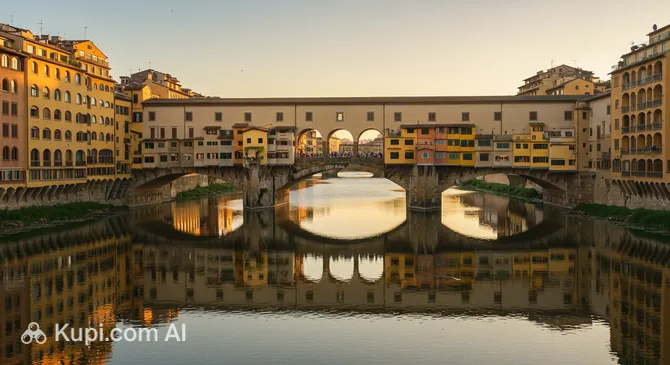
For those seeking luxury and high fashion, Via de' Tornabuoni is the city's most elegant street, lined with boutiques from top Italian and international designers like Gucci, Prada, and Ferragamo. A different kind of luxury can be found on the iconic Ponte Vecchio. This medieval bridge is famous for its glittering goldsmith shops, which have occupied the small stores here since the 16th century, making it the perfect place to purchase high-quality jewelry and watches.
Ponte Vecchio. Illustration.
Source: Kupi.com AI
Traveler photos:
While the historic center focuses on boutiques and workshops, travelers looking for a comprehensive modern shopping experience can visit large malls located just outside the city. I Gigli is one of the most popular shopping centers in Tuscany, housing a vast array of international brands, electronics, and dining options. Another convenient option is the Gignoro Shopping Center, which offers a variety of stores and supermarkets for everyday needs.
Markets are the beating heart of Florentine commerce. The San Lorenzo Market is perhaps the most famous, with its outdoor stalls selling leather jackets, bags, and belts, while the indoor Mercato Centrale focuses on food. For a mix of history and shopping, head to the Mercato Nuovo (New Market), located under the loggia of the Porcellino Fountain. Here, you can find leather goods, scarves, and traditional straw hats in a lively, open-air setting.
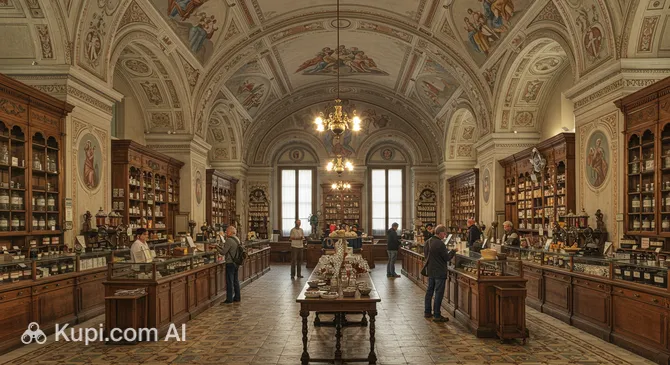
When it comes to souvenirs, Florence offers items of exceptional quality. Leather goods are the top choice, but visitors should also look for Florentine paper, known for its intricate swirling patterns. For a sensory memento, a visit to the Santa Maria Novella Pharmacy is essential. Established by Dominican friars in 1221, it is one of the oldest pharmacies in the world, selling exquisite perfumes, soaps, and herbal remedies in a museum-like atmosphere.
Santa Maria Novella Pharmacy. Illustration.
Source: Kupi.com AI
Traveler photos:
Most shops in the city center are open from 10:00 AM to 7:30 PM, though some smaller boutiques may close for a lunch break (siesta) between 1:00 PM and 3:30 PM. Major chains and department stores typically stay open all day. Credit cards are widely accepted, but carrying cash is useful for small purchases at markets. Tourists from outside the EU should look for the "Tax-Free" sign in shop windows, as they may be eligible for a VAT refund on purchases exceeding a certain amount.