Support

Massa

About

Nestled between the rugged peaks of the Apuan Alps and the sparkling waters of the Tyrrhenian Sea, Massa is a captivating destination in the Tuscany region of Italy. As the administrative center of the Province of Massa-Carrara, this city offers a unique atmosphere where mountain grandeur meets coastal relaxation, making it a distinct stop for travelers exploring the northern part of the region.

With a population of approximately 69,000 residents, Massa serves as a lively hub that retains its historical charm while providing modern amenities. Its strategic location makes it an ideal spot for tourists who wish to experience diverse landscapes in a single trip, ranging from hiking trails in the mountains to sunbathing on the sandy beaches of the nearby Marina di Massa.

Massa. Source: Kupi.Binoculars

The city is rich in cultural heritage, most notably symbolized by the imposing Malaspina Castle (Rocca Malaspina) which overlooks the town from a rocky hill. Exploring the history of Massa reveals a fascinating past ruled by the noble Cybo-Malaspina family, whose influence is still visible in the architecture today. Visitors are often drawn to the distinctive Piazza degli Aranci, a beautiful square lined with fragrant orange trees and centered around a majestic obelisk, offering a perfect setting for a leisurely stroll.

Whether you are interested in the world-famous white marble quarries nearby or simply want to enjoy authentic Tuscan cuisine in a picturesque setting, Massa welcomes you with open arms. It is a perfect gateway for discovering the less crowded, yet incredibly rewarding, corners of Tuscany.

Weather Overview

The climate in Massa is generally mild, characterized by distinct seasons that offer a mix of pleasant warmth and cooler days. During the peak summer months of July and August, the city experiences its highest temperatures, with daily highs averaging around 26.5°C. This period is the driest part of the year, particularly July, which sees about 8 wet days, making it a popular time for visitors to enjoy the nearby coast.

Winters are significantly cooler, with average temperatures in January and February hovering between 5°C and 6°C. Rainfall is a consistent feature throughout the year, and travelers should be aware that spring can be quite rainy; May, for instance, often records up to 18 wet days. For a more comprehensive look at the weather in Massa, checking the forecast before your trip is highly recommended.

Overall, you can expect warm summers with occasional rain and cold, damp winters. Packing layers is advisable to adapt to the shifting temperatures and frequent precipitation, especially if you plan to visit during the transition seasons of spring and autumn.

Interesting Facts

Beyond the main attractions, Massa holds many fascinating secrets and historical curiosities that reveal its distinct character within Tuscany. From royal interventions to linguistic quirks, the city offers plenty of surprises for the observant traveler.
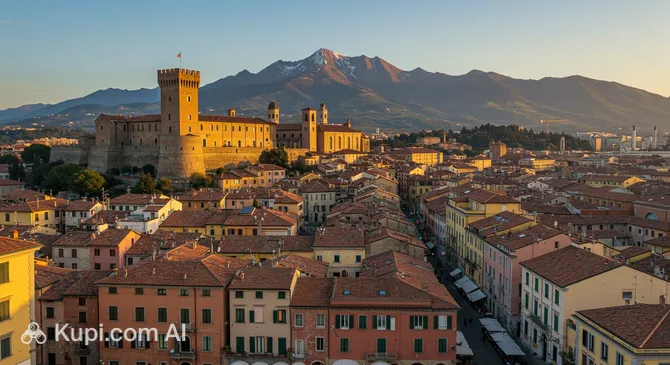
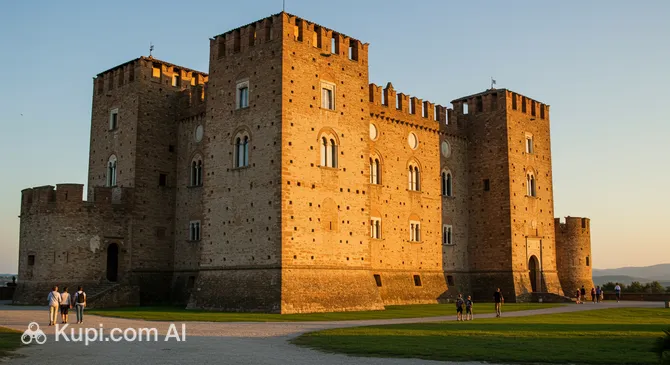
Malaspina Castle of Massa. Source: Kupi.Binoculars
  • The iconic Piazza degli Aranci owes its existence to Napoleon’s sister, Elisa Baciocchi. As the Duchess of Massa, she ordered the demolition of the ancient collegiate church of San Pietro in 1807 specifically to expand the square in front of the Ducal Palace, planting the double rows of orange trees that give the plaza its name today.

  • Dominating the city skyline, the Malaspina Castle of Massa is a rare example of a fortification that seamlessly blends a medieval defensive stronghold with a refined Renaissance residence. The structure is built directly into the living rock of the hill, making it difficult to distinguish where the natural stone ends and the man-made ramparts begin.

  • Although Massa is politically part of Tuscany, its local culture and language are quite distinct. The local dialect, known as "Masseus," is linguistically closer to the dialects of Northern Italy and Liguria than to the standard Tuscan spoken in Florence, reflecting the city's historical independence and border location.

  • The city's magnificent Ducal Palace is often referred to locally as the "Red Palace" due to its striking color. This vivid facade was designed to create a bold contrast with the pristine white marble architectural details, a material that is abundant in the region and used lavishly throughout the city.

How to Get There

Reaching this Tuscan gem is relatively straightforward, with several transport options available depending on your starting point. Whether you are flying in from abroad or traveling by train from other Italian cities, the region is well-connected. For a detailed breakdown of all routes and logistics, you can read more about how to get to Massa.

The city of Massa does not have its own airport, but it is conveniently located near several major international hubs. The closest and most convenient option is Pisa International Airport (PSA) in the city of Pisa, which is approximately 44 km away. A taxi or car ride from there typically takes about 40 to 50 minutes. Another excellent option is Firenze-Peretola Airport (FLR), located in Florence, roughly 89.2 km from Massa; the transfer time by road is usually around 1 hour and 15 minutes. For a wider range of international connections, travelers might also consider Guglielmo Marconi Airport (BLQ) in Bologna, situated about 107.2 km away.

For clarity, here is a summary of the main airports:

Airport Name City Passenger Traffic Km from City
Guglielmo Marconi AirportBolognaLarge107.2
Pisa International AirportPisaLarge44.0
Firenze-Peretola AirportFlorenceMedium89.2
Genoa Cristoforo Colombo AirportGenoaMedium111.3
Marina di Campo AirportElbaSmall141.9

Traveling by train is another popular way to approach the region. While Massa has local rail service, long-distance travelers often pass through or transfer at larger nearby hubs. You can arrive at La Spezia Centrale Station in the city of La Spezia, which is about 27.4 km from Massa. From there, a short local train ride or a 30-minute taxi trip will bring you to your destination. Alternatively, Firenze Santa Maria Novella Station in Florence is a major national hub located 93.6 km away, offering high-speed connections to the rest of Italy before you switch to a regional train heading towards the coast.

Below is a list of significant railway stations in the vicinity:

Station City Passenger Traffic Km to Center
Firenze Santa Maria Novella StationFlorenceVery Large93.6
Brignole Railway StationGenoaLarge103.8
La Spezia Centrale StationLa SpeziaMedium27.4
Firenze Campo di Marte Railway StationFlorenceMedium95.8
Reggio Emilia AV Mediopadana StationReggio EmiliaMedium86.8

Main Attractions

Massa offers a delightful blend of history, culture, and modern leisure. The city's most prominent landmark is undoubtedly the Malaspina Castle of Massa (Rocca Malaspina). Perched atop a hill overlooking the town and the coastline, this fortification is a testament to the city's strategic importance through the centuries. Visitors are captivated by its powerful medieval walls and the elegant Renaissance palace nestled within them. A walk along its ramparts rewards tourists with breathtaking panoramic views of the Apuan Alps and the Tyrrhenian Sea, making it a must-visit for history buffs and photographers alike.

In the heart of the city lies the enchanting Piazza degli Aranci, a square that serves as the social living room of Massa. Surrounded by double rows of fragrant orange trees and dominated by a white marble obelisk guarded by four lions, the piazza is a masterpiece of urban planning commissioned by Elisa Baciocchi. It is the perfect place to admire the Ducal Palace, enjoy a gelato, and soak in the authentic atmosphere of Tuscan daily life.

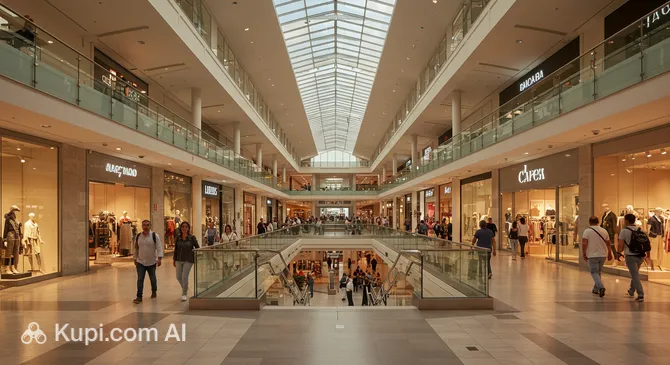
For those looking to indulge in some retail therapy, the MareMonti Shopping Center provides a comprehensive shopping experience. Located conveniently within the area, this modern complex features a wide variety of stores ranging from fashion and electronics to home goods. It serves as a bustling hub for both locals and tourists who wish to take a break from sightseeing and enjoy browsing through popular Italian and international brands.

MareMonti Shopping Center. Source: Kupi.Binoculars

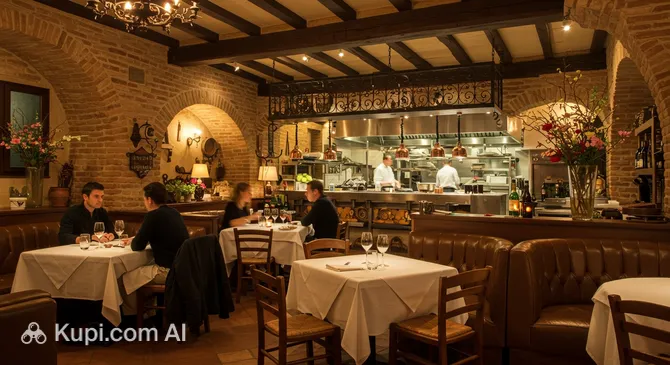
Massa is also a destination for food lovers, offering excellent opportunities to taste local Tuscan flavors. Establishments like Il Trillo Ristorante are well-regarded for their dedication to regional cuisine. Visiting such venues allows travelers to explore the culinary heritage of the Massa-Carrara province, where fresh ingredients from the sea and the mountains come together to create memorable dining experiences.

Il Trillo Ristorante. Source: Kupi.Binoculars

Local Cuisine

The local cuisine of Massa is a delicious reflection of its unique geography, where the rugged Apuan Alps meet the Tyrrhenian Sea. This "sea and mountain" character creates a gastronomic landscape that ranges from hearty, rustic dishes of peasant origin to fresh seafood caught just a few kilometers away. The food here is flavorful and genuine, relying heavily on fresh, seasonal ingredients and aromatic herbs that grow wild in the surrounding hills.

One of the absolute must-try dishes is Tordelli Massesi. Distinct from the more common tortelli found elsewhere in Tuscany, these fresh pasta pockets are filled with a rich mixture of ground meat (usually beef and pork), Swiss chard or spinach, Parmesan cheese, and a crucial local ingredient: a type of wild thyme known locally as poverino. They are traditionally served with a robust meat ragù and are the centerpiece of Sunday lunches and festive occasions.

Another staple of the local table is Torta d'erbi, a savory pie that showcases the region's agricultural roots. It is made with a thin pastry shell filled with a mix of wild herbs (the "erbi"), leeks, spinach, and cheese. For those seeking a taste of the mountains, the world-famous Lardo di Colonnata—cured pork fatback aged in marble basins—is produced in the nearby quarries and is often served in Massa as a delicate, melt-in-your-mouth appetizer on warm toast.

To accompany these rich flavors, locals turn to the wines of the Candia dei Colli Apuani DOC. Produced on the steep, terraced hillsides between Massa and Carrara, these wines are predominantly white and based on the Vermentino grape. They are known for their fresh, mineral quality and citrus notes, which pair perfectly with both the savory pies and the local seafood dishes.

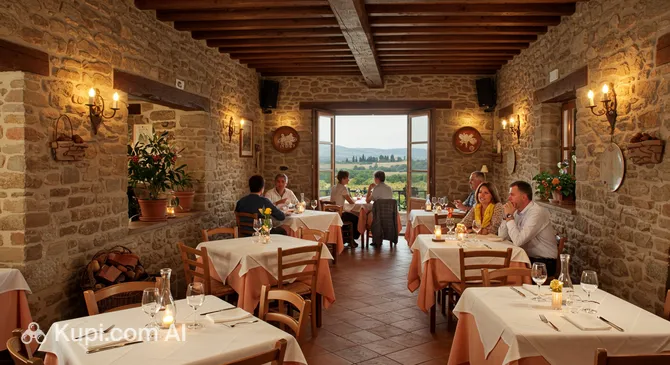
The dining scene in Massa offers a variety of options, from traditional trattorias to modern establishments. For those who appreciate high-quality meat dishes, La Congiura Steakhouse is a popular choice. This restaurant is well-regarded for its selection of cuts and its ability to bring out the best flavors of the grill, fitting perfectly with the inland culinary tradition of the province.

La Congiura Steakhouse. Source: Kupi.Binoculars

Visitors looking to explore authentic regional recipes in a welcoming atmosphere often visit Il Trillo Ristorante. Places like this are custodians of local heritage, serving dishes that have been passed down through generations, ensuring that the distinct taste of Massa—with its blend of thyme, meat, and sea air—remains vibrant for every traveler to enjoy.

Travel Tips

Visiting Massa offers a delightful mix of mountain hiking and coastal relaxation, but a little preparation goes a long way in ensuring a smooth trip. To help you navigate the city and local customs with ease, here are some practical tips for your stay.

  1. Clothing and Gear: Since Massa sits between the sea and the mountains, the weather can change quickly. Pack layers, especially if you plan to visit the Apuan Alps. Comfortable walking shoes are essential, particularly for the steep climb up to the Malaspina Castle. If you intend to visit the Cathedral or other religious sites, remember to dress modestly, covering your shoulders and knees.

  2. Transportation: The city center is compact and walkable, but to reach the seaside district of Marina di Massa, you will need to use the local bus network (Autolinee Toscane) or a car. While public transport is reliable, renting a car is highly recommended if you wish to explore the marble quarries or the scenic mountain roads of the Garfagnana region at your own pace.

  3. Finances: The currency is the Euro (€). Credit and debit cards are widely accepted in hotels, restaurants, and larger shops. However, it is wise to carry some cash for small purchases at cafés, gelaterias, or local markets. Tipping is not mandatory in Italy as a service charge (coperto) is often added to the bill, but leaving a small amount or rounding up is a kind gesture.

  4. Health and Safety: Massa is generally a safe city for tourists. The universal emergency number is 112. Pharmacies are marked with a green cross; look for a "Farmacia di turno" sign if you need assistance outside of standard business hours. As with any travel destination, keep an eye on your belongings in crowded areas, especially during the peak summer season at the beach.

  5. Communication: The official language is Italian. While English is commonly spoken in hotels and restaurants in the tourist-heavy Marina area, it may be less prevalent in the historic center or the surrounding hill villages. Learning a few basic phrases like "Buongiorno" (Good morning) and "Grazie" (Thank you) will be greatly appreciated by the locals.

  6. Local Etiquette: Politeness is highly valued here. It is customary to greet shopkeepers or bar staff when entering and leaving an establishment. If you visit a grocery store or an open-air market, never touch fresh produce with your bare hands; always use the disposable plastic gloves provided or ask the vendor to serve you.

  7. What to Avoid: Do not expect shops to be open all day. Many smaller businesses in Massa close for a lunch break (riposo), typically between 1:00 PM and 3:30 PM or 4:00 PM. Plan your shopping or administrative tasks for the morning or late afternoon to avoid disappointment.

  8. Dining Tip: Be aware of the distinction between "Massa" (the historic town on the hill) and "Marina di Massa" (the beach area). In summer, the nightlife and dining scene shift heavily towards the Marina, while the historic center offers a quieter, more traditional atmosphere. Choose your dinner location based on the vibe you prefer for the evening.

By keeping these simple tips in mind, you will be well-equipped to enjoy everything Massa has to offer, from its marble-paved streets to its sun-drenched beaches. Have a wonderful and stress-free journey!

Entertainment & Nightlife

The nightlife in Massa is characterized by a distinct duality that shifts depending on the season and the location. The city offers two main hubs for evening entertainment: the historic city center, known for its relaxed and sophisticated atmosphere, and the coastal area of Marina di Massa, which transforms into a vibrant party destination during the summer months. Whether you are looking for a quiet glass of wine in a medieval square or a DJ set by the sea, Massa has options to suit various moods.

In the historic center, the evening typically begins with the ritual of the aperitivo. The area around Piazza Mercurio and Piazza degli Aranci comes alive as locals gather at outdoor tables to enjoy spritzes and local wines. This part of town is perfect for those who appreciate a chatty, laid-back vibe. The dress code here is generally smart-casual, and the crowd is a mix of students, young professionals, and families enjoying the cool evening air.

For a memorable night out, food is the natural starting point. You might choose to begin your evening with a substantial meal at La Congiura Steakhouse, where the hearty meat dishes provide excellent fuel for the night ahead. Alternatively, for a more traditional Tuscan dining experience before hitting the bars, Il Trillo Ristorante offers a cozy setting to savor local flavors. After dinner, the narrow streets around the center offer plenty of small pubs and wine bars that stay open late, particularly on weekends.

During the summer, the center of gravity shifts towards the coast. Marina di Massa is the beating heart of the area's nightlife, with the waterfront promenade (Lungomare) lined with beach clubs that convert into open-air discos and lounge bars after sunset. The area near the Pontile (pier) is particularly bustling. Here, you can find venues hosting live music, DJ sets, and themed parties that last until the early hours of the morning. The atmosphere is energetic and festive, attracting tourists from all over the Versilia coast.

When it comes to logistics, timing is key. Italians dine late, so restaurants are busiest around 9:00 PM, while bars and clubs start to fill up after 11:00 PM. Prices are generally reasonable compared to the more exclusive neighbors like Forte dei Marmi; expect to pay average prices for cocktails and cover charges. While the city is safe for night walks, especially in the well-lit center and promenade, it is advisable to use a taxi if you plan to move between the upper town (Massa Centro) and the Marina late at night, as public transport options decrease significantly after midnight.

Beyond nightlife, Massa offers engaging daytime entertainment as well. Culture enthusiasts should check the schedule for the Teatro Guglielmi, a beautiful historic theater that hosts plays, concerts, and ballets. For those who prefer a more modern leisure experience or need a break from the sun, the MareMonti Shopping Center provides a space for shopping, casual dining, and often hosts small events or exhibitions, making it a convenient stop for families and shoppers alike.

Parks & Museums

Massa is a city where nature and culture intertwine seamlessly, offering visitors a diverse range of experiences from alpine explorations to deep dives into local history. The city is not only a gateway to the mountains and the sea but also a custodian of artistic treasures and historical narratives preserved within its museums and green spaces.

For nature enthusiasts, the Regional Natural Park of the Apuan Alps is the undisputed highlight. This vast protected area serves as a spectacular backdrop to the city and offers countless trails for hiking and trekking. It is a landscape defined by rugged marble peaks, deep caves, and unique flora. Within this park, located at an altitude of about 900 meters in Pian della Fioba, you will find the Botanical Garden of the Apuan Alps "Pellegrini-Ansaldi". This garden is a sanctuary for alpine plant species, many of which are endemic to the region, offering a peaceful retreat and educational experience for botany lovers.

Closer to the coast, the green spaces transition into the manicured elegance of the seaside. The pinewoods (pinete) near Marina di Massa provide cool, shaded areas perfect for picnics and leisurely walks away from the sun-drenched beaches. These coastal parks are integral to the local lifestyle, offering a refreshing break during the hot summer months.

When it comes to museums, the city preserves its heritage with pride. The Diocesan Museum of Sacred Art, housed in the historic "Palazzino dei Cadetti," displays a valuable collection of religious artworks, including paintings, sculptures, and liturgical vestments that narrate the religious history of the area. Another significant cultural venue is the Malaspina Castle of Massa. Beyond its architectural grandeur, the castle often hosts art exhibitions and cultural events within its ancient walls, allowing visitors to explore the frescoed rooms and the history of the Cybo-Malaspina dynasty.

A truly unique historical site that functions as a museum experience is the Rifugio Antiaereo della Martana. This large air-raid shelter, carved into the rock under the city center during World War II, has been restored and opened to the public. Walking through its cold, damp tunnels offers a poignant and immersive glimpse into the civilian life of Massa during the war, accompanied by photographs and video installations.

In terms of architecture, the city center is dominated by the majestic Ducal Palace (Palazzo Ducale), a stunning red building on Piazza degli Aranci that is a masterpiece of Renaissance and Baroque design. Nearby, the Cathedral of Saints Peter and Francis stands as the city's main religious landmark, featuring a beautiful marble façade and an interior rich with artworks, including a crypt that houses the tombs of the local dukes.

For an authentic insider experience, try to visit the Botanical Garden in late spring when the alpine blooms are at their peak. It offers not only a riot of colors but also sweeping views of the Versilia coast that are less known to the average tourist, providing a perfect photo opportunity where the mountains truly meet the sea.

Getting Around

Navigating Massa is relatively simple and stress-free, thanks to its compact size and efficient connection between the historic center and the coastal district. The public transport system relies almost exclusively on a network of buses operated by Autolinee Toscane. There is no metro, tram, or trolleybus system in the city. The bus service is the lifeline for locals and tourists alike, frequently shuttling passengers between the Massa Centro railway station, the historic upper town, and the seaside resort area of Marina di Massa.

For most visitors, the most useful routes are the urban lines that connect the train station with the city center and the beaches. During the summer season, these services are often reinforced to accommodate the influx of beachgoers. Buses are generally modern and comfortable, running from early morning until late evening, though frequencies drop significantly after dinner hours and on Sundays.

The payment system is integrated with the regional transport network of Tuscany. To travel, you will need a standard urban ticket (biglietto urbano), which typically costs around €1.70 if purchased in advance. Travelers planning to stay longer might consider buying a carnet of 10 tickets for a discounted rate. A convenient option for tech-savvy tourists is the "at bus" app (Autolinee Toscane), which allows you to plan routes and purchase digital tickets directly on your smartphone, avoiding the hassle of finding a physical vendor.

If you prefer physical tickets, you can purchase them at authorized retailers displaying the "Autolinee Toscane" logo or the standard "T" sign for Tabacchi (tobacconists) and newsstands. You can also buy tickets at the ticket office near the railway station. It is possible to buy tickets on board from the driver, but this usually incurs a surcharge and requires exact change. Crucially, you must validate your paper ticket immediately upon boarding using the yellow or green machines inside the bus; failure to do so can result in a hefty fine.

While public transport is efficient for the main routes, taxis are a reliable alternative for late-night travel or reaching specific destinations in the hills. Taxis in Massa do not typically cruise the streets for passengers; you must find them at designated ranks (such as outside the train station or near Piazza Garibaldi) or call Radio Taxi Massa to book a ride. Be aware that taxi fares are metered, and rates increase for night rides and on holidays.

Given the flat terrain of the coastal area, bicycles are an extremely popular mode of transport, especially in Marina di Massa. The seafront promenade features a long cycle path that connects Massa to neighboring coastal towns like Forte dei Marmi. Numerous rental shops in the Marina area offer city bikes, mountain bikes, and e-bikes by the hour or day, offering a leisurely way to explore the coastline without waiting for a bus.

Finally, if you are driving a rental car, be very cautious of the ZTL (Zona a Traffico Limitato) in the historic city center. These limited traffic zones are active at specific times and are monitored by cameras; entering without a permit will lead to an automatic fine. It is generally best to park in one of the public lots outside the ancient walls and explore the heart of the town on foot.

Accommodation

Finding the perfect place to stay in Massa largely depends on the type of holiday you envision, as the city offers two distinct accommodation experiences: the historic charm of the city center and the seaside allure of the coast. The range of options is broad, encompassing everything from budget-friendly hostels and family-run bed and breakfasts to mid-range hotels and well-appointed vacation rentals. While the city does not typically host ultra-luxury mega-resorts, it provides a variety of comfortable and welcoming facilities suitable for families, couples, and solo travelers.

The most popular area for summer tourists is undoubtedly Marina di Massa. Located along the coast, this district is packed with hotels, many of which are situated within walking distance of the beach and the pine forests. Staying here offers easy access to the sea, the vibrant promenade, and the summer nightlife. In contrast, travelers interested in history, culture, and a quieter atmosphere often prefer the historic center (Massa Centro). Here, accommodation is often found in renovated historic buildings or charming guest houses, placing you close to landmarks like the Malaspina Castle and the Ducal Palace, though you will need transport to reach the beach.

For those who prefer a closer connection to nature or are traveling on a budget, the coastal area and the immediate hinterland offer several well-equipped campsites and holiday villages. These are particularly popular with families and often provide bungalows and tent pitches under the shade of pine trees. Additionally, the rental market is robust, with many apartments and villas available for weekly stays, offering a "home away from home" experience that is ideal for longer vacations.

Price Range and Booking: Prices in Massa fluctuate significantly with the seasons. During the low season (late autumn and winter), rates are generally affordable and fall into the budget to mid-range category. However, prices peak during July and August, particularly in the Marina area. Booking is typically done through major online travel platforms, though many smaller, family-owned establishments appreciate direct contact via email or phone, which can sometimes secure a better rate or a more personalized service.

Booking Tip: If you plan to visit during the summer, especially in August around the national holiday of Ferragosto, it is essential to book your accommodation several months in advance. The best seaside hotels and apartments fill up quickly, and last-minute options can be both scarce and expensive. For a more relaxed experience with better availability, consider visiting in June or September.

Nearby Cities

For those looking to explore the surroundings, Massa serves as an excellent base for day trips to several interesting nearby locations:

Just a short distance away lies Carrara, world-renowned for its white marble quarries which have supplied artists like Michelangelo. A visit here offers a unique opportunity to see the majestic mountains up close and explore a city center rich in artistic heritage, including a cathedral built entirely of local stone. It is practically a twin city to Massa, making it the easiest and most immediate excursion.

Further south, the historic city of Pisa is a must-see destination for anyone in the region. Famous globally for its iconic Leaning Tower in the Piazza dei Miracoli, Pisa offers much more than just a photo opportunity; it is a lively university town with beautiful riverside promenades and medieval architecture. It is easily accessible by train or car and makes for a perfect cultural day out.

Another gem within easy reach is Lucca, often called the "City of 100 Churches." It is celebrated for its perfectly preserved Renaissance walls, which have been transformed into a pedestrian promenade encircling the old town. Visitors can cycle atop the walls, explore the oval-shaped Piazza dell'Anfiteatro, and enjoy a relaxed atmosphere that feels distinct from other Tuscan cities.

City Population Distance (km)
La Spezia9331126
Pisa9011841
Lucca8924337
Carrara625376
Viareggio6207921

These nearby destinations offer a glimpse into the diverse culture and landscapes of the region.

Shopping & Souvenirs

Shopping in Massa offers a delightful variety that mirrors the city's dual character, blending the traditional elegance of the historic center with the relaxed, vacation-style atmosphere of the coast. Visitors can find everything from high-end Italian fashion and artisan crafts to local gastronomic treasures. The city is particularly renowned for products made from the local white marble and for its rich culinary heritage, providing excellent opportunities to find unique gifts that reflect the spirit of the territory.

For those who enjoy strolling through city streets, the historic center of Massa provides a charming setting. The main commercial activity is concentrated around Piazza degli Aranci and the adjacent Via Dante Alighieri. Here, you will find a mix of historic boutiques, jewelry stores, and shoe shops nestled among ancient buildings. In contrast, the seaside district of Marina di Massa offers a different vibe, particularly along Viale Roma and the pedestrian areas near the pier. During the summer, these streets are bustling with tourists browsing through beachwear, souvenirs, and trendy clothing shops that often stay open late into the evening.

Travelers looking for a more concentrated and modern retail experience should head to the MareMonti Shopping Center. Located a short drive from the city center, this large complex is the primary destination for international brands, electronics, and household goods. It features a wide range of stores, a hypermarket, and several dining options, making it a convenient one-stop destination for families or anyone needing to purchase travel essentials in a climate-controlled environment.

Markets are an integral part of the local culture and a must-visit for an authentic shopping experience. The most famous is the weekly market in Marina di Massa, held every Friday morning. It is one of the largest in the area, drawing crowds with its stalls selling clothing, leather goods, and household items. In the upper town, the weekly market takes place on Tuesdays, focusing more on fresh produce, local cheeses, and flowers, offering a colorful glimpse into the daily lives of the residents.

When searching for the perfect souvenir, you cannot go wrong with items crafted from Carrara marble. Small statues, mortars, and decorative objects made from this pristine white stone are widely available and iconic to the region. Gastronomic souvenirs are also highly recommended; consider bringing back a piece of Lardo di Colonnata (cured pork fat), a bottle of local Candia dei Colli Apuani wine, or a jar of artisan honey from the Apuan Alps.

Store opening hours in Massa generally follow the traditional Italian schedule. Small shops typically open around 9:00 AM, close for a lunch break (riposo) between 1:00 PM and 4:00 PM, and reopen until 7:30 PM or 8:00 PM. However, the MareMonti Shopping Center and many stores in the tourist-heavy Marina area during summer often remain open throughout the day. Major credit and debit cards are widely accepted, but it is advisable to carry cash for small purchases at markets or independent cafés.

Non-EU residents visiting Massa may be eligible for a VAT (IVA) refund on purchases exceeding a certain amount at participating stores. Look for the "Tax Free" signage in shop windows and remember to ask for the necessary tax-refund forms at the checkout to present at the airport upon your departure from the European Union.
Reached the end of the page?

That means the route is fully explored