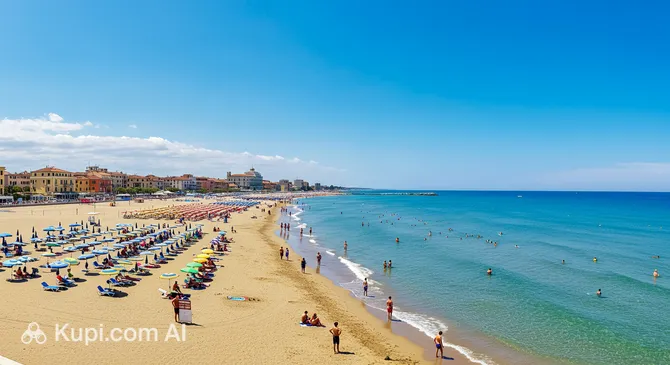
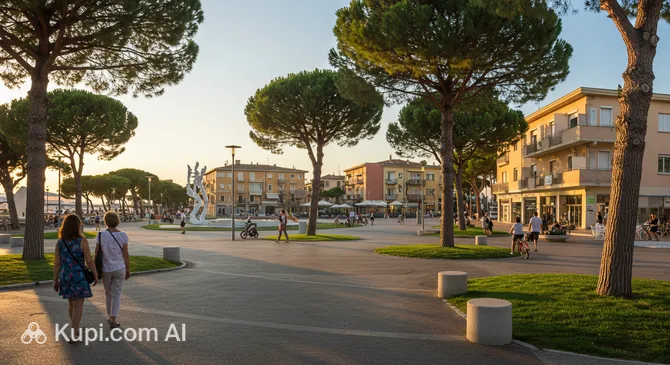
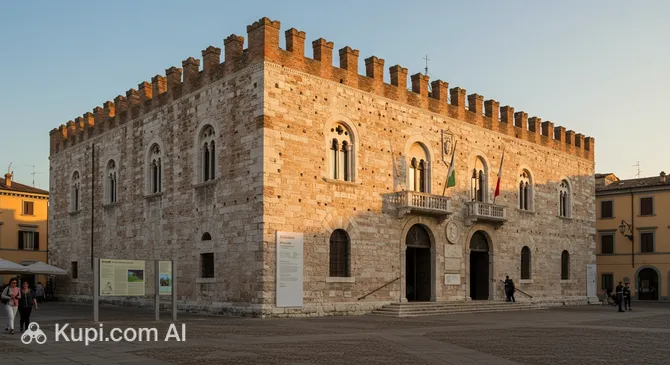
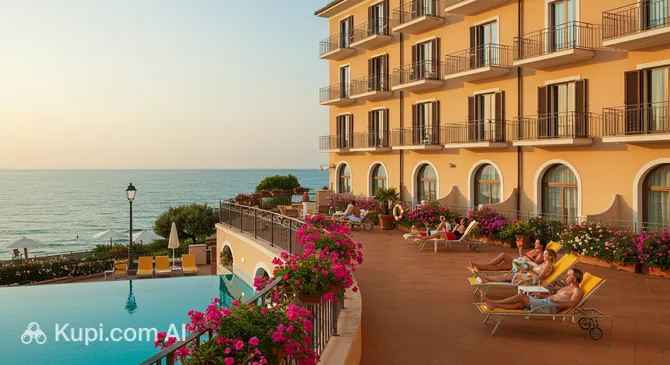
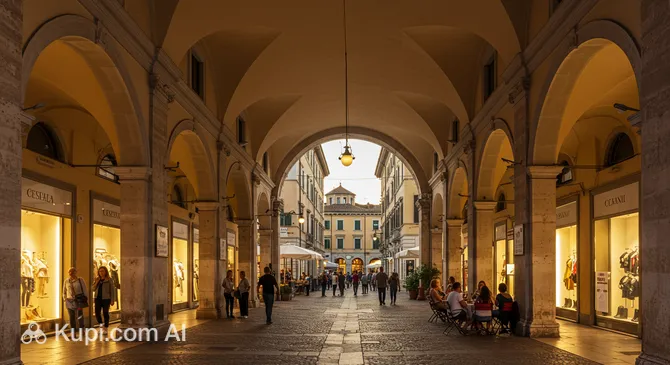
Rimini is widely recognized as one of the most famous seaside resorts in Europe, offering a vibrant mix of sun, sea, and culture. Located on the Adriatic coast of Italy, this lively city in the Emilia-Romagna region is a destination where ancient history meets modern entertainment. With a population of approximately 150,000 inhabitants, it maintains a bustling atmosphere year-round, though it truly comes alive during the warm summer months when travelers flock to its golden shores.
Rimini. Illustration.
Source: Kupi.com AI
While the city is celebrated for its 15 kilometers of sandy beaches and exciting nightlife, it also possesses a surprisingly rich heritage. Walking through the historic center, visitors can admire remarkably preserved Roman monuments, such as the majestic Arch of Augustus and the ancient Bridge of Tiberius. Those interested in the past will find that the history of Rimini offers a fascinating journey from its days as a strategic Roman colony to its rise as a premier holiday capital. The city is also the birthplace of the legendary film director Federico Fellini, whose artistic legacy is celebrated in the local museum and throughout the streets.
Whether you are seeking a relaxing family vacation, an energetic party scene, or a cultural escape, Rimini has something unique to offer. Its welcoming atmosphere, combined with excellent local cuisine and diverse attractions, makes it a must-visit stop on any Italian itinerary.
Weather Overview
Rimini experiences a distinct seasonal climate that transforms the city from a bustling beach hub in summer to a quieter, cooler retreat in winter. The summer months of June through August are naturally the warmest, with average temperatures rising from 23.1°C to 25.5°C and maximums frequently approaching 30°C. These months are also the driest in terms of frequency, with only about 6 to 7 wet days, making them perfect for enjoying the Adriatic coast.
As the seasons change, the weather cools down significantly. By January, the average temperature drops to around 6.5°C, with nighttime lows dipping to 3.4°C. The transitional months like May and November tend to be wetter, recording up to 11 rainy days. To help plan your trip around these patterns, you can view the full report on the weather in Rimini. Overall, travelers can expect warm, sunny summers and cool winters with frequent chances of rain.
Average monthly temperature
Average monthly precipitation
Interesting Facts
Beyond its reputation as a sun-soaked holiday capital, Rimini holds many fascinating secrets and historical curiosities that often escape the average visitor's notice. From ancient Roman legends to quirky modern history, the city offers a treasure trove of stories waiting to be discovered.
A pivotal moment in history: It is said that in the heart of the city, at what is now Piazza Tre Martiri, Julius Caesar addressed his 13th Legion after famously crossing the Rubicon River. This event marked the beginning of the Roman Civil War, making the city the backdrop for the legendary phrase "The die is cast."
A medical marvel from antiquity: The city is home to the Surgeon's House (Domus del Chirurgo), an archaeological site that yielded one of the most complete sets of Roman surgical instruments ever found. This "little Pompeii" revealed over 150 tools, offering a rare and detailed glimpse into ancient medical practices.
The incredible Rose Island: In 1968, an engineer built an artificial platform 11 kilometers off the coast of Rimini and declared it an independent micronation called the Republic of Rose Island. It had its own government, currency, and language before being seized and destroyed by Italian authorities, an event that remains a unique chapter in local lore.
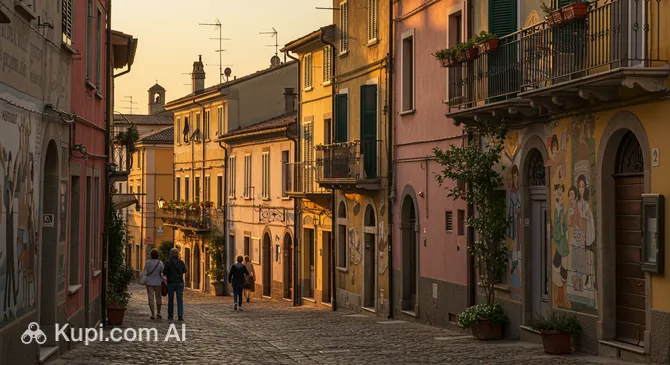
A cinematic tribute: The colorful old fisherman's district, Borgo San Giuliano, is a living canvas dedicated to the city's most famous son, Federico Fellini. The walls of the houses are adorned with vibrant murals depicting scenes and characters from his Oscar-winning films, creating an open-air gallery for cinema lovers.
Borgo San Giuliano. Illustration.
Source: Kupi.com AI
Traveler photos:
How to Get There
Reaching this vibrant Adriatic destination is quite convenient thanks to its well-developed transport network. Whether you prefer flying directly to the coast or arriving via a major transport hub nearby, there are several options to suit your travel plans. For a detailed breakdown of routes and tips, you can read more about how to get to Rimini.
The most direct way to arrive by air is via Miramare Airport (IATA: RMI), also known as Federico Fellini International Airport. Located in Rimini itself, it is just 5.2 km from the city center. A trip by taxi or bus from here is very quick, taking approximately 20 to 30 minutes. Although it handles a lower volume of traffic compared to major hubs, its proximity makes it the most comfortable choice for travelers.
Alternatively, many visitors choose to fly into Ancona Falconara Airport (IATA: AOI) in the city of Ancona, which is about 80.2 km from Rimini. It is a regional airport offering additional connections. The journey by road from Ancona to Rimini takes approximately 1 hour. Another significant option is Firenze-Peretola Airport (IATA: FLR) in Florence. Situated 113.1 km away, this international airport serves a large number of passengers. A transfer by taxi or car from Florence would take around 2 hours 15 minutes.
For clarity, here is a summary of the main airports:
Traveling by train is another popular method, allowing you to enjoy the scenic Italian landscapes. While direct intercity connections are available, you might arrive via major railway hubs in neighboring cities. A primary gateway is Bologna Centrale Station (IATA: IBT) in the city of Bologna, located about 110 km from Rimini. As one of Italy's busiest stations, it offers extensive connections. High-speed trains from Bologna can reach the coast in about 1 hour.
Another key hub is Firenze Santa Maria Novella Station (IATA: ZMS) in Florence, situated 110.8 km away. This station handles a very high volume of passengers and serves as a central point for travelers coming from Tuscany. The travel time by train from this station to Rimini typically ranges from 2 hours to 2 hours 30 minutes, often involving a change in Bologna.
Below is a list of relevant railway stations in the region:
Rimini is packed with diverse sights that go far beyond its famous beaches. From Renaissance masterpieces to family-friendly theme parks, the city offers attractions that cater to every type of traveler. Exploring these landmarks provides a deeper understanding of the region's rich culture and vibrant lifestyle.
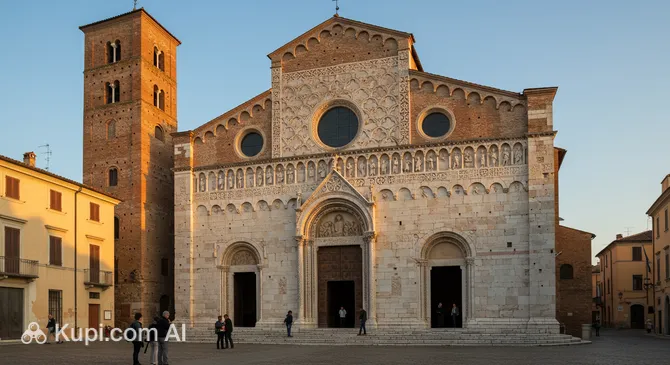
One of the most significant artistic treasures in the city is the Tempio Malatestiano. Commissioned in the 15th century by the Lord of Rimini, Sigismondo Pandolfo Malatesta, this cathedral is a jewel of the Italian Renaissance. Although the structure remains unfinished, its white marble façade, designed by the renowned architect Leon Battista Alberti, is truly striking. Inside, visitors can admire invaluable artworks, including a crucifix by Giotto and a fresco by Piero della Francesca, making it an essential stop for art lovers.
Tempio Malatestiano. Illustration.
Source: Kupi.com AI
Traveler photos:
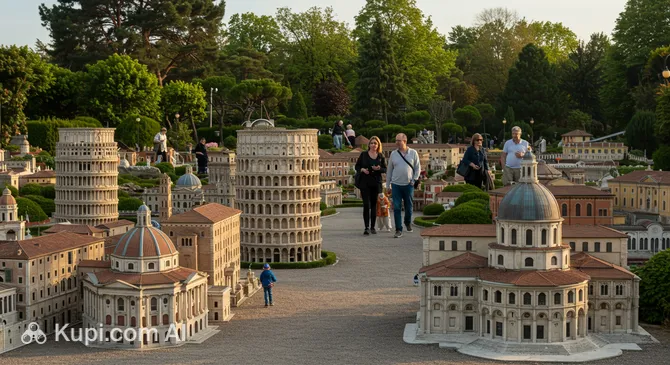
For a fun and educational experience, especially if you are traveling with children, Italia in Miniatura is a top destination. This unique theme park allows you to tour the entire country in just a single afternoon. It features over 270 detailed scale models of famous Italian and European landmarks, set amidst miniature landscapes. Walking among the tiny Colosseum and St. Peter's Basilica is a delightful way to see Italy's architectural wonders from a new perspective.
Italia in Miniatura. Illustration.
Source: Kupi.com AI
Traveler photos:
Dominating the historic center is the imposing Sismondo Castle. Built in the 1400s as both a fortress and a residence for the Malatesta family, it stands as a powerful symbol of the city's medieval past. Recently restored, the castle has been transformed into a dynamic cultural venue. It is now a key part of the Fellini Museum, hosting interactive exhibitions that blend the ancient stone architecture with the magical world of cinema.
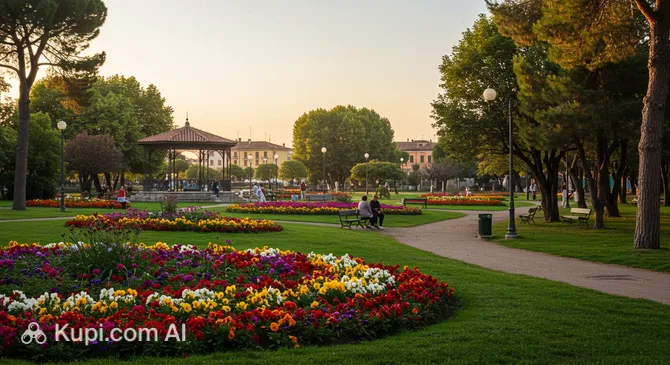
Located in the heart of the Marina Centro district, just steps from the sea, is Federico Fellini Park. This lush green space is perfect for a relaxing break from the beach. It is famous for the Fountain of the Four Horses and for facing the majestic Grand Hotel, a landmark immortalized in Fellini's film Amarcord. The park serves as a lively gathering spot, often hosting markets, concerts, and events during the summer months.
Federico Fellini Park. Illustration.
Source: Kupi.com AI
Traveler photos:
Local Cuisine
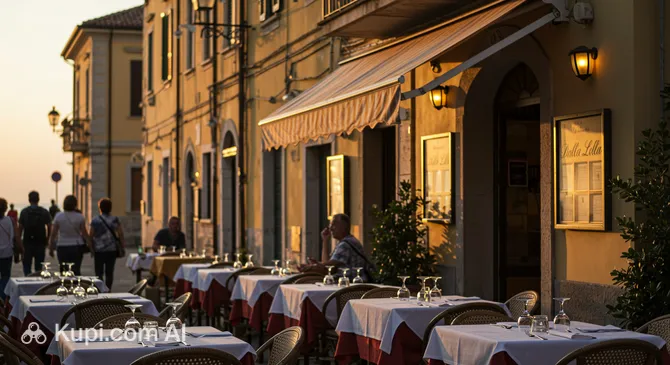
Rimini offers a culinary journey into the heart of the Romagna region, celebrated across Italy for its rich flavors and welcoming hospitality. The undisputed star of local street food is the Piadina Romagnola, a warm, unleavened flatbread that you can find at countless kiosks, known as "chioschi," throughout the city. Traditionally filled with soft Squacquerone cheese, arugula, and prosciutto crudo, it is a simple yet delicious meal that perfectly embodies the local spirit. For an authentic taste of this classic, many locals recommend visiting Dalla Lella Viale Rimembranze, a beloved spot known for its variety of artisanal doughs and high-quality fillings.
Dalla Lella Viale Rimembranze. Illustration.
Source: Kupi.com AI
Traveler photos:
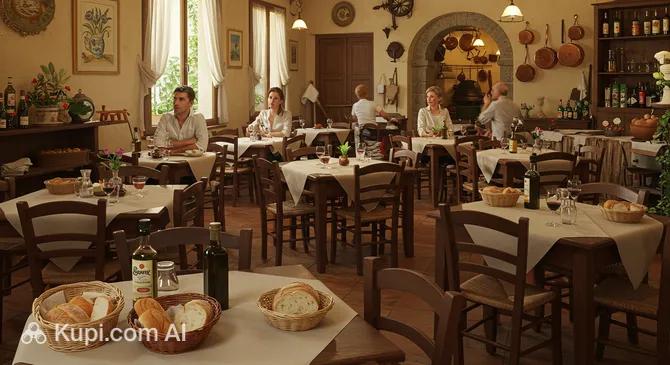
Beyond street food, the city's dining scene is anchored by fresh, handmade pasta, a tradition passed down through generations of "azdore" (the matriarchs of the kitchen). A Sunday lunch is hardly complete without Cappelletti, small hat-shaped pasta stuffed with cheese or meat and typically served in a rich broth. Another favorite is Tagliatelle al ragù, featuring long ribbons of egg pasta coated in a hearty meat sauce. If you are looking for a place that celebrates these deep-rooted traditions, La Sangiovesa is a renowned establishment where the rustic charm of the hinterland meets culinary excellence.
La Sangiovesa. Illustration.
Source: Kupi.com AI
Traveler photos:
Given its location on the Adriatic Sea, Rimini also excels in seafood delicacies. The "rustida," or mixed grilled fish, is a signature dish often enjoyed at restaurants along the harbor or directly on the beach. Be sure to try Sardoncini, grilled sardines breaded with herbs and often served on skewers. These dishes highlight the freshness of the daily catch and the simple, flavorful cooking style of the local fishermen.
To accompany your meal, the local wine of choice is undoubtedly Sangiovese di Romagna, a robust red that pairs perfectly with meat and pasta dishes. For white wine lovers, a chilled glass of Trebbiano or Rebola is ideal with seafood. The food culture here is incredibly social; whether you are grabbing a quick bite at a casual stand or enjoying a long dinner, the atmosphere is always lively. For those who enjoy a vibrant evening scene with drinks and casual food, places like Birrodromo Rimini offer a modern twist on the local gathering experience.
Travel Tips
To help you make the most of your visit to this vibrant Adriatic destination, we have compiled a list of essential travel advice. Whether you are here for the sandy beaches or the Roman history, these practical tips will ensure your stay in Rimini is smooth, safe, and enjoyable.
Clothing and Gear: Rimini enjoys a warm Mediterranean climate, so lightweight clothing and swimwear are essential for the summer. However, if you plan to visit religious sites like the Tempio Malatestiano, remember that a modest dress code applies; shoulders and knees should be covered. For walking through the historic center, bring comfortable shoes to navigate the cobblestones. Don't forget a standard European power adapter (Type C, F, or L) for your electronics.
Transportation: The city is very walkable, especially the historic center and the marina. For longer distances, the Metromare is a rapid coastal bus service that efficiently connects Rimini to the nearby town of Riccione. Locals love to cycle, and the city is extremely bike-friendly with flat terrain and dedicated paths; renting a bicycle is often the best way to get around. Taxis are available but can be expensive, and car rentals are generally unnecessary unless you plan to explore the inland hills.
Finances: The local currency is the Euro (€). While credit and debit cards are widely accepted at hotels, restaurants, and shops, it is wise to carry some cash for small purchases at beach kiosks (chioschi) or local markets. ATMs are easy to find throughout the city. Tipping is not mandatory in Italy, as a "coperto" (cover charge) is usually added to the bill, but rounding up or leaving a small amount for good service is appreciated.
Health and Safety: Rimini is generally a safe city for tourists, but standard precautions against pickpocketing should be taken in crowded areas like the weekly market or on packed buses. Pharmacies are identified by a green cross sign; they are well-stocked, and there is always one open on a rotation basis during nights and holidays. For emergencies, dial 112 for general assistance.
Communication: The official language is Italian, but English is widely spoken in the hospitality sector, including hotels, restaurants, and beach establishments. Learning a few basic phrases like Buongiorno (Good morning) and Grazie (Thank you) goes a long way with locals. Free public Wi-Fi is available in many parts of the city, particularly along the seafront and in major squares.
Local Etiquette: Italians greet friends with two kisses on the cheek, but a handshake is appropriate for strangers. When dining, remember that cappuccino is traditionally a breakfast drink; ordering one after a meal is considered unusual by locals, who prefer a simple espresso. Additionally, while the atmosphere is relaxed, it is polite to say hello when entering small shops.
What to Avoid: Do not walk around the city center or enter shops and restaurants in your swimwear or shirtless; this is considered disrespectful and can actually result in a fine. Also, strictly avoid purchasing counterfeit goods (bags, sunglasses, watches) from illegal street vendors on the beach or promenade, as Italian law imposes heavy fines on the buyer, not just the seller.
Additional Tip: Embrace the local "Aperitivo" culture. Between 6:00 PM and 8:00 PM, many bars offer a drink accompanied by a generous buffet of snacks for a fixed price. It is a beloved ritual in Rimini and a perfect way to relax after a day at the beach while mingling with the locals.
By keeping these simple guidelines in mind, you will be well-prepared to navigate the city like a local. We hope these tips help you relax and fully immerse yourself in the warm hospitality and endless charm that Rimini has to offer.
Entertainment & Nightlife
Rimini is legendary across Europe as a powerhouse of entertainment and nightlife. Known locally as the "movida," the city's after-dark scene is a vibrant mix of elegant beach bars, pulsating nightclubs, and lively street parties. During the summer season, the energy is palpable as the fun shifts from the sun-loungers to the dance floors, attracting top international DJs and party-goers from all over the world.
The nightlife geography is split into two main zones. The Marina Centro district and the lungomare (seafront promenade) are perfect for the early evening. Here, the atmosphere is sophisticated yet relaxed, with countless venues offering aperitifs and cocktails with a view of the Adriatic. For those seeking the intense clubbing experience the region is famous for, the action moves to the nearby hills and the neighboring area of Riccione, where some of Italy's most iconic discos are located.
A true institution of the Italian club scene is Cocoricò. Recognizable by its iconic glass pyramid structure, this venue is a temple for techno and house music lovers. It hosts massive events and offers a high-energy atmosphere that lasts until dawn. The crowd here is diverse and energetic, often dressing to impress for the occasion.
Cocoricò. Illustration.
Source: Kupi.com AI
Traveler photos:
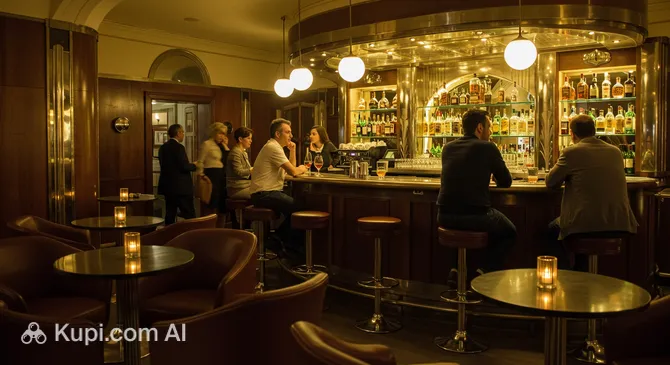
For those who prefer live music and a more casual, pub-like environment, the House of Rock is a fantastic alternative. It offers a gritty, authentic vibe with great burgers, beers, and tribute bands playing rock classics. It is a popular spot for locals and tourists alike who want to take a break from electronic beats. If you are looking for a stylish venue to start your night with excellent drinks, the Imperiale Bar provides a chic setting to enjoy the evening breeze before heading out to the bigger clubs.
Imperiale Bar. Illustration.
Source: Kupi.com AI
Traveler photos:
Practicality is key to enjoying the night safely. The region operates the "Blue Line" night bus service, which runs all night connecting the main train station, the beach areas, and the major discos on the hills. This is the safest and most convenient way to get around, avoiding the need for a designated driver. Taxis are also available but can be in high demand around closing time (3:00 AM to 5:00 AM). While the city is generally safe at night, it is always wise to stay in well-lit areas and stick with your group, especially when walking back to your hotel.
Beyond the nightlife, the area is known as the "Riviera of Parks," offering incredible daytime entertainment. Just a short trip away, you can visit Aquafan, one of Europe's most famous water parks. It is not only a place for adrenaline-pumping slides during the day but often hosts foam parties and DJ sets, bridging the gap between daytime fun and nightlife excitement.
Parks & Museums
While Rimini is synonymous with golden beaches, the city also boasts a surprising array of green spaces and cultural institutions that offer a refreshing counterpoint to the seaside bustle. For travelers looking to explore beyond the coastline, the city's parks and museums provide a fascinating glimpse into its artistic heritage, Roman roots, and natural beauty.
For those interested in the region's deep historical layers, the Rimini City Museum (Museo della Città) is an essential stop. Housed in a former Jesuit monastery, this extensive complex chronicles the area's evolution from prehistoric times to the present day. Its highlight is the archaeological section, which displays magnificent mosaics and artifacts recovered from the nearby Surgeon's House, alongside an impressive art gallery featuring works from the 14th to the 19th century.
Rimini City Museum. Illustration.
Source: Kupi.com AI
Traveler photos:
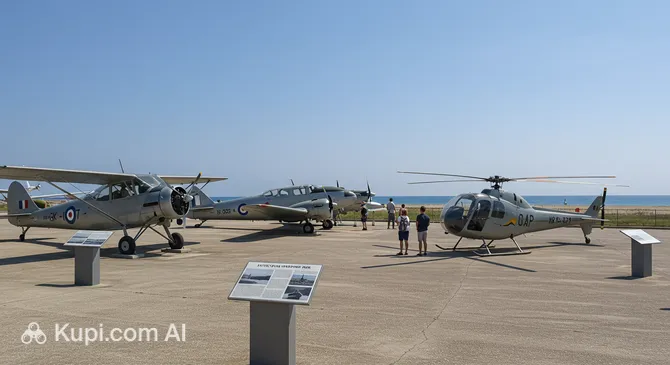
A completely different kind of exhibition awaits at the Aviation Theme Park. Located on the hills just outside the city center, this is one of the largest facilities of its kind in Italy. Spanning over 100,000 square meters of greenery, it showcases a vast collection of aircraft, uniforms, and medals. It is a perfect destination for families and aviation enthusiasts, offering a chance to see historic planes up close in a scenic outdoor setting.
Aviation Theme Park. Illustration.
Source: Kupi.com AI
Traveler photos:
When you need a break from the urban environment, Gelso Park offers a peaceful retreat. Situated in the nearby area of Bellaria-Igea Marina, this sprawling green lung features a large lake, themed gardens, and extensive walking paths. It is an ideal spot for a picnic, a morning jog, or simply observing the local flora and fauna away from the crowded beaches.
Gelso Park. Illustration.
Source: Kupi.com AI
Traveler photos:
Another unique site that blends nature with culture is Villa Torlonia - Pascoli Poetry Park. This historical estate was once managed by the father of the famous Italian poet Giovanni Pascoli. Today, it serves as a cultural venue where visitors can explore the grounds and learn about the literary history of the Romagna region, surrounded by the tranquil countryside.
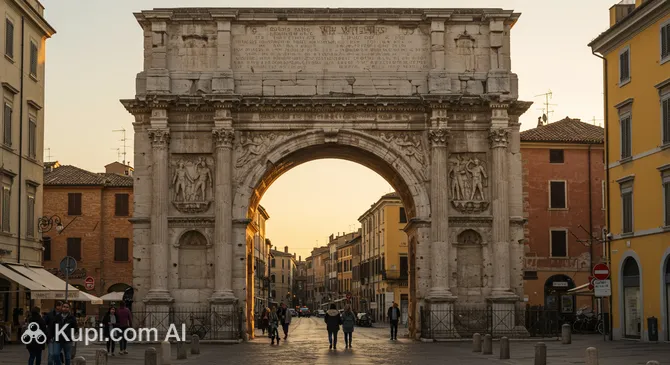
No tour of the city's landmarks is complete without admiring the Arch of Augustus. Erected in 27 BC, it holds the distinction of being the oldest surviving Roman arch in existence. Standing majestically at the end of the Flaminian Way, it symbolizes the ancient power of Rome and serves as the monumental gateway to the historic city center.
Arch of Augustus. Illustration.
Source: Kupi.com AI
Traveler photos:
For a truly local experience, motorsport fans should make a pilgrimage to Coriano to visit The History of Sic. This museum is a touching tribute to the beloved motorcycle racer Marco Simoncelli. It houses his bikes, helmets, and personal items, offering an emotional and inspiring journey through the life of a local sporting hero.
Getting Around
Rimini offers a well-organized and efficient public transport system that makes navigating the city and its coastal surroundings quite simple. The network is primarily managed by Start Romagna, operating a comprehensive fleet of buses that cover the historic center, the seafront, and the suburban areas. A standout feature of the local transit is the Metromare, a rapid coastal trolleybus service that runs on a dedicated lane. This eco-friendly connection links the main railway station to the nearby town of Riccione in about 20 minutes, bypassing summer traffic completely and offering frequent departures.
For most travelers, the standard bus network is the go-to option. Lines operate from early morning, typically around 5:30 AM, until late in the evening. During the peak summer season, the service is enhanced with the Blue Line, a special night bus dedicated to transporting visitors between the main beach areas and the popular discos in the hills. This service runs throughout the night, ensuring a safe return for party-goers.
Tickets must be purchased before boarding. You can buy them at authorized ticket offices, automatic vending machines, or at any shop displaying a "T" sign, such as tobacco shops (Tabaccherie) and newsstands. A standard single ticket is valid for a specific duration (usually 60 to 75 minutes) across the network. For tourists planning to travel frequently, a Day Ticket (valid for 24 hours) or a multi-day Romagna SmartPass can offer significant savings and greater flexibility.
Technology has made getting around even easier, with several mobile apps available for purchasing digital tickets. Apps like DropTicket, Roger, and MooneyGo allow you to buy fares directly from your smartphone, eliminating the need to hunt for a shop. If you choose paper tickets, it is absolutely critical to validate them immediately upon entering the bus using the yellow or green machines on board. Failure to validate can result in hefty fines, even if you are holding a ticket.
Given the city's flat terrain, bicycles are an extremely popular alternative to motorized transport. Rimini is one of the most bike-friendly cities in the region, boasting an extensive network of cycle paths that connect the seafront to the historic center and green parks. Many hotels offer free bike rentals to their guests, and various sharing services for e-bikes and electric scooters are scattered throughout the city, making it easy to grab a ride for a short trip.
Taxis are available but function differently than in many other cities; you generally cannot hail them on the street. Instead, you must locate a designated taxi rank, typically found near the railway station and major squares, or book one via phone or app. While more expensive than public transit, they are a comfortable option for luggage-heavy transfers or late-night travel when other services might be less frequent.
Accommodation
Finding the perfect place to stay in Rimini is rarely a challenge, as the city is renowned for its immense hospitality sector. With over a thousand accommodation facilities, the options range from simple, family-run "pensiones" that offer a warm, authentic Italian welcome to opulent luxury resorts equipped with every modern amenity. Whether you are a backpacker looking for a budget-friendly hostel, a family seeking an all-inclusive deal, or a couple desiring a romantic suite with a sea view, the city caters to every travel style and budget.
The choice of location largely depends on the type of holiday you envision. The most popular area is undoubtedly Marina Centro, the beating heart of Rimini's tourism. Staying here places you within walking distance of the main beaches, the most vibrant shopping streets, and the famous Viale Vespucci. For those who prefer a quieter atmosphere steeped in culture, the Historic Center offers charming boutique hotels surrounded by Roman monuments and Renaissance squares. Alternatively, southern districts like Rivazzurra and Marebello are favorites for families, often providing excellent value for money and a relaxed beachside vibe.
For travelers seeking a blend of comfort and wellness, the city offers several high-quality establishments. A notable example is the Le Rose Suite Hotel, which provides spacious accommodations and spa facilities, making it an ideal choice for relaxation. Another excellent option is the Mediterraneo Club Benessere Hotel, located in a prime position and known for its focus on guest well-being and extensive services.
Le Rose Suite Hotel. Illustration.
Source: Kupi.com AI
Traveler photos:
Booking Tips: Rimini is an extremely popular summer destination, particularly in July and August. During the peak holiday period around "Ferragosto" (mid-August), the city is often fully booked. It is highly recommended to check availability and secure your reservation several months in advance to get the best rates and locations. Conversely, visiting in the shoulder seasons of May or September can offer a more tranquil experience with significantly lower prices.
Price Range and Booking: The cost of accommodation varies significantly by season. Budget travelers can find rooms for as little as €40-€60 per night in the off-season or in simpler guesthouses, while mid-range hotels typically charge between €80 and €150. Luxury stays and suites can exceed €250 per night during the summer. Most properties can be booked easily via major online platforms, though contacting smaller, family-owned hotels directly can sometimes result in better personalized offers or package deals.
Nearby Cities
For those looking to explore the surroundings, Rimini serves as an excellent base for day trips to several interesting nearby locations:
City
Population
Distance
Riccione
35 003
10 km
Santarcangelo di Romagna
22 171
10 km
Coriano
10 522
11 km
Serravalle
10 878
12 km
Misano Adriatico
13 400
13 km
Just a short distance south along the coast lies Riccione, often referred to as the "Green Pearl of the Adriatic." Famous for its elegant atmosphere, it is a premier destination for shopping and nightlife. A stroll down Viale Ceccarini reveals trendy boutiques and chic cafes, making it a perfect spot for those seeking a stylish afternoon or a vibrant evening out.
Heading inland, the city of Cesena offers a rich dive into history and culture. It is home to the stunning Malatestiana Library, a UNESCO Memory of the World site and the first civic library in Europe. Visitors can also explore the imposing Rocca Malatestiana fortress, which provides panoramic views of the town and surrounding hills, offering a delightful contrast to the coastal scene.
Another fascinating option is Pesaro, located just across the regional border in the Marche region. Known as the "City of Music" and the birthplace of the composer Gioachino Rossini, it boasts a refined historic center and a beautiful seafront. The city combines cultural heritage with relaxing beaches, making it an ideal location for travelers who appreciate both art and the sea.
These nearby destinations offer a glimpse into the diverse culture and landscapes of the region.
Shopping & Souvenirs
Shopping in Rimini is a delightful experience that ranges from browsing high-end boutiques in the historic center to exploring bustling modern malls and traditional markets. The city offers a diverse retail landscape where fashion lovers, souvenir hunters, and foodies can all find something special. Whether you are looking for the latest Italian trends, local handicrafts, or gastronomic treats, the city provides ample opportunities to indulge in some retail therapy.
The heart of the shopping scene is undoubtedly the Historic Center. The main thoroughfare, Corso d'Augusto, along with Via Garibaldi and Piazza Tre Martiri, is lined with elegant shop windows displaying clothing, accessories, and jewelry. Here, you can find both prestigious international brands and historic local shops. For a more tourist-oriented experience near the sea, Viale Vespucci in the Marina Centro district is the place to be. It is packed with souvenir shops, clothing stores, and boutiques that stay open late during the summer, allowing for a pleasant evening stroll after a day at the beach.
If you prefer a comprehensive shopping experience under one roof, the city boasts excellent large-scale facilities. The most prominent is Le Befane Shopping Centre, the largest mall in the city. With over 130 stores, a hypermarket, and a cinema, it is a favorite destination for locals and tourists alike, offering everything from electronics to fashion. Another option in the wider area is the Perlaverde Shopping Center, which provides a variety of shops and services for a convenient shopping trip.
Le Befane Shopping Centre. Illustration.
Source: Kupi.com AI
Traveler photos:
For those seeking luxury and exclusivity, a short trip to the neighboring town of Riccione is highly recommended to visit Viale Ceccarini. Known as the "Montenapoleone of the Adriatic," this famous street is a hub for high-fashion designers and trendsetting boutiques, attracting style-conscious visitors from all over the region.
Viale Ceccarini. Illustration.
Source: Kupi.com AI
Traveler photos:
Markets play a vital role in local daily life and offer a vibrant atmosphere. The massive weekly market takes place every Wednesday and Saturday morning in Piazza Malatesta and Piazza Cavour. It is the perfect place to hunt for bargains on clothes, shoes, and leather goods. For food lovers, the Mercato Coperto (Covered Market) on Via Castelfidardo is a sensory delight, filled with stalls selling fresh fish, local cheeses, and seasonal produce. During the summer, evening street markets appear along the lungomare, selling crafts, antiques, and curiosities.
When it comes to souvenirs, the region is famous for its rust-printed fabrics (tele a ruggine). These hand-printed tablecloths and tea towels feature traditional rural designs and make for beautiful, authentic gifts. Ceramics from the nearby town of Faenza are also popular. Culinary souvenirs are a must; consider bringing home a bottle of Sangiovese wine, extra virgin olive oil from the local hills, or a package of artisanal pasta.
Opening hours generally follow the traditional Italian schedule. Small shops in the city center typically open from 9:00 AM to 1:00 PM and reopen from 4:00 PM to 8:00 PM, though many stay open later in the summer. Shopping malls like Le Befane are open all day, usually from 9:00 AM to 9:00 PM. Payment methods are flexible; major credit and debit cards are widely accepted, but it is advisable to carry cash for small purchases at markets or beach kiosks.
For visitors residing outside the European Union, Tax-Free shopping is available at participating stores for purchases exceeding a certain amount. Look for the "Tax Free" sign in shop windows and ask for the refund form at the checkout to claim your VAT back at the airport upon departure.