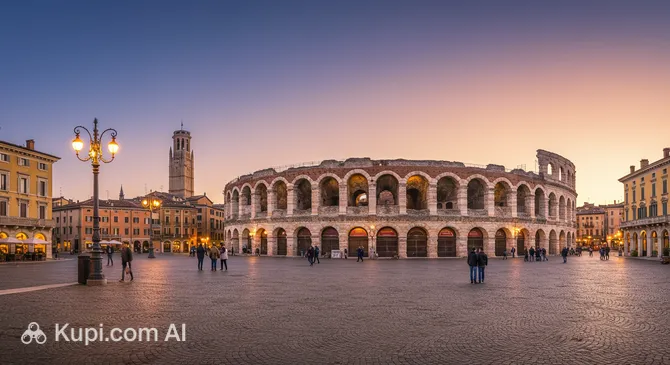
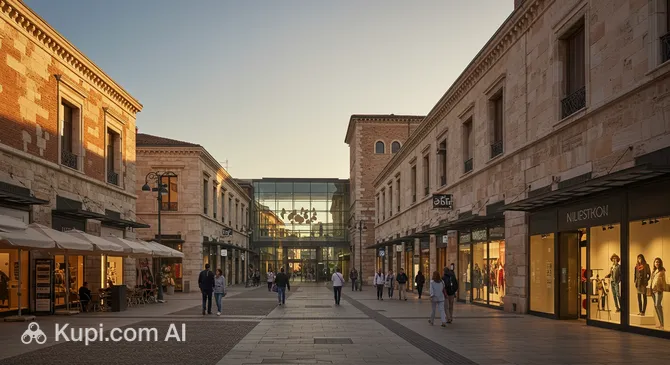
Verona is one of the most romantic and historically significant cities in Italy. Famous worldwide as the setting for Shakespeare’s Romeo and Juliet, this charming destination in the Veneto region offers much more than just literary fame. With its winding streets, elegant piazzas, and a vibrant atmosphere, Verona effortlessly blends its ancient past with a lively modern culture.
Verona. Illustration.
Source: Kupi.com AI
Located along the banks of the Adige River and just a short distance from the stunning Lake Garda, the city is home to a population of approximately 257,000 people. The history of Verona is deeply etched into its urban fabric, earning it a designation as a UNESCO World Heritage Site. From its origins as a major Roman settlement to its medieval prominence, the city has preserved a remarkable array of monuments and artistic treasures.
Visitors are often drawn to the magnificent Arena di Verona, a remarkably well-preserved Roman amphitheater that still hosts world-class opera performances today. Another highlight is the bustling Piazza Bra, the largest square in the city, which serves as a perfect starting point for exploration. Of course, many travelers also flock to Juliet’s House (Casa di Giulietta) to see the iconic balcony that has captured imaginations for generations.
Whether you are an opera lover, a history enthusiast, or simply seeking the quintessential Italian experience, Verona promises a memorable journey. Its unique mix of art, architecture, and welcoming hospitality makes it a destination that should not be missed.
Weather Overview
Verona experiences a varied climate with distinct seasonal changes, offering a unique atmosphere depending on the time of year. To help plan your trip effectively, it is helpful to check the weather in Verona before you pack, as conditions can range from chilly winters to hot, sunny summers.
Winters are generally cold, with January being the coldest month, seeing average temperatures around 4.2°C and lows dropping to nearly 0.8°C. While the volume of precipitation is low during this time, the air is crisp, and you can expect about 6 to 8 wet days per month. In contrast, the summer months of July and August bring the heat, with average temperatures climbing to 24°C and daily maximums reaching roughly 28.5°C.
Spring and autumn offer milder temperatures but come with increased chances of rain. May is particularly notable for its frequency of rainfall, recording up to 19 wet days, the highest in the year. Overall, visitors can expect warm summers with occasional rain and cold, relatively dry winters, making the city accessible and enjoyable throughout the seasons.
Average monthly temperature
Average monthly precipitation
Interesting Facts
Beyond the romantic allure of its famous balcony and Roman arena, Verona holds many fascinating secrets that often escape the casual traveler's eye. The city's streets and squares are filled with curious legends and hidden details that add a layer of mystery to its rich history.
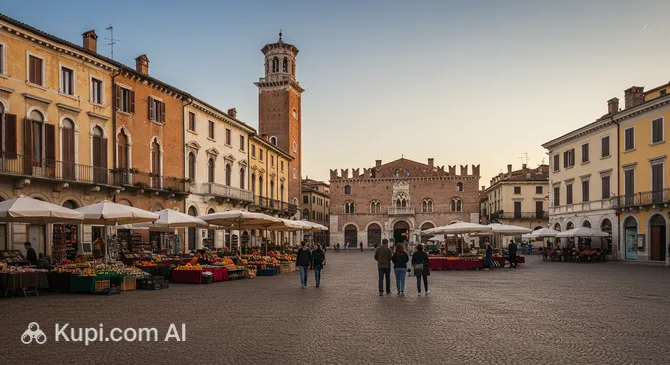
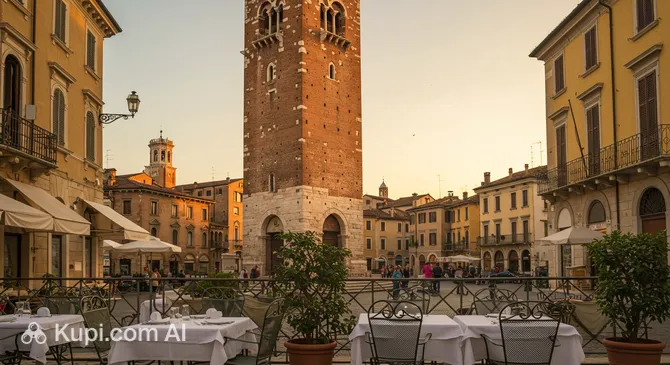
Piazza delle Erbe. Illustration.
Source: Kupi.com AI
Traveler photos:
Hanging beneath the Arco della Costa, which leads to Piazza delle Erbe, is a large whale rib that has been suspended there for centuries. According to local legend, the bone will fall on the first person to walk under it who has never told a lie, a miraculous event that has yet to occur.
Keen-eyed visitors walking through the city center might notice that the ground beneath them is actually an ancient seabed. The pink limestone pavement, known as Rosso Verona, is filled with large, spiral-shaped ammonite fossils that are clearly visible to anyone who takes a moment to look down at the stones.
Although William Shakespeare set two of his most famous plays here, he never actually visited Verona or Italy. Despite this, the city honors the literary connection with sites like Juliet's Tomb, a stone sarcophagus in a former monastery that has become a pilgrimage site for romantics from around the world.
The Piazza dei Signori is affectionately known by locals as "Piazza Dante" due to the statue of Dante Alighieri standing in its center. The renowned poet lived in Verona for several years during his exile from Florence, finding a safe haven and a second home with the ruling Scaliger family.
How to Get There
Reaching this historic city is straightforward thanks to its well-connected transport network, which serves millions of visitors each year. Whether you are arriving by air or rail, you have several convenient options to choose from. For a detailed guide on all available routes and transportation methods, you can read more about how to get to Verona.
The most convenient point of arrival is Verona Villafranca Airport (IATA: VRN), also known as Valerio Catullo Airport. Located directly in Verona, it is just 9.4 km from the city center. A trip by taxi or shuttle bus typically takes about 35 minutes. Although it handles a moderate volume of passengers compared to major hubs, it offers excellent access to the region.
For a wider range of international flights, many travelers choose Orio al Serio International Airport (IATA: BGY). It is important to note that this airport is not in Verona but in the city of Milan, approximately 103.9 km away. The journey to Verona from here takes around 3 hours by road. Another major alternative is Venice Marco Polo Airport (IATA: VCE), located in the city of Venice, about 105.8 km from Verona. Transfer times from Venice are similar, taking roughly 3 hours.
For clarity, here is a summary of the main airports:
Traveling by train is another excellent way to reach the city, offering scenic views of the Italian countryside. The primary railway hub is Verona Porta Nuova Station (IATA: XIX), which is centrally located in Verona, just 1.3 km from the heart of the city. It is a major station serving around 25 million passengers annually, ensuring frequent connections. Getting to your hotel or the city center from here is very quick, taking approximately 22 minutes by taxi or bus.
Below is a list of relevant railway stations in the wider region:
Verona is a treasure trove of architectural wonders and historical landmarks, offering visitors a chance to step back in time. While the famous Arena and Juliet's House often steal the spotlight, the city is home to numerous other magnificent sites that define its unique character. Exploring these attractions reveals the rich artistic and military history that has shaped this Italian gem.
Castelvecchio Museum. Illustration.
Source: Kupi.com AI
Traveler photos:
One of the most impressive structures in the city is the Castelvecchio Museum. Originally built as a military fortress in the 14th century by the ruling Scaliger family, it is now a premier art venue. The restoration by architect Carlo Scarpa is a masterpiece in itself, seamlessly blending medieval masonry with modern details. Inside, tourists can admire a vast collection of Romanesque sculpture, Renaissance paintings, and ancient weaponry, all while walking along the fortified walls that offer striking views of the river.
For the best panoramic view of Verona, a visit to Castel San Pietro is essential. Perched high on a hill across the Adige River, this site has been fortified since Roman times. Although the current barracks date back to the Austrian occupation, the real draw is the terrace in front of them. Reached by a pleasant walk up stairs or a quick funicular ride, it offers a breathtaking vantage point to see the city's terracotta rooftops and winding river, especially stunning at sunset.
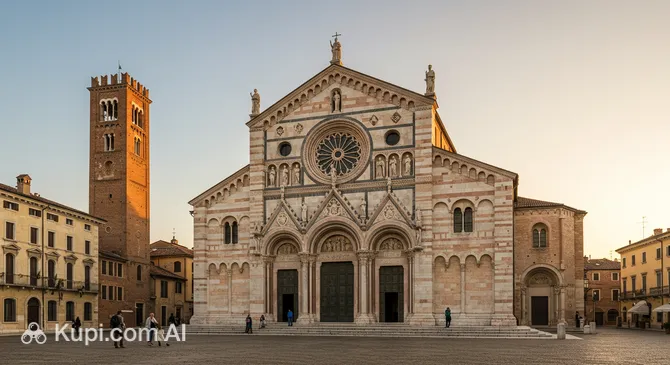
Basilica of San Zeno Maggiore. Illustration.
Source: Kupi.com AI
Traveler photos:
Architecture enthusiasts will be captivated by the Basilica of San Zeno Maggiore, widely considered one of the finest examples of Romanesque architecture in northern Italy. Dedicated to Verona’s patron saint, the church is famous for its magnificent rose window, known as the "Wheel of Fortune," and its ornate bronze doors depicting biblical scenes. The crypt, with its forest of columns, is atmospheric and is traditionally said to be the setting for the marriage of Romeo and Juliet in Shakespeare's tale.
Rising majestically above the city center is the Lamberti Tower. Standing 84 meters tall, it is the highest tower in Verona and dominates the skyline near Piazza delle Erbe. Construction began in the 12th century, and today visitors can take an elevator or climb the stairs to the belfry. From the top, you are rewarded with a spectacular 360-degree view of the historic center and the surrounding mountains.
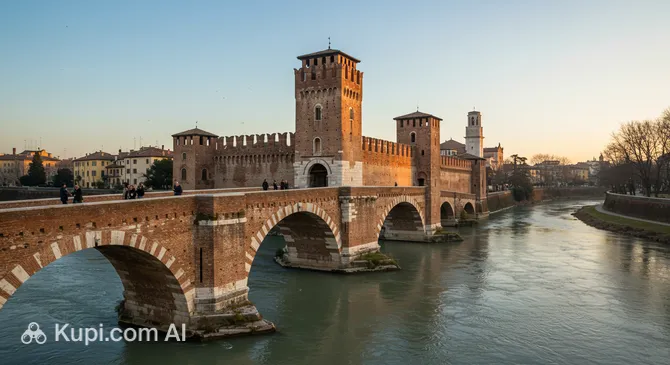
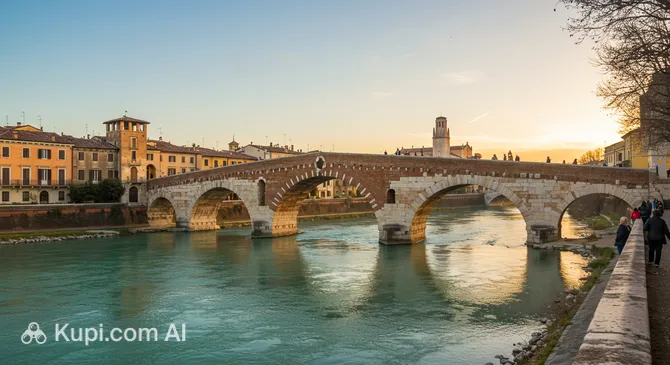
Ponte Pietra. Illustration.
Source: Kupi.com AI
Traveler photos:
Finally, a walk across the Ponte Pietra connects travelers to the city's Roman roots. As the oldest bridge in Verona, originally built in 100 BC, it has survived centuries of history and conflict. The bridge was painstakingly reconstructed using original stones after being damaged in World War II. Crossing this picturesque stone archway offers a peaceful moment and a beautiful perspective of the city from over the rushing waters of the Adige.
Local Cuisine
Verona offers a gastronomic journey that is as rich and storied as its history. The local cuisine is robust and flavorful, relying heavily on high-quality ingredients from the surrounding Veneto region. Unlike the pasta-dominated dishes found elsewhere in Italy, Veronese cooking often features rice, polenta, and slow-cooked meats, reflecting a culinary tradition that values patience and depth of flavor.
One dish you absolutely must try is Risotto all'Amarone. This elegant meal combines the locally grown Vialone Nano rice with Amarone, the region's most prestigious red wine, resulting in a creamy, purple-hued masterpiece. Another staple is gnocchi, which holds a special place in the city's heart; it is celebrated annually during the carnival season with a dedicated festival. For those with an adventurous palate, Pastissada de Caval (braised horse meat) is a historic specialty often served with soft polenta, dating back to ancient times.
If you have a sweet tooth, Verona is the birthplace of Pandoro, the star-shaped, powdered sugar-dusted cake that is a staple of Italian Christmas celebrations. While it is famous worldwide, tasting it fresh in its home city is a unique delight often enjoyed with a warm drink or a glass of sweet wine.
No meal in Verona is complete without a glass of local wine. The city is the gateway to the Valpolicella wine region, famous for producing bold reds like Amarone and Ripasso. The culture of the aperitivo is also very strong here. Before dinner, locals flock to the main squares to enjoy a refreshing Spritz, usually made with Aperol, Campari, or the locally favored Select, accompanied by small snacks.
To experience the authentic atmosphere, look for traditional osterie (taverns) tucked away in the side streets. For a refined dining experience near the historic center, you might visit Torcolo, a historic restaurant known for serving classic Veronese meats and delicacies since the 1930s. It is an excellent place to immerse yourself in the local dining etiquette, where meals are leisurely and social affairs.
Torcolo. Illustration.
Source: Kupi.com AI
Traveler photos:
If you prefer a more modern setting for your evening cocktail or a light bite, places like Romeo Ristorante, Bistrot & Cocktail Bar offer a contemporary twist on local hospitality. Whether you are sitting in a bustling piazza or a quiet courtyard, eating in Verona is about savoring the moment and the company.
Travel Tips
Verona is a wonderfully walkable and welcoming city, but a little preparation goes a long way in ensuring your trip is as romantic and stress-free as possible. To help you navigate the cobblestone streets and local customs with ease, here are some essential practical tips for your visit.
Clothing and Gear: The historic center is paved with uneven cobblestones known as sampietrini, so it is best to leave high heels at home and pack comfortable walking shoes or sturdy sneakers. If you plan to visit religious sites like the Duomo or the Basilica of San Zeno, remember to dress modestly; shoulders and knees should be covered to gain entry. For your electronics, bring a Type F, L, or C power adapter (standard European plugs).
Transportation: The best way to explore the city is on foot, as the main attractions are concentrated within a small area. For longer distances, the local ATV buses are efficient, but you must purchase tickets at a tobacco shop (tabaccheria) or newsstand before boarding. Note that taxis cannot be hailed on the street; you must locate a designated taxi stand or book one via an app.
Finances: The local currency is the Euro (€). While credit cards are widely accepted in most restaurants and shops, it is wise to carry some cash for small purchases like a quick espresso or a gelato. Tipping is not mandatory in Italy, as a service charge (coperto) is often included in the bill, but rounding up or leaving a small amount for excellent service is always appreciated.
Health and Safety: Verona is generally a very safe city for tourists. Pharmacies are easily recognized by a green cross sign and can provide advice and over-the-counter remedies for minor ailments. In case of an emergency, the universal number to dial is 112. Be mindful of your belongings in crowded areas, such as near Juliet's House or during busy market days.
Communication: While Italian is the official language, English is widely spoken in the hospitality and tourism sectors. However, locals appreciate it if you try a few basic phrases, such as "Buongiorno" (Good morning) or "Grazie" (Thank you). Free Wi-Fi is available in some public squares, but for reliable connectivity, consider buying a local SIM card from providers like TIM or Vodafone in the city center.
Local Etiquette: Politeness is highly valued; always greet shopkeepers or restaurant staff when entering their establishment. When it comes to coffee, remember the unwritten Italian rule: a cappuccino is traditionally a breakfast drink. Ordering one after a meal is not forbidden, but it may draw surprised looks from the locals, who prefer a simple espresso (caffè) to aid digestion.
What to Avoid: Do not attempt to drive into the historic city center unless you have a specific permit. The area is a Limited Traffic Zone (ZTL), and unauthorized vehicles are monitored by cameras and subject to heavy fines. It is much cheaper and easier to park outside the ancient walls and walk in.
Money-Saving Tip: If you plan to visit multiple museums and monuments, consider purchasing the Verona Card. It offers free or reduced entry to major sites, including the Arena and the Lamberti Tower, and includes unlimited use of city buses. It is a great value option that can save you both time and money during your stay.
By keeping these simple tips in mind, you will be able to relax and fully immerse yourself in the "Dolce Vita" lifestyle. Enjoy your time wandering the ancient streets, savoring the local flavors, and soaking up the magical atmosphere of this timeless city.
Entertainment & Nightlife
Verona may be steeped in ancient history, but its nightlife is vibrant, sophisticated, and thoroughly modern. The city does not typically offer the wild, all-night clubbing scenes found in larger metropolises; instead, it favors a refined culture of social drinking, live music, and elegant gatherings. The evening usually begins with the sacred ritual of the aperitivo around 7:00 PM, where locals spill out onto the cobblestones to enjoy a spritz and conversation before heading to dinner or a late-night venue.
The epicenter of evening entertainment is undoubtedly Piazza delle Erbe and its surrounding streets. As the sun sets, this historic market square transforms into a bustling open-air lounge, packed with people enjoying cocktails under the stars. For a younger, more bohemian vibe, travelers should head across the river to the Veronetta district. This university area is known for its alternative bars, craft beer pubs, and artistic atmosphere, offering a stark contrast to the polished venues of the city center.
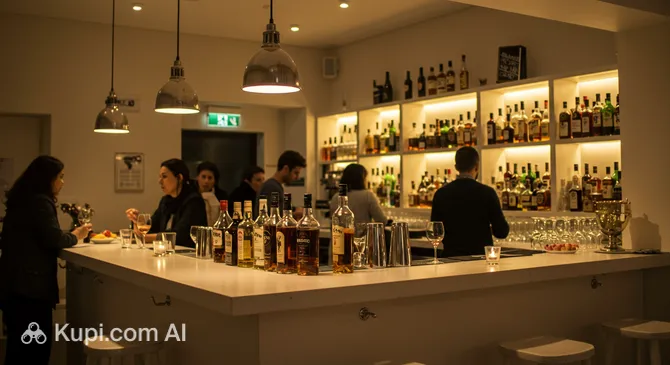
If you are looking for a specific place to enjoy a drink, La Torre Bar is a popular choice among both locals and visitors. Venues like this capture the essence of Veronese nightlife, offering a relaxed environment to sample local wines or expertly mixed cocktails. The atmosphere in these bars is generally welcoming, with a dress code that leans towards "smart casual"—Italians tend to dress well for a night out, so leave the beachwear at the hotel.
La Torre Bar. Illustration.
Source: Kupi.com AI
Traveler photos:
For those seeking a more energetic vibe later in the night, the city offers several spots where music and dancing take center stage. Art Café LimeOlé House is one such venue that adds flavor to the local scene. Clubs and music bars in Verona typically pick up steam after 11:00 PM and can stay open until the early hours of the morning. Prices are generally reasonable, with cocktails averaging between €8 and €12 depending on the exclusivity of the location.
When it comes to safety and logistics, Verona is a secure city for night walks, even in the less crowded alleyways. However, it is always wise to stay in well-lit areas and keep an eye on your belongings. Public transport becomes less frequent at night, so if you are staying outside the center, a taxi is your best option. Remember that you cannot simply hail a taxi on the street; you must call for one or walk to a designated taxi rank, often found near major squares like Piazza Bra.
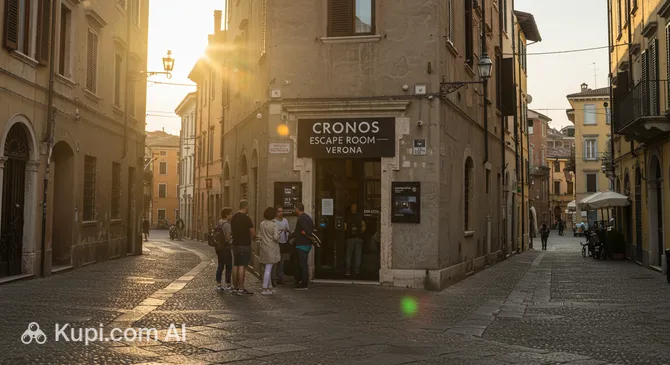
While the nights are for socializing, the city also offers engaging entertainment during the day beyond its historical monuments. Visitors can enjoy world-class performances at the Roman Theatre or explore various interactive experiences. For those who enjoy puzzles and teamwork, Cronos Escape Room Verona offers a thrilling break from sightseeing, challenging groups to solve mysteries against the clock. Whether you prefer the drama of the opera or the excitement of a modern game, the city ensures there is never a dull moment.
Cronos Escape Room Verona. Illustration.
Source: Kupi.com AI
Traveler photos:
Parks & Museums
While Verona is globally renowned for its Roman arenas and romantic balconies, the city also boasts a wealth of green retreats and cultural institutions that offer a deeper dive into its heritage. Beyond the bustling piazzas, visitors can find tranquility in lush gardens and inspiration in museums that house collections ranging from ancient artifacts to modern masterpieces.
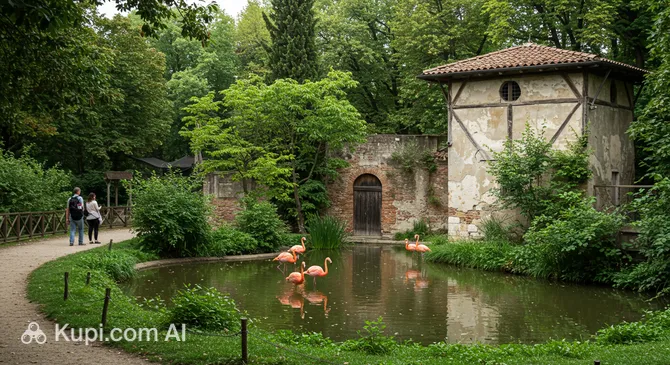
One of the most celebrated green spaces in the city is the Giardino Giusti. Although a private estate, it is open to the public and is widely regarded as one of the finest examples of an Italian Renaissance garden. Visitors can wander through manicured hedge mazes, admire towering cypress avenues, and climb to the upper terrace for a stunning view of the city skyline. For a more expansive natural experience, Villa Buri Park offers a peaceful escape along the banks of the Adige River. Located just outside the immediate center, this vast parkland surrounds a historic villa and is a favorite spot for locals to enjoy picnics, long walks, and the serene river landscape.
Villa Buri Park. Illustration.
Source: Kupi.com AI
Traveler photos:
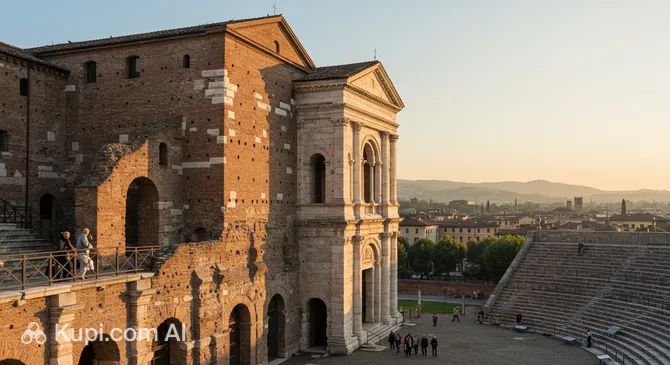
For those interested in the city's ancient roots, the Archaeological Museum at the Roman Theatre is an essential stop. Situated across the river on the slopes of San Pietro hill, the museum is housed in a former convent overlooking the Roman Theatre itself. The collection features an impressive array of Roman mosaics, sculptures, and glassware discovered in and around Verona, all displayed in a setting that perfectly bridges the past and present.
Archaeological Museum at the Roman Theatre. Illustration.
Source: Kupi.com AI
Traveler photos:
Art enthusiasts will find a unique dialogue between eras at the Palazzo Maffei House Museum. Overlooking Piazza delle Erbe, this eclectic museum showcases a diverse collection that spans from Greco-Roman archaeology to contemporary works by artists like Picasso and de Chirico. Nearby, the majestic Palazzo della Ragione hosts the Achille Forti Gallery of Modern Art. The building is an architectural gem in its own right, featuring the beautiful Scala della Ragione courtyard, while the gallery inside offers a fascinating journey through Italian art of the 19th and 20th centuries.
For a truly authentic experience, take a moment to look for the smaller, hidden cloister gardens often attached to the city's older churches. These quiet corners, often overlooked by the main tourist crowds, provide a cool and silent refuge perfect for reflection after a day of sightseeing.
Getting Around
Verona is a compact city that is best explored on foot. The historic center, nestled within a bend of the Adige River, is largely pedestrian-friendly, and many of the main attractions are located within a short walking distance of one another. Walking allows visitors to fully appreciate the architecture and discover hidden gems tucked away in the narrow streets.
For those who need to travel further, such as from the train station to the city center, the local public transport system is efficient and reliable. Operated by ATV (Azienda Trasporti Verona), the blue and orange buses cover the entire city and the surrounding province. Lines 11, 12, and 13 are particularly useful for tourists, connecting Verona Porta Nuova station with Piazza Bra. Tickets must be purchased in advance at newsstands, tobacco shops (tabaccherie), or via the official ATV app. Remember to validate your ticket immediately upon boarding to avoid fines.
Cycling is another popular way to get around, thanks to the relatively flat terrain of the city. Verona offers a bike-sharing service known as Verona Bike, which has numerous stations scattered throughout the center. It is a convenient and eco-friendly option for short trips. Visitors can register for a daily or weekly pass, making it easy to hop on a bike to reach sights that are slightly further afield, such as the Basilica of San Zeno.
If you prefer a taxi, it is important to know that in Italy, you generally cannot hail a cab on the street. You must head to a designated taxi rank, which can be found at major points like the railway station and Piazza Bra, or book one by phone or app. The primary service is Radio Taxi Verona. Taxis are a good option for evening travel or when carrying heavy luggage.
Driving in the city center is widely discouraged for tourists due to the strict Limited Traffic Zone (ZTL). Access is restricted to residents and permit holders during specific hours, and unauthorized entry results in automatic fines. If you arrive by car, it is best to leave your vehicle in one of the paid parking lots located just outside the ancient walls, such as the Cittadella or Arena parking garages, and continue your journey on foot or by bus.
Accommodation
Verona offers a diverse range of accommodation options to suit every type of traveler, from romantic souls seeking historic charm to practical backpackers looking for convenience. The city is well-equipped with facilities ranging from luxurious five-star hotels housed in restored palazzos to mid-range establishments, family-run bed and breakfasts, and budget-friendly hostels. In recent years, the number of private apartment rentals has also increased, providing a "home away from home" experience for those planning longer stays.
The most popular area to stay is undoubtedly the Centro Storico (Historic Center). Booking a room here means you are within walking distance of the Arena, Piazza Bra, and Juliet’s House, allowing you to soak up the atmosphere late into the evening without worrying about transport. For those prioritizing easy travel connections, the district around Verona Porta Nuova station is a strategic choice, offering modern hotels and quick access to trains and airport shuttles. Alternatively, the Veronetta district, located across the river, offers a younger, more bohemian vibe with often more affordable prices.
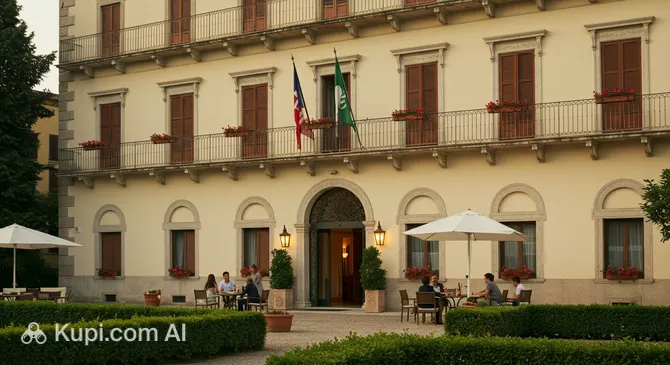
If you are looking for a comfortable retreat that balances quality and location, you might consider Hotel Marco Polo. Establishments like this typically offer a blend of modern amenities and classic Italian hospitality, serving as an excellent base for exploring the city's sights and relaxing after a day of walking.
Hotel Marco Polo. Illustration.
Source: Kupi.com AI
Traveler photos:
Booking Tip: Timing is everything when planning a trip to Verona. During the famous Arena Opera Festival (usually from June to September) and major trade fairs like Vinitaly, the city fills up incredibly fast. It is highly recommended to book your accommodation several months in advance if you plan to visit during these peak periods to secure your preferred location and avoid inflated prices.
In terms of costs, Verona caters to various budgets. Budget travelers can find hostel beds or simple rooms starting from around €50 to €80 per night. Mid-range hotels generally fall between €100 and €200, while luxury options can easily exceed €300 per night, especially in the high season. Reservations can be easily made through major international online booking platforms, though booking directly with the hotel can sometimes yield special offers or a more personalized service.
Nearby Cities
For those looking to explore the surroundings, Verona serves as an excellent base for day trips to several interesting nearby locations. The region offers a mix of historical sites and natural attractions that are easily accessible for a short visit.
One of the most notable stops is Villafranca di Verona, famous for its imposing Scaliger Castle which dominates the town center. It is a place rich in history, particularly known for the "Peace of Villafranca" treaty. Another excellent option, especially for families and nature lovers, is Bussolengo. It is widely recognized as the home of the Parco Natura Viva, a large zoological park and safari that focuses on conservation. For those interested in religious architecture and wine culture, San Bonifacio offers the beautiful Romanesque Abbey of San Pietro and serves as a gateway to the nearby Soave vineyards.
City
Population
Distance
San Martino Buon Albergo
15 482
8 km
San Giovanni Lupatoto
25 337
8 km
Grezzana
10 805
9 km
Pescantina
17 236
11 km
Sommacampagna
14 802
12 km
These nearby destinations offer a glimpse into the diverse culture and landscapes of the region, providing a perfect complement to a stay in Verona.
Shopping & Souvenirs
Shopping:
Shopping in Verona is a delightful experience that combines the elegance of high-end Italian fashion with the charm of historic artisan workshops. As a wealthy city in the Veneto region, it offers a sophisticated retail scene where visitors can find everything from luxury designer brands and handcrafted leather goods to unique local food products. Whether you are looking for the latest trends or a traditional keepsake, the city's walkable center makes browsing stores a pleasure.
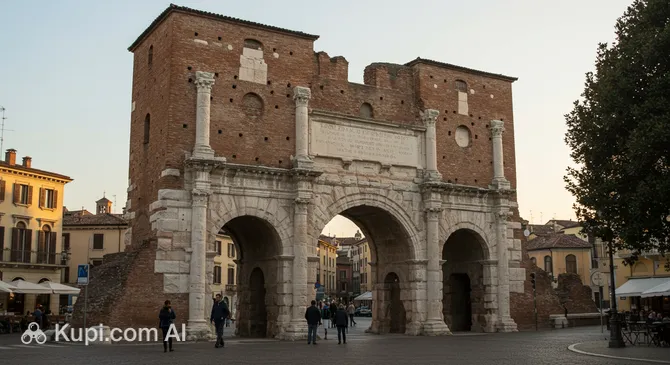
The most famous shopping destination is undoubtedly Via Mazzini. This narrow, marble-paved street connects Piazza Bra to Piazza delle Erbe and is lined with prestigious international boutiques and major Italian labels. It is the place to go for clothing, accessories, and jewelry. For a slightly more relaxed but equally stylish atmosphere, travelers should head to Corso Porta Borsari. Named after the ancient Roman gate, Porta Borsari, which stands at its end, this elegant street features a mix of historic shops, chic boutiques, and inviting cafes perfect for a break between purchases.
Porta Borsari. Illustration.
Source: Kupi.com AI
Traveler photos:
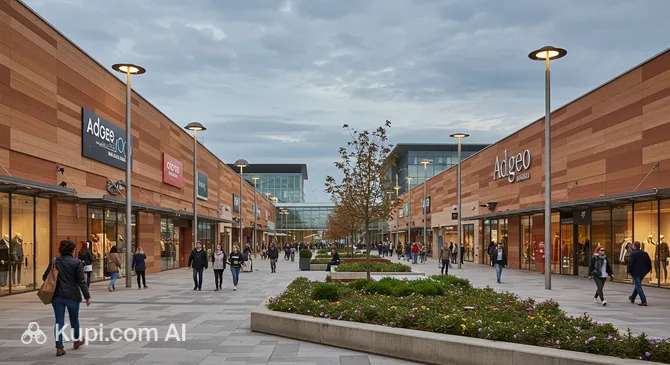
For those who prefer the convenience of having everything under one roof, Verona has excellent modern shopping centers. The most popular choice within the city limits is Adigeo. Located just a short distance south of the main train station, this large mall houses over 130 shops, including popular high-street brands, a food court, and ample parking. It is a favorite among locals for its variety and modern facilities.
Adigeo. Illustration.
Source: Kupi.com AI
Traveler photos:
Another significant option is Le Corti Venete, situated near the San Martino Buon Albergo exit on the A4 motorway. While it requires a car or a bus ride to reach, it offers a vast array of stores, a hypermarket, and entertainment options, making it suitable for a full afternoon of shopping away from the city center crowds.
Le Corti Venete. Illustration.
Source: Kupi.com AI
Traveler photos:
If you enjoy a more traditional atmosphere, the daily market in Piazza delle Erbe is a must-visit. While it has become quite tourist-oriented, it is still a colorful place to buy souvenirs, local snacks, and small gifts. For vintage lovers and antique hunters, the district of San Zeno hosts a famous antiques market on the first Sunday of every month, attracting collectors from all over the region.
When it comes to souvenirs, Verona offers high-quality local products that reflect its culture. The region is famous for its leather work, so handmade gloves, bags, or shoes are excellent choices. Food and wine are also top priorities; a bottle of Amarone or Valpolicella wine, a flask of Lake Garda olive oil, or a traditional Pandoro cake (especially around Christmas) make for delicious gifts to bring home. Additionally, you will find many shops selling embroidered aprons and items personalized with your name, a quirky local trend.
Store opening hours generally run from 9:00 AM or 10:00 AM to 7:30 PM. While major chains and department stores in the center often stay open all day (orario continuato), smaller boutiques and shops outside the main tourist drag may close for a lunch break (pausa pranzo) between 1:00 PM and 3:30 PM. Most shops accept major credit cards, though it is always useful to have some cash for market stalls or small purchases.
Finally, tourists residing outside the European Union should keep in mind the tax-free shopping opportunities. Look for the "Tax Free" logo in shop windows; if you spend above a certain threshold in a single store, you may be eligible for a VAT refund upon leaving the EU. Be sure to ask the shop assistant for the necessary forms and keep your receipts safe.