Support

Sion

About

Welcome to Sion, the sun-drenched capital of the Canton of Valais and a city that perfectly blends medieval heritage with modern vitality. Nestled in the heart of the Rhone Valley, this charming destination is easily recognizable by the two dramatic hills that dominate its skyline, each crowned with an ancient fortification. As one of the most historically significant cities in Switzerland, Sion offers travelers a unique atmosphere where alpine beauty meets a nearly Mediterranean climate.

Geographically, Sion is celebrated for being the sunniest city in the country, boasting a mild climate that makes it a pleasant destination year-round. With a population of approximately 35,000 residents, it maintains a friendly, small-town feel while providing all the cultural and urban amenities of a regional capital. The city is surrounded by terraced vineyards that climb steep slopes, producing some of the region's most renowned white wines, particularly the Fendant.
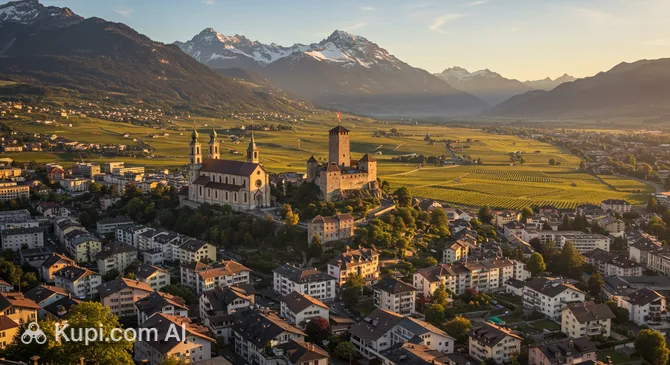
Sion. Source: Kupi.Binoculars

The skyline is defined by the twin fortifications of Valère and Tourbillon, which watch over the Old Town below. Visitors can explore the fascinating history of Sion by hiking up to these landmarks; the fortified church of Valère houses one of the world's oldest playable organs, while the ruins of Tourbillon Castle offer breathtaking panoramic views of the valley and the Alps. Down in the city center, the cobblestone streets are lined with historic buildings, lively cafes, and a bustling Friday market that showcases local produce.

Whether you are a history buff, a wine enthusiast, or simply looking for a picturesque base to explore the Swiss Alps, Sion is a destination that promises to enchant. Its central location makes it an ideal starting point for excursions to nearby ski resorts or hiking trails, but the city itself holds enough treasures to keep you captivated for days.
Weather Overview

Travelers planning a visit should be prepared for a climate that features distinct seasonal contrasts. Winters in the region are generally cold, with January being the coldest month, averaging temperatures of -7.2°C and minimums often dropping to -11.5°C. Conversely, the summer season brings milder conditions, where July typically sees average temperatures of 13.2°C, with daily highs reaching around 18.4°C.

Regarding precipitation, the area experiences frequent wet days throughout the year, ranging from about 12 days in February to 21 days in May, although the recorded rainfall volume remains relatively low at approximately 4mm to 6mm per month. To help you pack the right gear for your trip, it is advisable to check the detailed forecast for the weather in Sion before your departure.

Interesting Facts

Beyond the main attractions, Sion holds many fascinating secrets that reveal its deep historical roots and unique character. Uncover some of the lesser-known stories that make this Alpine city truly special.

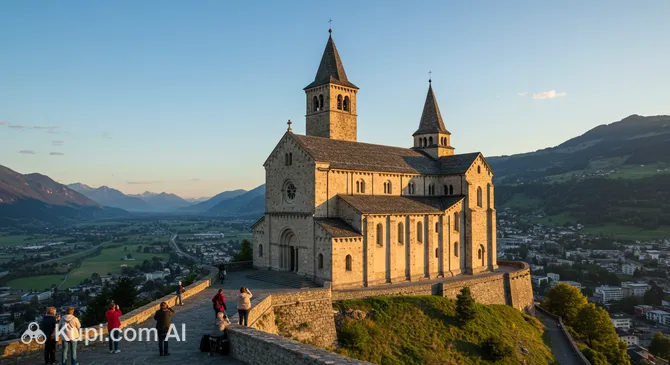
Valère Basilica. Source: Kupi.Binoculars
  • The Valère Basilica houses a remarkable piece of musical history. Inside, you will find an organ dating back to approximately 1435, which is widely considered the oldest playable organ in the world. Its medieval pipes still produce music today, particularly during the prestigious International Ancient Organ Festival held every summer.

  • Sion is a strong contender for the title of Switzerland's oldest city. Archaeological excavations have revealed that the site has been continuously inhabited since the Neolithic period, around 6200 BC. This immense timeline means the area has hosted human settlements for over 8,000 years, long before the Roman era.

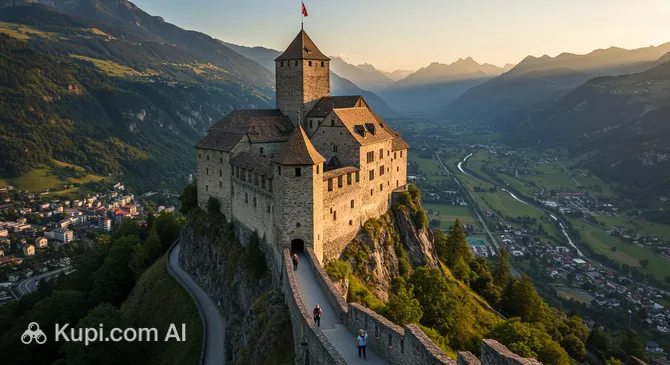
  • The dramatic ruins of Tourbillon Castle are the result of a catastrophic event rather than gradual decay. Once a majestic residence for the prince-bishops, the castle was ravaged by a massive fire in 1788 that destroyed much of the city. It was never rebuilt, leaving the jagged stone walls that now create its iconic, romantic silhouette against the sky.

  • A unique feature of the surrounding landscape is the network of "bisses," historic irrigation channels carved into the mountainsides centuries ago. Originally designed to transport glacier water to the dry vineyards of the valley, these engineering marvels now serve as scenic, flat hiking trails, such as the famous Bisse de Clavau, offering stunning views without the steep climbs.

How to Get There

Reaching the sunny capital of Valais is a straightforward journey, whether you prefer flying or taking the train through the scenic Swiss landscapes. For a comprehensive guide on planning your trip, you can read more about how to get to Sion.

If you are arriving by air, the most convenient major international gateway is Geneva Airport (GVA). Located in the city of Geneva, it sits approximately 96.5 km from Sion. It serves as a primary entry point for the region, offering numerous connections. A taxi or car ride from Geneva to Sion typically takes around 2 hours and 45 minutes. Alternatively, the city has its own local facility, Sion Airport (SIR). Located just 3 km from the center, it is a small regional hub. While convenient, flight options are often limited to seasonal or private traffic. The transfer from here is very quick, taking roughly 25 minutes. Travelers might also consider flying into Milano Malpensa Airport (MXP) in Milan, Italy, which is about 125 km away, with a travel time of approximately 3.5 hours by road.

For clarity, here is a summary of the main airports:

Airport Name City Passenger Traffic Km from City
Milano Malpensa AirportMilanLarge124.8
Geneva AirportGenevaLarge96.5
Turin AirportTurinMedium116.9
Lugano AirportLuganoSmall122.5
SionSionSmall3.0

Traveling by train is an excellent way to experience the beauty of the Alps. You can arrive directly at Sion Railway Station, which is centrally located just 0.6 km from the heart of the city. This station is well-connected to the broader Swiss rail network. Many visitors transfer through major hubs such as Geneva Railway Station in Geneva (about 94 km away) or Bern Railway Station in Bern (approximately 80 km away) before heading into the Rhone Valley.

Below is a list of relevant railway stations:

Station City Passenger Traffic Km to Center
Bern Railway StationBernLarge79.8
Geneva Railway StationGenevaLarge94.0
Oerlikon Railway StationZurichLarge77.1
Lugano Railway StationLuganoMedium125.2
Sion Railway StationSionMedium0.6

Main Attractions

Sion offers a captivating mix of historical landmarks, cultural venues, and natural beauty. As the capital of Valais, it serves as a guardian of the region's heritage while providing modern leisure activities for visitors. From medieval fortresses perched high above the city to serene green spaces, there are several must-visit spots that define the character of this alpine destination.

Perched atop a rocky hill, Tourbillon Castle is an iconic symbol of the city. Although the structure was largely ruined by a fire in 1788, the site remains a majestic spectacle. Visitors can hike up the steep, winding path to explore the remaining walls and towers. The climb is rewarded with spectacular panoramic views of the Rhone Valley and the opposing hill of Valère. It is a perfect spot for photography enthusiasts and history lovers who wish to walk amidst the echoes of the prince-bishops who once resided here.

Tourbillon Castle. Source: Kupi.Binoculars

Facing Tourbillon is the impressive Valère Basilica, a fortified church that resembles a castle. This site is exceptionally well-preserved and houses the History Museum of Valais, offering a deep dive into the region's past. It is famous worldwide for containing one of the oldest playable organs in existence, dating back to the 15th century. The blend of Romanesque and Gothic architecture, combined with its commanding position over the Old Town, makes it a highlight of any trip to Sion.

Valère Basilica. Source: Kupi.Binoculars

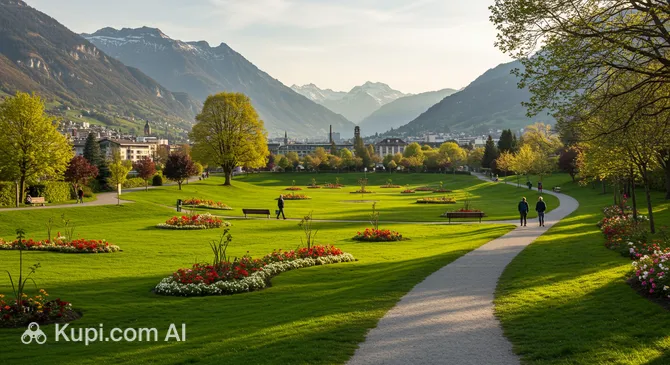
For those seeking relaxation and nature, the Domaine des Iles is the city's favorite recreational area. Located just a short distance from the center, this vast green space features a beautiful lake suitable for swimming and water sports. It is a popular destination for families and groups of friends who come to picnic, play sports, or simply unwind by the water. The park serves as a peaceful oasis, offering a refreshing contrast to the stone streets of the historic district.

Domaine des Iles. Source: Kupi.Binoculars

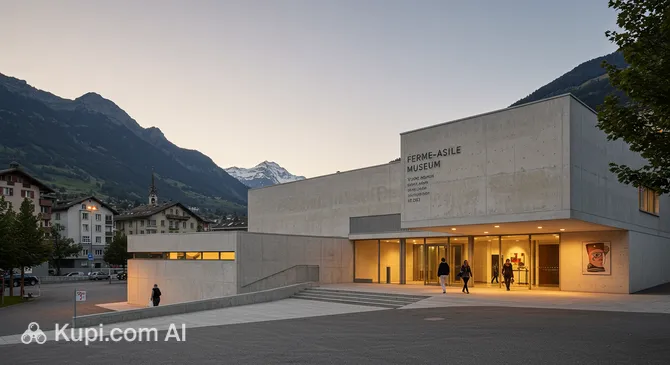
Culture and culinary enthusiasts should not miss Ferme-Asile. Housed in a renovated agricultural building, this dynamic venue acts as an artistic hub for the city. It hosts regular contemporary art exhibitions and concerts, fostering a vibrant creative community. In addition to its cultural offerings, the on-site restaurant is highly regarded for its delicious local cuisine and atmospheric dining setting, making it a great place to experience the modern pulse of Sion.

Ferme-Asile. Source: Kupi.Binoculars

Local Cuisine

The culinary landscape of Sion is deeply rooted in the rich traditions of the Valais region, offering a hearty and flavorful experience for any food lover. The undisputed star of the local table is Raclette du Valais AOP, a semi-hard cheese that is melted and scraped over boiled potatoes, pickles, and onions. It is more than just a dish; it is a social event deeply ingrained in the local culture. Another must-try specialty is the Assiette Valaisanne, a generous platter featuring high-quality air-dried meats, such as beef and bacon, served with the region's distinctive AOP rye bread.

As the center of Switzerland's largest wine-growing region, Sion is a paradise for oenophiles. The sunny slopes surrounding the city produce exceptional vintages that perfectly complement the local cuisine. The most iconic white wine is Fendant, made from the Chasselas grape, which is traditionally enjoyed as an aperitif or with cheese dishes. For red wine enthusiasts, Dôle—a blend of Pinot Noir and Gamay—is a popular choice. Beyond wine, the region is famous for its fruit brandies, particularly Abricotine (apricot) and Williamine (pear), which are often sipped as a digestif.

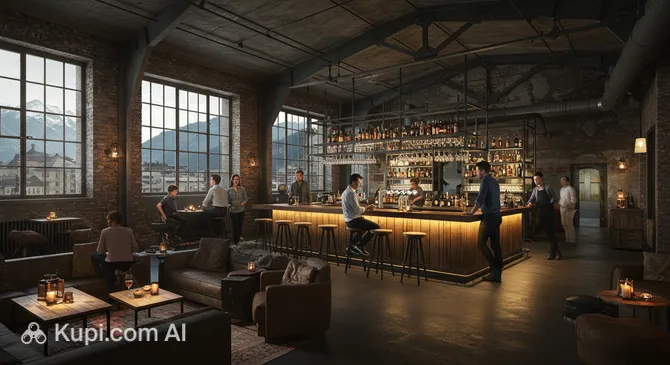
Hangar41. Source: Kupi.Binoculars

The food culture in Sion is vibrant and revolves around conviviality. Locals often gather in "carnotzets"—small, private wine cellars or rustic rooms—to share fondue and wine in an intimate setting. For a more public experience, the Old Town is packed with charming bistros and terraces. If you are looking for a modern atmosphere to enjoy a drink after a day of exploring, Hangar41 offers a lively setting to unwind. Additionally, the weekly Friday market in the city center is an excellent place for tourists to sample fresh local produce, artisanal cheeses, and seasonal fruits directly from the growers.

Travel Tips

Exploring Sion is a delightful experience, but having a bit of local know-how can make your trip much smoother and more enjoyable. These practical tips are designed to help you navigate the capital of Valais with ease, ensuring you make the most of your time in this sunny alpine city.

  1. Clothing and Gear: Since Sion is famous for its two hilltop castles, comfortable walking shoes with good grip are essential for navigating the steep paths and the cobblestone streets of the Old Town. While the city is the sunniest in Switzerland, the weather can change quickly in the Alps, so dressing in layers is smart. If you plan to enter the Valère Basilica, ensure your shoulders and knees are covered as a sign of respect.

  2. Transportation: The city center is compact and best explored on foot. For trips to the surrounding vineyards or nearby villages, the yellow PostBuses are reliable and scenic. The train station connects you efficiently to the rest of Switzerland. You generally do not need a rental car unless you plan to explore remote side valleys; the Swiss public transport system is extensive and punctual.

  3. Finances: The local currency is the Swiss Franc (CHF). While credit and debit cards are widely accepted in hotels, restaurants, and larger shops, it is advisable to carry some cash for small purchases at the Friday market or in smaller cafés. Tipping is not mandatory as service is included, but rounding up the bill or leaving a small amount is appreciated for good service.

  4. Health and Safety: Sion is a very safe city for tourists. Pharmacies are marked with a green cross and are well-stocked; look for "Pharmacie de garde" for after-hours service. A unique health tip for this region: stay hydrated and wear sunscreen. The high altitude and frequent sunshine can cause sunburn faster than you might expect. Tap water from public fountains is generally safe and delicious unless marked "eau non potable".

  5. Communication: The primary language in Sion is French. While English is commonly spoken in the tourism and hospitality sectors, learning a few basic phrases like "Bonjour" (Hello) and "Merci" (Thank you) will go a long way with the locals. Free Wi-Fi is often available in public spaces and cafes, but buying a prepaid SIM card at the airport or a local kiosk is recommended for reliable navigation.

  6. Local Etiquette: Politeness is highly valued here. It is customary to greet shopkeepers when entering a store and to say goodbye when leaving. In public spaces and on transport, keep your voice down; loud conversations are often frowned upon. If you are hiking in the vineyards or on the "bisses," a friendly greeting to fellow hikers is the norm.

  7. What to Avoid: Do not expect shops to be open on Sundays. With the exception of small shops at the train station, almost everything is closed, so plan your shopping for other days. Also, avoid being late for tours or reservations; Swiss punctuality is not a myth, and being on time is considered a basic courtesy.

  8. Lunch Hours: Be aware that many smaller shops and businesses in Sion close for a lunch break, typically between 12:00 PM and 2:00 PM. Plan your day so that you are enjoying a meal during this time rather than trying to run errands.

By keeping these simple tips in mind, you will be well-prepared to relax and soak up the unique atmosphere of Sion. Whether you are climbing castle ruins or sipping local wine, fitting in with the local rhythm will make your Swiss adventure truly memorable.

Entertainment & Nightlife

While Sion may not have the frenetic clubbing scene of a major metropolis, its nightlife is vibrant, sophisticated, and deeply rooted in social connection. The evening atmosphere here is characterized by a relaxed "apéro" culture, where locals and visitors gather to enjoy the region's famous wines and socialize late into the night. The heart of the action is undoubtedly the Old Town, particularly around Place de la Planta and the pedestrian streets like Rue du Grand-Pont, which come alive with bustling terraces during the warmer months.

For those seeking a lively spot to enjoy a drink and music, Hangar41 is a popular choice among the local crowd. This venue combines a modern, industrial aesthetic with a warm atmosphere, making it a go-to destination for evening cocktails and social gatherings. The dress code in Sion's bars is generally smart-casual; you will fit in perfectly with neat attire that transitions well from a day of sightseeing to an evening out.

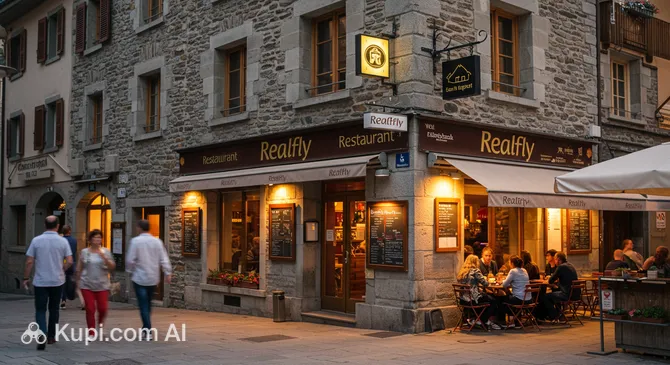
If you are looking for a unique entertainment experience that goes beyond the typical bar scene, you should visit RealFly. Known primarily as the first indoor skydiving simulator in Switzerland, it also features a welcoming bar and restaurant area. It is an excellent place to start your evening with some adrenaline or simply to watch others fly while enjoying a drink in a distinct setting.

RealFly. Source: Kupi.Binoculars

Culture lovers will appreciate the evening program at Ferme-Asile. While it serves as an artistic center by day, its nights are often filled with concerts and cultural events ranging from jazz to contemporary music. The venue's restaurant is also a fantastic spot for a late dinner, offering a bohemian vibe that contrasts beautifully with the city's medieval architecture.

Practical Advice for Night Owls: The best time to experience Sion's nightlife is on Friday and Saturday evenings, especially during the summer when the warm weather keeps people outdoors longer. Prices are standard for Switzerland, with a beer costing around 7-9 CHF and cocktails ranging from 12-18 CHF. The city is very walkable, and moving between the Old Town bars on foot is easy and enjoyable.

Safety and Transport: Sion is a very safe city for night walks, even in the late hours. The streets are well-lit, and the atmosphere is generally friendly and peaceful. If you need to travel further afield or return to a hotel on the outskirts, taxis are available at the Sion Railway Station, or you can call a local service. Public transport services like buses tend to reduce frequency late at night, so checking the schedule in advance or planning for a cab is a good idea.

Regarding daytime entertainment, the city offers plenty to keep you occupied before the sun goes down. Aside from the historical castles, you can explore various museums, enjoy shopping in the boutique-lined streets, or visit local amusement centers. The blend of daytime leisure and evening conviviality makes Sion a well-rounded destination for travelers.

Parks & Museums

Sion serves as a vibrant cultural hub for the Canton of Valais, offering a remarkable concentration of museums that delve into the region's art, history, and environment. Beyond its fortified hills, the city is also home to serene nature reserves and scenic viewpoints, providing a perfect balance for travelers who wish to combine educational visits with outdoor relaxation.

The city's most prominent historical collection is the History Museum of Valais, located within the fortified complex of the Valère Basilica. This museum offers a captivating journey through time, displaying artifacts that range from prehistoric tools to medieval religious treasures. The setting itself is an integral part of the experience, as the exhibits are housed in the ancient rooms and corridors of the fortress, allowing visitors to explore the building's architecture alongside its contents.

For art enthusiasts, the Art Museum of Valais is a must-see. Situated in the picturesque medieval castles of Majorie and Vidomnat, just below Valère, it focuses on the artistic representation of the Alpine landscape and works by artists connected to the region. Nearby, the Nature Museum offers fascinating insights into the biodiversity of the Alps, covering everything from local geology to the fauna of the Rhone Valley.

Another gem for nature lovers is Mont d'Orge, a hill located on the western edge of the city. A hike here rewards visitors with the discovery of the peaceful Mont d'Orge Lake and the ruins of an old castle. The area is known for its distinct, almost Mediterranean microclimate and flora, and the trails offer magnificent views over the terraced vineyards that define the landscape of Sion.

Getting Around

Public transport in Sion is efficient, reliable, and perfectly scaled for the size of the city. While the historic center is compact and best explored on foot, an extensive bus network connects the downtown area with residential neighborhoods, the train station, and the surrounding villages. The primary mode of urban transport is the Bus Sédunois, a local network operated in collaboration with the iconic yellow PostBuses. These buses provide frequent service throughout the day, making it easy to reach attractions, shopping areas, and the hospital without a car.

For ticketing and payments, the city operates within a zone-based system. Travelers can purchase single tickets, day passes, or multi-trip cards. The most convenient way to pay is digital; apps like SBB Mobile or Fairtiq allow you to buy tickets instantly on your smartphone and often calculate the best fare automatically. If you prefer physical tickets, vending machines are available at the main railway station and major bus stops. Drivers on regional buses may sell tickets, but it is always safer to purchase one beforehand to avoid delays or surcharge issues.

Tourists staying overnight in Sion often benefit from a Guest Card provided by their hotel or accommodation. This card typically offers free travel on the Bus Sédunois network and the postal buses connecting the plain to the nearby hillsides. It is a fantastic value that simplifies getting around, so be sure to ask your host about it upon arrival. Remember that if you are using a paper ticket purchased from a machine, you may need to validate it at the orange or red stamping machines on the platform or inside the bus before your journey begins.

Transport services generally run from early morning, around 6:00 AM, until shortly before midnight. On Friday and Saturday nights, a special night bus service often operates to ensure safe travel for those enjoying the local nightlife. Schedules are punctual, so it is advisable to check the timetable at the stop or via a mobile app to minimize waiting times.

For alternatives to the bus, bike rentals are a popular choice, especially given the flat terrain of the Rhone Valley floor. The city features a bike-sharing system known as Velospot, with stations scattered across key locations. You can easily rent a bike via their app and drop it off at another station. Taxis are also available, primarily stationed at the railway station, but they can be quite expensive compared to public transit. Ride-hailing apps are less prevalent here than in major global capitals, so relying on official taxi stands or phone bookings is standard.

A unique feature for visitors during the summer months is Le P'tit Sédunois, a charming tourist train. While not a part of the standard commuter network, it offers a delightful way to see the city's landmarks without the steep walk up to the castles. It winds through the Old Town and the vineyards, providing a narrated tour that complements the regular transport options perfectly.

Accommodation

Finding the perfect place to stay in Sion is relatively easy, as the city offers a diverse range of accommodation options that cater to different travel styles and budgets. While it does not have the massive resort complexes found in some Alpine ski stations, the capital of Valais provides a mix of charming historic hotels, modern business establishments, and cozy bed-and-breakfasts. For budget-conscious travelers, there are also well-maintained hostels and camping facilities located near the city's recreational areas.

The most popular area for tourists is undoubtedly the Old Town. Staying here places you right in the heart of the action, within walking distance of the major museums, the Friday market, and the lively cafés that line the cobblestone streets. It is an atmospheric choice that allows you to wake up to views of the dramatic hills crowned by the Valère and Tourbillon fortifications. Alternatively, the area surrounding the Sion Railway Station is highly practical for those planning to use the city as a base for day trips across the canton. This district offers modern conveniences and immediate access to the transport network without sacrificing proximity to the city center.

For those seeking a quieter experience closer to nature, the outskirts of the city offer peaceful retreats. There are options located near the vineyards or the Domaine des Iles, where visitors can enjoy a more relaxed, scenic environment while still being just a short bus ride away from the downtown attractions. This is particularly appealing for families or travelers with cars who prefer easy parking and green surroundings.

Booking Tips and Prices:
Accommodation prices in Sion are consistent with general Swiss standards, meaning they range from mid-range to high. A standard double room in a central hotel typically costs between 120 and 200 CHF per night, while budget options and hostels offer lower rates. It is highly recommended to book in advance, especially during the summer months when events like the International Ancient Organ Festival take place, or during the winter ski season when the city serves as a transit hub for nearby resorts. Reservations can easily be made through major online booking platforms or directly with the establishments.

Nearby Cities

For those looking to explore the surroundings, Sion serves as an excellent base for day trips to several interesting nearby locations. The region offers a mix of lakeside elegance and deep alpine history, all within easy reach by train or car.

One of the closest and most culturally rich destinations is Martigny. Located at the bend of the Rhone, it is famous for its Roman heritage, including a well-preserved amphitheater, and the prestigious Pierre Gianadda Foundation, which hosts world-class art exhibitions. It is a perfect spot for history buffs and art lovers alike.

A bit further west, on the shores of Lake Geneva, lies the sophisticated town of Montreux. Renowned globally for its annual Jazz Festival, it features a beautiful flower-lined promenade and offers easy access to the iconic Chillon Castle. Just next door is Vevey, a charming town known for being the final home of Charlie Chaplin, celebrated today with a dedicated museum and a distinct Riviera atmosphere.

City Population Distance (km)
Montreux 25,984 41
Bulle 22,709 48
Vevey 19,891 47
Martigny 18,301 26
Monthey 17,777 32

These nearby destinations offer a glimpse into the diverse culture and landscapes of the region.

Shopping & Souvenirs

Shopping in Sion offers a delightful mix of modern convenience and traditional Alpine charm. As the commercial hub of the Valais region, the city provides a relaxed atmosphere where visitors can browse through high-end boutiques, department stores, and artisanal shops without the crowds found in larger Swiss metropolises. Whether you are looking for the latest fashion, Swiss watches, or authentic local products, the city center caters to a wide variety of tastes and budgets.

The primary destination for retail therapy is the pedestrian zone of the Old Town. Walking along the cobblestone streets, particularly the lively Rue du Grand-Pont and Rue de Lausanne, you will find a picturesque array of stores housed in historic buildings. This area is perfect for window shopping, offering everything from international clothing brands and jewelry to independent bookstores and chocolatiers. The blend of medieval architecture and modern shop windows creates a unique setting that invites you to linger and explore.

For those who prefer having everything under one roof, Sion features several convenient shopping centers. The Métropole Sion is a well-known mall located near the train station, hosting a variety of fashion retailers, electronics stores, and a supermarket. Another key spot is the Manor department store, which is a Swiss institution offering a comprehensive selection of beauty products, fashion, and household goods, along with a restaurant that is popular for a quick lunch.

A true highlight of the local shopping scene is the traditional Friday Market (Marché de Sion). Every Friday, the streets of the Old Town are transformed into a bustling bazaar filled with colorful stalls. It is the best place to mingle with locals and discover the region's agricultural bounty. Vendors sell fresh fruits and vegetables, artisanal breads, flowers, and regional specialties. It is an authentic experience where the vibrant culture of the Valais comes to life.

When it comes to souvenirs, the best treasures to bring home are undoubtedly culinary. The region is famous for its apricots, so look for apricot jams, syrups, or the potent Abricotine brandy. Wine lovers should pick up a bottle of Fendant (white) or Dôle (red) from a local cellar. Of course, vacuum-packed Raclette du Valais AOP cheese is a classic gift, as are traditional Swiss items like army knives and high-quality chocolates, which can be found in specialty shops throughout the center.

Store opening hours in Sion generally follow the standard Swiss schedule. Most shops are open from Monday to Friday between 09:00 AM and 6:30 PM, and on Saturdays until 5:00 PM. It is important to note that many smaller boutiques may close for a lunch break, typically from 12:00 PM to 1:30 PM or 2:00 PM. With the exception of small convenience stores at the train station, nearly all shops are closed on Sundays. Credit and debit cards are widely accepted, though carrying some cash is recommended for small purchases at the market.

Travelers residing outside of Switzerland are eligible for a VAT refund on purchases exceeding 300 CHF in a single store. Look for shops displaying the "Tax Free" sign and ask for a refund form at the checkout. You can then claim your refund at customs or authorized refund points when leaving the country, making your shopping experience even more rewarding.

Reached the end of the page?

That means the route is fully explored