Support

Bern

About

Bern, the federal city of Switzerland, is a captivating destination that seamlessly blends medieval charm with modern urban life. Unlike many bustling capitals, Bern retains a relaxed and welcoming atmosphere, inviting visitors to explore its cobblestone streets and historic arcades at a leisurely pace. Its unique character and preservation of heritage make it one of Europe's most delightful cities to visit.
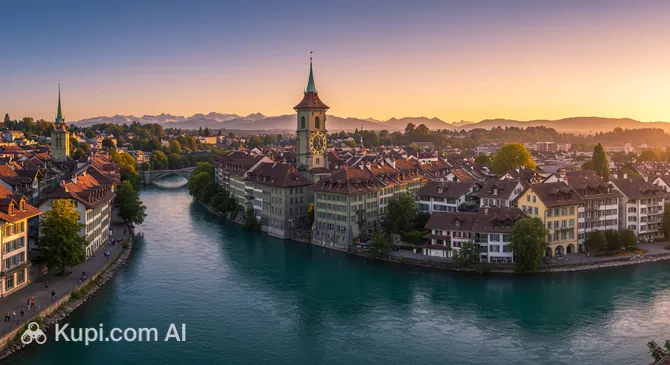
Bern. Source: Kupi.Binoculars

Geographically, the city is stunningly situated on a sandstone peninsula surrounded on three sides by the turquoise waters of the Aare River. With a population of approximately 134,000, it feels intimate yet cosmopolitan. The city serves as a gateway to the Alps, often offering spectacular views of the mountains on clear days, and enjoys a temperate climate that makes sightseeing pleasant throughout the seasons.

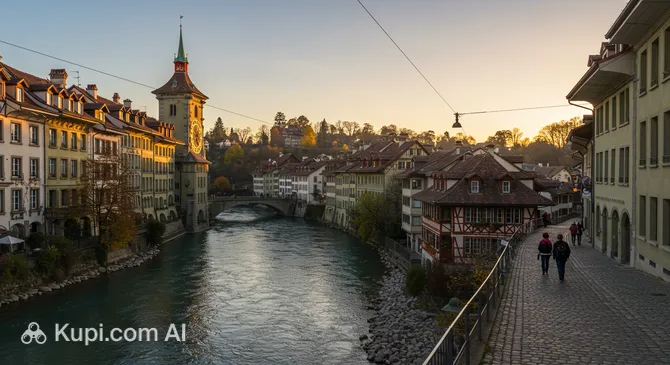
The heart of the city is its Old Town (Altstadt), a UNESCO World Heritage site famous for its 6 kilometers of covered shopping arcades, known locally as "Lauben". These sheltered walkways allow for comfortable strolling in any weather. For those interested in how this architectural gem evolved over the centuries, the history of Bern offers a fascinating journey through time, from its legendary founding by the Dukes of Zähringen to its current status as the political center of the nation.

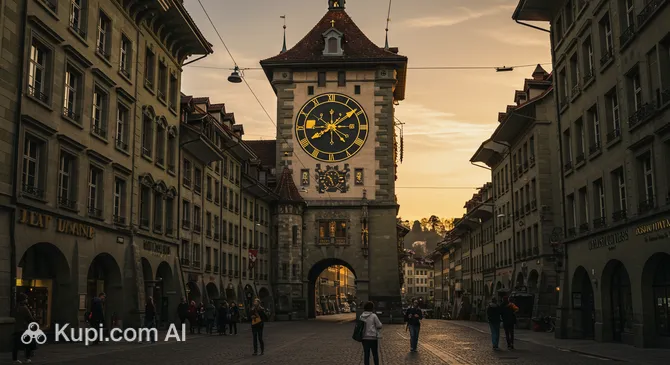
Among the must-see attractions is the iconic Zytglogge, an astronomical clock tower with moving figures that has kept time for the city since the medieval era. Visitors should also not miss the Bear Park, a modern habitat for the city's heraldic animals situated along the riverbank, and the majestic Bern Minster, which boasts the tallest church spire in the country. Whether you are admiring the imposing Federal Palace or taking a refreshing dip in the Aare, Bern promises an unforgettable experience.

We invite you to discover the timeless beauty and slow-paced elegance of this Swiss treasure. Whether you are a history buff, a nature lover, or simply looking for a picturesque getaway, Bern welcomes you with open arms.
Weather Overview

The weather in Bern is generally temperate and varies significantly with the seasons, offering visitors a distinct experience depending on when they travel. The climate is continental, meaning the city enjoys warm days during the summer months and crisp, chilly conditions throughout the winter.

Summer is the warmest time to visit, with July and August seeing average temperatures around 19°C and daily highs reaching up to 23.7°C. While this is the perfect season for swimming in the Aare River, it is also quite wet; June and July typically experience between 16 and 17 days of rain. May is often the dampest month in terms of frequency, with precipitation recorded on approximately 19 days.

Winters are cold, with January being the coolest month, featuring average temperatures of 1.1°C and lows dipping to -2.1°C. Precipitation remains frequent even in the colder months, with December seeing about 17 wet days. Overall, you can expect warm summers with regular rainfall and cold winters that require warm layers.

Interesting Facts

Beyond the main attractions, Bern holds many fascinating secrets and quirks that often escape the casual observer. From hidden symbols in famous chocolates to scientific breakthroughs, the city's history is full of surprises waiting to be discovered.

Child Eater Fountain. Source: Kupi.Binoculars
  • Einstein's Miracle Year: The physicist Albert Einstein lived in Bern when he developed his groundbreaking Theory of Relativity in 1905. He worked at the local patent office during the day and revolutionized physics in his spare time. You can visit the Einstein House, his former apartment on Kramgasse, to see where these ideas came to life.

  • The Hidden Bear in Toblerone: The world-famous Toblerone chocolate was invented in Bern by Theodor Tobler in 1908. While the triangular shape is often associated with the Matterhorn, the logo hides a secret tribute to the city: if you look closely at the mountain illustration, you will see the silhouette of a bear, the heraldic symbol of Bern that can also be seen at the Bear Park.

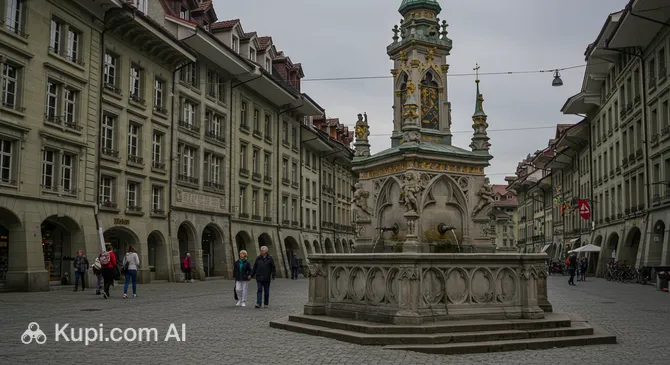
  • The Ogre Statue: One of the city's most peculiar landmarks is the Child Eater Fountain (Kindlifresserbrunnen). Dating back to the 16th century, this colorful statue depicts a giant devouring small children. Its true meaning remains a mystery, with theories ranging from a warning to disobedient children to a depiction of the Greek titan Kronos.

  • Urban River Commute: Swimming in the Aare River is a beloved local tradition, but for some, it is also a mode of transport. In the summer months, it is common to see locals placing their clothes in waterproof "dry bags" and letting the river's current carry them through the city center, effectively floating home from work.

How to Get There

Reaching the Swiss capital is straightforward thanks to its central location and excellent connectivity. Whether you are arriving by air or rail, the journey offers a glimpse of the country's efficient transport network. For a comprehensive guide on all travel options, you can read more about how to get to Bern to plan your trip effectively.

The city of Bern does not have its own major international airport, but you can fly into Zurich Airport (ZRH) in the city of Zurich, which is about 101 km from Bern. It is the largest hub in the country and offers frequent connections. If you choose to travel by road from there, the journey takes approximately 1.5 hours by taxi. Another excellent option is the EuroAirport Basel–Mulhouse–Freiburg (EAP) located in Basel, roughly 72 km away. This airport serves as a convenient entry point, with a travel time of around 1 hour and 15 minutes by taxi to the capital. Both airports are well-integrated into the Swiss transport system, making the final leg of your trip smooth.

For clarity, here is a summary of the main airports:

Airport Name City Passenger Traffic Km from City
Zurich Airport Zurich Large 101.3
Geneva Airport Geneva Large 129.4
EuroAirport Basel–Mulhouse–Freiburg Basel Medium 71.6
Lugano Airport Lugano Small 153.7
Sion Sion Small 81.5

Traveling by train is one of the most popular ways to arrive, as the city is a key hub in the European rail network. You will arrive directly at Bern Railway Station (ZDJ), which is located just 0.8 km from the city center, placing you right in the heart of the action. This major station handles a vast number of passengers annually and provides easy access to local trams and buses, ensuring you can reach your hotel or first sightseeing stop within minutes.

Below is an overview of the nearby railway stations:

Station City Passenger Traffic Km to Center
Bern Railway Station Bern Large 0.8
Basel SBB station Basel Large 67.5
Oerlikon Railway Station Zurich Large 5.1
Basel Badischer Bahnhof Basel Medium 69.9
Sion Railway Station Sion Medium 80.4

Main Attractions

Bern is a city where history and culture are woven into the very fabric of the streets. While the city is compact enough to explore on foot, it is packed with significant landmarks that captivate visitors from around the world. Here are some of the top places you should include in your itinerary.

The heart of the city is the Old Town of Bern, a UNESCO World Heritage site that transports you back to the medieval era. Walking through its cobbled streets, you will be surrounded by well-preserved sandstone buildings and the famous 6 kilometers of arcades, which offer shelter for shopping and strolling in any weather. It is the perfect place to admire the city's historic fountains and soak in the atmosphere of centuries past.

Old Town of Bern. Source: Kupi.Binoculars

Dominating the skyline is the Bern Cathedral, Switzerland's largest ecclesiastical building. This masterpiece of Gothic architecture features a stunning main portal depicting the Last Judgment. For those willing to climb the 344 steps to the spire, the reward is a breathtaking panoramic view over the city roofs and, on clear days, as far as the snow-capped Alps.

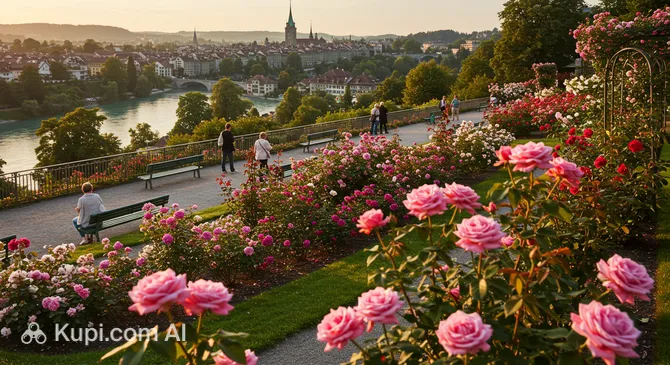
For a more relaxing experience and arguably the best view of the Old Town and the Aare Loop, visit the Rose Garden Bern. Once a cemetery, this beautiful park is now a haven of tranquility featuring hundreds of varieties of roses and irises. It is a favorite spot for locals to watch the sunset, enjoy a picnic, or simply admire the scenery from the garden walls.

Rose Garden Bern. Source: Kupi.Binoculars

The political center of the nation is housed in the majestic Federal Palace of Switzerland (Bundeshaus). Even if you do not take a guided tour of the interior, the exterior and the lively Bundesplatz square in front of it are worth a visit. The square is a gathering place for the community, often hosting markets and events, and features a popular water fountain display that delights children and adults alike.

Art lovers should not miss the Paul Klee Center, located a short distance from the city center. Dedicated to the life and work of the artist Paul Klee, the museum houses the world's most significant collection of his paintings. The building itself is an architectural marvel designed by Renzo Piano, featuring a wave-like structure that blends harmoniously with the surrounding landscape.

Local Cuisine

The culinary scene in Bern is as rich and traditional as its history, offering a delightful mix of hearty Swiss classics and local specialties that reflect the agricultural abundance of the surrounding canton. The city is known for its unpretentious, high-quality food, often served in historic cellar restaurants or lively squares. Visitors can expect generous portions, fresh local ingredients, and a deep appreciation for slow food.

One dish you simply cannot leave without trying is the Berner Platte. This sumptuous feast is a meat lover's dream, typically consisting of various smoked pork sausages, beef tongue, smoked bacon, and pork shoulder, all served on a bed of sauerkraut and green beans. It is a historic dish that dates back to the 16th century and is perfect for sharing. Another staple is Berner Rösti, the local variation of the famous Swiss potato pancake. In Bern, it is traditionally prepared with butter and plenty of diced bacon, making it a savory and satisfying meal on its own or a perfect side dish.

For something lighter or a quick snack, look for Zibelechueche, a savory onion tart made with cream and eggs. While it is the star of the annual Onion Market in November, bakeries serve it year-round. To satisfy your sweet tooth, pick up a box of Mandelbärli. These bear-shaped almond cakes are available in flavors ranging from vanilla to chocolate and make for a charming edible souvenir representing the city's heraldic animal.

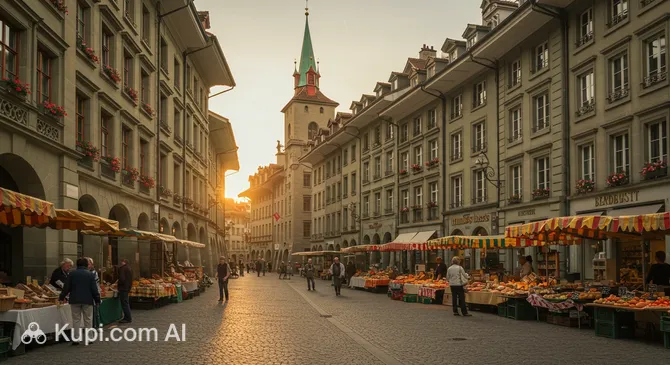
Waisenhausplatz Market. Source: Kupi.Binoculars

When it comes to drinks, Bern has a flourishing brewing culture. The city and its surroundings are home to numerous microbreweries, so be sure to ask for a local craft beer. For a unique local spirit, try Ingwerer, a spicy ginger liqueur handmade in the city that has gained cult status among locals. It is often enjoyed as a shot or mixed into cocktails. Additionally, the city's fountains flow with crystal-clear drinking water from the Emmental valley, which is free and perfectly safe to drink.

Dining in Bern offers a variety of atmospheres, from casual street food to upscale elegance. For a taste of local life, visit the Waisenhausplatz Market, where you can find fresh produce, cheeses, and street food stalls serving sausages and baked goods. It is a vibrant spot to grab a quick lunch and people-watch. If you are looking for a more refined gastronomic experience, the Bellevue Palace Restaurant offers exquisite cuisine in a luxurious setting, often hosting diplomats and politicians due to its proximity to the parliament buildings.

Travel Tips

To ensure your visit to the Swiss capital is as smooth as it is memorable, we have compiled a list of essential travel advice. These practical tips will help you navigate Bern like a local, allowing you to focus on the city's charm rather than logistical hurdles.

  1. Clothing and Essentials: Since the Old Town is paved with cobblestones, comfortable walking shoes are an absolute must; leave the high heels for dinner. The weather can change quickly, so dressing in layers is recommended regardless of the season. Also, remember that Switzerland uses Type J electrical outlets, which are smaller than the standard European plugs, so bringing a specific adapter is necessary.
  2. Free Public Transport: One of the best perks for tourists is the Bern Ticket. If you stay overnight in a hotel, hostel, or campsite within the city, you will receive this ticket for free. It grants you unlimited travel on public transport in zones 100 and 101, which includes the famous Gurten funicular and the Marzili funicular. There is no need to rent a car; the public system is efficient, clean, and punctual.
  3. Currency and Payments: The local currency is the Swiss Franc (CHF). While many larger shops accept Euros, the exchange rate is usually unfavorable, and change will be given in Francs. Credit cards are widely accepted, but it is wise to carry some cash for small purchases at markets or street stalls. Tipping is not mandatory as service is included, but rounding up the bill or leaving a few francs is appreciated for good service.
  4. Hydration and Health: You do not need to buy bottled water in Bern. The city has over 100 public fountains flowing with fresh, high-quality drinking water from the Emmental valley. Bring a reusable bottle and fill it up for free. For minor health issues, look for a pharmacy (marked with a green cross); for emergencies, the university hospital (Inselspital) provides excellent care.
  5. Language and Communication: The local dialect is Bernese German (Bärndütsch), which sounds quite different from standard German. However, English is widely spoken, especially in the tourism and service sectors. A polite greeting of "Grüessech" (Hello) or "Merci" (Thank you) goes a long way in showing respect to the locals.
  6. Local Etiquette: The Swiss value privacy, order, and punctuality. When using public transport or waiting in lines, avoid loud conversations and always let people exit before you enter. On Sundays, the city is generally very quiet; making excessive noise is frowned upon as it is considered a day of rest.
  7. What to Avoid: Do not cross the street when the pedestrian light is red, even if there is no traffic; locals follow traffic rules strictly, and jaywalking is seen as disrespectful and unsafe. Additionally, avoid assuming that shops will be open late; most close by 6:30 PM or 7:00 PM on weekdays and 5:00 PM on Saturdays.
  8. Sunday Shopping Tip: Almost all shops are closed on Sundays. If you find yourself in need of groceries, souvenirs, or pharmacy items on a Sunday, head to the Bern Railway Station. The shops located on the lower levels there remain open 365 days a year, serving as the city's lifeline on weekends.

With these tips in hand, you are well-prepared to enjoy the relaxed pace and high quality of life that Bern has to offer. Pack your comfortable shoes and your reusable water bottle, and get ready for a stress-free Swiss adventure.

Entertainment & Nightlife

While Bern is often celebrated for its relaxed and leisurely pace during the day, the city transforms as the sun sets, offering a vibrant and diverse nightlife scene that caters to all tastes. From cozy cellar bars hidden beneath the medieval arcades to energetic clubs and cultural venues, the Swiss capital proves that it knows how to have a good time. The nightlife here is less about overwhelming chaos and more about quality experiences, whether you are looking for live music, a sophisticated cocktail, or a night of dancing.

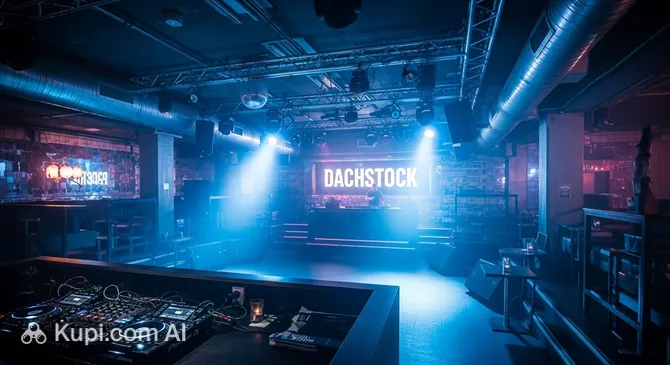
The epicenter of the local party scene is often found around the Aarbergergasse and the bustling Kornhausplatz, where locals gather to start their evenings. For those seeking an alternative and culturally rich atmosphere, the Reitschule is a legendary institution. Located just next to the railway station, this former riding school has been transformed into an autonomous cultural center. Within this complex, you will find Dachstock, one of the city's most famous venues for concerts and club nights. It attracts a diverse crowd and hosts everything from hip-hop acts to electronic DJ sets, making it a cornerstone of Bern's urban culture.

Dachstock. Source: Kupi.Binoculars

If you prefer a more traditional pub atmosphere where you can enjoy a pint and watch sports, McCarthy's is a favorite among expats and locals alike. Located in the heart of the city, this Irish pub offers a warm, welcoming environment with live music on weekends and a wide selection of beers. It is an excellent spot to meet people and soak in a lively, friendly vibe without the intensity of a nightclub.

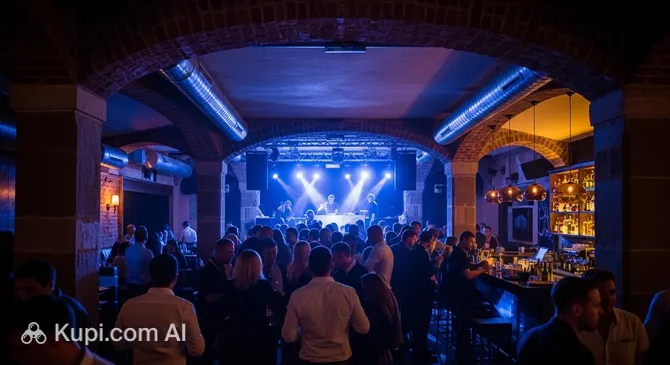
For jazz enthusiasts and those looking for a touch of elegance, the Innere Enge Bern is a must-visit destination. This historic hotel houses the Marians Jazzroom, a world-class venue that hosts international jazz, blues, and soul artists in an intimate setting. It offers a sophisticated night out, perfect for enjoying fine wine and exceptional music in a relaxed ambiance.

Innere Enge Bern. Source: Kupi.Binoculars

Practicality is key when enjoying a night out in Bern. The dress code in most bars and clubs is "smart casual"—comfortable but neat. Entry fees for clubs can range from 15 to 30 CHF, and drinks are priced according to Swiss standards, so budget accordingly. Public transport is excellent even late at night; the "Moonliner" night buses operate on weekends (Friday and Saturday nights), ensuring you can get home safely to the suburbs or nearby towns. The city is generally very safe for night walks, but as with any travel destination, it is wise to stay in well-lit areas and keep an eye on your belongings.

Before the nightlife kicks in, Bern offers plenty of daytime entertainment to fill your schedule. Cultural aficionados can explore the impressive collection at the Kunstmuseum Bern, the oldest art museum in Switzerland with a permanent collection. Alternatively, for a mix of nature and fun, take the funicular up to Gurten Park. This local mountain offers not only stunning views but also expansive green spaces, restaurants, and a miniature railway, making it a perfect spot to relax before a night on the town.

Parks & Museums

Bern is a city that effortlessly balances its medieval heritage with a vibrant cultural scene and abundant green spaces. Beyond the famous arcades and the bear pit, the Swiss capital offers a wealth of tranquil gardens and world-class museums that provide deeper insight into its history, artistic spirit, and love for nature.

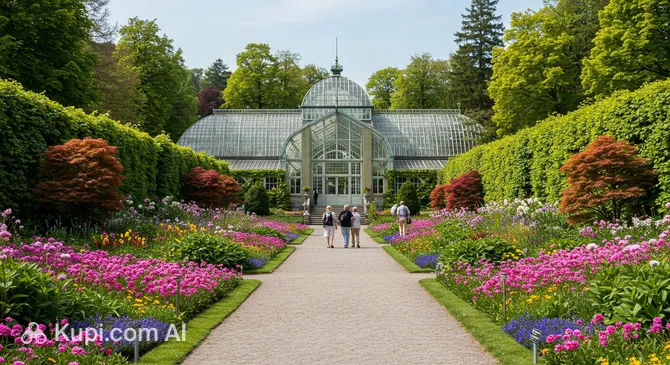
For a peaceful escape right in the city center, the Bern Botanical Garden is a true urban oasis. Located on a sunny slope leading down to the Aare River, this beautifully maintained garden showcases over 5,500 plant species from around the globe. Visitors can wander through the Alpinum to see mountain flora or explore the humid palm houses, making it a delightful retreat for nature lovers in any season.

Bern Botanical Garden. Source: Kupi.Binoculars

Another favorite local spot is the Kleine Schanze, a park situated just a stone's throw from the main railway station. Once a bastion of the city's fortifications, it is now a popular meeting place that offers spectacular views of the Bernese Alps on clear days. With its manicured lawns, music pavilion, and central location, it is the perfect place to relax after a day of sightseeing. For those seeking a more rugged natural experience, Eichholz serves as a beloved riverside recreation area where locals gather for barbecues and swimming.

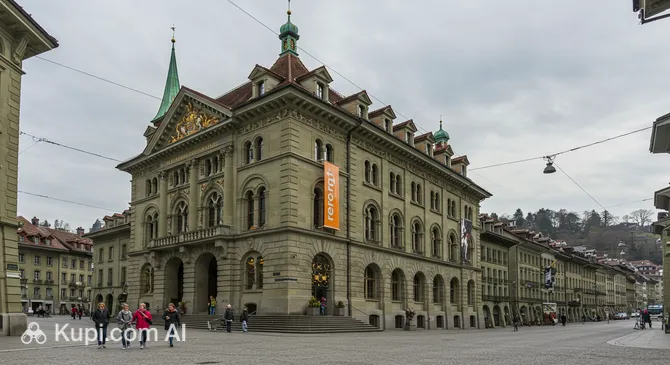
Bern's cultural landscape is equally impressive, anchored by the magnificent Bern Historical Museum / Einstein Museum. Housed in a castle-like building that dates back to 1894, it is the second-largest historical museum in Switzerland. Inside, you can journey through the city's past or visit the dedicated Einstein Museum, which chronicles the life and work of the physicist who formulated the Theory of Relativity while living in Bern.

Bern Historical Museum / Einstein Museum. Source: Kupi.Binoculars

For a more interactive experience, the Museum of Communication is an award-winning venue that explores the history and future of human connection. Unlike traditional museums, it encourages visitors to touch, play, and interact with the exhibits, making it an engaging stop for families and technology enthusiasts alike. Nearby, the Swiss Alpine Museum offers a contemporary look at the Swiss relationship with the mountains, featuring rotating exhibitions on topography, tourism, and climate change.

Walking through the city, you will encounter significant architectural landmarks that tell the story of Bern's evolution. The Käfigturm, or "Cage Tower," stands as a counterpart to the famous Zytglogge. Originally a city gate and later a prison, this baroque tower now hosts exhibitions on political issues and offers a panoramic view of the city from its top floor. Connecting the Old Town to the newer districts is the majestic Nydegg Bridge, an engineering marvel of the mid-19th century that provides one of the most photogenic vantage points of the river loop and the medieval rooftops.

Käfigturm. Source: Kupi.Binoculars

Animal lovers should make time for the Dählhölzli Zoo, located in the Dählhölzli forest along the Aare. It focuses on Nordic and European species, offering naturalistic habitats for animals ranging from wolves to puffins, as well as a tropical vivarium.

For a truly authentic experience, head to the small café located within the Botanical Garden's palm house. It is a hidden gem where you can enjoy a quiet coffee surrounded by lush exotic plants, a stark and warm contrast to the snowy streets in winter or a refreshing break in summer.

Getting Around

Navigating Bern is remarkably easy thanks to its efficient and comprehensive public transport network, primarily operated by the local provider BERNMOBIL. The system relies heavily on a dense web of red trams and trolleybuses that connect the city center with the suburbs and surrounding neighborhoods. While there is no underground metro, the surface transport is so frequent and reliable that you will rarely find yourself waiting long for a ride. For travel to the outer regions, the S-Bahn (commuter train) network provides fast connections.

For tourists, the most valuable asset is the Bern Ticket. If you are staying overnight in a hotel, youth hostel, or official campsite within the city, you are entitled to this ticket at no extra cost for the duration of your stay. It grants unlimited free travel in Zones 100 and 101, which cover the entire city center, the Old Town, and immediate surroundings. You typically receive this ticket digitally via an app or as a printout upon check-in at your accommodation.

If you are visiting for just a day or staying in private accommodation without the Bern Ticket, you will need to purchase tickets before boarding. The city is part of the LIBERO fare network. A standard single ticket is valid for 60 minutes, while a "Short Journey" ticket (Kurzstrecke) is cheaper and valid for a few stops. Tickets can be bought at touchscreen vending machines located at most stops; these machines are multilingual and accept both coins and credit cards. Alternatively, you can use the SBB Mobile app or the FAIRTIQ app to buy tickets digitally, which is often more convenient than fumbling for change.

The main lines operate from approximately 5:00 AM until just after midnight. On Friday and Saturday nights, the Moonliner night bus network takes over, ensuring safe travel for late-night revelers. Be aware that regular travel passes might not cover the night surcharge often required for these late buses, although policies can vary, so it is wise to check the specific rules on the Moonliner app or ticket machine if you plan to stay out late.

Bern also features some unique and historic modes of transport that serve as attractions in their own right. The famous Marzilibahn is a funicular railway that connects the Marzili neighborhood by the river to the Federal Parliament building on the hill. It is one of the shortest public funiculars in Europe and saves you a steep climb. Another quirky option is the Matte Lift (Senkeltram), a public elevator that transports pedestrians between the cathedral platform and the historic Matte district down by the Aare River.

While the public transport system is excellent, the city center is very compact, making walking a viable and pleasant alternative. For those who prefer two wheels, the city offers a bike-sharing scheme known as PubliBike. You can easily rent regular bikes or e-bikes from stations scattered across the city using a smartphone app. Taxis are available at designated stands, particularly around the railway station, but they are generally quite expensive compared to the excellent value of the public transit network.

Accommodation

Finding the perfect place to stay in Bern is an integral part of the travel experience, as the city offers accommodation options that reflect its blend of historic elegance and modern comfort. The range is quite broad, catering to various preferences and budgets, from opulent luxury establishments housed in centuries-old buildings to efficient business hotels and cozy, family-run guesthouses. For budget-conscious travelers, there are also well-maintained youth hostels and an increasing number of apartment rentals that provide a "home away from home" atmosphere.

The most popular area for tourists is undoubtedly the Old Town (Altstadt). Staying here places you right in the middle of the UNESCO World Heritage site, with the famous clock tower, cathedral, and arcades just steps from your door. It is an atmospheric choice, perfect for those who want to soak up the medieval charm day and night. Alternatively, the area surrounding the Bern Railway Station is highly practical for those planning day trips to the Interlaken region or the Alps, offering modern conveniences and excellent transport links. For a quieter, more residential vibe, the districts of Kirchenfeld (the museum district) and Breitenrain offer leafy streets and a relaxed pace while still being within walking distance or a short tram ride from the center.

In terms of pricing, accommodation in the Swiss capital tends to be on the higher side compared to other European cities, reflecting the country's general cost of living. Luxury and mid-range hotels offer high standards of service and cleanliness. Budget options are available but can fill up quickly, especially during the summer months. Most bookings are easily made through major online platforms, though booking directly with the hotel can sometimes yield special offers or better cancellation policies.

A crucial tip for visitors is to look for "official" accommodation providers. Guests staying overnight in a hotel, youth hostel, or campsite in the city are entitled to the Bern Ticket. This pass grants free unlimited travel on public transport in zones 100 and 101 for the entire duration of your stay. It is a significant value-add that makes exploring the city much more affordable. Furthermore, since Bern is the political center of Switzerland, hotels can be fully booked during parliamentary sessions (usually four times a year), so it is highly recommended to book your room well in advance.

Nearby Cities

For those looking to explore the surroundings, Bern serves as an excellent base for day trips to several interesting nearby locations. The city's central location and efficient rail connections make it easy to discover the diverse landscapes and cultures of the region within less than an hour of travel.

One of the most popular excursions is to Thun, often referred to as the gateway to the Bernese Oberland. Located at the lower end of Lake Thun, this charming town features a historic castle that dates back to the 12th century and towers majestically above the rooftops. Visitors can stroll along the unique raised pavements of the Old Town or take a relaxing boat cruise on the turquoise lake with a backdrop of the snow-capped Alps.

Another captivating destination is Fribourg, a stunning medieval city built on a rocky peninsula surrounded by the Sarine River. It is culturally unique as it sits on the linguistic border between French and German-speaking Switzerland. The city is renowned for its well-preserved Gothic architecture, ancient bridges, and the impressive St. Nicholas Cathedral. A ride on the historic funicular, which runs on waste water, provides a memorable way to navigate the steep terrain.

For those interested in industrial history and lakeside leisure, Biel/Bienne offers a fascinating mix. Known as the watchmaking capital of the world, it is the headquarters of brands like Omega and Swatch. The town possesses a beautiful, intact old quarter and lies at the foot of the Jura mountains on the shores of Lake Biel, making it a perfect spot for both cultural exploration and nature walks.

City Population Distance (km)
Biel/Bienne 55,159 26
Thun 43,743 25
Köniz 41,784 3
Fribourg 38,365 27
Ostermundigen 17,751 3

These nearby destinations offer a glimpse into the diverse culture and landscapes of the region.

Shopping & Souvenirs

Shopping in the Swiss capital is a delightful experience that combines historical charm with modern convenience. Unlike many other cities, Bern boasts one of the longest covered shopping promenades in Europe. Known locally as "Lauben," these six kilometers of medieval arcades allow visitors to browse boutiques, galleries, and specialty stores protected from the sun and rain. Whether you are looking for luxury brands, local craftsmanship, or trendy fashion, the city center offers a relaxed and picturesque atmosphere for retail therapy.

The main shopping arteries are located within the Old Town of Bern, particularly along the Spitalgasse and Marktgasse streets. Here, the historic buildings house a mix of international department stores and independent shops. As you stroll towards the lower part of the city, the shops become smaller and more specialized, offering antiques, books, and unique design items. The cellar shops, accessed via steep stairs leading down from the street, are a unique feature of the city and often contain hidden gems ranging from wine cellars to fashion ateliers.

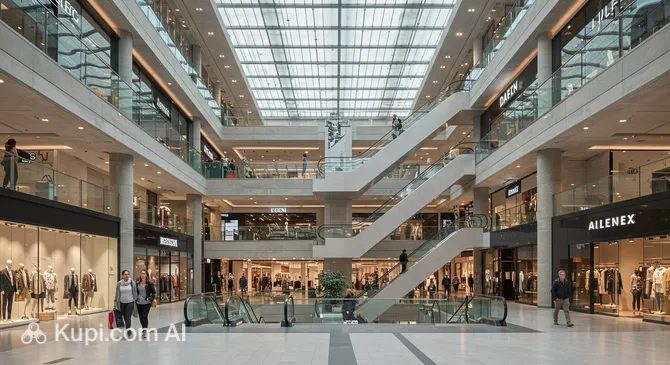
For those who prefer a modern, all-in-one shopping experience, the city has several excellent options. The Wankdorf Shopping Mall is one of the largest centers in the region, located conveniently next to the huge football stadium. It features a wide array of international brands, electronics stores, and supermarkets. Closer to the main transport hub is Welle7, a contemporary concept center at the railway station that combines shopping, gastronomy, and business services, making it perfect for travelers on the go.

Wankdorf Shopping Mall. Source: Kupi.Binoculars

Markets play a significant role in local life, adding vibrancy and color to the city squares. The Waisenhausplatz Market is a central hub where vendors sell everything from leather goods and jewelry to souvenirs and household items. It is a great place to find a unique memento without the high price tag of luxury boutiques. Depending on the season, you might also encounter specialized markets, such as the colorful geranium market in spring or the world-famous Onion Market (Zibelemärit) in November.

When it comes to souvenirs, Bern offers classic Swiss quality. Chocolate is, of course, a top priority; look for premium pralines or the local "Mandelbärli" almond cakes. Swiss watches and army knives are also popular purchases, with numerous authorized dealers located in the city center. For something more traditional, hand-carved wooden items or paper cuttings (Scherenschnitte) make for beautiful and authentic gifts to take home.

Most shops in the city center are open from Monday to Friday between 9:00 AM and 6:30 PM or 7:00 PM. Thursday is the designated late-night shopping day (Abendverkauf), with many stores staying open until 9:00 PM. On Saturdays, shops typically close earlier, around 5:00 PM, and remain closed on Sundays, with the exception of the shops located within the main railway station. Major credit cards are widely accepted, though carrying some cash is advisable for smaller market stalls. Tourists residing outside Switzerland can claim a VAT refund on purchases over 300 CHF, so be sure to ask for a "Tax-Free Form" when buying higher-value items.

Reached the end of the page?

That means the route is fully explored